The best mouthwash for periodontal disease contains prescription-strength chlorhexidine gluconate (CHX) to help eliminate pathogenic bacteria, while over-the-counter options with cetylpyridinium chloride (CPC) or essential oils assist in managing daily plaque. However, mouthwash serves strictly as an adjunct therapy and cannot replace mechanical deep cleaning by a dental professional.
Clinical Summary:
Periodontal disease is a chronic inflammatory condition triggered by bacterial biofilm accumulation along and beneath the gingival margin. While mechanical plaque removal through brushing, flossing, and professional scaling remains the cornerstone of treatment, chemical plaque control via therapeutic mouthwashes plays a critical adjunctive role. Prescription chlorhexidine (CHX) is widely recognized as the gold standard for acute management due to its high substantivity and broad-spectrum bactericidal properties. However, its long-term use is limited by side effects such as tooth staining and dysgeusia. For long-term maintenance, over-the-counter rinses containing cetylpyridinium chloride (CPC) or essential oils offer effective antimicrobial action without severe adverse effects. Clinical experts emphasize that no mouthwash can penetrate deep periodontal pockets or dissolve calcified tartar; therefore, chemical rinses must always be integrated into a comprehensive, professionally guided periodontal treatment plan.
Key Takeaways:
- Chlorhexidine (0.12% to 0.2%) is generally the most effective prescription rinse for acute periodontal inflammation.
- Mouthwashes cannot penetrate deep periodontal pockets (greater than 2mm) or remove hardened calculus.
- Essential oils and CPC rinses are highly suitable for long-term daily maintenance after initial periodontal therapy.
- Alcohol-free formulations are recommended to prevent tissue irritation and dry mouth.
- Chemical plaque control is strictly an adjunct to professional mechanical debridement and daily brushing.
The Role of Mouthwash in Managing Periodontitis
Mouthwash acts as a chemical adjunct to mechanical cleaning, targeting planktonic bacteria and reducing overall microbial load in the oral cavity to support periodontal healing.
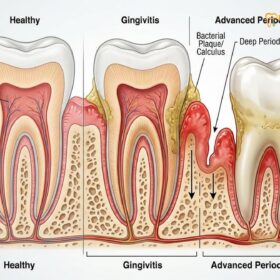
Periodontal disease, encompassing both reversible gingivitis and irreversible periodontitis, is fundamentally a biofilm-induced inflammatory condition. The human oral cavity hosts hundreds of bacterial species, many of which are harmless commensals. However, when oral hygiene is inadequate, pathogenic bacteria—particularly gram-negative anaerobes—proliferate within the dental plaque biofilm. This biofilm adheres tenaciously to the tooth surfaces and the gingival sulcus, triggering a localized immune response that results in tissue destruction, bone loss, and eventual tooth mobility[1].
The primary defense against this bacterial invasion is mechanical disruption. Toothbrushing and interdental cleaning physically break apart the biofilm matrix. However, mechanical cleaning has limitations. It is highly dependent on patient dexterity, compliance, and anatomical factors such as tooth crowding or deep gingival pockets. Furthermore, bacteria reside not only on the teeth but also on the mucosal surfaces of the cheeks, tongue, and palate, which are often overlooked during routine brushing.
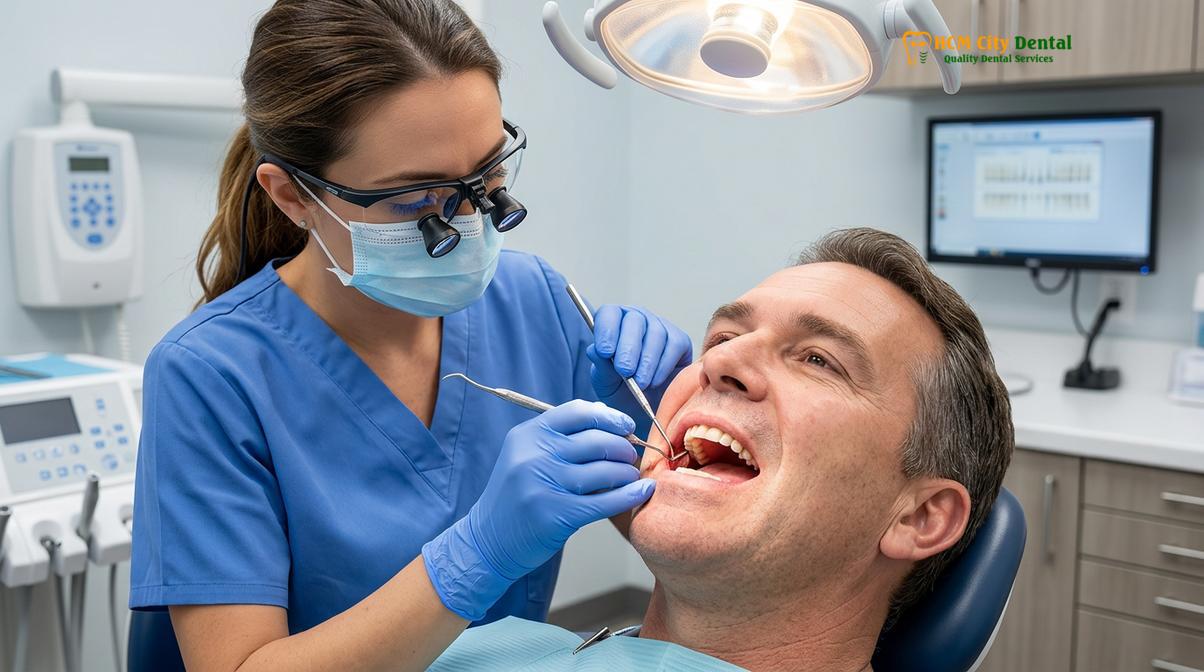
Therapeutic mouthwashes serve as a vital delivery system for antimicrobial agents. When a patient rinses, the liquid is forced throughout the oral cavity under hydrodynamic pressure, reaching areas that toothbrush bristles cannot access. The active ingredients in these rinses target planktonic (free-floating) bacteria, preventing them from adhering to the tooth surface and colonizing newly cleaned areas. By reducing the overall microbial load in the saliva and on mucosal surfaces, mouthwashes significantly delay the recolonization of the dental pellicle, thereby slowing the maturation of the biofilm.
It is crucial to differentiate between cosmetic and therapeutic mouthwashes. Cosmetic rinses merely mask odors and provide a temporary sensation of freshness without altering the bacterial ecology. In contrast, therapeutic rinses contain active pharmacological agents designed to disrupt bacterial cell walls, inhibit enzymatic activity, or interfere with bacterial co-aggregation. For patients suffering from advanced gum disease, selecting a therapeutic rinse with proven clinical efficacy is a non-negotiable component of their home care regimen. Furthermore, managing the bacterial load chemically is often a prerequisite for resolving secondary symptoms, such as the persistent malodor discussed in clinical guides on the bad breath and gum disease connection.
Chlorhexidine (CHX) Mouthwash: The Prescription Gold Standard
Chlorhexidine is a broad-spectrum bisbiguanide antiseptic that binds to oral tissues, providing prolonged bactericidal effects against the pathogens responsible for severe gum disease.
In the realm of periodontology, chlorhexidine gluconate (CHX) is widely acknowledged as the gold standard for chemical plaque control. Available strictly by prescription in many regions, CHX is a bisbiguanide antiseptic with a unique pharmacokinetic profile that makes it exceptionally effective against oral pathogens[2].
“Chlorhexidine remains one of the most effective anti-plaque and anti-gingivitis agents available to clinicians. Its high substantivity allows for a sustained release mechanism that significantly reduces the pathogenic microbial load during the critical healing phase following non-surgical periodontal therapy.”
The clinical superiority of chlorhexidine stems from its mechanism of action and its remarkable property known as substantivity. CHX is a highly cationic (positively charged) molecule. The cell walls of oral bacteria, as well as the surfaces of the oral mucosa and the dental pellicle, carry a net negative charge. When introduced into the oral cavity, the positively charged CHX molecules bind rapidly and strongly to these negatively charged surfaces. At low concentrations, CHX is bacteriostatic, meaning it alters the osmotic equilibrium of the bacterial cell wall, causing low-molecular-weight substances to leak out, thereby inhibiting bacterial reproduction. At higher concentrations, it becomes bactericidal, causing the precipitation of cytoplasmic contents and immediate bacterial cell death.
Substantivity refers to the ability of the active agent to be retained in the oral cavity and released slowly over time. Because CHX binds so effectively to the oral tissues, it maintains antimicrobial activity for up to 12 hours after a single rinse. This prolonged action ensures that bacterial recolonization is suppressed throughout the day and night, providing an optimal environment for gingival healing following professional interventions like deep cleaning and root planing.
Side Effects of CHX: Staining and Taste Alterations
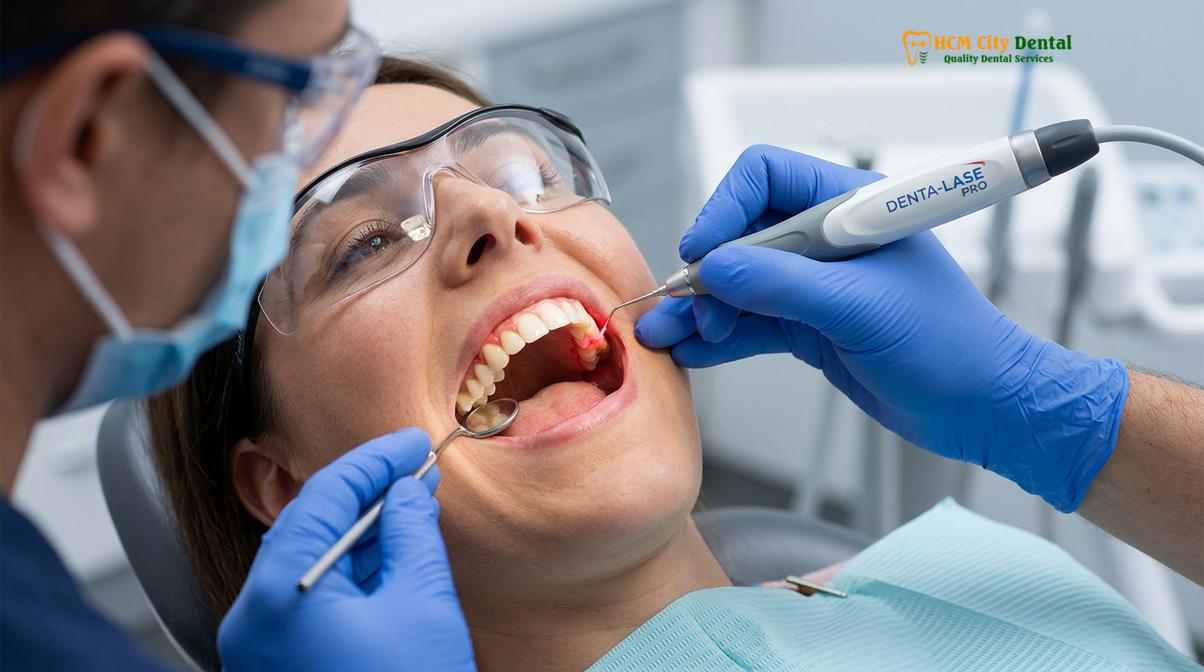
Prolonged use of chlorhexidine can cause extrinsic brown tooth staining, temporary taste alteration (dysgeusia), and increased supragingival calculus formation, necessitating short-term prescribed use.
Despite its unparalleled efficacy in reducing plaque and gingival inflammation, chlorhexidine is not suitable for long-term, continuous use. The very chemical properties that make it so effective—its strong cationic nature and high substantivity—are also responsible for its well-documented adverse effects. Understanding these side effects is essential for patient compliance and managing expectations during periodontal therapy.
The most prominent and visually distressing side effect is extrinsic tooth staining. CHX binds to dietary chromogens—pigmented molecules found in coffee, tea, red wine, and tobacco. Furthermore, the degradation of the chlorhexidine molecule itself, combined with the precipitation of dietary proteins, leads to a Maillard reaction (a non-enzymatic browning). This results in a yellowish-brown to dark brown stain accumulating on the teeth, particularly along the gingival margins, in interproximal spaces, and on the surfaces of composite restorations or dental crowns. While this stain is entirely extrinsic and does not damage the enamel, it cannot be removed by normal toothbrushing and requires professional polishing by a dental hygienist[3].
Clinical Warning: Chlorhexidine mouthwash should generally not be used for more than 2 to 4 consecutive weeks unless specifically directed by a periodontist. Prolonged use beyond this window significantly increases the risk of severe aesthetic staining and temporary alterations to the oral microbiome.
Another significant side effect is dysgeusia, or the temporary alteration of taste sensation. Patients frequently report a lingering metallic or bitter taste, and a reduced ability to perceive saltiness or sweetness. This occurs because the CHX molecules bind to the taste bud receptors on the tongue. Fortunately, this side effect is entirely reversible and resolves within a few days after discontinuing the rinse. Additionally, long-term use of CHX has been associated with an increased rate of supragingival calculus (tartar) formation, as the calcified bacterial ghosts act as a scaffold for mineral deposition from the saliva[5].
Over-the-Counter Antiseptic and Essential Oil Rinses
Non-prescription therapeutic rinses containing cetylpyridinium chloride (CPC) or essential oils effectively disrupt bacterial cell walls, making them excellent long-term maintenance options for periodontal health.
Once the acute phase of periodontal inflammation has been managed with prescription agents and professional debridement, patients require a sustainable, long-term chemical plaque control strategy. Over-the-counter (OTC) therapeutic mouthwashes fill this crucial role. The two most clinically validated active ingredients in this category are cetylpyridinium chloride (CPC) and fixed combinations of essential oils.
Cetylpyridinium chloride (CPC) is a quaternary ammonium compound. Like chlorhexidine, it is cationic and binds to the negatively charged bacterial cell walls, leading to cell lysis and death. However, CPC has lower substantivity than CHX, meaning its antimicrobial effects do not last as long in the oral cavity. The distinct advantage of CPC is its highly favorable side-effect profile. It causes significantly less tooth staining and taste alteration, making it suitable for daily, long-term use. Many modern formulations utilize CPC in an alcohol-free protocol, which is particularly beneficial for patients suffering from xerostomia (dry mouth) or those with highly sensitive, inflamed mucosal tissues.
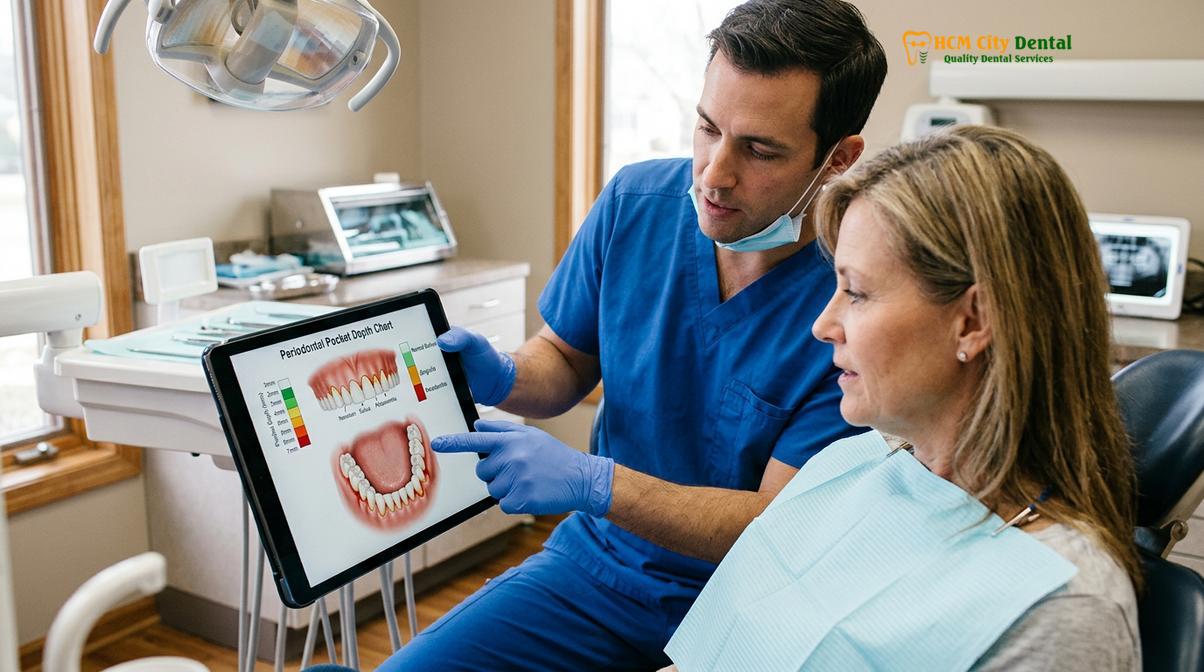
Essential oil mouthwashes represent another highly effective OTC option. These formulations typically contain a precise combination of active phenolic compounds: thymol, eucalyptol, menthol, and methyl salicylate. Unlike cationic agents, essential oils are uncharged. They exert their antimicrobial effect by disrupting the bacterial cell wall and inhibiting bacterial enzymes, effectively penetrating the plaque biofilm matrix. Extensive clinical trials have demonstrated that essential oil rinses can significantly reduce plaque accumulation and gingival inflammation when used as an adjunct to mechanical cleaning.
| Active Ingredient | Mechanism of Action | Substantivity | Primary Clinical Use | Side Effects |
|---|---|---|---|---|
| Chlorhexidine (CHX) | Cell wall disruption (Cationic) | High (up to 12 hours) | Acute therapy, post-surgery | Staining, altered taste, calculus |
| Cetylpyridinium Chloride (CPC) | Cell wall disruption (Cationic) | Moderate (approx. 3 hours) | Daily maintenance | Mild staining (rare) |
| Essential Oils | Enzyme inhibition (Uncharged) | Low | Daily maintenance | Initial burning sensation |
When selecting an OTC rinse, patients must be mindful of the alcohol content. Historically, alcohol (ethanol) was used in high concentrations in essential oil mouthwashes to dissolve the active ingredients. However, alcohol acts as a desiccant, drying out the oral mucosa and potentially exacerbating tissue irritation. For patients with active periodontal disease, an alcohol-free formulation is strongly recommended to maintain salivary flow and protect the delicate gingival tissues. Proper daily maintenance with these rinses can help prevent localized flare-ups, such as those detailed in guides regarding swollen gums around a specific tooth.
Natural and Herbal Alternatives: Tea Tree, Aloe Vera, and Salt Water
Herbal and saline rinses offer mild anti-inflammatory and antimicrobial benefits through osmotic pressure and natural phytochemicals, serving as soothing adjuncts for sensitive, inflamed gums.
As patient preference shifts toward holistic and biocompatible healthcare, the demand for natural herbal mouthwashes has surged. While natural alternatives generally do not possess the potent bactericidal power of chlorhexidine, they offer valuable anti-inflammatory, soothing, and mild antimicrobial properties that can complement a periodontal maintenance routine, especially for patients who cannot tolerate synthetic chemicals.
The most fundamental and universally recommended natural rinse is a warm hypertonic saline solution (salt water). The mechanism here is purely physical rather than pharmacological. A hypertonic solution has a higher concentration of salt than the fluid inside the human cells and bacterial cells. When a patient rinses with salt water, osmotic pressure draws fluid out of the swollen, edematous gingival tissues, rapidly reducing inflammation and discomfort. Simultaneously, it creates a temporary alkaline environment in the oral cavity, which is hostile to the acid-loving bacteria that contribute to plaque formation.
Clinical Case Observation: A 45-year-old patient presented at HCMC Dental Clinic in Ho Chi Minh City with moderate gingivitis and severe mucosal sensitivity to commercial mouthwashes. Following professional scaling, the patient was placed on a daily regimen of warm hypertonic saline rinses combined with an aloe vera-based herbal mouthwash. Within three weeks, gingival bleeding indices dropped significantly, and the patient reported zero tissue irritation, demonstrating the efficacy of natural adjuncts in sensitive profiles.
Beyond salt water, botanical extracts such as Aloe Vera and Tea Tree Oil have shown promising results in periodontal management. Aloe Vera contains natural anti-inflammatory compounds, including salicylic acid and various sterols, which help soothe ulcerated or bleeding gums. Tea Tree Oil possesses well-documented natural antiseptic properties, capable of disrupting the cell membranes of certain oral pathogens. However, these natural remedies should be viewed as supportive care rather than primary treatments for active periodontal infections.
Why Mouthwash is an Adjunct, Not a Cure
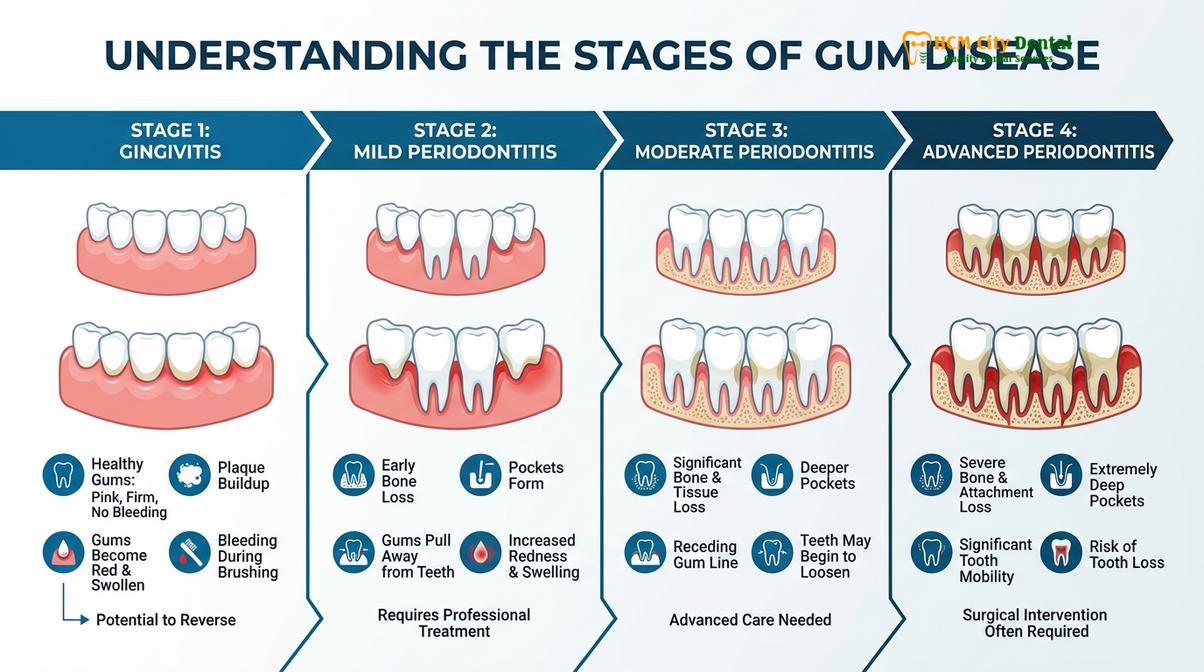
Even the most potent mouthwashes cannot penetrate deep periodontal pockets or remove calcified tartar, making professional mechanical debridement absolutely essential for treating advanced gum disease.
A critical misconception among patients is that a strong mouthwash can cure periodontal disease. This is anatomically and microbiologically impossible. The primary limitation of any mouthwash, regardless of its active ingredient, is its inability to penetrate deep into the periodontal pocket[4].
“Standard rinsing dynamics only allow fluid to penetrate approximately 1 to 2 millimeters subgingivally. In patients with periodontitis, where pocket depths frequently exceed 4 to 6 millimeters, the pathogenic biofilm residing at the base of the pocket remains completely untouched by chemical rinses.”
Furthermore, mouthwashes cannot dissolve calculus (tartar). Calculus is a hardened, calcified matrix of dead bacteria and salivary minerals that bonds tightly to the root surface. It acts as a porous sanctuary for living bacteria, protecting them from both the body’s immune system and external antimicrobial agents. Until this calculus is mechanically removed through professional scaling or gum flap surgery, the underlying infection will persist.
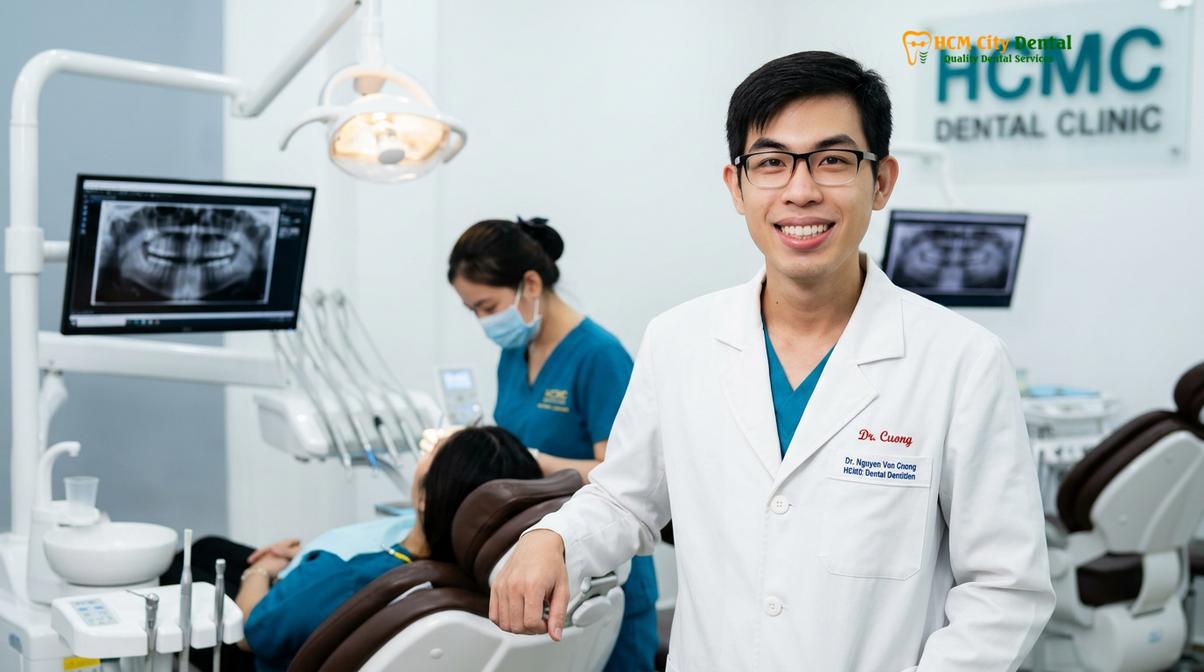
Dr. Nguyen Van Cuong, overseeing periodontal protocols at HCMC Dental Clinic, emphasizes that chemical plaque control must be tailored to the individual. Dr. Cuong frequently advises patients that while therapeutic mouthwashes provide excellent antimicrobial support, they cannot replace the mechanical removal of calculus during professional treatments. This clinical approach aligns with the guidelines set forth by the Vietnam Odonto-Stomatology Association (VOSA), which strictly positions chemical rinses as supportive adjuncts rather than standalone cures[6].
When to See a Dentist for Periodontal Care
Recognizing the early warning signs of gum disease and seeking prompt professional evaluation is vital to preventing irreversible tissue damage and tooth loss.
While a high-quality mouthwash can help manage daily plaque, certain symptoms require immediate professional intervention. You should schedule a dental examination if you experience persistent bleeding when brushing, chronic bad breath, receding gums, or teeth that feel loose. These are signs of active periodontitis that home care alone cannot resolve. Early diagnosis and intervention are critical to halting bone loss and preserving your natural dentition.
For personalized advice on managing gum health and selecting the right oral care products, integrating these practices into your broader General Dentistry routine is highly recommended. If you are struggling with bleeding gums or persistent inflammation, contact HCMC Dental Clinic in Ho Chi Minh City to schedule a comprehensive evaluation and professional cleaning.
References
- Journal of Clinical Periodontology. Efficacy of chlorhexidine mouthrinses in the prevention and treatment of gingivitis. (2019).
- American Dental Association (ADA). Oral health and chemical plaque control adjuncts. (2021).
- International Journal of Dental Hygiene. Comparative efficacy of essential oil and CPC mouthwashes. (2020).
- Journal of Periodontology. The limitations of supragingival irrigation in deep periodontal pockets. (2018).
- Clinical Oral Investigations. Adverse effects of prolonged bisbiguanide usage in periodontal therapy. (2022).
- Vietnam Odonto-Stomatology Association (VOSA). National guidelines on periodontal disease management and chemical plaque control. (2023).
For pricing, booking, and a free clinical assessment, visit our Gum Disease Treatment service page at HCMC Dental Clinic in Ho Chi Minh City.