Periodontal maintenance is a specialized, ongoing dental cleaning prescribed for patients with a history of gum disease. Unlike routine cleanings, it targets bacterial plaque and calculus deep beneath the gum line to help halt disease progression, stabilize bone levels, and preserve natural teeth over the long term.
Clinical Summary:
Periodontal maintenance is a critical therapeutic intervention designed to manage chronic periodontitis. It involves comprehensive pocket depth measurement, subgingival scaling, root planing, and site-specific antimicrobial therapy. Because pathogenic biofilm typically repopulates within 90 days, a strict three-month recall interval is clinically recommended to help prevent disease relapse, alveolar bone loss, and systemic inflammatory complications. Consistent adherence to this protocol aims to ensure long-term periodontal stability and minimizes the need for invasive surgical interventions.
Key Takeaways:
- Maintenance cleanings are therapeutic medical procedures, not just preventive care, targeting subgingival anaerobic bacteria.
- Pathogenic bacteria can repopulate periodontal pockets every 90 to 120 days, necessitating frequent professional intervention.
- A strict three-month interval is the standard clinical recommendation for preventing disease relapse and preserving alveolar bone.
- The procedure includes comprehensive pocket depth probing, subgingival scaling, and root planing.
- Consistent maintenance often reduces the risk of tooth loss and helps lower systemic inflammatory burdens.
Why Periodontal Patients Need Specialized Cleanings
Patients with a history of periodontitis require specialized cleanings because standard prophylaxis cannot reach the deep periodontal pockets where aggressive, bone-destroying bacteria thrive and multiply.
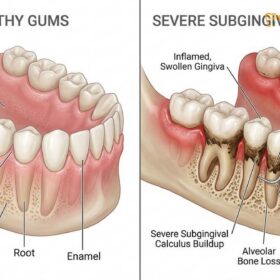
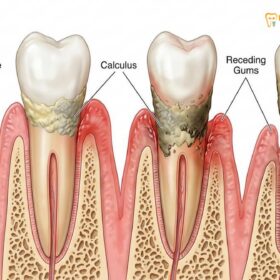
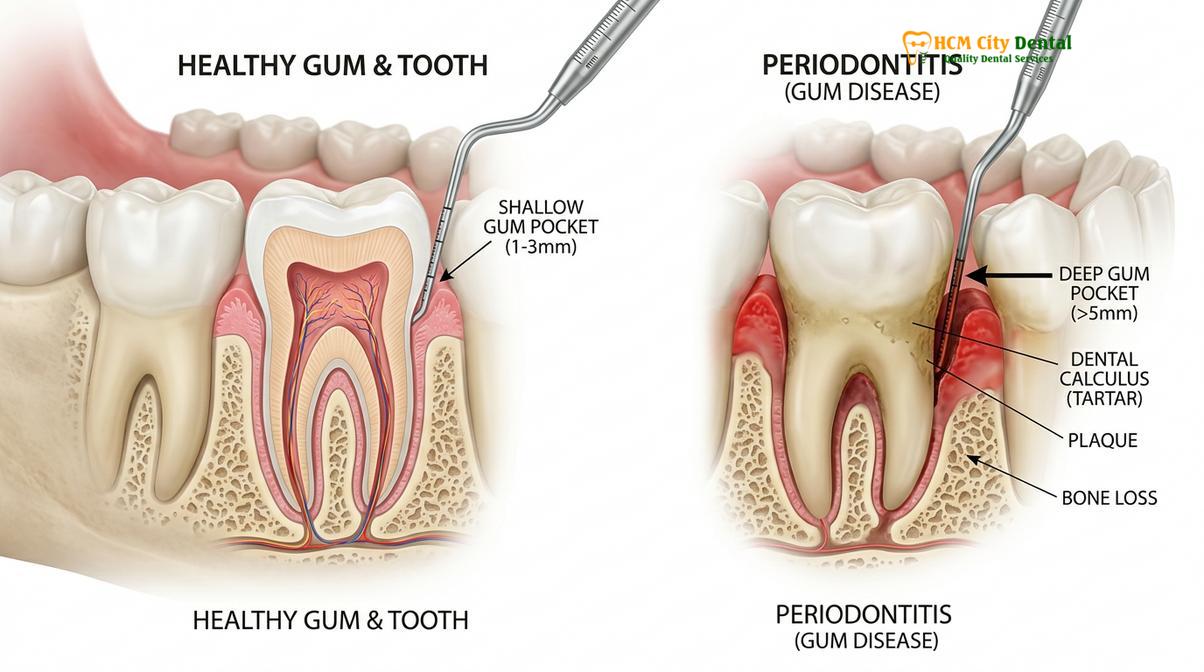
Periodontal disease is a chronic inflammatory condition characterized by the destruction of the supporting structures of the teeth, including the gingival tissue, periodontal ligament, and alveolar bone. Once a patient has been diagnosed with periodontitis and has undergone initial active therapy, their oral anatomy is permanently altered. The attachment loss creates deep spaces between the gums and the teeth, clinically referred to as periodontal pockets. These pockets serve as ideal anaerobic environments for pathogenic bacteria to colonize, multiply, and form highly organized biofilm structures.
A standard routine dental cleaning is designed for patients with an intact, healthy periodontium. It focuses primarily on the supragingival environment—the visible surfaces of the teeth above the gumline. However, for a patient with a history of gum disease, cleaning only the visible surfaces is clinically insufficient. The aggressive bacteria responsible for periodontitis reside deep within the subgingival pockets, often reaching depths of 4 to 6 millimeters or more. Specialized periodontal maintenance is required to mechanically disrupt this subgingival biofilm, remove calculus deposits from the root surfaces, and flush out the bacterial toxins that drive chronic inflammation[1].
Furthermore, the host immune response in periodontal patients is often hyper-reactive. When bacterial plaque accumulates, the body’s immune system responds by releasing inflammatory cytokines, matrix metalloproteinases (MMPs), and osteoclasts, which can inadvertently break down the patient’s own bone and connective tissue. A specialized post-gum disease cleaning is not merely about achieving a clean feeling; it is a targeted medical intervention designed to modulate this inflammatory response. By keeping the bacterial load below the threshold that triggers tissue destruction, clinicians can effectively help arrest the progression of the disease.
Key Differences: Prophylaxis vs Periodontal Maintenance
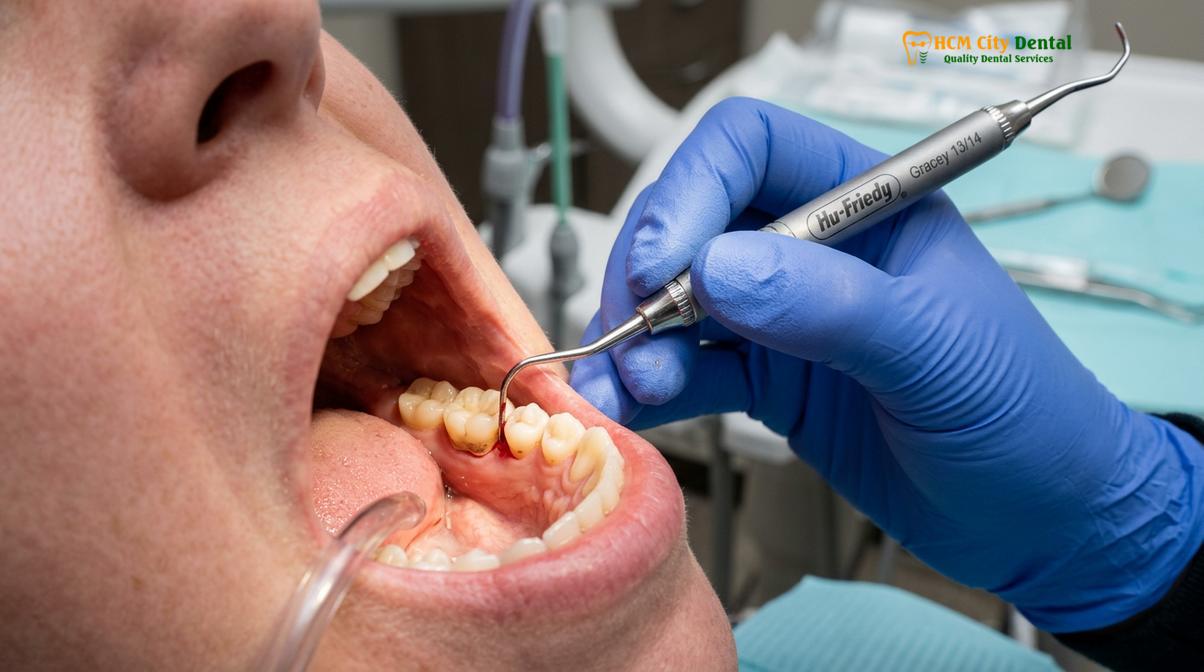
While prophylaxis is a preventive measure for healthy gums, periodontal maintenance is a therapeutic medical treatment designed to manage and arrest active or historical chronic gum disease.
Understanding the distinction between a standard prophylaxis and periodontal maintenance is crucial for patient compliance and long-term oral health. Many patients mistakenly believe that all dental cleanings are identical, leading to confusion when a clinician prescribes a more intensive maintenance protocol. The debate of prophy vs periodontal maintenance is fundamentally a discussion about disease prevention versus disease management.
A dental prophylaxis is a preventive procedure performed on patients who exhibit a healthy periodontium or localized, reversible gingivitis. The primary objective is to remove supragingival plaque, calculus, and extrinsic stains to prevent the onset of periodontal disease. The clinician focuses on the anatomical crowns of the teeth and the shallow gingival sulcus, which typically measures 1 to 3 millimeters in depth. This procedure is generally performed every six months and does not involve deep root instrumentation or the management of active bone loss.
In stark contrast, periodontal maintenance is an ongoing, therapeutic procedure prescribed exclusively for patients who have previously been treated for periodontitis. It is a continuation of active therapy. The clinician must meticulously instrument the root surfaces within deep periodontal pockets, often utilizing specialized ultrasonic scalers and site-specific hand curettes to remove subgingival calculus and disrupt the pathogenic biofilm. This procedure also involves a comprehensive diagnostic evaluation of the patient’s clinical attachment levels, bleeding on probing (BOP), and localized inflammatory markers[2].
| Clinical Parameter | Standard Prophylaxis (Prophy) | Periodontal Maintenance |
|---|---|---|
| Primary Objective | Preventive care for healthy gums | Therapeutic management of chronic disease |
| Treatment Depth | Supragingival (above the gumline) | Subgingival (deep within periodontal pockets) |
| Patient Profile | No history of bone loss or periodontitis | History of periodontitis and attachment loss |
| Standard Frequency | Every 6 months | Every 3 to 4 months |
| Diagnostic Focus | Caries detection and general health | Pocket depth monitoring and bone level assessment |
The complexity of periodontal maintenance requires a higher level of clinical expertise and specialized instrumentation. Clinicians must navigate complex root anatomies, furcation involvements, and areas of gingival recession. The goal is not just to clean the teeth, but to create a biologically acceptable root surface that promotes soft tissue healing and helps prevent the apical migration of the junctional epithelium.
What Happens During a Periodontal Maintenance Visit?
A maintenance visit involves diagnostic pocket probing, subgingival scaling, root planing, bacterial decontamination, and personalized oral hygiene instruction to encourage clinical stability.
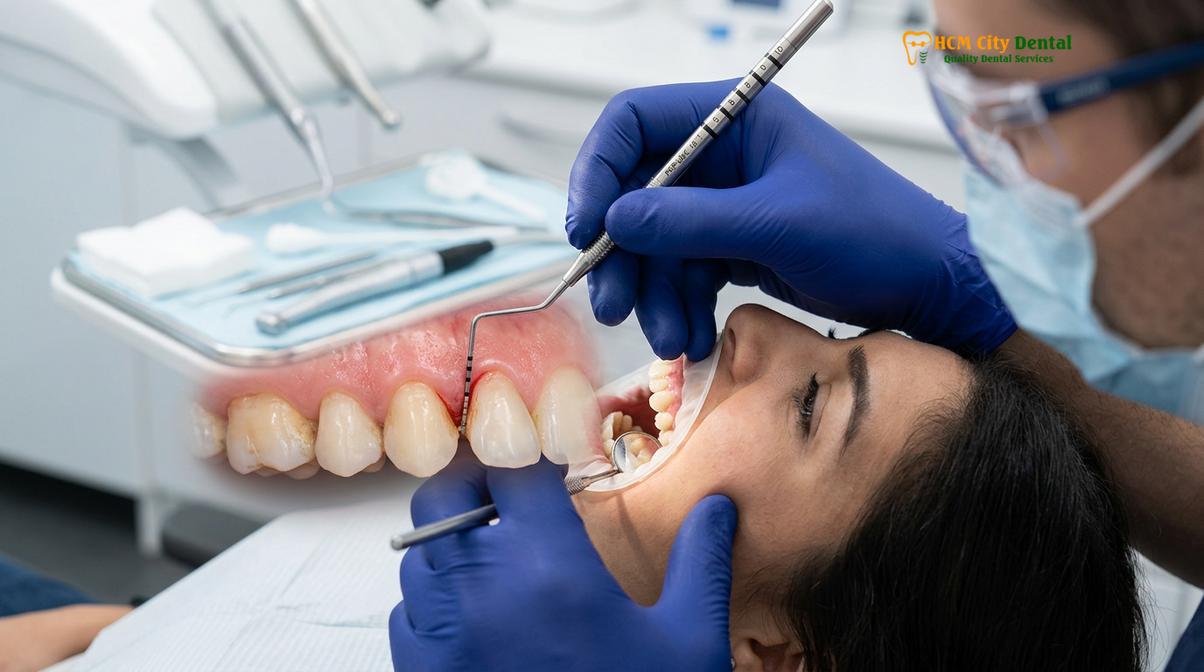
A periodontal maintenance appointment is a highly structured clinical workflow designed to assess, treat, and monitor the patient’s periodontal status. The visit begins with a comprehensive diagnostic update. The clinician will review the patient’s medical history, noting any systemic changes that could impact oral health, such as new medications or a diagnosis of diabetes. Following this, a meticulous periodontal charting is performed. Using a calibrated periodontal probe, the clinician measures the depth of the pockets around every single tooth, recording the data to track disease progression or stability over time.
Once the diagnostic phase is complete, the active therapeutic phase begins. The core of the procedure involves targeted scaling and root planing within the localized areas of residual pocketing. Clinicians typically utilize piezoelectric or magnetostrictive ultrasonic scalers, which use high-frequency vibrations and water cavitation to efficiently shatter hard calculus deposits and flush out unattached biofilm. This is followed by precise hand instrumentation using Gracey curettes to smooth the root surfaces and remove any embedded endotoxins. The smoothing of the root surface is critical, as it discourages new bacterial colonization and facilitates the reattachment of healthy gingival tissue[3].
“Periodontal maintenance is not merely a cleaning; it is a continuous diagnostic and therapeutic cycle. Our primary objective is to intercept the inflammatory cascade before it results in irreversible alveolar bone destruction. Meticulous subgingival instrumentation is the cornerstone of preserving the natural dentition.”
— Dr. Nguyen Van Cuong, Clinical Director
In many modern clinical settings, adjunctive therapies are incorporated to enhance the efficacy of mechanical debridement. For instance, laser-assisted periodontal therapy may be utilized to selectively target and vaporize diseased granulation tissue within the pocket while simultaneously exerting a potent bactericidal effect. Diode lasers are particularly effective at reducing the subgingival bacterial load and promoting rapid hemostasis and tissue healing. Additionally, localized delivery of antimicrobial agents may be placed directly into refractory pockets that are not responding optimally to mechanical therapy alone.
The Ideal Maintenance Schedule: Why 3 Months Matter
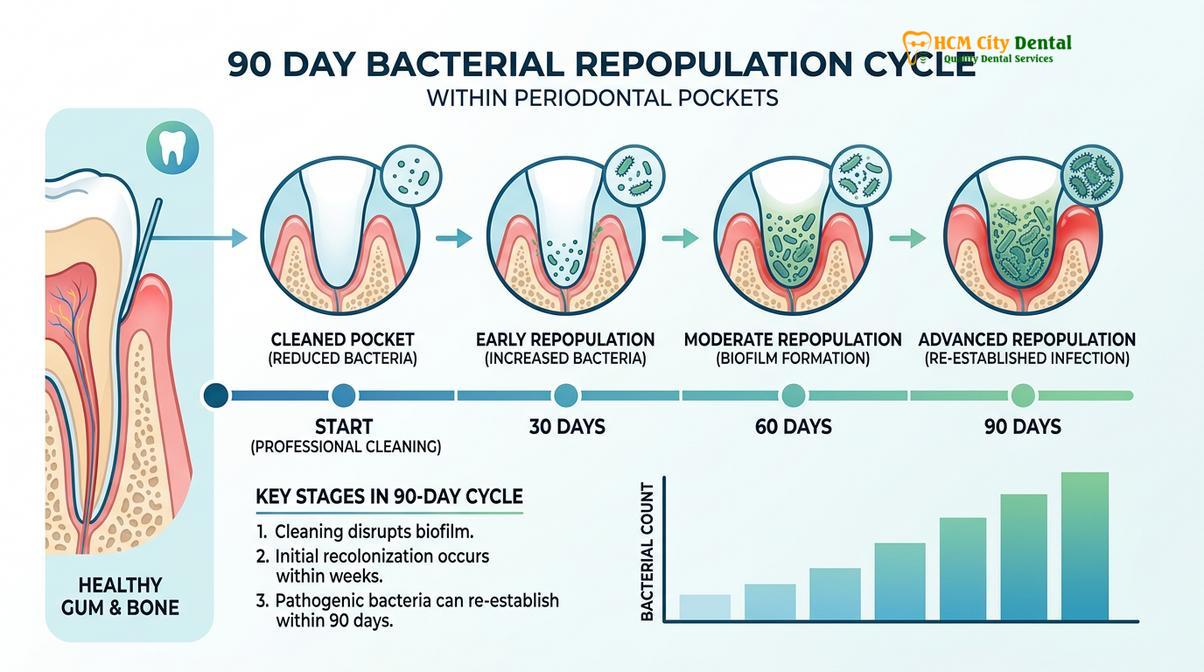
Clinical evidence dictates a three-month maintenance schedule because pathogenic periodontal bacteria take approximately 90 days to repopulate and begin destroying bone tissue again.
One of the most common questions patients ask is why they must return to the clinic so frequently. The rationale behind the three-month periodontal cleaning frequency is deeply rooted in the microbiological lifecycle of oral pathogens. The oral cavity is a dynamic ecosystem, and following a thorough subgingival debridement, the bacterial population is significantly reduced. However, this reduction is temporary. The recolonization process begins almost immediately, starting with benign, Gram-positive aerobic bacteria.
Over the course of several weeks, the biofilm matures and undergoes a critical ecological shift. If left undisturbed, the environment within the deep periodontal pockets becomes increasingly anaerobic, favoring the proliferation of highly virulent, Gram-negative bacteria. Clinical studies have consistently demonstrated that it takes approximately 90 to 120 days for these pathogenic bacteria to reach critical mass and re-establish a highly organized, destructive biofilm complex[4].
Once this pathogenic biofilm is fully mature, it triggers a renewed inflammatory response from the host’s immune system. This marks the transition from clinical stability back to active disease, characterized by bleeding on probing, increased pocket depths, and the resumption of alveolar bone loss. By scheduling maintenance visits every three months, clinicians strategically intervene just before the bacterial population reaches this destructive threshold. This proactive disruption of the biofilm is the key to maintaining periodontal stability and preventing the cyclical nature of the disease.
Can You Ever Go Back to Regular Cleanings?
Returning to regular cleanings is rarely recommended for periodontitis patients, as the disease is chronic and requires continuous subgingival management to prevent irreversible relapse.
The concept of being “cured” of periodontitis is a common misconception. Periodontal disease is a chronic condition, much like hypertension or diabetes. While the active infection can be successfully arrested and the clinical signs of inflammation resolved, the patient’s underlying susceptibility to the disease remains. Furthermore, the anatomical changes caused by previous bone loss—specifically the presence of residual pockets and exposed root surfaces—create permanent retention areas for bacterial plaque. Therefore, preventing periodontitis relapse requires a lifelong commitment to specialized care.
Transitioning a patient from periodontal maintenance back to standard prophylaxis is a clinical decision fraught with risk. If a patient with a history of periodontitis is placed on a six-month prophylaxis schedule, the subgingival biofilm will have ample time to mature and initiate tissue destruction long before the next appointment. This often results in a silent relapse, where the patient experiences significant bone loss without any obvious symptoms like pain or swelling. By the time the relapse is clinically detected, the damage is irreversible, and the patient may require a return to active, invasive therapy, such as gum flap surgery[5].
Clinical Case Study:
A 52-year-old patient presented to HCMC Dental Clinic in Ho Chi Minh City with a history of advanced periodontitis. After successful active therapy, the patient achieved clinical stability. However, due to relocation, the patient transitioned to standard six-month cleanings at a different facility. Within a short period, the patient experienced a severe relapse, presenting with recurrent 6mm pockets and localized mobility. Upon returning to our clinic, the patient required localized laser therapy and was immediately placed back on a strict three-month maintenance protocol, which successfully stabilized the condition once again.
Cost and Long-Term Value of Periodontal Maintenance
While periodontal maintenance requires a more frequent financial commitment than standard cleanings, it is highly cost-effective when compared to the expense of treating advanced tooth loss.
Patients often express concern regarding the ongoing costs associated with a three-month maintenance schedule. Because periodontal maintenance involves advanced diagnostic probing, subgingival instrumentation, and more clinical time than a standard prophylaxis, the fee per visit is naturally higher. However, when evaluating the financial aspect of comprehensive gum treatment, it is essential to consider the long-term value of preserving the natural dentition.
Failing to adhere to a maintenance schedule frequently leads to disease relapse, which can result in severe alveolar bone destruction and eventual tooth mobility. The financial burden of replacing lost teeth with dental implants, bone grafting procedures, or complex fixed prosthetics far exceeds the cumulative cost of routine periodontal maintenance over a lifetime. By investing in preventive therapeutic care, patients can avoid the physical discomfort and significant expenses associated with advanced reconstructive dentistry.
Important Clinical Note: Skipping maintenance appointments significantly increases the risk of irreversible alveolar bone loss. What begins as a minor lapse in care can quickly escalate into an acute infection, potentially necessitating complex surgical interventions or leading to permanent tooth loss.
When to Consult a Periodontist & Important Clinical Notes
Patients should seek immediate periodontal evaluation if they notice persistent bleeding, localized swelling, or changes in tooth mobility between scheduled maintenance visits.
While a strict maintenance schedule is highly effective, patients must remain vigilant about their oral health between appointments. Certain clinical signs indicate that the periodontal disease may be reactivating despite ongoing care. If you experience swollen gums around a tooth, notice an increase in gingival bleeding during routine brushing, or develop chronic bad breath that does not resolve with oral hygiene, it is imperative to schedule an evaluation sooner than your next planned visit. Additionally, aesthetic changes such as dark or black gums accompanied by inflammation should be assessed promptly. These symptoms often point to a localized acute infection or a rapid shift in the subgingival microbiome.
This proactive approach aligns with the recommendations from the Vietnam Odonto-Stomatology Association (VOSA), which emphasizes the necessity of continuous monitoring and early intervention for high-risk individuals to prevent advanced tooth loss[6]. Delaying an evaluation can allow the inflammatory process to accelerate, potentially leading to irreversible damage to the supporting alveolar bone.
“Patient compliance is the most significant variable in periodontal therapy. We can perform the most meticulous subgingival debridement, but if the patient ignores warning signs or skips their maintenance intervals, the disease will inevitably return. Early detection of relapse is crucial for conservative management.”
— Clinical Periodontology Guidelines
Dr. Nguyen Van Cuong, a leading specialist in periodontal care, emphasizes that consistent maintenance is the foundation of long-term oral health. At his practice, he integrates advanced diagnostic tools with personalized therapy to help patients manage chronic gum disease effectively. His clinical approach focuses heavily on patient education, ensuring individuals understand the critical role of subgingival biofilm control in preventing irreversible bone loss and maintaining their natural smiles.
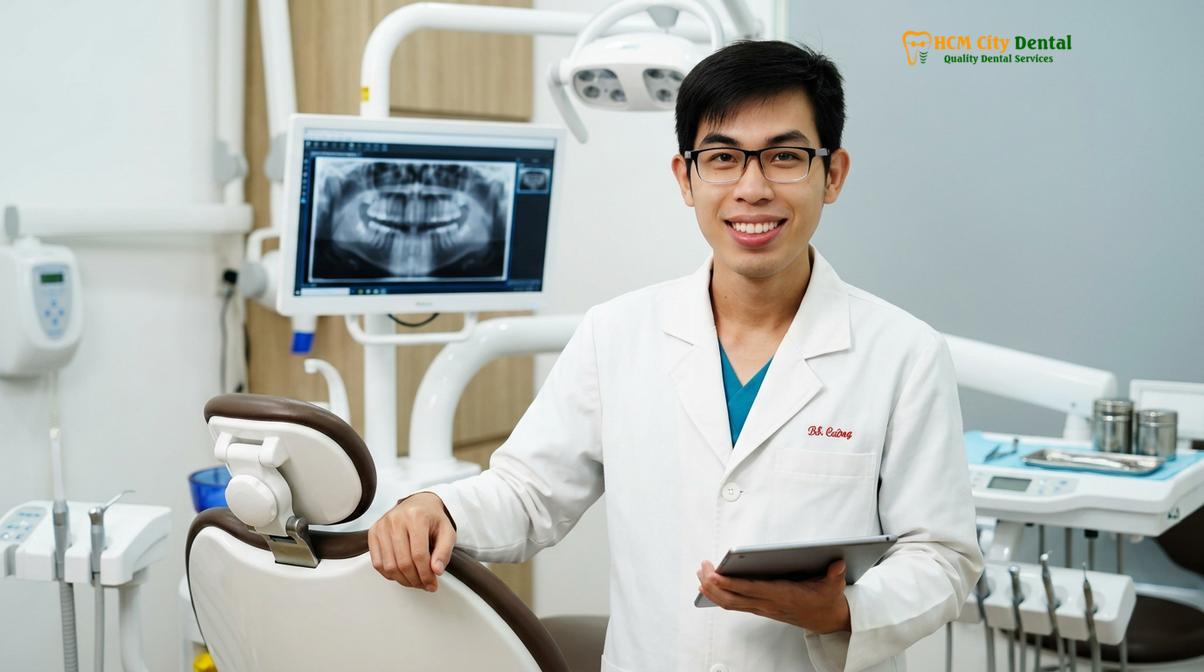
If you have a history of gum disease and want to ensure your condition remains stable, professional intervention is essential. To schedule your specialized periodontal maintenance and comprehensive evaluation, contact HCMC Dental Clinic in Ho Chi Minh City today.
References
- Journal of Clinical Periodontology. Long-term effect of a plaque control program on tooth mortality and periodontal disease.
- American Academy of Periodontology. Comprehensive periodontal therapy: a statement on ongoing maintenance.
- Periodontology 2000. The rationale for supportive periodontal therapy and maintenance intervals.
- Journal of Periodontology. Cost-effectiveness of periodontal maintenance therapy in preventing tooth loss.
- Clinical Oral Investigations. Systemic link between periodontal disease and cardiovascular health.
- Vietnam Odonto-Stomatology Association (VOSA). National clinical guidelines on periodontal disease management and maintenance protocols.