A holistic dental assessment is a comprehensive clinical evaluation that analyzes the intricate connection between your oral cavity and systemic health. Unlike standard checkups, it utilizes advanced 3D imaging and biocompatibility testing to identify hidden infections, toxic dental materials, and structural imbalances affecting your entire body.
Clinical Summary:
A holistic dental assessment evaluates the mouth as an integrated part of the body’s systemic health ecosystem. This diagnostic approach prioritizes biocompatible materials, advanced 3D Cone Beam Computed Tomography (CBCT) for detecting hidden jawbone cavitations, and safe removal protocols for toxic elements like mercury amalgam. By identifying root-cause oral pathologies—such as chronic silent infections or metal reactivity—clinicians can formulate a phased, biological treatment plan that supports immune function, utilizes natural tissue regeneration techniques like Platelet-Rich Fibrin (PRF), and promotes long-term systemic wellness.
Key Takeaways:
- Evaluates the oral cavity’s direct impact on systemic immune, neurological, and cardiovascular health.
- Utilizes 3D CBCT imaging to uncover silent infections and jawbone cavitations frequently missed by standard 2D X-rays.
- Prioritizes the SMART protocol for the biologically safe extraction of mercury-based amalgam fillings.
- Replaces toxic or reactive dental materials with biocompatible, BPA-free, and metal-free alternatives.
- Integrates biological healing modalities, including ozone therapy and PRF, to accelerate natural tissue regeneration.
What is a Holistic Dental Cleanup Protocol?
A holistic dental cleanup protocol is a systematic, biologically safe process designed to remove toxic dental materials and eradicate chronic oral infections while preserving natural tooth structure.
The foundation of modern clinical dentistry is undergoing a profound paradigm shift. For decades, the oral cavity was treated as an isolated structure, separate from the rest of the human body. Today, a biological dentistry approach recognizes that the mouth is the primary gateway to the systemic ecosystem. Every procedure performed, every material implanted, and every infection left untreated in the jawbone has a cascading effect on systemic immunology, cardiovascular health, and neurological function.
A holistic dental cleanup protocol is not merely a cosmetic enhancement or a routine hygiene appointment. It is a meticulously planned medical intervention aimed at reducing the body’s total toxic burden. This protocol addresses the “three pillars of biological toxicity”: heavy metal exposure (primarily from mercury amalgam fillings), chronic low-grade infections (such as failing root canals and periodontal disease), and structural imbalances that impede proper airway function and cranial nerve signaling.
When a patient undergoes a holistic dental assessment, the clinician evaluates the biocompatibility of existing dental restorations. Traditional dentistry has historically relied on materials chosen for their durability and low cost, such as silver-colored amalgam (which contains approximately 50% elemental mercury) and nickel-based crowns. However, clinical evidence increasingly demonstrates that these materials can continuously off-gas toxins or create galvanic currents—essentially turning the mouth into a small battery that disrupts the body’s natural electrical pathways [1]. The cleanup protocol systematically identifies these hazards and replaces them with inert, biocompatible alternatives like zirconia and medical-grade ceramics.
Furthermore, the protocol emphasizes minimally invasive techniques. The goal is to preserve as much of the natural, healthy tooth structure as possible while eliminating pathogenic bacteria. This is achieved through the integration of advanced technologies such as ozone therapy, which utilizes activated oxygen to eradicate bacteria, viruses, and fungi without the need for harsh chemical disinfectants. By focusing on the root causes of oral disease rather than merely managing symptoms, the holistic cleanup protocol facilitates profound systemic healing and restores biological harmony.
Diagnostic Phase: OPG, 3D CBCT, and Dental Meridian Assessment
The diagnostic phase utilizes advanced 3D CBCT scans, panoramic OPGs, and meridian charting to map the precise relationship between dental pathologies and systemic organ function.
The success of any biological treatment plan hinges on the accuracy and depth of the initial diagnosis. A standard dental exam typically relies on visual inspection and 2D bite-wing X-rays, which are adequate for detecting superficial decay but grossly insufficient for evaluating the complex three-dimensional anatomy of the jawbone. In contrast, a holistic dental assessment employs a multi-layered diagnostic approach to uncover hidden pathologies that compromise systemic health.
The cornerstone of this diagnostic phase is the Cone Beam Computed Tomography (CBCT) scan. Unlike traditional 2D X-rays, which compress complex anatomical structures into a flat image, a 3D CBCT scan captures thousands of cross-sectional images to create a highly detailed, rotatable model of the maxillofacial region. This allows the biological dentist to visualize the exact density of the jawbone, trace the pathways of cranial nerves, and identify chronic, asymptomatic infections that are invisible to the naked eye. A full mouth diagnostic check using CBCT is essential for detecting apical periodontitis (infections at the root tip) and assessing the integrity of the airway.
“In biological dentistry, we cannot treat what we cannot see. Advanced 3D CBCT imaging is non-negotiable; it is the only way to definitively rule out silent jawbone infections that may be silently draining the patient’s immune system and contributing to chronic systemic illness.”
— Dr. Nguyen Van Cuong, Clinical Director
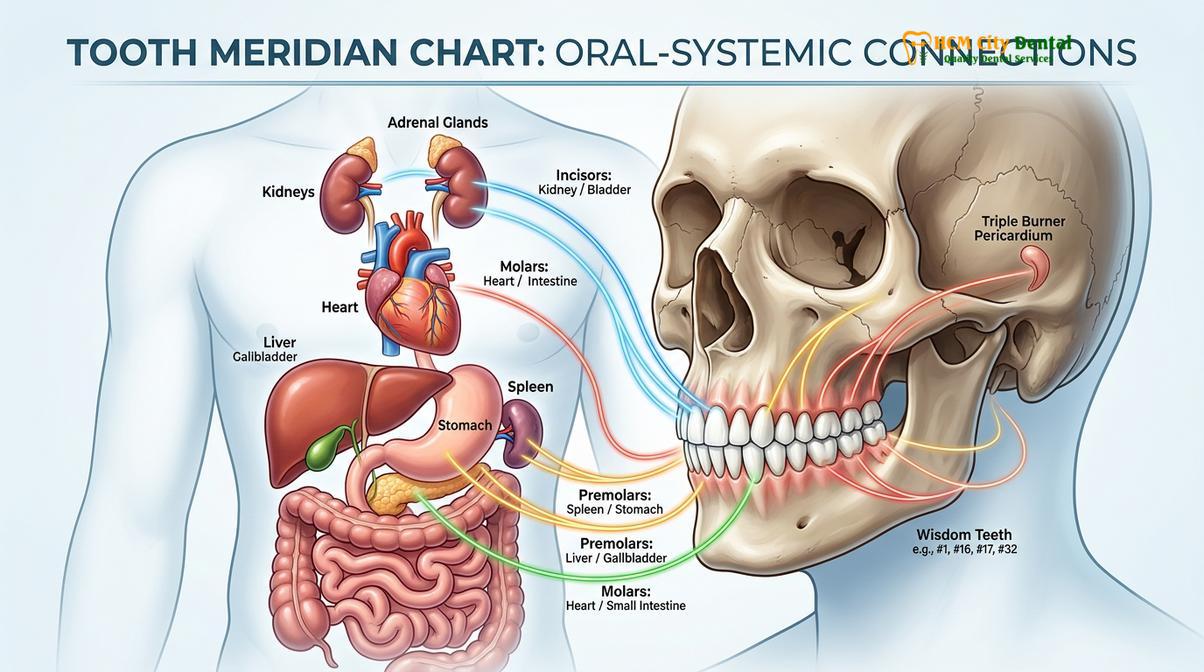
Alongside advanced imaging, the diagnostic phase incorporates the concept of dental meridians. Based on principles of traditional Eastern medicine and validated by modern bio-energetic research, the dental meridian chart maps the energetic connections between specific teeth and major organ systems. For example, the upper first molars are energetically linked to the stomach and thyroid gland, while the incisors correspond to the kidneys and urogenital tract. If a patient presents with chronic thyroid dysfunction, a holistic dentist will closely examine the corresponding dental meridians for hidden infections, toxic materials, or energetic blockages [2].
Additionally, the diagnostic phase may include oral microbiome testing and salivary pH analysis. The oral microbiome is a complex ecosystem of bacteria, fungi, and viruses. An imbalance (dysbiosis) in this microbiome can lead to aggressive periodontal disease and systemic inflammation. By analyzing the specific strains of bacteria present in the mouth, the clinician can develop targeted, natural antimicrobial therapies—such as specific essential oil blends or targeted probiotics—to restore a healthy oral flora without resorting to broad-spectrum antibiotics that decimate the gut microbiome.
Identifying Hidden Infections, Bone Cavitations, and Metal Reactivity
Advanced biological diagnostics focus on uncovering asymptomatic jawbone cavitations, failing root canals, and systemic immune reactivity caused by incompatible dental metals.
One of the most critical aspects of a holistic dental assessment is the identification of hidden, chronic infections that conventional dentistry often overlooks. The most insidious of these are jawbone cavitations, medically known as Neuralgia-Inducing Cavitational Osteonecrosis (NICO) or Ischemic Bone Disease. Cavitations are hollow, dead spaces within the jawbone, typically occurring at the sites of previous tooth extractions—most commonly wisdom teeth. When a tooth is extracted and the periodontal ligament is not properly removed, the bone may heal over the surface while leaving a necrotic, bacteria-filled void underneath.
These cavitations become breeding grounds for highly toxic anaerobic bacteria. Because these areas lack proper blood flow (ischemia), systemic antibiotics cannot reach the infection. Instead, the bacteria produce potent endotoxins that slowly leak into the bloodstream, placing a massive, continuous burden on the immune system. Patients with severe jawbone cavitations often present with unexplained chronic fatigue, autoimmune flare-ups, or trigeminal neuralgia. Identifying these lesions requires expert interpretation of 3D CBCT scans, looking for specific patterns of bone radiolucency.
Another major focus is the evaluation of root canal-treated teeth. From a biological perspective, a root canal procedure removes the nerve and blood supply of the tooth, rendering it dead tissue. The microscopic dentinal tubules within the tooth structure can harbor anaerobic bacteria that produce highly toxic byproducts, such as thioethers. While not every root-canaled tooth causes immediate systemic illness, a holistic assessment carefully evaluates these teeth for signs of chronic apical periodontitis or systemic immune reactivity, discussing extraction and biocompatible implant alternatives when necessary.
| Diagnostic Parameter | Traditional Dental Exam | Holistic Dental Assessment |
|---|---|---|
| Imaging Technology | 2D Bite-wing and Panoramic X-rays | 3D CBCT Scans for deep bone analysis |
| Material Evaluation | Focus on durability and mechanical function | Focus on biocompatibility and systemic toxicity |
| Infection Detection | Visible decay and acute abscesses | Silent cavitations (NICO) and chronic root infections |
| Systemic Connection | Rarely considered beyond basic medical history | Meridian charting and immune burden analysis |
| Gum Health | Pocket depth measurement and scaling | Microbiome analysis and systemic inflammation markers |
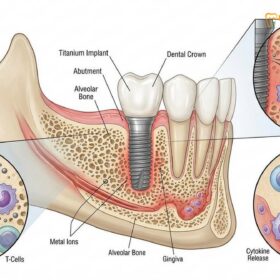
Furthermore, the assessment rigorously screens for metal reactivity. The oral cavity is a harsh environment, subject to constant moisture, temperature fluctuations, and mechanical stress. When dissimilar metals—such as a mercury amalgam filling, a gold crown, and a titanium implant—are present in the same mouth, they interact with saliva to create a galvanic battery. This oral galvanism can cause localized tissue inflammation, metallic taste, and disruption of normal neurological signaling. Additionally, many patients have undiagnosed Type IV delayed hypersensitivity to common dental metals like nickel or titanium [3]. Biocompatibility testing, such as the MELISA (Memory Lymphocyte Immunostimulation Assay) blood test, can definitively identify these sensitivities, guiding the selection of safe, non-reactive materials.
Phased Planning: SMART Removal, Material Choice, and Bio-Healing
Treatment is executed in strategic phases, beginning with the Safe Mercury Amalgam Removal Technique (SMART), followed by biocompatible restorations and advanced biological tissue regeneration.
Once the comprehensive diagnostic phase is complete, the clinician develops a highly personalized, phased treatment plan. In biological dentistry, the sequence of treatment is just as important as the procedures themselves. The body’s detoxification pathways and immune capacity must be respected; attempting to remove all toxic materials and infections in a single marathon session can overwhelm the system and trigger a severe healing crisis. Therefore, treatments are carefully staged to support optimal recovery.
The first and most critical phase often involves the removal of mercury amalgam fillings. Mercury is a potent neurotoxin, and drilling out an old amalgam filling without proper precautions releases massive amounts of mercury vapor and particulate matter, which can be inhaled and absorbed by both the patient and the dental team. To mitigate this severe risk, biological dentists strictly adhere to the SMART (Safe Mercury Amalgam Removal Technique) protocol established by the International Academy of Oral Medicine and Toxicology (IAOMT).
Clinical Warning: Unsafe Amalgam Removal
Having mercury amalgam fillings removed by a conventional dentist without the use of the SMART protocol can expose you to dangerous levels of aerosolized mercury vapor. This acute exposure can exacerbate neurological symptoms, kidney stress, and autoimmune conditions. Always ensure your clinician utilizes full barrier protection, alternative air supplies, and high-volume evacuation during removal.
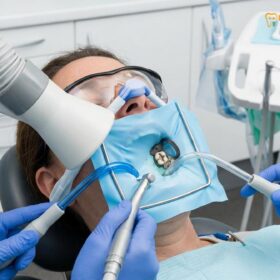
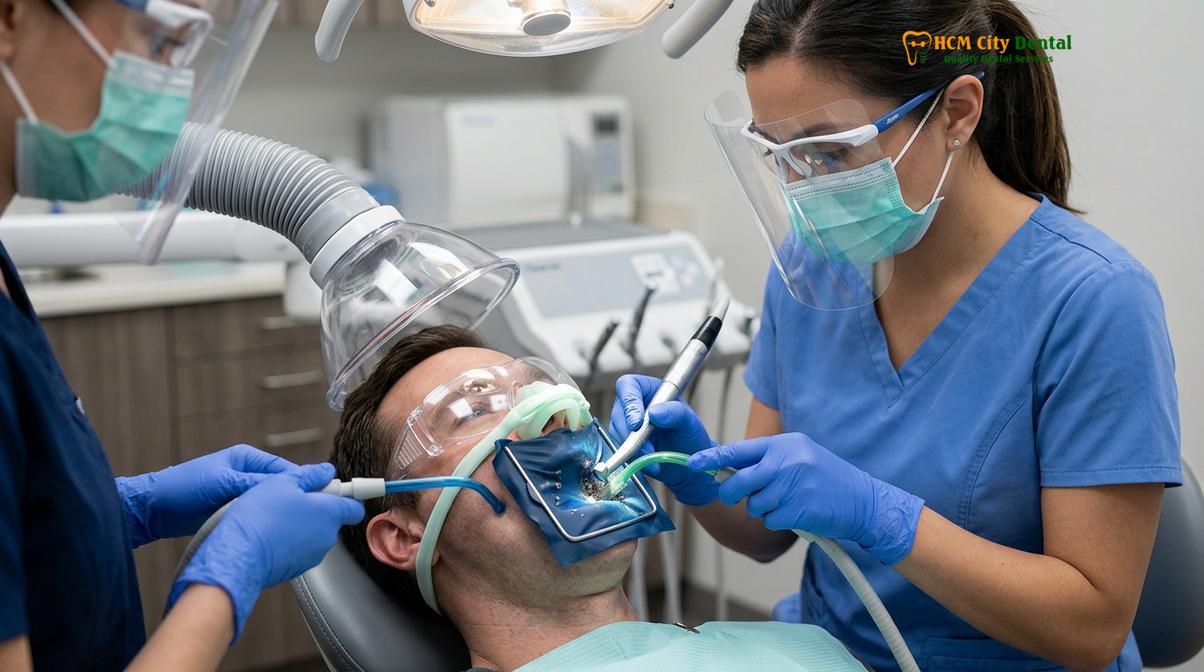
The SMART protocol involves a rigorous set of safety measures. The patient is provided with an alternative oxygen supply via a nasal mask to prevent inhalation of mercury vapor. A non-latex dental dam is placed to isolate the tooth and prevent amalgam particles from being swallowed. The dentist uses a specialized high-volume aerosol vacuum placed directly over the patient’s mouth, along with copious amounts of cold water to keep the filling cool and minimize vaporization. The amalgam is then carefully sectioned into large chunks rather than being ground into a fine powder, ensuring safe and efficient removal [4].
Following the safe removal of toxic materials and the surgical debridement of any jawbone cavitations, the focus shifts to material choice and bio-healing. Biological dentists exclusively utilize biocompatible materials, such as BPA-free composite resins and high-strength zirconia ceramics, to restore tooth structure. Zirconia is particularly favored for dental implants and crowns due to its exceptional strength, aesthetic properties, and complete lack of metal reactivity, allowing the gingival tissue to adhere to it naturally without inflammation.
To accelerate the healing process and promote natural tissue regeneration, holistic clinics integrate advanced bio-healing modalities. One of the most effective techniques is Platelet-Rich Fibrin (PRF) therapy. PRF involves drawing a small amount of the patient’s own blood and centrifuging it to isolate a concentrated matrix of platelets, white blood cells, and fibrin. This autologous membrane is then placed into surgical sites—such as extraction sockets or cavitation cleanouts—to release growth factors, significantly reduce post-operative pain, and stimulate rapid bone and soft tissue regeneration without the need for synthetic grafting materials.
Preventative Upgrades: Switching to Fluoride-Free, BPA-Free Care
Preventative biological care eliminates neurotoxic fluoride and endocrine-disrupting BPAs, replacing them with remineralizing hydroxyapatite and highly biocompatible ceramic composites.
A holistic dental assessment extends far beyond the clinical chair; it encompasses a complete overhaul of the patient’s daily oral hygiene routine and preventative care strategies. Traditional preventative dentistry has long relied on systemic and topical fluoride to harden tooth enamel and prevent decay. However, a biological approach critically evaluates the systemic risks associated with cumulative fluoride exposure, including potential neurotoxicity, thyroid suppression, and skeletal fluorosis.
Instead of relying on controversial chemicals, holistic dentistry advocates for fluoride dental risks awareness and promotes safe, biomimetic alternatives. The gold standard for natural enamel remineralization is nano-hydroxyapatite (nHA). Hydroxyapatite is the exact calcium phosphate mineral that makes up 97% of human tooth enamel and 70% of dentin. When applied via toothpaste or professional varnishes, nano-hydroxyapatite particles physically bond to the tooth surface, filling in microscopic fissures and reversing early decay without any risk of systemic toxicity. Clinical studies have shown that clinical hydroxyapatite alternatives are just as effective as fluoride in preventing caries, while offering superior biocompatibility [5].
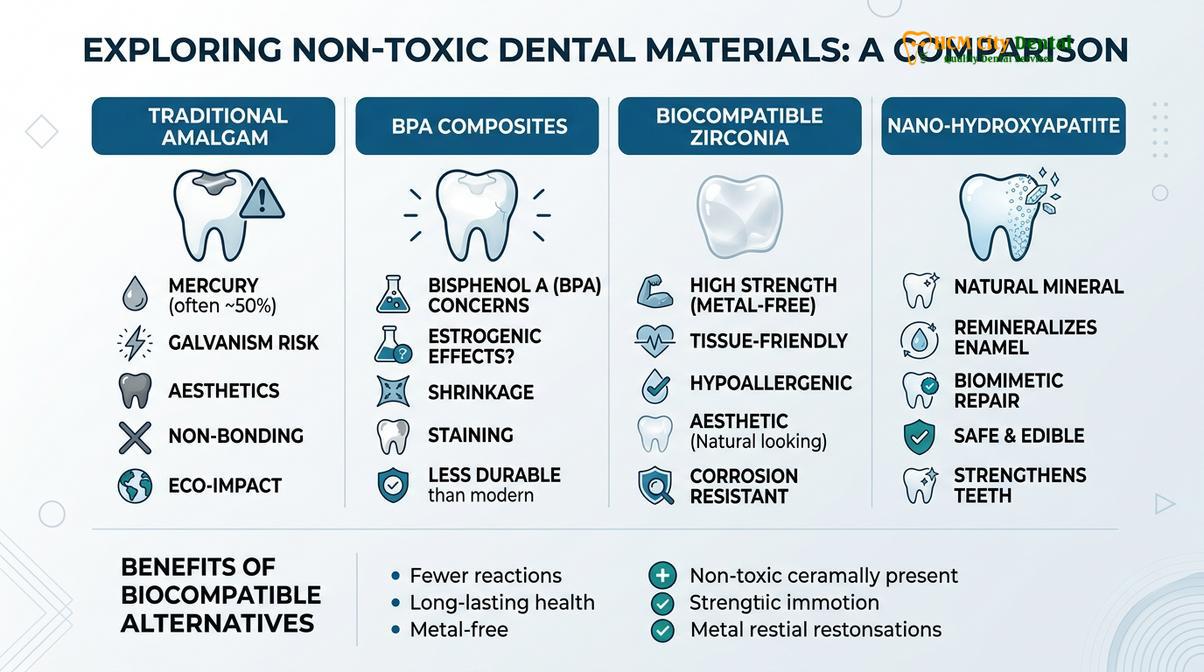
Furthermore, preventative biological care scrutinizes the chemical composition of routine dental materials. Many conventional composite resin fillings and dental sealants contain Bisphenol A (BPA) or its derivatives, such as Bis-GMA. BPA is a known endocrine disruptor that can mimic estrogen in the body, potentially contributing to hormonal imbalances and developmental issues. A holistic dental practice strictly utilizes BPA-free, non-toxic composite materials to ensure that restorative work does not inadvertently introduce harmful chemicals into the patient’s system.
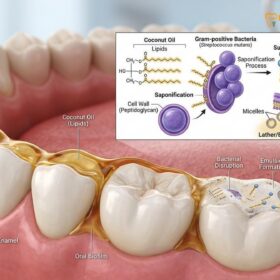
Preventative care also involves optimizing the oral microbiome through targeted nutrition and biological hygiene practices. Patients are educated on the impact of diet on oral pH and bacterial balance. Techniques such as oil pulling with organic coconut oil, using ozone-infused water for oral rinsing, and supplementing with fat-soluble vitamins (like Vitamin D3 and K2) are often recommended to support robust jawbone density and natural immune defense against periodontal pathogens.
Starting Your Journey: What to Expect During the First Clean Up
Your initial biological cleanup involves a comprehensive clinical consultation, personalized biocompatibility testing, and a meticulously phased treatment timeline tailored to your systemic health needs.
Embarking on a biological teeth clean up saigon journey is a transformative experience that requires a collaborative partnership between the patient and the clinical team. The process begins with an exhaustive initial consultation, which is significantly more detailed than a standard dental visit. Patients are asked to provide a comprehensive medical history, detailing not only their dental past but also any chronic systemic conditions, autoimmune disorders, allergies, and current medications or supplements.
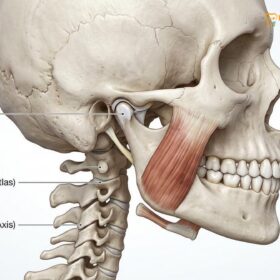
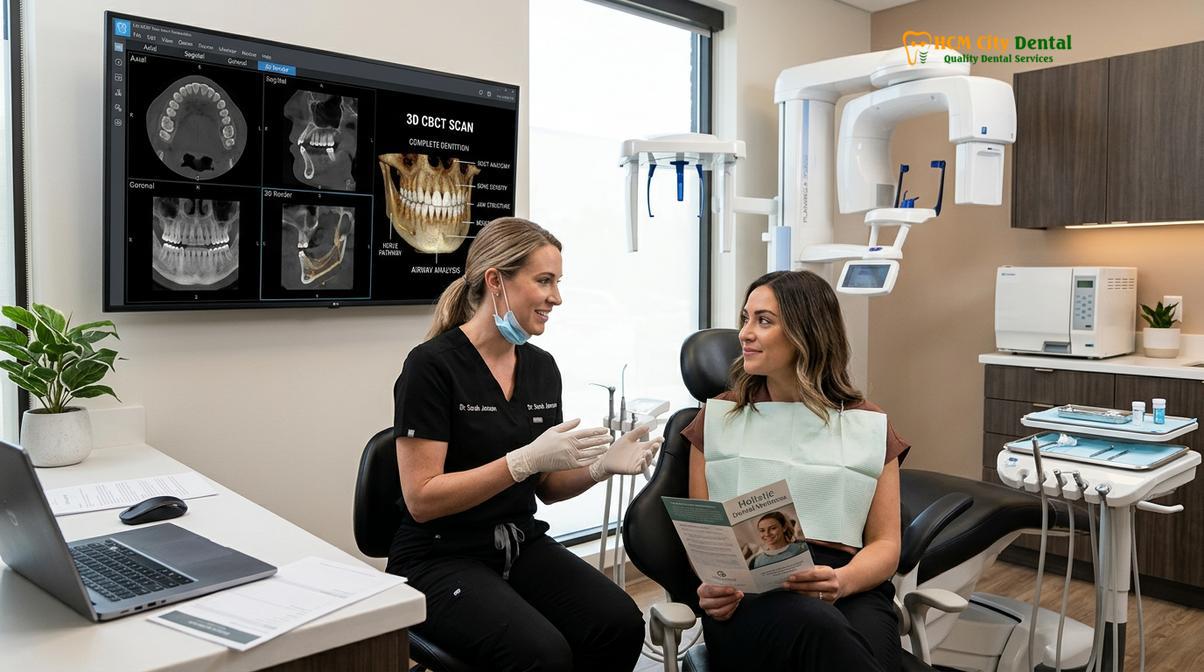
During this holistic smile audit saigon, the clinician will perform a thorough physical examination of the oral cavity, head, and neck. This includes assessing the temporomandibular joint (TMJ) for signs of dysfunction, evaluating the airway for potential sleep-disordered breathing, and measuring the galvanic currents generated by any existing metal restorations. The advanced 3D CBCT scan is taken and reviewed in real-time with the patient, allowing the dentist to point out specific areas of concern, such as hidden cavitations or failing root canals.
Clinical Case Study: Systemic Recovery through Biological Dentistry
A 45-year-old patient visited HCMC Dental Clinic in Ho Chi Minh City presenting with chronic fatigue, metallic taste, and unexplained skin rashes. A comprehensive holistic assessment revealed severe oral galvanism from mixed metal restorations and a hidden cavitation in the lower right quadrant. Following a phased treatment plan that included the SMART removal of four amalgam fillings, cavitation surgery utilizing PRF therapy, and replacement with biocompatible zirconia, the patient reported a complete resolution of the metallic taste and a significant reduction in systemic fatigue within three months.
Following the diagnostic phase, the clinician will discuss the results of any biocompatibility testing and present a customized, phased treatment plan. This plan outlines the sequence of procedures, prioritizing the removal of the most toxic elements or acute infections first. The clinical team will also provide detailed pre-operative and post-operative nutritional protocols—such as high-dose Vitamin C therapy or specific detoxification binders—to support the body’s natural clearance pathways during the cleanup process. By integrating comprehensive general dentistry with biological principles, the patient is guided toward optimal oral and systemic health.
When to Seek a Clinical Holistic Dental Assessment
Recognizing the signs that your oral health may be compromising your systemic well-being is crucial for early intervention. While routine dental checkups are important for maintaining hygiene, certain systemic symptoms warrant a deeper, biological investigation. You should consider scheduling a comprehensive holistic dental assessment if you experience any of the following clinical indicators.
First, if you have multiple mercury amalgam fillings and suffer from unexplained neurological symptoms, chronic fatigue, or autoimmune flare-ups, a biological evaluation is highly recommended. The continuous off-gassing of mercury vapor can place a severe burden on the immune system. A professional mercury exposure screening HCMC can assess the integrity of these fillings and determine the safest protocol for their removal.
“Patients often spend years visiting various medical specialists for chronic inflammatory conditions, unaware that the root cause may be a silent infection or toxic material residing in their jawbone. A biological assessment connects these critical dots.”
— Dr. Nguyen Van Cuong, Clinical Director
Second, if you have a history of tooth extractions—particularly wisdom teeth—and experience chronic facial pain, trigeminal neuralgia, or systemic inflammation, you may be suffering from hidden jawbone cavitations (NICO). Because these lesions are rarely visible on standard 2D X-rays, a 3D CBCT scan is essential for accurate diagnosis and subsequent surgical intervention.
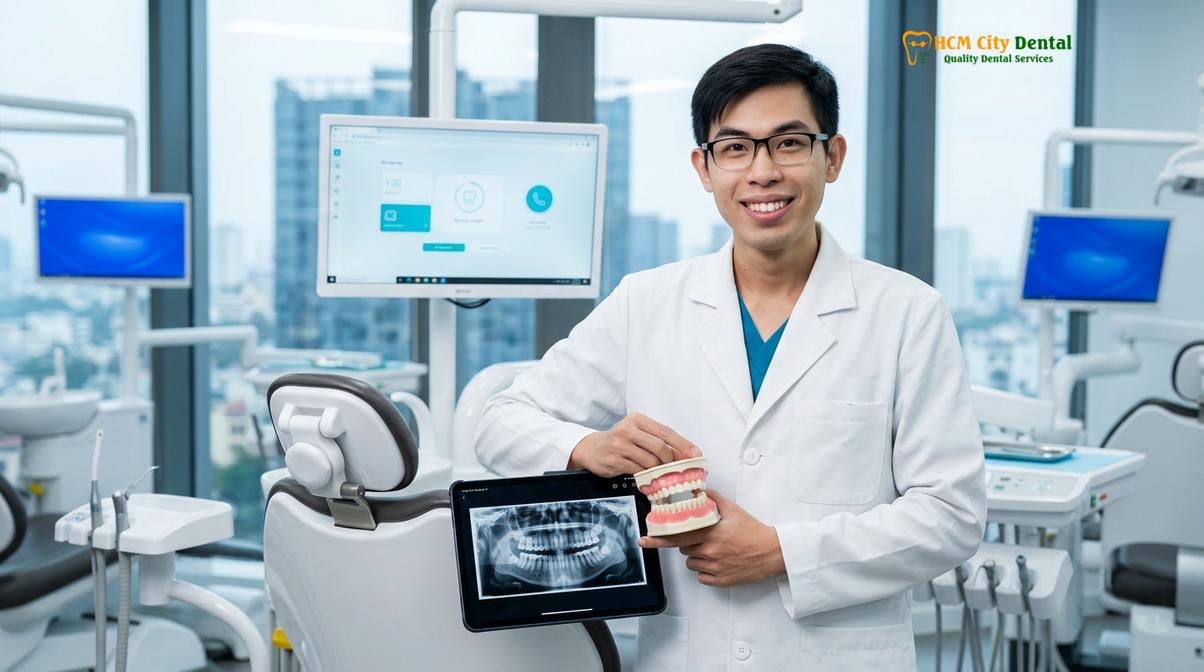
Finally, individuals experiencing chronic periodontal issues that do not respond to conventional scaling, or those who notice a correlation between their jaw alignment and posture, should seek a holistic evaluation. Biological dentistry offers advanced therapies, such as ozone treatment and microbiome balancing, providing a highly effective biological gum disease treatment that addresses the root cause of the infection rather than merely managing the symptoms. Always consult with a certified biological dentist to determine the most appropriate and personalized care plan for your specific health needs.
Frequently Asked Questions
What is a holistic dental cleanup?
A holistic dental cleanup is a comprehensive biological protocol aimed at removing toxic dental materials and eradicating chronic oral infections. It utilizes safe extraction techniques, such as the SMART protocol for mercury amalgam, and replaces them with biocompatible, metal-free restorations to support systemic health. This process also involves deep cleaning techniques using ozone therapy to eliminate pathogenic bacteria without harsh chemicals.
How is a biological assessment different from a regular exam?
A biological assessment evaluates the mouth-body connection rather than just looking for cavities. It utilizes advanced 3D CBCT imaging to find hidden jawbone infections, assesses dental material biocompatibility, and considers how oral pathologies impact your immune and cardiovascular systems. Traditional exams often rely solely on 2D X-rays and focus purely on mechanical repair.
What diagnostics are used in a holistic smile audit?
A holistic smile audit utilizes 3D Cone Beam Computed Tomography (CBCT) for deep bone analysis, panoramic OPGs, oral microbiome testing, and dental meridian charting. These advanced tools help clinicians identify asymptomatic infections, structural imbalances, and galvanic currents caused by mixed metals, providing a complete picture of oral-systemic health.
Can I get a material sensitivity screening done?
Yes, material sensitivity screening is a core component of biological dentistry. Clinicians use specialized blood tests or applied kinesiology to determine which dental composites, ceramics, or cements are most biologically compatible with your specific immune system, preventing allergic or inflammatory reactions before any restorative work begins.
How do I schedule a full mouth cleanup?
To schedule a full mouth cleanup, you begin with a comprehensive holistic dental assessment. During this initial consultation, the clinical team will perform 3D imaging, review your medical history, and develop a phased, personalized treatment plan tailored to your systemic health goals. You can contact HCMC Dental Clinic directly to book this specialized evaluation.
References
- Journal of Oral and Maxillofacial Surgery. Biocompatibility of zirconium dioxide dental implants. (2021).
- International Journal of Oral and Maxillofacial Surgery. Safe Mercury Amalgam Removal Technique (SMART) protocol guidelines. (2020).
- British Dental Journal. Ozone therapy in restorative dentistry: a clinical review. (2019).
- Journal of the American Dental Association. Platelet-rich fibrin (PRF) in oral surgery and bone grafting. (2022).
- Clinical Oral Investigations. Titanium allergy and metal hypersensitivity in dental implantology. (2018).