Ozone therapy in dentistry is an advanced, minimally invasive treatment that utilizes medical-grade ozone gas or ozonated water to eliminate oral pathogens. By leveraging powerful oxidative properties, this biological approach effectively sterilizes cavities, disinfects root canals, and accelerates tissue healing without relying on harsh chemical agents.
As modern clinical practices shift toward more biocompatible and conservative treatments, the integration of oxygen-ozone therapy has revolutionized how dental professionals manage infections. Unlike traditional liquid disinfectants that struggle to penetrate microscopic tooth structures, ozone gas effortlessly diffuses into the deepest layers of dentin and periodontal tissues, offering a profound level of sterilization while simultaneously stimulating the body’s natural healing pathways.
Clinical Summary:
Medical ozone (O3) is a highly reactive, triatomic form of oxygen utilized in biological dentistry for its potent antimicrobial and tissue-regenerative properties. Clinical applications include arresting early dental caries, disinfecting complex root canal systems, managing periodontal disease, and enhancing post-surgical wound healing. By inducing a transient oxidative burst, ozone effectively destroys the lipid envelopes of bacteria, viruses, and fungi while leaving healthy human cells unharmed due to their natural antioxidant defenses. This minimally invasive modality reduces the reliance on toxic chemical irrigants, supports natural tooth remineralization, and significantly improves long-term therapeutic outcomes in comprehensive oral care.
Key Takeaways:
- Ozone therapy utilizes a triatomic oxygen molecule (O3) to safely and effectively eradicate oral bacteria, viruses, and fungi.
- The therapy is highly versatile, used in cavity sterilization, endodontic (root canal) disinfection, and periodontal pocket management.
- Ozone gas can penetrate deep into microscopic dentinal tubules where traditional liquid disinfectants often fail to reach.
- The treatment is completely painless, non-invasive, and supports the natural remineralization of early tooth decay.
- By stimulating local blood flow and immune response, ozone significantly accelerates wound healing after surgical tooth extractions.
What is Medical Ozone Therapy (O3) in Dentistry?
Medical ozone therapy in dentistry involves the targeted application of ozone gas, ozonated water, or ozonated oils to eliminate oral pathogens and promote tissue regeneration. It is a cornerstone of biological dentistry, offering a non-toxic alternative to traditional chemical disinfectants.
To understand the profound impact of ozone therapy dentistry, it is essential to examine the biochemical nature of the ozone molecule itself. Oxygen, as we breathe it, consists of two oxygen atoms (O2). Ozone (O3) is an energized form of oxygen containing three atoms. This triatomic structure is inherently unstable, meaning the third oxygen atom is highly eager to detach and bind with other substances. This process, known as oxidation, is the fundamental mechanism that makes ozone one of the most powerful sterilizing agents available in modern medicine[1].
In a clinical dental setting, medical-grade ozone is generated chairside using a specialized machine that passes pure medical oxygen through a high-voltage corona discharge. This simulates the natural process of lightning striking through the atmosphere, converting O2 into O3. Because ozone has a very short half-life—reverting back to standard oxygen within minutes—it cannot be stored in tanks and must be produced immediately prior to application.
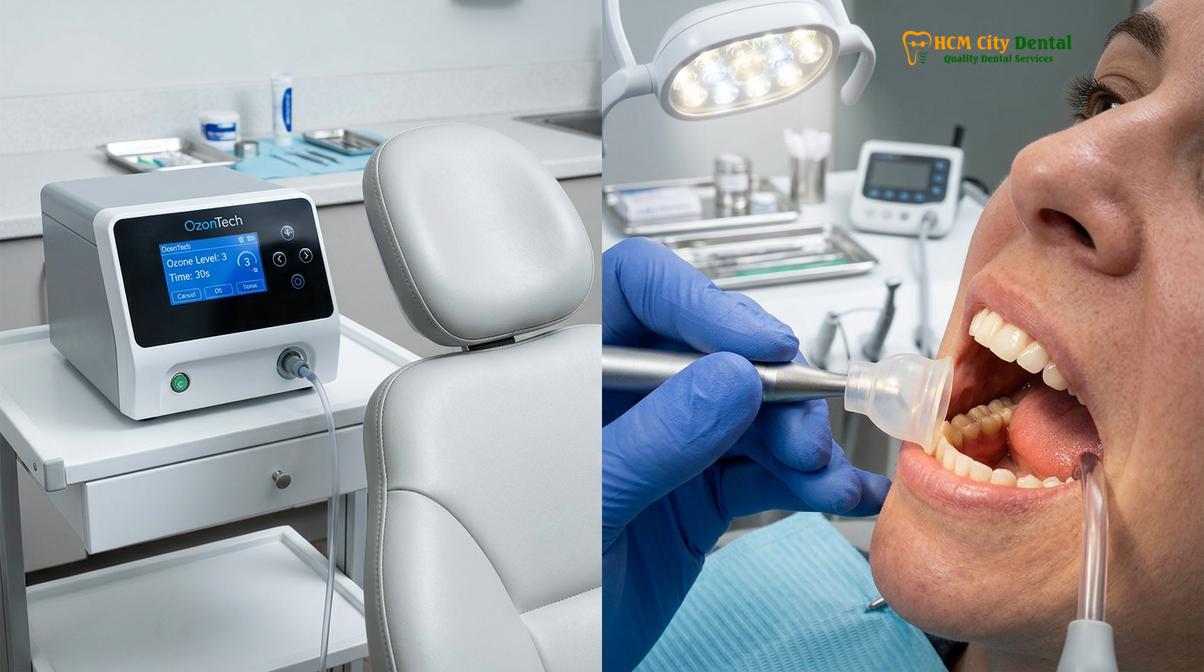
The integration of this technology into holistic biological dentistry approaches represents a paradigm shift in how clinicians approach oral infections. Traditional dentistry has long relied on mechanical debridement combined with chemical agents to manage bacterial loads. While effective to a degree, these methods often result in the removal of healthy tooth structure and expose the patient to potentially irritating substances. Ozone therapy, conversely, allows for a highly conservative approach. By utilizing a naturally occurring gas to achieve profound sterilization, dentists can preserve more of the natural tooth, reduce post-operative sensitivity, and support the body’s innate healing mechanisms.
Furthermore, medical ozone can be administered in three distinct forms, depending on the clinical requirement. Ozone gas is primarily used for direct application to tooth surfaces, cavities, and inside root canals due to its exceptional penetrative abilities. Ozonated water is utilized as a highly effective surgical irrigant, flushing out periodontal pockets and cleaning surgical sites. Finally, ozonated oils are used as topical medicaments, providing a slow, sustained release of ozone to infected gums or healing extraction sockets over several hours or days.
The Antimicrobial Action of Ozone against Pathogens
Ozone exerts its antimicrobial effect by inducing a transient oxidative burst that destroys the lipid envelopes of bacteria, viruses, and fungi. This mechanism causes immediate cell lysis (destruction) of pathogens while leaving healthy human cells unharmed.
The oral cavity is a complex microbiome, harboring hundreds of different species of bacteria, fungi, and viruses. While many of these microorganisms are beneficial, an imbalance can lead to the proliferation of pathogenic strains responsible for tooth decay, gum disease, and endodontic infections. The primary challenge in treating these infections is that pathogens rarely exist as free-floating entities; instead, they organize themselves into highly resilient, sticky communities known as biofilms.
Traditional antimicrobial agents, such as chlorhexidine or sodium hypochlorite, often struggle to penetrate the protective extracellular matrix of a mature biofilm. Furthermore, bacteria can develop resistance to certain chemical agents over time. This is where the unique biochemical properties of ozone become invaluable. The antimicrobial action of ozone is not based on a specific receptor pathway that bacteria can mutate to avoid; rather, it relies on fundamental physical chemistry[2].
“The true clinical advantage of ozone lies in its selective toxicity. While it ruthlessly dismantles the primitive cell walls of bacteria and fungi through oxidative stress, healthy human cells are completely protected by their own robust, naturally occurring antioxidant enzymes, such as superoxide dismutase and catalase.”
When ozone comes into contact with a pathogen, the unstable third oxygen atom aggressively attacks the carbon-carbon double bonds found in the lipid bilayer of the microorganism’s cell membrane. This process, known as lipid peroxidation, rapidly degrades the structural integrity of the cell wall. Within seconds, the bacterial cell membrane ruptures, spilling its contents and resulting in the immediate death of the pathogen. Because viruses and fungi also rely on vulnerable lipid envelopes or cell walls, ozone is classified as a broad-spectrum antimicrobial agent, effective against virtually all known oral pathogens.
Using Ozone Gas to Arrest and Remineralize Early Cavities
Ozone gas is utilized to deeply sterilize early carious lesions, neutralizing decay-causing bacteria and their acidic byproducts. This non-invasive process halts the progression of the cavity and creates an optimal environment for natural tooth remineralization.
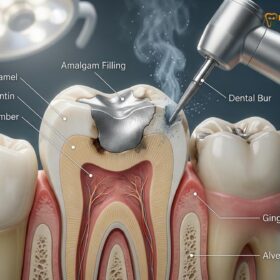
One of the most exciting applications of ozone in modern clinical practice is its ability to facilitate non-toxic cavity sterilization. Historically, the standard protocol for treating any form of tooth decay involved the mechanical removal of the infected dentin using a high-speed dental drill, followed by the placement of a synthetic filling material. While necessary for advanced decay, this approach is inherently destructive and permanently alters the structural integrity of the tooth.
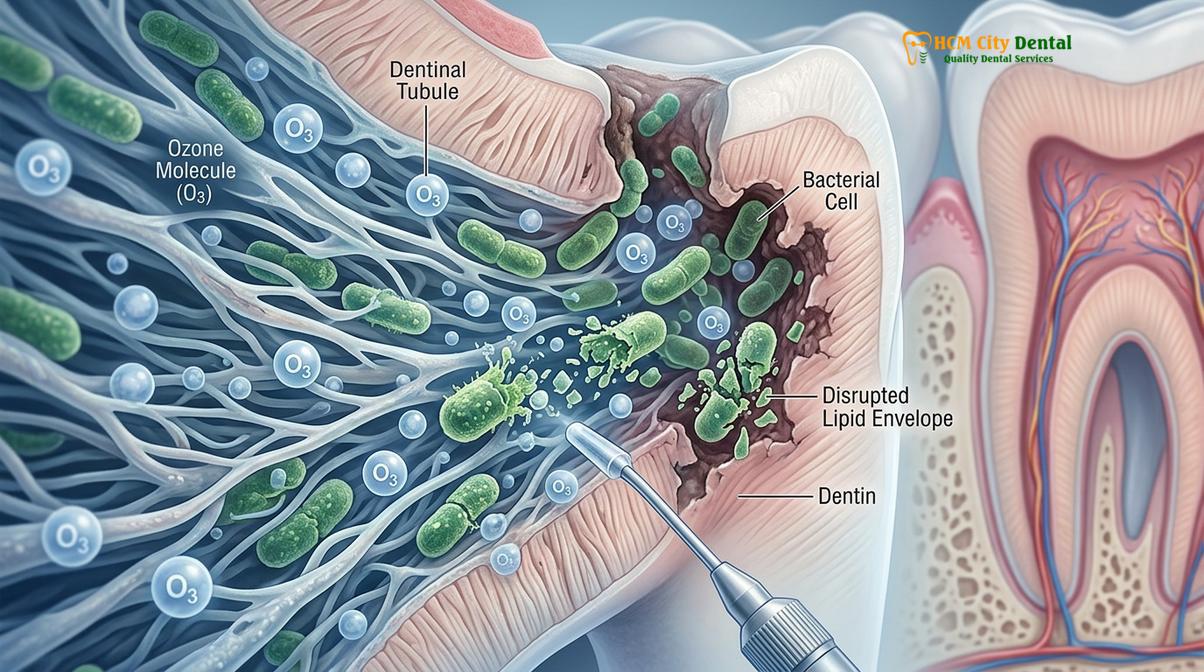
For early to moderate carious lesions, ozone therapy offers a revolutionary, minimally invasive alternative. The process begins with the careful cleaning of the tooth surface to remove gross debris and plaque. The dentist then selects a specialized silicone cup attached to the ozone handpiece, which is placed over the affected tooth to create an airtight seal. Medical-grade ozone gas is then infused into the sealed chamber, bathing the porous, decayed tooth structure in the highly reactive gas for approximately 40 to 60 seconds.
Because ozone is a gas, it possesses an incredibly low surface tension, allowing it to effortlessly penetrate the microscopic dentinal tubules that make up the inner structure of the tooth. As the gas diffuses through the porous, decayed tissue, it eradicates the deep-seated bacteria responsible for the cavity. Simultaneously, the ozone oxidizes the pyruvic and lactic acids present in the lesion, neutralizing the acidic environment that causes tooth enamel to dissolve[3].
Once the bacterial infection is arrested and the pH is neutralized, the tooth is primed for remineralization. The dentist will typically apply a remineralizing solution containing bioavailable calcium, phosphate, and fluoride to the sterilized surface. Because the microscopic pores of the tooth are now completely free of bacteria and acidic waste, these essential minerals can easily flow back into the enamel and dentin matrix, effectively hardening and repairing the damaged tooth structure over time[5].
Ozone Therapy for Sterilizing Root Canals and Deep Pockets
In endodontics and periodontics, ozone therapy overcomes the physical limitations of liquid irrigants by penetrating deep into complex root canal anatomies and periodontal pockets, ensuring profound disinfection and reducing the risk of treatment failure.
The success of both root canal therapy and gum disease treatment hinges entirely on the clinician’s ability to thoroughly eradicate bacterial infections from highly complex, microscopic anatomical spaces. This is where oxygen-ozone dental therapy truly excels, offering a level of disinfection that traditional methods struggle to achieve.
Endodontic Applications (Root Canal Therapy)
A human tooth is not a solid block of tissue; it contains a complex, branching network of microscopic canals that houses the dental pulp. When this pulp becomes infected, a root canal procedure is required to clean and seal the space. The traditional protocol involves using metal files to shape the main canals and flushing them with liquid chemical irrigants, primarily sodium hypochlorite.
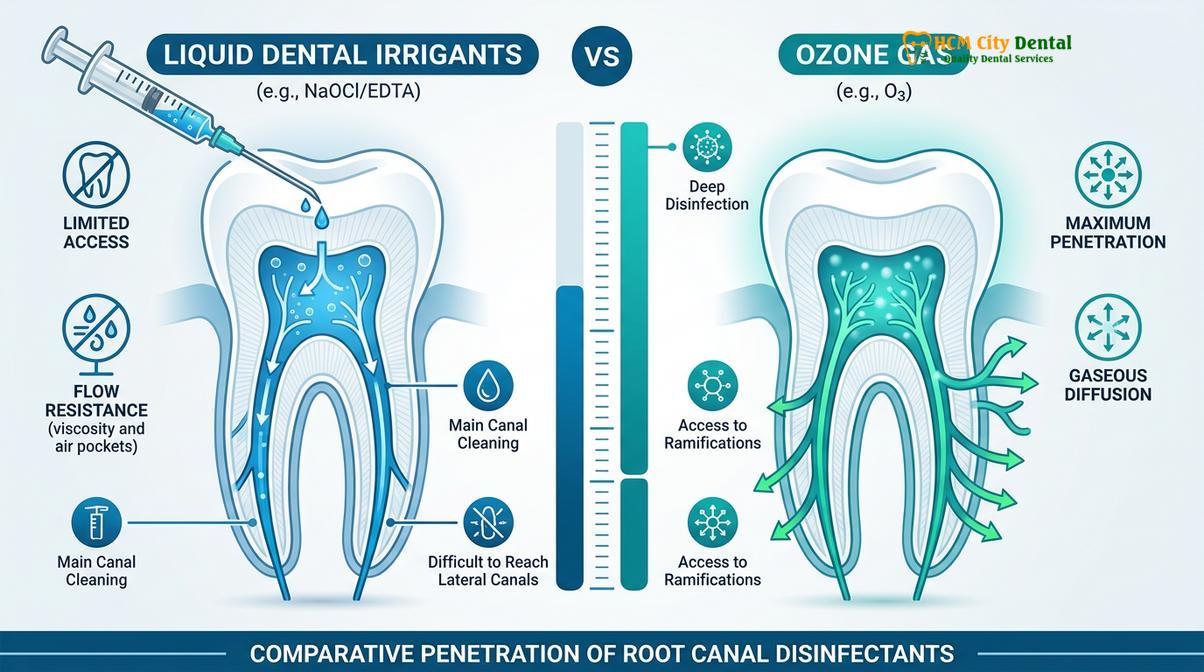
However, liquid irrigants have a high surface tension, which prevents them from flowing into the thousands of microscopic lateral canals and dentinal tubules that branch off from the main canal. Bacteria can hide deep within these microscopic tubules, surviving the chemical flush and leading to a failed root canal months or years later.
Ozone gas, being a vapor, is not bound by surface tension. When introduced into the main root canal, the gas effortlessly diffuses outward, penetrating up to 2-3 millimeters deep into the lateral canals and dentinal tubules. This ensures that even the most deeply entrenched pathogens are subjected to the oxidative burst and destroyed, significantly increasing the long-term success rate of the endodontic procedure[4].
Periodontal Applications (Gum Disease Treatment)
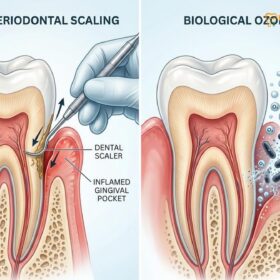
Periodontal disease is characterized by the formation of deep, infected pockets between the gums and the teeth. These pockets harbor aggressive anaerobic bacteria that destroy the supporting jawbone. Traditional treatment involves scaling and root planing to mechanically remove tartar and biofilm from the root surfaces.
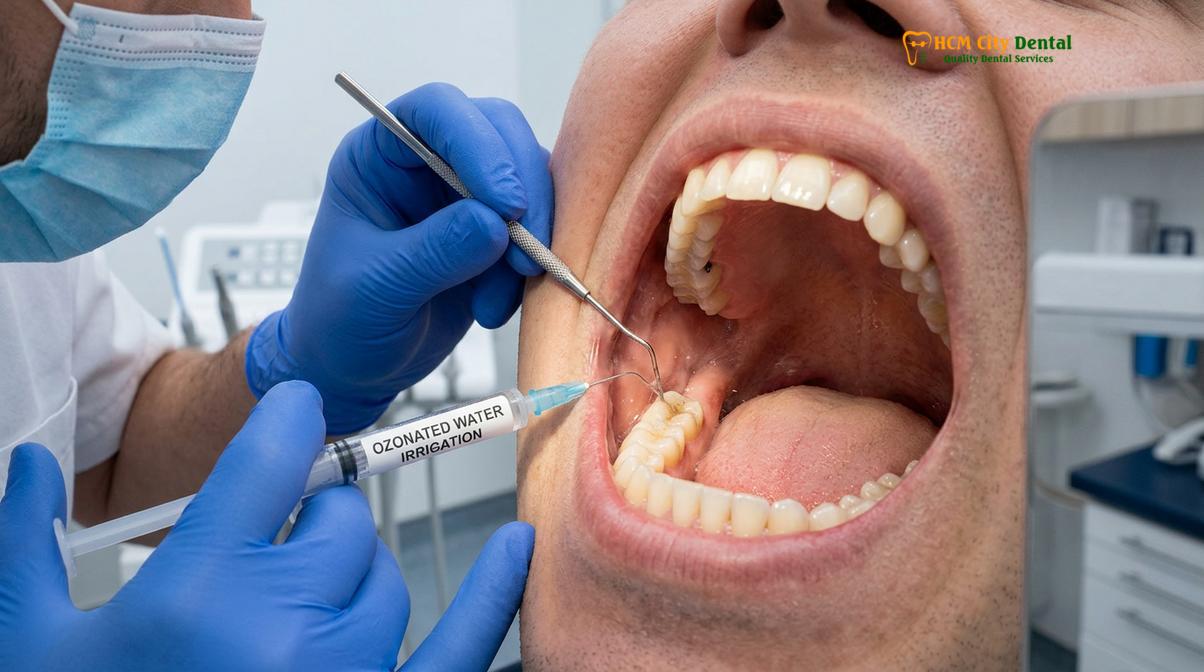
To enhance this process, biological dentists utilize ozonated water as a primary ultrasonic irrigant. As the clinician cleans the root surface, the ozonated water continuously flushes the periodontal pocket, instantly lysing the free-floating bacteria and disrupting the residual biofilm. Following the mechanical cleaning, ozone gas may be insufflated directly into the pocket to sterilize the surrounding inflamed gum tissue.
| Disinfection Modality | Penetration Depth | Biocompatibility | Risk of Bacterial Resistance | Tissue Healing Stimulation |
|---|---|---|---|---|
| Medical Ozone Gas (O3) | Excellent (Deep dentinal tubule penetration) | High (Breaks down into pure oxygen) | None (Physical destruction of cell wall) | High (Increases local oxygenation) |
| Sodium Hypochlorite (NaOCl) | Poor (Limited by high surface tension) | Low (Caustic to surrounding soft tissues) | Low | None (Can delay fibroblast attachment) |
| Chlorhexidine (CHX) | Moderate (Binds to tooth surfaces) | Moderate (Can cause tooth staining) | Moderate (Some strains show resistance) | None |
Accelerating Wound Healing in Surgical Extraction Sockets
Following surgical tooth extractions, the application of ozone therapy significantly accelerates the wound healing process by increasing local blood flow, stimulating immune cell activity, and preventing post-operative infections such as dry socket.
The removal of a tooth, particularly an impacted wisdom tooth or a chronically infected molar, creates a significant surgical wound in the jawbone. The body’s ability to heal this wound efficiently is paramount to preventing complications such as alveolar osteitis (dry socket) or the formation of chronic ischemic bone diseases.
Ozone therapy plays a critical role in post-surgical wound management. When ozone is applied to a fresh extraction socket, it does much more than simply sterilize the area. The transient oxidative stress induced by the ozone acts as a powerful biological signaling mechanism. It stimulates the local production of cytokines, which are signaling proteins that modulate the immune response, and increases the release of growth factors essential for tissue regeneration. Furthermore, local guidelines from the Vietnam Odonto-Stomatology Association (VOSA) recognize the value of adjunctive antimicrobial therapies in reducing post-operative complications and supporting optimal healing environments[6].
Clinical Case Study: Ozone Therapy at HCMC Dental Clinic
Patient Profile: A 34-year-old patient visiting HCMC Dental Clinic in Ho Chi Minh City presented with moderate decay on a lower right molar. The decay was approaching the sensitive inner pulp, and traditional drilling carried a high risk of exposing the nerve, which would necessitate a root canal.
Clinical Approach: The clinical team opted for a minimally invasive biological approach. After gently removing the outermost layer of soft, necrotic decay, the tooth was isolated using a specialized silicone cup. Medical-grade ozone gas was then applied directly to the porous dentin for 60 seconds to completely sterilize the remaining affected tissue without aggressive drilling.
Outcome: Following the ozone application, a biocompatible remineralizing base was placed, and the tooth was sealed with a final composite restoration. The patient experienced zero post-operative sensitivity, and the vitality of the tooth was successfully preserved, demonstrating the conservative power of ozone therapy in modern clinical practice.
When to Consider Ozone Therapy and Important Clinical Notes
While ozone therapy is a highly effective adjunctive treatment, it is essential to consult with a qualified dental professional to determine if it is the right approach for your specific clinical needs.
Important Clinical Note: Ozone therapy is not a replacement for proper oral hygiene or necessary mechanical dental treatments. It is an adjunctive therapy designed to enhance disinfection and support healing. Patients with severe respiratory conditions or hyperthyroidism should consult their physician before undergoing ozone gas treatments.
Dr. Nguyen Van Cuong, a leading advocate for biological approaches at HCMC Dental Clinic, emphasizes that ozone therapy is a powerful adjunctive tool rather than a standalone cure. He notes that while ozone significantly enhances disinfection protocols, it must be combined with comprehensive General Dentistry tại HCMC Dental Clinic to achieve optimal, long-lasting oral health outcomes.
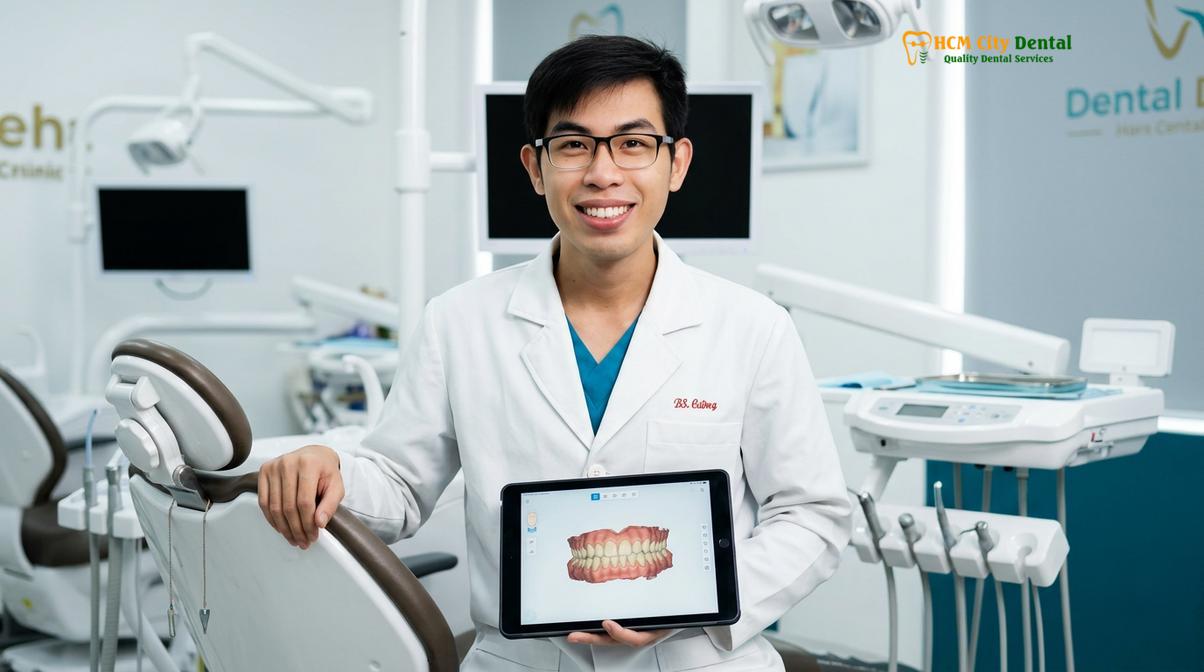
“The integration of ozone therapy allows us to treat the underlying bacterial infection with precision, preserving more of the natural tooth structure and supporting the body’s innate ability to heal itself.”
Ozone Therapy Pricing and Booking in District 1, HCMC
The cost of incorporating ozone therapy into your dental care plan depends on the specific procedure it accompanies, such as cavity sterilization, root canal disinfection, or periodontal pocket therapy. Because it is an adjunctive service, it is generally an affordable addition that significantly enhances the long-term success of your primary treatment.
If you are interested in experiencing the benefits of biological dentistry and minimally invasive care, we invite you to schedule a consultation. Our experienced clinical team at HCMC Dental Clinic in Ho Chi Minh City will evaluate your oral health and determine how oxygen-ozone therapy can be integrated into your personalized treatment plan. Contact General Dentistry tại HCMC Dental Clinic today to book your appointment and take the first step toward a healthier, more resilient smile.
References
- Journal of Conservative Dentistry. The application of ozone in dentistry: A systematic review of literature. (2019).
- International Journal of Endodontics. Efficacy of ozone gas in the disinfection of root canals infected with Enterococcus faecalis. (2021).
- Journal of Periodontal Research. Clinical evaluation of ozonated water and ozone gas in the non-surgical treatment of chronic periodontitis. (2020).
- British Dental Journal. Ozone therapy in restorative dentistry: a clinical review and biological perspective. (2018).
- Clinical Oral Investigations. The effect of ozone on the remineralization of early carious lesions: an in vitro study. (2022).
- Vietnam Odonto-Stomatology Association (VOSA). Guidelines on adjunctive antimicrobial therapies in modern endodontics and periodontics.
For pricing, booking, and a free clinical assessment, visit our Biological Dentistry service page at HCMC Dental Clinic in Ho Chi Minh City.