Safe mercury filling removal is a specialized dental procedure designed to extract old silver amalgam restorations while strictly preventing toxic mercury vapor inhalation or ingestion. Utilizing advanced isolation, high-volume evacuation, and alternative air sources, this protocol ensures maximum systemic protection for patients during the replacement process.
Clinical Summary:
Traditional silver amalgam fillings contain approximately 50% elemental mercury, which can release harmful vapors during drilling and extraction. The Safe Mercury Amalgam Removal Technique (SMART) mitigates these risks through rigorous barrier methods, specialized filtration, and strict temperature control. By replacing outdated amalgams with biocompatible composite or ceramic alternatives, patients can restore their dental structural integrity while minimizing heavy metal exposure. Clinical protocols emphasize patient safety, utilizing non-latex rubber dams, supplemental oxygen, and advanced suction devices to capture particulate matter effectively before it enters the respiratory or digestive tracts.
Key Takeaways:
- Amalgam fillings consist of roughly 50% mercury, necessitating specialized extraction protocols to prevent vapor inhalation.
- The SMART protocol utilizes high-volume evacuation, rubber dams, and alternative air supplies to protect patients systemically.
- Chunking techniques and continuous water cooling minimize heat generation and subsequent mercury vaporization during drilling.
- Biocompatible materials like resin composites and zirconia ceramics offer durable, aesthetic, and metal-free replacements.
- Pregnant or nursing women should consult their physician before undergoing elective amalgam replacement procedures.
The Importance of Choosing a Mercury-Safe Dentist
Selecting a specialized practitioner ensures that your amalgam fillings are extracted using rigorous safety protocols that prevent toxic mercury vapor exposure. Standard dental drilling without protective measures can significantly increase heavy metal inhalation risks.
For decades, dental amalgam—commonly referred to as “silver fillings”—was the standard material used to restore teeth affected by dental caries. However, the composition of these restorations is frequently misunderstood by the general public. A standard amalgam filling is not merely silver; it is an alloy consisting of approximately 50% elemental mercury, combined with silver, tin, copper, and zinc[1]. While elemental mercury is relatively stable at room temperature, the dynamic environment of the human mouth subjects these fillings to constant friction, thermal fluctuations, and mechanical stress. Over time, and particularly during the high-speed drilling required for their removal, these fillings can release significant amounts of invisible, odorless mercury vapor.
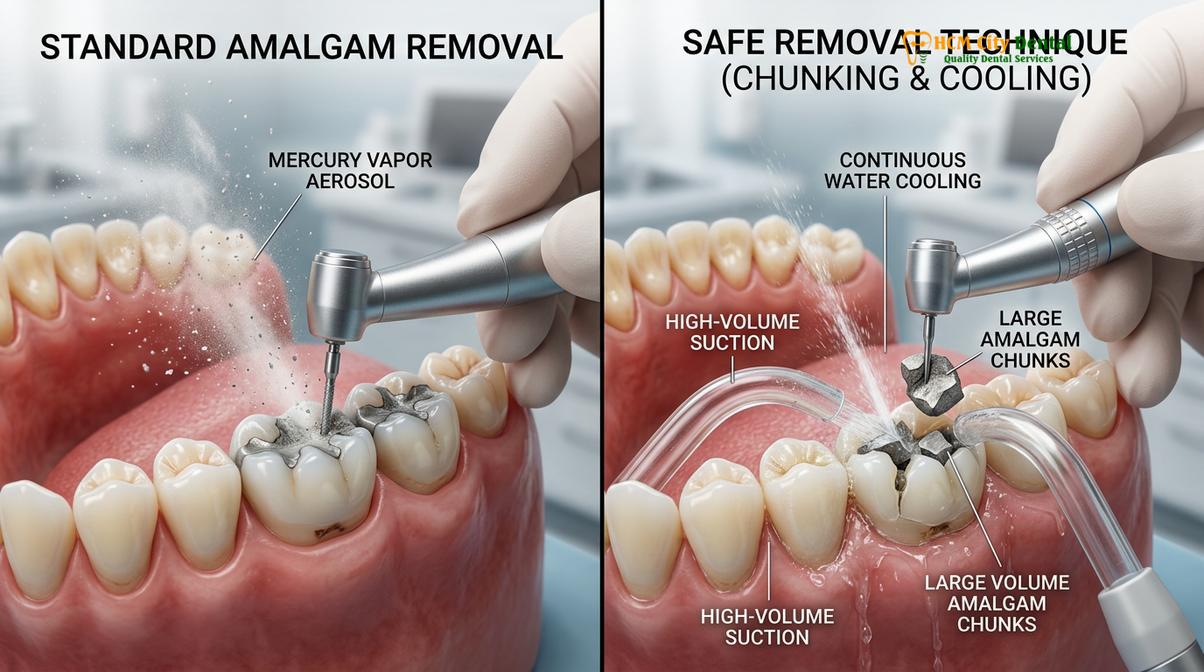
When a patient decides to replace an aging or failing amalgam restoration, the method of extraction is of paramount clinical importance. A conventional dental approach typically involves using a high-speed air turbine handpiece to grind the filling out of the tooth cavity. This process generates tremendous friction and heat, which rapidly vaporizes the mercury content. Furthermore, the drill pulverizes the metal into a fine aerosol of particulate matter. Without specialized protective measures, both the patient and the dental staff are at a high risk of inhaling these toxic vapors and swallowing the heavy metal particulates.
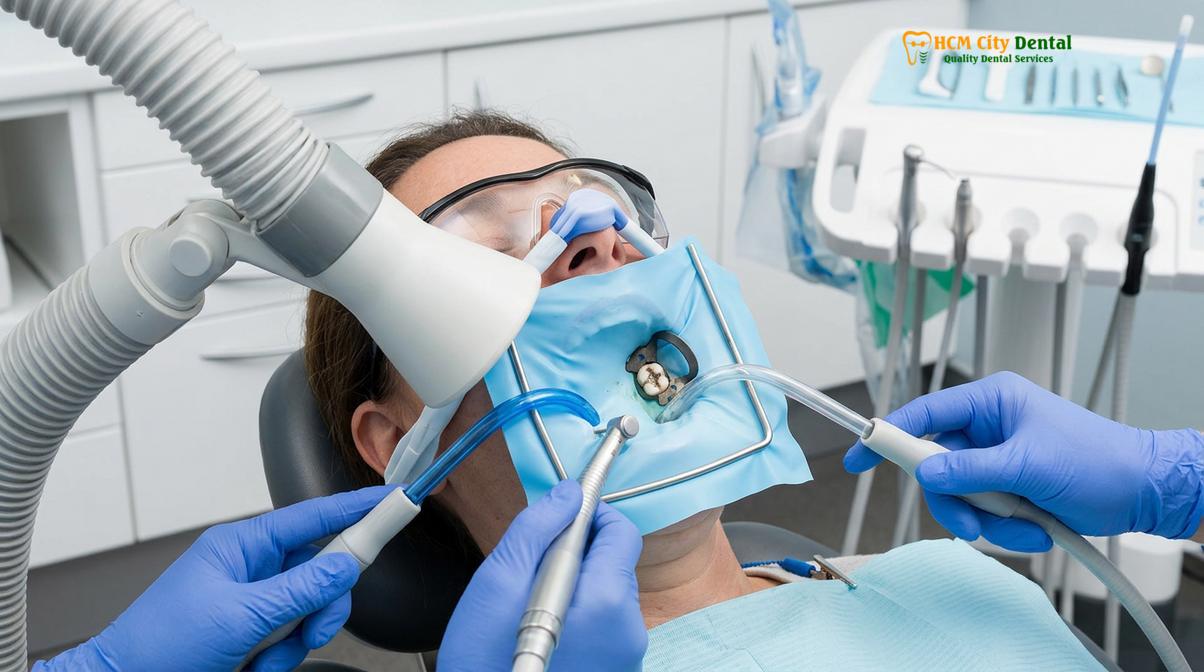
This is precisely why seeking out a mercury safe dentist vietnam is a critical decision for your systemic health. A practitioner trained in biological dentistry understands the complex biochemistry of heavy metal exposure. Mercury vapor is highly lipophilic, meaning it readily crosses cell membranes, including the blood-brain barrier, and has a strong affinity for neurological and renal tissues. Dr. Nguyen Van Cuong, a leading advocate for biological dental practices, frequently emphasizes to his patients that the goal of holistic dentistry is not merely to fix a localized tooth problem, but to ensure that the dental treatment itself does not inadvertently introduce new toxic burdens to the patient’s body.
A specialized clinic will view the removal process as a hazardous material extraction. The clinical mindset shifts from simple mechanical dentistry to comprehensive systemic protection. By employing advanced barrier techniques, specialized air filtration, and specific mechanical drilling strategies, a trained biological dentist ensures that the toxic load is captured and neutralized before it can interact with the patient’s respiratory or digestive systems. This meticulous approach is the cornerstone of modern, health-conscious dental care.
Safety Equipment Required for Mercury Removal
Comprehensive safety equipment, including non-latex rubber dams, high-volume aerosol vacuums, and alternative air sources, is mandatory to isolate the tooth and capture toxic particulates. These tools form the foundation of a secure extraction environment.
The successful and safe extraction of mercury amalgam relies heavily on the deployment of specialized clinical equipment. Standard dental operatories are generally not equipped to handle the high volume of toxic vapor generated during amalgam removal. To achieve a truly safe environment, a clinic must invest in and rigorously maintain a suite of protective technologies designed to isolate the operative field, filter the ambient air, and provide clean breathing sources.
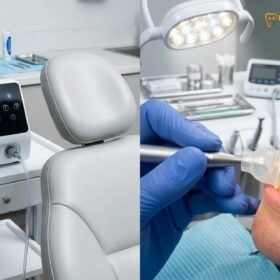
One of the most critical pieces of equipment is the at-source oral aerosol vacuum. Unlike standard dental suction, which only removes saliva and water from the oral cavity, an at-source vacuum features a large intake hood positioned just inches from the patient’s mouth. This device utilizes a powerful motor to draw high volumes of ambient air away from the patient’s face, passing it through a series of HEPA and activated carbon filters. This ensures that any mercury vapor that escapes the immediate oral cavity is captured before it can disseminate into the treatment room.
Equally important is the protection of the patient’s airway. Even with advanced suction, the proximity of the nose to the oral cavity presents an inhalation risk. Therefore, patients undergoing this procedure must be provided with an alternative air source. This is typically achieved using a comfortable nasal hood that delivers clean, compressed oxygen or medical-grade air from a source outside the operatory. By instructing the patient to breathe exclusively through their nose, the clinical team effectively bypasses the contaminated airspace of the mouth.
| Equipment Category | Standard Dental Removal | Safe Mercury Removal Protocol |
|---|---|---|
| Patient Airway Protection | None (breathes ambient room air) | Positive pressure nasal hood with alternative oxygen/air supply |
| Tooth Isolation | Cotton rolls or standard latex dam | Non-latex nitrile dental dam with full peripheral sealing |
| Aerosol Management | Standard saliva ejector | At-source high-volume HEPA/Carbon vacuum positioned near the face |
| Patient Draping | Standard paper patient bib | Full-body impermeable barrier to prevent skin/clothing contamination |
| Environmental Safety | Standard municipal water drain | ISO-certified amalgam separator in the wastewater line |
Furthermore, the physical isolation of the tooth is achieved using a non-latex dental dam. Latex is highly permeable to mercury vapor, rendering standard rubber dams ineffective for this specific procedure. A nitrile dam is utilized to create an impermeable barrier, stretching over the target teeth while shielding the throat and oral mucosa from swallowed debris. To further enhance this barrier, specialized suction tips, such as the Clean-Up device, can be fitted directly over the tooth to create a localized negative pressure zone, capturing particulates at the exact point of generation[2].
Finally, environmental responsibility is a key component of the equipment setup. Clinics performing safe amalgam removal saigon must utilize amalgam separators installed in their wastewater lines. These devices use centrifugation and sedimentation to capture heavy metal waste before it can enter the municipal water supply, protecting the broader ecosystem from mercury contamination.
IAOMT Safety Guidelines Followed in Saigon
The International Academy of Oral Medicine and Toxicology (IAOMT) establishes the SMART protocol, a globally recognized standard for minimizing mercury exposure during dental procedures. Adhering to these guidelines guarantees optimal clinical safety.
The International Academy of Oral Medicine and Toxicology (IAOMT) is a global network of dentists, health professionals, and scientists dedicated to researching the biocompatibility of dental products. Recognizing the profound health risks associated with mercury vapor exposure during dental procedures, the IAOMT developed the Safe Mercury Amalgam Removal Technique (SMART). This protocol represents the gold standard in biological dentistry, providing a meticulously researched, evidence-based framework for protecting patients, staff, and the environment.
Finding an IAOMT dentist vietnam ensures that your treatment will be conducted under these stringent international guidelines. The SMART protocol is not merely a suggestion; it is a comprehensive checklist of mandatory safety measures that must be executed flawlessly during every amalgam extraction. The protocol acknowledges that mercury vapor is released not only during the drilling process but also from the friction of polishing, the heat of chewing, and the galvanic currents created when mixed metals are present in the oral cavity.
“The SMART protocol is a paradigm shift in restorative dentistry. It moves the focus from merely repairing a tooth to actively defending the patient’s systemic health against heavy metal toxicity during the intervention.”
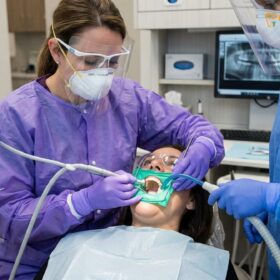
According to the IAOMT guidelines, the clinical environment must be optimized before the procedure even begins. This includes ensuring adequate room ventilation and the activation of high-volume air filtration systems. The protocol also mandates comprehensive personal protective equipment (PPE) for the dental team. Because mercury vapor and microscopic amalgam particles can settle on hair, skin, and clothing, the dentist and assistants must wear protective gowns, hair covers, face shields, and respiratory-grade masks rated to capture heavy metal vapors[3].
The SMART guidelines also dictate the specific mechanical techniques used during the removal. Dentists are instructed to avoid grinding the amalgam whenever possible. Instead, they must use a small-diameter carbide drill to section the filling into large chunks. This “chunking” method significantly reduces the surface area of the amalgam subjected to friction, thereby drastically lowering the volume of vapor and aerosolized dust produced. Combined with copious amounts of cold water irrigation to keep the temperature of the filling low, the chunking technique is a critical pillar of the IAOMT safety strategy.
Step-by-Step Procedure at HCMC Dental
The clinical workflow involves meticulous isolation, continuous cooling, and the “chunking” method to remove the amalgam in large pieces rather than grinding it into fine dust. This systematic approach maximizes patient protection.
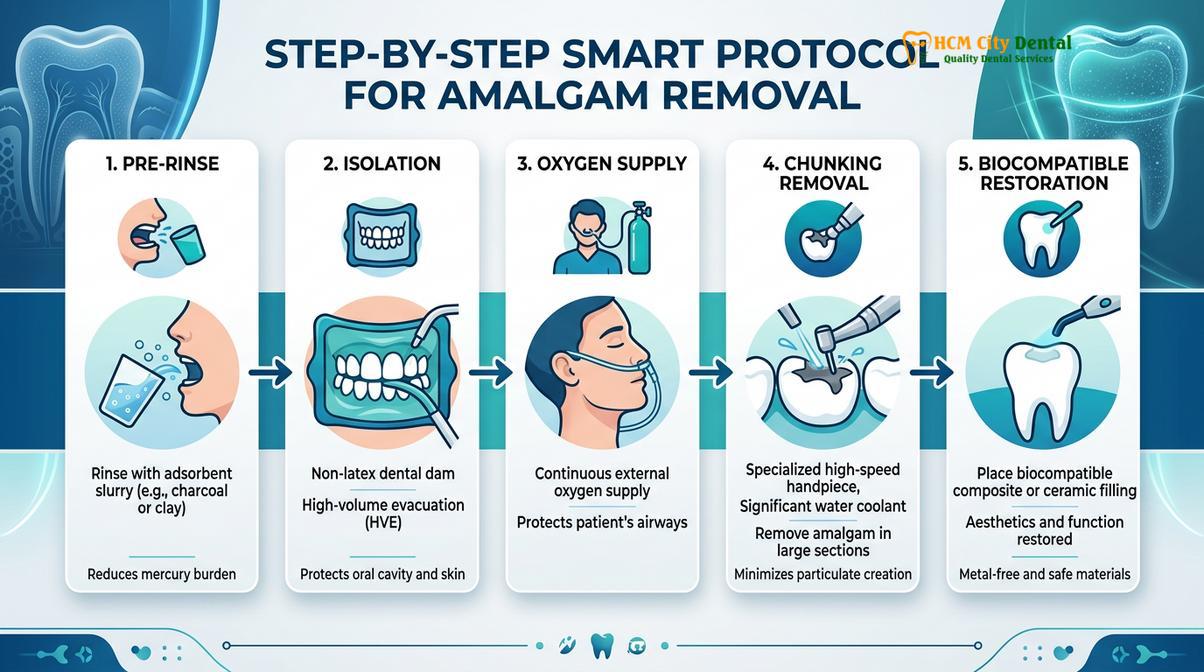
When you undergo a mercury filling extraction HCMC, the clinical workflow is orchestrated with precision. The procedure begins with a pre-operative rinse. Patients are often provided with a slurry of activated charcoal or chlorella to swish and swallow. These substances act as powerful binders; if any microscopic mercury particles manage to bypass the physical barriers and are ingested, the binders will attach to the heavy metals in the digestive tract, facilitating safe excretion rather than systemic absorption.
Following the pre-rinse, the patient is draped with a full-body impermeable barrier to protect their clothing and skin from contaminated aerosols. The alternative air supply is then positioned, and the patient is instructed to begin breathing through the nasal hood. Once the patient is comfortable and the airway is secured, the clinical team places the non-latex nitrile dental dam. This dam is meticulously sealed around the target tooth, ensuring that no saliva, water, or amalgam debris can enter the throat.
Clinical Case Review:
A 42-year-old patient visited HCMC Dental Clinic in Ho Chi Minh City presenting with chronic metallic taste and thermal sensitivity in the lower right quadrant. Clinical examination revealed two large, deteriorating amalgam restorations with marginal leakage. Utilizing the strict SMART protocol, the clinical team successfully isolated the teeth, utilized high-volume evacuation, and extracted the amalgams using the chunking method. The teeth were subsequently restored with biocompatible zirconia inlays. The patient reported a complete cessation of the metallic taste and a significant improvement in localized comfort within 48 hours.
With the isolation complete, the at-source aerosol vacuum is positioned approximately two to four inches from the patient’s mouth. The dentist then begins the removal process using a specialized carbide bur. Unlike diamond burs, which grind and pulverize, carbide burs are designed to cut cleanly. The dentist sections the old filling into quadrants or large chunks. Throughout this cutting process, the dental assistant applies a continuous, copious stream of cold water to the tooth. This water serves a dual purpose: it suppresses the generation of friction-induced heat (which prevents mercury vaporization) and it flushes the debris directly into the high-speed suction tip positioned immediately adjacent to the tooth[4].
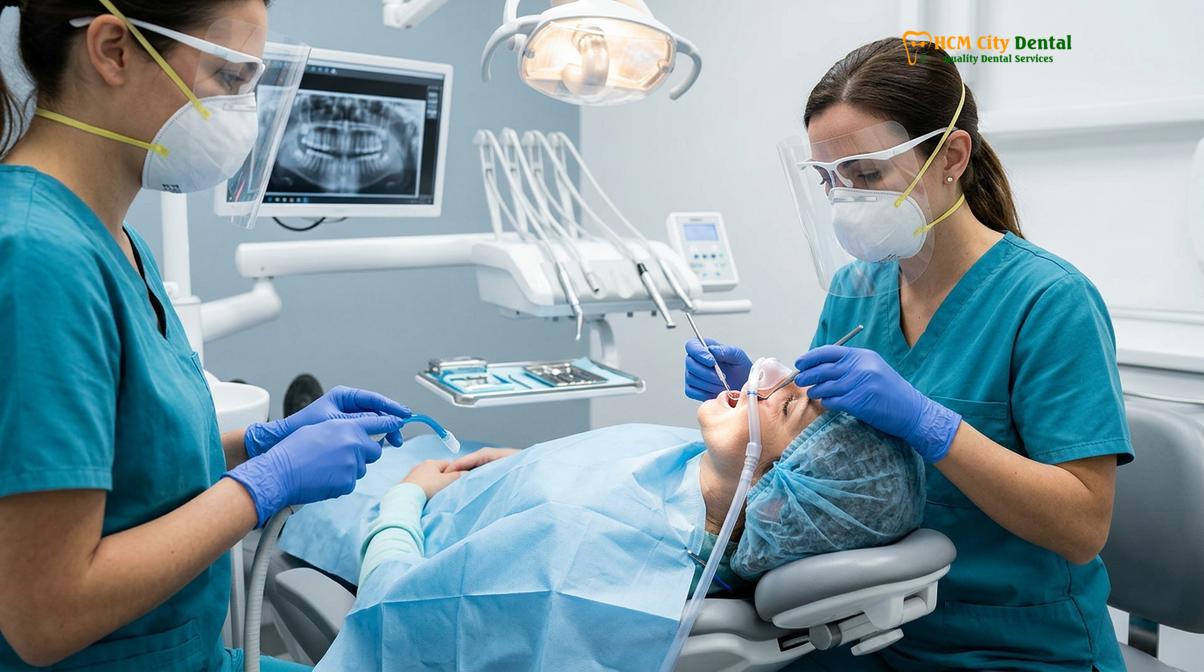
As the amalgam is sectioned, the large chunks are carefully elevated out of the cavity preparation and immediately suctioned away. Once all visible amalgam has been removed, the underlying tooth structure is carefully inspected for secondary decay or micro-fractures—common issues found beneath aging metal fillings. The dental dam is then carefully removed, and the patient’s mouth is thoroughly flushed with water. A final post-operative rinse with the charcoal or chlorella slurry is administered to ensure the oral cavity is completely clear of any residual particulates before the restorative phase begins.
Restoring Your Smile: Composite and Ceramic Options
Once the toxic amalgam is safely extracted, the tooth is restored using biocompatible resin composites or high-strength ceramic inlays, providing a durable, aesthetically pleasing, and metal-free structural solution.
The safe removal of the mercury amalgam is only the first half of the clinical objective; the second half is restoring the structural integrity, function, and aesthetics of the tooth using modern, biocompatible materials. Biological dentistry emphasizes the use of materials that interact harmoniously with the body’s tissues, avoiding substances that could trigger immune responses, galvanic toxicity, or chemical sensitivities. Today, patients have access to highly advanced Dental Fillings that far surpass the capabilities of outdated metal alloys.
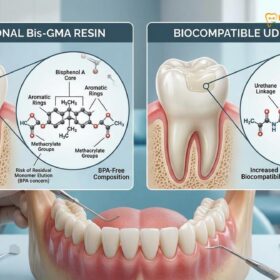
For small to moderate-sized cavities, direct resin-based composites are the material of choice. Modern composites are composed of a resin matrix filled with microscopic glass or quartz particles. They are entirely metal-free and can be precisely color-matched to the natural shade of the patient’s tooth, rendering the restoration virtually invisible. Furthermore, unlike amalgam—which merely sits in the cavity preparation and requires the removal of healthy tooth structure to create mechanical undercuts—composite resins bond chemically to the enamel and dentin. This micromechanical adhesion actually reinforces the remaining tooth structure, reducing the risk of future fractures.
“The transition from metal amalgams to bonded ceramics and composites represents a shift from mechanical retention to biomimetic integration, restoring the tooth closer to its original natural strength.”
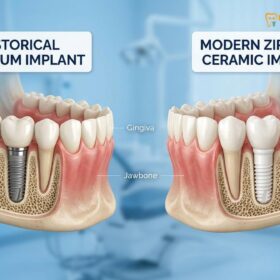
When dealing with larger restorations where a significant portion of the tooth structure has been compromised, direct composites may not offer sufficient compressive strength to withstand the heavy forces of molar chewing. In these cases, indirect ceramic restorations, such as inlays, onlays, or partial crowns, are highly recommended. Materials like lithium disilicate or zirconia are utilized for their exceptional durability and biocompatibility[5]. These ceramic restorations are custom-milled in a dental laboratory or via in-office CAD/CAM technology to fit the precise dimensions of the prepared cavity.
Ceramic restorations offer several distinct clinical advantages over both amalgam and large composite fillings. They exhibit minimal thermal conductivity, meaning patients are less likely to experience sensitivity to hot or cold foods. They are highly resistant to wear and staining, maintaining their aesthetic appeal over decades. Most importantly, from a biological perspective, high-grade dental ceramics are highly inert. They do not corrode, they do not release ions into the saliva, and they do not contribute to oral galvanism—a condition where mixed metals in the mouth act like a battery, generating low-level electrical currents that can cause discomfort and tissue irritation.
Important Clinical Considerations
Patients experiencing metallic taste, galvanic shock, or structural cracks around old silver fillings should seek immediate clinical evaluation. Elective removal requires careful timing, especially for vulnerable populations.
While the removal of mercury amalgam is highly beneficial for reducing heavy metal exposure, the decision to undergo this procedure must be made following a thorough clinical evaluation. Not all patients are immediate candidates for elective amalgam replacement, and the timing of the procedure is a critical factor in biological treatment planning. Dr. Cuong advises that a comprehensive review of the patient’s medical history, current health status, and specific dental conditions is mandatory before initiating the SMART protocol.
Clinical Warning: Elective removal of intact mercury amalgam fillings is generally contraindicated for women who are currently pregnant or actively breastfeeding. Despite the rigorous safety protocols, the theoretical risk of transient mercury exposure to the developing fetus or infant outweighs the benefits of elective replacement. These procedures should be deferred until after the nursing period has concluded.
Patients who suffer from compromised detoxification pathways, severe kidney dysfunction, or advanced neurological impairments must approach amalgam removal with caution. In these complex cases, the dental team often collaborates with the patient’s primary care physician or a functional medicine specialist. A pre-treatment protocol involving nutritional support, antioxidant therapy, and specific detoxification supplements may be recommended to optimize the body’s ability to handle any minimal exposure that might occur despite the physical barriers.
From a purely dental perspective, the condition of the existing amalgam dictates the urgency of the removal. Fillings that exhibit marginal breakdown, recurrent decay beneath the metal, or those that are causing structural cracks in the surrounding enamel require prompt intervention. Additionally, patients experiencing symptoms of oral galvanism—such as a persistent metallic taste, a burning sensation on the tongue, or mild electrical shocks when metal utensils touch the teeth—are strong candidates for expedited metal removal. A thorough clinical examination, often utilizing transillumination and digital radiography, is necessary to accurately diagnose these underlying issues.
Booking Your Amalgam Safe Removal Session
Scheduling a comprehensive consultation allows the clinical team to evaluate your existing restorations, review your medical history, and formulate a personalized, biologically sound treatment plan.
Taking the first step toward a metal-free, biologically harmonious smile begins with a detailed clinical consultation. At HCMC Dental Clinic, our approach to patient care is rooted in thorough diagnostics and transparent communication. We understand that the decision to replace existing dental work is significant, and our team is dedicated to providing you with the educational resources and clinical expertise necessary to make informed choices about your oral health.
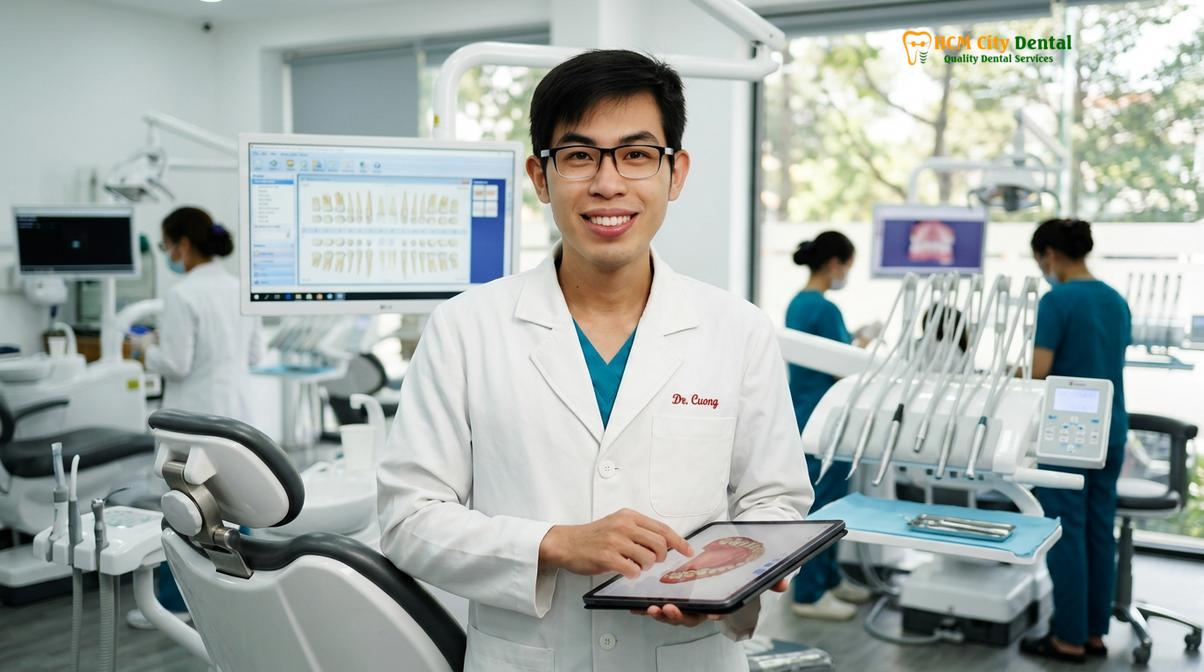
During your initial visit, our specialists will conduct a comprehensive examination of your oral cavity. This typically involves high-resolution digital imaging to assess the depth and condition of your current amalgam fillings, as well as the health of the underlying tooth structure and surrounding bone. We will also conduct a detailed review of your medical history to ensure that the timing and approach of the amalgam removal align with your overall systemic health goals.
Following the diagnostic phase, we will present a customized treatment plan. This plan will outline the specific teeth requiring intervention, the recommended biocompatible restorative materials (whether composite or ceramic), and a phased schedule for the removal process. To minimize systemic stress, we generally recommend replacing amalgams in quadrants, allowing your body ample time to rest and recover between sessions. If you are ready to transition to a safer, metal-free dental environment, we encourage you to contact our patient care team to schedule your biological dentistry consultation today.
Frequently Asked Questions
Where can I get safe mercury filling removal in Vietnam?
You can receive safe mercury filling removal at specialized biological dental clinics in Vietnam. Facilities like HCMC Dental Clinic in Ho Chi Minh City strictly follow international safety protocols to ensure maximum patient protection during the extraction process. It is crucial to verify that the clinic possesses the specific equipment required, such as at-source aerosol vacuums and alternative oxygen delivery systems, rather than relying on standard dental suction.
Is HCMC Dental an IAOMT-certified clinic?
HCMC Dental Clinic adheres strictly to the clinical safety guidelines established by the IAOMT. Our biological dentistry team utilizes the recommended SMART protocol equipment, including high-volume evacuation and alternative air sources, to ensure comprehensive mercury vapor protection. Our practitioners are continuously trained in the latest biological dentistry techniques to maintain the highest standards of holistic patient care.
How do you protect patients during mercury removal?
Patients are protected using a multi-barrier approach. This includes a non-latex dental dam, an alternative oxygen supply, full-body draping, continuous water cooling, and at-source high-volume aerosol vacuums to capture toxic particulates before they can be inhaled. Additionally, pre- and post-operative rinses with binding agents like activated charcoal are utilized to neutralize any microscopic debris that might enter the oral cavity.
Can I get all fillings removed in one session?
Removing all fillings in a single session is generally not recommended. Clinical best practices suggest a phased approach, dividing the mouth into quadrants to minimize systemic stress, reduce appointment fatigue, and allow the body to process any minimal exposure. A phased treatment plan also ensures that the patient’s bite and jaw muscles are not overly fatigued from prolonged periods of keeping the mouth open.
How do I book a consultation?
You can schedule a comprehensive consultation by contacting our patient care team directly via phone or our official website. During this visit, our specialists will evaluate your existing restorations and develop a personalized, biologically safe treatment plan. We will review your medical history, take necessary digital radiographs, and discuss the most appropriate biocompatible materials for your specific dental needs.
References
- World Health Organization. Mercury in Health Care: Policy Paper. (2005).
- International Academy of Oral Medicine and Toxicology. Safe Mercury Amalgam Removal Technique (SMART) Guidelines. (2019).
- Journal of Occupational Medicine and Toxicology. Mercury exposure in dentistry: safe removal protocols. (2011).
- Dental Materials Journal. Biocompatibility of resin-based dental composites and ceramics. (2018).
- Clinical Oral Investigations. Galvanic corrosion and systemic effects of mixed dental metals. (2020).