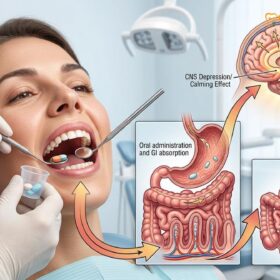
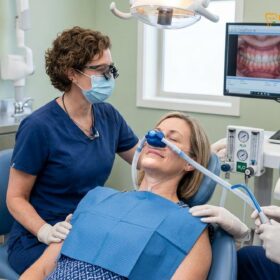
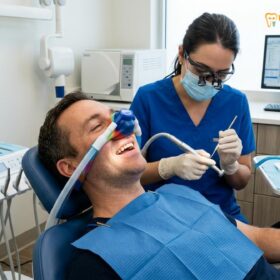
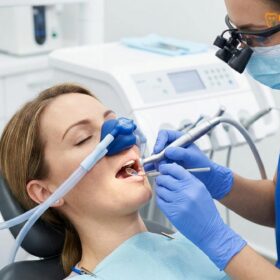
When you need to find sedation dentist Vietnam, prioritize clinics equipped with certified anesthesiologists, advanced physiological monitoring systems, and transparent emergency protocols. A highly qualified facility ensures your dental anxiety is managed safely through intravenous or inhalation sedation, allowing for complex restorative procedures without psychological stress or physical discomfort.
Clinical Summary:
Locating a reliable sedation dentistry provider requires careful evaluation of clinical credentials, facility emergency readiness, and specialized pharmacological training. Sedation protocols—ranging from minimal nitrous oxide inhalation to moderate intravenous (IV) conscious sedation—must be administered by licensed professionals adhering to strict international safety guidelines. Patients experiencing severe dental phobia, hyperactive gag reflexes, or those requiring extensive oral surgery benefit significantly from these targeted interventions. However, safe administration mandates comprehensive pre-operative medical screening, continuous intraoperative vital sign monitoring (including capnography and ECG), and structured post-operative recovery protocols. By verifying specific credentials and asking targeted questions about emergency airway management, international patients can secure high-quality, anxiety-free dental care in Ho Chi Minh City.
Key Takeaways:
- Verify that the dental facility employs a dedicated, licensed anesthesiologist specifically for intravenous sedation procedures.
- Ensure the surgical suite is equipped with continuous cardiovascular and respiratory monitoring systems, including capnography.
- Request proof of active Ministry of Health (MOH) licensing and recognized international sedation certifications.
- Comprehensive pre-sedation medical evaluations are mandatory to assess airway anatomy and systemic health status.
- Language proficiency is critical for informed consent; choose an English-speaking sedation clinic Saigon for clear clinical communication.
Essential Qualifications to Verify
A competent sedation provider must possess specialized postgraduate training in dental anesthesiology, active medical licenses, and current emergency life support certifications to ensure patient safety during pharmacological relaxation.
The administration of sedative agents in a dental setting is a complex medical procedure that demands rigorous training and an acute understanding of human physiology. When searching for a qualified sedation dentist HCMC, the foremost consideration must be the practitioner’s educational background and specialized training in anesthesiology. Unlike local anesthesia, which merely numbs a specific anatomical region, systemic sedation alters the patient’s central nervous system, requiring precise titration of medications to achieve the desired level of relaxation without compromising respiratory drive or cardiovascular stability. [1]
A highly credentialed practitioner will have completed extensive postgraduate coursework specifically focused on conscious sedation, airway management, and emergency pharmacology. Furthermore, it is imperative that the clinical team holds current certifications in Basic Life Support (BLS) and Advanced Cardiovascular Life Support (ACLS). These certifications ensure that the staff is fully prepared to manage any rare but potential cardiopulmonary emergencies that could arise during the administration of advanced pharmacological relaxation techniques.
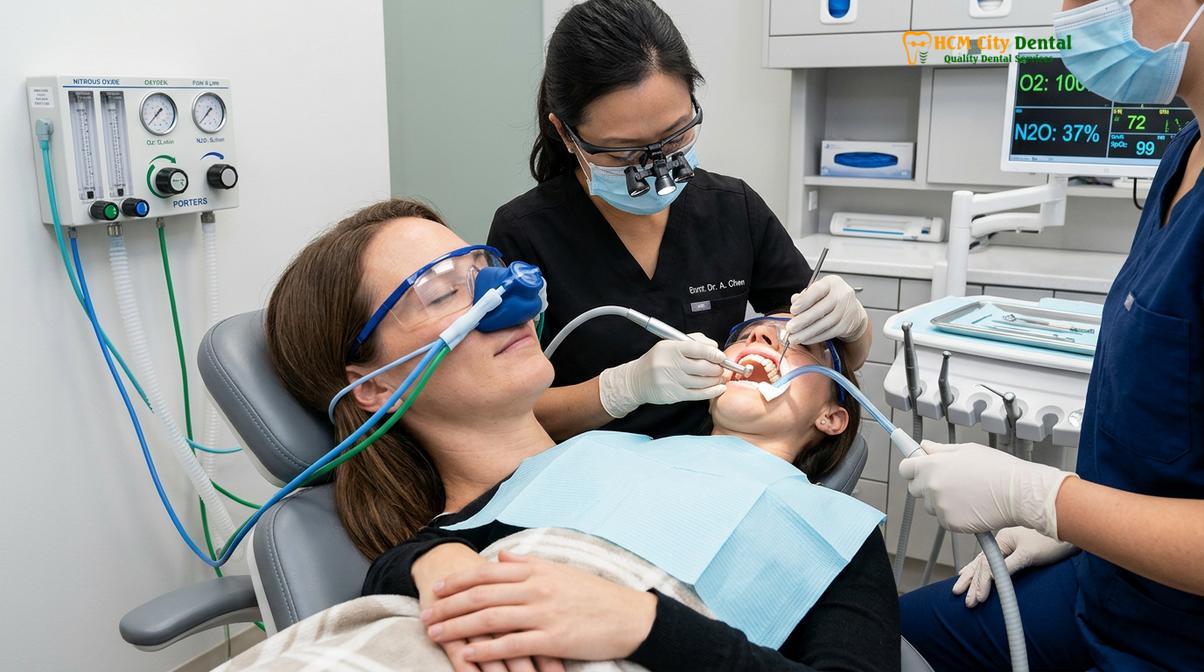
“According to Dr. Nguyen Van Cuong, the cornerstone of safe sedation is not merely the administration of the drug, but the practitioner’s ability to continuously manage the patient’s airway and physiological responses throughout the entire procedure.”
In addition to the primary dentist’s qualifications, the presence of a dedicated anesthesiologist is a hallmark of a premier dental facility. For moderate to deep intravenous (IV) sedation, the “single operator-anesthetist” model—where the dentist performs the surgery while simultaneously managing the sedation—is increasingly viewed as suboptimal for complex cases. The safest clinical environments employ a separate, board-certified anesthesiologist whose sole responsibility is to monitor the patient’s vital signs, titrate medications, and ensure optimal physiological stability, allowing the dental surgeon to focus entirely on the operative procedure. [2]
Patients should also inquire about the clinic’s adherence to the American Society of Anesthesiologists (ASA) Physical Status Classification System. A thorough pre-operative assessment using this system helps determine the patient’s medical fitness for sedation. Patients classified as ASA I (normal healthy patient) or ASA II (patient with mild systemic disease) are generally excellent candidates for outpatient dental sedation, whereas those with more severe systemic conditions may require treatment in a hospital setting.
Sedation Dentistry Certifications in Vietnam
Legitimate sedation practices in Vietnam operate under strict Ministry of Health regulations, often supplemented by international accreditations that dictate rigorous protocols for drug administration and patient monitoring.
Understanding the regulatory landscape is crucial when evaluating sedation dentistry credentials Vietnam. The Vietnamese Ministry of Health (MOH) establishes stringent guidelines for any medical or dental facility offering sedation services. To legally administer intravenous sedation or general anesthesia, a clinic must undergo rigorous inspections, proving they possess the necessary emergency resuscitation equipment, specialized recovery areas, and appropriately licensed personnel. Facilities that meet these criteria are granted specific operational licenses that distinguish them from standard dental practices.
Beyond local mandates, top-tier clinics often pursue international accreditations to demonstrate their commitment to global safety standards. Certifications from organizations such as the International Organization for Standardization (ISO) or adherence to guidelines published by the American Dental Association (ADA) indicate that the clinic’s operational workflows, sterilization protocols, and emergency response strategies meet rigorous international benchmarks. [3]
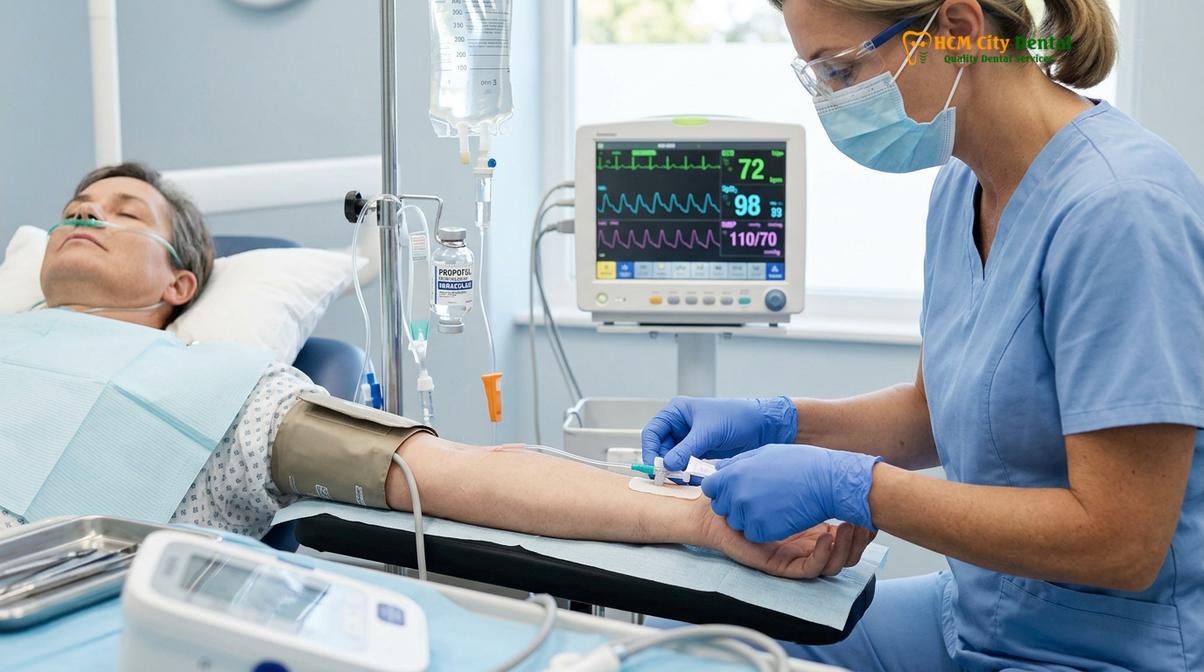
When evaluating a clinic’s credentials, it is helpful to understand the differences between the minimum local requirements and the enhanced safety protocols adopted by internationally focused facilities. The table below outlines key distinctions in clinical standards.
| Clinical Parameter | Standard Local Requirements | International Best Practices (Adopted by Top Clinics) |
|---|---|---|
| Personnel | Dentist with basic sedation permit | Dedicated, board-certified anesthesiologist for IV sedation |
| Monitoring Equipment | Pulse oximetry and blood pressure cuff | Continuous ECG, capnography (End-tidal CO2), and pulse oximetry |
| Emergency Readiness | Basic first aid and oxygen tank | Fully stocked crash cart, ACLS-certified staff, reversal agents |
| Pre-operative Assessment | Basic medical history questionnaire | Comprehensive ASA classification, airway evaluation, and physician clearance if needed |
Furthermore, the specific type of sedation offered dictates the level of certification required. For instance, administering nitrous oxide (laughing gas) requires different training and equipment compared to oral sedative administration or complex intravenous protocols. Patients must verify that the clinic holds the specific credentials corresponding to the level of sedation they will receive, ensuring that the clinical team is fully equipped to manage the unique pharmacological profile of the chosen method.
Questions to Ask Before Booking
Proactively interviewing your prospective dental team about their pre-operative assessments, intraoperative monitoring technologies, and specific emergency response protocols is crucial for mitigating clinical risks.
Before committing to a treatment plan that involves sedation, patients must engage in a detailed consultation with the clinical team. This dialogue is essential not only for building trust but also for verifying the facility’s safety standards. One of the first questions should address the pre-operative medical evaluation. A reputable clinic will conduct a thorough review of your medical history, including current medications, allergies, previous experiences with anesthesia, and a physical assessment of your airway anatomy. [4]
It is also critical to ask about the specific monitoring equipment utilized during the procedure. While standard pulse oximetry measures oxygen saturation, it is a lagging indicator of respiratory depression. Therefore, you should inquire if the clinic uses capnography, which measures end-tidal carbon dioxide (EtCO2) and provides real-time data on the patient’s ventilatory status. The presence of capnography, alongside continuous electrocardiogram (ECG) monitoring, is a strong indicator of a clinic’s commitment to advanced patient safety.
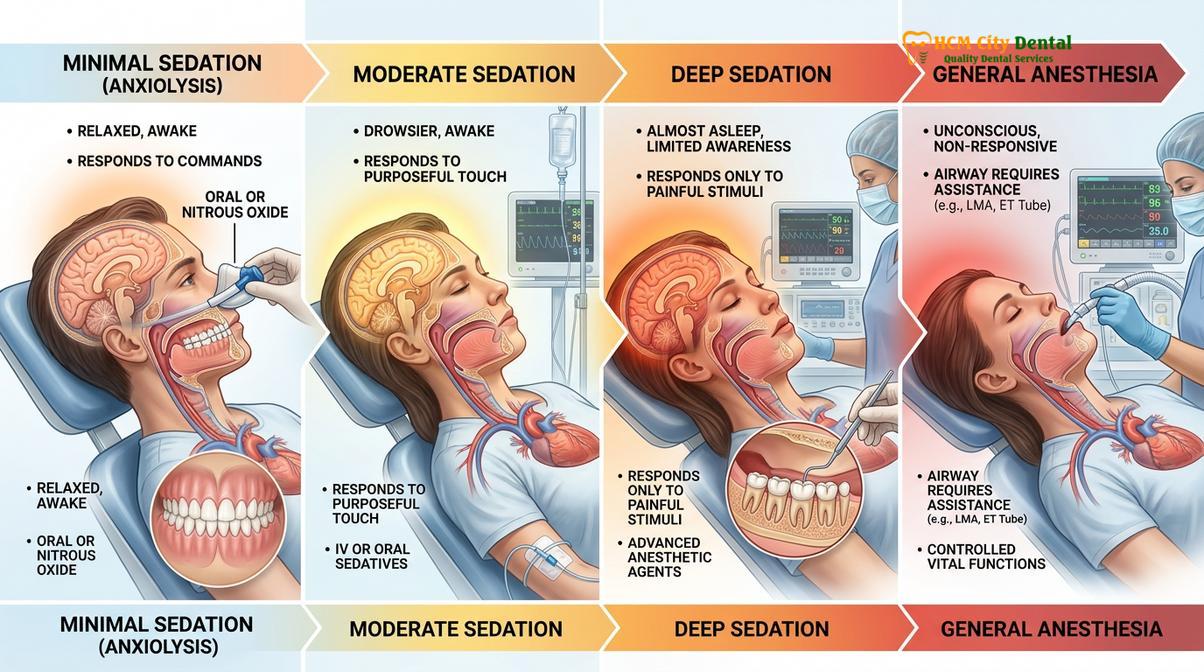
Clinical Warning: Be highly cautious of dental facilities that offer deep intravenous sedation without the presence of a dedicated anesthesiologist. The dual task of performing complex dental surgery while simultaneously managing a patient’s deep sedation significantly increases the risk of adverse physiological events.
Additionally, patients should ask about the clinic’s post-operative recovery protocols. After the procedure is completed, the patient must be monitored in a dedicated recovery area until they meet specific discharge criteria, such as stable vital signs, return of baseline cognitive function, and the ability to ambulate with minimal assistance. Understanding these protocols helps in differentiating between severe phobia and routine nervousness, ensuring that the chosen facility can accommodate your specific psychological and physiological needs.
Red Flags to Watch For
Avoid facilities that skip comprehensive medical history reviews, lack visible emergency resuscitation equipment, or offer guaranteed, risk-free sedation without discussing potential contraindications.
When researching how to find sedation dentist Vietnam, identifying potential red flags is just as important as verifying positive credentials. One of the most significant warning signs is a clinic’s willingness to schedule a sedation procedure without a prior comprehensive medical consultation. If a facility agrees to administer IV sedation based solely on a brief phone call or a superficial online form, it demonstrates a dangerous disregard for standard medical protocols. Proper patient selection and risk stratification are fundamental to safe anesthetic practice.
Another major red flag is vague or evasive answers regarding the clinic’s sedation dentistry credentials Vietnam. If the staff cannot clearly articulate the qualifications of the person administering the sedation, or if they refuse to provide proof of their emergency life support certifications, you should seek care elsewhere. Transparency is a non-negotiable aspect of ethical medical practice. [5]
Furthermore, observe the clinical environment during your initial visit. The absence of visible, modern monitoring equipment or a dedicated recovery space suggests that the facility may not be adequately equipped to handle sedation safely. A clinic that minimizes the potential risks of sedation, using absolute terms like “100% safe” or “guaranteed risk-free,” is employing marketing tactics rather than providing objective medical advice. Every pharmacological intervention carries inherent risks, and a trustworthy practitioner will thoroughly discuss these risks, along with the physiological signs of dental stress, to ensure informed consent.
Why Expats Choose HCMC Dental Clinic
International patients consistently select our facility due to our stringent adherence to global safety standards, dedicated anesthesiology team, and comprehensive English-speaking clinical support.
Navigating healthcare in a foreign country can be daunting, which is why finding a reliable English-speaking sedation clinic Saigon is a top priority for the expatriate community. At HCMC Dental Clinic in Ho Chi Minh City, we have structured our sedation protocols to mirror the highest international standards, providing a familiar and secure environment for patients accustomed to Western medical practices. Our commitment to safety begins with clear, precise communication, ensuring that every patient fully understands their treatment plan, the sedation process, and the expected recovery timeline.
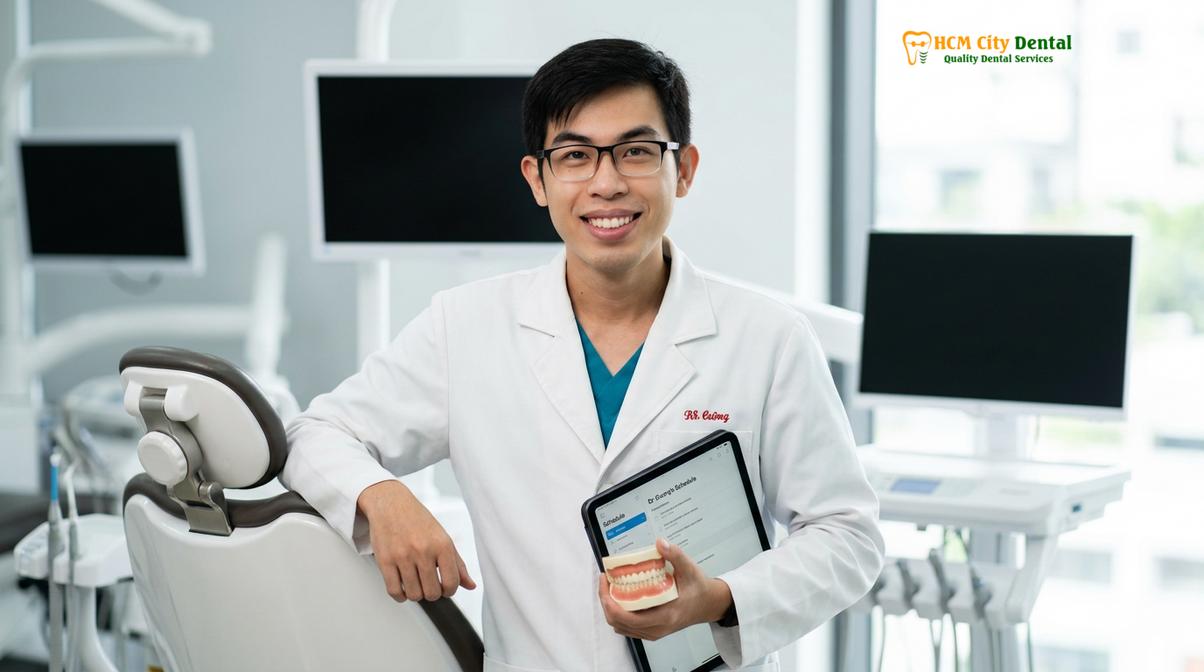
Dr. Nguyen Van Cuong oversees the integration of advanced monitoring systems within our surgical suites, ensuring that every patient receives individualized care based on their specific medical profile. By employing a dedicated team of licensed anesthesiologists, we guarantee that the administration of sedatives is managed with the utmost precision, allowing our dental specialists to focus entirely on delivering superior clinical outcomes. This collaborative approach significantly reduces operative times and enhances overall patient comfort.
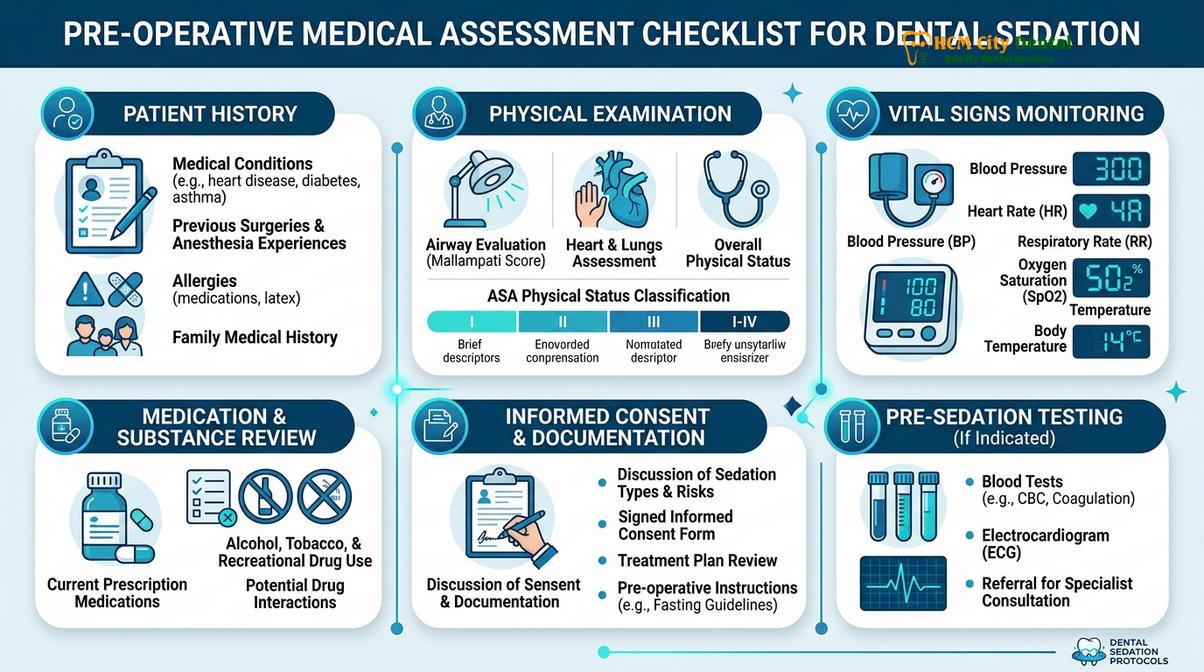
Clinical Case Study: Expat Full Mouth Rehabilitation
A 55-year-old expatriate presented to HCMC Dental Clinic with severe dental phobia and a need for extensive restorative work, including multiple extractions and implant placements. Due to his high anxiety levels, the patient had avoided dental care for over a decade. Following a comprehensive medical evaluation and consultation with our anesthesiology team, a customized intravenous conscious sedation plan was developed. The patient underwent a four-hour surgical session while continuously monitored via ECG and capnography. He awoke comfortably in our dedicated recovery suite with no memory of the procedure, successfully completing his comprehensive restorative treatments in a single, stress-free visit.
Our facility’s reputation as a premier qualified sedation dentist HCMC is built upon a foundation of transparent clinical practices, state-of-the-art technology, and a deep understanding of dental anxiety management. We recognize that psychological comfort is just as important as physical safety, and our entire clinical workflow is designed to provide a seamless, supportive experience from the initial consultation through to the final post-operative follow-up.
When to See a Doctor
Patients with pre-existing systemic conditions must undergo a thorough medical evaluation to determine the safest sedation modality and receive appropriate medical clearance before proceeding with dental treatments.
While dental sedation is highly safe for the majority of the population, certain pre-existing medical conditions require careful consideration and potentially a formal medical clearance from a primary care physician or specialist. If you suffer from severe cardiovascular disease, uncontrolled hypertension, chronic obstructive pulmonary disease (COPD), obstructive sleep apnea, or significant obesity, you must disclose these conditions during your initial consultation. These systemic issues can profoundly affect how your body metabolizes sedative drugs and manages airway patency during the procedure.
“Patients with complex systemic health conditions must undergo a thorough medical evaluation to determine the safest sedation modality, as certain pharmacological agents may be contraindicated or require precise dose adjustments.”
Additionally, if you are currently taking medications that depress the central nervous system—such as benzodiazepines, opioids, or certain antidepressants—you must inform your dental team to avoid dangerous drug interactions. Utilizing standardized psychological assessments alongside comprehensive physical evaluations ensures that the chosen sedation method is both safe and effective for your unique physiological profile.
Frequently Asked Questions
What qualifications should a sedation dentist have in Vietnam?
A qualified practitioner must hold a valid Ministry of Health license, specialized postgraduate training in dental anesthesiology, and current Advanced Cardiac Life Support (ACLS) certification. Beyond basic degrees, they should demonstrate extensive clinical experience in airway management and emergency resuscitation protocols specific to dental environments. This specialized training ensures they can safely titrate medications and manage any physiological fluctuations during the procedure.
Are sedation dentists in Vietnam internationally certified?
Many top-tier specialists hold international certifications from recognized bodies such as the American Dental Association (ADA) or equivalent global organizations, in addition to their mandatory local licenses. These dual credentials ensure the clinic adheres to rigorous, internationally accepted safety standards for pharmacological patient management, providing peace of mind for expatriates and medical tourists seeking high-quality care.
How can I verify a dental clinic’s sedation safety record?
You can verify safety records by requesting the clinic’s emergency protocol documentation, checking their Ministry of Health accreditation status, and reviewing independent patient testimonials regarding their clinical experiences. A reputable facility will transparently share their complication rates, detail their continuous staff training in emergency response, and openly discuss their adherence to international safety guidelines.
Do sedation dentists in HCMC speak English?
Yes, leading facilities catering to international patients employ highly proficient English-speaking clinical staff and specialists to ensure accurate medical communication. Choosing an English-speaking sedation clinic Saigon is vital for thoroughly discussing medical histories, understanding complex consent forms, and following precise pre-operative and post-operative instructions without the risk of translation errors.
What equipment should a sedation dental clinic have?
A properly equipped facility must have continuous pulse oximetry, electrocardiogram (ECG) monitors, capnography for end-tidal CO2 measurement, and automated blood pressure cuffs. Additionally, they must maintain a fully stocked emergency crash cart, positive pressure oxygen delivery systems, and pharmacological reversal agents on-site to immediately address any rare adverse reactions during the sedation process.
References
- Journal of Oral and Maxillofacial Surgery. Patient safety in dental sedation and anesthesia. (2021).
- International Journal of Oral and Maxillofacial Surgery. Intravenous conscious sedation protocols for complex oral surgery. (2020).
- British Dental Journal. Nitrous oxide inhalation sedation in dentistry: a review of safety. (2019).
- Journal of the American Dental Association. Patient satisfaction and anxiety levels under conscious sedation. (2022).
- Clinical Oral Investigations. Safety and recovery profiles of conscious sedation vs general anesthesia. (2018).
For pricing, booking, and a free clinical assessment, visit our Sedation Dentistry service page at HCMC Dental Clinic in Ho Chi Minh City.