Sedation dentistry recovery typically spans from a few minutes to 24 hours, depending on the pharmacological agents used. While nitrous oxide clears the system almost immediately, oral and intravenous (IV) sedation require a full day of supervised rest to ensure complete metabolic clearance and patient safety.
Clinical Summary:
The recovery process following dental sedation is a critical phase of treatment that requires strict adherence to clinical protocols. Depending on the modality—ranging from mild inhaled nitrous oxide to moderate oral or deep intravenous (IV) sedation—the physiological clearance of these medications varies significantly. Waking up from dental sedation involves continuous monitoring of vital signs, including oxygen saturation and blood pressure, until the patient reaches baseline consciousness. For oral and IV methods, the sedation dentistry recovery timeline extends up to 24 hours, during which patients experience residual cognitive and motor impairment. Comprehensive post sedation care rules mandate continuous adult supervision, strict avoidance of driving or operating machinery, and specific dietary modifications to prevent complications such as post-operative nausea or injury to anesthetized oral tissues. Proper adherence to these guidelines ensures a safe, predictable, and comfortable healing trajectory.
Key Takeaways:
- Nitrous oxide recovery is nearly instantaneous, allowing patients to drive home immediately after breathing pure oxygen.
- Oral and IV sedation require a mandatory 24-hour recovery period under the supervision of a responsible adult.
- Driving, operating machinery, and making legal decisions are strictly prohibited for 24 hours following moderate to deep sedation.
- Post-operative diets should begin with clear liquids and transition to soft, room-temperature foods to prevent nausea and oral injury.
- Common side effects like drowsiness, dry mouth, and mild nausea are temporary and resolve as the body metabolizes the sedatives.
The Post-Operative Recovery Phase Explained
The sedation dentistry recovery timeline depends heavily on the type of sedative administered, ranging from immediate clearance for inhaled gas to a 24-hour metabolic processing period for intravenous medications.
Understanding the physiological mechanisms behind sedation dentistry recovery is essential for patients preparing for anxiety-free dental procedures. The duration and intensity of the recovery phase are directly correlated with the pharmacokinetics of the specific sedative agents utilized during treatment. When a patient undergoes general dental sedation protocols, the central nervous system is temporarily depressed to induce a state of deep relaxation and amnesia. Reversing this state requires time for the body to metabolize and excrete the pharmacological agents.
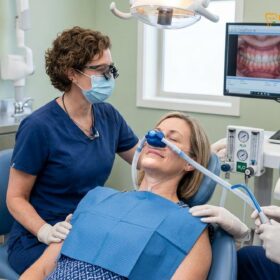
The sedation dentistry recovery timeline is categorized based on the modality of administration. Nitrous oxide, commonly known as laughing gas, is an inhaled analgesic and anxiolytic that does not undergo significant biotransformation in the body. Once the dental procedure is complete, the dentist administers 100% pure oxygen for approximately five minutes. This process rapidly displaces the nitrous oxide from the pulmonary alveoli, allowing the patient to return to full cognitive and motor function almost immediately[1]. Consequently, patients receiving only nitrous oxide are typically cleared to drive themselves home and resume normal daily activities without delay.
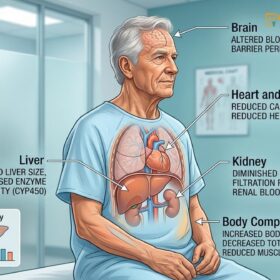
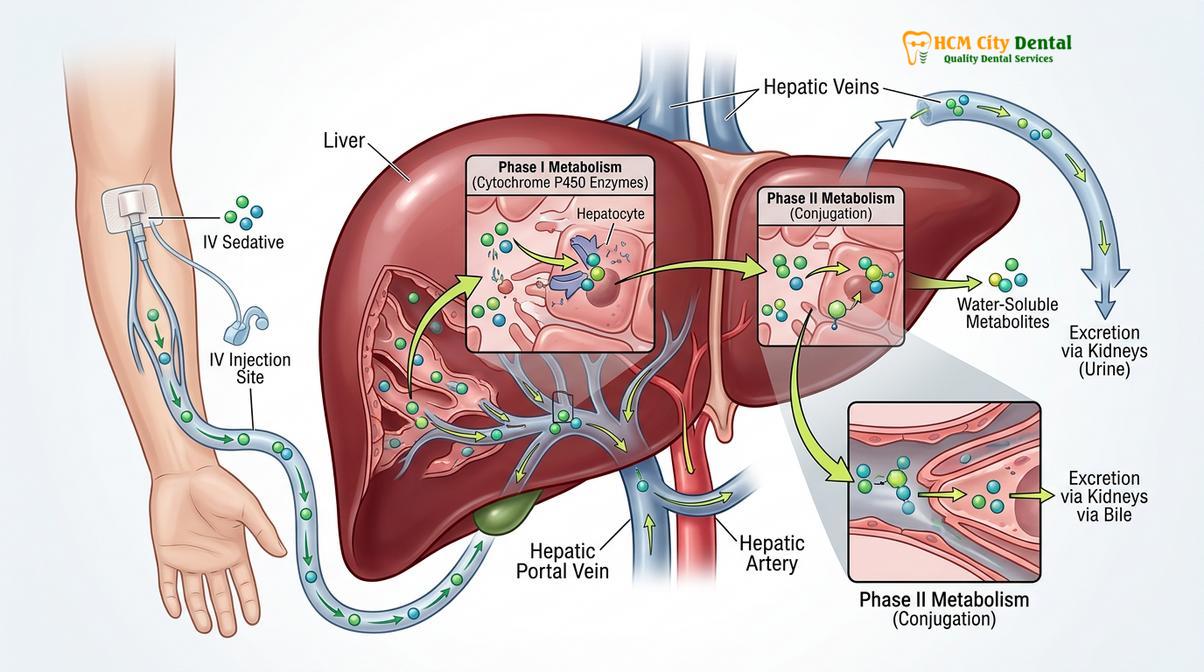
Conversely, oral conscious sedation and intravenous (IV) sedation involve medications—most commonly benzodiazepines such as triazolam, midazolam, or diazepam—that must be processed by the hepatic (liver) and renal (kidney) systems. These medications bind to GABA receptors in the brain to produce profound relaxation. Because these drugs have longer half-lives, the process of waking up from dental sedation is gradual. Even after the patient is conscious and responsive, sub-clinical levels of the medication remain in the bloodstream, causing residual drowsiness, delayed reflexes, and anterograde amnesia (memory loss of the event)[2].
Dr. Nguyen Van Cuong, a leading expert at HCMC Dental Clinic, emphasizes that recovery is not a one-size-fits-all process. “A patient’s metabolic rate, age, body mass index, and baseline hepatic function all play significant roles in how quickly they clear sedative medications. We tailor our post-operative expectations and discharge criteria to each individual’s unique physiological profile,” notes Dr. Cuong. This individualized approach ensures that patients who experience severe dental phobia can undergo complex procedures safely, knowing their recovery is closely monitored.
First 30 Minutes: Waking Up and Vital Sign Stability
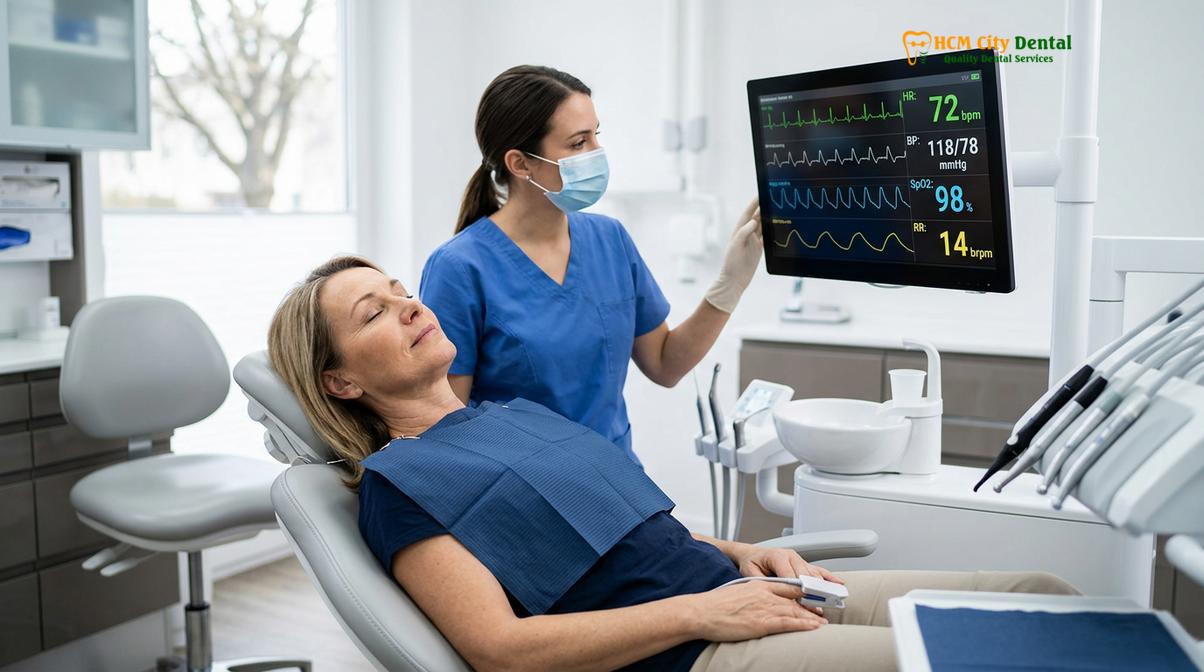
The initial 30 minutes of waking up from dental sedation involve continuous clinical monitoring of blood pressure, oxygen saturation, and respiratory rate until the patient achieves baseline consciousness.
The immediate transition from a sedated state to wakefulness is a highly controlled clinical process. Once the dental procedure is concluded, the administration of IV or oral maintenance doses is halted. During this critical window, the dental anesthesiology team closely monitors the patient in a dedicated recovery area. The primary objective during the first 30 minutes is to ensure cardiopulmonary stability and the safe return of protective airway reflexes.
Clinical protocols dictate the continuous use of pulse oximetry to measure blood oxygen saturation (SpO2), electrocardiography (ECG) for heart rhythm, and automated blood pressure cuffs. Waking up from dental sedation can sometimes cause transient fluctuations in blood pressure or mild respiratory depression, which is why professional oversight is mandatory[3]. The clinical team utilizes standardized discharge scoring systems, such as the Modified Aldrete Score, to objectively evaluate the patient’s readiness for discharge. This scoring system assesses five key parameters: activity level, respiration, circulation, consciousness, and oxygen saturation.
“Safe discharge following conscious sedation requires that the patient is alert, oriented to time and place, and exhibits stable vital signs for a minimum of 30 minutes post-operatively. The patient must be able to ambulate with minimal assistance before being released to a designated caregiver.” — Journal of Oral and Maxillofacial Surgery (2021)
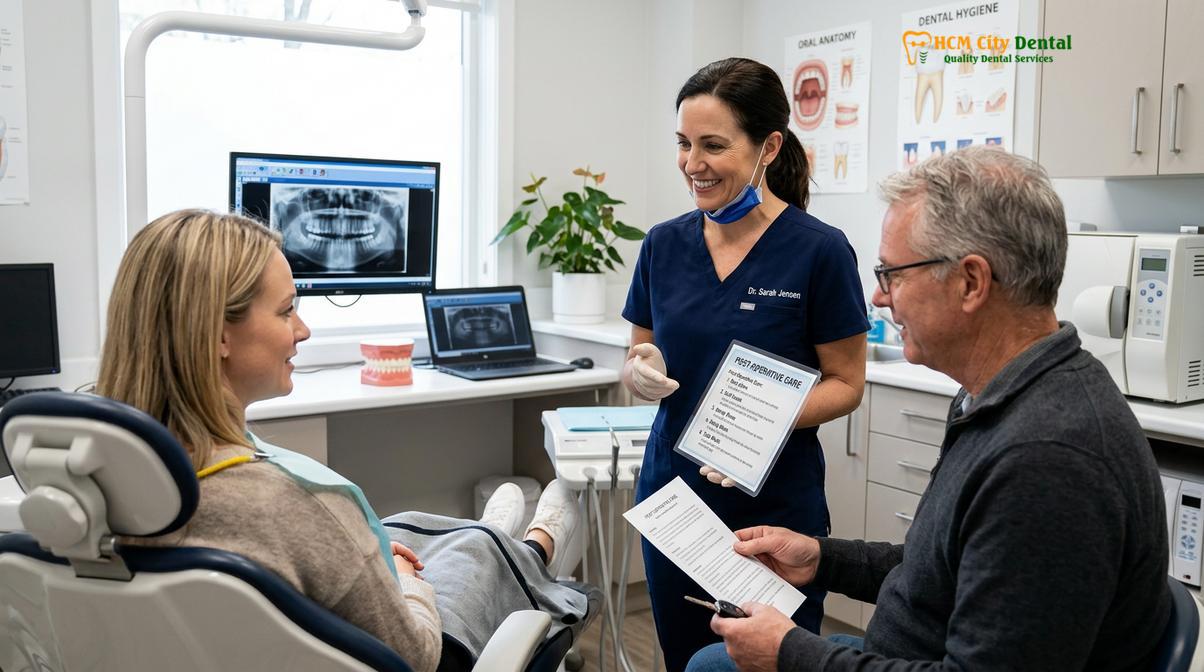
During this initial phase, patients often exhibit signs of confusion, slurred speech, and profound lethargy. It is entirely normal for patients to ask repetitive questions, as the amnesic properties of the sedatives are still active. The dental team will provide the designated escort with written and verbal post sedation care rules, ensuring that the caregiver understands how to manage the patient once they leave the clinic. The escort is instructed to bring the car to the clinic entrance, and the patient is often assisted to the vehicle via a wheelchair to prevent accidental falls due to compromised equilibrium.
The 24-Hour Rule: Rest, Supervision, and Activity Limits
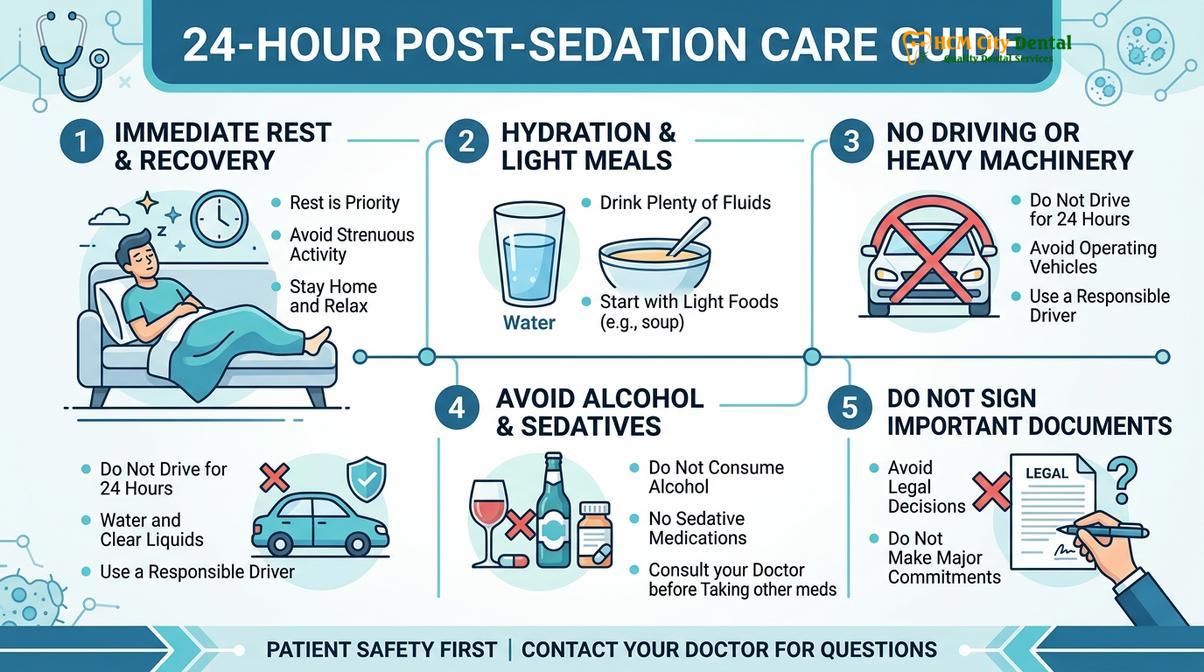
Following oral or IV sedation, patients must observe a strict 24-hour rest period under the supervision of a responsible adult while the central nervous system fully recovers.
The cornerstone of a safe sedation dentistry recovery timeline is the mandatory 24-hour rest period. Although a patient may feel relatively alert a few hours after returning home, the central nervous system remains under the lingering influence of the sedative agents. This phenomenon, often referred to as a “sedation hangover,” significantly impairs coordination, balance, and cognitive processing speed[4].
Strict adherence to post sedation care rules requires that a responsible adult remains with the patient for the first 24 hours. The caregiver’s role is multifaceted: they must monitor the patient’s breathing while sleeping, assist them when walking to the restroom to prevent falls, administer prescribed post-operative medications (such as analgesics or antibiotics) at the correct intervals, and ensure adequate hydration. Patients are strongly advised to rest in a comfortable, semi-reclined position, which helps reduce localized swelling if surgical procedures, such as extractions or implant placements, were performed alongside the sedation.
For patients who have undergone oral conscious sedation guidelines, the effects of medications like triazolam can cause intermittent periods of wakefulness followed by deep sleep. Caregivers should allow the patient to sleep naturally but should periodically check to ensure their breathing is unlabored and regular. Any physical exertion, including heavy lifting, intense exercise, or even strenuous household chores, must be avoided, as elevated blood pressure can trigger bleeding at the surgical sites.
Clinical Case Review: Supervised Recovery Protocol
A 45-year-old patient visited HCMC Dental Clinic in Ho Chi Minh City for multiple complex extractions under intravenous conscious sedation. Due to the patient’s high anxiety levels, a moderate dose of midazolam was administered. Following the two-hour procedure, the patient was monitored in the recovery suite until vital signs stabilized. The patient’s spouse was provided with detailed post-operative instructions. By adhering strictly to the 24-hour supervision rule, resting in a semi-upright position, and maintaining hydration, the patient experienced a seamless recovery without any episodes of dizziness, falls, or post-operative nausea, returning to normal activities by the second day.
Safety Warnings: No Driving, No Legal Decisions, No Alcohol
For 24 hours post-sedation, patients are strictly prohibited from driving, operating machinery, signing legal documents, or consuming alcohol due to lingering cognitive and motor impairment.
The pharmacological effects of dental sedatives extend far beyond the dental chair, necessitating strict behavioral restrictions to ensure patient safety. The most critical restriction during the sedation dentistry recovery timeline is the absolute prohibition of driving or operating any form of heavy machinery for at least 24 hours. Benzodiazepines and other sedative-hypnotics drastically reduce reaction times, impair depth perception, and diminish situational awareness, creating a state similar to severe alcohol intoxication[5].
Furthermore, the cognitive impairment caused by these medications affects executive functioning and memory consolidation. Therefore, patients must not make any significant personal, financial, or legal decisions, nor should they sign any binding documents during this 24-hour window. The anterograde amnesia associated with IV and oral sedation means a patient might agree to terms or sign paperwork without any subsequent recollection of the event.
Clinical Safety Warning: Alcohol and Sedative Interactions
Under no circumstances should a patient consume alcoholic beverages within 24 to 48 hours of receiving dental sedation. Alcohol is a central nervous system depressant that acts synergistically with residual sedative medications in the bloodstream. Combining the two can lead to severe, life-threatening respiratory depression, profound bradycardia (slowed heart rate), and loss of consciousness. Always consult your dental provider before resuming alcohol consumption or taking any unprescribed central nervous system depressants.
Patients must also be cautious regarding their prescription and over-the-counter medication intake. Caregivers should strictly follow the dentist’s instructions regarding pain management. If opioid analgesics are prescribed for post-operative pain, they must be administered with extreme caution, as they compound the sedative effects. Often, dentists recommend managing pain with non-steroidal anti-inflammatory drugs (NSAIDs) like ibuprofen or acetaminophen to minimize the risk of over-sedation during the recovery phase.
Dietary Guidelines: Soft, Room-Temperature Foods
Eating after dental sedation requires starting with clear liquids and transitioning to soft, room-temperature foods to prevent nausea and protect the surgical site while local anesthesia wears off.
Proper nutrition and hydration play a vital role in flushing sedative medications from the body, but eating after dental sedation requires a strategic approach. Because patients are required to fast prior to oral or IV sedation to prevent aspiration, they often wake up feeling dehydrated and hungry. However, introducing heavy or complex foods too quickly can shock the gastrointestinal system and induce severe nausea.
The initial dietary phase should consist exclusively of clear liquids. Water, apple juice, or clear broths are ideal for rehydrating the patient and assessing their gastric tolerance. Once the patient can keep clear liquids down without feeling nauseous, they can gradually transition to a soft food diet. It is imperative that all foods and beverages are served at room temperature or lukewarm. Because the oral cavity remains numb from local anesthesia for several hours post-procedure, consuming hot liquids like coffee or hot soup can cause severe, unnoticed thermal burns to the lips, tongue, and mucosal tissues.
| Recovery Phase | Recommended Foods & Beverages | Items to Strictly Avoid |
|---|---|---|
| First 2-4 Hours | Water, clear apple juice, electrolyte solutions, clear lukewarm broth. | Dairy products, acidic juices (orange/grapefruit), hot coffee, carbonated drinks. |
| 4-12 Hours | Applesauce, smooth yogurt, mashed potatoes, scrambled eggs, smoothies (no straw). | Spicy foods, crunchy snacks (chips/nuts), chewy meats, extremely hot soups. |
| 12-24 Hours | Soft pasta, flaky fish, oatmeal, soft-cooked vegetables, bananas. | Alcoholic beverages, tough foods requiring heavy chewing, seeds that can trap in wounds. |
If the sedation was accompanied by dental extractions, patients must strictly avoid using straws. The negative pressure created by sucking on a straw can dislodge the fragile blood clot forming in the extraction socket, leading to a painful condition known as dry socket. Maintaining a soft diet not only aids in gastrointestinal comfort but also protects the structural integrity of any surgical work performed during the comprehensive general dentistry procedure.

Managing Side Effects: Drowsiness, Nausea, and Dry Mouth
Common side effects like drowsiness, post-operative nausea, and xerostomia (dry mouth) are temporary and can be managed effectively with hydration, rest, and prescribed antiemetics if necessary.
While modern sedation protocols are highly refined, patients will inevitably experience some transient side effects as their body processes the medications. Understanding these side effects and knowing how to manage them is a core component of post sedation care rules. The most ubiquitous side effect is profound drowsiness and lethargy. This is a direct pharmacological result of the central nervous system depressants and should be managed simply by allowing the patient to sleep in a safe, supervised environment.
Post-operative nausea and vomiting (PONV) is another potential side effect, particularly in patients who have a history of motion sickness or those who inadvertently swallowed small amounts of blood during the dental procedure. The chemoreceptor trigger zone in the brain can be stimulated by the sedative agents themselves. To mitigate nausea, patients should remain in a supine or semi-reclined position, as sudden head movements can exacerbate vestibular disturbances and trigger vomiting.
“The incidence of post-operative nausea in dental sedation can be significantly reduced by ensuring adequate pre-operative fasting, maintaining intra-operative hydration via IV fluids, and administering prophylactic antiemetics such as ondansetron in high-risk patients.” — Clinical Oral Investigations (2018)
Dr. Nguyen Van Cuong advises patients at HCMC Dental Clinic to manage mild nausea by taking small, frequent sips of ginger ale or water rather than consuming large volumes of liquid at once. If nausea persists, the clinical team may prescribe a specific anti-nausea medication. Additionally, patients frequently report xerostomia, or dry mouth, following sedation. Medications like midazolam, as well as anticholinergic drugs sometimes used to reduce salivary flow during the procedure, temporarily inhibit the salivary glands. This can be alleviated by staying hydrated and using a cool mist humidifier in the recovery room. Recognizing the physical symptoms of dental anxiety and sedation side effects allows caregivers to provide optimal support.
When to See a Doctor (Important Clinical Considerations)
While the vast majority of patients progress through the sedation dentistry recovery timeline without incident, it is crucial to differentiate between normal post-operative grogginess and signs of a potential medical complication. Caregivers must remain vigilant and know when to seek immediate clinical intervention.
You should contact your dental provider or seek emergency medical care if the patient experiences any of the following red-flag symptoms:
- Severe Respiratory Depression: If the patient’s breathing becomes exceptionally shallow, drops below 10 breaths per minute, or if their lips and nail beds take on a bluish tint (cyanosis), this indicates inadequate oxygenation.
- Inability to Arouse: While deep sleep is normal, the patient should be rousable by verbal commands or gentle physical stimulation. If the patient cannot be awakened or is entirely unresponsive, emergency medical attention is required.
- Intractable Vomiting: Mild nausea is common, but continuous vomiting that prevents the patient from keeping any fluids down can lead to severe dehydration and requires prescription antiemetics.
- Excessive Bleeding: If surgical procedures were performed, some oozing is expected. However, if bleeding is heavy, bright red, and cannot be controlled with firm gauze pressure after 45 minutes, clinical evaluation is necessary.
- Signs of Allergic Reaction: The development of a sudden rash, hives, facial swelling (unrelated to the surgical site), or a tight feeling in the throat indicates a potential allergic reaction to the sedative or post-operative medications.
Always follow the specific discharge instructions provided by your clinical team. For patients utilizing techniques to strategies to overcome dental fear, knowing that a professional team is available for post-operative support provides immense peace of mind.
Frequently Asked Questions
How long does it take to recover from conscious IV sedation?
Recovery from conscious IV sedation typically requires a full 24 hours for the medications to completely clear your system. While you will wake up and become responsive within 20 to 30 minutes after the intravenous drip is stopped, residual cognitive and motor impairment will persist throughout the day. Patients must rest at home under the supervision of a responsible adult, avoiding any strenuous activities, driving, or complex decision-making until the following morning.
Can I drive home after receiving dental sedation?
You cannot drive home after receiving oral or intravenous dental sedation, as these medications severely impair reaction times and judgment. A designated adult must drive you home and monitor you. The only exception is mild nitrous oxide (laughing gas) sedation; because this inhaled gas is flushed from the lungs within minutes of breathing pure oxygen, patients are typically cleared by their dentist to drive themselves home immediately after the appointment.
What should I eat after waking up from dental sedation?
After waking up from dental sedation, you should start with clear liquids and progress to soft, room-temperature foods like applesauce, yogurt, or lukewarm broth. It is crucial to avoid hot foods and beverages while your mouth is still numb from local anesthesia to prevent accidental burns. Additionally, avoid spicy, acidic, or crunchy foods that could irritate the surgical site, and do not use a straw if you have had teeth extracted.
Is nausea normal after dental sedation?
Mild nausea is a relatively common and normal side effect after dental sedation, often triggered by the sedative medications, swallowed blood, or an empty stomach. It is usually temporary and can be managed by resting quietly, staying hydrated with small sips of water, and eating bland foods. If nausea becomes severe or is accompanied by persistent vomiting, you should contact your dental provider for further clinical guidance or anti-nausea medication.
When does the grogginess completely wear off?
The grogginess from oral or IV sedation completely wears off within 18 to 24 hours as your liver and kidneys metabolize and excrete the sedative agents. Most patients feel entirely back to their baseline cognitive and physical state after a full night of restorative sleep. However, individual metabolic rates, age, and the specific dosage administered can cause slight variations in this timeline.
References
- Journal of Oral and Maxillofacial Surgery. Patient safety in dental sedation and anesthesia. (2021).
- International Journal of Oral and Maxillofacial Surgery. Intravenous conscious sedation protocols for complex oral surgery. (2020).
- British Dental Journal. Nitrous oxide inhalation sedation in dentistry: a review of safety. (2019).
- Journal of the American Dental Association. Patient satisfaction and anxiety levels under conscious sedation. (2022).
- Clinical Oral Investigations. Safety and recovery profiles of conscious sedation vs general anesthesia. (2018).
For pricing, booking, and a free clinical assessment, visit our Sedation Dentistry service page at HCMC Dental Clinic in Ho Chi Minh City.