What is sedation dentistry? Sedation dentistry utilizes pharmacological agents to relax patients and manage anxiety during dental procedures. Ranging from mild nitrous oxide to deep intravenous sedation, it ensures a comfortable, stress-free experience while allowing clinicians to perform complex or lengthy treatments safely and efficiently.
Clinical Summary:
Sedation dentistry is a specialized clinical approach focused on alleviating dental phobia and physical discomfort through controlled medication. It encompasses inhalation, oral, and intravenous modalities, each meticulously tailored to the patient’s medical history and the procedural complexity. By gently depressing the central nervous system, these sedatives blunt the perception of pain and time, facilitating optimal clinical outcomes for highly anxious patients or those requiring extensive surgical interventions. Rigorous pre-operative assessment and continuous intra-operative monitoring are foundational to ensuring patient safety across all levels of sedation.
Key Takeaways:
- Sedation dentistry employs specialized medications to induce relaxation and manage anxiety during dental care.
- Clinical sedation levels range from minimal (awake but calm) to deep sedation, depending on patient needs.
- Common administration methods include nitrous oxide inhalation, oral anxiolytics, and intravenous (IV) delivery.
- It is highly indicated for patients with severe dental phobia, strong gag reflexes, or those undergoing complex surgeries.
- Comprehensive medical history reviews and continuous vital sign monitoring are mandatory for procedural safety.
Understanding Sedation Dentistry
Sedation dentistry involves administering specific sedatives to reduce patient anxiety, minimize involuntary movement, and enhance comfort during dental treatments, ensuring a safer and more controlled clinical environment.
For millions of individuals worldwide, the prospect of visiting the dentist triggers a profound physiological and psychological response known as dental phobia. This anxiety can be so severe that patients delay or entirely avoid necessary oral healthcare, leading to the exacerbation of dental diseases, chronic pain, and systemic health complications. To bridge this gap in care, modern dental medicine has integrated advanced pharmacological techniques to manage patient comfort. Understanding what is sedation dentistry requires looking beyond the simple concept of “being put to sleep” and recognizing it as a highly nuanced spectrum of anxiety and pain management.
At its core, sedation dentistry targets the central nervous system to modulate the body’s fight-or-flight response. When a patient experiences fear, the sympathetic nervous system releases a cascade of stress hormones, including adrenaline and cortisol. This physiological arousal increases heart rate, elevates blood pressure, and heightens pain perception, making even routine dental work challenging for both the patient and the clinician. By utilizing specific sedative agents, a qualified practitioner can suppress this hyperactive response, inducing a state of profound tranquility. This approach is often detailed in a comprehensive sleep dentistry guide, which outlines how different medications interact with the brain’s neurotransmitters, particularly gamma-aminobutyric acid (GABA), to produce anxiolytic (anti-anxiety) and amnesic effects [1].
The integration of sedation into General Dentistry has revolutionized the way practitioners approach comprehensive care. It allows for longer, more complex procedures to be completed in fewer appointments, as the patient’s tolerance for sitting in the dental chair is significantly extended. Furthermore, sedation minimizes involuntary movements and suppresses the gag reflex, providing the dentist with a stable, predictable operating field. This is particularly crucial during delicate procedures such as endodontic therapy, periodontal surgery, or the placement of dental implants, where precision is paramount.
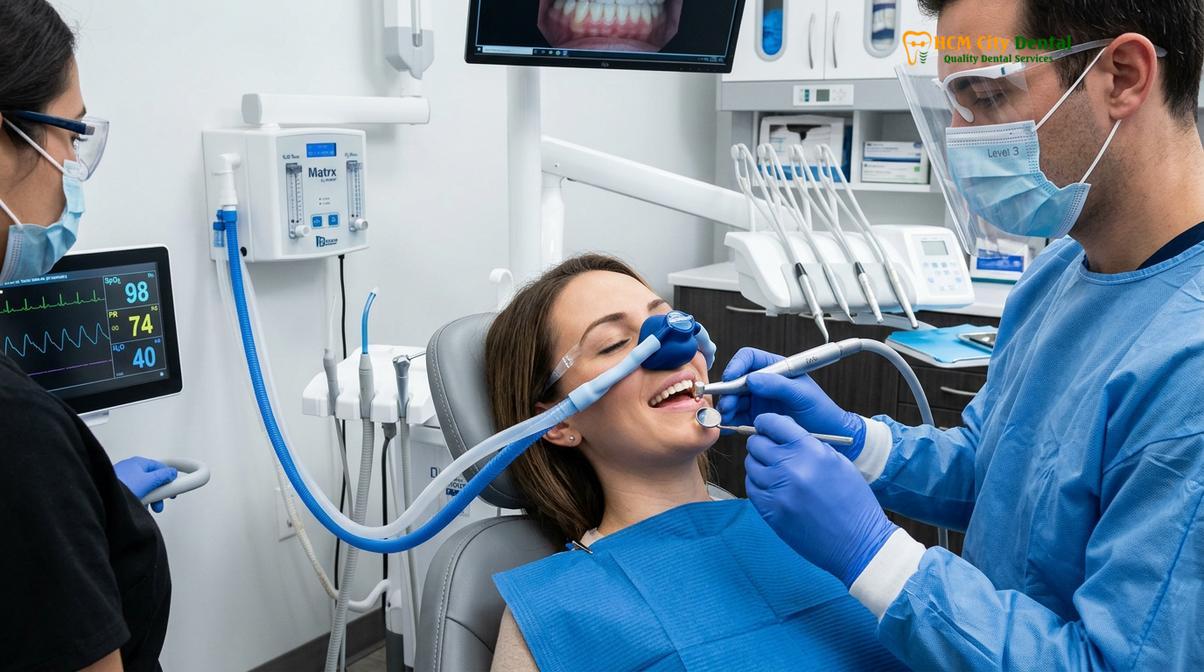
The Primary Types of Dental Sedation Explained
The main modalities of dental sedation include inhalation of nitrous oxide, oral administration of anxiolytics, and intravenous delivery of sedatives, each offering varying depths of relaxation tailored to the procedure.
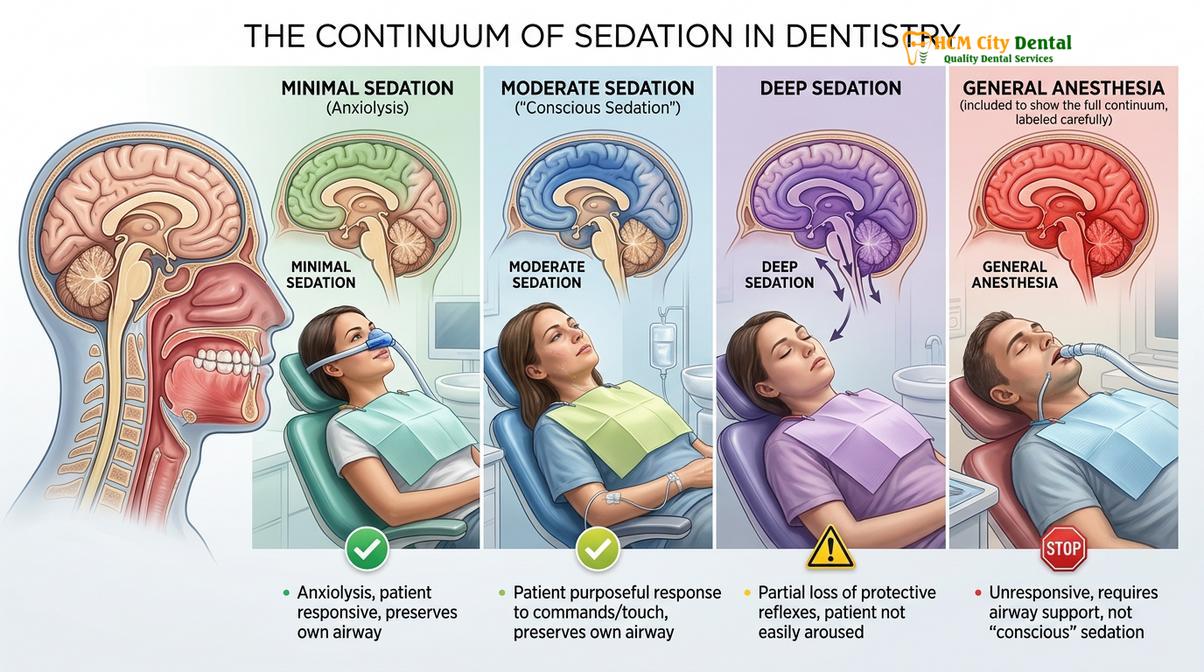
The field of dental anesthesiology categorizes sedation into several distinct levels: minimal, moderate, and deep. The selection of the appropriate modality depends on a multitude of factors, including the patient’s level of anxiety, their systemic health status, and the invasiveness of the planned dental procedure. Exploring the various types of dental sedation reveals a highly customizable approach to patient care.
Nitrous Oxide (Inhalation Sedation)
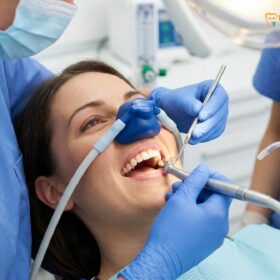
Nitrous oxide, commonly referred to as “laughing gas,” is the most frequently utilized form of minimal sedation in the dental setting. Administered via a comfortable nasal hood, the gas is mixed with pure oxygen and inhaled by the patient. Nitrous oxide has a very low blood-gas partition coefficient, meaning it crosses the blood-brain barrier rapidly, inducing a state of euphoria and relaxation within minutes. It also possesses mild analgesic properties, raising the patient’s pain threshold.
One of the primary clinical advantages of nitrous oxide is its rapid onset and equally rapid offset. The dentist can titrate the concentration of the gas throughout the procedure to maintain optimal comfort. Once the treatment is complete, the patient is placed on 100% oxygen for several minutes, which flushes the nitrous oxide from their system. Because the recovery is almost instantaneous and leaves no residual cognitive impairment, patients can typically drive themselves home and resume normal activities immediately, making it a highly convenient option for routine care.
Oral Conscious Sedation
Oral conscious sedation involves the administration of sedative medication in pill or liquid form, typically taken about an hour before the scheduled dental appointment. The most commonly prescribed medications belong to the benzodiazepine family, such as Triazolam (Halcion), Diazepam (Valium), or Lorazepam (Ativan). These drugs work by enhancing the inhibitory effects of GABA in the brain, resulting in significant anxiety reduction, muscle relaxation, and anterograde amnesia (the inability to form new memories during the time the drug is active) [2].
Depending on the dosage prescribed, oral sedation can range from minimal to moderate. Under moderate oral sedation, the patient remains awake and can respond to tactile stimulation and verbal commands, but they will feel deeply relaxed and may fall into a light sleep from which they can be easily awakened. Because the medication is metabolized through the gastrointestinal tract and liver, the onset is slower and the effects last significantly longer than nitrous oxide. Patients receiving oral sedation must have a responsible adult escort them to and from the clinic, as their motor skills and judgment will be impaired for several hours post-procedure.
Intravenous (IV) Sedation
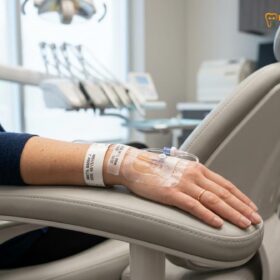
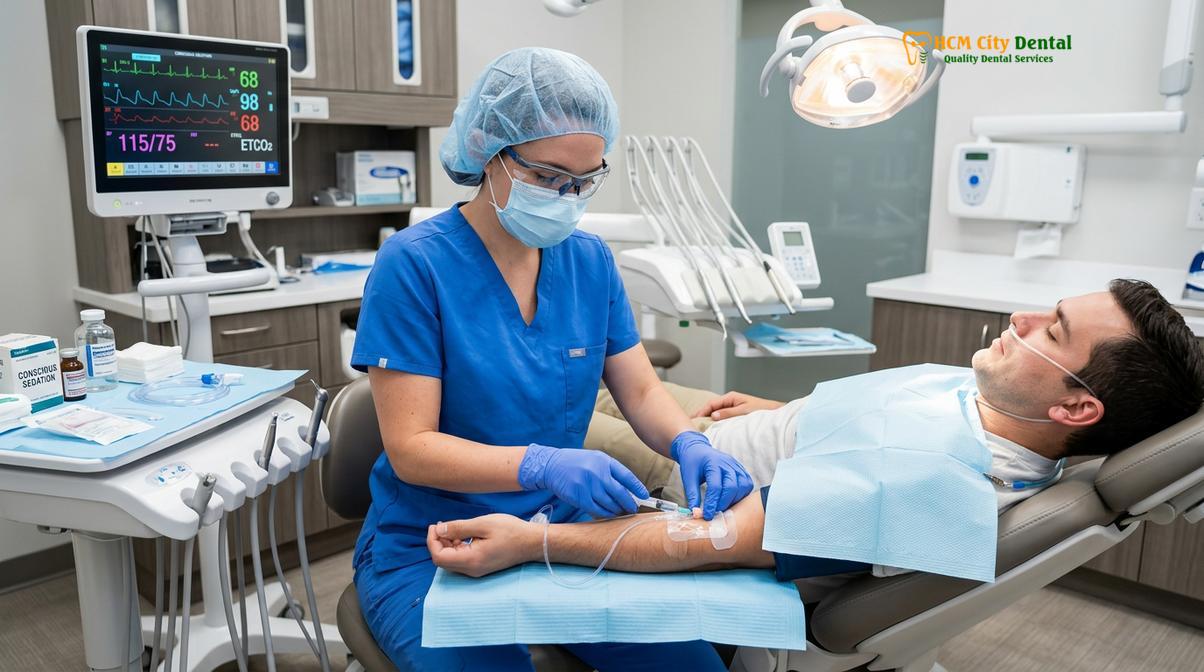
Intravenous (IV) sedation represents the most profound level of conscious sedation available in an outpatient dental setting. In this modality, sedative medications—most commonly Midazolam, Propofol, or Fentanyl—are administered directly into the patient’s bloodstream via an intravenous line. This direct route of administration bypasses the digestive system, allowing for an almost immediate onset of action.
The hallmark of IV sedation is the clinician’s ability to precisely titrate the medication. The anesthesiologist or highly trained sedation dentist can adjust the depth of sedation moment by moment, deepening it during the more stimulating parts of the surgery and lightening it as the procedure concludes. IV sedation induces a state of deep relaxation and profound amnesia; most patients have absolutely no recollection of the procedure, perceiving that they slept through the entire appointment. Due to the depth of central nervous system depression, IV sedation requires rigorous continuous monitoring of the patient’s vital signs.
| Sedation Type | Administration Route | Depth of Sedation | Onset & Recovery | Primary Clinical Indication |
|---|---|---|---|---|
| Nitrous Oxide | Inhalation (Nasal Mask) | Minimal | Rapid onset / Rapid recovery | Mild anxiety, routine cleanings, pediatric dentistry |
| Oral Sedation | Enteral (Pill/Liquid) | Minimal to Moderate | Slow onset / Prolonged recovery | Moderate anxiety, longer restorative procedures |
| IV Sedation | Parenteral (Intravenous) | Moderate to Deep | Rapid onset / Moderate recovery | Severe phobia, complex oral surgery, multiple extractions |
Conscious Sedation vs. General Anesthesia
Conscious sedation allows patients to remain awake and responsive to verbal cues, whereas general anesthesia renders the patient completely unconscious and unresponsive to all stimuli.
A common point of confusion for patients exploring a pain free dental treatment is the distinction between conscious sedation and general anesthesia. While both aim to facilitate dental procedures by altering the patient’s state of awareness, they operate on entirely different ends of the anesthetic continuum and carry different physiological implications.
Conscious sedation, whether achieved via nitrous oxide, oral medications, or IV administration, is defined by the preservation of protective reflexes. Even at the deeper levels of moderate sedation, the patient maintains the ability to breathe independently (spontaneous ventilation) and can respond purposefully to verbal commands or light physical stimulation. The cardiovascular function is usually maintained without intervention. The goal of a conscious sedation dentist is to depress the central nervous system just enough to eliminate anxiety and discomfort, without crossing the threshold into unconsciousness [3].
“The primary objective of conscious sedation is to depress the central nervous system just enough to eliminate anxiety while preserving the patient’s independent ability to breathe and respond to clinical instructions.”
In stark contrast, general anesthesia is a drug-induced state of deep unconsciousness. Under general anesthesia, the patient is completely unarousable, even by painful stimulation. Because the central nervous system is profoundly depressed, patients often lose the ability to maintain their own airway and require mechanical ventilatory support (such as an endotracheal tube). Cardiovascular function may also be impaired, requiring continuous pharmacological support. General anesthesia is typically reserved for the most extensive maxillofacial surgeries, patients with severe cognitive or physical disabilities who cannot cooperate with treatment, or cases of extreme, unmanageable dental phobia where conscious sedation has proven ineffective [4].
The safety profile of conscious sedation is generally higher than that of general anesthesia in the outpatient dental setting, primarily because the patient’s airway remains secure and independent. However, the transition from moderate sedation to deep sedation and general anesthesia is fluid; therefore, practitioners administering IV sedation must possess the advanced training and equipment necessary to rescue a patient who inadvertently slips into a deeper state of sedation than intended.
Who is the Ideal Candidate for Dental Sedation?
Ideal candidates for dental sedation include individuals with severe dental phobia, hypersensitive gag reflexes, low pain tolerance, or those undergoing extensive, multi-stage oral surgeries.
Determining candidacy for sedation dentistry requires a comprehensive evaluation of both the patient’s psychological needs and their physiological health status. Not every patient requires sedation, and not every patient is medically suited for all types of sedation. The decision is highly individualized, based on a thorough pre-operative assessment.
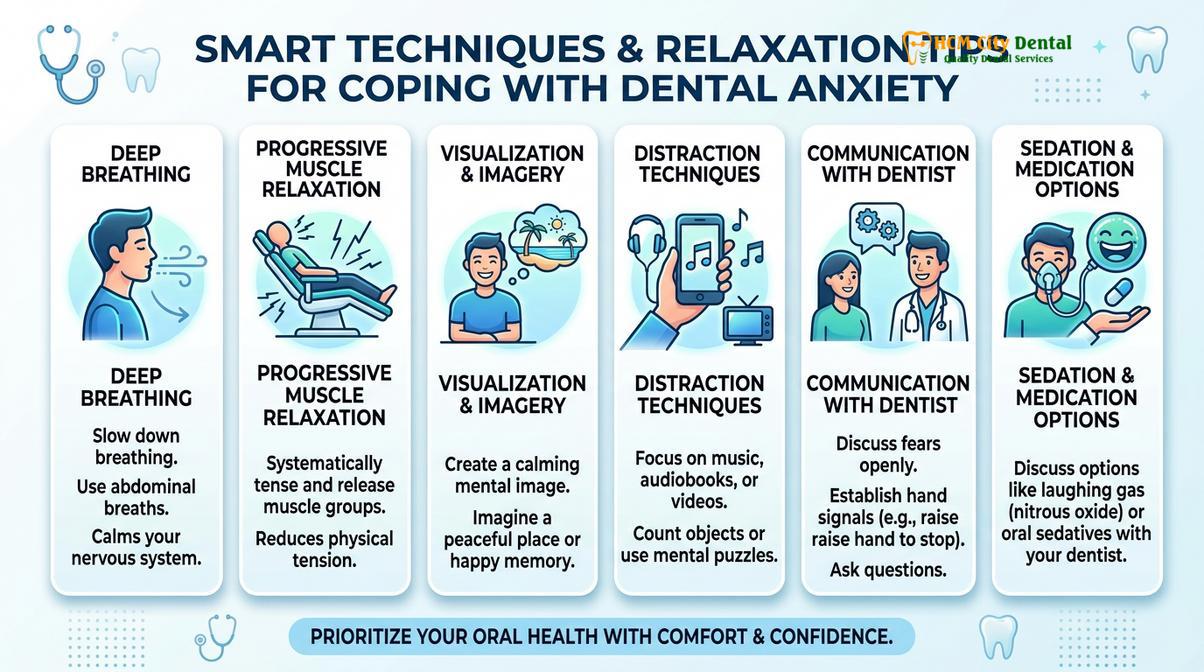
Psychologically, the most common indication for sedation is dental anxiety or phobia. Patients who have experienced traumatic dental events in the past, those who suffer from generalized anxiety disorders, or individuals who experience panic attacks at the thought of dental instruments are prime candidates. Sedation breaks the cycle of fear and avoidance, allowing these individuals to receive the care they desperately need. Additionally, patients with a hypersensitive gag reflex—which can make taking impressions or performing posterior dental work nearly impossible—benefit immensely from sedation, as the medications effectively suppress this involuntary reflex.
Physiologically, sedation is highly beneficial for patients with a low pain threshold or those who have difficulty achieving profound numbness with local anesthesia alone. It is also indicated for patients with physical or cognitive limitations that prevent them from sitting still for extended periods. From a procedural standpoint, patients undergoing complex, time-consuming treatments—such as full-mouth reconstruction, multiple dental implant placements, or the surgical extraction of impacted wisdom teeth—are excellent candidates. Sedation allows the clinician to work more efficiently and reduces the physical toll of a long appointment on the patient’s jaw and facial muscles.
Clinical Case Study: Overcoming Severe Dental Phobia
A 45-year-old patient presented at HCMC Dental Clinic in Ho Chi Minh City with severe dental phobia, having avoided dental care for over a decade. The clinical examination revealed the need for multiple surgical extractions and the placement of dental implants. Recognizing the patient’s extreme anxiety, Dr. Nguyen Van Cuong conducted a thorough medical history review and recommended intravenous (IV) sedation. The comprehensive surgery was completed in a single, three-hour session. The patient maintained stable vital signs throughout, reported absolutely no memory of the surgical interventions, and experienced a smooth, complication-free recovery, demonstrating the profound efficacy of tailored sedation protocols.
Safety Standards and Training Required for Sedation
Administering dental sedation requires specialized clinical training, continuous vital sign monitoring, and strict adherence to emergency protocols to ensure optimal patient safety throughout the procedure.
The administration of sedative agents, particularly via the intravenous route, is a complex medical procedure that demands rigorous safety standards. The dental profession is governed by strict regulatory guidelines regarding who can administer sedation and the specific equipment that must be present in the clinical environment. Patient safety is the absolute highest priority, and it begins long before the first dose of medication is given.
A comprehensive pre-anesthetic evaluation is mandatory. The clinician must review the patient’s complete medical history, including all current medications, over-the-counter supplements, previous anesthetic experiences, and any systemic conditions such as cardiovascular disease, respiratory disorders, or hepatic/renal impairment. The patient’s airway is assessed using clinical metrics like the Mallampati score to predict the ease of airway management should an emergency arise. Patients are also assigned an American Society of Anesthesiologists (ASA) Physical Status classification; generally, only ASA I (normal healthy patient) and ASA II (patient with mild systemic disease) are considered appropriate candidates for outpatient conscious sedation without specialized medical clearance.
Important Clinical Contraindications
Certain systemic conditions present significant risks during dental sedation. Absolute or relative contraindications may include severe chronic obstructive pulmonary disease (COPD), uncontrolled hypertension, congestive heart failure, pregnancy, and known allergies to specific sedative agents. A comprehensive medical history review and consultation with the patient’s primary care physician are mandatory to mitigate risks and ensure procedural safety.
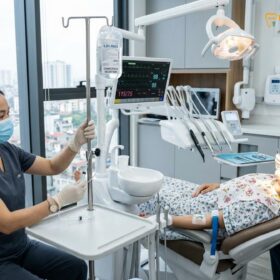
During the procedure, continuous physiological monitoring is non-negotiable. For moderate and deep sedation, the clinical suite must be equipped with advanced monitoring technology. This includes pulse oximetry to measure blood oxygen saturation, a continuous electrocardiogram (ECG) to monitor cardiac rhythm, an automated blood pressure cuff, and capnography. Capnography, which measures the end-tidal carbon dioxide (EtCO2) in the patient’s exhaled breath, is particularly critical as it provides the earliest warning of respiratory depression, allowing the clinician to intervene before oxygen levels drop [5].
Furthermore, the clinical team must be highly trained in emergency management. The clinic must be equipped with a fully stocked emergency crash cart, including positive-pressure oxygen delivery systems, advanced airway adjuncts, and pharmacological reversal agents (such as Flumazenil for benzodiazepines and Naloxone for opioids). The dentist and the assisting staff must maintain current certification in Basic Life Support (BLS) and, for those administering IV sedation, Advanced Cardiovascular Life Support (ACLS).
Sedation Dentistry Options and Rates in Saigon
Saigon offers advanced sedation dentistry options at competitive rates, providing international-standard care, modern monitoring equipment, and highly trained specialists for anxious patients.
As a leading hub for medical and dental tourism, Ho Chi Minh City provides access to world-class dental care, including comprehensive sedation dentistry services. Clinics catering to both local residents and international expatriates have adopted rigorous international protocols to ensure patient safety and comfort. The availability of various sedation modalities allows patients to choose the level of relaxation that best suits their clinical needs and personal preferences.
At facilities like HCMC Dental Clinic, the integration of advanced sedation techniques is a cornerstone of their patient-centric philosophy. The clinic utilizes state-of-the-art monitoring equipment and collaborates with experienced anesthesiologists for complex IV sedation cases. This multidisciplinary approach ensures that even the most medically compromised or highly anxious patients receive safe, effective care. The rates for sedation in Saigon are highly competitive compared to Western countries, making pain-free, stress-free dentistry accessible to a broader demographic without compromising on the quality of the pharmacological agents or the safety standards employed.
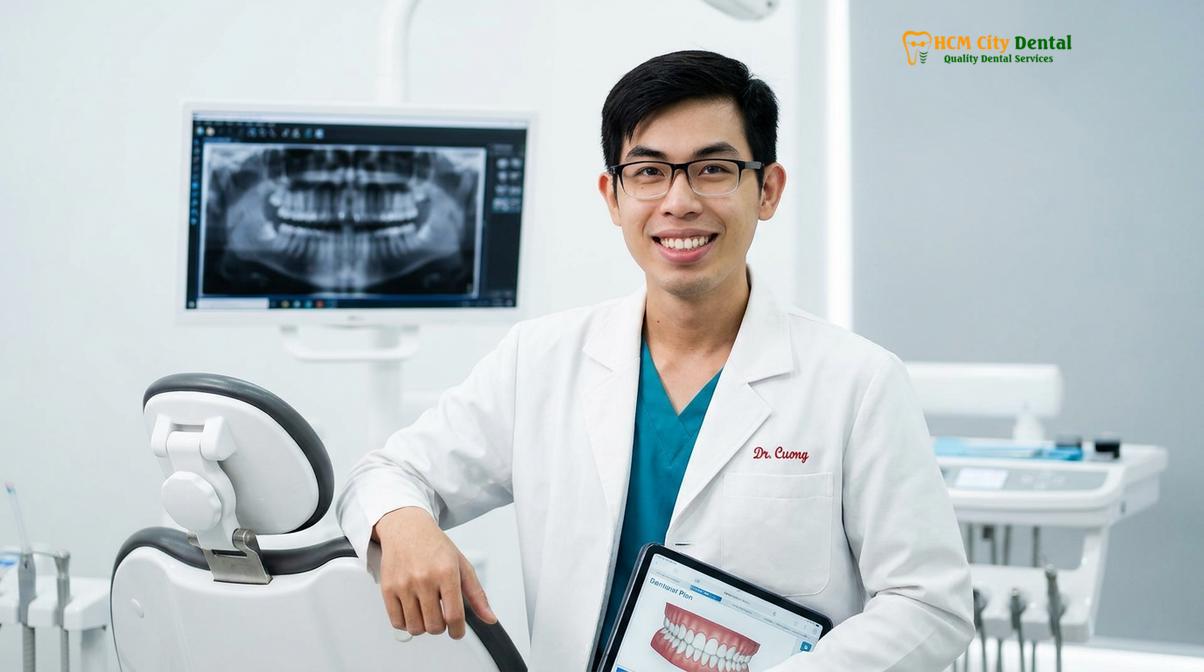
“Patient safety and psychological comfort are our highest priorities. By utilizing advanced monitoring technology and meticulously tailored sedation protocols, we can transform a fearful dental visit into a calm, highly manageable experience,” notes Dr. Cuong.
When to See a Doctor for Sedation Consultation
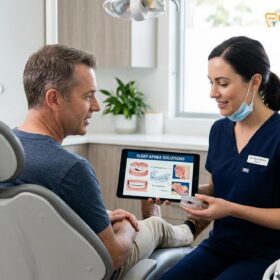
If you experience significant anxiety leading up to dental appointments, or if you have been delaying necessary oral healthcare due to fear, it is highly recommended to schedule a consultation with a qualified dental professional to discuss sedation options. During this initial visit, the clinician will not perform any invasive treatments; instead, the focus will be on understanding your specific fears, reviewing your comprehensive medical history, and explaining the various sedation modalities available.
You should actively seek a sedation consultation if you have a history of panic attacks in medical settings, possess a severe gag reflex that hinders routine cleanings, or require extensive surgical procedures such as the extraction of impacted teeth or full-arch implant rehabilitation. It is crucial to be completely transparent with your dentist regarding any underlying medical conditions, recent surgeries, and all medications you are currently taking, including herbal supplements, as these factors directly influence the safety and efficacy of the sedative agents. A thorough pre-operative assessment ensures that the chosen sedation protocol is perfectly aligned with your physiological profile, guaranteeing a safe and comfortable clinical outcome.
Frequently Asked Questions
What is sedation dentistry?
Sedation dentistry is the use of medication to help patients relax during dental procedures. It ranges from mild laughing gas to deep intravenous sedation, making treatments more comfortable for those with severe anxiety, sensitive gag reflexes, or complex dental needs. By depressing the central nervous system slightly, it blunts the perception of pain and time, facilitating optimal clinical outcomes.
Are you completely asleep with sedation dentistry?
No, you are typically not completely asleep unless general anesthesia is utilized. With most forms of conscious sedation, you remain awake or in a deeply relaxed, sleep-like state, but you can still breathe independently and respond to the dentist’s verbal instructions. You may, however, experience amnesia and have little to no memory of the procedure afterward.
Does dental sedation block all pain?
Sedation primarily relaxes the central nervous system and reduces anxiety, but it does not inherently block local pain. Dentists will still administer local anesthesia to numb the specific treatment area, ensuring a virtually painless clinical experience. The sedation simply makes the administration of the local anesthetic and the subsequent procedure much more tolerable.
Is sedation dentistry safe for elderly patients?
Yes, sedation dentistry can be safe for elderly patients when administered by a qualified dental professional. However, it requires a thorough pre-operative medical evaluation to adjust medication dosages and account for age-related systemic health conditions or potential drug interactions. Slower metabolism in older adults often necessitates lower doses of sedative agents.
How much does sedation dentistry cost in Vietnam?
The cost of sedation dentistry in Vietnam varies depending on the specific modality used and the duration of the procedure. Nitrous oxide is generally the most affordable option, while intravenous (IV) sedation incurs higher fees due to the required presence of an anesthesiologist and advanced monitoring equipment. Despite this, the rates remain highly competitive compared to international standards.
References
- Journal of Oral and Maxillofacial Surgery. Patient safety in dental sedation and anesthesia. (2021).
- International Journal of Oral and Maxillofacial Surgery. Intravenous conscious sedation protocols for complex oral surgery. (2020).
- British Dental Journal. Nitrous oxide inhalation sedation in dentistry: a review of safety. (2019).
- Journal of the American Dental Association. Patient satisfaction and anxiety levels under conscious sedation. (2022).
- Clinical Oral Investigations. Safety and recovery profiles of conscious sedation vs general anesthesia. (2018).
For pricing, booking, and a free clinical assessment, visit our Sedation Dentistry service page at HCMC Dental Clinic in Ho Chi Minh City.