Gum treatment sedation utilizes pharmacological agents to alleviate anxiety and discomfort during periodontal procedures. From mild nitrous oxide to moderate intravenous (IV) sedation, these protocols allow patients to undergo essential deep cleanings or complex gum surgeries in a relaxed, pain-free state while maintaining critical safety standards.
Clinical Summary:
Sedation dentistry for periodontal care bridges the gap between severe dental anxiety and necessary clinical intervention. By employing tailored pharmacological protocols—ranging from inhaled nitrous oxide for routine scaling to intravenous (IV) sedation for extensive flap surgeries—periodontists can ensure optimal patient comfort. These techniques not only mitigate the psychological barriers associated with dental phobias but also facilitate more efficient, comprehensive treatments in fewer visits. Rigorous pre-operative medical evaluations and continuous intra-operative monitoring of vital signs are mandatory to uphold patient safety. Ultimately, integrating sedation into gum disease management improves clinical outcomes by allowing practitioners to perform meticulous subgingival debridement and tissue grafting without patient movement or distress, ensuring long-term periodontal stability.
Key Takeaways:
- Sedation protocols range from mild inhaled gas to moderate IV administration, tailored to procedure complexity.
- Non-surgical deep cleanings often utilize oral conscious sedation to maximize comfort without deep sleep.
- Continuous monitoring of blood pressure, heart rate, and oxygen saturation is standard during moderate sedation.
- Combining extensive periodontal surgeries under sedation reduces the total number of required clinical appointments.
- A thorough medical history review is essential to identify any contraindications before administering sedatives.
Overcoming Dental Fear for Vital Periodontal Care
Dental anxiety frequently prevents patients from seeking necessary periodontal therapy, leading to disease progression. Sedation dentistry effectively neutralizes this fear, enabling timely intervention to halt tissue destruction and tooth loss.
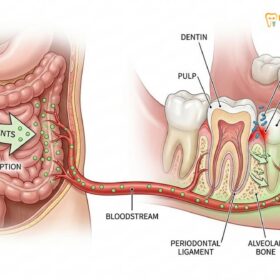
The psychological barrier of dentophobia is one of the most significant challenges in modern periodontics. Patients suffering from severe dental anxiety often delay or entirely avoid seeking treatment for early-stage gingivitis. Consequently, this avoidance allows the bacterial infection to progress deep beneath the gumline, evolving into severe periodontitis. As the disease advances, it destroys the supportive alveolar bone and periodontal ligaments, ultimately leading to tooth mobility and eventual tooth loss. Breaking this destructive cycle requires a clinical approach that prioritizes both psychological comfort and physiological healing.
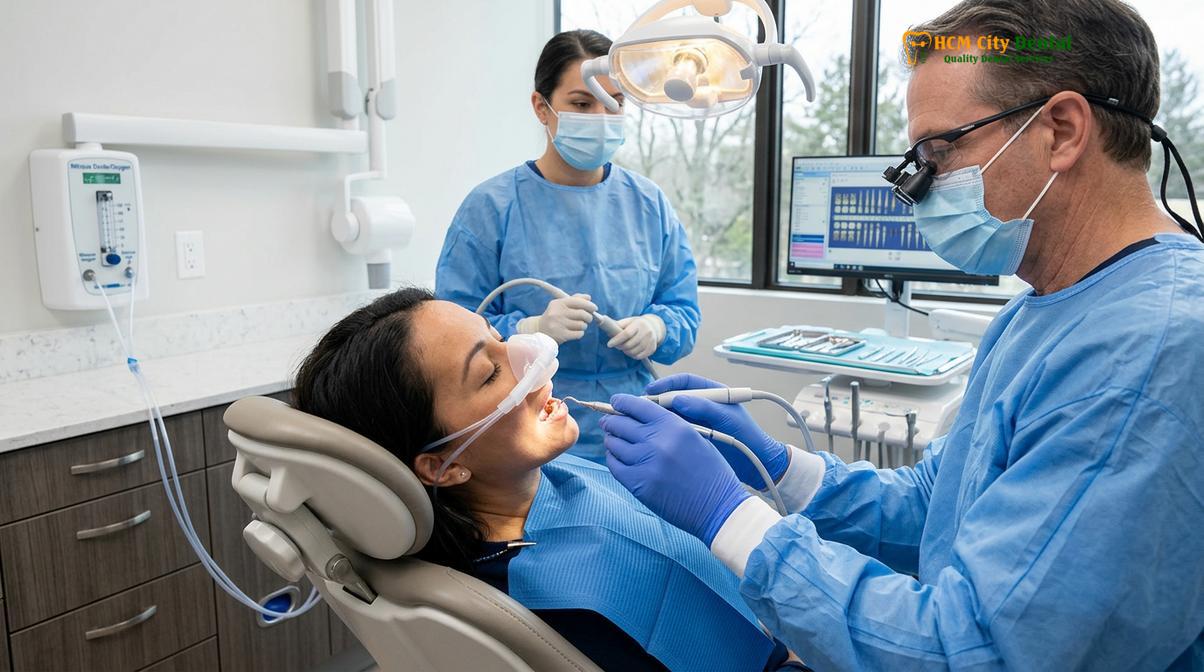
Integrating pharmacological relaxation techniques into comprehensive periodontal therapy transforms the patient experience. By altering the central nervous system’s response to stress and pain stimuli, sedatives allow patients to undergo necessary interventions without the trauma typically associated with dental visits. This is particularly crucial for periodontal procedures, which often involve deep tissue manipulation, ultrasonic vibrations, and the scraping of root surfaces—sensations that can be highly triggering for anxious individuals. The implementation of an anxiety free scaling saigon protocol has revolutionized how clinics approach preventative and interceptive gum care.
Furthermore, the systemic implications of untreated periodontal disease cannot be overstated. Chronic oral inflammation is clinically linked to severe systemic conditions, including cardiovascular disease, poorly controlled diabetes mellitus, and adverse pregnancy outcomes. Therefore, overcoming dental fear is not merely about preserving the dentition; it is a critical component of maintaining overall systemic health. Dr. Nguyen Van Cuong frequently emphasizes to his patients that treating gum disease is a medical necessity, and utilizing sedation is a highly effective tool to ensure that this vital care is not neglected due to fear[1].
The clinical environment also plays a vital role in overcoming these fears. Modern dental operatories are designed to be calming, utilizing advanced noise-canceling technologies and ergonomic seating to complement the pharmacological effects of the sedatives. When a patient feels safe, their physiological stress markers—such as elevated cortisol levels and tachycardia—decrease significantly. This reduction in systemic stress not only makes the procedure more pleasant but also creates an optimal physiological environment for post-operative tissue healing and regeneration.
Sedation Options for Scaling and Root Planing (SRP)
For non-surgical deep cleanings, dentists typically employ nitrous oxide or oral conscious sedation. These mild to moderate options keep patients relaxed and cooperative while effectively numbing the treatment area.
Scaling and root planing (SRP) is the gold standard non-surgical treatment for active periodontal disease. This meticulous procedure involves the removal of calcified plaque (calculus) and bacterial biofilms from the crown and root surfaces, followed by the smoothing of the root cementum to prevent future bacterial adherence. Because this process requires instrumentation deep within the periodontal pockets, it can cause significant discomfort. To mitigate this, clinicians offer various levels of sedation deep cleaning tailored to the patient’s specific anxiety levels and pain threshold.
Nitrous oxide, commonly known as laughing gas, is the most frequently utilized form of minimal sedation for SRP. Administered via a comfortable nasal hood, this colorless, sweet-smelling gas is mixed with pure oxygen. It acts rapidly on the central nervous system to induce a state of mild euphoria and profound relaxation. One of the primary clinical advantages of nitrous oxide is its rapid onset and equally rapid elimination from the body. Once the flow of the gas is terminated and replaced with 100% oxygen, the sedative effects dissipate within minutes, allowing the patient to drive themselves home safely and resume normal daily activities immediately.
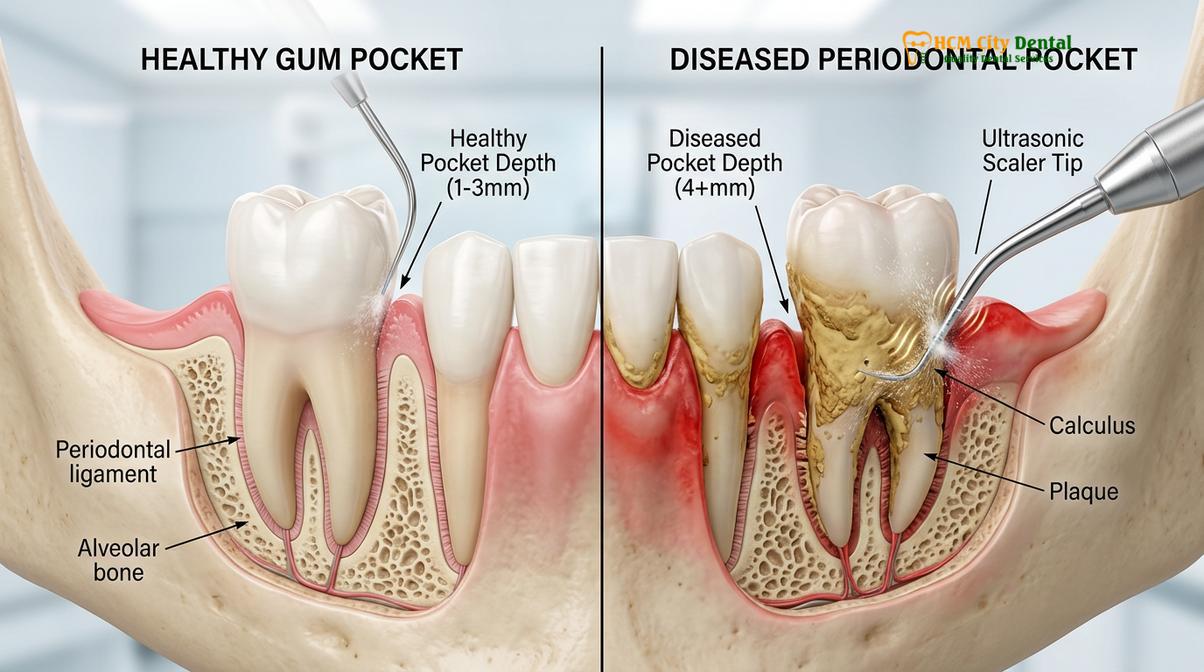
For patients requiring a deeper level of relaxation, oral conscious sedation is an excellent alternative. This protocol involves the administration of a prescribed sedative medication—typically from the benzodiazepine family, such as triazolam or lorazepam—taken approximately one hour prior to the scheduled appointment. These medications function by enhancing the effect of the neurotransmitter GABA, resulting in significant anxiety reduction and mild anterograde amnesia. While the patient remains conscious and capable of responding to verbal commands, they often have little to no memory of the procedure itself[2].
The choice between these modalities depends on a thorough clinical assessment. The dental team must evaluate the depth of the periodontal pockets, the extent of the required debridement, and the patient’s medical history. Below is a clinical comparison of the primary sedation options utilized for non-surgical periodontal therapy:
| Sedation Modality | Administration Method | Level of Relaxation | Recovery Time | Amnesic Effect |
|---|---|---|---|---|
| Nitrous Oxide | Inhalation (Nasal Hood) | Minimal to Mild | Immediate (Minutes) | None to Very Mild |
| Oral Conscious | Enteral (Pill/Liquid) | Moderate | Prolonged (Hours) | Moderate to High |
| Intravenous (IV) | Parenteral (Bloodstream) | Moderate to Deep | Prolonged (Hours) | Profound |
Regardless of the sedative chosen, local anesthesia is always administered in conjunction with the relaxation protocol. The sedative addresses the psychological anxiety and central perception of the experience, while the local anesthetic physically blocks the peripheral nerve impulses, ensuring that the scaling and root planing process is entirely devoid of sharp pain. This dual approach is the cornerstone of modern, patient-centric periodontal care.
Sedation Choices for Surgical Gum Procedures
Complex periodontal surgeries require deeper sedation modalities, such as intravenous (IV) administration. This ensures complete patient immobility and profound amnesia during invasive tissue grafting or bone contouring.
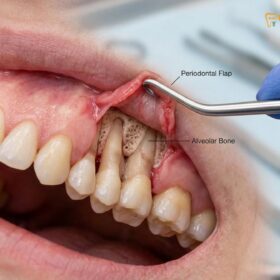
When periodontal disease advances to a stage where non-surgical interventions are insufficient, surgical management becomes necessary to halt bone loss and restore oral health. Procedures such as osseous flap surgery, guided tissue regeneration (GTR), and soft tissue grafting are highly precise operations that require absolute patient stillness and cooperation. Due to the invasive nature of these treatments, achieving a state of painless gum surgery is paramount, making advanced sedation techniques an indispensable component of the surgical workflow.
Intravenous (IV) sedation is widely considered the optimal choice for extensive periodontal surgeries. By delivering sedative agents directly into the bloodstream, the dental anesthesiologist can achieve a rapid onset of action and precisely titrate the dosage in real-time. This level of control is crucial during fluctuating levels of surgical stimulation. Medications commonly used in IV protocols include midazolam, fentanyl, and propofol. These agents work synergistically to depress the central nervous system, inducing a state of deep relaxation often referred to as “twilight sleep.”
“The integration of intravenous sedation in complex periodontal surgeries not only ensures absolute patient comfort but also provides the surgeon with the optimal conditions necessary to perform meticulous, microscopic tissue manipulations without the risk of sudden patient movement.”
— Dr. Nguyen Van Cuong, Clinical Director
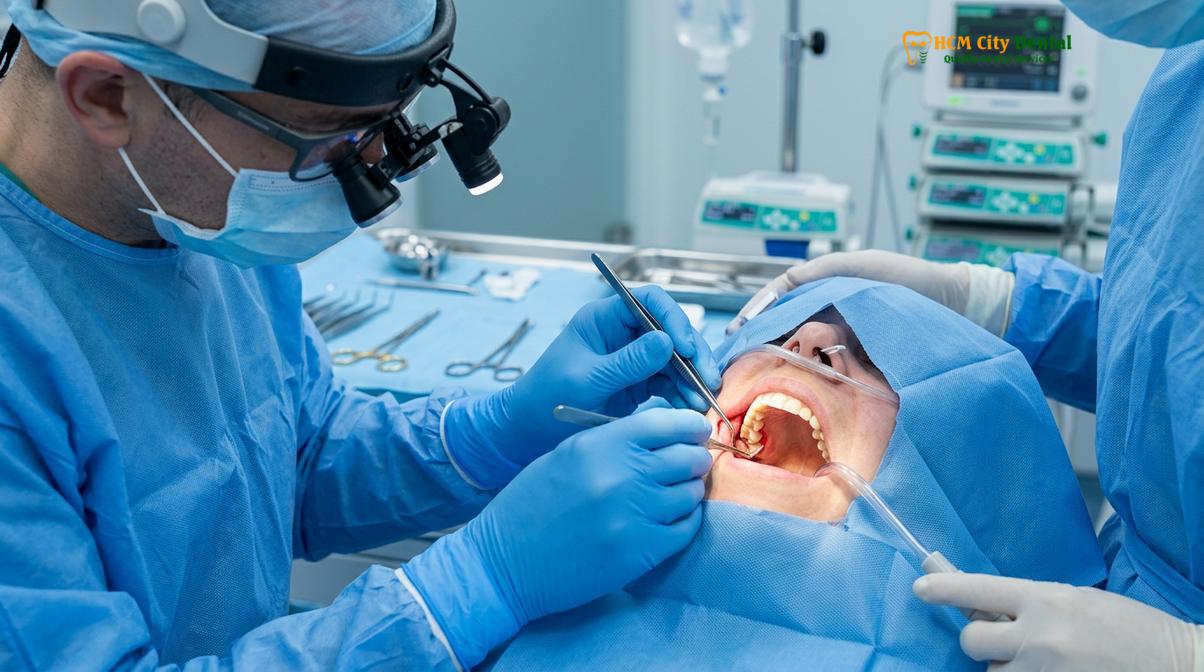
During IV sedation, the patient remains technically conscious and maintains their own airway reflexes; however, they are in a state of profound tranquility and are entirely disconnected from the surgical environment. The anterograde amnesia produced by these medications is highly beneficial, as patients typically awaken with no recollection of the sights, sounds, or sensations of the surgery. This amnesic effect is particularly valuable for individuals who have experienced previous dental trauma or suffer from severe clinical phobias[3].
In addition to traditional scalpel-based surgeries, advanced laser-assisted protocols, such as LANAP (Laser-Assisted New Attachment Procedure), also frequently utilize sedation. While laser therapy is inherently less invasive and causes less post-operative swelling than conventional flap surgery, the duration of the procedure and the need for absolute precision still warrant the use of moderate to deep relaxation techniques. The combination of cutting-edge laser technology and tailored sedation protocols represents the pinnacle of modern, minimally invasive periodontics.
How IV Sedation and Conscious Sedation Work
Intravenous sedation delivers medication directly into the bloodstream for rapid, adjustable anxiety relief, while oral conscious sedation relies on gastrointestinal absorption for a sustained, calming effect throughout the procedure.
Understanding the pharmacokinetics and pharmacodynamics of dental sedatives is essential for appreciating how they facilitate complex periodontal treatments. The mechanisms of action vary significantly depending on the route of administration, dictating the onset time, the depth of relaxation, and the duration of the clinical effect. Both IV and oral modalities aim to depress the central nervous system safely, but they achieve this through different physiological pathways.
Oral conscious sedation relies on the enteral route, meaning the medication is absorbed through the gastrointestinal tract. When a patient ingests a benzodiazepine, the drug passes through the stomach and intestines before entering the hepatic portal system, where it undergoes first-pass metabolism in the liver. From there, the active metabolites enter the systemic circulation and cross the blood-brain barrier. These molecules bind to specific sites on the GABA-A receptors in the brain, enhancing the inhibitory effects of gamma-aminobutyric acid. This process dampens neuronal excitability, resulting in a generalized calming effect. Because of the digestive process, the onset of oral sedation is gradual, typically taking 45 to 60 minutes to reach peak clinical efficacy.
In contrast, intravenous (IV) sedation bypasses the digestive system entirely. The parenteral administration of drugs directly into the venous system allows for an almost instantaneous onset of action. When an agent like midazolam is injected, it travels rapidly to the brain, crossing the blood-brain barrier within seconds. This immediate bioavailability allows the clinician to titrate the medication precisely—administering small, incremental doses until the exact desired level of sedation is achieved. This real-time adjustability is a significant clinical advantage over oral sedation, where the dose is fixed once ingested.
The concept of sleep dentistry periodontal treatment is somewhat of a misnomer, as the goal of conscious sedation is not to induce general anesthesia. Under both oral and IV conscious sedation, the patient is not truly “asleep” in a medical sense. They maintain spontaneous respiration, their cardiovascular function remains stable without mechanical support, and they can respond purposefully to tactile stimulation or verbal commands. However, the profound depression of the cerebral cortex ensures that they perceive the passage of time as highly compressed, often feeling as though a two-hour surgery was completed in mere minutes[4].
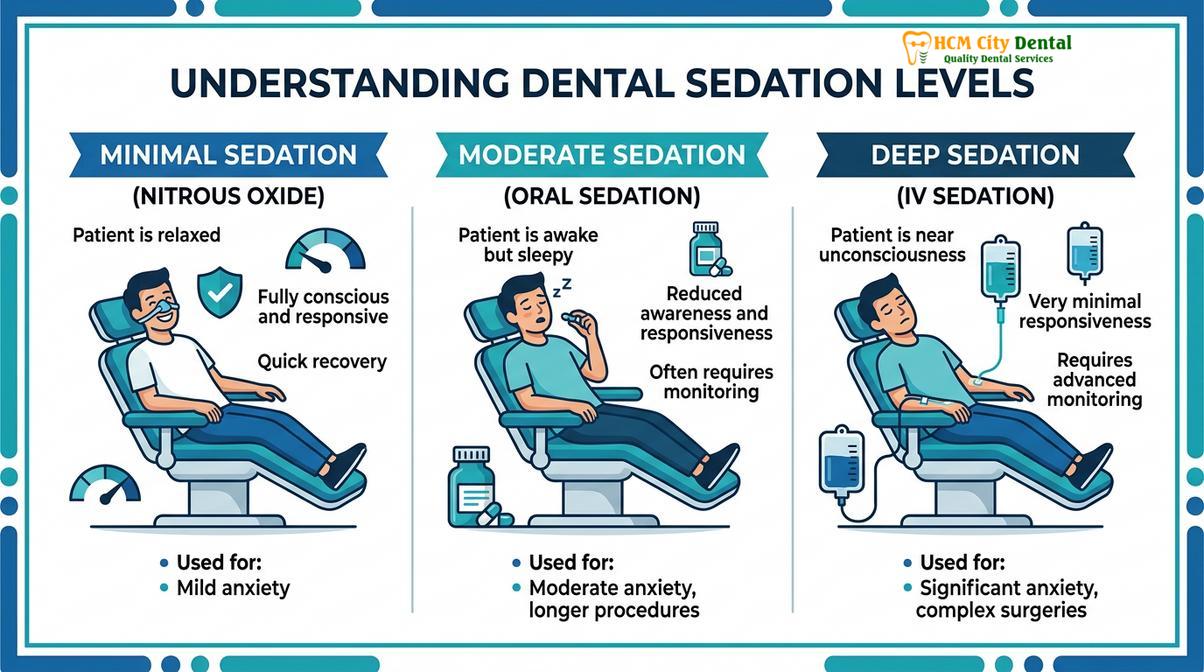
The recovery phase also differs significantly between the two modalities. The half-life of the specific medications used dictates how long the patient will feel groggy post-operatively. IV agents are often chosen for their rapid redistribution and elimination, allowing patients to wake up relatively quickly once the infusion is stopped. Oral sedatives, however, may have active metabolites that prolong the sedative effect for several hours. In both scenarios, strict discharge criteria must be met, and the patient must be escorted home by a responsible adult, as their motor skills and cognitive judgment will be temporarily impaired.
Safety Standards and Monitoring During Sedation
Rigorous clinical protocols mandate continuous tracking of vital signs, including oxygen saturation and cardiac rhythm, ensuring patient safety remains the highest priority throughout any sedated dental procedure.
The administration of any pharmacological sedative carries inherent physiological risks, making stringent safety protocols and continuous monitoring absolute necessities. The primary concern during conscious sedation is the potential for respiratory depression or airway obstruction. To mitigate these risks, dental clinics must adhere to strict guidelines established by international dental and anesthesiology boards, ensuring that the clinical environment is equipped to handle any potential medical emergencies.
Continuous physiological monitoring is the cornerstone of safe sedation practice. Throughout the procedure, the patient is connected to advanced diagnostic equipment that provides real-time data on their vital signs. A pulse oximeter is placed on the patient’s finger to measure the oxygen saturation (SpO2) of their blood, ensuring that the tissues are receiving adequate oxygenation. Simultaneously, an automated sphygmomanometer cycles at regular intervals to monitor systolic and diastolic blood pressure, while an electrocardiogram (ECG) tracks the electrical activity of the heart to detect any arrhythmias.
Important Clinical Contraindications: Sedation dentistry is not suitable for all patients. Individuals with severe chronic obstructive pulmonary disease (COPD), uncontrolled hypertension, severe systemic diseases (ASA Class IV), or those who are currently pregnant may be contraindicated for certain sedative agents. A comprehensive medical history review and consultation with a primary care physician are mandatory prior to treatment.
In addition to basic vital signs, advanced monitoring techniques such as capnography are increasingly utilized, particularly during IV sedation. Capnography measures the end-tidal carbon dioxide (EtCO2) concentration in the patient’s exhaled breath. This provides instantaneous feedback on the adequacy of the patient’s ventilation, detecting potential respiratory depression much earlier than pulse oximetry alone. The integration of these monitoring technologies ensures that the clinical team can intervene immediately at the first sign of physiological compromise[5].
Furthermore, the clinical team must possess specialized training in airway management and emergency life support. The operatory must be stocked with emergency reversal agents, such as flumazenil for benzodiazepine overdoses and naloxone for opioid reversal, as well as a positive-pressure oxygen delivery system. By maintaining these rigorous safety standards, the risks associated with sedation are minimized to an exceptionally low level, allowing patients to receive routine general dentistry and complex periodontal care with complete peace of mind.
Benefits of Combining Sedation with Extensive Gum Work
Utilizing sedation allows periodontists to consolidate multiple treatment phases into a single, extended appointment. This approach minimizes overall recovery time and significantly reduces patient stress and clinical fatigue.
One of the most significant clinical advantages of utilizing sedation in periodontics is the ability to perform extensive, full-mouth procedures in a single sitting. Traditionally, severe periodontal disease is treated in quadrants—meaning the mouth is divided into four sections, and the patient must return for four separate appointments over several weeks to complete the scaling and root planing or surgical interventions. This protracted approach can be exhausting for the patient, increases the total time spent in the dental chair, and prolongs the overall inflammatory burden on the body.
By employing moderate to deep sedation, the clinician can safely and comfortably perform a “full mouth disinfection” or comprehensive surgical rehabilitation in one extended appointment. Because the patient is entirely relaxed and unaware of the passage of time, the dentist can work continuously without the interruptions caused by patient fatigue, restlessness, or discomfort. This consolidated approach is highly efficient and significantly reduces the total number of visits required, which is particularly beneficial for patients with busy schedules or those traveling from out of town to seek care from leading dental professionals.
Clinical Case Example: A 45-year-old patient presented to HCMC Dental Clinic in Ho Chi Minh City with severe, generalized periodontitis and extreme dental phobia. Traditional quadrant scaling was deemed impossible due to the patient’s anxiety. Utilizing IV sedation, the clinical team successfully completed a full-mouth subgingival debridement and localized laser therapy in a single 2.5-hour session. The patient awoke comfortably with no memory of the procedure, and subsequent follow-ups revealed a dramatic reduction in pocket depths and gingival inflammation.
Beyond convenience, consolidating treatment under sedation offers distinct biological advantages. By eliminating the bacterial load from the entire oral cavity simultaneously, the risk of cross-contamination from untreated quadrants to newly treated areas is drastically reduced. This comprehensive eradication of periodontal pathogens creates a more favorable environment for rapid tissue healing and immune system recovery. Furthermore, the reduction in systemic stress hormones—achieved through effective anxiety management—promotes better post-operative healing and reduces the likelihood of inflammatory complications.
The post-operative experience is also generally improved. Because the patient’s muscles are completely relaxed during the procedure, there is less strain on the temporomandibular joint (TMJ) and facial musculature, leading to less post-operative soreness. The clinical team can also administer long-lasting local anesthetics and anti-inflammatory medications intravenously before the patient wakes up, ensuring a smooth and comfortable transition into the recovery phase.
When to See a Doctor
Periodontal disease is a progressive condition that rarely resolves without professional clinical intervention. It is crucial to schedule a consultation with a periodontist if you experience persistent symptoms such as gums that bleed easily during brushing or flossing, chronic halitosis (bad breath), noticeable gum recession, or teeth that feel loose or are shifting position. These are definitive signs of active bacterial infection and structural damage beneath the gumline.
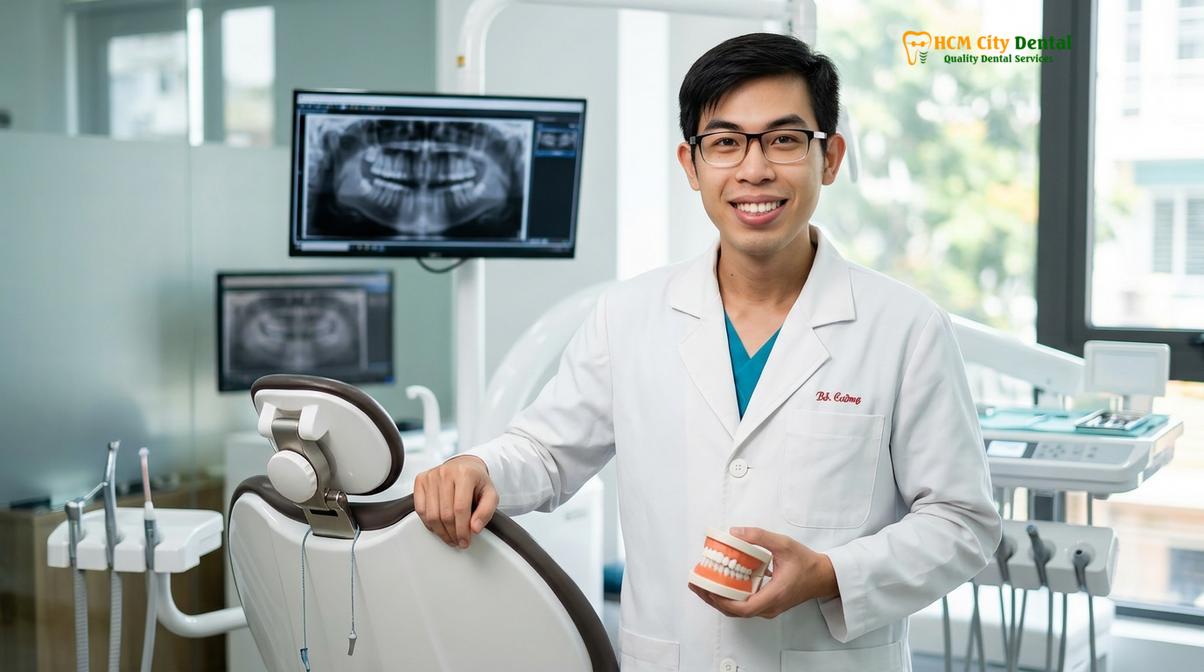
If the fear of pain or the clinical environment has prevented you from seeking care for these symptoms, it is imperative to discuss sedation options with your dental provider. Modern dentistry offers numerous pathways to ensure your comfort, and avoiding treatment will only lead to more complex, invasive, and costly procedures in the future. Patients visiting the clinical team at HCMC Dental Clinic in Ho Chi Minh City undergo a comprehensive diagnostic evaluation to determine the most appropriate and safest sedation protocol for their specific medical profile.
“Do not let fear dictate your oral health. With today’s advanced pharmacological protocols, even the most complex periodontal surgeries can be performed while you rest comfortably. Early intervention is the key to preserving your natural smile.”
— Clinical Advisory Board
If you are experiencing signs of gum disease and suffer from dental anxiety, we encourage you to schedule a consultation to explore how tailored sedation protocols can facilitate your journey back to optimal oral health. Our team is dedicated to providing advanced dental treatments in a safe, compassionate, and entirely pain-free environment.
Frequently Asked Questions
Can you be sedated for a deep cleaning?
Yes, patients can receive sedation for a deep cleaning, also known as scaling and root planing. Dentists frequently offer nitrous oxide or oral sedatives to ensure comfort and alleviate anxiety during this intensive subgingival procedure. Depending on the severity of the periodontal disease and the patient’s level of dentophobia, the clinical team may recommend different levels of relaxation to ensure the treatment is completed efficiently and without psychological distress.
Does sleep dentistry cost more for gum treatment?
Yes, incorporating sleep dentistry into your gum treatment will increase the overall cost. The additional fees cover the sedative medications, specialized monitoring equipment, and the advanced training required by the clinical team to administer it safely. While it represents an additional financial investment, many patients find that the ability to complete extensive periodontal work in a single, stress-free appointment ultimately provides excellent value and prevents future complications.
Is IV sedation safe for periodontal surgery?
IV sedation is highly safe for periodontal surgery when administered by a certified dental professional. Continuous monitoring of vital signs and a thorough pre-operative medical evaluation strictly minimize risks and ensure optimal patient safety throughout the procedure. By adhering to rigorous clinical guidelines and utilizing advanced equipment like pulse oximeters and capnographs, the dental anesthesiology team maintains precise control over the patient’s physiological state.
Will I feel any pain during gum treatment under sedation?
You will not feel pain during the procedure. Sedation induces deep relaxation, while local anesthesia is simultaneously applied to completely numb the gum tissues, ensuring a virtually painless clinical experience from start to finish. The sedative agents primarily target the central nervous system to eliminate anxiety and awareness, while the localized injections block the peripheral pain receptors in the oral cavity.
How do I prepare for a sedated dental cleaning?
Preparation typically involves fasting for several hours before the appointment and arranging for a responsible adult to drive you home. Your dentist will also review your medical history and adjust any current medications prior to the procedure. It is crucial to follow all pre-operative instructions provided by your clinic, including guidelines on fluid intake and wearing comfortable clothing to accommodate monitoring equipment.
References
- Journal of Periodontology. The impact of dental anxiety on periodontal health and treatment compliance. (2021).
- American Dental Association. Guidelines for the use of sedation and general anesthesia by dentists. (2020).
- International Journal of Periodontics & Restorative Dentistry. Clinical outcomes of surgical periodontal therapy under intravenous sedation. (2019).
- Journal of Clinical Anesthesia. Pharmacokinetics and pharmacodynamics of sedative agents in outpatient dentistry. (2022).
- British Dental Journal. Patient safety and physiological monitoring during conscious sedation for dental procedures. (2018).