Navigating a wisdom tooth travel insurance claim requires understanding the strict distinction between sudden dental emergencies and elective care. Most travel policies cover acute pain relief and emergency extractions, provided the clinical documentation clearly proves the sudden onset of symptoms during your trip.
Clinical Summary:
Filing a successful claim for wisdom tooth extraction abroad hinges entirely on proving medical necessity. Insurers typically reimburse emergency interventions required to alleviate acute pain, active infection, or trauma. Elective or preventative removals are almost universally excluded. Proper clinical documentation—including pre-operative radiographs, a detailed dental medical report, and itemized receipts with recognized treatment codes—is essential for claim approval. Patients must ensure their condition is classified as an unforeseen emergency rather than a pre-existing issue to secure coverage.
Key Takeaways:
- Travel insurance covers emergency wisdom tooth extractions needed to relieve acute, sudden pain or severe infection.
- Routine, asymptomatic, or elective wisdom tooth removals are excluded from standard travel policies.
- A comprehensive dental medical report and pre-operative radiographs are mandatory for claim processing.
- Pre-existing conditions, such as known impactions causing pain prior to travel, may void coverage.
- Patients should contact their insurance provider’s emergency assistance line before undergoing major surgical extraction.
Does Travel Insurance Cover Wisdom Tooth Extraction?
Travel insurance typically covers wisdom tooth extraction only if it is deemed a sudden, unforeseen medical emergency requiring immediate surgical intervention to relieve severe pain or acute infection.
When traveling abroad, experiencing sudden, agonizing dental pain can be highly distressing. A common question among international travelers and expatriates is whether their policy will cover the costs associated with third molar surgery. The answer depends heavily on the clinical presentation of the tooth and the specific terms of the insurance policy. Travel insurance is fundamentally designed to protect against unexpected, acute medical events, not to fund routine healthcare maintenance. Therefore, a successful wisdom tooth travel insurance claim relies on the clinical diagnosis of an acute emergency.
If a wisdom tooth suddenly becomes symptomatic—presenting with severe localized pain, facial swelling, trismus (difficulty opening the mouth), or systemic signs of infection such as a fever—it is generally classified as a dental emergency. In these scenarios, the primary goal of the treating clinician is to alleviate the acute distress and prevent the spread of infection. Insurance providers recognize that delaying treatment in such cases could lead to severe, life-threatening complications, such as Ludwig’s angina or deep fascial space infections. Consequently, the surgical removal of the offending tooth, or at least palliative treatment to stabilize the patient, is typically covered under the emergency dental benefits of a travel policy[1].
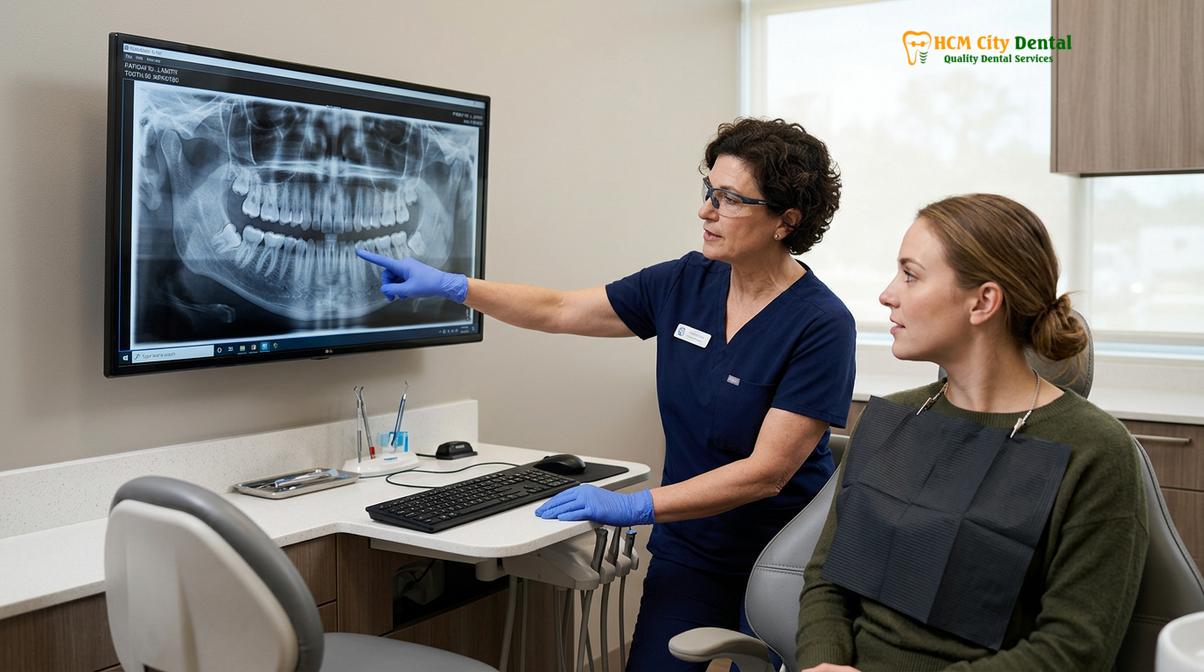
Conversely, if a patient decides to have their wisdom teeth removed simply because they have free time during their vacation, or because dental care is more affordable in the destination country, the claim will be unequivocally denied. This is considered dental tourism or elective care. Insurers require objective clinical evidence that the condition was unforeseen and that immediate treatment was medically necessary to allow the patient to continue their journey or return home safely. Understanding this distinction is the first critical step in managing a travel insurance dental emergency saigon or anywhere else in the world.
Furthermore, the extent of coverage can vary significantly between policies. Some basic travel insurance plans may only cover palliative care—such as prescribing antibiotics and pain medication or performing a minor incision and drainage—just enough to get the patient home. More comprehensive policies may cover the full surgical wisdom tooth extraction if the attending oral surgeon deems it the only viable way to resolve the acute emergency. It is highly recommended to review the specific limits and exclusions of your policy, as dental emergency benefits often have a lower maximum payout cap compared to general medical emergencies.
Emergency vs. Routine Dental Care: The Crucial Difference
Insurers strictly differentiate between emergency care, which addresses acute, sudden symptoms requiring immediate relief, and routine care, which involves planned, elective procedures that can be safely delayed.
To successfully navigate the claims process, patients must understand how insurance adjudicators evaluate clinical records. The differentiation between emergency and routine care is not based on the patient’s subjective desire for treatment, but on objective clinical criteria documented by the attending dentist. An emergency extraction is justified when there is an active, acute pathological process that poses an immediate threat to the patient’s health or causes unmanageable pain.
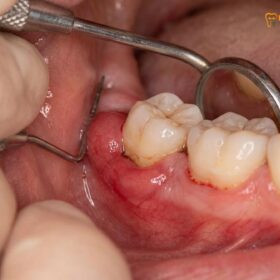
Acute pericoronitis is the most common cause of emergency wisdom tooth extraction. This condition occurs when a partially erupted wisdom tooth is covered by a flap of gum tissue (an operculum). Food debris and bacteria become trapped beneath this flap, leading to a rapid, painful infection. Symptoms include severe radiating pain, swelling of the gums and cheek, a foul taste or odor, and sometimes difficulty swallowing. When a patient presents with these symptoms, the clinical necessity for immediate intervention is clear. The dentist must document these specific symptoms to satisfy the insurer’s criteria for an emergency[2].
In contrast, routine care involves the extraction of asymptomatic impacted wisdom teeth to prevent future problems, such as potential crowding, future decay, or cyst formation. While prophylactic removal is a standard and widely accepted dental practice, it does not meet the criteria for a travel insurance claim. If the clinical notes indicate that the tooth was removed “prophylactically” or that the patient experienced only “mild, intermittent discomfort” over several months, the insurer will classify the procedure as elective and deny the claim.
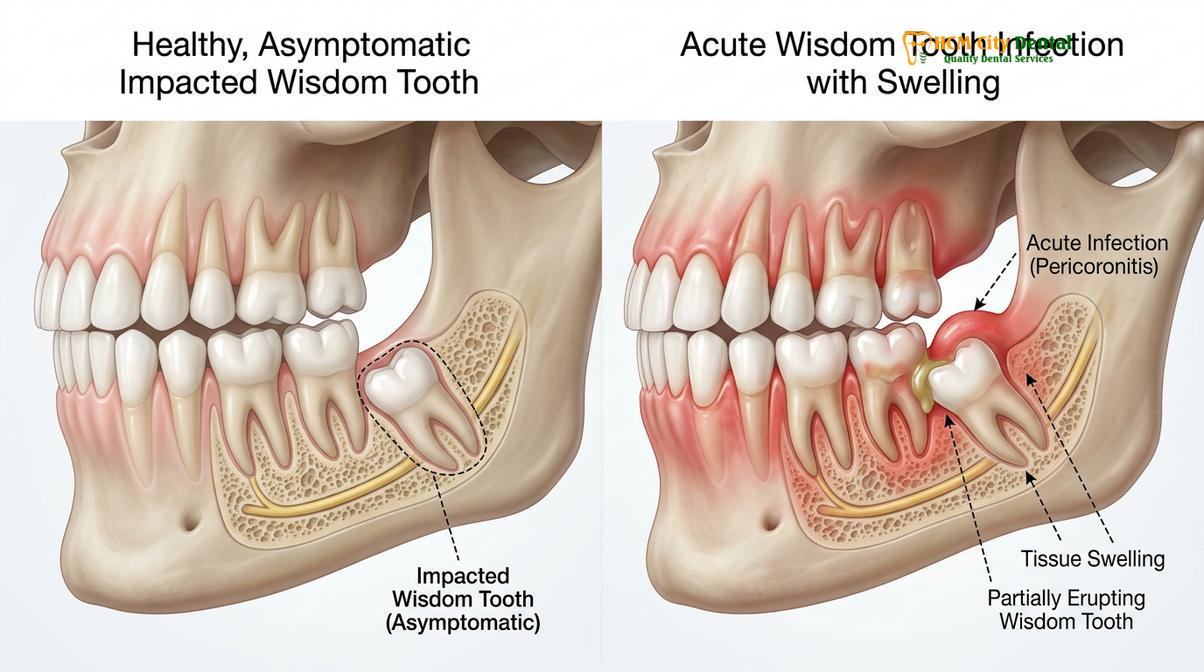
Below is a clinical comparison outlining how insurance companies typically categorize wisdom tooth presentations:
| Clinical Presentation | Classification | Insurance Coverage Likelihood | Required Clinical Action |
|---|---|---|---|
| Acute Pericoronitis (severe pain, swelling, pus) | Emergency | High (if sudden onset) | Immediate extraction or infection drainage |
| Irreversible Pulpitis (severe, spontaneous nerve pain) | Emergency | High | Extraction or emergency root canal therapy |
| Traumatic Injury (fractured wisdom tooth from accident) | Emergency | High | Surgical removal of fractured fragments |
| Asymptomatic Impaction (preventative removal) | Routine / Elective | None (Claim will be denied) | Planned extraction at patient’s convenience |
| Mild, Chronic Discomfort (ongoing for months) | Pre-existing / Routine | Very Low | Evaluation and planned future extraction |
It is also crucial to consider the timing of the symptoms. If a patient seeks treatment for post-operative infection management following an extraction performed in their home country just days before traveling, the travel insurance will likely deny the claim, categorizing it as a complication of a pre-existing, planned procedure. Travel insurance is designed to cover new, spontaneous events that occur strictly within the travel dates.
Required Documents for a Successful Insurance Claim
A successful reimbursement relies entirely on submitting a complete clinical dossier, including a detailed medical report, pre-operative X-rays, and an itemized invoice with recognized treatment codes.
The success of a claim wisdom tooth vietnam process depends almost entirely on the quality and completeness of the documentation provided by the treating dental clinic. Insurance adjudicators are trained to look for specific pieces of evidence to validate the medical necessity of the procedure. Without this evidence, even a legitimate emergency will be denied due to insufficient proof.
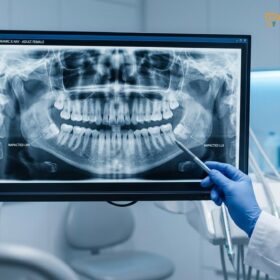
The most critical document is the pre-operative radiograph (X-ray). A panoramic X-ray (OPG) or a Cone Beam Computed Tomography (CBCT) scan provides objective, undeniable proof of the tooth’s position, the presence of pathology (such as a radiolucency indicating an abscess or deep decay), and the complexity of the impaction. Insurers use these images to verify that the treatment billed matches the clinical reality. If a clinic bills for a complex surgical extraction of a completely bony impacted tooth, but the X-ray shows a fully erupted tooth, the claim will be flagged for fraud or denied[3].
Equally important is the dental medical report report. This is not merely a brief note stating “tooth extracted.” It must be a comprehensive clinical document that outlines the patient’s chief complaint, the history of the present illness (specifically noting when the pain started to prove it occurred during the trip), the clinical findings upon examination (e.g., “severe swelling of the left submandibular space, trismus limited to 15mm opening, purulent exudate from the distal operculum of tooth 38”), the definitive diagnosis, and the exact treatment rendered.
“In international dental claims, the clinical narrative is just as important as the X-ray. We must explicitly document the acute nature of the infection and the immediate threat to the patient’s well-being to ensure the insurance provider understands why emergency surgical intervention could not be delayed.”
Furthermore, the invoice provided must be highly detailed and itemized. It should list each specific procedure performed, ideally using internationally recognized coding systems such as the ADA Current Dental Terminology (CDT) codes. For example, billing a generic “tooth extraction” is less effective than billing “D7240 – Removal of impacted tooth, completely bony.” The invoice must also clearly show that the balance has been paid in full (a receipt of payment), as most travel insurance operates on a reimbursement basis. Finally, any prescriptions given for antibiotics or analgesics should be documented and the pharmacy receipts included in the claim file.
How HCMC Dental Helps You Prepare Your Claim File
Our clinical team provides comprehensive, internationally recognized documentation, ensuring your diagnosis, treatment codes, and clinical notes align perfectly with the strict requirements of global insurance providers.
When facing a dental emergency in a foreign country, the last thing a patient wants to worry about is administrative paperwork. At HCMC Dental Clinic in Ho Chi Minh City, we understand the intricacies of international insurance claims. Our clinical and administrative teams work in tandem to ensure that every step of your emergency treatment is meticulously documented to support your reimbursement efforts.
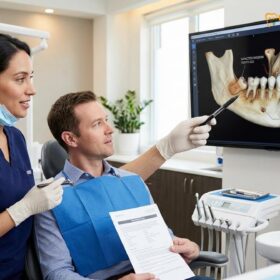
Under the clinical guidance of Dr. Nguyen Van Cuong, our protocol for emergency patients is designed to capture all necessary data from the moment you sit in the dental chair. We begin with high-resolution digital imaging, ensuring that clear, diagnostic pre-operative X-rays are saved to your file. Dr. Cuong then conducts a thorough clinical examination, carefully noting all acute symptoms, signs of infection, and the exact nature of the emergency. This information is immediately entered into our digital records system using precise, objective medical terminology.
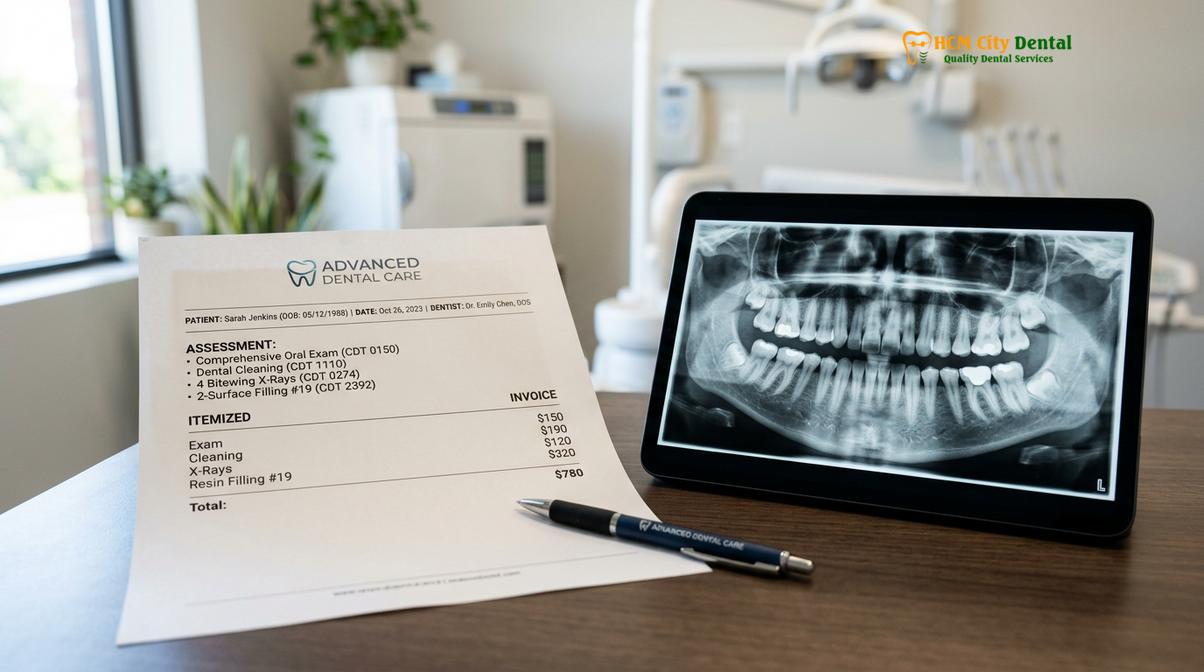
Following the surgical intervention, whether it is a standard extraction or complex coronectomy procedures to protect the inferior alveolar nerve, our administrative team compiles your complete dossier. We generate a formal dental medical report in English, signed and stamped by the attending surgeon. This report explicitly details the emergency nature of the visit, the diagnosis, and the treatment provided. We also provide an itemized invoice with clear descriptions of the services rendered, matching international standards to facilitate smooth processing by your insurer.
Clinical Case Study: Successful Emergency Claim
A 28-year-old expatriate visited HCMC Dental Clinic in Ho Chi Minh City presenting with severe facial swelling and trismus, unable to open his mouth more than 20mm. He was experiencing acute pericoronitis around a partially impacted lower right wisdom tooth. Dr. Nguyen Van Cuong diagnosed an impending fascial space infection requiring immediate surgical extraction. The clinic provided a comprehensive dossier including the CBCT scan, a detailed medical report emphasizing the acute, life-threatening nature of the swelling, and an itemized receipt. The patient submitted this exact paperwork for an allianz cigna dental travel claim, and the emergency surgical costs were fully reimbursed within 14 days.
We recognize that dealing with insurance companies can be stressful, especially when dealing with an allianz cigna dental travel claim or other major international providers. By providing you with a perfectly organized, clinically sound dossier before you leave our clinic, we significantly reduce the risk of claim denial and expedite your reimbursement process.
Common Pitfalls to Avoid When Submitting Claims
Claim denials frequently occur due to missing pre-operative X-rays, failure to contact the insurer’s emergency assistance line prior to surgery, or clinical notes suggesting a pre-existing condition.
Even with a legitimate emergency, claims can be delayed or denied if specific procedural steps are not followed. One of the most common pitfalls is the failure to provide pre-operative X-rays. Insurance companies will almost never approve a surgical extraction claim based solely on a written description; they require visual proof of the pathology. If a tooth is extracted before an X-ray is taken, proving the medical necessity becomes exceedingly difficult, and the claim is highly vulnerable to rejection.
Another significant issue is the “pre-existing condition” clause. Travel insurance is designed for unforeseen events. If your dental records or the consultation notes indicate that you were experiencing pain from this wisdom tooth weeks before your trip, or that your dentist at home had already recommended its removal, the insurer will classify it as a pre-existing condition and deny the claim. The clinical documentation must clearly reflect that the acute flare-up occurred suddenly and unexpectedly during the period of travel[4].
Important Insurance Warning: Many travel insurance policies require you to contact their 24/7 emergency medical assistance line before undergoing any major surgical procedure, including complex wisdom tooth extractions. Failure to obtain pre-authorization can result in a significant reduction in benefits or a complete denial of the claim, regardless of medical necessity.
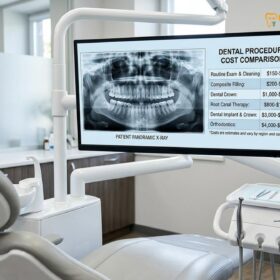
Patients also frequently make the mistake of submitting incomplete paperwork. Sending only a credit card receipt without an itemized invoice or a clinical report will result in an immediate request for more information, delaying the process by weeks. Furthermore, patients must be aware of the specific limits of their policy. If your policy has a $500 limit for emergency dental care, and the complex surgical extraction costs $800, you will be responsible for the remaining balance out-of-pocket. Understanding regional extraction costs can help you anticipate potential out-of-pocket expenses.
Direct Billing and Reimbursement Steps for Expats
While some premium international health plans offer direct billing, most standard travel insurance policies operate on a pay-and-claim basis, requiring patients to settle the bill upfront and seek reimbursement.
The financial workflow for dental emergencies abroad depends primarily on the type of insurance you hold. Expatriates living in Vietnam often possess comprehensive international health insurance (such as premium tiers of Cigna, Aetna, or Luma) which may include routine and major dental coverage. In some cases, if the clinic has a direct billing agreement with the insurer, the clinic can submit the claim directly, and the patient only pays the deductible or co-pay at the time of service.
However, standard travel insurance policies almost exclusively operate on a “pay-and-claim” model. This means the patient is responsible for paying the full cost of the emergency treatment directly to the dental clinic immediately following the procedure. The patient must then submit the claim to their insurance provider to be reimbursed. This process requires the patient to act as the intermediary between the clinic and the insurer.
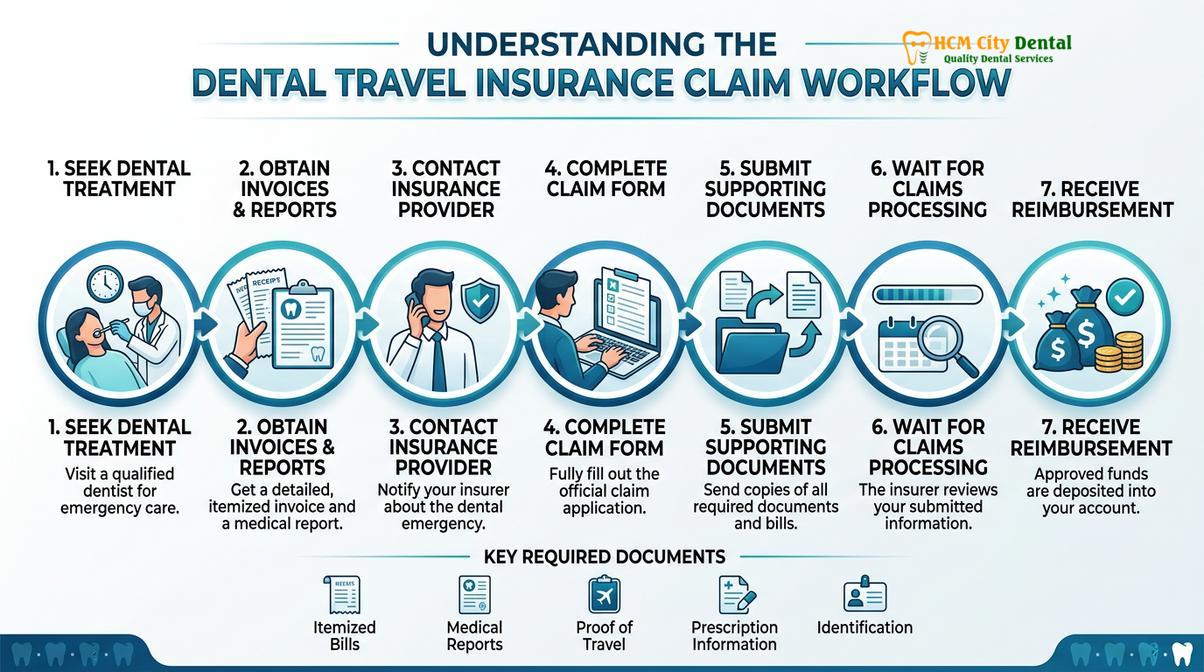
To ensure a smooth reimbursement process, follow these steps meticulously: First, notify your insurer as soon as the emergency occurs, ideally before treatment. Second, ensure you receive all required documents from the clinic (X-rays, medical report, itemized invoice, payment receipt) before leaving the premises. Third, complete the insurer’s specific claim form accurately, ensuring all dates and details match the clinical documents. Finally, submit the complete dossier via the insurer’s online portal or email, keeping digital copies of every document for your records.
If a claim is initially denied, do not panic. Denials often occur due to a misunderstanding of the clinical notes or a missing document. You have the right to appeal the decision. In an appeal, you may need to request a more detailed narrative from your treating dentist explaining exactly why the procedure was an unavoidable emergency. Persistence and clear, objective clinical evidence are key to overturning a denied claim.
When to See a Doctor (Clinical Considerations)
While understanding insurance protocols is important, your primary concern should always be your health and safety. Dental infections associated with lower wisdom teeth can progress rapidly and become life-threatening if they spread into the deep fascial spaces of the neck, potentially compromising the airway. You should never delay seeking emergency dental care due to concerns about insurance coverage if you are experiencing severe symptoms.
Immediate clinical evaluation is mandatory if you experience any of the following “red flag” symptoms: rapid swelling that extends to the neck or under the jaw, difficulty swallowing (dysphagia), difficulty breathing, a high fever, or severe trismus where you cannot open your mouth more than a finger’s width. These signs indicate a spreading infection that requires urgent surgical intervention and potentially intravenous antibiotics[5].
“A spreading odontogenic infection is a true medical emergency. Patients must prioritize immediate clinical assessment over administrative concerns. Delaying treatment for an acute abscess while waiting for insurance pre-authorization can lead to severe, irreversible systemic complications.” — Dr. Nguyen Van Cuong
If you are planning to travel shortly after experiencing mild wisdom tooth discomfort, it is highly advisable to seek a consultation before your departure. Changes in cabin pressure during flights can exacerbate trapped gas or acute inflammation, leading to severe barodontalgia (tooth squeeze) mid-flight. Understanding the rules regarding flying after surgical extraction and ensuring your oral health is stable before traveling is the best way to avoid the stress of an overseas dental emergency and the subsequent insurance claims process.
Frequently Asked Questions
Will my travel insurance pay for wisdom tooth removal in Vietnam?
Yes, most travel insurance policies will pay for wisdom tooth removal in Vietnam if it is deemed a sudden, acute medical emergency. Routine or elective extractions are generally excluded from standard travel coverage. The clinical documentation must clearly prove that the extraction was necessary to relieve severe pain or active infection that began unexpectedly during your trip.
What documents do I need from the dentist for insurance?
You will need a comprehensive dental medical report, pre-operative and post-operative X-rays, an itemized invoice with treatment codes, and a proof of payment receipt. These documents objectively prove the medical necessity of the procedure. Without pre-operative X-rays demonstrating the pathology, claims are almost universally denied.
Can I claim for non-emergency wisdom tooth extraction?
No, standard travel insurance policies strictly exclude non-emergency, elective, or preventative wisdom tooth extractions. If the tooth is not causing acute pain or active infection, the claim will likely be denied. Travel insurance is designed solely to stabilize unexpected medical crises, not to fund routine dental maintenance.
How long does it take to get reimbursed?
Reimbursement typically takes between 14 to 45 business days after submitting a complete claim file. The exact timeline depends on your insurance provider’s processing speed and whether any additional clinical information is requested. Submitting a perfectly organized dossier with all required X-rays and reports initially will significantly speed up this timeline.
Does the clinic offer direct billing for international insurance?
Direct billing is often available for comprehensive expat health insurance plans, but standard travel insurance usually requires a pay-and-claim approach. Patients pay upfront and submit the provided clinical dossier for reimbursement. Our clinic provides all the necessary, internationally formatted documentation to ensure your self-submitted claim is processed as smoothly as possible.
References
- Journal of Oral and Maxillofacial Surgery. Diagnostic criteria for acute pericoronitis and emergency third molar extraction. (2021).
- International Dental Journal. Global standards for dental insurance coding and clinical documentation. (2020).
- British Journal of Oral and Maxillofacial Surgery. The impact of pre-existing conditions on emergency dental interventions abroad. (2019).
- Journal of the American Dental Association. Radiographic evidence requirements for surgical extraction reimbursement. (2022).
- Clinical Oral Investigations. Management of acute fascial space infections originating from impacted mandibular third molars. (2018).