When evaluating the wisdom tooth cost vietnam vs thailand malaysia, Vietnam consistently offers exceptional clinical value, with complex extractions averaging significantly less than Western prices. Thailand provides luxury hospital settings at a premium, while Malaysia offers strictly regulated mid-tier pricing, making Southeast Asia an ideal region for dental tourism.
Clinical Summary:
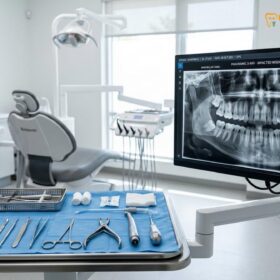
The landscape of cross-border healthcare has positioned Southeast Asia as a premier destination for oral and maxillofacial surgery. Patients comparing regional options will find that while clinical standards—such as the use of Cone Beam Computed Tomography (CBCT) and ultrasonic surgical devices—are uniformly high across top-tier clinics, the pricing structures vary significantly. Vietnam has emerged as a highly cost-effective hub, offering advanced surgical protocols at a fraction of the cost of Thailand’s legacy medical tourism hospitals or Malaysia’s private dental sector. Strategic planning, including pre-operative digital consultations and mandatory post-operative recovery windows, helps international patients achieve safe, predictable, and highly economical clinical outcomes.
Key Takeaways:
- Vietnam offers premium surgical extractions with advanced Piezotome technology at highly competitive rates.
- Thailand features established luxury dental hospitals but operates at a higher price point due to legacy overhead.
- Malaysia provides a strictly regulated, English-speaking dental environment with mid-range surgical costs.
- Post-operative travel requires a strict 48-72 hour buffer before flying to help prevent sinus complications and barodontalgia.
- Comprehensive digital diagnostics (CBCT) are standard across all top-tier clinics in the region, supporting surgical safety.
Southeast Asia Dental Tourism: Wisdom Tooth Price Analysis
Southeast Asia has transformed global dental tourism by combining advanced surgical protocols with highly favorable exchange rates, allowing patients to access world-class maxillofacial care while managing costs effectively.
The globalization of healthcare has fundamentally shifted how patients approach necessary oral surgeries. For individuals residing in the United States, Australia, or the United Kingdom, the out-of-pocket expenses for complex dental procedures can be prohibitive. This economic pressure has fueled the rapid expansion of medical travel, making a comprehensive dental tourist cost comparison in Southeast Asia essential for prospective patients. The region offers a unique convergence of highly trained medical professionals, state-of-the-art clinical technology, and significantly lower operational costs[1].
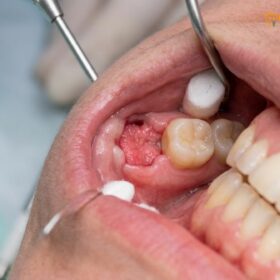
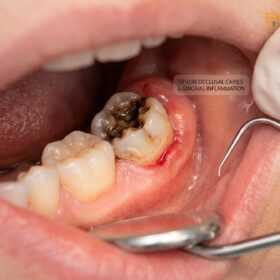
When analyzing the regional market, the cost of a Tooth Extraction is dictated by several clinical factors: the anatomical position of the tooth, the degree of impaction (e.g., mesioangular, horizontal, or full bony impaction), and the surgical technology utilized. In Western nations, a single impacted third molar extraction can easily exceed standard budgets, excluding the costs of mandatory 3D imaging and specialized anesthesia. In contrast, top-tier clinics across Southeast Asia perform the exact same procedure—often utilizing identical European or American-manufactured equipment—for a fraction of that price.
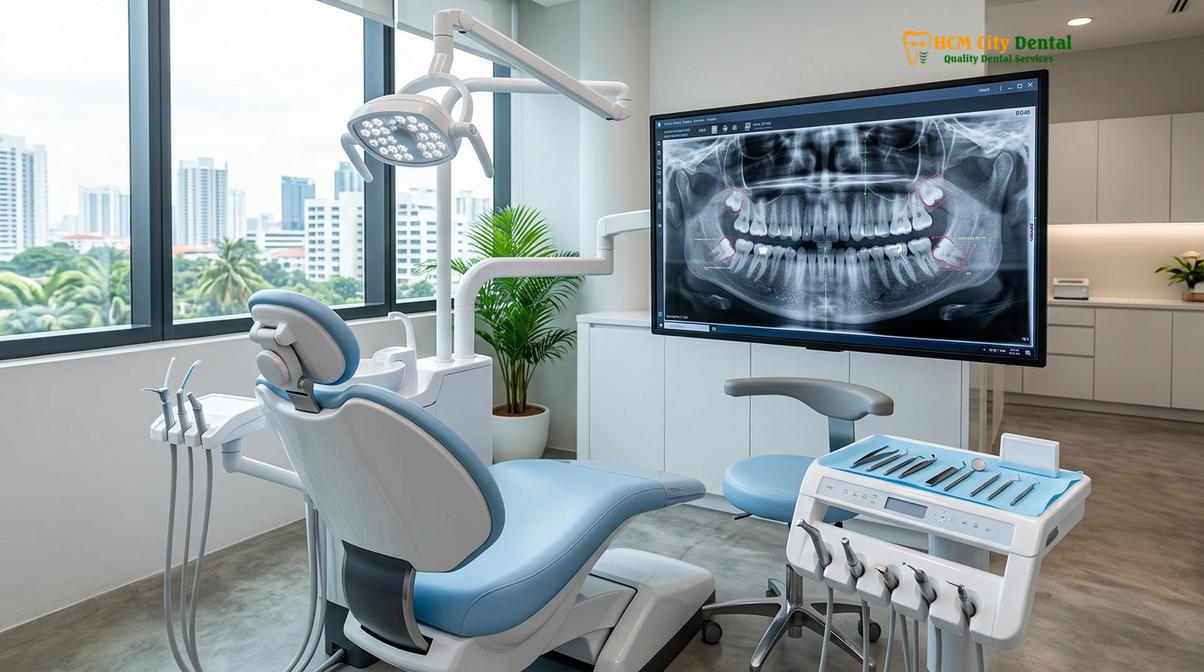
This dramatic price disparity is not a reflection of compromised clinical quality. Rather, it is the result of macroeconomic factors, including lower real estate costs, reduced administrative overhead, and favorable currency exchange rates. Furthermore, the intense competition among clinics catering to international patients has driven a rapid adoption of advanced technologies, such as digital intraoral scanners and ultrasonic bone surgery devices, ensuring that the standard of care remains exceptionally high.
Vietnam vs. Thailand: Cost and Quality Comparison
Vietnam delivers exceptional clinical outcomes at lower price points due to reduced operational overhead, whereas Thailand charges a premium for its legacy medical tourism infrastructure.
For decades, Thailand has been the undisputed pioneer of medical tourism in Asia. Facilities in Bangkok and Phuket are renowned for their hospital-like scale, luxury amenities, and seamless patient concierge services. However, this established infrastructure comes with higher operational costs, which are inevitably passed on to the patient. When evaluating dental tourism options, patients will notice a distinct difference in pricing models despite identical clinical capabilities.
In Thailand, the cost of extracting a fully impacted wisdom tooth typically ranges from $150 to $400. While this is still a substantial saving compared to Western prices, it represents the upper tier of the Southeast Asian market. The wisdom teeth cost in Thailand reflects the premium associated with legacy brands and the higher cost of living in the Thai capital[2].
Conversely, Vietnam has rapidly ascended as a highly competitive destination for high-acuity dental care. The country’s private healthcare sector has experienced explosive growth, attracting internationally trained maxillofacial surgeons who bring global best practices back to local clinics. Because the cost of living and commercial real estate in Vietnam remains lower than in Thailand, clinics can offer the exact same surgical procedures—using the same Sirona CBCT scanners and Acteon Piezotome devices—for significantly less. In Vietnam, a complex surgical extraction typically ranges from $80 to $250.
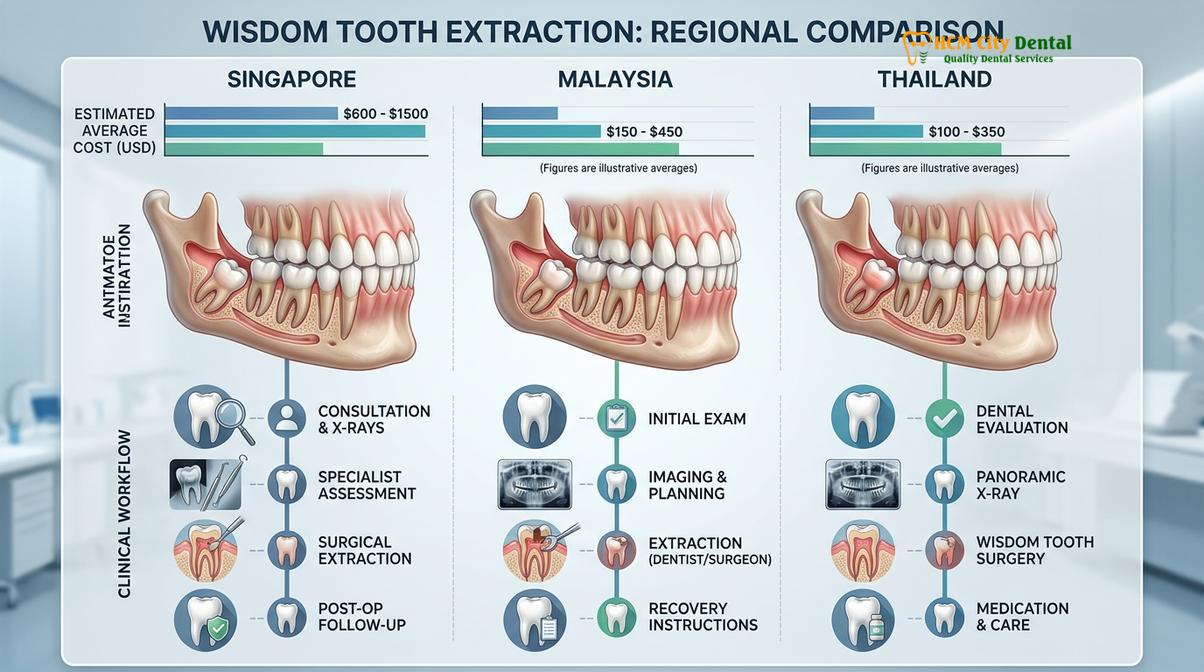
To provide a clear clinical and economic perspective, the following table outlines the estimated costs and facility characteristics across the primary regional hubs:
| Destination | Simple Extraction (Est. USD) | Complex Surgical Impaction (Est. USD) | Clinical Infrastructure & Market Focus |
|---|---|---|---|
| Vietnam (Ho Chi Minh City) | $30 – $60 | $80 – $250 | Rapidly modernizing, high-tech boutique clinics, lowest regional pricing, excellent surgical expertise. |
| Thailand (Bangkok) | $50 – $100 | $150 – $400 | Legacy medical tourism hospitals, luxury amenities, higher premium pricing. |
| Malaysia (Kuala Lumpur) | $40 – $80 | $120 – $300 | Strictly regulated by national dental council, high English proficiency, mid-tier pricing. |
| Indonesia (Bali) | $50 – $90 | $150 – $350 | Resort-style clinics catering to tourists; surgical complexity capabilities vary widely by facility. |
Bali & Malaysia: Dental Facilities and Price Packages
Malaysia offers a highly regulated, English-proficient healthcare system with moderate pricing, while Bali caters to tourists seeking basic extractions in a resort environment.
Malaysia presents a compelling middle ground in the Southeast Asian dental tourism landscape. The Malaysian Dental Council enforces strict regulatory standards, ensuring a high baseline of clinical safety and hygiene across all registered practices. Furthermore, English is widely spoken in medical settings, eliminating potential communication barriers for international patients. The pricing in Kuala Lumpur or Penang is generally moderate—more expensive than Vietnam but often slightly more affordable than top-tier hospitals in Bangkok.
On the other hand, Bali has carved out a niche for travelers looking to combine a tropical holiday with minor medical procedures. While searching for affordable extractions in Bali might yield numerous results, clinical caution is advised. Bali is an excellent destination for routine cleanings or simple restorative work; however, complex oral surgeries require sterile environments, advanced 3D imaging, and specialized maxillofacial surgeons. Patients must rigorously vet Balinese clinics to ensure they possess the necessary infrastructure to handle severe bony impactions or potential surgical complications.
“When traveling abroad for oral surgery, the primary focus must always remain on clinical safety and diagnostic precision. A lower price tag is only valuable if the clinic utilizes comprehensive CBCT imaging and adheres to strict international sterilization protocols to prevent post-operative infections.”
Regardless of the chosen destination, patients must prioritize clinics that offer transparent pricing packages. Reputable facilities will provide a comprehensive quote that includes the pre-operative consultation, panoramic or 3D X-rays, local anesthesia, the surgical extraction itself, and post-operative medications. Hidden fees for standard surgical necessities are a red flag in any international medical setting.
Why Saigon is the Preferred Destination for Dental Tourists
Ho Chi Minh City combines rapid technological adoption, internationally trained maxillofacial surgeons, and vibrant tourism infrastructure, making it a premier hub for cost-effective dental surgeries.
Ho Chi Minh City, commonly known as Saigon, has established itself as the epicenter of Vietnam’s medical tourism boom. The city offers a dynamic blend of rich cultural experiences, exceptional culinary scenes, and a rapidly advancing healthcare sector. For international patients, Saigon represents an optimal balance between high-acuity clinical care and profound economic value.
At the forefront of this movement is HCMC Dental Clinic, located in the heart of Ho Chi Minh City. The clinic exemplifies the modern standard of Vietnamese dental care, heavily investing in minimally invasive surgical techniques and adhering to the strict infection control protocols outlined by the Vietnam Odonto-Stomatology Association (VOSA)[6]. For instance, the integration of painless wisdom teeth removal protocols utilizing ultrasonic Piezotome technology[4] allows surgeons to cut bone with micrometric precision while preserving surrounding soft tissues and nerves. This significantly reduces post-operative swelling, minimizes trauma, and accelerates the healing timeline—a critical factor for patients who need to recover quickly to enjoy their travels.
Clinical Case Study: International Patient Journey
An Australian patient presented to HCMC Dental Clinic in Ho Chi Minh City with bilateral impacted lower third molars causing severe pericoronitis. In Sydney, the quoted cost for surgical extraction under IV sedation was substantial. Through a digital consultation, the surgical team reviewed the patient’s OPG X-ray and formulated a treatment plan. The patient traveled to Saigon, underwent a comprehensive CBCT scan, and had both teeth successfully extracted using ultrasonic surgery. The total clinical cost was highly economical. The patient experienced minimal swelling, allowing them to safely enjoy a coastal tour of Vietnam just four days post-surgery.
The clinical expertise available in Saigon is complemented by the city’s logistical convenience. Tan Son Nhat International Airport offers direct flights to major global hubs, and the city boasts a wide range of accommodations, from budget-friendly boutique hotels to luxury international chains. This infrastructure makes the entire process of traveling for medical care seamless and highly efficient.
Logistics, Flights, and Travel Math for Regional Savings
Maximizing dental tourism savings requires calculating flight, accommodation, and surgical fees against domestic healthcare costs, while ensuring safe recovery windows before return flights.
The financial viability of dental tourism depends on the “travel math”—the total cost of the procedure plus flights, accommodation, and daily expenses, compared to the cost of the procedure in the patient’s home country. For a single simple extraction, the travel costs may outweigh the savings. However, for patients requiring the removal of multiple impacted wisdom teeth, the economic benefits become undeniable.
For example, an American patient facing a large bill for the extraction of four wisdom teeth can secure a round-trip flight to Vietnam for a reasonable rate. With the surgical costs in Saigon remaining highly competitive, and a week’s accommodation being affordable, the patient can save significantly while enjoying an international vacation. This economic equation is even more favorable for patients traveling from closer regions like Australia or New Zealand.
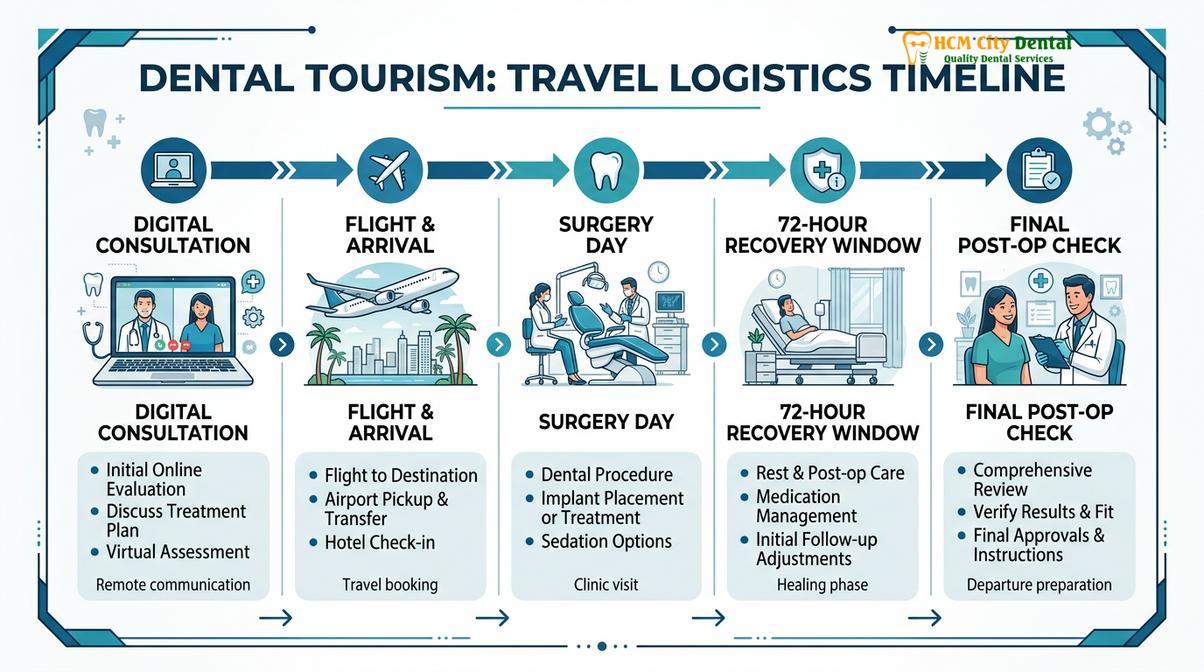
However, the logistics of medical travel require strict adherence to clinical recovery guidelines. Flying immediately after oral surgery poses significant physiological risks. The changes in cabin pressure during a flight can cause barodontalgia (tooth squeeze) and increase the risk of sinus complications, particularly if the upper wisdom teeth were extracted near the maxillary sinus floor[3].
During this recovery window, patients must adhere to strict dietary guidelines. Knowing the appropriate foods to eat after wisdom teeth removal—such as cool, soft, and non-spicy options—is essential to prevent irritation of the surgical site. Saigon’s diverse culinary scene easily accommodates these dietary restrictions with nourishing options like smooth rice porridge (cháo) and fresh fruit smoothies.
When to Seek Immediate Medical Attention Post-Surgery
Understanding the signs of normal healing versus potential complications is vital for international patients recovering away from home.
While modern surgical techniques and advanced socket preservation techniques[5] significantly reduce the risk of complications, patients must remain vigilant during their recovery in Southeast Asia. Normal post-operative symptoms include mild to moderate swelling, slight oozing of blood for the first 24 hours, and localized discomfort that is manageable with prescribed analgesics. These symptoms typically peak around the second or third day before gradually subsiding.
However, international patients should contact their dental provider immediately if they experience any of the following red flags: severe, throbbing pain that radiates to the ear or neck and is not relieved by medication (a strong indicator of dry socket); excessive bleeding that cannot be controlled by biting down on gauze; a fever exceeding 101°F (38.3°C); or difficulty swallowing and breathing. Top-tier clinics in Ho Chi Minh City provide dedicated post-operative support channels, ensuring that patients can access immediate clinical advice or emergency care if needed.
Booking and Consultation Procedures at HCMC Dental
International patients benefit from streamlined digital consultations, allowing surgeons to review panoramic X-rays remotely to ensure precise treatment planning prior to travel.
To mitigate the anxieties associated with cross-border healthcare, top clinics have optimized their patient onboarding processes. The journey typically begins with a secure teledentistry consultation. Prospective patients are encouraged to email their recent panoramic X-rays (OPG) to the clinic’s international coordination team. This allows the maxillofacial surgeons to conduct a preliminary assessment of the impaction severity, nerve proximity, and overall surgical complexity.
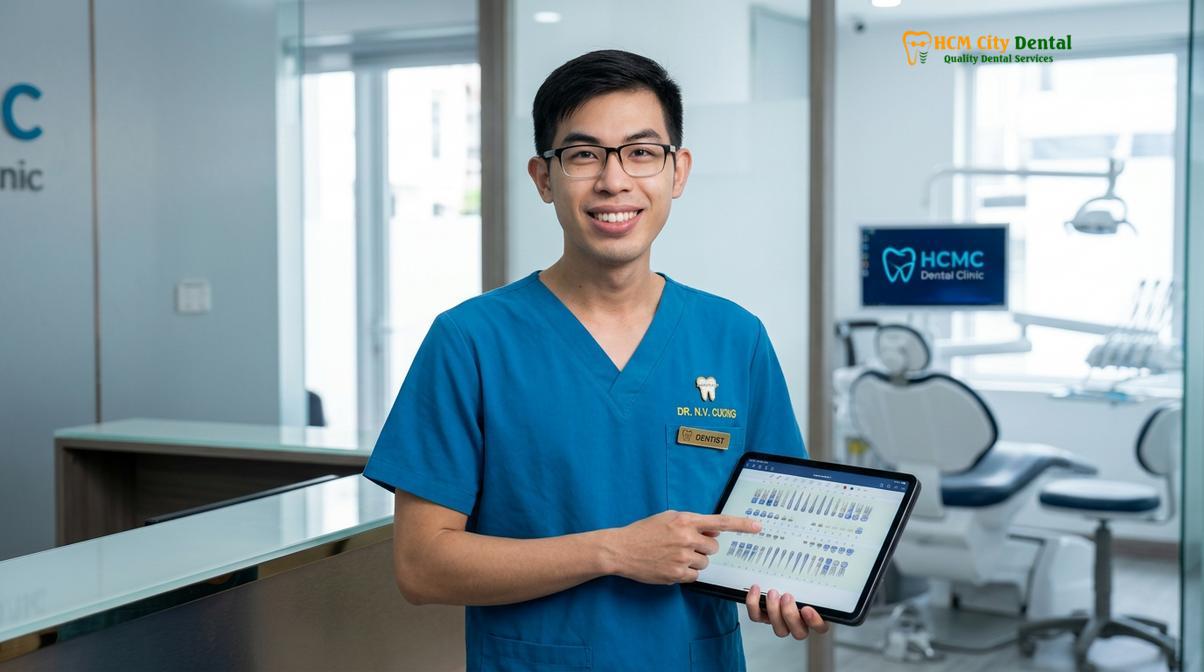
Dr. Nguyen Van Cuong, a leading maxillofacial specialist at HCMC Dental Clinic, emphasizes the importance of comprehensive pre-operative diagnostics for international patients. With extensive experience managing complex impactions, Dr. Cuong ensures that every surgical plan prioritizes patient safety and predictable recovery timelines. His approach integrates advanced 3D imaging with minimally invasive techniques, providing peace of mind for those seeking the best clinic wisdom teeth removal HCMC has to offer.
“Digital pre-assessment is a cornerstone of modern dental tourism. By reviewing a patient’s radiographic data before they even book a flight, we can provide a highly accurate clinical prognosis, a transparent cost estimate, and a precise timeline for surgery and recovery.”
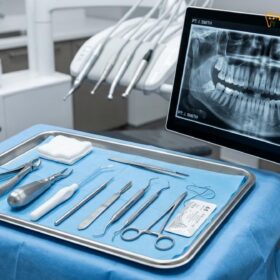
Upon arrival at HCMC Dental Clinic, the clinical workflow is highly structured. The patient undergoes a physical examination and a high-resolution 3D CBCT scan to map the exact anatomical structures. Blood tests may be conducted to verify coagulation metrics, ensuring surgical safety. Once the treatment plan is finalized and consent is obtained, the surgery is performed in a strictly sterilized, international-standard operatory.
Post-operative care is equally rigorous. Patients are provided with detailed instructions on how to clean wisdom tooth socket areas safely to prevent food impaction and infection. A mandatory follow-up appointment is scheduled 2 to 3 days post-surgery to monitor tissue healing, remove any non-dissolvable sutures, and medically clear the patient for their return flight. For older adults, specialized protocols are in place, as detailed in the wisdom teeth removal at 30 & 40 clinical guide, to address age-related bone density factors.
If you are considering traveling for oral surgery and want to explore the cost benefits of Vietnam, contact HCMC Dental Clinic in Ho Chi Minh City today to schedule your digital consultation and receive a comprehensive treatment plan.
References
- Journal of Oral and Maxillofacial Surgery. Economic analysis of cross-border dental care and surgical outcomes. (2021).
- International Journal of Medical Tourism. Comparative cost analysis of dental procedures in Southeast Asia. (2020).
- British Dental Journal. Aviation dentistry: Barodontalgia and post-operative flight risks. (2019).
- Journal of the American Dental Association. Efficacy of Piezosurgery in impacted mandibular third molar extraction. (2022).
- Clinical Oral Investigations. Socket preservation and PRF application in international dental settings. (2018).
- Vietnam Odonto-Stomatology Association (VOSA). National guidelines on infection control and maxillofacial surgical protocols. (2023).