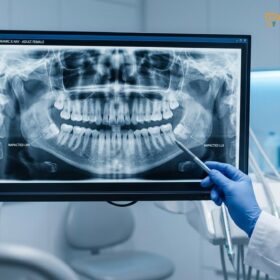
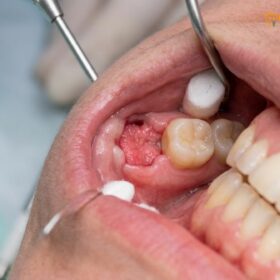
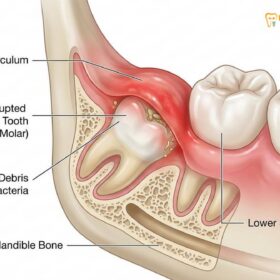
Getting all 4 wisdom teeth removed at once is a clinically sound, highly efficient procedure that consolidates surgical trauma, anesthesia exposure, and recovery time into a single phase. For eligible patients, this approach minimizes overall disruption to daily life while preventing future impaction complications and localized infections.
Clinical Summary:
Simultaneous extraction of all four third molars is a standard oral surgery protocol designed to optimize patient comfort and clinical efficiency. By addressing all potential impactions in one surgical visit, patients avoid the cumulative risks of multiple anesthesia administrations and repeated healing phases. While bilateral extractions temporarily complicate mastication and increase localized facial edema, advanced techniques such as Piezotome ultrasonic surgery, Platelet-Rich Fibrin (PRF) grafting, and tailored sedation protocols ensure a predictable and manageable recovery. Comprehensive preoperative imaging, including 3D CBCT scans, allows surgeons to navigate complex root anatomies and nerve proximities, making this comprehensive approach safe for both adolescents and older adults.
Key Takeaways:
- Extracting all four wisdom teeth simultaneously requires only one surgical appointment and one dedicated recovery period.
- Bilateral extractions mean patients must adhere strictly to a liquid or pureed diet, as chewing on either side is temporarily impaired.
- Intravenous (IV) sedation is highly recommended for four-tooth extractions to ensure patient comfort and surgical efficiency.
- Advanced imaging (CBCT) is mandatory to assess the proximity of the lower wisdom teeth to the inferior alveolar nerve.
- Prophylactic removal prevents future complications such as pericoronitis, cyst formation, and decay of adjacent second molars.
Why Patients Choose to Get All 4 Wisdom Teeth Removed at Once
Consolidating the extraction of all four third molars into one surgical appointment is often recommended to streamline recovery and prevent sequential dental complications.
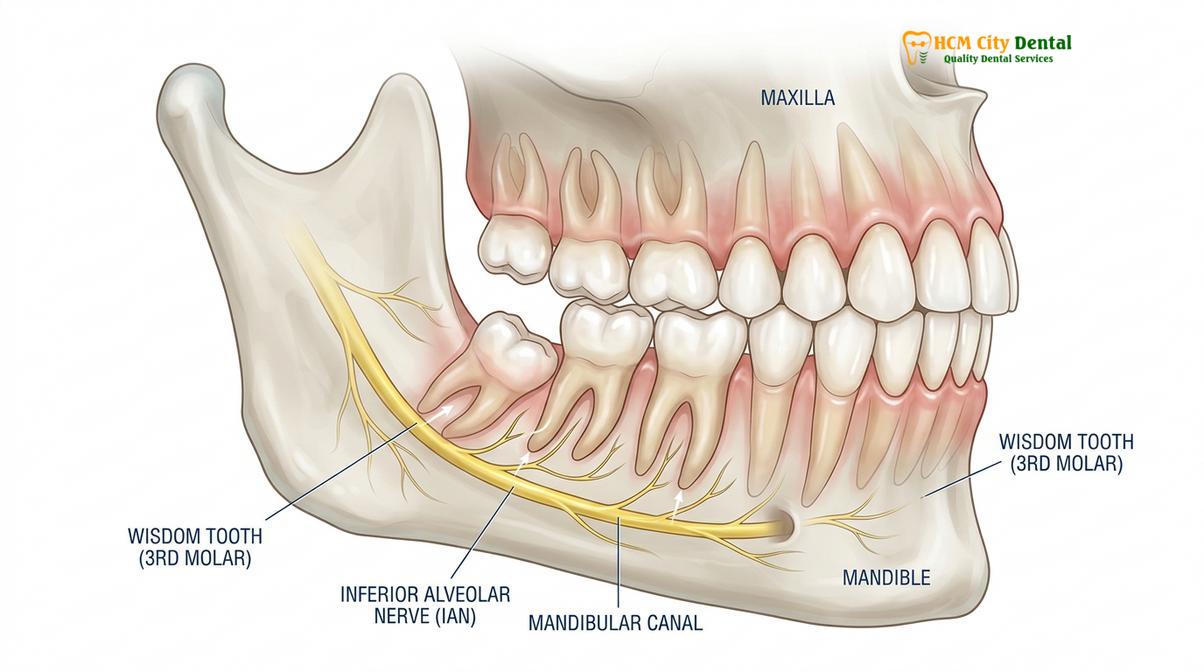
The decision to undergo a comprehensive surgical extraction of all four third molars is rooted in both preventative dentistry and logistical efficiency. Wisdom teeth, being the final set of molars to erupt, frequently lack adequate space within the dental arch. This spatial deficiency leads to various degrees of impaction—ranging from soft tissue impactions where the tooth is partially covered by gingiva, to full bony impactions where the tooth remains entirely encased in the jawbone[1].
When a patient presents with one symptomatic wisdom tooth, clinical diagnostics often reveal that the remaining three are also poorly positioned and likely to cause future pathology. Leaving asymptomatic but impacted wisdom teeth in place carries significant long-term risks. These include the development of pericoronitis (a painful infection of the overlying gum tissue), the formation of dentigerous cysts that can destroy surrounding bone, and the high probability of caries developing on the distal surface of the adjacent second molars due to food entrapment.
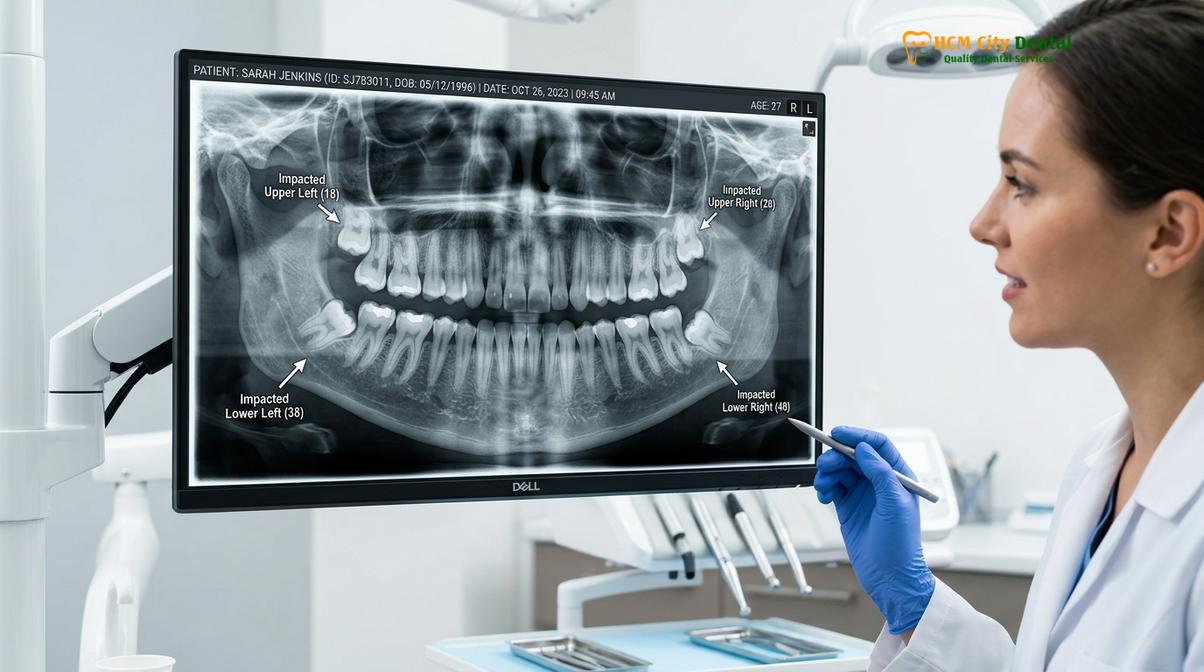
By choosing the route of removing 4 wisdom teeth simultaneously, patients proactively eliminate these risks in a single definitive intervention. Dr. Nguyen Van Cuong, a leading specialist at HCMC Dental Clinic, frequently advises patients that addressing all four quadrants at once is the most biologically and psychologically efficient approach. Instead of anticipating multiple future surgeries as each tooth inevitably becomes problematic, the patient confronts the surgical anxiety and the physiological healing process just once.
Furthermore, the surgical workflow for a four-tooth extraction is highly optimized. Once the patient is sedated and the surgical field is prepared, an experienced oral surgeon can transition seamlessly from one quadrant to the next. This continuous workflow minimizes the total time the patient spends in the surgical chair compared to staging the extractions across multiple separate appointments.
The Clinical Pros of One-Visit Extraction
A single surgical session reduces cumulative anesthesia exposure, lowers total treatment costs, and requires only one dedicated healing period.
The advantages of a one-visit comprehensive extraction extend across physiological, pharmacological, and economic domains. From a physiological standpoint, wound healing is a systemic process that demands significant metabolic energy. By consolidating the surgical trauma into a single event, the body mounts one unified inflammatory and reparative response. The patient endures the peak swelling, the dietary restrictions, and the disruption to their daily routine only once.
Pharmacologically, a single surgical event means the patient is exposed to only one course of perioperative medications. This includes a single administration of local anesthetics, one session of intravenous sedation, and one postoperative regimen of antibiotics and analgesics (such as NSAIDs or corticosteroids). Reducing the frequency of antibiotic use is particularly important in modern clinical practice to mitigate the risk of antibiotic resistance and gastrointestinal disruption.
“Consolidating wisdom teeth extractions into a single appointment is not just about convenience; it is a clinical strategy to minimize the patient’s cumulative exposure to surgical stress, anesthesia, and systemic medications.” — Dr. Nguyen Van Cuong
Economically and logistically, a wisdom teeth removal same day approach is highly advantageous. Patients save on the repeated costs of facility fees, sedation administration, and sterile setup fees that would be incurred with multiple visits. Additionally, the indirect costs—such as taking time off work, arranging transportation, and requiring a caregiver—are halved or quartered.
To illustrate the clinical efficiency, consider the comparison between a single-visit and a staged approach:
| Clinical Factor | All 4 Teeth in One Visit | Staged Visits (e.g., 2 teeth per visit) |
|---|---|---|
| Anesthesia Exposure | Single administration | Multiple administrations |
| Total Recovery Time | 7-10 days total | 14-20 days total (split over time) |
| Medication Courses | One prescription cycle | Multiple prescription cycles |
| Surgical Anxiety | Confronted once | Repeated anticipation |
| Mastication Impact | Bilateral impairment (harder initially) | Unilateral impairment (can chew on one side) |
For patients seeking comprehensive care, exploring a dedicated Tooth Extraction protocol ensures that all clinical variables are managed under a unified treatment plan.
The Cons: Managing Post-Op Swelling and Eating Challenges
Extracting all four molars simultaneously temporarily impairs bilateral chewing function and typically results in more pronounced facial swelling.
While the benefits of a single-visit extraction are substantial, patients must be clinically prepared for the specific challenges of a simultaneous four-quadrant surgery. The most immediate and noticeable drawback is the bilateral nature of the surgical trauma. When teeth are extracted from both the left and right sides of the mouth, the patient loses the ability to chew on a “good side” during the initial healing phase.
This bilateral impairment necessitates a strict adherence to a liquid and heavily pureed diet for the first several days. Patients must rely on nutrient-dense smoothies, broths, and soft foods that require zero mastication. Attempting to chew solid foods too early can lead to mechanical trauma of the extraction sites, dislodgement of the blood clots, and the introduction of food debris into the healing sockets[2]. For detailed dietary protocols, patients should review specialized guides on what to eat after surgery.
Clinical Warning: Dry Socket Risk
With four extraction sites, the statistical probability of developing alveolar osteitis (dry socket) increases if post-operative instructions are not strictly followed. Patients must absolutely avoid using straws, spitting forcefully, or smoking, as the negative intraoral pressure can dislodge the fragile blood clots from any of the four sockets.
Another significant consideration during four wisdom teeth recovery is the pronounced inflammatory response. Surgical extraction of impacted teeth requires the reflection of gingival flaps and, often, the removal of overlying bone. Doing this in four locations simultaneously triggers a robust release of inflammatory mediators (prostaglandins and cytokines), leading to noticeable facial edema (swelling) and potential ecchymosis (bruising)[3].
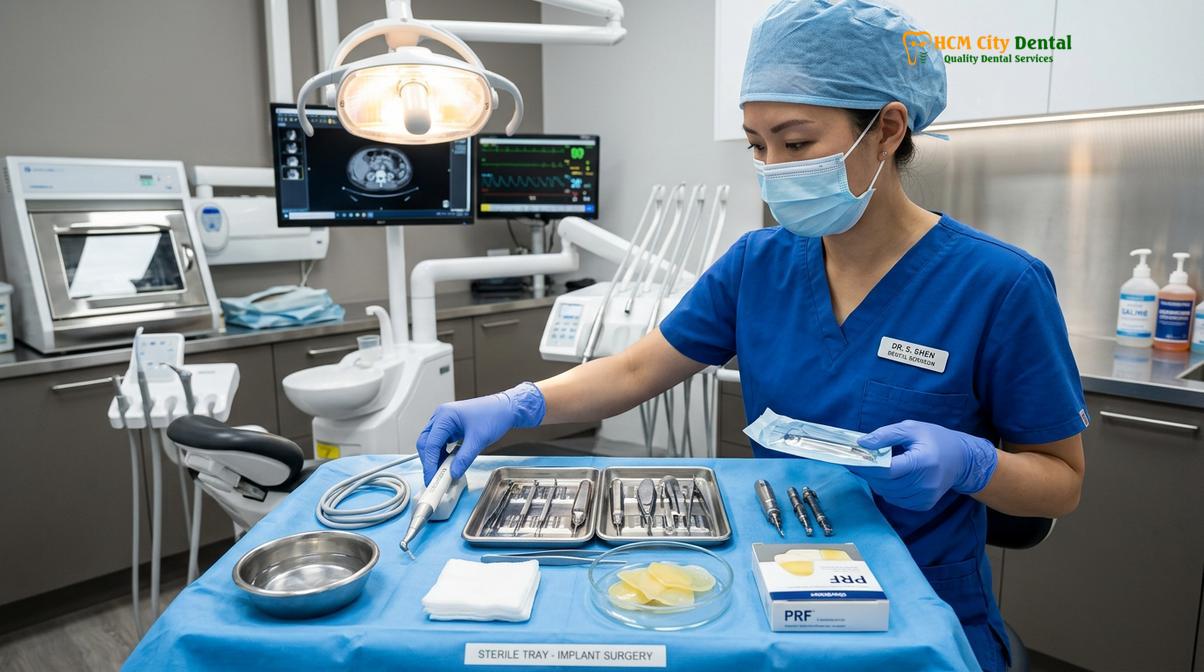
Furthermore, patients frequently experience trismus, a temporary restriction in mouth opening caused by inflammation and spasms of the muscles of mastication. Trismus can make oral hygiene challenging in the days immediately following surgery. To manage these cons, clinicians employ proactive pharmacological strategies, including the administration of perioperative corticosteroids (such as Dexamethasone) to suppress the peak inflammatory response, and the use of long-acting local anesthetics (like Bupivacaine) to provide extended pain relief during the immediate postoperative hours.
Sedation Options for 4-in-1 Wisdom Tooth Extractions
Due to the extended surgical duration and complexity of removing four molars, intravenous (IV) sedation or deep conscious sedation is typically utilized.
The surgical extraction of four wisdom teeth is a moderately invasive procedure that requires excellent patient cooperation and profound pain control. While a single, fully erupted wisdom tooth might be easily removed under local anesthesia alone, a comprehensive four-tooth surgery involving bony impactions strongly warrants advanced sedation techniques.
Intravenous (IV) sedation, often referred to as twilight sedation, is the gold standard for this procedure. Administered by a qualified dental anesthesiologist or certified oral surgeon, IV sedation induces a state of deep relaxation and anterograde amnesia. The patient remains conscious enough to maintain their own airway and respond to physical cues, but they typically have little to no memory of the surgical sounds, vibrations, or duration. Medications commonly utilized in this protocol include Midazolam for its anxiolytic and amnestic properties, often combined with Fentanyl for profound systemic analgesia.
In addition to systemic sedation, profound local anesthesia is paramount. The surgeon will administer regional nerve blocks—specifically the Inferior Alveolar Nerve Block for the mandibular teeth and localized infiltrations for the maxillary teeth. This ensures that the surgical sites are completely numb, preventing nociceptive pain signals from reaching the brain even while the patient is sedated.
At top-tier facilities like HCMC Dental Clinic in Ho Chi Minh City, the integration of painless extraction technologies alongside tailored sedation protocols ensures that the patient’s vital signs (blood pressure, oxygen saturation, heart rate) are continuously monitored. This comprehensive approach to pain and anxiety management transforms a potentially daunting four-tooth surgery into a smooth, virtually seamless clinical experience.
Recovery Plan and Timeline for 4 Extraction Sockets
Healing from four simultaneous extractions requires strict adherence to a soft diet, rigorous oral hygiene, and proactive pain management over a two-week period.
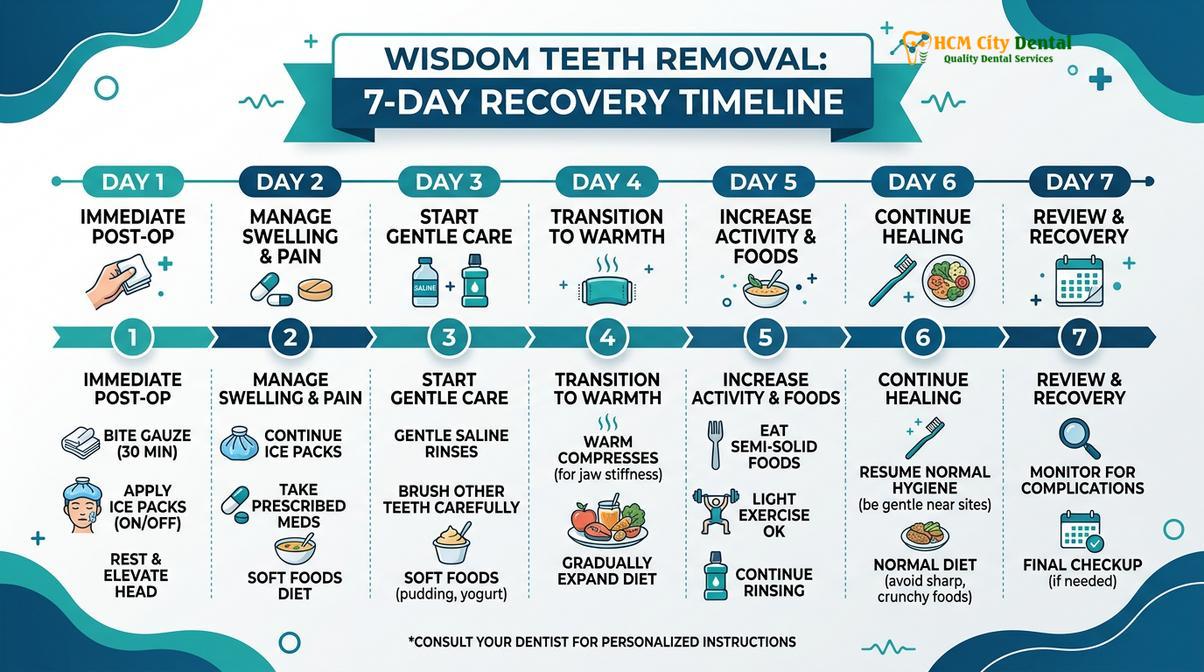
The biological healing of four extraction sockets follows a predictable physiological timeline, progressing through hemostasis, inflammation, proliferation, and remodeling. Understanding this timeline is crucial for patients to manage their expectations and actively participate in their recovery.
Days 1 to 3: The Inflammatory Phase
Immediately following surgery, the primary goal is hemostasis (blood clot formation). Patients are instructed to bite firmly on sterile gauze to apply pressure to the sockets. During the first 48 to 72 hours, facial swelling and localized discomfort will reach their peak. Ice packs applied externally to the cheeks in 20-minute intervals are highly effective at inducing vasoconstriction and limiting edema. Pain management relies on a strict schedule of prescribed analgesics, alternating between NSAIDs (like Ibuprofen) and Acetaminophen to target different pain pathways.
Days 4 to 7: The Proliferative Phase
By the fourth day, swelling should begin to subside, and the acute pain transitions to a dull ache or soreness. The blood clots are stabilizing, and granulation tissue begins to form within the sockets. At this stage, maintaining a clean wisdom tooth socket becomes critical. Patients are typically instructed to begin gentle warm salt water rinses. If provided by the surgeon, a curved monoject syringe may be used to gently flush food debris from the lower sockets, taking care not to use excessive force that could dislodge the healing tissue.
Week 2 and Beyond: Epithelialization and Remodeling
During the second week, the gingival tissue (epithelium) begins to close over the extraction sites. While the surface may appear healed, the underlying alveolar bone will take several months to completely fill in and remodel. Patients can gradually reintroduce solid foods into their diet, guided by their comfort level. Jaw stiffness (trismus) should resolve, allowing for normal mouth opening and routine brushing of the adjacent second molars.
To accelerate this timeline, modern surgical protocols often incorporate Platelet-Rich Fibrin (PRF). By drawing a small amount of the patient’s blood prior to surgery and centrifuging it, the surgeon creates a fibrin membrane rich in growth factors. Placing PRF into the four extraction sockets significantly enhances soft tissue healing, reduces postoperative pain, and drastically lowers the incidence of dry socket[4].
All 4 Wisdom Teeth Pricing Packages at HCMC Dental
Comprehensive extraction packages bundle surgical fees, sedation costs, and post-operative care into a transparent, cost-effective clinical model.
Navigating the financial aspect of oral surgery can be complex, which is why many patients opt for an all 4 wisdom teeth package. These comprehensive packages are designed to provide financial transparency and bundle all necessary clinical components into a single, predictable fee structure.
A standard comprehensive package typically includes the initial clinical consultation, the mandatory 3D CBCT radiographic imaging, the surgical extraction of all four teeth (regardless of impaction severity), the administration of intravenous sedation, and the application of advanced healing modalities like PRF. Furthermore, postoperative medications and follow-up review appointments are often integrated into the total cost.
Clinical Case Review: Comprehensive Extraction
A 22-year-old patient presented to HCMC Dental Clinic in Ho Chi Minh City with recurrent pericoronitis on the lower right third molar. CBCT imaging revealed that all four wisdom teeth were impacted. Opting for a comprehensive package, the patient underwent a single surgical session utilizing Piezotome technology and IV sedation. By consolidating the treatment, the patient avoided the higher cumulative costs of staged surgeries and completed their entire recovery within a single 10-day window, returning to university without further dental interruptions.
For patients researching the best clinic for wisdom teeth removal, evaluating the inclusions of these packages is vital. Clinics that utilize ultrasonic Piezotome devices—which cut bone selectively without damaging soft tissue or nerves—offer a higher standard of care that directly translates to less postoperative swelling and a faster return to normal function.
Age Considerations: Getting Wisdom Teeth Out at 30, 40 or Older
While prophylactic extraction is ideal in late adolescence, adults in their thirties and forties can still safely undergo removal with modified surgical techniques.
A common clinical question is whether there is an upper age limit for third molar extraction. Patients often ask, is it too late to get wisdom teeth removed? The definitive clinical answer is no; however, the surgical approach and risk profile evolve significantly as a patient ages.
In late adolescence and early twenties, the roots of the wisdom teeth are often incompletely formed, and the surrounding alveolar bone is relatively elastic. This makes extraction mechanically easier and the biological recovery swifter. Conversely, wisdom teeth removal at 30 or wisdom teeth extraction at 40 presents different anatomical realities. By this age, the roots are fully formed and may have developed complex curvatures (dilacerations) that anchor deeply into the jawbone. Furthermore, adult bone is highly calcified and dense, lacking the elasticity of youth.
For older adults, the proximity of the fully formed mandibular roots to the inferior alveolar nerve requires meticulous surgical planning. The risk of temporary or permanent paresthesia (numbness of the lip, chin, or tongue) is statistically higher in older demographics[5]. To mitigate this, surgeons rely heavily on 3D CBCT imaging to map the exact trajectory of the nerve. If the roots are intimately entwined with the nerve canal, a coronectomy—where the crown of the tooth is removed but the roots are intentionally left behind—may be recommended as a safer alternative to complete extraction.
“Age changes the density of the bone and the complexity of the roots, but it does not negate the necessity of extraction when pathology is present. With 3D imaging and ultrasonic surgical tools, we safely manage adult extractions daily.” — Dr. Nguyen Van Cuong
Adult patients must also account for systemic health factors. Conditions such as hypertension, diabetes, or the use of anticoagulant medications require careful preoperative management. Detailed clinical guidelines for these scenarios can be found in resources covering extractions with systemic conditions. Despite these complexities, removing diseased wisdom teeth in adulthood is crucial to preventing the spread of infection to adjacent healthy teeth and preserving overall systemic health.
When to See a Doctor
While recovery from a four-tooth extraction is generally predictable, patients must remain vigilant for signs of postoperative complications. You should contact your oral surgeon immediately if you experience any of the following symptoms:
- Uncontrolled Bleeding: Heavy, bright red bleeding that does not subside after applying firm pressure with gauze for 45-60 minutes.
- Signs of Infection: A sudden spike in fever, the presence of foul-tasting purulent discharge (pus) from the sockets, or swelling that worsens significantly after the fourth day.
- Severe, Radiating Pain: Intense, throbbing pain that is unresponsive to prescribed analgesics, which may indicate the onset of alveolar osteitis (dry socket).
- Prolonged Paresthesia: Numbness, tingling, or a “pins and needles” sensation in the lips, chin, or tongue that persists beyond the duration of the local anesthetic (typically 12-24 hours).
- Respiratory Distress: Any difficulty breathing or swallowing, which requires immediate emergency medical evaluation.
Frequently Asked Questions
Should I get all 4 wisdom teeth out at once?
Yes, for most eligible patients, extracting all four wisdom teeth in a single surgical session is highly recommended. This approach consolidates the surgical trauma, requires only one course of anesthesia, and limits the total recovery period to a single timeframe rather than multiple disrupted weeks. It prevents the need for future surgeries as remaining teeth inevitably become problematic.
How long does it take to remove 4 wisdom teeth?
The surgical procedure to remove four wisdom teeth typically takes between 45 to 90 minutes, depending on the complexity of the impactions. When utilizing advanced ultrasonic instruments and intravenous sedation, the workflow is highly efficient, though total appointment time including recovery monitoring may span two hours. Complex bony impactions will naturally extend the surgical duration.
Am I too old to get my wisdom teeth removed?
No patient is strictly too old for extraction if clinical pathology is present. While prophylactic removal is easiest in late adolescence, adults in their thirties, forties, and beyond can safely undergo the procedure with careful preoperative CBCT imaging and modified surgical techniques to manage denser bone. Healing may take slightly longer, but the procedure remains highly successful.
What is the recovery like for all 4 wisdom teeth?
Recovery involves bilateral facial swelling, a strict soft food diet, and localized soreness peaking around the third day. Because both sides of the mouth are healing simultaneously, chewing is temporarily impaired, requiring adherence to liquid and pureed nutritional protocols for the first week. Most patients return to normal daily activities within 5 to 7 days.
Is it safe to pull 4 wisdom teeth at the same time?
Yes, simultaneous extraction of four third molars is a standard, safe, and widely practiced oral surgery procedure. Safety is ensured through comprehensive preoperative health screenings, precise radiographic planning, and the administration of appropriate sedation monitored by experienced clinical professionals. Adherence to postoperative care instructions further guarantees a safe healing process.
References
- Journal of Oral and Maxillofacial Surgery. Recovery after third molar extraction. (2021).
- International Journal of Oral and Maxillofacial Surgery. Piezotome vs rotary drill in wisdom teeth removal. (2019).
- British Dental Journal. Dry socket incidence and prevention with PRF. (2020).
- Journal of the American Dental Association. Mandibular third molar impaction classifications. (2022).
- Clinical Oral Investigations. Lingual nerve protection during surgical extraction. (2018).