After wisdom teeth removal, you should eat a nutrient-rich, soft food diet consisting of blended soups, broths, Greek yogurt, applesauce, and mashed potatoes. Avoid hot temperatures, spicy ingredients, and using straws to protect the surgical site and promote optimal healing.
Clinical Summary:
Recovering from third molar extraction requires a strategic approach to nutrition to ensure rapid tissue regeneration and prevent post-operative complications. The dietary protocol transitions through distinct phases, beginning with a strict liquid and ultra-soft diet during the first 48 hours to protect the fragile blood clot. As localized inflammation subsides, patients gradually reintroduce semi-soft foods rich in protein, vitamins, and essential minerals. Avoiding mechanical irritants—such as crunchy, sticky, or spicy foods—and eliminating negative oral pressure from straws are critical steps in preventing alveolar osteitis (dry socket). Adhering to these clinical dietary guidelines significantly reduces recovery time and enhances overall patient comfort.
Key Takeaways:
- Consume only cool or room-temperature liquids and purees during the first 48 hours.
- Prioritize nutrient-dense foods high in protein, Vitamin C, and Zinc to accelerate tissue repair.
- Never use a straw, as the suction can dislodge the blood clot and cause a painful dry socket.
- Gradually transition to semi-soft foods like scrambled eggs and mashed potatoes by day three.
- Strictly avoid crunchy, spicy, acidic, and sticky foods until the surgical site has fully closed.
The Importance of Nutrition in Post-Extraction Healing
Proper nutrition accelerates tissue regeneration, supports immune function, and prevents complications like dry socket by providing essential vitamins and minerals without mechanically disrupting the surgical site.
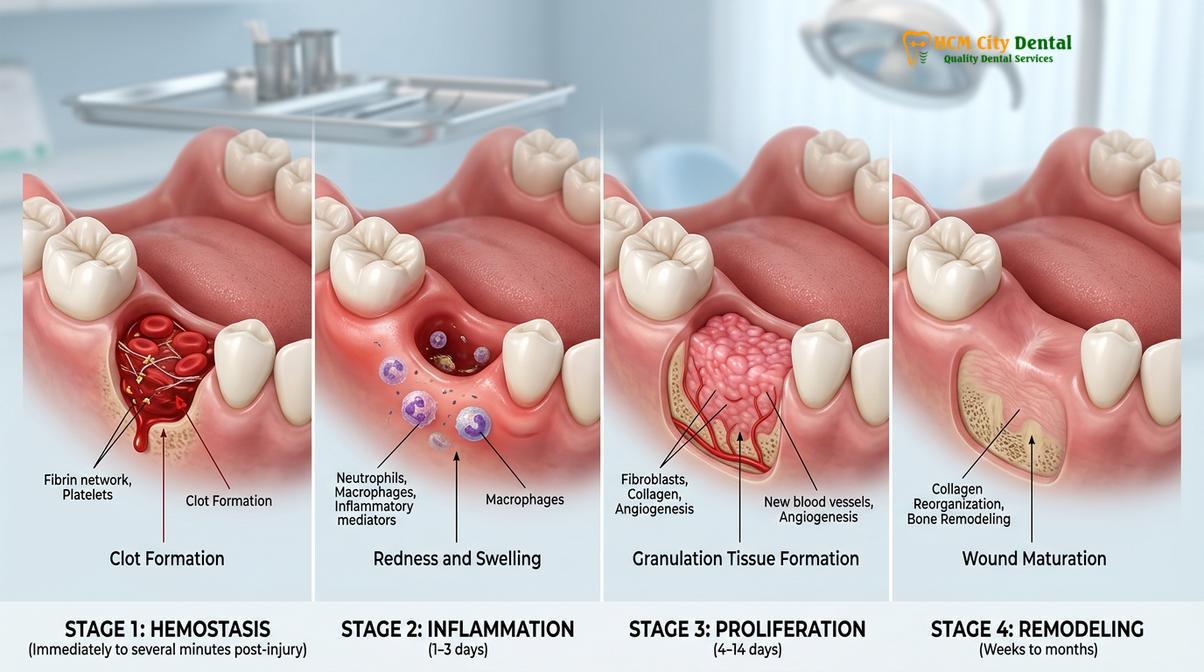
Undergoing a wisdom tooth extraction procedure is a significant oral surgery that initiates a complex cascade of biological healing processes. The moment the tooth is removed from the alveolar socket, the body begins a meticulously orchestrated sequence of hemostasis, inflammation, cellular proliferation, and tissue remodeling. To fuel these demanding physiological processes, the body requires a substantial influx of specific macronutrients and micronutrients. However, the mechanical act of eating poses a direct threat to the surgical site, creating a clinical paradox: the patient must consume highly nutritious foods while simultaneously minimizing jaw movement and avoiding any physical trauma to the healing gums.
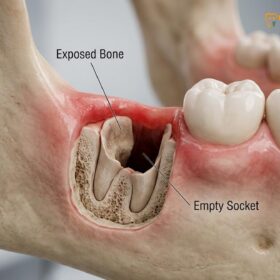
The primary objective during the initial healing phase is the preservation of the blood clot. This clot serves as a biological scaffold, protecting the exposed jawbone and underlying nerve endings from the oral environment. It also acts as the foundational matrix upon which new granulation tissue and, eventually, new bone will form. If this clot is dislodged or dissolved—a condition clinically known as alveolar osteitis, or dry socket—the healing process is severely delayed, and the patient experiences intense, radiating pain. Therefore, adopting a proper soft food diet wisdom teeth protocol is not merely about comfort; it is a critical preventative medical measure [1].
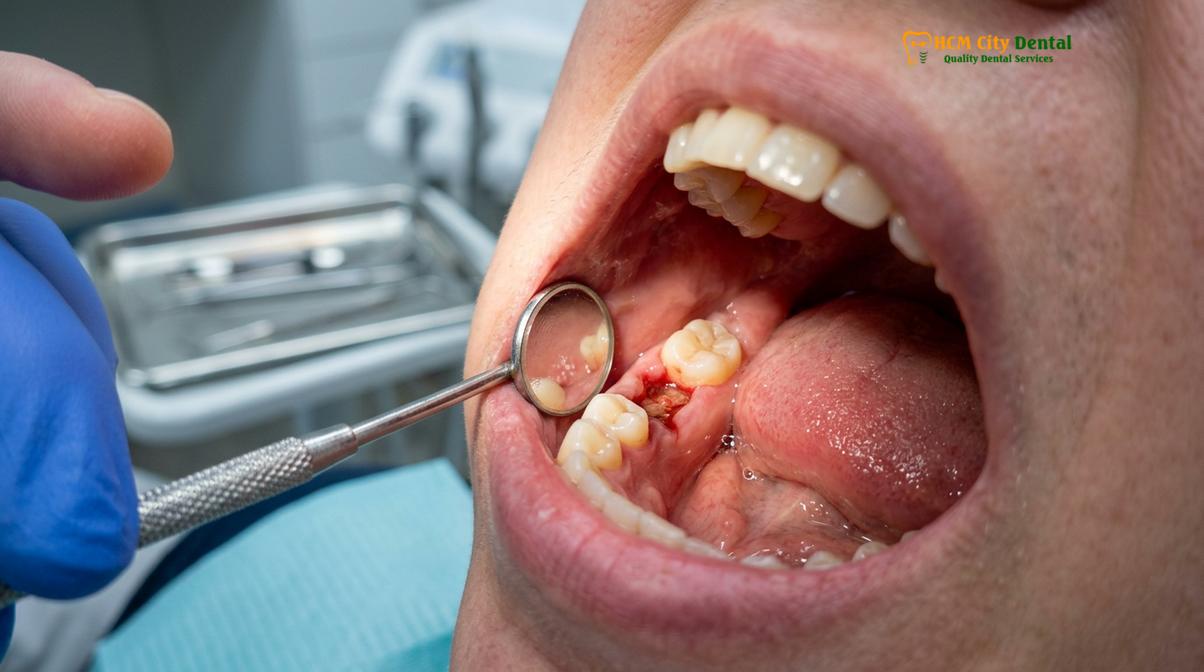
From a biochemical perspective, specific nutrients play targeted roles in oral wound healing. Protein is the fundamental building block required for the synthesis of new collagen, the primary structural protein in gingival tissue. Vitamin C is an essential cofactor in the hydroxylation of proline and lysine, a process necessary for stabilizing the collagen triple helix. Without adequate Vitamin C, the newly formed tissue remains weak and susceptible to breakdown. Zinc is another critical micronutrient that facilitates DNA synthesis, cell division, and the migration of fibroblasts to the wound site. By carefully selecting foods rich in these specific nutrients, patients can actively enhance their body’s innate healing capabilities.
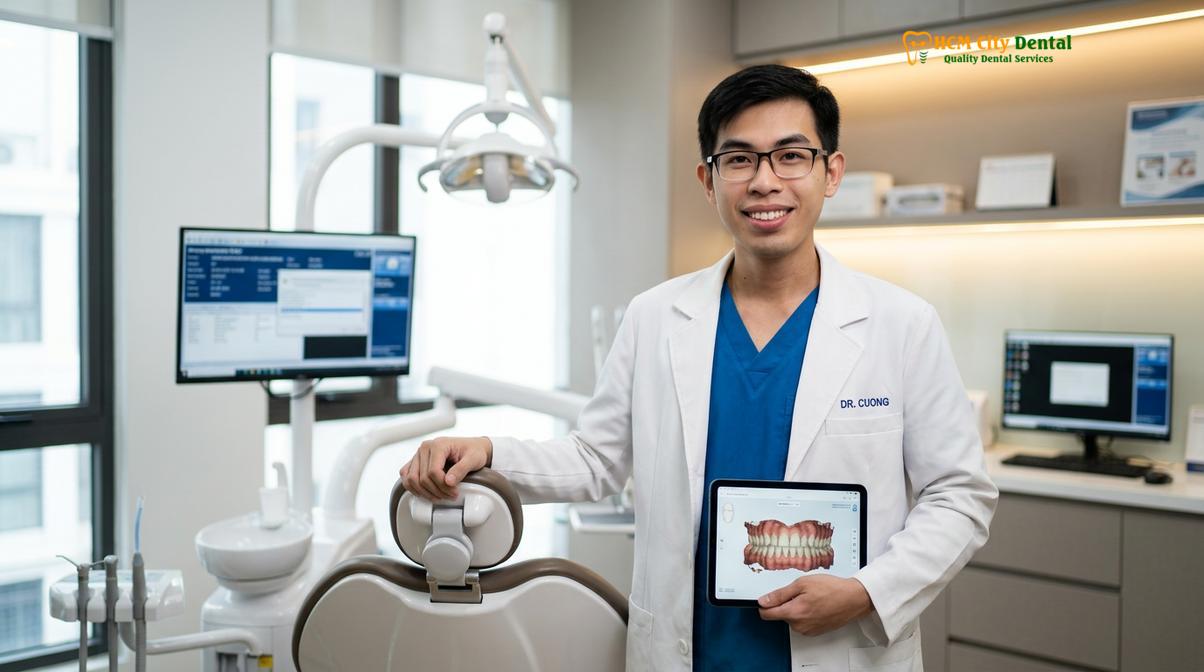
“The success of an extraction is only partially determined in the surgical chair. The patient’s adherence to post-operative nutritional guidelines at home dictates the speed and quality of mucosal regeneration. A nutrient-deficient diet or premature chewing of hard foods is the leading cause of delayed healing we observe in clinical practice.” – Dr. Nguyen Van Cuong
Furthermore, the systemic stress of surgery temporarily elevates the body’s basal metabolic rate. Patients require adequate caloric intake to prevent the catabolism of muscle tissue and to sustain a robust immune response against potential oral pathogens. Balancing this increased metabolic demand with the physical limitations of a sore, swollen jaw requires careful wisdom teeth meal prep and a thorough understanding of dietary progression.
Day 1-2: Liquid and Ultra-Soft Foods (No Chewing)
During the first 48 hours, consume only cool or room-temperature liquids and ultra-soft purees that require zero chewing to protect the newly formed blood clot.
The first 48 hours following surgery represent the most critical window for clot stabilization and the management of acute inflammation. During this period, the surgical sites are highly vulnerable to mechanical disruption, thermal irritation, and chemical damage. The clinical directive is absolute: patients must consume a diet that requires zero mastication (chewing). The focus should be on hydration, caloric density, and soothing textures.
Temperature control is paramount during this initial phase. Heat acts as a potent vasodilator, meaning it causes blood vessels to expand. Consuming hot soups, teas, or coffees can increase localized blood flow to the extraction site, potentially dissolving the fragile blood clot and triggering secondary postoperative bleeding. Therefore, all foods and beverages must be consumed cold or lukewarm [2]. Cold foods offer the added therapeutic benefit of vasoconstriction, which helps to minimize localized edema (swelling) and provides a numbing effect that alleviates pain.
Excellent dietary choices for the first two days include:
- Bone Broth: Unlike standard stock, high-quality bone broth is simmered for extended periods, extracting valuable collagen, amino acids (like glutamine and glycine), and minerals from the bones. These nutrients are directly utilized by the body to repair the damaged periodontal ligaments and gingival tissues. Ensure the broth is strained of any herbs or bone fragments and served lukewarm.
- Blended Soups: Tomato, pumpkin, or butternut squash soups provide essential vitamins and hydration. They must be blended to a completely smooth consistency. Any chunks of vegetables or seeds can easily become lodged in the open socket, creating a nidus for bacterial proliferation and subsequent infection.
- Greek Yogurt: Plain, smooth Greek yogurt is an exceptional post-operative food. It is exceptionally high in protein, which supports tissue repair, and contains live probiotic cultures that help maintain a healthy oral microbiome, especially if the patient has been prescribed prophylactic antibiotics. The smooth, cooling texture is highly soothing to inflamed gums.
- Applesauce: Unsweetened applesauce is a gentle source of carbohydrates for energy and provides a modest amount of Vitamin C. Its uniform, puree-like consistency ensures it can be swallowed effortlessly without engaging the jaw muscles.
- Smoothies: Nutrient-dense smoothies allow patients to combine fruits, vegetables, and protein powders into a single, easily consumable meal. However, it is vital to avoid fruits with small, indigestible seeds, such as strawberries, raspberries, or blackberries. Opt for bananas, mangoes, or peeled peaches instead.
Clinical Warning: The Danger of Straws
Under no circumstances should you use a straw during the first week of recovery. The intraoral negative pressure (suction) created when drawing liquid through a straw is strong enough to physically rip the protective blood clot out of the alveolar socket. This exposes the underlying bone and nerves, leading to alveolar osteitis (dry socket)—a condition characterized by excruciating pain that often requires emergency intervention.
Hydration is equally critical during this phase. Adequate fluid intake maintains salivary flow, which is the mouth’s natural defense mechanism against bacterial overgrowth. Water, coconut water (rich in electrolytes), and clear juices (like apple juice) should be sipped continuously throughout the day.
Day 3-5: Transitioning to Soft Foods
As swelling peaks and begins to subside, you can introduce semi-soft foods like scrambled eggs, mashed potatoes, and instant oatmeal that require minimal jaw movement.
By the third day post-operation, the acute phase of inflammation typically reaches its peak and begins to gradually subside. The blood clot has become more organized and stable, transitioning into early granulation tissue. While the risk of dry socket decreases slightly, the surgical sites remain tender and susceptible to trauma. At this stage, patients often experience trismus—a temporary restriction in jaw opening caused by muscle spasms and swelling. Consequently, the diet can progress to semi-soft foods that provide more substance and satiety but still require minimal masticatory effort.
This transitional phase is crucial for restoring the patient’s energy levels and preventing nutritional deficiencies that could stall the healing process. The introduction of slightly more textured foods also helps to gently stimulate the oral musculature, aiding in the resolution of trismus without overexerting the temporomandibular joint (TMJ).
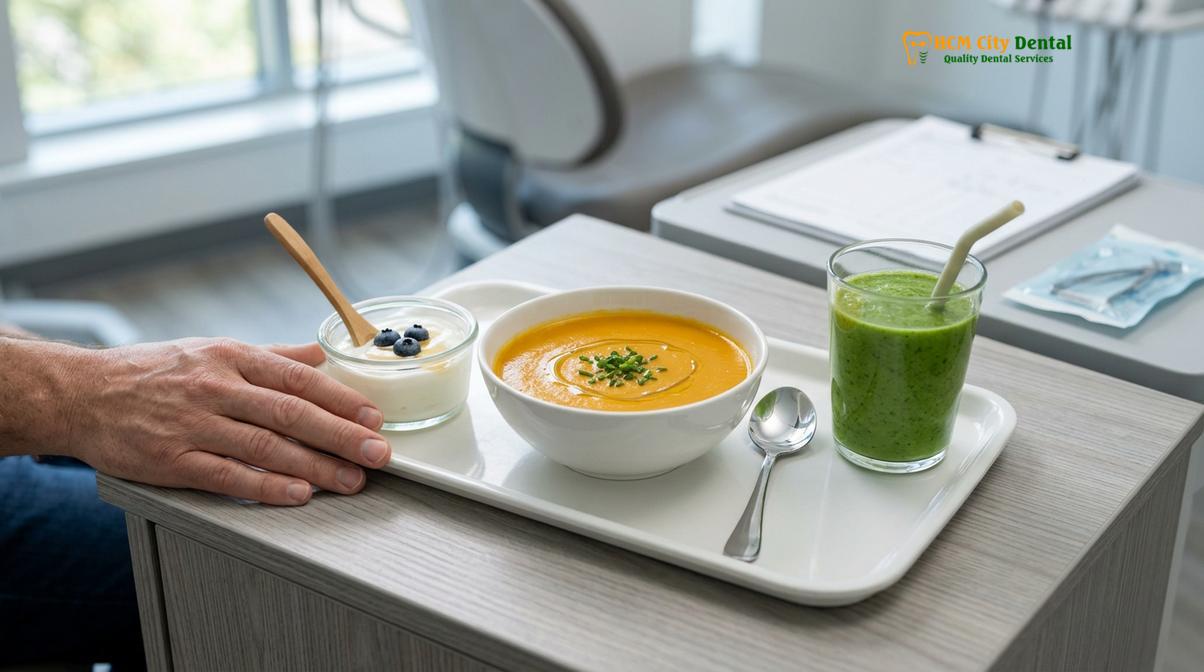
Highly recommended foods for days three through five include:
- Mashed Potatoes: A staple of the post-extraction diet, mashed potatoes are rich in complex carbohydrates, providing a sustained release of energy. They are also a good source of potassium. To maximize their nutritional value and ensure a perfectly smooth texture, they can be mashed with butter, milk, or a dollop of Greek yogurt. Sweet potatoes are an even better alternative, offering high levels of Vitamin A, which is vital for epithelialization (the formation of new surface tissue over the wound) [3].
- Scrambled Eggs: Eggs are a nutritional powerhouse, offering high-biological-value protein, essential fatty acids, and critical micronutrients like zinc and selenium. Scrambling them gently over low heat ensures a soft, fluffy texture that requires almost no chewing. They provide the necessary building blocks for cellular repair without stressing the jaw.
- Mashed Avocados: Avocados are unique among fruits due to their high concentration of monounsaturated fats, specifically oleic acid, which possesses potent anti-inflammatory properties. Mashing a ripe avocado provides a creamy, calorie-dense food that supports systemic health and localized healing.
- Instant Oatmeal: While traditional steel-cut oats are too chewy and pose a risk of lodging in the socket, instant oatmeal is processed to be much softer. It provides excellent dietary fiber, which is often lacking in a soft food diet, helping to prevent gastrointestinal sluggishness associated with pain medications. Ensure the oatmeal is cooked thoroughly with milk or water until it reaches a mushy consistency and is allowed to cool before consumption.
- Cottage Cheese: Small-curd cottage cheese is an excellent source of casein protein, which digests slowly and provides a steady stream of amino acids to the healing tissues. Its soft, yielding texture makes it an ideal transitional food.
During this phase, patients must remain vigilant about chewing mechanics. If the extractions were performed on both sides of the mouth, chewing should be done cautiously using the front teeth. If the extraction was unilateral (on one side only), patients should direct all chewing to the opposite, unaffected side to protect the healing sockets. For patients who underwent complex surgical removals, such as those detailed in our preventing nerve complications guide, adhering strictly to this soft diet is paramount to avoid disturbing the delicate neurovascular bundles near the extraction site.
Day 6-7: Gradual Return to Normal Eating
By the end of the first week, patients can slowly incorporate soft-cooked pasta, flaky fish, and steamed vegetables, monitoring their comfort levels closely.
As the patient approaches the one-week mark, the surgical sites have typically undergone significant epithelialization. The gums begin to close over the extraction sockets, and the underlying bone remodeling process is well underway. Swelling and pain should be minimal or entirely resolved. At this juncture, patients can begin a cautious, gradual return to a more normalized diet, introducing foods with greater texture and structural integrity.
However, this transition must be dictated by individual comfort and clinical progress rather than a strict calendar timeline. If a patient experiences any sharp pain, throbbing, or bleeding when attempting to eat a new food, they must immediately revert to the softer diet of the previous days. Healing rates vary dramatically based on the patient’s age, systemic health, and the anatomical complexity of the extraction.
Appropriate foods to introduce during this final transitional week include:
- Soft-Cooked Pasta: Pasta shapes like macaroni or small shells, boiled slightly past the “al dente” stage until they are very tender, are excellent choices. They can be served with smooth, non-acidic sauces. Avoid chunky meat sauces or highly acidic tomato bases that might irritate the newly formed gingival tissue.
- Flaky Fish: Baked or steamed fish, such as salmon, cod, or tilapia, provides high-quality protein and essential omega-3 fatty acids without the tough, fibrous texture of beef or poultry. The meat should flake apart easily with a fork, requiring minimal chewing effort.
- Steamed Vegetables: Carrots, broccoli florets, and zucchini can be steamed until they are fork-tender. This reintroduces essential dietary fiber and a broader spectrum of vitamins into the diet. Raw vegetables remain strictly contraindicated at this stage.
- Shredded Meats: Slow-cooked, finely shredded chicken or pork, heavily moistened with broth or gravy, can be attempted if the jaw feels sufficiently strong. The meat must be tender enough to dissolve easily in the mouth.
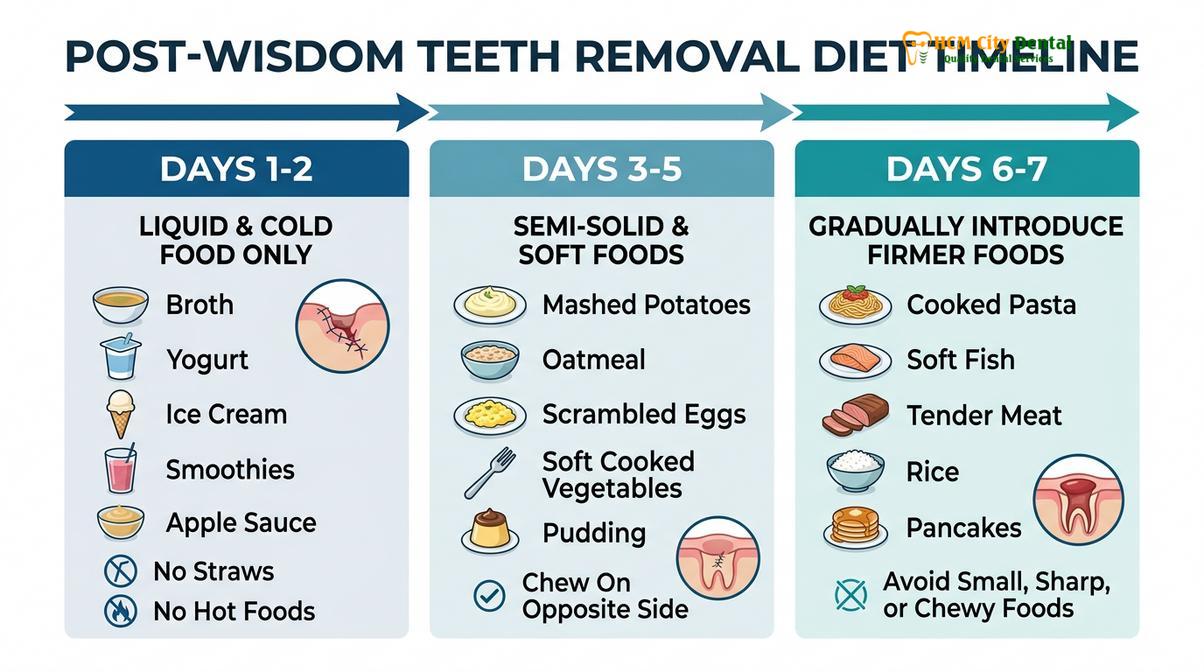
To provide a clear overview of this dietary progression, refer to the following clinical timeline:
| Recovery Phase | Dietary Classification | Recommended Food Examples | Primary Clinical Objective |
|---|---|---|---|
| Days 1-2 | Liquid & Ultra-Soft | Bone broth, blended soups, smooth yogurt, applesauce | Protect the blood clot, minimize jaw movement, prevent bleeding. |
| Days 3-5 | Semi-Soft & Mushy | Scrambled eggs, mashed potatoes, avocado, instant oatmeal | Provide sustained energy, support collagen synthesis, manage trismus. |
| Days 6-7+ | Soft Solid Transition | Soft pasta, flaky baked fish, steamed vegetables | Gradually restore normal masticatory function, monitor tissue tolerance. |
Even as the diet normalizes, patients must continue to practice meticulous oral hygiene. Food debris can easily become trapped in the healing sockets, leading to localized inflammation or infection. Gentle rinsing with warm salt water after every meal remains a critical component of the recovery protocol. For patients who have received advanced treatments like platelet-rich fibrin therapy, the accelerated healing may allow for a slightly faster dietary progression, but clinical caution is always advised.
Vietnamese Soft Foods: Expat-Friendly Recommendations
Vietnam offers excellent post-operative food options like plain rice porridge (Cháo), clear Pho broth, and silken tofu dessert (Đậu hũ nước đường) that perfectly align with recovery guidelines.
For expatriates and international patients undergoing dental surgery in Vietnam, navigating the local cuisine during recovery can initially seem daunting. However, traditional Vietnamese culinary practices actually offer an abundance of highly nutritious, easily digestible dishes that perfectly align with clinical post-operative guidelines. When considering what to eat after extraction HCMC, patients will find that local options are not only soothing but also rich in the specific nutrients required for optimal tissue regeneration.
The cornerstone of the vietnamese soft foods dental recovery diet is Cháo (Vietnamese rice congee or porridge). Cháo is created by simmering rice in a large volume of water or bone broth until the grains completely break down into a thick, creamy consistency. It is exceptionally gentle on the digestive system and requires absolutely no chewing. From a clinical standpoint, Cháo made with high-quality pork or chicken bone broth provides a dense source of collagen, amino acids, and easily assimilated carbohydrates. During the first few days of recovery, patients should request plain Cháo (Cháo trắng) without any added meats, fried shallots, or black pepper, as these additions can irritate the surgical site [4].
Patient Experience at HCMC Dental Clinic
An expatriate patient recently visited HCMC Dental Clinic in Ho Chi Minh City for the surgical extraction of four impacted wisdom teeth. Unfamiliar with local soft foods, he struggled with meal planning. Dr. Cuong advised him to utilize local delivery apps to order plain Cháo and clear Phở broth. By relying on these nutrient-dense, culturally integrated options, the patient maintained excellent caloric intake without compromising his surgical sites, resulting in a rapid, complication-free recovery.
Another excellent option is Nước dùng Phở (clear Pho broth). The traditional broth used in Pho is simmered for hours with beef or chicken bones, yielding a liquid that is incredibly rich in minerals like calcium, magnesium, and phosphorus. While the noodles, meat, and fresh herbs must be strictly avoided during the initial healing phase, sipping the lukewarm, strained broth provides profound hydration and nutritional support. It is vital to ensure the broth is not overly hot and that no spicy condiments, such as chili sauce or fresh jalapeños, are added.
For a soothing, protein-rich dessert or snack, Đậu hũ nước đường (silken tofu with ginger syrup) is highly recommended. The tofu used in this traditional dish is exceptionally soft, practically melting in the mouth. Tofu provides a clean, plant-based source of protein necessary for cellular repair. The accompanying ginger syrup offers mild anti-inflammatory and anti-nausea properties, which can be particularly beneficial if the patient is experiencing slight gastric upset from prescribed pain medications or antibiotics. As always, ensure the dessert is consumed lukewarm rather than piping hot.
Foods and Drinks You Must Absolutely Avoid
To prevent severe pain and infection, strictly avoid spicy, acidic, crunchy, and sticky foods, as well as alcohol, carbonated beverages, and anything consumed through a straw.
Understanding what to avoid is arguably more critical than knowing what to eat. The oral cavity is a dynamic environment, and introducing the wrong textures or chemical compounds can instantly derail the healing process, leading to severe complications that require additional surgical intervention. The dietary restrictions following an extraction are not mere suggestions; they are strict clinical protocols designed to protect the vulnerable alveolar bone and the delicate neurovascular structures.
Crunchy and Hard Foods: Foods such as potato chips, popcorn, nuts, crusty bread, and hard candies are strictly contraindicated for at least two weeks. The mechanical force required to break down these foods can easily traumatize the healing gingiva. More dangerously, these foods shatter into sharp, microscopic fragments that can become deeply lodged inside the extraction socket. These fragments act as foreign bodies, triggering a severe inflammatory response and serving as a breeding ground for bacterial infection. Popcorn hulls are particularly notorious for causing delayed post-operative abscesses [5].
Spicy and Acidic Foods: Ingredients containing capsaicin (found in chili peppers) or high levels of citric acid (found in lemons, limes, and tomatoes) cause immediate, intense chemical irritation to raw, unepithelialized tissues. Consuming spicy curries, hot sauces, or citrus juices will result in severe burning pain and can exacerbate localized inflammation, delaying the overall healing timeline.
Sticky and Chewy Foods: Caramel, chewing gum, gummy candies, and tough meats require excessive, repetitive masticatory force. This overworks the jaw muscles, exacerbating trismus and increasing the risk of temporomandibular joint (TMJ) discomfort. Furthermore, sticky substances can adhere to the surgical sutures (stitches) or the blood clot itself, physically pulling them out of place when the mouth is opened.
“The introduction of alcohol or carbonated beverages during the acute healing phase is a primary catalyst for post-operative complications. Alcohol acts as a solvent, degrading the blood clot, while carbonation introduces mechanical disruption through effervescence. Both must be strictly avoided to ensure predictable mucosal healing.” – Dr. Nguyen Van Cuong
Alcohol and Carbonated Beverages: Alcohol consumption is strictly prohibited during the recovery period. Alcohol acts as a vasodilator, increasing the risk of secondary bleeding. More importantly, it interacts dangerously with prescribed analgesics and antibiotics, potentially causing severe systemic side effects. Carbonated beverages (sodas, sparkling water) contain dissolved carbon dioxide gas. The effervescence and bubbling action can mechanically disrupt the blood clot, while the high acidity of these drinks irritates the surgical wound. For patients who have undergone procedures utilizing intravenous sedation options, the liver is already processing anesthetic agents, making the avoidance of alcohol even more critical.
When to See a Doctor
While adhering to a strict soft food diet significantly reduces the risk of complications, patients must remain vigilant for signs of abnormal healing. It is crucial to differentiate between expected post-operative discomfort and symptoms that require immediate clinical intervention. Some degree of swelling, mild oozing of blood during the first 24 hours, and localized soreness are normal physiological responses to oral surgery.
However, you should contact your oral surgeon or visit a specialized clinic immediately if you experience any of the following red-flag symptoms:
- Severe, Radiating Pain: Pain that worsens after the third day, rather than improving, or pain that radiates to the ear, temple, or neck is a classic hallmark of alveolar osteitis (dry socket). This condition requires professional irrigation and the placement of a medicated dressing.
- Uncontrolled Bleeding: If heavy bleeding persists despite applying firm, continuous pressure with a sterile gauze pad for 45 minutes, clinical evaluation is necessary.
- Signs of Infection: The presence of purulent discharge (pus) from the extraction site, a persistent foul taste or odor in the mouth, or the development of a systemic fever (temperature above 100.4°F / 38°C) indicates a bacterial infection requiring antibiotic therapy.
- Prolonged Numbness: If numbness or tingling in the lips, tongue, or chin persists beyond the expected duration of the local anesthetic, it may indicate nerve irritation, requiring prompt assessment.
At HCMC Dental Clinic, our clinical team provides comprehensive post-operative monitoring. If you experience any concerning symptoms, do not attempt to self-diagnose or alter your diet without professional guidance. Early intervention is the key to resolving complications swiftly and ensuring a successful recovery.
Frequently Asked Questions
How soon after wisdom teeth removal can I eat solid foods?
You can typically begin reintroducing normal, solid foods around 7 to 10 days after your wisdom teeth removal, provided your healing is progressing well. However, this timeline varies based on the complexity of your extraction. You should start with semi-solid foods like scrambled eggs or soft pasta before moving on to tougher meats or crunchy items. Always listen to your body; if chewing causes pain or discomfort at the extraction site, revert to a softer diet for a few more days and consult your oral surgeon if the pain persists.
Can I eat soup or porridge after tooth extraction?
Yes, smooth soups and well-blended porridge are excellent choices immediately following a tooth extraction. They provide essential hydration and nutrients without requiring any chewing. It is crucial, however, to ensure that these meals are consumed lukewarm or cold rather than hot. Hot liquids can increase blood flow to the surgical site, potentially dissolving the protective blood clot and leading to a painful condition known as dry socket. Always strain soups to remove any small chunks or seeds that could become lodged in the healing wound.
Can I drink smoothies through a straw?
No, you must absolutely avoid using a straw to drink smoothies or any other beverage for at least 5 to 7 days after your surgery. The suction created in your mouth when using a straw generates negative pressure, which can easily dislodge the fragile blood clot forming over your extraction site. Losing this clot exposes the underlying bone and nerves, resulting in a severe complication called dry socket. Always consume your smoothies and liquids directly from a cup or use a spoon.
Can I eat ice cream after wisdom teeth removal?
Yes, eating soft, smooth ice cream is highly recommended during the first few days of your recovery. The cold temperature acts as a natural vasoconstrictor, helping to reduce localized swelling and providing soothing relief to inflamed oral tissues. However, you must choose plain flavors like vanilla or chocolate. Strictly avoid any ice cream that contains mix-ins such as nuts, caramel, cookie chunks, or candy pieces, as these hard and sticky elements can severely irritate the surgical site or become trapped in the socket.
What Vietnamese foods are safe to eat after dental surgery?
Safe Vietnamese foods for post-dental surgery recovery include plain Cháo (rice congee), lukewarm Phở broth (without the noodles, herbs, or meat), and Đậu hũ nước đường (silken tofu with ginger syrup). These traditional dishes are naturally soft, highly nutritious, and require zero chewing, making them perfect for the initial healing phase. When consuming these local dishes, ensure they are allowed to cool to room temperature first, and avoid adding any spicy condiments like chili oil or acidic elements like fresh lime juice until you are fully healed.
References
- Journal of Oral and Maxillofacial Surgery. Nutritional impact on post-extraction tissue regeneration. (2021).
- International Journal of Oral and Maxillofacial Surgery. Dietary guidelines following third molar surgery. (2019).
- British Dental Journal. Etiology and prevention of alveolar osteitis. (2020).
- Journal of the American Dental Association. Postoperative care protocols for oral surgery. (2022).
- Clinical Oral Investigations. The role of micronutrients in oral mucosal healing. (2018).
For personalized dietary advice and comprehensive post-operative care, schedule a follow-up consultation with our specialists at specialized extraction services in District 1. Our team at HCMC Dental Clinic is dedicated to ensuring your recovery is as comfortable and efficient as possible.