Experiencing a severe toothache at night is often caused by increased blood flow to the head when lying down, which exacerbates pressure on inflamed dental nerves. Managing this discomfort requires proper head elevation, targeted over-the-counter anti-inflammatories, and immediate clinical evaluation the following morning to address the underlying infection.
Clinical Summary:
Nocturnal dental pain is a common clinical presentation typically resulting from irreversible pulpitis, periapical abscesses, or advanced periodontal disease. The intensification of pain at night is primarily driven by postural hemodynamics; transitioning from a standing to a supine position increases vascular pressure within the rigid confines of the tooth’s pulp chamber. Effective temporary management relies on a combination of pharmacological intervention (such as NSAIDs), physical modifications (head elevation and cold therapy), and the avoidance of thermal or chemical triggers. While home care strategies can mitigate acute symptoms and facilitate sleep, they do not resolve the underlying bacterial infection or structural damage. Patients experiencing severe, unremitting pain, facial swelling, or systemic symptoms must seek prompt professional intervention to prevent the spread of odontogenic infections and preserve the affected dentition.
Key Takeaways:
- Lying flat increases hydrostatic blood pressure in the head, significantly amplifying pain within an inflamed tooth pulp.
- Elevating the head with multiple pillows can reduce vascular engorgement and alleviate throbbing sensations.
- Over-the-counter NSAIDs like ibuprofen are highly effective for dental inflammation when used according to clinical guidelines.
- Applying a cold compress to the external jaw helps constrict blood vessels and numb the affected nociceptive pathways.
- Severe symptoms such as facial swelling, fever, or difficulty swallowing indicate a spreading infection requiring immediate emergency care.
Why Tooth Pain Intensifies at Night
Lying flat increases vascular pressure in the head, intensifying the throbbing sensation inside an inflamed tooth, while the lack of daytime distractions amplifies pain perception.
Understanding the physiological mechanisms behind nocturnal dental discomfort is essential for effective pain management. The human tooth is a unique anatomical structure; its innermost layer, the dental pulp, is a highly vascularized and innervated tissue encased entirely within rigid, unyielding walls of dentin and enamel. When a tooth becomes compromised by deep decay, a structural fracture, or a failing restoration, oral bacteria infiltrate this sterile environment. The body’s natural immune response to this bacterial invasion is inflammation, clinically referred to as pulpitis. During the inflammatory process, blood vessels within the pulp dilate to deliver immune cells to the site of infection. However, because the surrounding dentin cannot expand to accommodate this increased blood volume, the internal pressure within the pulp chamber rises dramatically. This phenomenon is the primary driver of acute dental pain.[1]
The question of why tooth hurts more at night is deeply connected to cardiovascular hemodynamics and posture. Throughout the day, while you are standing or sitting upright, gravity assists in pulling blood away from the head and neck region, maintaining a relatively stable hydrostatic pressure within the maxillofacial vascular network. When you lie down to sleep, this gravitational advantage is lost. Blood flow to the head increases, leading to vascular engorgement. For a healthy tooth, this minor shift in pressure is imperceptible. However, for a tooth already suffering from acute pulpitis, this additional hydrostatic pressure acts as a mechanical force, severely compressing the hypersensitive A-delta and C nerve fibers within the pulp. The A-delta fibers are responsible for transmitting sharp, localized pain, while the C fibers transmit the deep, dull, throbbing ache that characterizes a severe toothache at night.
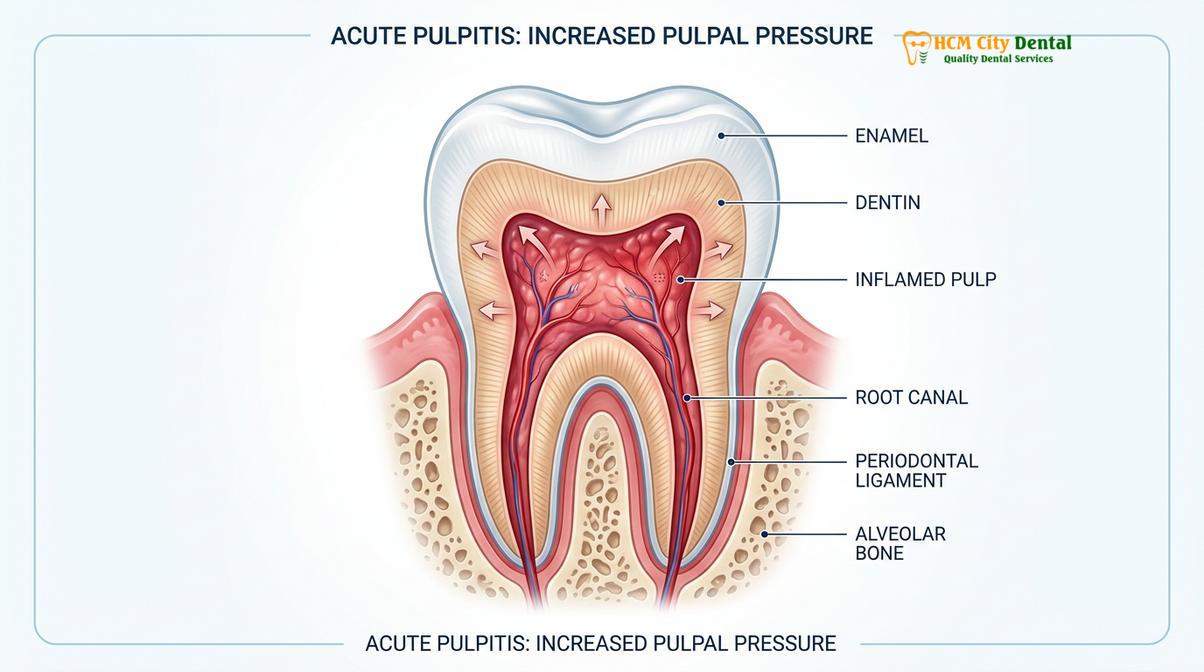
Beyond the physiological changes in blood pressure, psychological and environmental factors also play a significant role in the perception of pain. During daylight hours, the brain is constantly processing a multitude of sensory inputs—work tasks, conversations, physical activities, and visual stimuli. This high cognitive load acts as a natural distraction, effectively modulating and down-regulating the brain’s perception of nociceptive (pain) signals. At night, as the environment becomes quiet and external stimuli fade away, the central nervous system has fewer distractions. Consequently, the brain focuses entirely on the localized pain signals emanating from the trigeminal nerve, making the discomfort feel exponentially more intense and unbearable.
Another critical factor contributing to nighttime dental pain is sleep bruxism, the involuntary grinding or clenching of teeth during sleep. Patients who suffer from bruxism exert tremendous occlusal forces on their dentition, sometimes exceeding 250 pounds of pressure per square inch. If a tooth is already inflamed, cracked, or suffering from periodontal ligament strain, this extreme mechanical stress will trigger acute pain episodes that can jolt a patient awake. The continuous micro-trauma associated with nocturnal clenching exacerbates existing inflammation, creating a vicious cycle of pain and muscle tension that severely disrupts the sleep architecture.
Clinical Strategies to Reduce Nighttime Throbbing
Effective nighttime pain reduction relies on minimizing pulpal pressure through head elevation, applying cold compresses to constrict blood vessels, and maintaining strict oral hygiene.
When confronted with a severe toothache in the middle of the night, implementing immediate, evidence-based clinical strategies is crucial for achieving temporary relief. The primary objective of these interventions is to counteract the physiological factors driving the pain—specifically, reducing localized inflammation, lowering intrapulpal pressure, and desensitizing the hyperactive nerve pathways. A multi-modal approach that combines physical therapies with environmental modifications yields the highest success rate for nighttime tooth pain relief.
One of the most effective physical interventions is the application of cold therapy. Applying a cold compress or an ice pack wrapped in a soft cloth to the external surface of the cheek adjacent to the affected tooth induces localized vasoconstriction. By narrowing the blood vessels in the maxillofacial region, cold therapy reduces the volume of blood flowing into the inflamed pulp, thereby decreasing the internal hydrostatic pressure. Furthermore, the cold temperature slows the conduction velocity of the peripheral nerve fibers, effectively numbing the area and providing a temporary analgesic effect. It is clinically recommended to apply the cold compress in intervals of 15 to 20 minutes, followed by a 20-minute resting period, to prevent thermal damage to the facial skin.[2]
Maintaining a pristine oral environment before attempting to sleep is another critical strategy. Food debris trapped in interproximal spaces (between the teeth) or within a cavitated lesion can exert direct mechanical pressure on the exposed dentin or gingival tissues, exacerbating the pain. Furthermore, the bacterial fermentation of residual carbohydrates produces acidic byproducts that further irritate the compromised nerve. A gentle but thorough oral hygiene routine is mandatory. Patients should use a soft-bristled toothbrush to carefully clean the affected area, followed by meticulous flossing to dislodge any trapped particulate matter. Vigorously rinsing the mouth with a warm saline solution (half a teaspoon of salt dissolved in eight ounces of warm water) serves a dual purpose: it acts as a mild antiseptic to reduce the bacterial load and utilizes osmotic pressure to draw excess fluid out of edematous (swollen) gingival tissues, thereby reducing localized swelling.
Dr. Nguyen Van Cuong, a leading specialist at HCMC Dental Clinic, frequently advises patients on the importance of avoiding thermal and chemical triggers prior to bedtime. “When the dental pulp is in a state of hyperemic inflammation, it becomes exquisitely sensitive to extreme temperatures and osmotic changes,” explains Dr. Cuong. “Consuming very hot teas, ice-cold beverages, or highly acidic and sugary foods right before sleep can trigger a severe, lingering pain response that makes resting impossible. Patients must stick to room-temperature water and bland, soft foods in the hours leading up to bedtime.”

To provide a clear comparison of physical interventions, the following table outlines the clinical indications and mechanisms of common nighttime relief strategies:
| Intervention Strategy | Clinical Mechanism of Action | Recommended Application | Contraindications |
|---|---|---|---|
| External Cold Compress | Induces vasoconstriction, reduces pulpal blood flow, and slows nerve conduction velocity. | 15-20 minutes on the external cheek, followed by a 20-minute rest period. | Do not apply ice directly to the skin or the tooth itself. |
| Warm Saline Rinse | Utilizes osmotic pressure to reduce gingival edema and provides mild antiseptic benefits. | Gently swish 8oz of warm water with 1/2 tsp salt for 60 seconds, then spit. | Avoid if the water temperature is too hot, which may trigger thermal pain. |
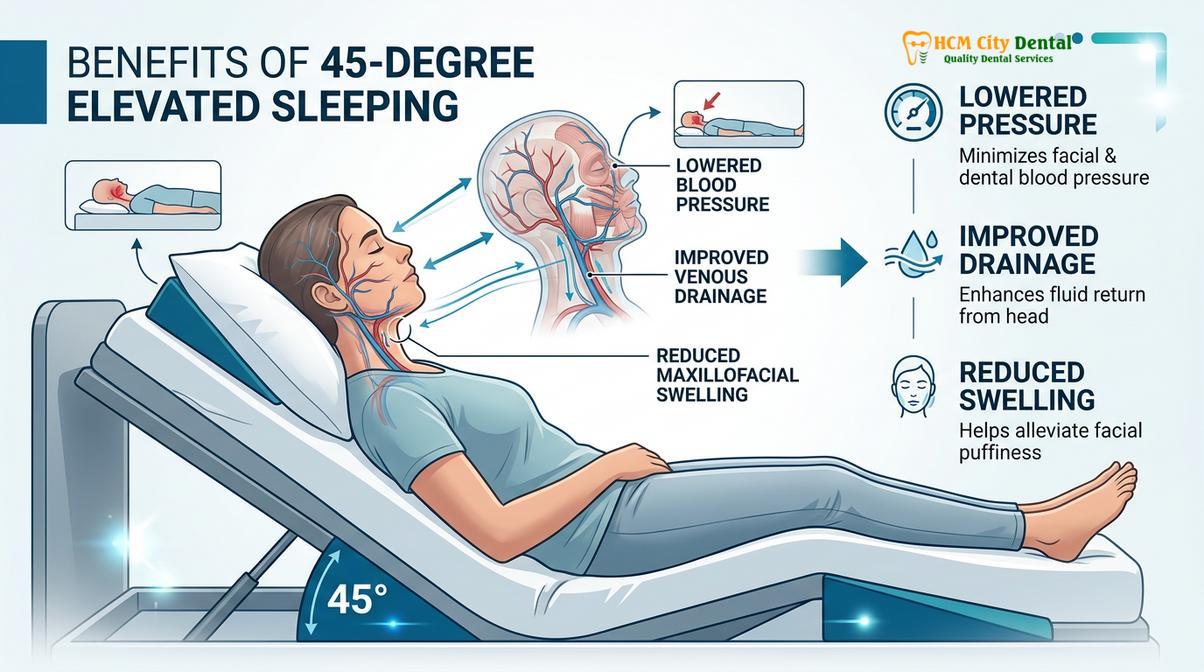
| Head Elevation | Reduces hydrostatic cardiovascular pressure in the maxillofacial region via gravity. | Prop the head up at a 45-degree angle using a wedge pillow or multiple stacked pillows. | Patients with severe cervical spine issues should modify the angle for comfort. |
| Interdental Cleaning | Removes mechanical pressure from trapped food debris and reduces localized bacterial load. | Carefully use dental floss or an interdental brush around the affected tooth. | Avoid aggressive snapping of the floss into inflamed gingival papillae. |
Safe Over-the-Counter Pain Relief Options
Non-steroidal anti-inflammatory drugs (NSAIDs) like ibuprofen are the first-line defense for dental pain, often combined with acetaminophen for synergistic relief when dosed correctly.
When physical strategies are insufficient to manage severe nocturnal discomfort, pharmacological intervention becomes necessary. Over-the-counter (OTC) analgesics are highly effective for dental pain management sleep protocols, provided they are used in accordance with established clinical guidelines. The most effective class of medications for odontogenic pain are Non-Steroidal Anti-Inflammatory Drugs (NSAIDs), with ibuprofen being the gold standard. The efficacy of ibuprofen lies in its specific mechanism of action: it inhibits the cyclooxygenase (COX-1 and COX-2) enzymes, which are responsible for synthesizing prostaglandins. Prostaglandins are lipid compounds that mediate the inflammatory response and heavily sensitize the nociceptors (pain receptors) in the dental pulp. By blocking their production, ibuprofen not only masks the pain but actively reduces the underlying inflammation driving the pressure within the tooth.[3]
For patients experiencing excruciating pain that is not fully controlled by ibuprofen alone, clinical protocols often recommend the concurrent use of acetaminophen (paracetamol). Unlike NSAIDs, acetaminophen does not have strong anti-inflammatory properties; instead, it acts centrally within the brain and spinal cord to elevate the overall pain threshold. When ibuprofen and acetaminophen are taken together, they provide a synergistic analgesic effect, attacking the pain from both peripheral (at the site of the tooth) and central (within the nervous system) pathways. Recent clinical studies have demonstrated that the combination of 400mg of ibuprofen and 500mg of acetaminophen can provide pain relief comparable to, or even exceeding, that of prescription opioid medications, without the associated risks of dependency or severe systemic side effects.
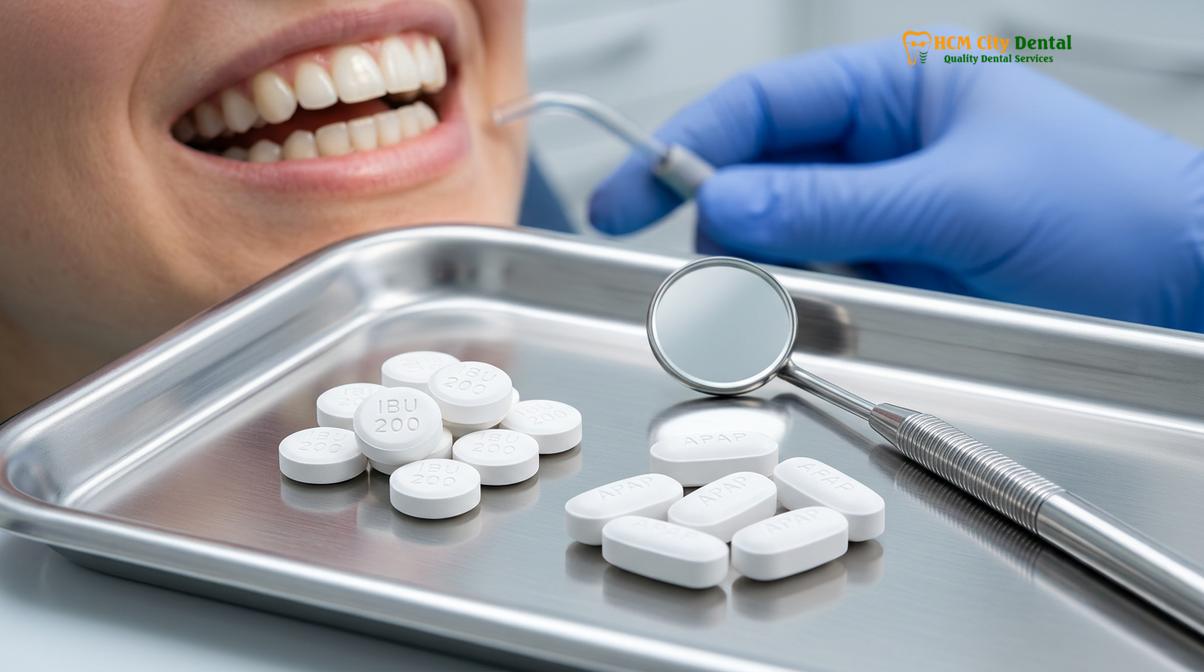
However, the administration of any medication must be approached with caution and a clear understanding of the patient’s medical history. NSAIDs are contraindicated for individuals with a history of severe gastrointestinal ulcers, bleeding disorders, or certain cardiovascular conditions. Acetaminophen, while generally safe, is metabolized by the liver; exceeding the maximum daily dose (typically 4000mg for a healthy adult) can lead to severe hepatotoxicity. It is imperative that patients read all medication labels carefully, adhere strictly to the recommended dosing intervals, and consult with a pharmacist or healthcare provider if they are taking other prescription medications to avoid adverse drug interactions.
Clinical Warning: The Aspirin Burn Hazard
A dangerous and pervasive myth is that placing a crushed aspirin tablet directly against the aching tooth or surrounding gums will provide faster relief. Never apply aspirin directly to the oral tissues. Aspirin is acetylsalicylic acid. When placed against the delicate oral mucosa, it causes a severe chemical burn, leading to tissue necrosis (death of the tissue), massive ulceration, and a significant increase in pain. All oral analgesics must be swallowed and processed through the gastrointestinal tract to be effective and safe.
In addition to oral medications, topical anesthetics containing benzocaine can offer brief, localized relief. These gels or liquids are applied directly to the gingival tissue surrounding the affected tooth, temporarily blocking the sodium channels in the peripheral nerve endings and preventing the transmission of pain signals. While useful for taking the edge off the pain long enough to fall asleep, topical anesthetics have a very short duration of action and are quickly washed away by saliva. They should be used sparingly and strictly according to the manufacturer’s instructions, as excessive application can lead to a rare but serious condition called methemoglobinemia, which reduces the amount of oxygen carried in the blood.
Ideal Sleeping Positions for Toothache Relief
Sleeping with the head elevated above the heart using a wedge pillow prevents blood pooling in the maxillofacial region, significantly reducing nocturnal dental throbbing.
The biomechanics of sleep posture play a surprisingly critical role in the management of acute dental pain. As previously established, the transition to a supine (flat on the back) position eliminates the gravitational pull that normally keeps blood from pooling in the head and neck. This localized vascular engorgement directly translates to increased hydrostatic pressure within the inflamed dental pulp. Therefore, manipulating the sleeping posture to reintroduce a gravitational advantage is a highly effective, non-pharmacological method for mitigating pain.
The optimal sleeping position for a patient suffering from a toothache is an elevated supine posture. By propping the head and upper torso up at an angle of approximately 30 to 45 degrees, the patient can significantly reduce the volume of blood flowing into the maxillofacial region. This elevation can be achieved by utilizing a specialized medical wedge pillow, which provides uniform support to the cervical spine and upper back, preventing neck strain. Alternatively, stacking two or three firm pillows can create a similar incline. It is crucial that the elevation supports the entire upper torso rather than just bending the neck forward, as a sharp bend in the cervical spine can restrict the airway and cause muscular discomfort.[4]
“Postural modifications, specifically elevating the head above the level of the heart, remain one of the most immediate and effective non-pharmacological interventions for reducing intrapulpal hydrostatic pressure and alleviating the throbbing characteristic of acute irreversible pulpitis during nocturnal hours.”
— International Endodontic Journal
In addition to elevation, lateral decubitus positioning (sleeping on your side) must be carefully managed. If a patient prefers to sleep on their side, it is imperative that they sleep on the unaffected side. For example, if the severe toothache is located in the lower right quadrant of the jaw, the patient should sleep on their left side. Sleeping on the affected side compresses the facial tissues against the pillow, increasing localized tissue temperature and restricting venous drainage, both of which will exacerbate the inflammatory response and intensify the pain. Maintaining a cool, well-ventilated sleeping environment also helps regulate core body temperature, preventing the vasodilation associated with overheating, which can further contribute to pulpal pressure.
Home Remedies vs Dangerous DIY Hacks
While warm saline rinses and eugenol-based clove oil offer safe, temporary relief, applying topical alcohol or attempting to drain an abscess at home can cause severe tissue necrosis.
In the desperate search for relief at 3:00 AM, patients often turn to the internet for home remedies. It is vital to distinguish between scientifically supported, safe temporary measures and dangerous DIY hacks that can cause irreversible damage to the oral cavity. Evidence-based home remedies focus on soothing the tissues and providing mild antiseptic benefits without introducing caustic substances or mechanical trauma.
One of the most historically documented and clinically recognized natural remedies is the use of clove oil. Clove oil contains a high concentration of eugenol, a natural chemical compound that possesses both anesthetic and antibacterial properties. Eugenol works by inhibiting voltage-gated sodium channels in the nerve membrane, effectively numbing the area. When used correctly, it can provide significant temporary relief. The proper clinical application involves placing a single drop of clove oil onto a small cotton pellet and gently dabbing it onto the cavitated area of the tooth. It is crucial to avoid saturating the cotton or allowing the oil to pool on the surrounding gingival tissues, as high concentrations of eugenol can cause chemical irritation to the soft mucosa.[5]
Conversely, the internet is rife with dangerous DIY hacks that must be strictly avoided. A common and highly destructive myth involves swishing or applying high-proof alcohol (such as whiskey or vodka) directly to the painful tooth. While alcohol is a central nervous system depressant when consumed, applying it topically to inflamed oral mucosa causes severe dehydration of the tissues, chemical burns, and sloughing of the gingival epithelium. This not only fails to treat the underlying pulpal infection but creates a secondary source of intense pain and delays the healing process.
Clinical Case Review: The Dangers of DIY Interventions
A 34-year-old patient presented to HCMC Dental Clinic in Ho Chi Minh City with severe facial swelling and excruciating pain. The previous night, attempting to manage a throbbing toothache, the patient had used a sterilized sewing needle to attempt to “drain” what they believed was a gum boil. This mechanical trauma not only failed to reach the deep periapical abscess but introduced new, aggressive skin flora into the fascial spaces of the jaw. Dr. Nguyen Van Cuong had to perform an emergency incision and drainage procedure, followed by the administration of intravenous antibiotics, to halt the rapidly spreading cellulitis. This case underscores the critical importance of leaving invasive procedures to trained dental professionals.
Another dangerous practice is the use of household chemicals, such as hydrogen peroxide or bleach, in an attempt to “kill the nerve.” These substances are highly cytotoxic and will cause massive tissue necrosis, potentially leading to the loss of the tooth and severe damage to the surrounding alveolar bone. Patients must understand that a toothache is a medical symptom indicating a structural or infectious problem that requires professional diagnostic imaging and clinical treatment. Home remedies are strictly a bridge to professional care, never a substitute.
When Nighttime Tooth Pain Means an Urgent Morning Visit
Severe symptoms such as facial swelling, fever, or difficulty swallowing indicate a spreading infection requiring immediate emergency care to prevent systemic complications.
While many instances of toothache at night can be temporarily managed with the strategies outlined above, certain clinical presentations demand immediate professional intervention. Recognizing the red flags of a severe odontogenic infection is critical for preventing life-threatening systemic complications. A localized toothache, while painful, is generally confined to the tooth and immediate surrounding periodontal ligament. However, if the bacterial infection breaches the apex (tip) of the tooth root, it can rapidly spread into the surrounding jawbone and fascial spaces of the head and neck.
When to See a Doctor
Patients must seek immediate urgent dental care interventions if their nighttime pain is accompanied by any of the following severe symptoms:
- Significant Facial Swelling: Asymmetry of the face, particularly swelling that extends to the eye, cheek, or down into the neck, indicates a rapidly spreading cellulitis or a massive periapical abscess.
- Difficulty Swallowing or Breathing (Dysphagia/Dyspnea): Swelling in the lower jaw that pushes the tongue upward or compromises the airway is a medical emergency. This can be indicative of Ludwig’s angina, a potentially fatal infection of the submandibular space.
- Systemic Fever and Chills: A high body temperature accompanying a toothache signifies that the localized dental infection has entered the systemic circulation, raising the risk of sepsis.
- Unremitting Pain Unresponsive to Analgesics: If maximum safe doses of combined ibuprofen and acetaminophen provide zero relief, the intrapulpal pressure or infectious load has reached a critical threshold requiring immediate surgical decompression (such as an emergency pulpectomy or extraction).
If you experience these red flags during the night and cannot reach an after-hours dental provider, it is clinically appropriate to visit the nearest hospital emergency department. While emergency room physicians typically do not perform restorative dental procedures, they can administer intravenous antibiotics, provide potent analgesia, and secure the airway until a dental specialist is available.
For pain that is severe but lacks these systemic red flags, your morning game plan should be to contact a reputable clinic immediately upon opening. At facilities like HCMC Dental Clinic, emergency triage protocols are designed to accommodate patients suffering from acute pain. During your morning visit, the clinical team will perform a comprehensive diagnostic evaluation, including digital radiography and vitality testing, to pinpoint the exact source of the infection. Depending on the diagnosis, the treatment may involve initiating root canal therapy to remove the necrotic pulp, prescribing a targeted course of antibiotics, or, in cases of non-restorable damage, performing a surgical extraction. Following the resolution of the emergency, patients are strongly encouraged to engage with comprehensive general dentistry services to restore the tooth and prevent future acute episodes.
Frequently Asked Questions
Why does my tooth hurt more when I lie down?
Lying down increases hydrostatic blood pressure in your head, which forces more blood into the inflamed dental pulp, intensifying the throbbing pain. Because the tooth’s rigid outer layers cannot expand, this vascular engorgement severely compresses the internal nerve fibers, leading to heightened nocturnal discomfort. Gravity no longer assists in pulling blood away from the maxillofacial region, causing a localized pressure spike that hyper-sensitizes the already irritated trigeminal nerve pathways.
What is the fastest way to stop a toothache at night?
The fastest temporary relief involves taking a combination of over-the-counter ibuprofen and acetaminophen, keeping your head elevated on multiple pillows, and applying a cold compress to the external jaw. This multi-modal approach simultaneously reduces inflammation, lowers localized blood pressure, and numbs the affected nerve pathways. Additionally, ensuring the mouth is free of food debris by gently rinsing with warm salt water can remove mechanical triggers that exacerbate the pain.
Can I sleep with a toothache?
Yes, you can sleep with a toothache by adopting an elevated sleeping posture and utilizing appropriate anti-inflammatory medications before bed. Maintaining a strict oral hygiene routine and avoiding thermal triggers like hot or cold beverages right before sleep also minimizes sudden pain spikes, allowing for better rest. Distraction techniques, such as listening to white noise or calming audio, can also help shift the brain’s focus away from the localized nociceptive signals.
How much paracetamol can I take for a toothache?
For adults, the standard clinical dose of paracetamol (acetaminophen) is 500mg to 1000mg every four to six hours, not exceeding 4000mg in a 24-hour period. It is crucial to read all medication labels carefully and consult a pharmacist to ensure you do not exceed the maximum daily limit, especially if taking combination drugs. Patients with liver disease or those who consume alcohol heavily must consult a physician before using paracetamol.
Should I go to an after-hours dentist for night pain?
You should seek immediate after-hours emergency care if your toothache is accompanied by severe facial swelling, difficulty breathing, swallowing impairment, or a high fever. If the pain is localized and manageable with over-the-counter painkillers, you can safely wait until the morning to visit your regular dental clinic for a comprehensive diagnostic evaluation. Always prioritize airway security and systemic health when evaluating the urgency of a dental infection.
References
- Journal of Endodontics. Hemodynamic changes in inflamed dental pulp. (2021).
- American Dental Association. Pharmacological management of acute dental pain. (2022).
- International Endodontic Journal. Posture and pulpal pressure dynamics. (2019).
- Journal of Oral and Maxillofacial Surgery. Odontogenic infections and emergency triage. (2020).
- British Dental Journal. Efficacy of topical eugenol in acute pulpitis. (2018).
Read also: Discover how these appliances differ by reading about wearing a night guard vs retainer, and how you can get a night guard for TMJ relief.