Baby Teeth Chart: Essential Milestones [Parent’s Guide] | Dr. Cuong

The Complete Baby Teeth Chart & Teething Guide from a Dental Specialist. Read now to understand your child's dental milestones and ensure a healthy...
The emergence of a child’s primary dentition represents a pivotal developmental milestone, frequently prompting questions and concerns among parents. The progression from initial eruption to a complete set of 20 primary teeth is a dynamic process, and understanding its nuances is essential. Common parental inquiries often revolve around typical eruption timelines, effective symptom management, and ensuring optimal dental development during this formative period.
This comprehensive guide is meticulously designed to serve as an authoritative resource for parents. Moving beyond a simple baby teeth chart, we will thoroughly detail the typical baby teething schedule, delineate associated symptoms, present evidence-based care techniques, and provide clear indications for when professional dental intervention is warranted. Our objective is to empower you with the knowledge and confidence to proactively support your child’s lifelong oral health, grounded in clinical expertise and the latest dental science.
Understanding the Primary Tooth Chart: More Than Just Placeholders
Baby teeth, also known as primary or milk teeth, are critically important. A common misconception is that they don’t matter because they eventually fall out. However, these 20 teeth are essential for your child’s health and development. They are born with a full set of teeth hidden within their gums.
- Proper Nutrition: They help your child chew and grind food effectively.
- Speech Development: Primary teeth are crucial for forming sounds and speaking clearly.
- Jaw Development: They act as space-savers, guiding the permanent adult teeth into their correct positions.
- Confidence: A healthy smile contributes to a child’s self-esteem.
Losing a baby tooth prematurely due to decay can lead to crowding and alignment issues for the permanent teeth later on. This is why understanding the primary tooth chart and providing proper care from day one is a cornerstone of lifelong oral health.
The Complete Baby Teeth Growth Chart: Eruption Timeline
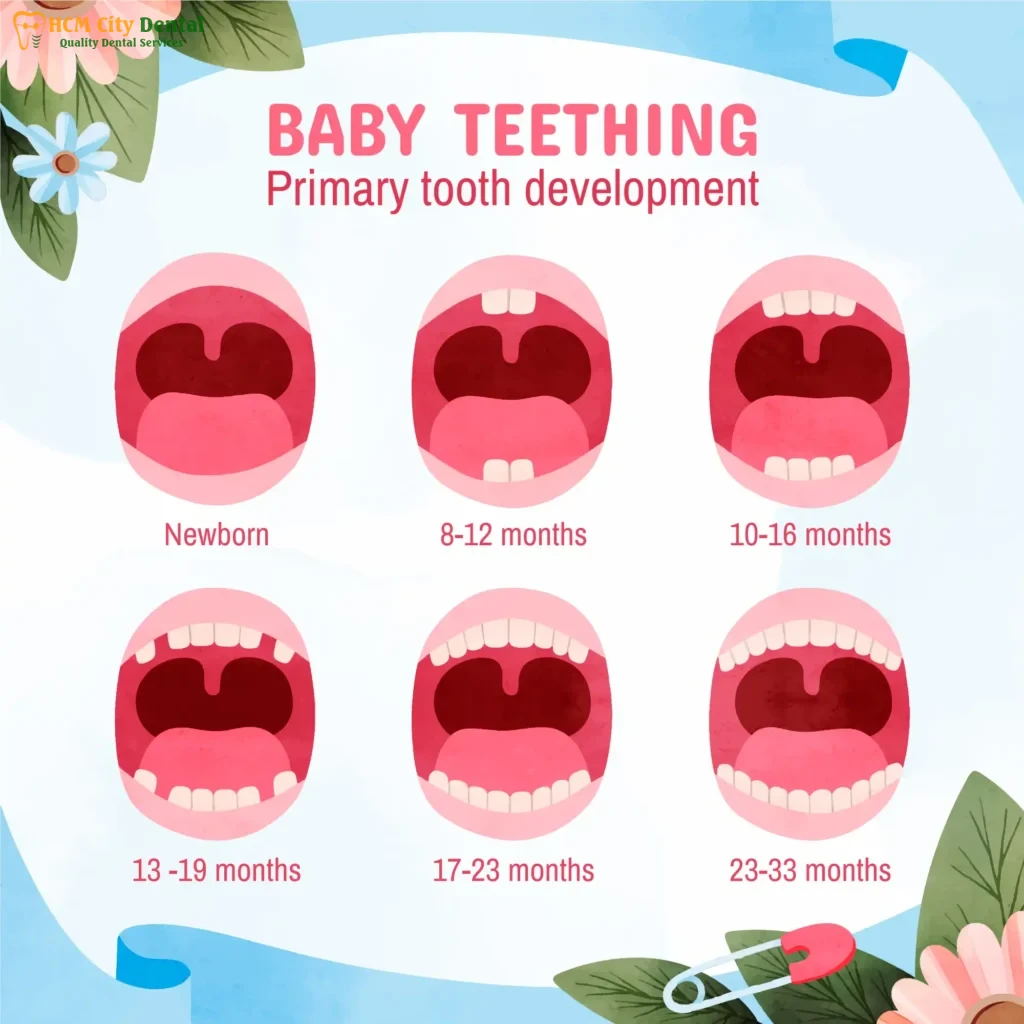
While every child is different, the eruption of baby teeth generally follows a predictable pattern and timeline. Most babies get their first tooth around 6 months of age, but it can happen as early as 3-4 months or as late as 12-14 months. By age 3, most children will have their complete set of 20 primary teeth. The following teeth growth chart provides a general guide to when you can expect each tooth to appear.
| Tooth Name | Location | Typical Eruption Age |
|---|---|---|
| Central Incisors | Lower | 6-10 months |
| Central Incisors | Upper | 8-12 months |
| Lateral Incisors | Upper | 9-13 months |
| Lateral Incisors | Lower | 10-16 months |
| First Molars | Upper | 13-19 months |
| First Molars | Lower | 14-18 months |
| Canines (Cuspids) | Upper | 16-22 months |
| Canines (Cuspids) | Lower | 17-23 months |
| Second Molars | Lower | 23-31 months |
| Second Molars | Upper | 25-33 months |

baby teeth chart
Decoding the Baby Teething Schedule: Symptoms and Relief
The baby teething schedule is more than just a timeline; it’s a period that can bring discomfort for your little one. As teeth push through the gums, they can cause soreness and irritability. Recognizing the signs is the first step to providing comfort.
Common Signs of Teething
In my experience treating thousands of young patients, parents report a consistent set of symptoms. While some babies sail through teething with no issues, most will experience some of the following:
- Increased Drooling: Excessive saliva is very common and can sometimes lead to a mild facial rash.
- Sore and Swollen Gums: The area where a tooth is about to erupt may look red and tender.
- Irritability and Fussiness: Discomfort can make your baby more cranky than usual.
- Chewing or Gnawing: Biting on fingers, toys, or anything they can find helps relieve pressure on the gums.
- Disturbed Sleep: Gum discomfort can disrupt napping and nighttime sleep.
- Slight Temperature Increase: A very mild temperature elevation can occur. However, a fever above 100.4°F (38°C) is not caused by teething and warrants a call to your pediatrician.
- Ear Rubbing or Cheek Pulling: Pain from the jaw can sometimes radiate to the cheeks and ears.
Expert Note from Dr. Cuong: It’s crucial to distinguish normal teething symptoms from signs of illness. Teething does not cause high fever, diarrhea, or vomiting. If your child exhibits these more severe symptoms, it is important to consult your pediatrician to rule out other causes.
Safe and Effective Teething Relief
A common question I get from parents at HCMCDental.com is how to safely soothe their teething baby. The goal is to provide comfort without resorting to unsafe methods.
- Counter-pressure: Gently rubbing your baby’s gums with a clean finger can provide significant relief.
- Chilled Objects: A solid rubber teething ring or a clean, wet washcloth chilled in the refrigerator (not frozen) can be very soothing to chew on. Avoid liquid-filled teethers that can break.
- Hard Foods (with supervision): If your baby is eating solids, offering a large, hard vegetable like a chilled peeled carrot can be helpful, but always supervise them closely to prevent choking.
- Wipe Away Drool: Keep the skin around your baby’s mouth and chin dry to prevent rashes.
Still have questions? The teething process can be challenging. Call our Hotline/WhatsApp now at +84853020003 for a direct, completely free consultation with Dr. Cuong! We can provide personalized advice for your child’s situation.

baby teeth chart
From My Clinical Experience: Navigating the Infant Teeth Chart
Over many years of practice, I’ve found that while the infant teeth chart is a great guide, real-life development can have variations. Parents often worry about these differences, but most are perfectly normal.
“My Baby’s Teeth Are Coming in Out of Order. Should I Worry?”
This is one of the most common concerns I address. A frequent scenario at our clinic is a parent worried because their baby’s top teeth came in before the bottom ones, or a lateral incisor appeared before a central one. While the chart shows a typical sequence, it’s not unusual for teeth to erupt in a slightly different order. The key is symmetrical development; as long as teeth eventually appear in pairs on both sides, minor changes to the order baby teeth chart are generally not a cause for alarm.
Dr. Cuong’s Clinical Insight: The genetic blueprint for teething has a lot of normal variability. The eruption sequence is more of a common pattern than a strict rule. My primary concern is not the exact order, but whether all 20 teeth erupt successfully by around age 3 and that they are kept clean and healthy from the moment they appear.
When to See a Dentist: Red Flags in Your Infant’s Teeth Growth Chart
While variations are normal, there are specific situations where a professional consultation is necessary. Based on clinical observations and established guidelines, I advise parents to schedule a visit if they notice the following:
- No teeth by 18 months: If your toddler’s smile is still completely gummy by 18 months, a dental check-up is recommended to ensure there are no underlying developmental issues.
- Highly Asymmetrical Eruption: If a tooth on one side erupts but its partner on the other side doesn’t appear within several months.
- Concerns about Tooth Color, Shape, or Size: Any abnormalities in the appearance of the teeth should be evaluated.
- Trauma or Injury: Any fall or accident involving your child’s mouth requires immediate dental assessment.
Early detection is key. Get a 10% discount on your first appointment! Book an appointment online at HCMCDental.com to ensure your child’s dental development is on the right track.

baby teeth chart
Caring for Primary Teeth: A Foundation for a Healthy Future
Proper oral hygiene must begin even before the first tooth appears. This establishes a routine and ensures the health of the primary teeth that are so vital for the future permanent set.
Brushing and Oral Care from Day One
Your child’s dental care journey begins at birth.
- Before Teeth Erupt (0-6 months): After feedings, gently wipe your baby’s gums with a clean, damp cloth or gauze. This removes bacteria and gets them accustomed to oral cleaning.
- First Tooth and Beyond: As soon as the first tooth appears, start brushing twice a day with a soft-bristled infant toothbrush. Use a smear of fluoride toothpaste the size of a grain of rice.
- Flossing: Once any two teeth are touching, you should begin flossing between them daily.
The Importance of the First Dental Visit
According to the American Academy of Pediatric Dentistry (AAPD), a child’s first dental visit should occur within six months of the first tooth erupting, or by their first birthday, whichever comes first. This initial visit is crucial for several reasons:
- Prevention: We can identify any early risks for cavities and provide tailored advice on diet and hygiene.
- Education: It’s the perfect opportunity for parents to learn proper cleaning techniques and ask questions.
- Acclimatization: Early, positive experiences at the dental clinic help reduce fear and anxiety for future visits.

baby teeth chart
Losing Baby Teeth: The Shedding Timeline
Around age 6, the next exciting phase begins: losing baby teeth to make way for the permanent ones. This process continues until around age 12. The teeth typically fall out in the same order they came in.
| Tooth Name | Typical Shedding Age |
|---|---|
| Central Incisors | 6-7 years |
| Lateral Incisors | 7-8 years |
| First Molars | 9-11 years |
| Canines (Cuspids) | 9-12 years |
| Second Molars | 10-12 years |
A Word of Advice: When a tooth becomes loose, encourage your child to wiggle it gently. It’s important not to leave a very loose tooth for too long, as it can make cleaning difficult and harbor bacteria. However, never force a tooth out before it’s ready.

baby teeth chart
Frequently Asked Questions (FAQ)
What is the best infant teeth chart to follow?
Any chart from a reputable dental source like the American Dental Association provides a reliable guide. However, remember that the infant teeth chart is an average timeline. It’s more important to watch for the general pattern of eruption and maintain good oral hygiene than to worry about exact dates.
How many teeth should my 2-year-old have?
By age two, most children have about 16 teeth. By their third birthday, the full set of 20 primary teeth, including the second molars, has usually erupted. The toddler teeth chart phase is when those back molars make their appearance.
Is there a difference between a milk teeth chart and a baby teeth chart?
No, there is no difference. “Milk teeth,” “primary teeth,” and “baby teeth” are all terms for the same first set of 20 teeth. A milk teeth chart will show the same eruption and shedding information as a baby teeth chart.
What does the complete baby teething schedule look like from start to finish?
The complete baby teething schedule starts with the eruption of the first tooth around 6 months and finishes when the last primary tooth (usually the second molars) comes in around age 3. The process then continues with the shedding phase, which starts around age 6 and ends around age 12.
My baby has gaps between their teeth. Is this a problem?
In my clinical experience, this is a question that causes a lot of undue worry. Gaps between baby teeth are not only normal but desirable. These spaces are nature’s way of saving room for the larger permanent teeth that will follow. A lack of space in the primary dentition can be an early indicator of future crowding.
Can teething cause a fever?
Teething can cause a slight rise in body temperature, but it does not cause a true fever (a temperature of 100.4°F or 38°C or higher). If your baby has a high fever, it is a sign of an underlying illness, and you should contact your pediatrician.
When should I be concerned about my child’s teething?
You should consult a dentist if your child has no teeth by 18 months, if teeth are coming in a very asymmetrical pattern, or if you notice anything unusual about the teeth themselves. Early consultation can provide peace of mind and ensure timely intervention if needed.
baby teeth chart
Your Partner in Your Child’s Dental Health
Navigating your child’s dental milestones, from the first tooth on the baby teeth chart to the last, is a journey. Understanding the process, providing gentle care, and establishing a dental home early are the keys to setting them up for a lifetime of healthy smiles. Remember that these charts and timelines are guides, and your child’s unique path is what truly matters.
At HCMCDental.com, we are dedicated to providing expert, compassionate care for our youngest patients. We believe in empowering parents with the best information to make confident decisions for their family’s health.
Ready to ensure your child’s smile is off to the best start? Call our Hotline/WhatsApp at +84853020003 for a free consultation or book your first appointment online today and receive a 10% discount!
This article was medically reviewed and written by Dr. Cuong.
Important Disclaimer
The information provided in this article is for educational and informational purposes only and is not intended as a substitute for professional medical advice, diagnosis, or treatment. Always seek the advice of your dentist or another qualified health provider with any questions you may have regarding a medical condition. Never disregard professional medical advice or delay in seeking it because of something you have read in this article.
Written and Medically Reviewed By
Dr. Cuong is a leading specialist in Odontostomatology with over 15 years of clinical experience in pediatric and general dentistry. He is the head dentist at HCMCDental.com, where he is dedicated to providing patient-centric care grounded in the latest scientific research. Dr. Cuong has successfully treated thousands of children, focusing on preventive care and creating positive dental experiences. His expertise lies in early childhood dental development, restorative dentistry, and patient education, making him a trusted voice for families seeking reliable dental guidance.
For professional children’s dental care, preventive sealants, or to schedule a check-up, visit our Children & Pediatric Dentistry service page at HCMC Dental Clinic in Ho Chi Minh City.