Stop Baby Teething Fever Discomfort: 7 Proven Relief Tips | Dr. Cuong

Is your baby fussy, drooling, and warm to the touch? As a parent, it's natural to worry when your little one shows signs of discomfort. I'm Dr. Cuong,...
Witnessing your baby experience discomfort, increased drooling, or an elevated temperature during teething can naturally raise parental concern. The term ‘baby teething fever’ is frequently used, yet its medical accuracy and implications are often misunderstood. This article is crafted to provide clear, medically informed answers and practical, evidence-based guidance for parents navigating this common developmental phase. Drawing upon extensive clinical understanding, we will thoroughly explore the actual physiological processes occurring during teething, delineate its true symptoms, and crucially, differentiate between mild discomfort associated with tooth eruption and signs that may warrant further medical attention. Our objective is to empower you with authoritative knowledge, enabling you to confidently assess your child’s condition and apply safe, effective relief strategies, ensuring both peace of mind and your baby’s comfort.
Understanding “Baby Teething Fever”: Separating Fact from Fiction
As a dental specialist, one of the most frequent concerns I address for parents is the connection between teething and fever. It’s a period filled with questions and anxiety. Let’s clarify what the science and my clinical experience show us about this common issue.
What is Teething and What are the True Symptoms?
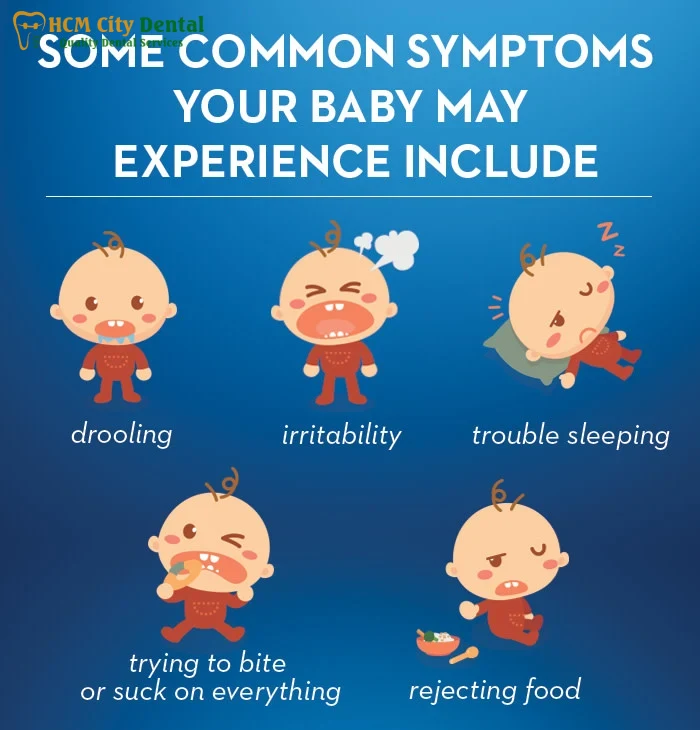
Teething is the natural process where your baby’s first teeth, known as primary teeth, emerge through the gums. This typically starts between 6 and 12 months of age. The pressure of the tooth moving upwards causes inflammation and discomfort in the gum tissue. Based on my experience treating thousands of young patients, the classic, scientifically-backed signs of teething are quite specific:
- Increased Drooling: Saliva production ramps up, which can sometimes lead to a mild rash on the chin or cheeks.
- Gum Irritation: The gums where a tooth is erupting may appear red, swollen, and tender.
- Urge to Chew: Babies will often try to gnaw on their hands, toys, or anything they can reach to counter the pressure on their gums.
- Irritability and Fussiness: Discomfort can naturally lead to a crankier baby, especially at night.
- Slight Changes in Appetite: Some babies may temporarily refuse food because of sore gums.
Can Teething Actually Cause a Fever? The Medical Consensus
This is the crucial question. While many parents report a “baby teething fever,” medical research and organizations like the American Academy of Pediatrics (AAP) are clear: teething itself does not cause a true fever. A true fever is medically defined as a body temperature of 100.4°F (38°C) or higher.
What teething can cause is a slight elevation in your baby’s body temperature due to the minor inflammation in the gums. This is often what parents notice and refer to as a “teething fever,” but it rarely surpasses 100.4°F (38°C). If your child has a temperature of teething fever 38°C or higher, it is almost always a sign of an underlying infection, not just teething.
In my years of practice, I’ve seen countless cases where a fever was mistakenly blamed on teething, delaying the diagnosis of an ear infection, cold, or urinary tract infection. It’s a critical distinction to make for your child’s health. The timing is often coincidental; babies start teething around the same time the immunity they received from their mother begins to wane, making them more susceptible to common childhood illnesses.
baby teething fever
Is a Teething Fever 38°C Dangerous? When to Be Concerned
While a slightly elevated temperature directly from teething isn’t dangerous, a true fever of 38°C (100.4°F) or higher is your baby’s body signaling that it’s fighting something off. The key is to look at the complete picture. A common scenario at our clinic is a parent bringing in a fussy baby with a low-grade temperature, convinced it’s just a tough tooth. While we always check the gums, we also look for other signs to ensure nothing more serious is being missed.
Differentiating Teething Discomfort from Illness
Knowing what symptoms are not associated with teething is just as important as knowing what is. If your baby has a fever accompanied by the following symptoms, it’s time to look beyond the gums and suspect an illness:
- Vomiting or diarrhea
- A widespread rash on the body (not just a drool rash on the face)
- Runny nose or persistent cough
- Inconsolable crying or extreme lethargy
- Refusal to drink fluids
To help you distinguish between the two, here is a clear comparison based on established medical guidelines and clinical observations.
| Symptom | Likely Teething | Likely Illness (Requires Attention) |
|---|---|---|
| Temperature | Normal or slightly elevated (below 100.4°F / 38°C). | True fever of 100.4°F (38°C) or higher. |
| Behavior | Fussy and irritable, but can be comforted. | Inconsolable crying, very sleepy, or looks unwell. |
| Appetite | May temporarily refuse some solid foods. | Refuses all liquids (breast milk, formula, water). |
| Other Signs | Drooling, red/swollen gums, chewing on objects. | Vomiting, diarrhea, cough, runny nose, widespread rash. |
When to Call a Doctor Immediately
Trust your parental instincts. If you are concerned, it is never wrong to seek professional advice. However, you should contact your pediatrician or seek immediate medical care if:
- Your baby is younger than 3 months old and has a fever of 100.4°F (38°C) or higher.
- Your baby is over 3 months old and has a fever that repeatedly rises above 102°F (39°C) or lasts longer than 24 hours.
- The fever is accompanied by other worrying symptoms like a rash, difficulty breathing, vomiting, or seizures.
- Your baby is refusing to drink fluids and shows signs of dehydration (e.g., fewer wet diapers).
Still have questions? Your peace of mind is important. Call our Hotline/WhatsApp now at +84853020003 for a direct, completely free consultation with Dr. Cuong!

baby teething fever
Safe and Effective Solutions: Dr. Cuong’s Recommended Approach
When your baby is uncomfortable, you want solutions that are both safe and effective. Over many years of practice, I’ve guided parents through this phase with a focus on gentle, proven methods. Here’s how you can provide relief at home and what to avoid.
Proven At-Home Relief for Teething Discomfort
The goal is to soothe the sore gums and comfort your baby. Pressure and cold are your best tools.
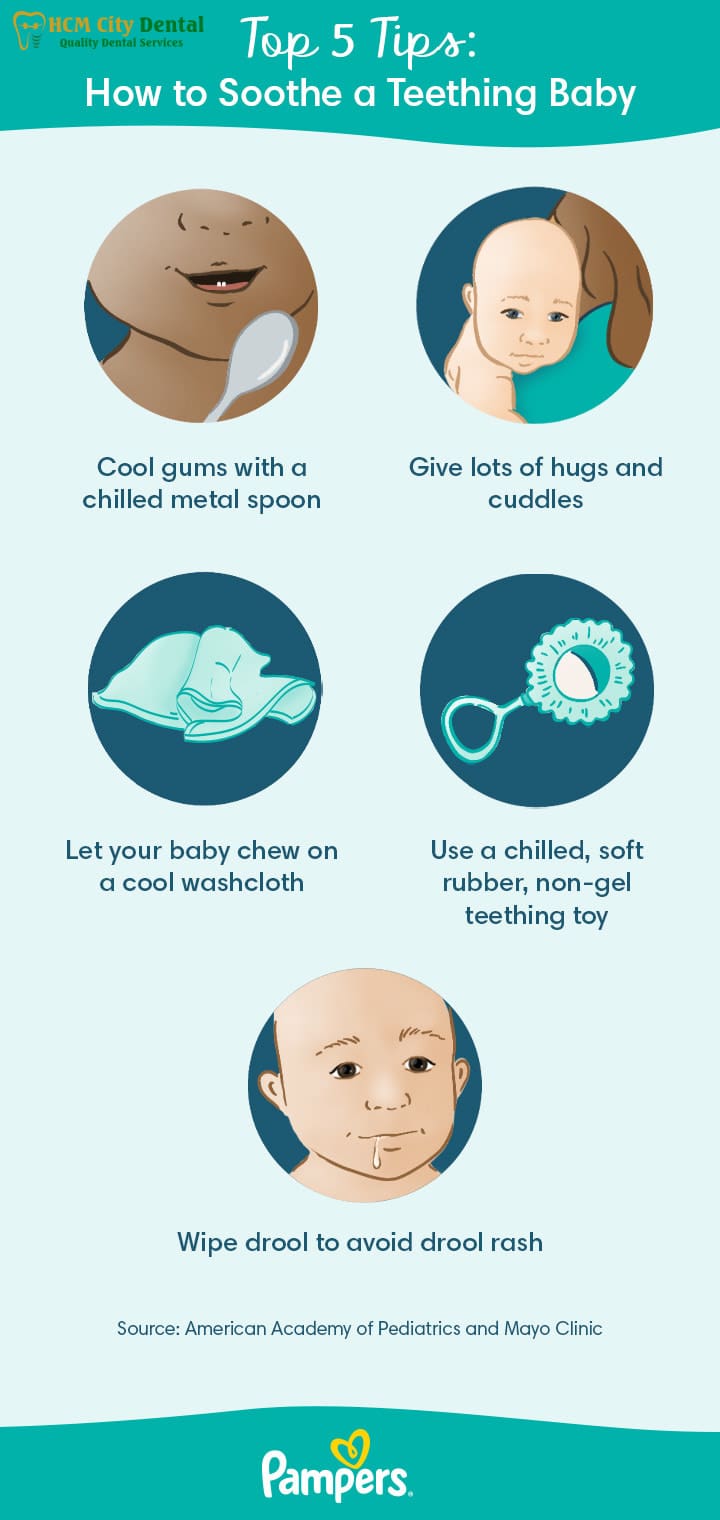
- Gentle Gum Massage: Using a clean finger or a moist piece of gauze, gently rub your baby’s gums. The counter-pressure can provide significant relief.
- Cooled (Not Frozen) Teething Toys: A solid rubber teething ring chilled in the refrigerator can be very soothing. Avoid freezing them, as a frozen ring can be too hard and may damage your baby’s delicate gums. Also, avoid liquid-filled teethers that could break.
- A Chilled Washcloth: A simple, clean, wet washcloth that has been chilled in the fridge is a safe and effective item for your baby to chew on.
- Keep Them Hydrated: Offer plenty of fluids like breast milk, formula, or water (for babies over 6 months) to keep them hydrated, especially if they have a slightly elevated temperature.
What to Avoid: A Specialist’s Warning
The market is flooded with products for teething, but not all are safe. Experience has shown that some popular remedies can be ineffective or even dangerous.
A common mistake I see parents make is reaching for over-the-counter numbing gels or homeopathic teething tablets. The U.S. Food and Drug Administration (FDA) warns against using topical pain relievers containing benzocaine or lidocaine for infants, as they can cause rare but serious side effects. These gels also wash away quickly in saliva, making them largely ineffective.
Here is a quick guide on what to use and what to avoid for your baby’s safety.
| Safe Remedies (Recommended) | Treatments to Avoid (Not Recommended) |
|---|---|
| Clean finger or gauze for gum massage. | Topical numbing gels with benzocaine or lidocaine. |
| Solid rubber teething rings (chilled). | Homeopathic teething tablets (may contain inconsistent ingredients like belladonna). |
| Chilled, wet washcloth. | Amber teething necklaces or bracelets (choking and strangulation hazards). |
| Consult a doctor about infant acetaminophen or ibuprofen for severe discomfort. | Frozen teething objects (can damage gums). |
Managing a Teething Fever 38: A Step-by-Step Guide
If your baby has a confirmed fever of 38°C (100.4°F), remember this is likely due to an illness, not just teething. Your focus should be on comfort and monitoring.
- Confirm the Fever: Use a reliable digital thermometer to get an accurate reading.
- Keep Them Comfortable: Dress your baby in light clothing and avoid over-bundling, even if they have chills. A lukewarm bath can also help.
- Encourage Fluids: Offer breast milk, formula, or water frequently to prevent dehydration.
- Consult Your Pediatrician: If the fever persists or is accompanied by other symptoms, contact your doctor. They may recommend an appropriate dose of infant acetaminophen or ibuprofen to reduce the fever and make your child more comfortable. Never give a baby aspirin.
Navigating your baby’s health can be stressful. A professional check-up can provide both answers and peace of mind. Get a 10% discount on your first appointment! Book an appointment online at HCMCDental.com today.
baby teething fever
Frequently Asked Questions (FAQ)
How long does a baby teething fever last?
A slightly elevated temperature from teething should only last for a day or two, right as the tooth is breaking through the gum. A true fever (38°C or higher) that lasts longer than 24 hours is a sign of illness and requires a doctor’s evaluation.
Can a teething fever 38 cause a rash?
Teething itself does not cause a widespread body rash. Excessive drooling can cause a mild contact rash around the mouth, chin, and neck, but a rash elsewhere on the body, especially with a fever, suggests an illness.
Is it normal for a baby to have diarrhea with a teething fever?
No, diarrhea is not a symptom of teething. If your baby has diarrhea, especially with a fever, it is important to consult a pediatrician as it’s likely caused by a gastrointestinal infection.
What is the best medicine for baby teething fever?
First, it’s vital to understand that a true fever is a sign of illness. For discomfort and fever reduction, you can consult your pediatrician about using infant-specific pain relievers like acetaminophen (for babies over 3 months) or ibuprofen (for babies over 6 months). Always follow the doctor’s and manufacturer’s dosage instructions carefully. Never use numbing gels or homeopathic remedies without medical advice.
When should I be worried about my baby’s teething symptoms?
You should be worried and contact a doctor if your baby has a true fever of 100.4°F (38°C) or higher, is inconsolably fussy, refuses to drink liquids, has vomiting or diarrhea, or seems unusually sleepy or sick. Based on clinical observations, these are clear indicators that something more than just teething is going on.
Why does my baby pull on their ears while teething?
Babies may pull on their ears because the pain from erupting molars in the back of the mouth can radiate towards the cheeks and ears. However, ear-pulling is also a classic sign of an ear infection. If this behavior is accompanied by a fever or significant irritability, it’s best to have a doctor check for an infection.
In my clinical experience, the overlap between teething symptoms and signs of other common childhood illnesses is significant. This is why I always advise parents to be cautious and not automatically attribute every symptom, especially a fever, to teething. A thorough check-up is the best way to ensure your child gets the right care.

baby teething fever
Conclusion: Your Partner in Your Child’s Dental Health
Navigating the milestones of your baby’s first year, including teething, can be both exciting and challenging. The key takeaway is that while teething can cause discomfort and a slightly elevated temperature, a true baby teething fever of 38°C or higher is a red flag for an underlying illness. By learning to distinguish the signs of simple teething from those of a more serious condition, you can provide the right care at the right time.
Remember to rely on safe, mechanical methods like chilled teething toys and gentle gum massage for relief, and steer clear of unproven or potentially harmful products. Most importantly, never hesitate to trust your instincts and consult a professional when you’re concerned.
At HCMCDental, we are committed to providing expert, compassionate care for the youngest members of your family. If you have any more questions or need to schedule a check-up, we are here to help.
This article was medically reviewed and written by Dr. Cuong.
Important Disclaimer
The information provided in this article is for educational purposes only and is not intended as a substitute for professional medical advice, diagnosis, or treatment. Always seek the advice of your pediatrician or another qualified health provider with any questions you may have regarding a medical condition. Never disregard professional medical advice or delay in seeking it because of something you have read on this website.
Written and Medically Reviewed By
Dr. Cuong is a leading Specialist in Odontostomatology at HCMCDental.com. With over a decade of dedicated clinical experience, he has treated thousands of pediatric and adult patients, focusing on providing gentle, evidence-based dental care. Dr. Cuong is passionate about patient education and empowering families to make informed decisions about their oral health. His expertise covers a wide range of dental procedures, with a special interest in pediatric dental development and preventive care.

baby teething fever

baby teething fever
For professional children’s dental care, preventive sealants, or to schedule a check-up, visit our Children & Pediatric Dentistry service page at HCMC Dental Clinic in Ho Chi Minh City.