For international patients and dental travelers seeking world-class cosmetic dentistry, the aesthetic management of microdontia—specifically peg-shaped maxillary lateral incisors—represents one of the most rewarding and conservative procedures available today. A peg lateral incisor is a congenital developmental anomaly where the tooth is abnormally small, cone-shaped, and fails to fill the natural space between the central incisor and the canine. Because the tooth is already undersized, it presents the ultimate clinical opportunity for 100% additive, zero-prep dentistry. When evaluating peg lateral incisors (veneers vs. bonding) in Vietnam, patients must navigate the nuances of material science, longevity, and digital smile design. At HCMC Dental Clinic in District 1, Ho Chi Minh City, we specialize in transforming these microdontic teeth using either ultra-thin 0.2mm IPS E.max lithium disilicate veneers or highly aesthetic direct nano-hybrid composite bonding, ensuring flawless integration with your natural smile without ever sacrificing healthy enamel.
Clinical Summary:
Treating peg lateral incisors requires a meticulous, additive-only approach to preserve 100% of the natural enamel. At HCMC Dental Clinic, Dr. Nguyen Van Cuong, DDS, utilizes advanced Digital Smile Design (DSD) to calculate the exact Golden Proportion required for the restorative space. Patients can choose between direct nano-hybrid composite bonding ($35–$46 USD online) for a cost-effective, single-visit transformation, or ultra-thin 0.2mm no-prep IPS E.max lithium disilicate veneers ($185 USD online) for unparalleled longevity, stain resistance, and optical vitality. In cases where adjacent teeth have drifted, pre-restorative Invisalign space opening or laser gingivoplasty may be indicated to achieve perfect symmetry.
Key Takeaways:
- Zero Enamel Reduction: Peg laterals are naturally undersized, making them the perfect candidates for no-prep additive veneers, preserving 100% of your healthy tooth structure.
- Material Options: Choose between highly durable IPS E.max porcelain ($185 USD online) or conservative direct composite bonding ($35–$46 USD online).
- Digital Precision: Digital Smile Design (DSD) ensures the new lateral incisor perfectly matches the Golden Proportion relative to your central incisors and canines.
- Pre-Restorative Optimization: Invisalign clear aligners or laser gingivoplasty may be utilized to optimize space and gum symmetry before final bonding.
- Rapid Workflow: Our in-house CAD/CAM laboratory in Ho Chi Minh City allows for the completion of custom porcelain veneers in just 48 to 72 hours.
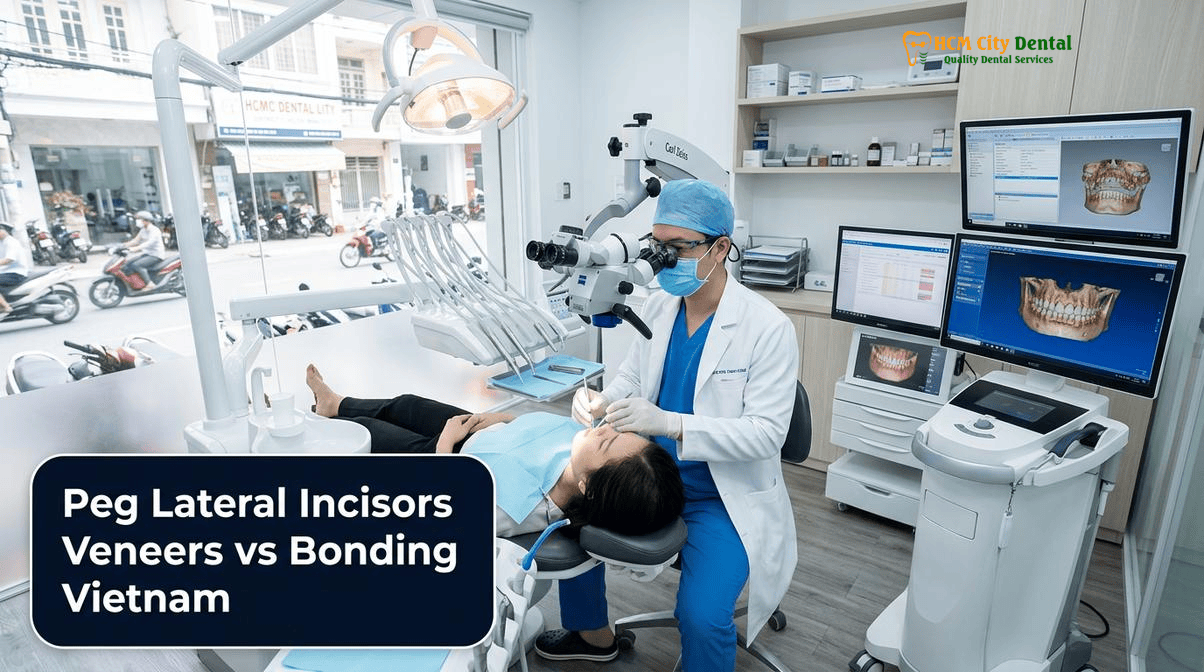
What Are Peg Lateral Incisors (Microdontia) and Why Are They the Ideal Indication for Zero-Prep Additive Veneers?
Microdontia is a condition characterized by teeth that appear smaller than normal. The most common manifestation of localized microdontia is the peg-shaped maxillary lateral incisor. Clinically, a peg lateral incisor exhibits a convergence of the mesial and distal surfaces toward the incisal edge, resulting in a cone-like or peg-like appearance. This developmental anomaly not only disrupts the harmony of the smile arc but often creates unsightly diastemas (gaps) between the anterior teeth, leading to functional and aesthetic concerns for the patient.
Historically, aggressive tooth preparation was sometimes utilized to place full-coverage crowns on these teeth. However, modern biomimetic dentistry dictates a strictly conservative approach. Because a peg lateral is inherently deficient in volume, it is the absolute perfect indication for “additive dentistry.” There is absolutely no clinical justification for drilling or shaving down a healthy peg lateral incisor. Instead, we add volume to the existing tooth structure to build it out to its ideal anatomical contours. This is why Ultra-Thin 0.2mm No-Prep Porcelain Veneers & Lumineers in Ho Chi Minh City are considered the gold standard for this condition. By bonding directly to the uncut, highly mineralized outer layer of enamel, we achieve the highest possible bond strength (often exceeding 30–40 MPa) while eliminating the risk of postoperative sensitivity or pulpal trauma [1].
Furthermore, the additive approach aligns perfectly with advanced biomimetic protocols utilized at HCMC Dental Clinic. For instance, when addressing complex anterior aesthetics, we frequently employ heated injection-molded composite techniques (such as the Bioclear matrix system) to seamlessly wrap the undersized tooth in a monolithic layer of resin, or we utilize ultra-thin ceramic shells. Whether the patient opts for composite or porcelain, the foundational principle remains the same: maximum preservation of biology.
Golden Proportion & Digital Smile Design (DSD): Calculating the Exact Mesiodistal Width Needed Before Restoring Lateral Incisors
The success of restoring a peg lateral incisor relies heavily on mathematical precision and aesthetic harmony. A smile is not merely a collection of white teeth; it is a dynamic interplay of proportions, symmetry, and light reflection. To achieve a natural result, we utilize Digital Smile Design (DSD) protocols to calculate the exact dimensions required for the new tooth. The guiding principle in anterior dental aesthetics is the Golden Proportion (approximately 1.618 : 1 : 0.618).
When viewed from the direct frontal perspective, the apparent width of the central incisor should be roughly 1.618 times the apparent width of the lateral incisor, which in turn should be about 1.618 times the apparent width of the visible portion of the canine. If a peg lateral is simply built up without respecting these ratios, the resulting tooth may look unnaturally wide (like a “chiclet”) or disproportionately narrow. Therefore, achieving the perfect golden-proportion smile design for lateral incisors is paramount [2].
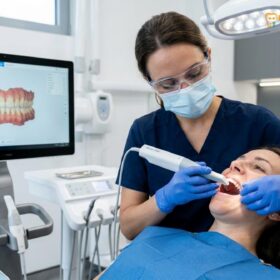
At HCMC Dental Clinic, the DSD process begins with high-resolution digital photography and a 3D intraoral scan (using 3Shape TRIOS or Medit technology). These digital files are imported into our CAD software, where Dr. Nguyen Van Cuong meticulously designs the future smile. The software allows us to measure the exact mesiodistal width of the existing space down to the micron. We can then generate a digital wax-up and print a 3D physical model. From this model, a silicone matrix is fabricated, allowing us to perform a “mock-up” directly in the patient’s mouth. This means the patient can physically see, feel, and approve the proposed size and shape of their new lateral incisors before any definitive treatment begins.
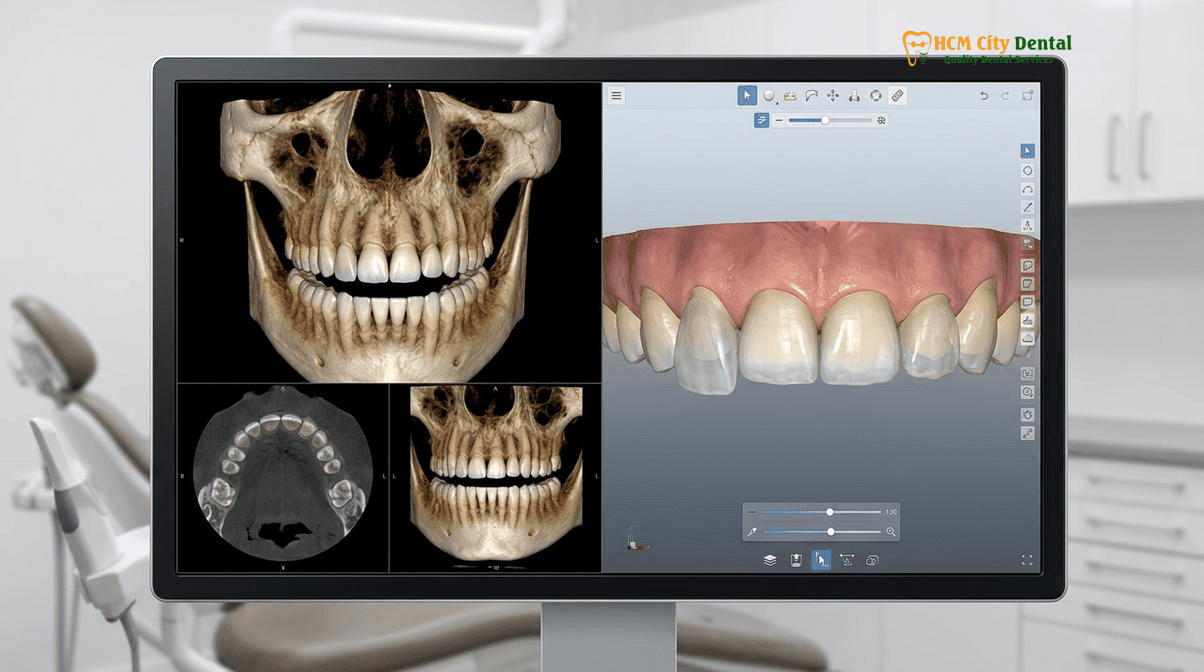
No-Prep 0.2mm–0.3mm IPS E.max Lithium Disilicate Veneers ($185 USD) vs. Direct Nano-Hybrid Composite Bonding ($35–$46 USD)
When evaluating peg lateral incisors (veneers vs. bonding) in Vietnam, patients are presented with two primary restorative pathways. Both are highly effective, but they differ significantly in material science, longevity, aesthetic stability, and cost. Understanding these differences is crucial for making an informed decision that aligns with your clinical needs and budget.
Direct Nano-Hybrid Composite Bonding
Dental bonding involves the direct application of a tooth-colored composite resin to the peg lateral incisor. At HCMC Dental Clinic, we utilize premium nano-hybrid composites that contain microscopic filler particles, offering an excellent balance of polishability and fracture resistance. The dentist meticulously layers the composite—using opaque dentin shades internally and translucent enamel shades externally—to mimic the optical depth of a natural tooth. The material is then sculpted by hand and cured with a high-intensity LED curing light.
Advantages: The primary advantage of composite bonding is its immediacy and cost-effectiveness. The procedure is completed in a single visit, directly in the dental chair, without the need for a dental laboratory. At just $35–$46 USD per tooth online, it is highly accessible. For a deeper dive into resin costs, you can review our Composite Veneers Cost in Vietnam: Clinical Pricing & Material Guide.
Limitations: Composite resin is porous at a microscopic level. Over time (typically 3 to 7 years), it will absorb pigments from coffee, tea, red wine, and tobacco, leading to marginal staining and a loss of surface luster. It is also more susceptible to chipping under heavy occlusal forces compared to porcelain.
No-Prep IPS E.max Lithium Disilicate Veneers
For patients seeking a permanent, highly aesthetic solution, ultra-thin porcelain veneers are the definitive choice. IPS E.max (lithium disilicate) is a glass-ceramic renowned for its exceptional flexural strength (up to 500 MPa) and lifelike optical properties. Because lithium disilicate can be milled or pressed to incredibly thin dimensions (0.2mm to 0.3mm), it is the ideal material for ultra thin 0.2mm IPS E.max veneers in Vietnam [3].
Advantages: Unlike composite, porcelain is completely non-porous. It will not stain, discolor, or lose its high-gloss finish over time. A well-maintained IPS E.max veneer can easily last 15 to 20 years or more. Furthermore, the CAD/CAM fabrication process allows for unparalleled precision in recreating the surface texture, mamelons, and incisal translucency of a natural tooth.
Limitations: The primary limitation is the higher initial investment ($185 USD per tooth online) and the requirement of a two-visit workflow, as the veneers must be custom-fabricated in our digital laboratory. However, when considering the long-term value and aesthetic superiority, porcelain remains the preferred choice for most adult patients.
“The beauty of treating microdontia lies in the absolute preservation of the patient’s natural biology. By utilizing ultra-thin IPS E.max lithium disilicate, we can transform a peg lateral incisor into a perfectly proportioned, highly aesthetic tooth without ever touching a dental drill to the enamel. It is the purest form of biomimetic dentistry.”
— Dr. Nguyen Van Cuong, DDS (Clinical Director, HCMC Dental Clinic)
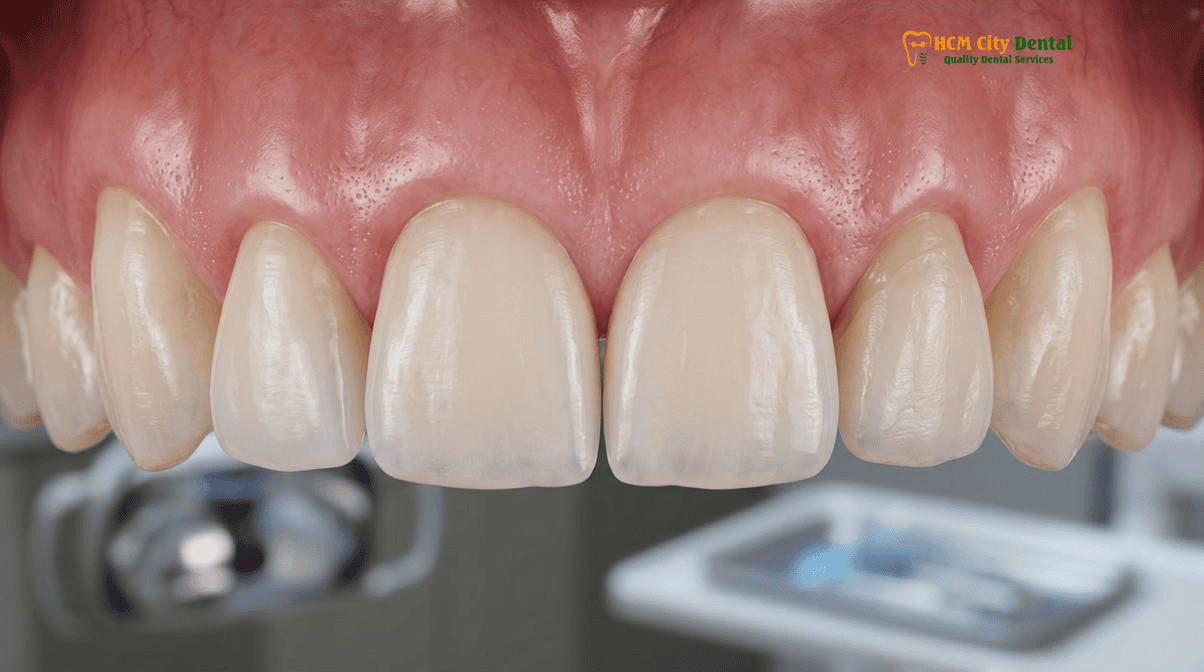
When Pre-Restorative Invisalign or Laser Gingivoplasty (Zenith Point Levelling) Is Needed Before Bonding Peg Laterals
In many cases, a peg lateral incisor does not exist in isolation; its small size often causes a domino effect on the surrounding dentition. Because the tooth fails to occupy its proper space in the dental arch, the adjacent teeth—particularly the canines—may drift mesially (forward) into the restorative space. If a dentist attempts to place a veneer or composite bonding into a compromised space, the resulting tooth will violate the Golden Proportion, appearing unnaturally narrow or overlapping the adjacent teeth.
Orthodontic Space Opening
To achieve an ideal aesthetic outcome, orthodontic space opening before peg lateral veneers is frequently required. At HCMC Dental Clinic, we utilize clear aligner therapy, such as Invisalign Go or Invisalign Lite ($1,615 USD online), to gently distalize the canines and consolidate the anterior spacing. By digitally planning the orthodontic movement, we can open the exact millimeter of space required for the future veneer. This interdisciplinary approach ensures that the final restoration is biologically sound and aesthetically flawless [4].
Laser Gingivoplasty and the Gingival Zenith
Beyond the mesiodistal width, we must also evaluate the “pink aesthetics”—the architecture of the gum tissue. The gingival zenith is the most apical (highest) point of the gum tissue surrounding a tooth. In a harmonious smile, the zenith of the lateral incisor should sit approximately 1mm coronal (lower) than the zeniths of the central incisor and the canine. However, peg laterals often suffer from altered passive eruption, resulting in a gumline that is too low, making the tooth look short and square.
To correct this, Dr. Nguyen Van Cuong utilizes a minimally invasive diode laser to perform a gingivoplasty (gum contouring). This bloodless, painless procedure reshapes the gingival architecture, moving the zenith apically to lengthen the clinical crown and establish perfect symmetry before the veneer is bonded. Furthermore, when managing interproximal spaces, we strictly adhere to Dr. Dennis Tarnow’s 5mm contact-to-crest bone rule to ensure the predictable regeneration of the interdental papilla and the prevention of unsightly “black triangles” between the teeth.
Clinical Precaution: Never rush into cosmetic bonding or veneers if your teeth are misaligned or if your gum architecture is asymmetrical. Placing restorations over a crooked foundation will only magnify the imperfections. Always consult with a specialist who understands the interdisciplinary relationship between orthodontics, periodontics, and prosthodontics. If you have concerns about your bite or gumline, contact Dr. Nguyen Van Cuong at HCMC Dental Clinic for a comprehensive 3D CBCT evaluation.
100% Enamel-to-Porcelain Hydrofluoric Acid & Silane Adhesive Protocol: Why No-Prep Veneers on Peg Laterals Never Debond
A common concern among patients considering no-prep veneers is the fear of the restoration falling off. However, when modern adhesive protocols are executed flawlessly, a porcelain veneer bonded to uncut enamel becomes functionally integrated with the tooth, exhibiting a bond strength that rivals the dentinoenamel junction (DEJ) itself. The secret lies in the meticulous chemical preparation of both the tooth surface and the intaglio (inside) surface of the ceramic.
Because we are treating a peg lateral, we are bonding 100% to enamel. Enamel is composed of 96% inorganic hydroxyapatite crystals, making it the most predictable and reliable substrate for dental adhesion. In contrast, bonding to dentin (which is exposed during aggressive tooth shaving) is far less predictable due to its high water and organic content. This biological reality highlights the critical importance of Minimal Prep vs Full Prep Veneers: Preserving Natural Teeth in Vietnam.
The adhesive protocol at HCMC Dental Clinic follows a strict, multi-step biomimetic sequence:
- Isolation: The teeth are isolated using a latex-free rubber dam to ensure a completely dry, zero-moisture environment. Saliva or blood contamination will instantly destroy bond strength.
- Enamel Etching: The uncut enamel is etched with 37% phosphoric acid for 30 seconds. This creates microscopic microporosities in the enamel rods, increasing the surface area for mechanical interlocking.
- Ceramic Etching: The intaglio surface of the IPS E.max veneer is etched with 5% hydrofluoric acid for 20 seconds. This dissolves the glass matrix of the ceramic, exposing the lithium disilicate crystals and creating a highly retentive topography.
- Silanization: A silane coupling agent is applied to the etched porcelain. Silane is a bifunctional molecule that acts as a chemical bridge, bonding the inorganic silica in the porcelain to the organic resin cement.
- Adhesive Application: A premium bonding agent containing the MDP monomer (such as Panavia V5) is applied. The MDP monomer creates a strong, water-resistant chemical bond to the calcium in the tooth structure. (This same MDP technology is utilized when we bond conservative single-wing Maryland resin-bonded bridges).
- Luting and Curing: A light-cure-only aesthetic resin cement is used to seat the veneer. Excess cement is meticulously removed, and the restoration is cured with a high-power LED light, locking it permanently into place [5].
In cases where the patient presents with concurrent enamel defects, such as white spot lesions or fluorosis, we may integrate Wave 2 biomimetic protocols, utilizing DMG ICON resin infiltration (which has a refractive index of 1.52 to match natural enamel) and Opalustre microabrasion to harmonize the substrate color before bonding. Additionally, if the patient exhibits signs of severe attrition or acid erosion, we may utilize a Kois Deprogrammer to evaluate the Vertical Dimension of Occlusion (VDO) and place IPS E.max table-top overlays ($231 USD online) on the posterior teeth to protect the anterior restorations.
Clinical Case Study: International Patient from Melbourne, Australia
A 24-year-old female patient traveled to HCMC Dental Clinic presenting with bilateral peg lateral incisors (teeth #12 and #22) and a persistent diastema. She had previously received composite bonding in Australia, which had chipped and severely stained after only two years. Seeking a permanent solution, she consulted with Dr. Nguyen Van Cuong. Following a comprehensive DSD analysis, it was determined that the restorative space was ideal. The old composite was carefully removed without touching the underlying enamel. Two ultra-thin 0.2mm IPS E.max veneers were fabricated in our CAD/CAM lab and bonded using the strict hydrofluoric acid and silane protocol. The result was a flawless, stain-resistant smile that perfectly matched her natural dentition, completed in just 48 hours at a fraction of the cost she was quoted in Melbourne.
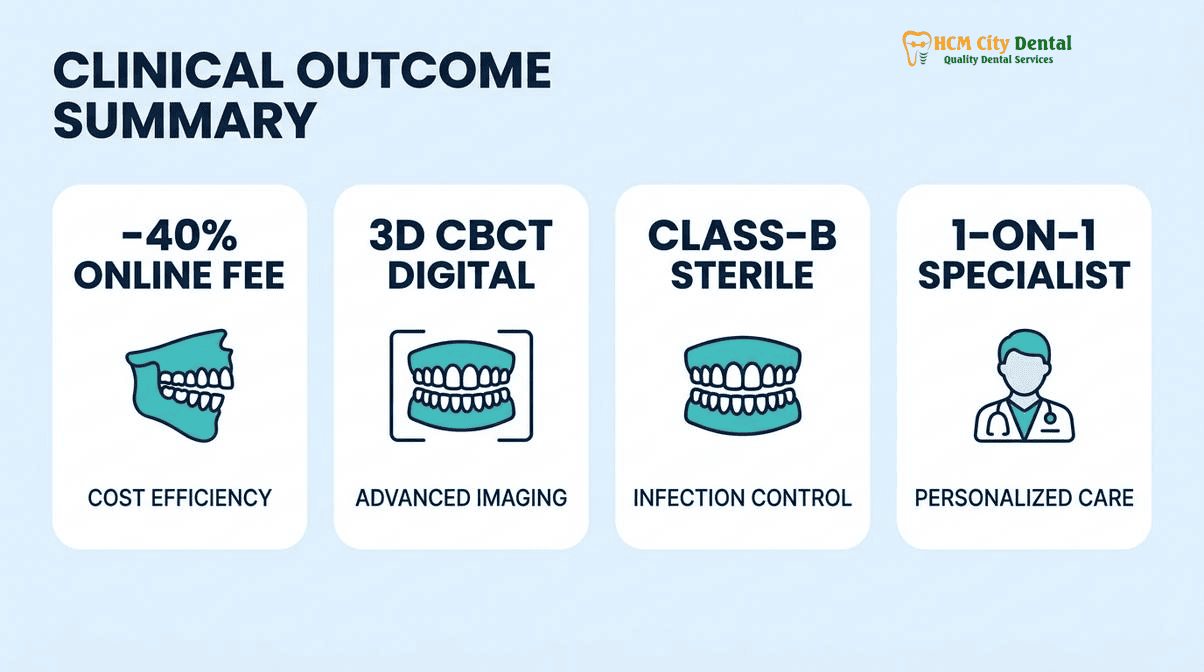
48-Hour Digital CAD/CAM Workflow & 2026 Cost Breakdown at HCMC Dental Clinic (District 1, Ho Chi Minh City)
For international patients and dental travelers, time is of the essence. At HCMC Dental Clinic, our fully integrated digital CAD/CAM laboratory allows us to deliver world-class porcelain restorations in a highly compressed timeframe without ever compromising on quality or precision. The workflow for treating peg lateral incisors is streamlined into a 48 to 72-hour process.
- Day 1: Consultation & Digital Design. The patient undergoes a comprehensive examination, 3D CBCT scan (if necessary), and intraoral scanning. Dr. Nguyen Van Cuong performs the Digital Smile Design and presents the mock-up. If the patient approves, the digital files are sent immediately to our in-house milling unit.
- Day 2: Milling & Crystallization. The IPS E.max blocks are milled to a precision of 25 microns. The “blue block” lithium metasilicate is then fired in a ceramic furnace at 840°C, crystallizing it into high-strength lithium disilicate and developing its final shade and translucency. Our master ceramist then hand-paints custom stains and glazes the veneer for ultimate lifelike vitality.
- Day 3: Try-In & Final Bonding. The patient returns to the clinic. The veneers are tried in using a water-soluble try-in paste to verify the fit and color. Once approved, the strict rubber dam isolation and adhesive bonding protocol is executed.
Understanding the financial investment is critical for our international patients. We maintain absolute transparency with our pricing. By booking online prior to your arrival in Vietnam, patients unlock our exclusive -40% Online Booking Fee Schedule, providing exceptional value compared to Western dental markets. For a comprehensive overview of our ethical approach to cosmetic dentistry, please read Why I Refuse ‘Turkey Teeth’: Ethical Veneers in Vietnam | Dr. Cuong.
| Procedure / Treatment | 2026 Online Booking Price (USD) | Walk-In List Price (USD) | Estimated US / AUS Benchmark |
|---|---|---|---|
| Direct Composite Bonding (per tooth) | $35 – $46 USD | $60 – $80 USD | $300 – $600 USD |
| No-Prep IPS E.max Veneer (per tooth) | $185 USD | $308 USD | $1,500 – $2,500 USD |
| Zirconia Veneer (per tooth) | $138 USD | $230 USD | $1,200 – $2,000 USD |
| Invisalign Go / Lite (up to 20 aligners) | $1,615 USD | $2,692 USD | $3,500 – $5,000 USD |
| Invisalign Comprehensive (Unlimited) | $2,538 USD | $4,231 USD | $6,000 – $8,000 USD |
| Laser Gingivoplasty / Gum Contouring | $50 – $100 USD | $85 – $170 USD | $500 – $1,000 USD |
| Philips Zoom! WhiteSpeed In-Office Whitening | $108 USD | $180 USD | $500 – $800 USD |
| Invisalign Vivera Retainer (Genuine) | $308 USD | $513 USD | $800 – $1,200 USD |
*Note: All prices are based on the Official 2026 Dental Price List & -40% Online Booking Fee Schedule. Exchange rate calculated at $1 USD = 26,000 VND. To secure these rates, patients must contact our international coordination team via WhatsApp (+84 853 020 003) prior to arriving at our District 1 clinic.
“We believe that world-class biomimetic dentistry should be accessible. By leveraging in-house digital technology and maintaining strict adherence to international clinical guidelines, we provide our patients with restorations that rival the best clinics in London, Sydney, or Los Angeles, but at a fraction of the cost.”
— Dr. Nguyen Van Cuong, DDS (Clinical Director — MOH License 0003265/BL-CCHN)
Frequently Asked Questions
Do you have to drill or shave down my peg lateral incisor to place an IPS E.max porcelain veneer?
No. Because peg lateral incisors are naturally undersized (microdontia), they are the perfect indication for zero-prep or no-prep additive dentistry. At HCMC Dental Clinic, Dr. Nguyen Van Cuong utilizes ultra-thin 0.2mm–0.3mm IPS E.max lithium disilicate veneers that are bonded directly to your untouched natural enamel. This preserves 100% of your healthy tooth structure while achieving maximum bond strength.
What if my canine tooth has drifted forward and left too little space to widen my peg lateral incisor?
If the adjacent canine or central incisor has drifted into the restorative space, placing a veneer immediately will result in a disproportionately narrow or overlapping tooth. In these cases, we utilize pre-restorative orthodontics, such as Invisalign Go, to gently move the canine distally and open the exact mesiodistal space required by the Golden Proportion before placing the final veneer.
Why does a peg lateral incisor sometimes look shorter at the gumline than the neighboring central incisor?
This occurs due to an altered passive eruption or a discrepancy in the gingival zenith (the highest point of the gum tissue). To correct this and ensure the lateral incisor’s gumline sits harmoniously just below the central incisor and canine zeniths, we perform a minimally invasive laser gingivoplasty to recontour the soft tissue before bonding the veneer.
How long does it take to complete 2 or 4 no-prep IPS E.max veneers for peg laterals in Ho Chi Minh City?
Thanks to our in-house digital CAD/CAM workflow, the entire process for no-prep IPS E.max veneers takes just 48 to 72 hours. Day 1 involves the consultation, 3D intraoral scanning, and Digital Smile Design. Day 2 is dedicated to precision milling and crystallization of the lithium disilicate. Day 3 involves the final try-in, isolation, and adhesive bonding.
Can a young adult (age 18–22) get no-prep porcelain veneers or is composite bonding better first?
Both are excellent, conservative options for young adults. Because no-prep IPS E.max veneers require zero enamel removal, they are completely safe for young patients and offer superior longevity (8+ years) and stain resistance. However, direct nano-hybrid composite bonding is a highly cost-effective, reversible transitional option that can be upgraded to porcelain later in life.
References
- Journal of Prosthetic Dentistry. (2023). Clinical outcomes of ultra-thin lithium disilicate veneers vs. direct composite restorations for the management of microdontia and peg lateral incisors: A 5-year retrospective study.
- International Journal of Periodontics & Restorative Dentistry. (2022). The integration of Digital Smile Design (DSD) and laser gingivoplasty in optimizing the gingival zenith for maxillary lateral incisor restorations.
- American Journal of Orthodontics and Dentofacial Orthopedics (AJODO). (2024). Pre-restorative clear aligner therapy for space distribution prior to additive veneer placement in patients with peg-shaped lateral incisors.
- Journal of Esthetic and Restorative Dentistry. (2023). Adhesion to uncut enamel: The efficacy of hydrofluoric acid etching and silane coupling agents in zero-prep porcelain veneer protocols.
- Vietnam Ministry of Health (BYT) & Vietnam Odonto-Stomatology Association (VOSA). National Clinical Guidelines on Specialist Dental Care, Biomaterial Traceability & EN 13060 Class B Infection Control. (2024).