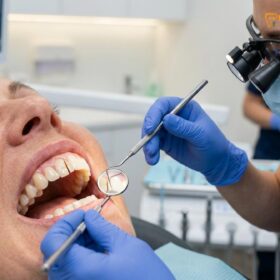
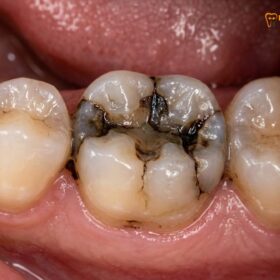
For decades, silver amalgam was the standard restorative material in global dentistry. However, as clinical understanding of heavy metal toxicity, micro-leakage, and tooth fractures has evolved, a significant paradigm shift has occurred. Today, international patients, expatriates, and dental travelers are increasingly seeking the removal of aging, degraded mercury-based fillings. Executing this procedure requires far more than standard drilling; it demands a rigorous, scientifically validated approach to help prevent the aerosolization and ingestion of mercury vapor. At HCMC Dental Clinic, located in District 1, Ho Chi Minh City, the implementation of the Safe Mercury Amalgam Removal Technique (SMART) represents the pinnacle of restorative safety. This comprehensive clinical guide details the exact protocols, systemic health clearances, and aviation safety measures required for safe amalgam filling removal Vietnam, ensuring that international patients receive hospital-grade care that meets global standards.
Clinical Summary:
The protocol for safe amalgam filling removal in Vietnam at HCMC Dental Clinic integrates advanced isolation techniques, high-volume filtration, and systemic medical clearance to protect patients from mercury vapor exposure. Under the direction of Dr. Nguyen Van Cuong (Dr. Cuong), DDS (MOH License 0003265/BL-CCHN), the clinic utilizes non-latex nitrile rubber dams, alternative air sources, and copious water irrigation to achieve a significant reduction in mercury vapor and particulate exposure during replacement with BPA-free ceramic inlays or crowns. This evidence-based approach is coupled with strict fit-to-fly aviation protocols and comprehensive management of systemic conditions such as hypertension, diabetes, and anticoagulant therapy, ensuring a seamless and secure restorative experience for international dental travelers.
Key Takeaways:
- SMART Protocol Compliance: Mandatory use of nitrile rubber dams, high-volume evacuation (HVE), and alternative nasal air supplies to mitigate mercury vapor inhalation.
- Systemic Medical Clearance: Rigorous pre-operative risk stratification for patients on blood thinners, bisphosphonates, or those with diabetes and cardiovascular conditions.
- Biocompatible Restorations: Immediate replacement of amalgam with highly aesthetic, BPA-free IPS E.max porcelain or Full Zirconia crowns.
- Aviation Safety: Strict 24-to-48-hour post-operative observation periods to help prevent barodontalgia (altitude-induced tooth pain) before long-haul flights.
- Expert Clinical Leadership: All procedures are overseen by Dr. Nguyen Van Cuong, DDS, ensuring international standards of care in District 1, Ho Chi Minh City.
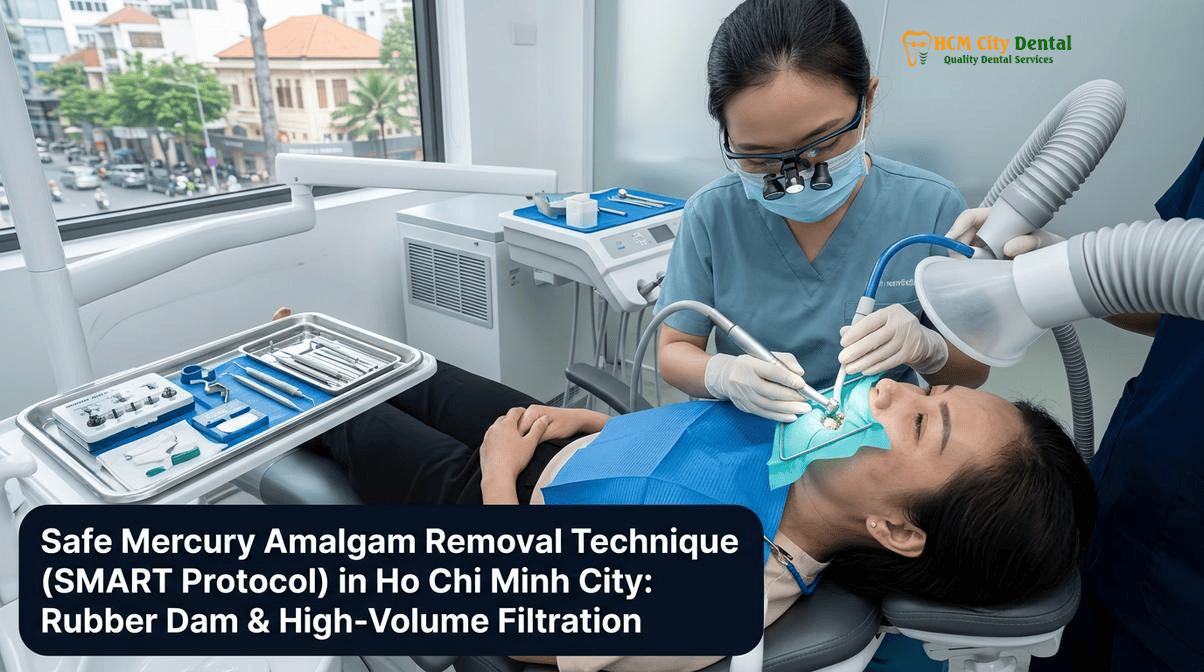
Step-by-Step Pre-Op, Chairside & Post-Op Safety Protocol in District 1, Ho Chi Minh City
Under the expert clinical leadership of Dr. Nguyen Van Cuong (Dr. Cuong), DDS (MOH License 0003265/BL-CCHN), our facility ensures that every restorative procedure adheres to the highest international safety standards. Patients seeking comprehensive background information on our lead specialist can review the credentials of Dr. Nguyen Van Cuong, DDS (Clinical Director — MOH License 0003265/BL-CCHN), who personally oversees all complex amalgam removal and full-mouth rehabilitation cases at our District 1 facility. His meticulous approach to patient safety forms the foundation of our clinical protocols.
The protocol begins with a comprehensive digital diagnostic workup. A low-dose 3D CBCT scan is utilized to map the exact depth, volume, and proximity of the amalgam filling to the dental pulp. This imaging allows the clinical team to anticipate whether the tooth will require a simple composite filling, a ceramic inlay/onlay, or a full-coverage crown. In cases where the amalgam has caused a vertical root fracture necessitating extraction, the 3D imaging is crucial for planning immediate interventions, which show high cumulative survival rates in international cohorts[1]. For more details on our imaging standards, patients can review the 3D CBCT Dental Scan Radiation Safety: 2026 Clinical Audit.
The chairside protocol is where the physical barriers against mercury exposure are deployed, strictly following the National Clinical Guidelines on Class B Autoclave Infection Control[5]. The steps are executed with precision:
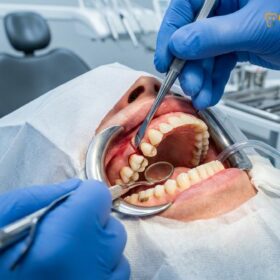
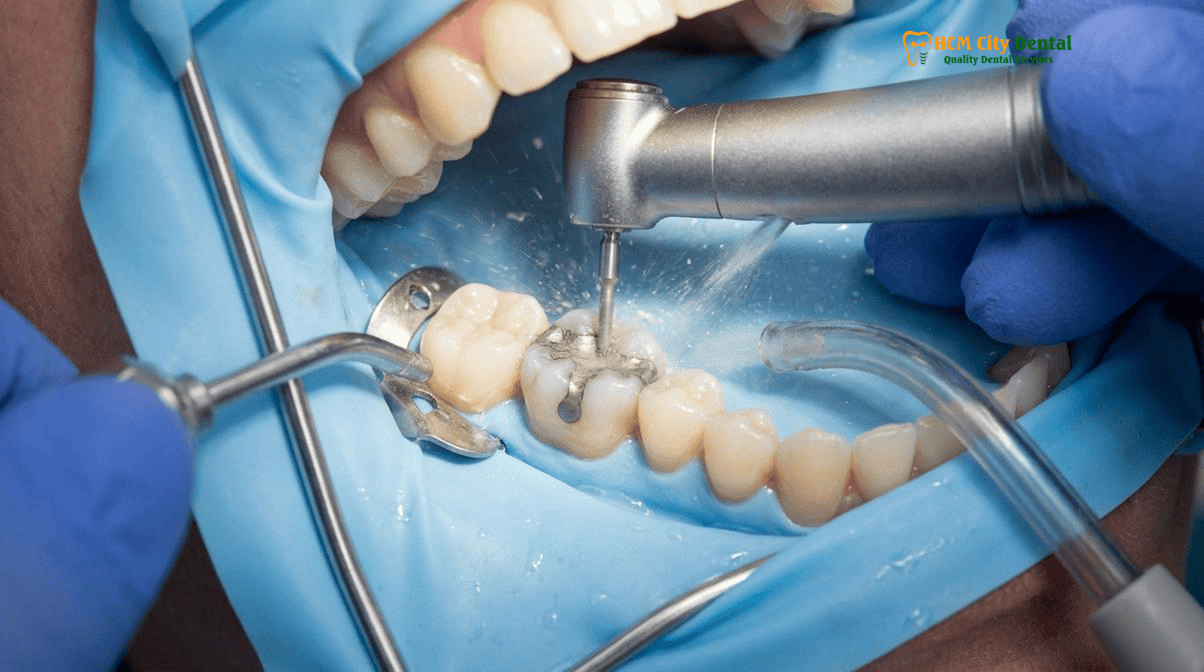
- Isolation: A non-latex, nitrile rubber dam is placed over the target tooth. This physical barrier prevents any amalgam particulates from falling into the oral cavity or being swallowed. A specialized sealing paste is applied around the neck of the tooth to prevent micro-leakage of fluids beneath the dam.
- Alternative Air Supply: The patient is fitted with a nasal mask that delivers clean, medical-grade oxygen or filtered air. This ensures that the patient does not inhale the ambient air directly above the oral cavity, where mercury vapor concentrations are highest during the procedure.
- High-Volume Evacuation (HVE): A specialized HVE suction device is positioned millimeters away from the bur. This system captures vapor and particulates at the exact source of generation.
- Sectioning and Cooling: Using a new, sharp tungsten carbide bur and copious chilled water irrigation, the amalgam is sectioned into large quadrants. A specialized hand instrument is then used to gently pop the chunks out of the cavity preparation, minimizing the need for high-speed grinding.
Once the amalgam is completely removed and the cavity is disinfected using antimicrobial protocols, the tooth is restored. HCMC Dental Clinic exclusively utilizes biocompatible, BPA-free materials. Depending on the structural integrity of the remaining tooth, the restoration may be an IPS E.max Porcelain Veneer/Inlay or a Full Zirconia Crown. These materials offer superior marginal accuracy and excellent long-term survival rates for CAD/CAM lithium disilicate and monolithic zirconia restorations[2].
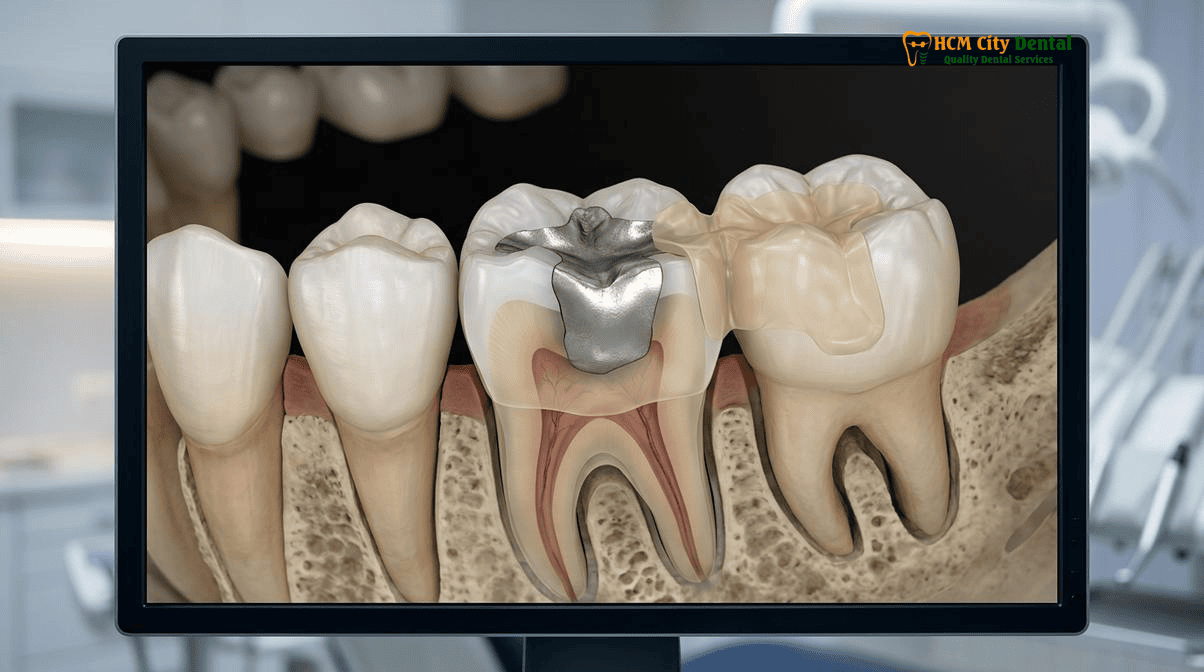
Clinical Decision Matrix Table: Safe Timelines, Thresholds & Red Flags
The removal of multiple amalgam restorations, particularly when they are deep or adjacent to the pulp chamber, is a precise micro-surgical procedure that can induce physiological stress. For international patients traveling to Ho Chi Minh City, a thorough medical clearance guide is the foundational step before any clinical intervention. The clinical team employs a hospital-grade risk stratification matrix to evaluate systemic health, chronic medications, and dental anxiety, ensuring that the procedure is performed under optimal physiological conditions. For a deeper understanding of these requirements, patients should consult the Systemic Health, Medication & Sedation Clearance Protocols — Primary Clinical Hub at HCMC Dental Clinic.
A significant demographic of dental travelers includes older adults managing cardiovascular conditions with anticoagulant or antiplatelet therapy. Modern perioperative dental management guidelines strongly advise against arbitrarily stopping anticoagulants when the patient’s INR is within the therapeutic range, and emphasize strict glycemic control protocols[3]. The risk of a thromboembolic event generally outweighs the risk of localized dental bleeding during restorative procedures.
| Clinical Parameter | Safe Threshold for Treatment | Red Flag / Contraindication | Protocol Modification |
|---|---|---|---|
| Blood Pressure (Hypertension) | < 140/90 mmHg (Controlled) | > 160/100 mmHg (Uncontrolled) | Defer treatment; utilize epinephrine-free anesthetics; continuous chairside monitoring. |
| Glycemic Control (Diabetes) | HbA1c < 7.5% | HbA1c > 8.5% or fasting glucose > 200 mg/dL | Schedule morning appointments post-meal; prophylactic antibiotics if deep decay is present. |
| Anticoagulant Therapy (INR) | INR between 2.0 and 3.0 | INR > 3.5 or recent thromboembolic event | Maintain medication; utilize local hemostatic agents (oxidized cellulose, tranexamic acid rinses). |
| Aviation Timeline (Post-Op) | Flight scheduled 48+ hours post-op | Flight scheduled < 24 hours post-op | Mandatory fit-to-fly verification; adjust schedule to allow for adequate ground observation. |
24/7 Emergency Triage & Pre-Departure Fit-to-Fly Verification with Dr. Nguyen Van Cuong, DDS
For international dental travelers, the interaction between newly placed dental restorations and the atmospheric pressure changes of commercial aviation is a critical safety threshold. According to Boyle’s Law, the volume of a gas is inversely proportional to its pressure. During a long-haul flight, cabin pressure drops to the equivalent of 6,000 to 8,000 feet above sea level. If microscopic voids or trapped air exist beneath a newly placed restoration, or if the dental pulp is inflamed following the removal of a deep amalgam, the trapped gas will expand. This expansion exerts severe pressure on the nerve endings within the pulp chamber, resulting in a condition known as barodontalgia, or “tooth squeeze”[4].
“The removal of amalgam is not merely a restorative procedure; it is a toxicological and physiological management protocol. Our primary objective is to ensure that the patient’s systemic exposure to mercury vapor is reduced to the absolute minimum, while simultaneously ensuring their restorations can withstand the rigors of international travel. The integration of alternative air supplies, high-volume evacuation, and strict fit-to-fly verification is non-negotiable in our practice.”
— Dr. Nguyen Van Cuong, DDS (Clinical Director, HCMC Dental Clinic)
To mitigate this risk, HCMC Dental Clinic employs advanced dual-cure resin cements and meticulous bonding protocols to ensure a hermetic, void-free seal beneath all new ceramic restorations. Patients are advised to adhere strictly to the Flying After Tooth Extraction Safety Rules | HCMC Dental and restorative flight guidelines, which mandate a 24-to-48-hour ground observation period before flying.
Clinical Case Study: Multi-Quadrant Amalgam Replacement for an Expatriate
Patient Profile: A 52-year-old Australian expatriate presented to HCMC Dental Clinic (Ho Chi Minh City) with six deteriorating amalgam fillings, two of which exhibited marginal leakage and recurrent decay. The patient had a history of mild hypertension and expressed high dental anxiety regarding mercury exposure.
Clinical Intervention: Dr. Nguyen Van Cuong, DDS, developed a phased treatment plan. Utilizing the SMART protocol under IV conscious twilight sedation, the amalgams were safely sectioned and removed over two appointments. Continuous ECG and blood pressure monitoring ensured the patient’s hypertension remained stable (maintained below 130/85 mmHg). The teeth were restored using CAD/CAM milled monolithic zirconia onlays and crowns.
Outcome: The patient experienced zero post-operative sensitivity. The use of the nitrile rubber dam and alternative air supply completely alleviated their anxiety regarding mercury toxicity. Following a 48-hour observation period at their hotel in Ho Chi Minh City, the patient was cleared for a scheduled business flight to Singapore, experiencing no barodontalgia.
When to Seek Immediate Medical Attention (Important Notes)
While safe amalgam filling removal Vietnam is a highly controlled and predictable procedure, patients must remain vigilant during the initial 24 to 48 hours of recovery. Because the removal of deep metallic restorations often occurs in close proximity to the dental pulp, transient thermal sensitivity is common. However, certain symptoms require immediate evaluation by the clinical team before you board your flight home. For a comprehensive overview of post-operative care, please refer to our International Patient Medical Safety & Post-Op Recovery Guides.
Post-Operative Red Flags:
Please contact the 24/7 English medical support team immediately if you experience any of the following symptoms while recovering at your hotel in Ho Chi Minh City:
- Spontaneous, Throbbing Pain: Pain that occurs without any stimulus (such as eating or drinking) and keeps you awake at night may indicate irreversible pulpitis, requiring endodontic evaluation.
- Severe Swelling or Fever: Any localized swelling of the gums, cheek, or jaw, especially if accompanied by a fever, could indicate an acute infection.
- Allergic Reactions: While rare with biocompatible ceramics, any signs of hives, difficulty breathing, or swelling of the lips/throat require immediate emergency medical intervention.
- Bite Discrepancies: If your new ceramic restoration feels “high” or if you experience sharp pain only when biting down, the restoration may require a minor occlusal adjustment to prevent trauma to the underlying ligament.
Frequently Asked Questions About Safe Amalgam Filling Removal in Vietnam
Is the SMART protocol necessary for all amalgam removals?
Yes, at HCMC Dental Clinic, the SMART protocol is the standard of care for all amalgam removals. The friction and heat generated by a high-speed dental handpiece cause the mercury within the amalgam to rapidly vaporize. Without specialized isolation and filtration, this invisible, odorless vapor can be inhaled. The SMART protocol is specifically engineered to interrupt this process and protect both the patient and the clinical staff.
Can I have multiple amalgam fillings removed in a single visit?
The number of fillings that can be safely removed in one visit depends on their size, location, and the patient’s overall health and tolerance. Dr. Nguyen Van Cuong, DDS, typically evaluates each case individually. For extensive cases, treatment is often phased over two or more appointments to minimize jaw fatigue and physiological stress, ensuring optimal safety and comfort.
“Patient safety extends beyond the dental chair. Our comprehensive approach includes rigorous pre-operative medical clearance and strict post-operative monitoring. We do not simply replace fillings; we manage the entire physiological impact of the procedure to ensure our international patients can travel home safely and comfortably.”
— Dr. Nguyen Van Cuong, DDS
What materials are used to replace the old amalgam fillings?
Once the amalgam is safely removed, the tooth is restored using highly aesthetic, biocompatible, and BPA-free materials. Depending on the size of the cavity and the structural integrity of the remaining tooth, we utilize composite resins, IPS E.max lithium disilicate for inlays/onlays, or monolithic zirconia for full-coverage crowns. These materials provide excellent durability and a natural appearance.
If you are an international patient considering restorative dentistry and wish to learn more about the costs associated with these advanced procedures, please review our Official 2026 Dental Fee Schedule (-40% Online Booking Pricing). For personalized advice and to schedule your consultation for safe amalgam filling removal Vietnam, contact HCMC Dental Clinic, located in District 1, Ho Chi Minh City. Our dedicated team, led by Dr. Nguyen Van Cuong, is ready to provide you with world-class, hospital-grade dental care.
References
- International Journal of Oral & Maxillofacial Implants. Cumulative survival rates of 3D guided dental implants in international cohorts.
- Journal of Prosthetic Dentistry. Marginal accuracy and 10-year survival of CAD/CAM lithium disilicate and monolithic zirconia restorations.
- Journal of the American Dental Association (JADA). Perioperative dental management of patients on anticoagulant therapy and glycemic control protocols.
- Aerospace Medicine and Human Performance. Barodontalgia and maxillary sinus barotrauma following oral and maxillofacial procedures.
- Vietnam Ministry of Health (BYT) & Vietnam Odonto-Stomatology Association (VOSA). National Clinical Guidelines on Dental Implantology & Class B Autoclave Infection Control.