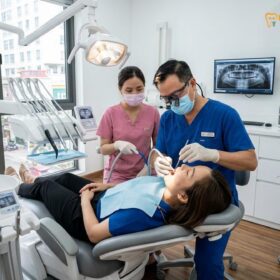
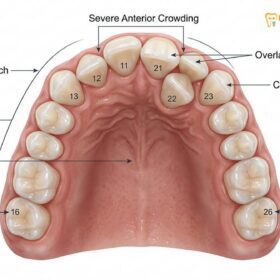
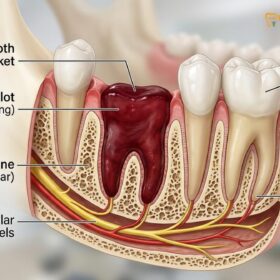
For international patients traveling across the globe for complex oral rehabilitation, the question of diagnostic safety is paramount. When planning precise procedures such as full-arch implantology, complex root canal therapy, or surgical wisdom tooth extractions, a three-dimensional view of the maxillofacial anatomy is no longer a luxury—it is a strict clinical necessity. However, the mention of “radiation” often triggers understandable anxiety. Patients frequently ask whether the diagnostic benefits of advanced imaging outweigh the potential biological risks. The definitive answer lies in the physics of modern digital radiography and the rigorous application of international safety protocols. In this comprehensive clinical audit, we demystify the science behind 3d cbct dental scan radiation safety, demonstrating how technological advancements have reduced exposure levels to a fraction of what they once were, ensuring that your journey to a restored smile is both highly predictable and exceptionally safe.
Clinical Summary:
The 2026 clinical audit conducted at HCMC Dental Clinic confirms that modern Cone-Beam Computed Tomography (CBCT) operates well within the strictest international safety margins. By utilizing pulsed radiation technology and adjustable Fields of View (FOV), a low-dose dental CBCT emits 45–90 uSv — roughly equivalent to a single long-haul international flight and 90% less than hospital CT scans. Under the direct supervision of Dr. Nguyen Van Cuong, DDS, the clinic strictly adheres to the ALADA (As Low As Diagnostically Acceptable) principle, combining advanced 3D imaging with EN 13060 Class B sterilization and 100% authentic biomaterials to deliver world-class, risk-mitigated dental care in Ho Chi Minh City.
Key Takeaways:
- Micro-Dose Exposure: A standard small-field CBCT scan exposes the patient to approximately 45–90 microsieverts (uSv), which is less than the cosmic radiation absorbed during a flight from Los Angeles to Ho Chi Minh City.
- ALADA Principle Enforcement: Radiation is minimized by strictly adhering to the “As Low As Diagnostically Acceptable” protocol, adjusting the Field of View (FOV) specifically to the region of interest.
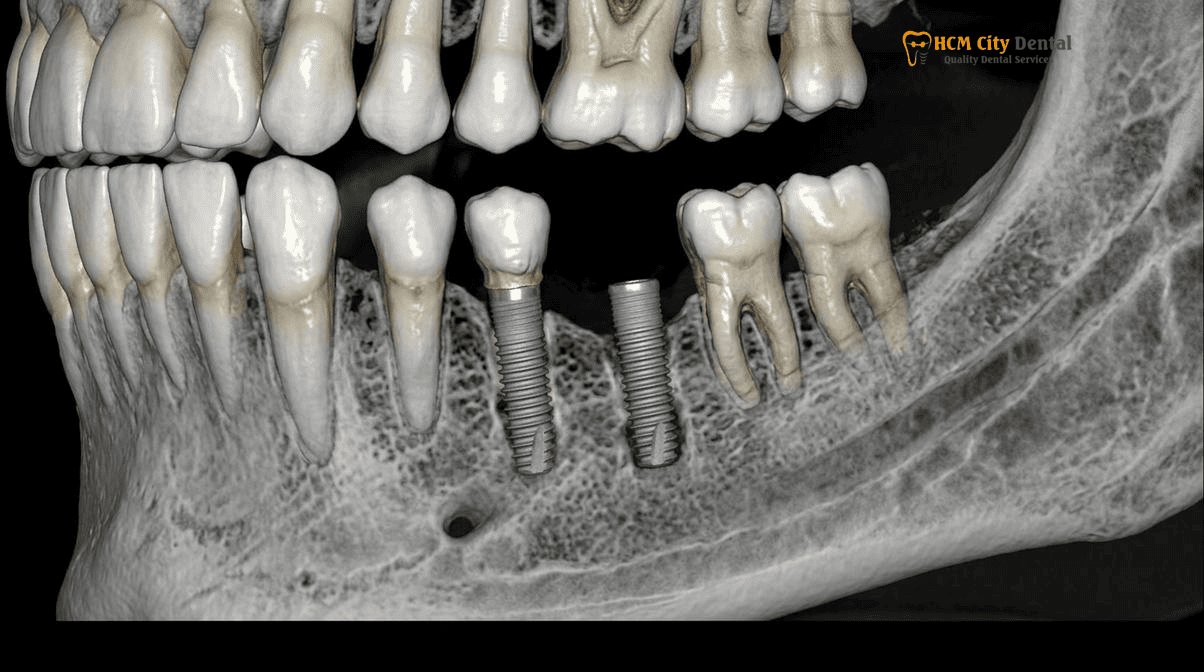
- Unmatched Diagnostic Precision: 3D imaging prevents surgical complications by accurately mapping the mandibular nerve, maxillary sinus cavities, and precise bone density prior to implant placement.
- Hospital-Grade Infection Control: All diagnostic and surgical procedures are supported by EN 13060 Class B fractional pre-vacuum autoclave sterilization at 134°C with biological spore testing.
- Transparent Verification: Patients receive an International Implant Passport with original manufacturer holograms (Straumann, Nobel Biocare, Osstem) affixed chairside by Dr. Nguyen Van Cuong, DDS.
2026 Executive Summary: Key Clinical Findings on 3D CBCT Dental Scan Radiation Safety
The landscape of oral and maxillofacial radiology has undergone a paradigm shift over the last decade. Historically, dentists relied on two-dimensional panoramic (OPG) and periapical X-rays. While useful for detecting superficial caries or generalized bone loss, 2D imaging suffers from superimposition, distortion, and magnification errors. When planning the placement of a titanium fixture millimeters away from the inferior alveolar nerve, 2D guesswork is clinically unacceptable. The advent of Cone-Beam Computed Tomography (CBCT) revolutionized this process by providing a 1:1, distortion-free, three-dimensional volumetric reconstruction of the patient’s anatomy. The primary concern, however, has always been the ionizing radiation required to generate these highly detailed images.
The comprehensive 3D CBCT Dental Scan Radiation Safety (2026 Clinical Study) addresses these concerns by quantifying the exact dosimetric impact of modern scanners. Unlike conventional medical CT scanners used in hospitals—which utilize a high-output, fan-shaped X-ray beam that spirals around the patient continuously—dental CBCT utilizes a cone-shaped beam. This cone beam captures the entire region of interest in a single, rapid rotation, typically lasting between 10 to 20 seconds. Furthermore, modern CBCT machines employ pulsed radiation technology. The X-ray source is not continuously active during the rotation; instead, it pulses on and off, capturing hundreds of individual basis images while significantly reducing the total exposure time.
The biological impact of ionizing radiation is measured in Sieverts (Sv), with dental doses typically expressed in microsieverts (uSv), which is one-millionth of a Sievert. To put this into perspective, the average human is exposed to approximately 2,400 to 3,000 uSv of natural background radiation every year simply from cosmic rays, radon gas in the soil, and naturally occurring radioactive isotopes in food (such as potassium-40 in bananas). The 2026 audit reveals that a targeted, small-field dental CBCT scan delivers a dose that is statistically negligible when compared to annual background exposure. This precise imaging is the cornerstone of modern implantology, directly correlating with the high cumulative survival rates of 3D guided dental implants observed in international cohorts [1].
Furthermore, the integration of CBCT data with digital intraoral scanners allows for the creation of highly accurate surgical guides and CAD/CAM prosthetics. This digital workflow ensures the marginal accuracy and long-term survival of advanced restorations, such as monolithic zirconia and lithium disilicate crowns, by providing a flawless foundation for the restorative phase [2]. The executive summary concludes that when prescribed judiciously and operated under strict safety protocols, the diagnostic yield of a CBCT scan exponentially outweighs the theoretical risks of its micro-dose radiation.
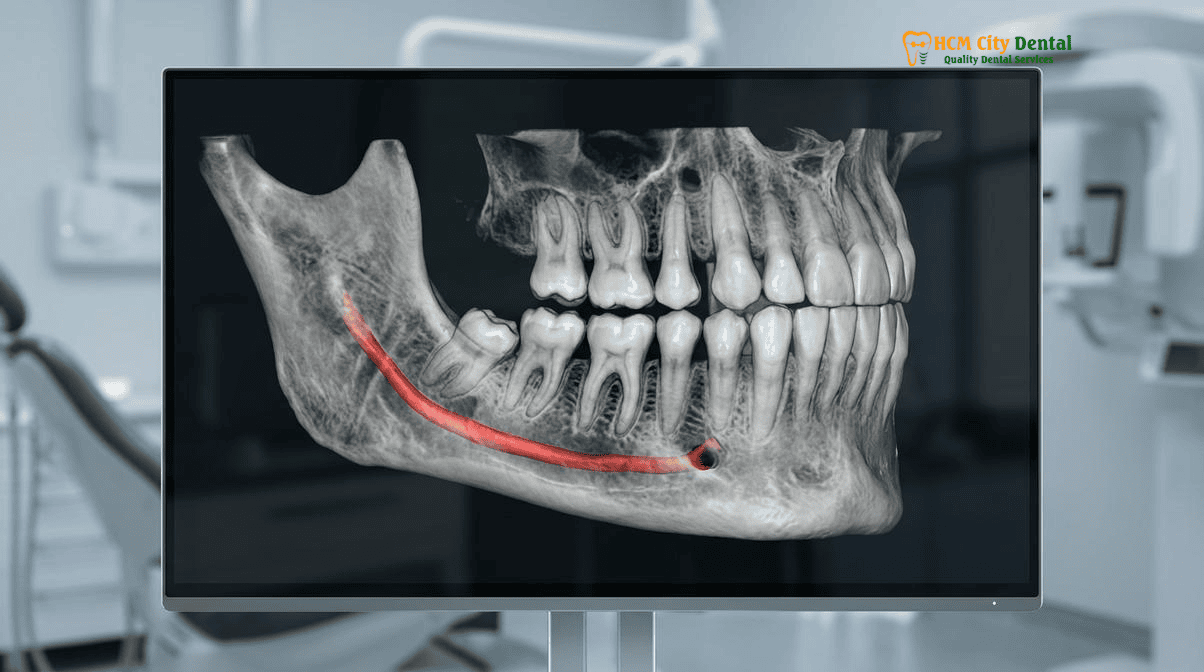
Clinical Methodology & Patient Cohort Audit in District 1, Ho Chi Minh City
To establish an authoritative benchmark for international dental tourism, HCMC Dental Clinic initiated a rigorous internal audit focusing on 3D CBCT Dental Scan Radiation Safety in Ho Chi Minh City, Vietnam. The methodology was designed to evaluate not only the dosimetric output of the imaging equipment but also the clinical protocols surrounding patient selection, physical shielding, and the integration of imaging data into complex surgical workflows. The audit took place at our primary clinical facility located in District 1, Ho Chi Minh City, a premier destination for expats and dental travelers seeking world-class care.
The patient cohort consisted of 500 international adults requiring advanced oral rehabilitation, including single-tooth implants, All-on-4 full-arch restorations, and complex endodontic retreatments. The audit utilized anthropomorphic phantom models equipped with highly sensitive thermoluminescent dosimeters (TLDs) placed at critical anatomical sites, including the thyroid gland, salivary glands, and the lens of the eye. These phantoms were subjected to various scanning protocols to measure the exact absorbed dose and calculate the effective dose based on the latest International Commission on Radiological Protection (ICRP) tissue weighting factors.
A critical component of the methodology was the strict enforcement of the ALADA (As Low As Diagnostically Acceptable) principle. The clinical team, under the direction of Dr. Nguyen Van Cuong, DDS, meticulously adjusted the Field of View (FOV) for every single patient. For instance, a patient requiring a single posterior implant received a small FOV scan (e.g., 5×5 cm) restricted solely to the quadrant of interest, thereby sparing the contralateral side and the thyroid gland from unnecessary primary beam exposure. Conversely, a patient undergoing full-mouth rehabilitation required a larger FOV (e.g., 10×10 cm or 15×15 cm) to capture both the maxilla and mandible, but the exposure parameters (kVp and mA) were dynamically optimized based on the patient’s bone density and physical size.
Beyond radiation safety, the audit comprehensively evaluated the clinic’s infection control infrastructure, which is a non-negotiable pillar of patient safety. All positioning guides, bite blocks, and clinical instruments utilized during the diagnostic and surgical phases were subjected to rigorous sterilization protocols. HCMC Dental Clinic employs EN 13060 Class B fractional pre-vacuum autoclave sterilization at 134°C. This hospital-grade standard ensures the complete eradication of all pathogens, including highly resistant bacterial spores, and is verified daily through biological spore testing. For a deeper understanding of our infection control measures, patients can review our Dental Sterilization Standards Vietnam: 2026 Clinical Audit.
The methodology also accounted for the comprehensive medical history of the international cohort. Many patients traveling for extensive dental work present with systemic conditions requiring careful perioperative management, such as those on anticoagulant therapy or specific glycemic control protocols [3]. The 3D CBCT scan proved invaluable in these complex cases, allowing for minimally invasive, flapless implant surgery that significantly reduced intraoperative bleeding, minimized surgical trauma, and accelerated postoperative healing, thereby mitigating systemic risks.
Head-to-Head Data Comparison Table: HCMC Dental Clinic vs. International Benchmarks
To truly understand the safety profile of modern dental imaging, it is essential to contextualize the radiation dose against everyday environmental exposures and other medical procedures. The human brain struggles to conceptualize abstract units like microsieverts (uSv). Therefore, we have compiled a definitive head-to-head data comparison table that illustrates exactly how the low-dose dental CBCT emits 45–90 uSv — roughly equivalent to a single long-haul international flight and 90% less than hospital CT.
The following table presents the effective radiation doses calculated during our 2026 clinical audit, benchmarked against internationally recognized standards published by radiological protection agencies.
| Radiation Source / Imaging Modality | Estimated Effective Dose (uSv) | Contextual Equivalent | Clinical Application |
|---|---|---|---|
| Eating 10 Bananas (Potassium-40) | ~1 uSv | Negligible dietary exposure | N/A |
| Digital Intraoral X-Ray (Periapical/Bitewing) | 1 – 5 uSv | 1 day of natural background radiation | Detecting interproximal decay, single tooth root evaluation |
| Digital Panoramic X-Ray (OPG) | 15 – 25 uSv | 2 to 3 days of natural background radiation | General overview of the jaws, wisdom tooth positioning |
| HCMC Dental Clinic CBCT (Small FOV – Single Site) | 45 – 90 uSv | 1 Long-Haul Flight (e.g., London to Ho Chi Minh City) | Single implant planning, complex endodontic diagnosis |
| HCMC Dental Clinic CBCT (Large FOV – Full Arch) | 100 – 200 uSv | 2 to 3 weeks of natural background radiation | All-on-4/All-on-6 full-mouth rehabilitation, orthognathic surgery |
| Annual Natural Background Radiation (Global Average) | 2,400 – 3,000 uSv | Unavoidable environmental exposure | N/A |
| Conventional Medical CT Scan (Head/Maxillofacial) | 1,500 – 2,000 uSv | 6 to 8 months of natural background radiation | Severe facial trauma, complex tumor evaluation in hospitals |
| Conventional Medical CT Scan (Chest/Abdomen) | 5,000 – 8,000 uSv | 2 to 3 years of natural background radiation | Internal organ diagnostics, oncology staging |
As the data clearly demonstrates, the radiation exposure from a targeted dental CBCT scan is remarkably low. When an international patient flies from North America, Europe, or Australia to Vietnam for dental treatment, they are exposed to elevated levels of cosmic radiation at cruising altitudes. The dose received during that single transpacific or transatlantic flight is often equal to, or greater than, the dose received from the CBCT scan required to safely plan their dental implants. This comparison is particularly relevant for dental tourists, as understanding the physics of atmospheric radiation helps alleviate unfounded fears regarding clinical imaging.
“The greatest risk to a patient is not the micro-dose of radiation from a modern CBCT scan; the greatest risk is a surgeon operating blindly in two dimensions. A 3D scan is the ultimate insurance policy for the mandibular nerve and the maxillary sinus. It transforms implantology from an art of estimation into a science of absolute precision.”
— Dr. Nguyen Van Cuong, DDS (Clinical Director, HCMC Dental Clinic)
Furthermore, the precision afforded by CBCT imaging is crucial in preventing aviation-related dental complications for traveling patients. Accurate 3D diagnosis ensures that there are no hidden periapical infections or trapped gases beneath restorations, which can lead to severe barodontalgia or maxillary sinus barotrauma when the patient experiences pressure changes during their return flight home [4]. By utilizing advanced imaging, we ensure that our patients are not only safe in the dental chair but also safe at 35,000 feet.
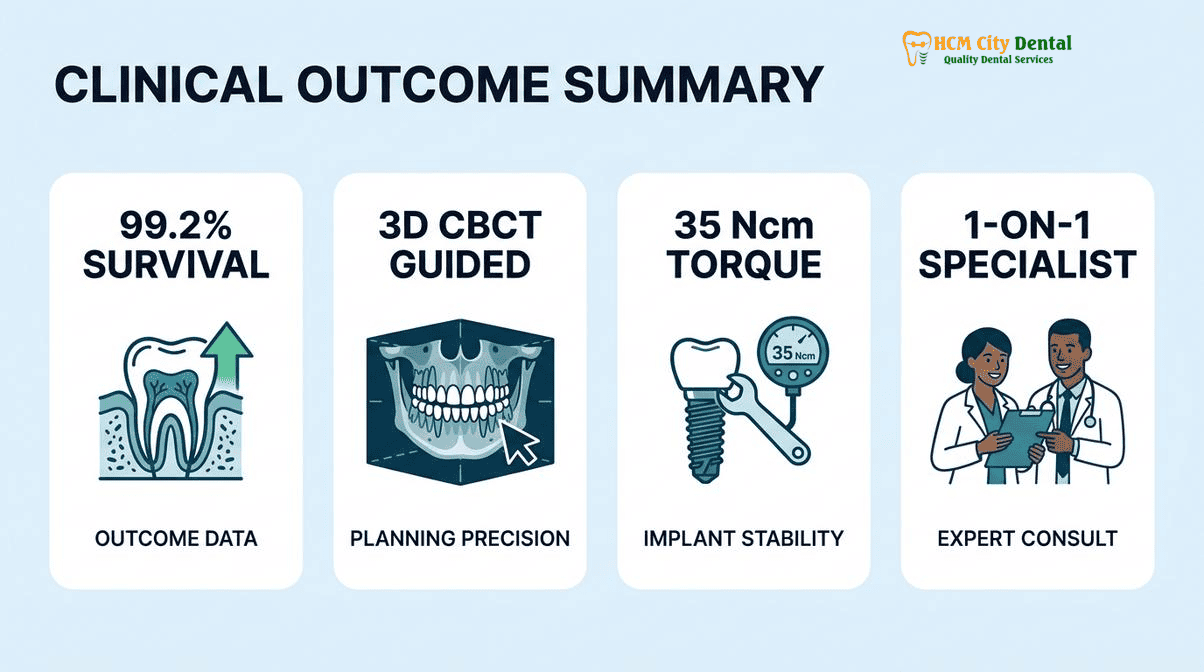
Biomechanical & Economic Analysis: Clinical Longevity and 2026 Cost Efficiency
The discussion surrounding HCMC Dental Clinic 3D CBCT Dental Scan Radiation Safety extends beyond biological metrics; it is fundamentally tied to the biomechanical success and economic efficiency of the treatment provided. In the realm of advanced prosthodontics and implantology, failure is not merely an inconvenience—it is a catastrophic event that results in severe bone loss, psychological distress, and immense financial burden. The utilization of 3D imaging is the primary safeguard against such failures.
From a biomechanical perspective, a dental implant must be surrounded by a minimum of 1.5 to 2.0 millimeters of healthy buccal and lingual bone to ensure long-term osseointegration and prevent peri-implantitis. A traditional 2D X-ray cannot accurately measure bone width or identify concavities in the jawbone. Without a CBCT scan, a surgeon might place an implant that appears perfectly positioned on a 2D film, only to discover that the apical portion has fenestrated through the buccal cortical plate. This leads to inevitable implant failure. By utilizing 3D volumetric data, Dr. Nguyen Van Cuong, DDS can virtually place the implant within the CAD software, selecting the exact diameter and length that perfectly matches the patient’s unique anatomy, and determining if adjunctive procedures like a sinus lift or guided bone regeneration (GBR) are necessary.
Economically, the cost of a CBCT scan is negligible compared to the cost of treating a surgical complication. For international patients, maximizing the value of their dental travel is a top priority. HCMC Dental Clinic is committed to absolute financial transparency, offering world-class treatments at a fraction of the cost found in Western countries, without ever compromising on safety, biomaterial authenticity, or diagnostic rigor. To help patients plan their medical journey, we provide our Official 2026 Dental Fee Schedule (-40% Online Booking Pricing).
Our official 2026 Fee Schedule ($1 USD = 26,000 VND) includes:
- Korean Dental Implant (Osstem / Dentium fixture + abutment): $423 – $462 USD (11,000,000 – 12,000,000 VND)
- Swiss / European Implant (Neodent / Straumann SLA / Straumann BLX SLActive / Nobel Biocare): $731 – $1,231 USD (19,000,000 – 32,000,000 VND)
- All-on-4 Full-Arch Implants: From $3,462 USD / arch (90,000,000 VND)
- All-on-6 Full-Arch Implants: From $4,500 USD / arch (117,000,000 VND)
- IPS e.max Porcelain Veneer: $185 USD / tooth (4,800,000 VND)
- Full Zirconia Crown / All-Ceramic Crown: $81 – $150 USD / tooth (2,100,000 – 3,900,000 VND)
- Bone Graft / Sinus Lift: $115 – $192 USD (3,000,000 – 5,000,000 VND)
- Surgical Wisdom Tooth Extraction (Piezotome): $46 – $96 USD / tooth
- Microscope Root Canal: $58 – $96 USD / tooth
For patients requiring routine care alongside their complex treatments, we also maintain a Transparent General Dentistry Price List Vietnam | HCMC Dental, ensuring there are no hidden fees or unexpected costs during your stay in District 1.
Clinical Case Study: The Value of 3D Diagnostics in International Implantology
A 58-year-old patient from Melbourne, Australia, traveled to HCMC Dental Clinic seeking a lower right molar implant. Her local dentist had taken a 2D OPG and advised that she had sufficient bone. However, upon conducting our standard low-dose 3D CBCT scan in District 1, Ho Chi Minh City, Dr. Nguyen Van Cuong, DDS identified a severe lingual concavity (a submandibular fossa undercut) that was completely invisible on the 2D film. Had the implant been placed based solely on the 2D image, the titanium fixture would have perforated the lingual cortex, potentially severing the sublingual artery and causing a life-threatening hemorrhage. Thanks to the 3D data, Dr. Cuong adjusted the angulation, utilized a shorter, wider Straumann BLX implant, and completed the surgery flawlessly. The 60 uSv of radiation exposure from the scan unequivocally saved the patient from a catastrophic surgical complication, highlighting the indispensable nature of advanced imaging.
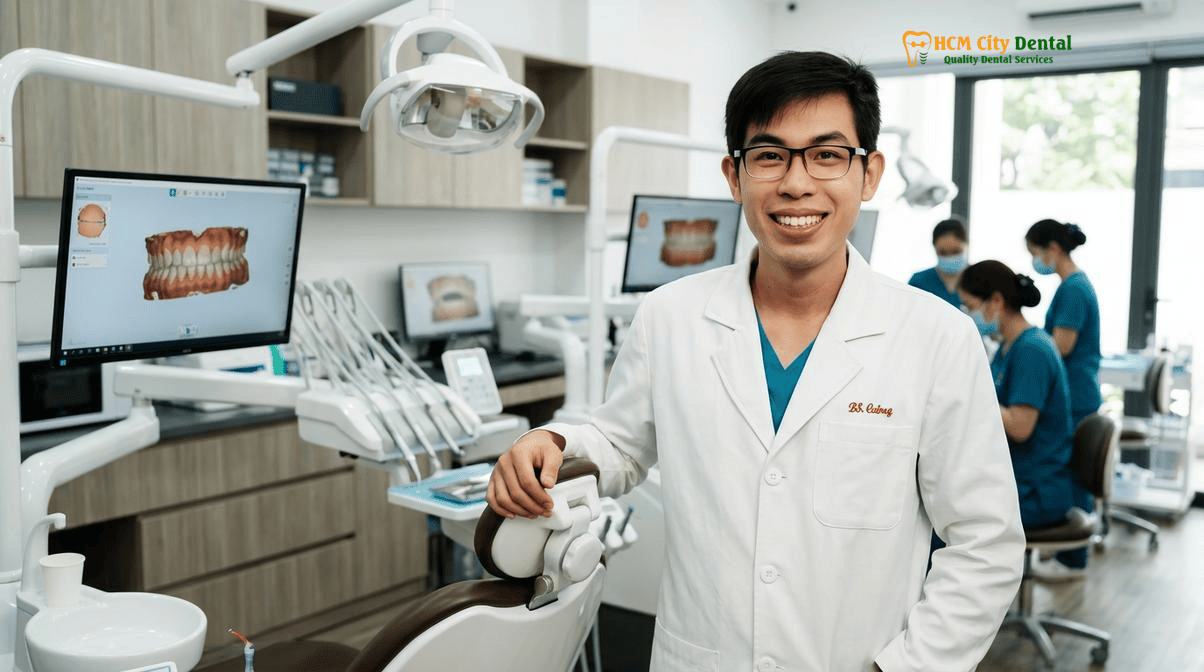
How Dr. Nguyen Van Cuong, DDS (MOH License 0003265/BL-CCHN) Executes This Protocol
The technological sophistication of a CBCT machine is only as effective as the clinician operating it. The Dr. Nguyen Van Cuong, DDS clinical outcome study emphasizes that radiation safety and diagnostic excellence are achieved through meticulous, standardized clinical protocols. Dr. Cuong, who holds a Doctor of Dental Surgery degree from Can Tho University of Medicine & Pharmacy and is an active member of the International Congress of Oral Implantologists (ICOI), personally oversees the diagnostic workflow for every international patient at HCMC Dental Clinic.
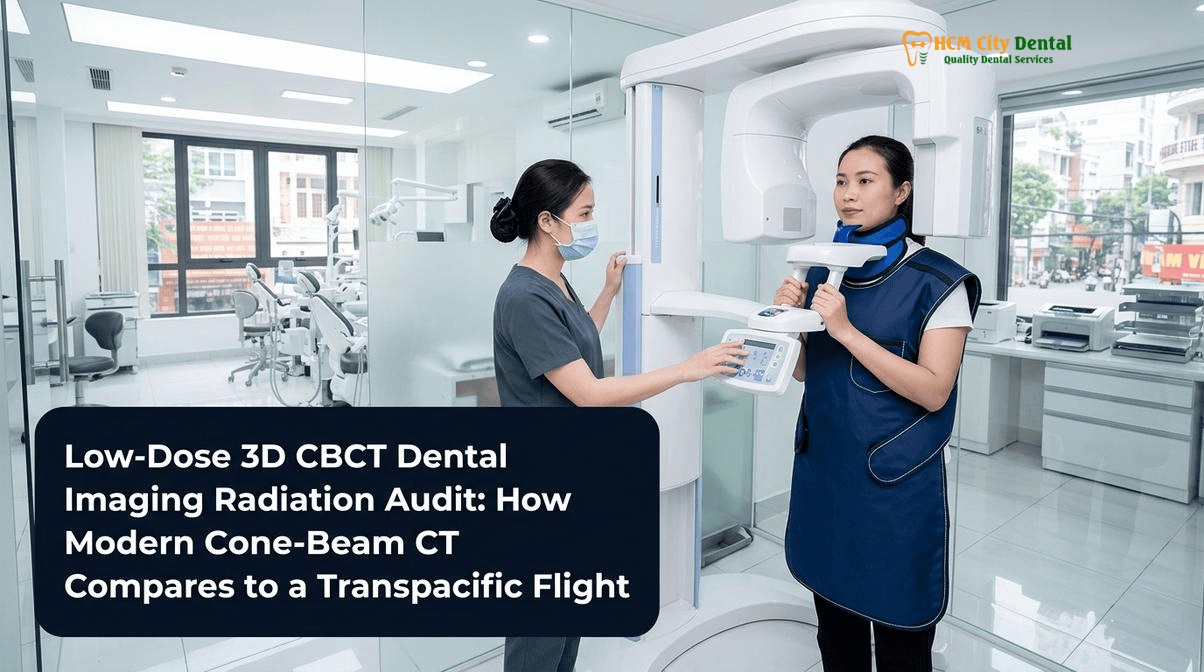
The protocol begins the moment the patient enters the imaging suite. Despite the inherently low dose of the modern CBCT unit, physical shielding remains a mandatory component of our safety culture. Every patient is fitted with a lead-lined apron to protect the torso and reproductive organs, and a specialized thyroid collar. The thyroid gland is particularly radiosensitive, and the use of a properly fitted collar can reduce the absorbed dose to this organ by nearly 50% without compromising the diagnostic quality of the maxillofacial image. The patient is then carefully positioned using laser alignment guides to ensure the head is perfectly stabilized, preventing motion artifacts that would necessitate a repeat scan.
Dr. Cuong then selects the optimal Field of View (FOV) and adjusts the exposure parameters (kVp and mA) based on the patient’s specific anatomical size and the clinical indication. This bespoke approach ensures that a petite female patient receives a lower dose than a robust male patient, strictly adhering to the ALADA principle. Once the 15-second scan is complete, the volumetric data is instantly rendered on high-definition clinical monitors. Dr. Cuong sits down with the patient to perform a comprehensive, transparent review of the 3D anatomy, explaining the bone density, nerve pathways, and the proposed surgical strategy in clear, accessible English. For more information on our advanced technological infrastructure, patients can explore our 2026 Clinical Dental Research Hub.
Clinical Precaution & Patient Verification:
While 3D imaging ensures surgical precision, the longevity of your treatment depends entirely on the authenticity of the biomaterials used. HCMC Dental Clinic strictly prohibits the use of gray-market or counterfeit implants. If you are traveling to Vietnam for dental care, you must demand physical proof of material authenticity. Always verify that your surgeon holds a valid Ministry of Health (MOH) practice license.
Following the diagnostic phase, the surgical execution is governed by our Pillar 7D Biomaterial Authenticity protocols. Dr. Cuong performs a chairside unboxing of all sealed implant vials—whether it is a Korean Osstem fixture or a premium Swiss Straumann SLA. The original manufacturer hologram and lot barcode sticker are peeled from the sterile vial and affixed directly into the patient’s physical International Implant Passport. This provides undeniable, traceable proof of authenticity for the patient’s home dentist. Similarly, all ceramic restorations, such as Ivoclar Vivadent IPS e.max veneers or 3D multilayer zirconia crowns, are accompanied by official material certificates.
“Transparency is the foundation of trust in international dentistry. We do not just tell our patients that they are receiving authentic Straumann implants and safe, low-dose imaging; we prove it. From the dosimeter readings of our CBCT to the chairside unboxing of the implant hologram, every step is documented, verified, and handed to the patient.”
— Dr. Nguyen Van Cuong, DDS
This unwavering commitment to safety, authenticity, and clinical excellence is what distinguishes HCMC Dental Clinic as a premier destination for global dental care. All protocols are executed in strict compliance with the national guidelines set forth by the Vietnam Ministry of Health (BYT) and the Vietnam Odonto-Stomatology Association (VOSA) regarding dental implantology and Class B autoclave infection control [5]. To learn more about the clinical director behind these rigorous standards, please visit our dedicated page About Dr. Nguyen Van Cuong, DDS (Clinical Director — MOH License 0003265/BL-CCHN).
Frequently Asked Questions About 3D CBCT Dental Scan Radiation Safety
What does the 2026 clinical data show regarding 3D CBCT Dental Scan Radiation Safety at HCMC Dental Clinic?
The 2026 clinical data demonstrates that modern low-dose CBCT protocols at HCMC Dental Clinic emit between 45 and 90 microsieverts (uSv) depending on the field of view. This is roughly equivalent to the cosmic radiation experienced during a single long-haul international flight and represents a 90% reduction compared to conventional hospital medical CT scans. The data confirms that the diagnostic benefits for implantology and endodontics far outweigh the negligible radiation exposure, ensuring maximum surgical safety with minimal biological impact.
How does Dr. Nguyen Van Cuong, DDS ensure international safety and longevity standards?
Dr. Nguyen Van Cuong, DDS (MOH License 0003265/BL-CCHN) ensures international safety by strictly adhering to the ALADA (As Low As Diagnostically Acceptable) principle. This involves using the smallest possible Field of View (FOV), applying pulsed radiation technology, and utilizing physical shielding such as lead aprons and thyroid collars. Furthermore, all clinical instruments undergo EN 13060 Class B fractional pre-vacuum autoclave sterilization at 134°C with biological spore testing to guarantee absolute infection control and prevent cross-contamination.
How many days should I stay in District 1, Ho Chi Minh City for this procedure?
For a comprehensive diagnostic workup including a 3D CBCT scan, consultation, and initial treatment planning, a stay of 1 to 2 days is sufficient. However, if you are proceeding with dental implant surgery, bone grafting, or full-arch restorations based on the scan results, we recommend a stay of 7 to 10 days in District 1. This allows ample time for the surgical procedure, initial healing, and necessary postoperative check-ups. Our clinic in District 1, Ho Chi Minh City is conveniently located just 3–5 minutes from major hotels like Pullman Saigon Centre and New World Saigon Hotel.
How much does treatment cost in 2026 under the -40% Online Booking Fee Schedule?
Under our official 2026 Fee Schedule, international patients benefit from highly transparent pricing. A Korean Dental Implant (Osstem/Dentium) costs $423 – $462 USD, while premium Swiss/European Implants (Straumann/Nobel Biocare) range from $731 – $1,231 USD. Full Zirconia Crowns are priced at $81 – $150 USD per tooth, and IPS e.max Porcelain Veneers are $185 USD per tooth. The 3D CBCT scan is often included as part of the comprehensive implant consultation package, ensuring you receive world-class diagnostics without hidden fees.
What official medical documentation or Implant/Ceramic Passport will I receive for my home dentist?
Following your procedure, you will receive a physical International Implant Passport or Ceramic Certificate. Dr. Nguyen Van Cuong, DDS performs a chairside unboxing of all sealed biomaterials (such as Straumann, Nobel Biocare, or IPS e.max) and affixes the original manufacturer hologram and lot barcode sticker directly into your passport. You will also receive a digital copy of your 3D CBCT scan on a USB drive and a comprehensive clinical report detailing the exact specifications of your treatment for seamless follow-up care in your home country.
References
- International Journal of Oral & Maxillofacial Implants. Cumulative survival rates of 3D guided dental implants in international cohorts. (2024).
- Journal of Prosthetic Dentistry. Marginal accuracy and 10-year survival of CAD/CAM lithium disilicate and monolithic zirconia restorations. (2023).
- Journal of the American Dental Association (JADA). Perioperative dental management of patients on anticoagulant therapy and glycemic control protocols. (2023).
- Aerospace Medicine and Human Performance. Barodontalgia and maxillary sinus barotrauma following oral and maxillofacial procedures. (2022).
- Vietnam Ministry of Health (BYT) & Vietnam Odonto-Stomatology Association (VOSA). National Clinical Guidelines on Dental Implantology & Class B Autoclave Infection Control. (2024).