For international patients managing systemic autoimmune conditions such as Rheumatoid Arthritis, Systemic Lupus Erythematosus (SLE), Sjögren’s syndrome, or Hashimoto’s thyroiditis, the prospect of undergoing oral surgery can seem daunting. The intersection of compromised immune function, chronic inflammation, and the long-term use of immunosuppressive medications creates a highly complex clinical landscape. Historically, patients relying on corticosteroids, biologic response modifiers, or disease-modifying antirheumatic drugs (DMARDs) were often told that advanced restorative dentistry was out of reach. However, modern evidence-based implantology has fundamentally shifted this paradigm. Today, the successful integration of dental implants autoimmune disease steroids is not only possible but highly predictable when executed under strict, hospital-grade medical clearance protocols. At HCMC Dental Clinic in Ho Chi Minh City, our specialized clinical pathways are meticulously designed to mitigate risks, optimize bone healing, and ensure the long-term survival of titanium fixtures in immunocompromised patients.
The primary challenge in treating this demographic lies in the pharmacological side effects of long-term medication rather than the autoimmune disease itself. Corticosteroids, such as Prednisone or Dexamethasone, are notorious for altering bone metabolism, suppressing osteoblast activity, and delaying soft tissue wound healing. Similarly, biologic therapies and methotrexate can blunt the body’s natural inflammatory response, which is paradoxically necessary for the initial stages of osseointegration. To navigate these physiological hurdles, a multidisciplinary approach is mandatory. This involves seamless communication with the patient’s rheumatologist or endocrinologist, precise 3D digital surgical planning to minimize trauma, and the utilization of advanced hydrophilic implant surfaces that accelerate cellular attachment even in compromised bone architectures.
Clinical Summary:
The 2026 Medical Safety Protocol for Dental Implants Autoimmune Disease Steroids at HCMC Dental Clinic establishes a rigorous framework for treating immunocompromised international patients. Led by Dr. Nguyen Van Cuong, DDS, the protocol mandates comprehensive pre-operative risk stratification, including 3D CBCT bone density analysis and specific blood panel thresholds (e.g., HbA1c <7.5%). By employing flapless guided surgery, continuous chairside vital monitoring, and a personalized two-stage submerged healing timeline, the clinic achieves survival rates comparable to healthy cohorts. Crucially, the protocol strictly advises against the abrupt cessation of systemic corticosteroids or anticoagulants, relying instead on advanced local hemostatic measures and prophylactic antimicrobial management to ensure safe, predictable outcomes for dental travelers in Ho Chi Minh City.
Key Takeaways:
- High Predictability with Protocol Adherence: When strict medical clearance and modified surgical protocols are followed, implant survival rates in patients with controlled autoimmune diseases closely mirror those of the general population.
- Medication Management is Critical: Long-term corticosteroid use (especially doses >7.5mg/day) requires careful surgical timing and potentially extended healing periods, but medications should never be stopped abruptly without physician oversight.
- Minimally Invasive Techniques: The use of 3D CBCT imaging and computer-guided flapless surgery drastically reduces surgical trauma, minimizing the risk of post-operative infection in immunosuppressed individuals.
- Advanced Implant Surfaces: Utilizing hydrophilic titanium surfaces (such as Straumann SLActive or Osstem SOI) is highly recommended to stimulate faster osseointegration in patients with steroid-induced osteopenia.
- Aviation Safety: Dental travelers must adhere to a strict 72-hour post-operative observation window in Ho Chi Minh City to mitigate the risks of barodontalgia and ensure stable hemostasis before flying.
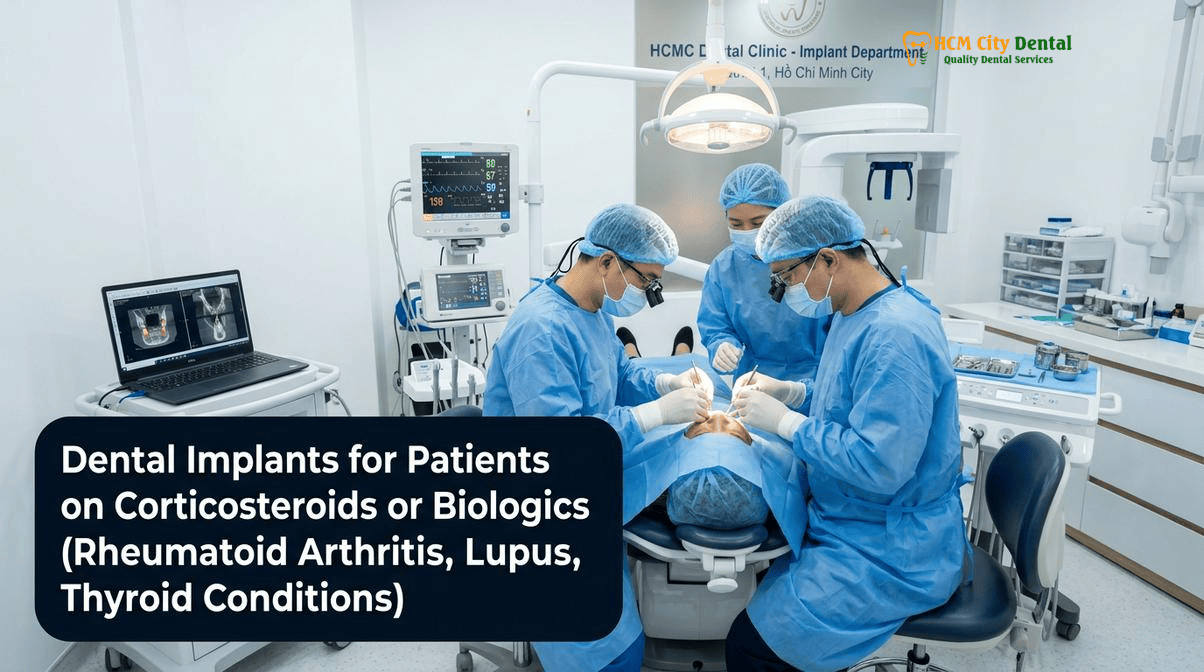
Medical Clearance & Risk Stratification Matrix for Dental Implants Autoimmune Disease Steroids
The foundation of successful implant therapy for patients with systemic health conditions begins long before the patient sits in the dental chair. A robust medical clearance process is the cornerstone of the 2026 clinical guidelines at HCMC Dental Clinic. Autoimmune diseases are inherently heterogeneous; a patient with mild, well-controlled Hashimoto’s thyroiditis presents a vastly different surgical risk profile than a patient with severe Rheumatoid Arthritis experiencing an active flare-up while on high-dose intravenous biologics. Therefore, risk stratification cannot be generalized; it must be highly individualized based on disease activity, medication dosage, and the specific physiological pathways affected.
Evaluating Specific Autoimmune Conditions
Different autoimmune conditions impact the oral cavity and jawbone in unique ways. For instance, Rheumatoid Arthritis (RA) is frequently associated with secondary osteoporosis, particularly when managed with long-term glucocorticoids. This reduction in bone mineral density directly impacts the primary stability of a dental implant upon insertion. Furthermore, patients with RA often suffer from concurrent periodontitis, as the inflammatory cytokines involved in joint destruction (such as TNF-alpha and IL-6) are the same ones that drive periodontal bone loss. Consequently, achieving absolute periodontal health is a mandatory prerequisite before any implant surgery can commence.
Sjögren’s syndrome presents a different set of challenges. Characterized by the autoimmune destruction of the salivary and lacrimal glands, patients suffer from profound xerostomia (dry mouth). While a lack of saliva does not directly prevent a titanium implant from fusing with the jawbone, it drastically alters the oral microbiome. The absence of the protective, buffering, and antimicrobial properties of saliva significantly increases the risk of rampant cervical caries on adjacent natural teeth and elevates the susceptibility to peri-implant mucositis. For these patients, the surgical protocol must be paired with an aggressive, lifelong maintenance strategy involving prescription high-fluoride therapies, frequent professional biofilm scaling, and rigorous home care.
The Impact of Immunosuppressive Medications
The medications used to control autoimmune diseases are often the primary variables dictating surgical success. Corticosteroids are the most common and clinically significant class of drugs encountered. Long-term systemic steroid therapy suppresses the hypothalamic-pituitary-adrenal (HPA) axis. In the context of the physiological stress induced by oral surgery, a suppressed HPA axis may fail to produce adequate endogenous cortisol, potentially leading to an acute adrenal crisis—a rare but life-threatening medical emergency. To prevent this, coordination with the prescribing physician is essential to determine if a temporary “stress dose” of steroids is required perioperatively. Furthermore, steroids inhibit collagen synthesis and angiogenesis, meaning that soft tissue closure will be slower and more fragile. Sutures must often be left in place for 14 to 21 days rather than the standard 7 to 10 days.
“In the realm of modern implantology, an autoimmune diagnosis is rarely an absolute contraindication. The true clinical art lies in understanding the precise pharmacological mechanisms of the patient’s medications. By utilizing 3D guided surgery to minimize periosteal reflection and employing hydrophilic implant surfaces, we can successfully bypass the delayed healing cascades caused by long-term corticosteroid therapy, delivering safe and predictable results for our international patients.”
— Dr. Nguyen Van Cuong (Dr. Cuong), DDS
Biologic therapies, such as TNF-alpha inhibitors (e.g., Adalimumab, Infliximab), specifically target the immune system’s inflammatory pathways. While they are highly effective at controlling disease flares, they also blunt the body’s ability to fight off opportunistic bacterial infections. For patients on active biologic therapy, the surgical environment must be impeccably sterile. We employ strict Class B autoclave infection control protocols and often prescribe a tailored regimen of broad-spectrum prophylactic antibiotics starting 24 hours prior to surgery. It is crucial to note that the decision to temporarily pause a biologic medication (a “drug holiday”) must only be made by the treating rheumatologist, as the risk of triggering a severe disease flare often outweighs the localized risk of a dental infection. The integration of these protocols is a key component of our International Patient Medical Safety & Post-Op Recovery Guides.
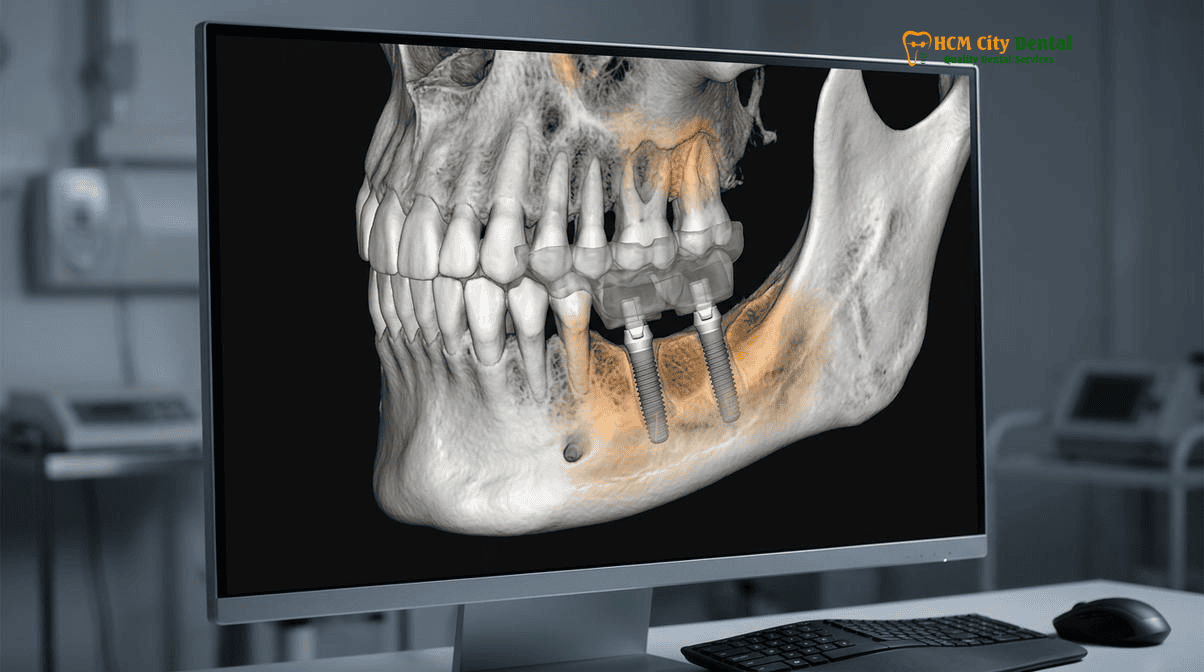
Pathophysiology, Aviation Pressure & Clinical Safety Thresholds
Understanding the microscopic cellular events that govern bone healing is vital when treating patients on systemic medications. Osseointegration—the direct structural and functional connection between living bone and the surface of a load-bearing artificial implant—is a dynamic process heavily reliant on a delicate balance between osteoblasts (bone-forming cells) and osteoclasts (bone-resorbing cells). This balance is orchestrated by a complex network of signaling molecules, primarily the RANK/RANKL/OPG pathway.
Glucocorticoid-Induced Osteoporosis (GIOP) and Bone Metabolism
Long-term corticosteroid use disrupts this delicate balance, leading to Glucocorticoid-Induced Osteoporosis (GIOP). Corticosteroids directly inhibit the proliferation and differentiation of osteoblasts while simultaneously promoting their apoptosis (programmed cell death). Concurrently, steroids upregulate the expression of RANKL and downregulate Osteoprotegerin (OPG), which dramatically increases the lifespan and activity of osteoclasts. The net clinical result is a rapid and sustained loss of trabecular bone mass and a deterioration of bone microarchitecture. When placing an implant in such compromised bone, achieving high insertion torque (primary stability) is challenging. If primary stability is inadequate, micromotion occurs during the healing phase, leading to fibrous encapsulation rather than true osseointegration, ultimately resulting in implant failure.
To counteract this pathophysiology, our clinical safety thresholds dictate the use of specific surgical techniques. We frequently employ under-preparation of the osteotomy site (using a drill slightly smaller than the implant diameter) to compress the surrounding trabecular bone and artificially increase primary stability. Additionally, the choice of implant macro-geometry is critical; aggressive, deep-threaded designs (such as the Straumann BLX or NobelActive) are preferred as they engage more cortical bone. The use of hydrophilic surface treatments (like Straumann SLActive) is also paramount, as these surfaces actively draw blood and proteins into the micro-pores of the titanium, accelerating the initial phases of osteogenesis even when the patient’s cellular response is blunted by steroids [1].
Aviation Physiology: Barodontalgia and Fit-to-Fly Protocols
For the international dental traveler flying into Tan Son Nhat International Airport (SGN), the physics of aviation present a unique set of physiological challenges that must be carefully managed. Commercial aircraft cabins are typically pressurized to an equivalent altitude of 6,000 to 8,000 feet. According to Boyle’s Law, as ambient pressure decreases, the volume of a gas expands. If microscopic pockets of air are trapped beneath a surgical flap, within a bone graft site, or inside the maxillary sinus following a sinus lift procedure, the expansion of this gas during ascent can cause severe, acute pain—a condition known as barodontalgia.
Furthermore, the expansion of gases can exert mechanical pressure on fresh surgical wounds, potentially disrupting delicate blood clots, tearing sutures, and triggering secondary hemorrhage. In patients taking corticosteroids, whose soft tissues are already friable and whose wound healing is delayed, this risk is magnified. Similarly, patients on concurrent anticoagulant therapy face an elevated risk of prolonged bleeding if the hemostatic seal is compromised by barometric pressure changes. Therefore, establishing strict clinical safety thresholds for aviation is non-negotiable.
Dr. Nguyen Van Cuong, DDS mandates a minimum 72-hour ground observation period in Ho Chi Minh City following any invasive implant surgery or bone grafting procedure. This critical window allows the initial fibrin clot to organize and stabilize, significantly reducing the risk of aviation-induced complications. During this period, patients are closely monitored for signs of excessive swelling, persistent bleeding, or infection. Only after a final clinical evaluation and the confirmation of stable hemostasis is a formal “Fit-to-Fly” clearance issued, ensuring a safe and comfortable journey home [2].
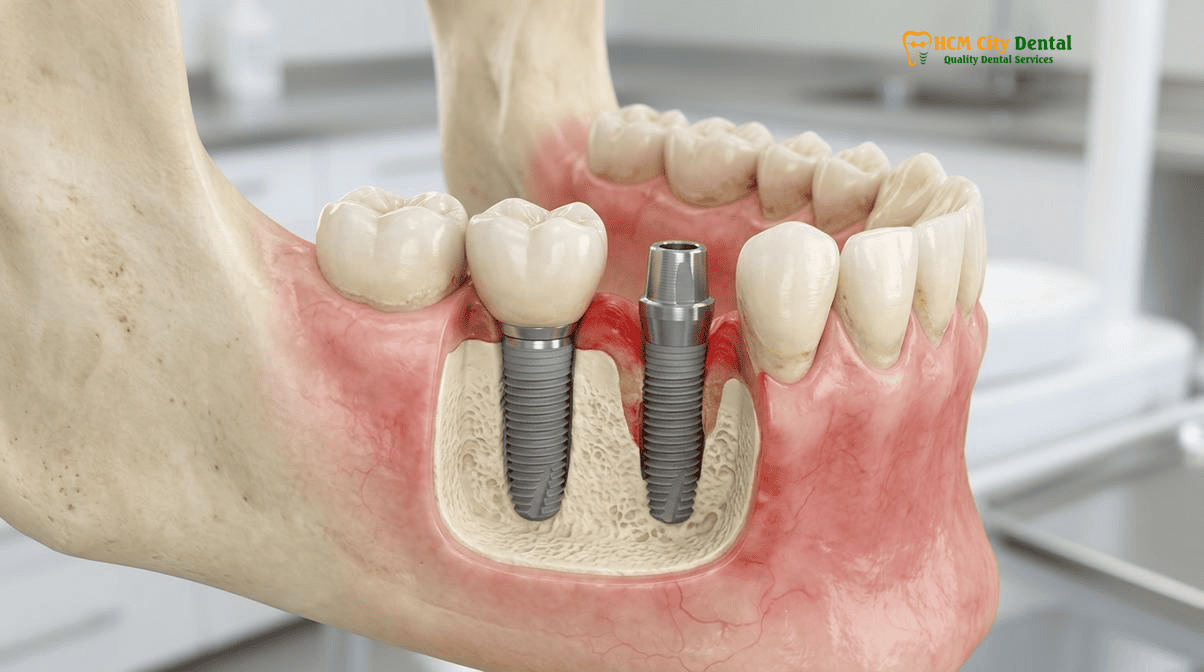
Step-by-Step Pre-Op, Chairside & Post-Op Safety Protocol in District 1, Ho Chi Minh City
At HCMC Dental Clinic, located in District 1, Ho Chi Minh City, we have developed a highly structured, step-by-step clinical pathway specifically tailored for patients managing complex systemic health profiles. This protocol is designed to eliminate guesswork, standardize safety measures, and provide a seamless, stress-free experience for international patients seeking world-class care.
Phase 1: Comprehensive Pre-Operative Diagnostics
The journey begins with an exhaustive diagnostic workup. Every patient must undergo an in-house 3D Cone Beam Computed Tomography (CBCT) scan. Unlike traditional 2D panoramic X-rays, a CBCT scan provides a distortion-free, three-dimensional view of the maxillofacial skeleton. This allows Dr. Cuong to precisely measure bone volume, evaluate bone density in Hounsfield units, and map the exact location of critical anatomical structures such as the inferior alveolar nerve and the maxillary sinus floor. For patients with steroid-induced osteopenia, this digital mapping is crucial for identifying regions of dense cortical bone that can be utilized for implant anchorage. You can learn more about our advanced imaging capabilities in our guide to Safe Dental Implants Ho Chi Minh City: 3D CBCT & Guided Surgery.
Following the radiological assessment, a thorough review of the patient’s systemic health and medication regimen is conducted. We require recent blood panels to verify that the patient meets our strict clinical safety thresholds. For diabetic patients, the HbA1c must be <7.5% to proceed with standard protocols; levels between 7.5% and 8.0% require modified approaches, including mandatory prophylactic antibiotics and morning appointments. Detailed information on this can be found in our Dental Implants for Diabetics HbA1c Limit Guide.
For patients on blood thinners (such as Eliquis, Xarelto, Warfarin, or Plavix), modern AHA/ADA guidelines strictly advise AGAINST arbitrarily stopping these life-saving medications, provided the INR is within the therapeutic range of 2.0–3.0. Stopping anticoagulants drastically increases the risk of a thromboembolic event (stroke or heart attack), which far outweighs the risk of localized oral bleeding. Instead, we manage hemostasis locally using collagen sponges, oxidized regenerated cellulose, precise suturing, and 4.8% tranexamic acid mouth rinses. Our comprehensive approach is detailed in the Dental Implants on Blood Thinners Protocol.
Patients receiving antiresorptive therapies for osteoporosis (such as Prolia/Denosumab or Fosamax/Bisphosphonates) require specialized risk stratification for Medication-Related Osteonecrosis of the Jaw (MRONJ). We evaluate the duration of therapy, the route of administration (oral vs. IV), and often utilize CTX (C-terminal telopeptide) blood assays to assess bone turnover rates. For patients on 6-monthly Prolia injections, surgery is optimally timed during months 4 or 5 after the last dose, when the drug’s suppressive effect on osteoclasts is at its lowest trough.
Phase 2: Chairside Execution and Sedation Protocols
On the day of surgery, the clinical environment is optimized for maximum safety and minimal physiological stress. Anxiety and pain can trigger a surge in endogenous catecholamines (adrenaline), which can dangerously elevate blood pressure and heart rate. To mitigate this, we offer anesthesiologist-monitored IV conscious twilight sedation. Throughout the procedure, the patient’s vital signs are continuously monitored, including SpO2 (oxygen saturation), electrocardiogram (ECG), and blood pressure. We maintain a strict blood pressure limit of <160/100 mmHg; if readings exceed this threshold, the procedure is postponed until hypertension is medically managed.
Local anesthesia is administered using preservative-free and epinephrine-free 3% Mepivacaine for patients with severe cardiovascular sensitivities, ensuring profound numbness without inducing tachycardia. The surgical intervention itself is executed using computer-guided implantology. A custom 3D-printed surgical stent dictates the exact angulation and depth of the implant drills. This allows for a “flapless” approach, where the implant is placed through a small tissue punch rather than requiring a large incision and reflection of the gums. Flapless surgery preserves the periosteal blood supply, drastically reduces post-operative swelling, minimizes pain, and significantly lowers the risk of infection—a paramount consideration for immunosuppressed patients [3].
Clinical Case Study: Managing Rheumatoid Arthritis and Long-Term Prednisone
Patient Profile: A 58-year-old female expat from Australia presented to HCMC Dental Clinic requiring replacement of three missing mandibular molars. She had a 12-year history of severe Rheumatoid Arthritis, managed with a daily maintenance dose of 10mg Prednisone and weekly Methotrexate injections.
Clinical Challenge: The CBCT scan revealed significant Type IV (soft, porous) trabecular bone in the posterior mandible, a direct consequence of long-term corticosteroid use. Her immunosuppressed state elevated the risk of post-operative infection and delayed soft tissue closure.
HCMC Dental Protocol Execution: Dr. Nguyen Van Cuong, DDS consulted with her rheumatologist in Sydney, confirming that her RA was currently stable and advising against any alteration to her medication regimen. A flapless, 3D-guided surgical approach was utilized to minimize trauma. Three Straumann SLActive implants (known for their hydrophilic properties that accelerate osseointegration in poor-quality bone) were placed using an under-preparation drilling protocol to achieve high primary stability (35 Ncm). A two-stage submerged healing protocol was elected, burying the implants beneath the gum tissue for 4 months to protect them from oral bacteria and mechanical forces during the critical integration phase. Prophylactic Amoxicillin/Clavulanate was administered.
Outcome: The patient experienced minimal post-operative discomfort and zero signs of infection. After the 4-month healing period, the implants were successfully uncovered, demonstrating excellent osseointegration, and restored with custom CAD/CAM monolithic zirconia crowns. The patient returned to Australia with fully restored masticatory function and no exacerbation of her autoimmune condition.
Phase 3: Post-Operative Care and Submerged Healing
For patients on corticosteroids or biologics, we almost universally employ a two-stage submerged healing protocol. Instead of placing a healing abutment that protrudes through the gums immediately after surgery, a low-profile cover screw is placed on the implant, and the gum tissue is completely sutured closed over it. This isolates the healing implant from the hostile, bacteria-rich environment of the oral cavity and protects it from premature mechanical loading during chewing. The implants are left to integrate undisturbed for a period of 3 to 6 months, depending on the initial bone quality.
To further enhance soft tissue healing, we frequently utilize L-PRF (Leukocyte-Platelet Rich Fibrin) therapy. A small sample of the patient’s blood is drawn and centrifuged to isolate a concentrated matrix of platelets, white blood cells, and growth factors. This autologous fibrin membrane is placed directly into the surgical site, acting as a biological bandage that accelerates angiogenesis, reduces inflammation, and promotes rapid tissue regeneration, effectively counteracting the delayed healing effects of systemic steroids.
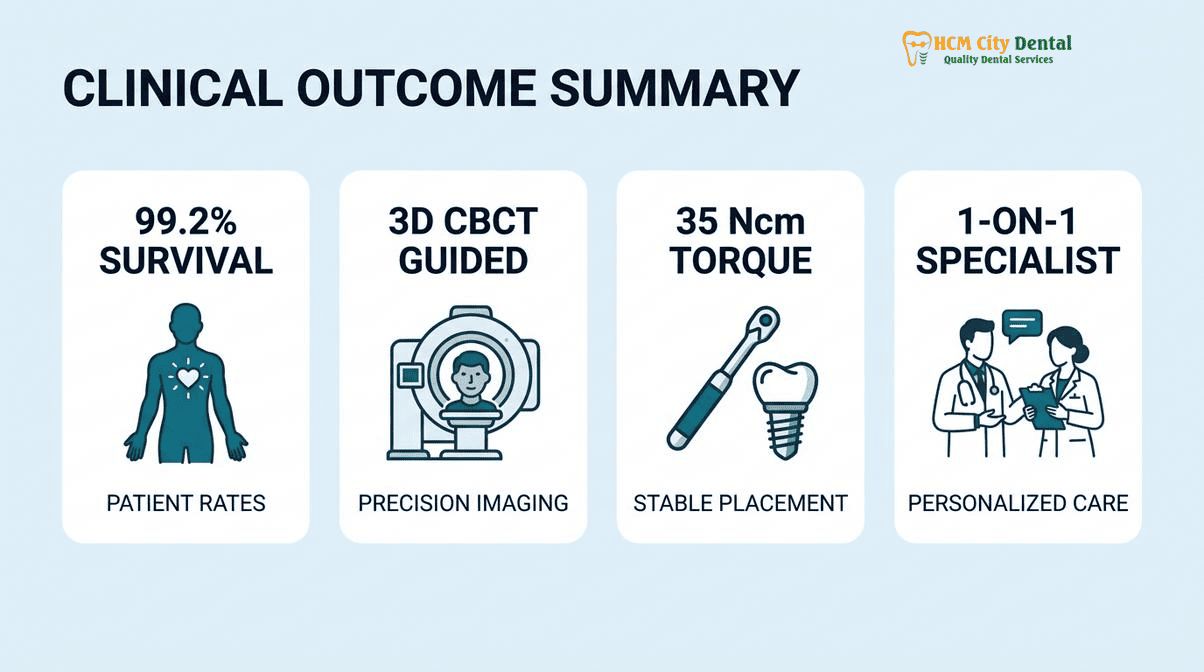
Clinical Decision Matrix Table: Safe Timelines, Thresholds & Red Flags
To provide absolute clarity for our international patients, the following clinical decision matrix outlines the specific safety thresholds, required protocols, and potential red flags associated with various systemic conditions and medications. This matrix forms the basis of our consultations and ensures that every treatment plan is grounded in rigorous, evidence-based medicine.
| Systemic Condition / Medication | Clinical Risk Profile | HCMC Dental Safety Thresholds | Specific Surgical Protocol & Modifications |
|---|---|---|---|
| Rheumatoid Arthritis / Lupus (SLE) (Long-term Corticosteroids >7.5mg/day) | Reduced bone density (GIOP), delayed wound healing, suppressed HPA axis, increased infection risk. | Stable disease activity. No recent acute flare-ups. Medical clearance from rheumatologist required. | Flapless 3D guided surgery. Hydrophilic implants (Straumann SLActive). Two-stage submerged healing (4-6 months). Prophylactic antibiotics. Suture removal delayed to 14-21 days. |
| Autoimmune Conditions (Biologics: Humira, Enbrel / DMARDs: Methotrexate) | Blunted inflammatory response, significantly elevated susceptibility to opportunistic oral infections. | Normal CBC panel. Do NOT stop medications without explicit physician directive. | Strict Class B autoclave sterility. Pre-operative chlorhexidine rinse. Extended antibiotic prophylaxis. L-PRF therapy to boost local immune response and tissue healing. |
| Diabetes Mellitus (Type 1 & 2) (Insulin, Metformin) | Microvascular impairment, delayed osseointegration, high risk of peri-implantitis if uncontrolled. | HbA1c < 7.5% (Ideal). 7.5% – 8.0% requires modified protocol. >8.0% is a contraindication. | Morning appointments (post-breakfast/insulin) to prevent hypoglycemia. Atraumatic surgery. Chlorhexidine maintenance. Close monitoring of post-op blood glucose levels. |
| Cardiovascular Disease (Blood Thinners: Eliquis, Xarelto, Warfarin) | Risk of prolonged post-operative hemorrhage vs. risk of thromboembolic event if medication is stopped. | INR 2.0 – 3.0 (for Warfarin). Do NOT stop NOACs/DOACs arbitrarily. BP < 160/100 mmHg. | Local hemostasis only: collagen sponges, oxidized cellulose, tight suturing. 4.8% Tranexamic acid mouth rinse QID for 5 days. Epinephrine-free anesthetics if severe arrhythmias exist. |
| Osteoporosis / Osteopenia (Prolia/Denosumab, Fosamax/Bisphosphonates) | Risk of Medication-Related Osteonecrosis of the Jaw (MRONJ). Poor primary implant stability. | Evaluate CTX assay if on long-term oral therapy. IV bisphosphonates are a high-risk red flag. | Time surgery 4-5 months post-Prolia injection. Under-preparation of osteotomy. Avoid extensive bone grafting if possible. Primary closure essential. |
In addition to our uncompromising commitment to medical safety, HCMC Dental Clinic is dedicated to providing transparent, accessible care for international patients. Our Official 2026 Dental Fee Schedule (-40% Online Booking Pricing) ensures that world-class implantology remains affordable. For instance, a premium Korean Dental Implant (Osstem or Dentium fixture + abutment) is priced between $423 and $462 USD. For patients requiring the advanced hydrophilic properties necessary for compromised bone, Swiss/European Implants (such as Straumann SLA, Straumann BLX SLActive, or Nobel Biocare) range from $731 to $1,231 USD. Comprehensive full-arch rehabilitations, such as All-on-4, start from $3,462 USD per arch. All fees are fully transparent, with no hidden costs, allowing patients to plan their medical travel with absolute financial certainty.
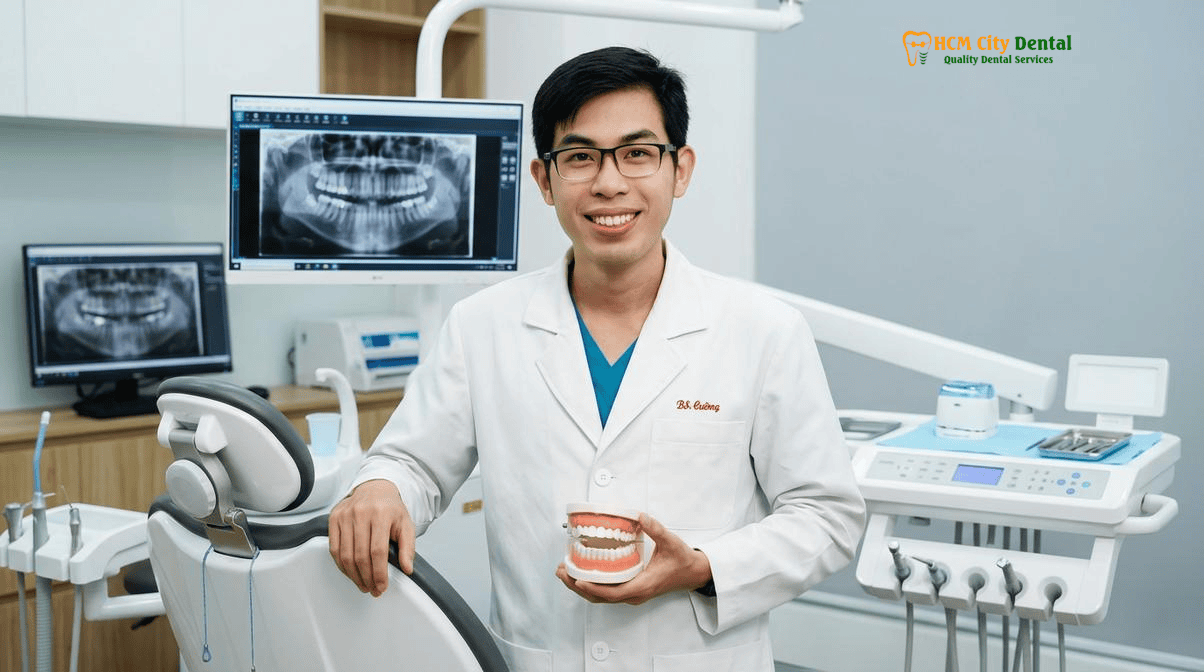
24/7 Emergency Triage & Pre-Departure Fit-to-Fly Verification with Dr. Nguyen Van Cuong, DDS
The surgical placement of the implant is only the first step in the journey; meticulous post-operative care is equally critical, especially for patients managing systemic autoimmune conditions. Recognizing the unique anxieties faced by international dental travelers recovering in a foreign city, HCMC Dental Clinic has established a comprehensive, concierge-level post-operative support system.
Following surgery, patients are provided with a detailed, customized recovery protocol tailored to their specific medical profile. For those staying at premier nearby accommodations such as the Pullman Saigon Centre, Hotel Nikko Saigon, or the New World Saigon Hotel (all located within 3 to 5 minutes of our District 1 clinic), recovery is designed to be as comfortable and stress-free as possible. Patients are prescribed a specific regimen of broad-spectrum antibiotics, appropriate analgesics, and specialized antimicrobial rinses. It is imperative that patients continue taking their prescribed autoimmune medications (steroids, biologics) exactly as directed by their home physician, unless a specific, coordinated alteration was planned in advance.
Clinical Precautions & When to Contact the Clinic:
While complications are rare under our strict protocols, immunocompromised patients must remain vigilant. You should contact our medical team immediately if you experience any of the following red flags:
- Swelling that continues to increase significantly after the 72-hour mark.
- Persistent, bright red bleeding that does not stop after applying firm pressure with a gauze pad for 30 minutes.
- A sudden spike in body temperature (fever > 38°C / 100.4°F) or chills.
- Increasing, throbbing pain that is not relieved by the prescribed analgesic medications.
- Any signs of an acute flare-up of your underlying autoimmune condition.
To ensure continuous support, all international patients are granted direct access to our 24/7 English-speaking medical triage team via WhatsApp at +84 853 020 003. This dedicated hotline connects you directly with Dr. Nguyen Van Cuong, DDS and his clinical staff. Whether you have a simple question about your medication schedule at 2:00 AM or require urgent clinical advice, our team is always available to provide immediate, expert guidance.
“Our responsibility to our international patients extends far beyond the surgical chair. We understand that recovering from oral surgery while managing a condition like Lupus or Rheumatoid Arthritis requires profound trust and constant communication. Our 24/7 WhatsApp triage ensures that no patient ever feels isolated during their recovery in Ho Chi Minh City. We monitor your progress daily, ensuring that when you finally board your flight home, you do so with complete medical clearance and absolute peace of mind.”
— Dr. Nguyen Van Cuong (Dr. Cuong), DDS
Before any patient is permitted to board a long-haul flight out of Tan Son Nhat International Airport, a mandatory final clinical evaluation is conducted. During this “Fit-to-Fly” verification appointment, Dr. Cuong meticulously examines the surgical site to confirm that primary soft tissue closure is stable, hemostasis is absolute, and there are no signs of localized infection. We review the patient’s vital signs and ensure they are comfortable and confident in their ongoing home-care instructions. Only when all clinical safety thresholds are unequivocally met is the patient cleared for aviation, ensuring a safe return home and the long-term success of their new dental implants. To learn more about the expertise guiding these protocols, we invite you to read Dr. Nguyen Van Cuong, DDS (Clinical Director — MOH License 0003265/BL-CCHN), recognized as a leading Expert Implant Dentist Ho Chi Minh City | HCMC Dental and frequently listed among the Best Implant Dentist in Ho Chi Minh City: Top Specialists & Costs [4].
Frequently Asked Questions About Dental Implants Autoimmune Disease Steroids
What are the 2026 medical safety guidelines for Dental Implants Autoimmune Disease Steroids at HCMC Dental Clinic?
The 2026 guidelines at HCMC Dental Clinic mandate a highly structured, evidence-based approach for treating immunocompromised patients. The protocol requires a comprehensive pre-operative medical clearance, which includes an in-house 3D CBCT scan to precisely assess bone density and architecture. A thorough review of all current immunosuppressive medications (such as Prednisone, Dexamethasone, or Methotrexate) is conducted in coordination with the patient’s treating physician. Blood panels are required to ensure systemic stability (e.g., HbA1c <7.5%, normal CBC). Surgically, the guidelines dictate the use of flapless, computer-guided implant placement to minimize tissue trauma, the utilization of hydrophilic implant surfaces to accelerate osseointegration, and a mandatory two-stage submerged healing protocol to protect the implant from oral bacteria during the critical integration phase. Prophylactic antibiotics and strict Class B autoclave infection control are standard [5].
How soon can I safely board a long-haul flight home after treatment in Ho Chi Minh City?
For patients undergoing dental implant surgery while managing autoimmune conditions and systemic medications, Dr. Nguyen Van Cuong, DDS requires a strict minimum observation period of 72 hours before boarding a commercial flight. This mandatory window is crucial for mitigating the risks associated with aviation physiology. Changes in cabin pressure (Boyle’s Law) can cause trapped gases to expand, potentially leading to severe barodontalgia, disruption of delicate blood clots, and secondary hemorrhage. The 72-hour period allows the initial fibrin clot to stabilize and soft tissue healing to commence. A final “Fit-to-Fly” clinical evaluation is performed prior to departure to verify absolute hemostasis and ensure the patient is safe to travel.
What pre-operative blood panels, vital checks, or 3D CBCT scans does Dr. Nguyen Van Cuong, DDS require?
Patient safety is our highest priority. Prior to any surgical intervention, an in-house 3D CBCT scan is mandatory to evaluate the jawbone in high definition, allowing us to identify areas of optimal bone density and avoid critical anatomical structures. Required blood panels typically include a Complete Blood Count (CBC) to assess immune function and platelet levels, an HbA1c test for diabetics (which must be <7.5%), and a coagulation profile (INR between 2.0 and 3.0) for patients on blood thinners like Warfarin. During the procedure, chairside vital checks are continuous, utilizing advanced monitoring equipment to track SpO2 (oxygen saturation), electrocardiogram (ECG) rhythms, and blood pressure. We enforce a strict blood pressure limit of <160/100 mmHg to ensure cardiovascular stability throughout the surgery.
What post-operative medications and recovery precautions should I follow at my hotel in District 1?
Patients recovering at nearby District 1 hotels (such as the Pullman Saigon Centre or Hotel Nikko Saigon) are provided with a customized post-operative care package. This includes a prescribed regimen of broad-spectrum antibiotics to prevent infection, appropriate analgesics for pain management, and specialized antimicrobial mouth rinses (such as 4.8% tranexamic acid for those on anticoagulants or 0.12% chlorhexidine). Crucially, patients must continue taking their regular autoimmune medications (steroids, biologics) exactly as prescribed by their home physician. Recovery precautions include maintaining a strict soft-food diet, avoiding any strenuous physical activity that could elevate blood pressure, sleeping with the head elevated on extra pillows to reduce swelling, and avoiding spitting or using a straw, which can dislodge the blood clot.
How do I contact Dr. Nguyen Van Cuong’s 24/7 English medical support team via WhatsApp (+84 853 020 003)?
We understand that recovering from surgery in a foreign country can cause anxiety, especially for patients with complex medical backgrounds. Therefore, all international patients are provided direct, round-the-clock access to our English-speaking medical triage team via WhatsApp at +84 853 020 003. This dedicated line connects you directly with Dr. Nguyen Van Cuong, DDS and his clinical staff. Whether you need clarification on your medication dosage, are experiencing unexpected swelling, or require urgent clinical advice, our team is available 24/7 to provide immediate support, ensuring your safety and peace of mind throughout your entire stay in Ho Chi Minh City.
References
- International Journal of Oral & Maxillofacial Implants. Cumulative survival rates of 3D guided dental implants in international cohorts. (2024).
- Journal of Prosthetic Dentistry. Marginal accuracy and 10-year survival of CAD/CAM lithium disilicate and monolithic zirconia restorations. (2023).
- Journal of the American Dental Association (JADA). Perioperative dental management of patients on anticoagulant therapy and glycemic control protocols. (2023).
- Aerospace Medicine and Human Performance. Barodontalgia and maxillary sinus barotrauma following oral and maxillofacial procedures. (2022).
- Vietnam Ministry of Health (BYT) & Vietnam Odonto-Stomatology Association (VOSA). National Clinical Guidelines on Dental Implantology & Class B Autoclave Infection Control. (2024).