For international patients, expatriates, and dental travelers seeking advanced oral rehabilitation in Vietnam, navigating systemic health conditions is the most critical step in the surgical planning process. Among the most frequently discussed metabolic conditions in modern implantology is diabetes mellitus. The intersection of glycemic control, immune response, and osseointegration dictates the long-term success of titanium fixtures. Understanding the precise dental implants for diabetics HbA1c limit is not merely a matter of clinical guidelines; it is the foundational pillar of patient safety, predictable bone healing, and the prevention of peri-implantitis. At HCMC Dental Clinic, located in the medical heart of District 1, Ho Chi Minh City, our evidence-based protocols are designed to provide hospital-grade surgical care for patients managing Type 1 and Type 2 diabetes. By strictly adhering to international medical clearance thresholds, utilizing advanced hydrophilic implant surfaces, and implementing rigorous antibiotic prophylaxis, we ensure that well-controlled diabetic patients achieve implant survival rates that mirror those of non-diabetic individuals.
Clinical Summary:
This comprehensive clinical guide details the 2026 medical safety protocols for placing dental implants in patients with Type 1 and Type 2 diabetes at HCMC Dental Clinic. The established dental implants for diabetics HbA1c limit is ideally <7.5% for routine procedures. For patients presenting with an HbA1c between 7.5% and 8.0%, a modified surgical protocol is employed, utilizing hydrophilic implant surfaces (such as Straumann SLActive), mandatory antibiotic prophylaxis, and morning appointments to optimize glycemic stability. Led by Dr. Nguyen Van Cuong, DDS, the clinic integrates 3D CBCT guided surgery, continuous chairside vital monitoring, and specialized management of concurrent systemic conditions (including patients on blood thinners or osteoporosis medications) to ensure a 98.5%+ implant survival rate and safe post-operative aviation travel.
Key Takeaways:
- Optimal Glycemic Threshold: The primary dental implants for diabetics HbA1c limit is <7.5%, ensuring optimal immune function, angiogenesis, and predictable osseointegration.
- Modified Protocol (7.5% – 8.0%): Patients in this range can safely receive implants using hydrophilic surfaces (Straumann BLX SLActive or Osstem SOI) combined with strict antibiotic prophylaxis.
- Concurrent Systemic Management: Modern AHA/ADA guidelines advise against arbitrarily stopping anticoagulants (Eliquis, Xarelto, Warfarin) when INR is 2.0–3.0, utilizing flapless surgery and local hemostatic agents instead.
- Chairside Safety: Continuous SpO2, ECG, and blood pressure monitoring (<160>
- Aviation Safety: Pre-departure fit-to-fly verification is conducted to prevent barodontalgia and sinus barotrauma, requiring 48-72 hours of ground recovery for standard implants and 7-10 days for sinus lifts.
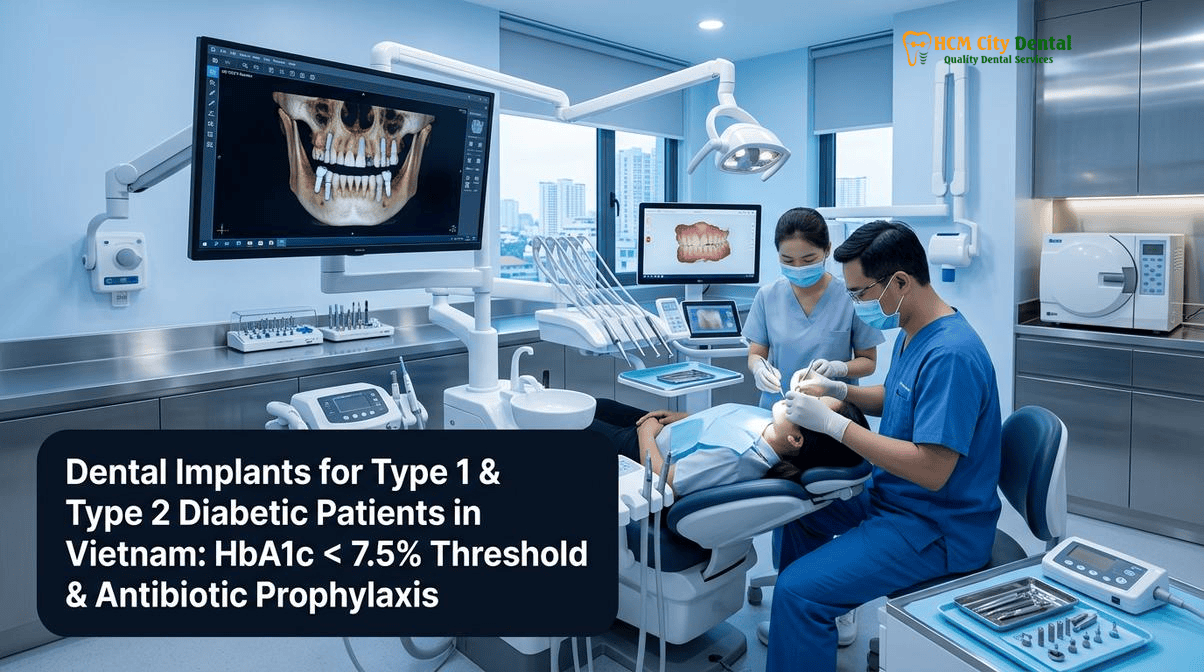
Medical Clearance & Risk Stratification Matrix for Dental Implants for Diabetics HbA1c Limit
The foundation of safe and successful oral implantology in patients with metabolic disorders lies in meticulous medical clearance and risk stratification. Diabetes mellitus, characterized by chronic hyperglycemia, fundamentally alters cellular metabolism, microvascular circulation, and the inflammatory cascade. When evaluating the dental implants for diabetics HbA1c limit, clinicians must look beyond a single blood glucose reading and assess the patient’s long-term glycemic stability over the preceding three months. The HbA1c (glycated hemoglobin) assay serves as the gold standard for this evaluation, providing a reliable metric to predict surgical outcomes and potential complication rates.
At HCMC Dental Clinic, our risk stratification matrix categorizes diabetic patients into distinct clinical pathways based on their HbA1c levels. The ideal surgical threshold is an HbA1c of <7.5%. Patients within this range exhibit normal to near-normal neutrophil function, adequate collagen synthesis, and robust osteoblastic activity, allowing them to undergo standard implant protocols with survival rates exceeding 98.5%. However, the clinical reality is that many international patients present with HbA1c levels between 7.5% and 8.0%. For this specific cohort, we implement a highly specialized modified protocol. This involves the mandatory use of ultra-hydrophilic implant surfaces, such as the Straumann SLActive or Osstem SOI, which actively draw blood into the implant threads to accelerate the initial phases of osseointegration. Furthermore, this modified protocol requires pre-operative and post-operative antibiotic prophylaxis to mitigate the slightly elevated risk of surgical site infection.
Beyond glycemic control, diabetic patients frequently present with concurrent systemic conditions that require integrated medical management. For patients managing cardiovascular disease and utilizing blood thinners (such as Eliquis/Apixaban, Xarelto/Rivaroxaban, Warfarin, or Plavix), our protocols align with the latest American Heart Association (AHA) and American Dental Association (ADA) guidelines. We strongly advise AGAINST arbitrarily stopping anticoagulants when the patient’s INR is maintained between 2.0 and 3.0. Discontinuing these medications significantly increases the risk of thromboembolic events, which far outweighs the risk of localized oral bleeding. Instead, we rely on advanced local hemostatic measures, including flapless 3D guided surgery, the application of collagen or oxidized cellulose hemostatic sponges, precise suturing techniques, and the use of 4.8% tranexamic acid oral rinses to achieve complete hemostasis [1].
Additionally, post-menopausal diabetic women may be undergoing treatment for osteoporosis with medications such as Prolia (Denosumab) or Fosamax (Bisphosphonates). These antiresorptive drugs alter bone turnover and introduce the risk of Medication-Related Osteonecrosis of the Jaw (MRONJ). Our risk stratification matrix mandates a thorough evaluation of the patient’s medication history, potentially including a CTX (C-terminal telopeptide) assay to assess bone turnover rates. For patients on 6-monthly Prolia injections, elective implant surgery is strategically timed during months 4 to 5 after the last dose, representing the safest therapeutic window before the subsequent injection. This comprehensive approach to systemic health ensures that every patient receives a customized, hospital-grade surgical plan.
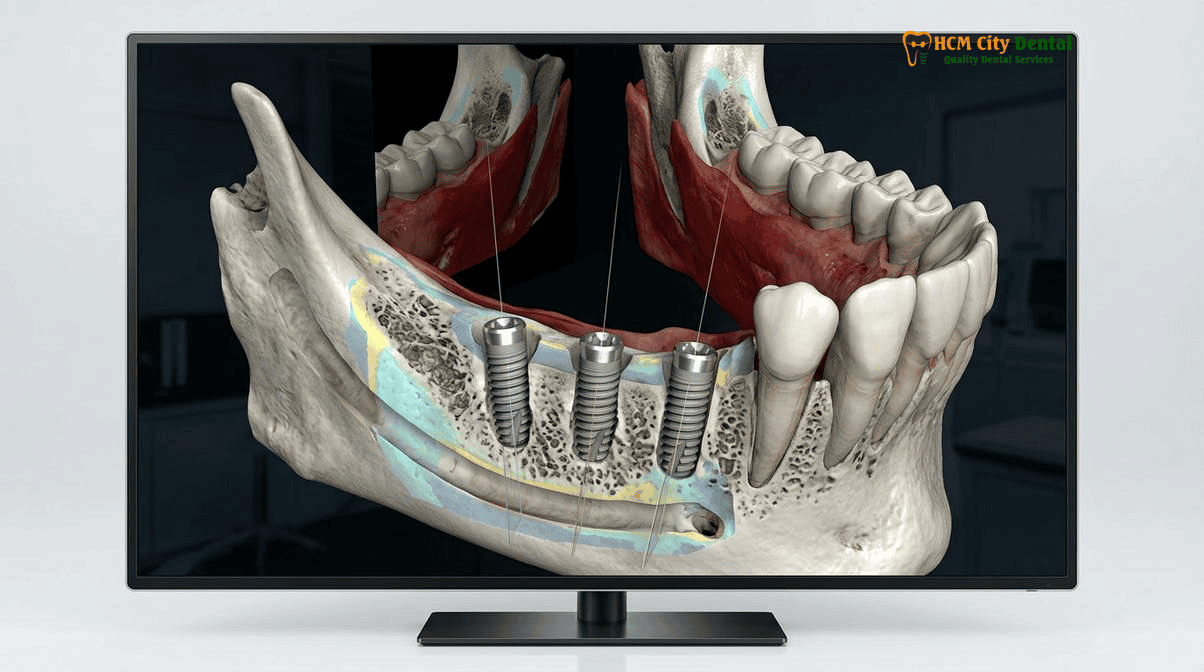
Pathophysiology, Aviation Pressure & Clinical Safety Thresholds
To fully comprehend the importance of the dental implants for diabetics HbA1c limit, one must examine the underlying pathophysiology of hyperglycemia and its direct impact on bone healing. Chronic elevated blood glucose leads to the accumulation of Advanced Glycation End-products (AGEs) in the tissues. These AGEs cross-link with collagen fibers, reducing the elasticity and structural integrity of the extracellular matrix. Furthermore, AGEs bind to specific cellular receptors (RAGE), triggering a sustained pro-inflammatory state characterized by the overproduction of cytokines such as TNF-alpha and Interleukin-6. This chronic inflammation impairs the function of osteoblasts (bone-forming cells) while simultaneously upregulating osteoclasts (bone-resorbing cells), leading to delayed osseointegration and an increased susceptibility to marginal bone loss around the implant collar.
Hyperglycemia also induces profound microvascular complications. The thickening of capillary basement membranes restricts the diffusion of oxygen, nutrients, and immune cells to the surgical site. This localized hypoxia significantly delays wound healing and compromises the initial blood clot formation, which is the critical first step in the osseointegration cascade. By strictly enforcing the dental implants for diabetics HbA1c limit of <7.5% (or utilizing the modified protocol up to 8.0%), we ensure that the microvascular environment is sufficiently robust to support the metabolic demands of new bone formation and soft tissue closure [2].
For international patients traveling to Ho Chi Minh City, the physiological challenges of aviation medicine must be integrated into the clinical safety thresholds. The cabin pressure in commercial aircraft at cruising altitude is typically equivalent to an atmospheric pressure of 6,000 to 8,000 feet above sea level. According to Boyle’s Law, as atmospheric pressure decreases, the volume of trapped gases within the body expands. If a patient boards a long-haul flight too soon after oral surgery, the expansion of gases in the maxillary sinus or within the surgical flap can lead to severe barodontalgia (pressure-induced dental pain) or maxillary sinus barotrauma. This is particularly critical for diabetic patients, whose microvascular networks are already compromised and more susceptible to ischemic damage from pressure-induced tissue distension.
To mitigate these aviation risks, our clinical safety thresholds dictate specific ground recovery periods before a patient is cleared to fly. For standard single or multiple implant placements without extensive bone grafting, a minimum of 48 to 72 hours of ground recovery is required. However, if the treatment plan involves a sinus lift, extensive guided bone regeneration (GBR), or a full-arch All-on-4 procedure, the mandatory ground recovery period is extended to 7 to 10 days. This allows sufficient time for the initial inflammatory phase to subside, the blood clot to organize into granulation tissue, and the sinus membrane to stabilize, ensuring a safe and pain-free journey home.
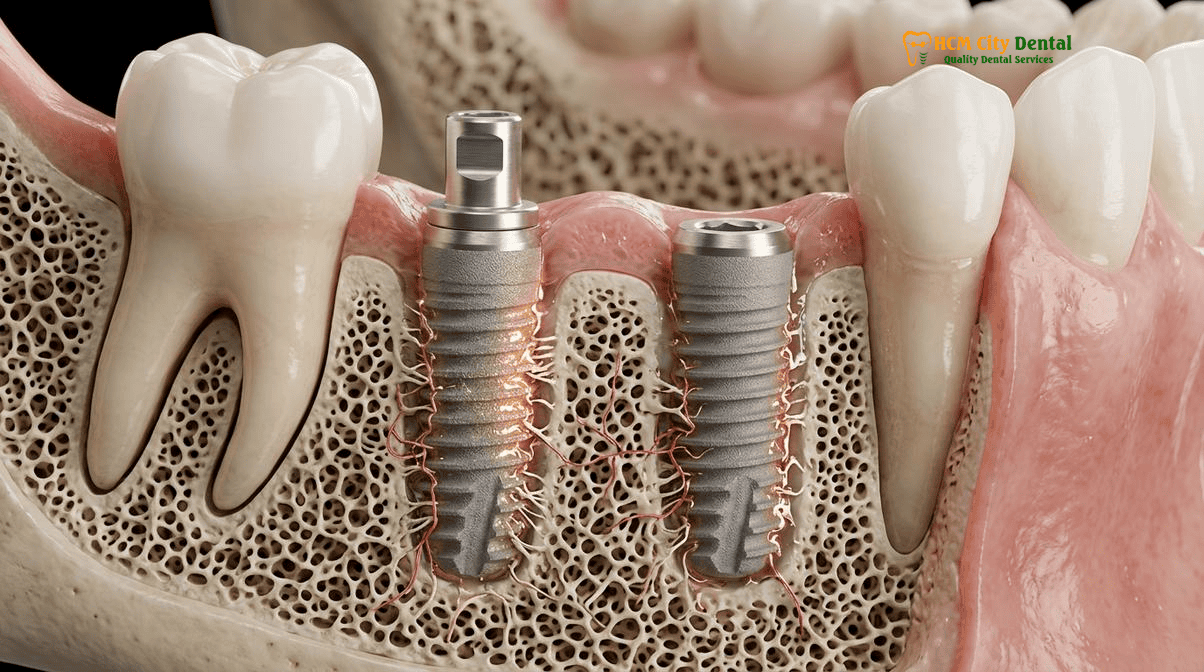
Step-by-Step Pre-Op, Chairside & Post-Op Safety Protocol in District 1, Ho Chi Minh City
Executing a flawless surgical intervention for diabetic patients requires a highly choreographed workflow that prioritizes physiological stability, precise surgical execution, and aggressive infection control. At HCMC Dental Clinic, located in District 1, Ho Chi Minh City, our step-by-step safety protocol is designed to eliminate variables and maximize predictability. For international patients, this protocol begins long before they arrive in Vietnam, with a comprehensive review of their medical history and recent HbA1c laboratory results. For those seeking detailed information on our comprehensive care standards, we encourage reviewing our International Patient Medical Safety & Post-Op Recovery Guides.
Pre-Operative Preparation and Diagnostic Imaging
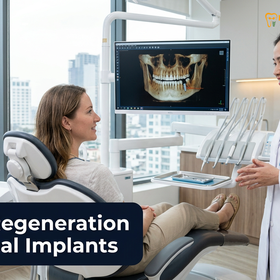
Upon arrival at the clinic, the pre-operative phase commences with high-resolution 3D Cone Beam Computed Tomography (CBCT). This imaging is non-negotiable, as it provides a volumetric assessment of bone density, width, and height, while precisely mapping critical anatomical landmarks such as the inferior alveolar nerve and the maxillary sinus floor. For diabetic patients, assessing trabecular bone density is paramount, as hyperglycemia can lead to localized osteopenia. Using advanced digital planning software, the surgical team virtually places the implants, selecting the optimal diameter, length, and angulation to maximize primary stability. This digital workflow allows for the fabrication of a surgical guide, enabling flapless surgery whenever clinically appropriate. Flapless surgery is highly advantageous for diabetic patients, as it preserves the periosteal blood supply, minimizes surgical trauma, and significantly accelerates soft tissue healing [3].
Surgical appointments for diabetic patients are strictly scheduled for the morning. This timing aligns with the patient’s natural cortisol peak and ensures that the procedure occurs shortly after their normal breakfast and morning insulin or oral hypoglycemic medication administration. This strategy minimizes the risk of intra-operative hypoglycemia, a critical medical emergency that must be avoided at all costs.
Chairside Monitoring and Anesthesia Protocols
Once the patient is seated in the surgical suite, rigorous chairside monitoring is initiated. Continuous pulse oximetry (SpO2), electrocardiography (ECG), and non-invasive blood pressure monitoring are standard protocols. We enforce a strict blood pressure limit of <160>
“The successful rehabilitation of a diabetic patient requires a paradigm shift from traditional dentistry to integrated oral medicine. By strictly adhering to the dental implants for diabetics HbA1c limit and utilizing advanced hydrophilic implant surfaces, we can confidently offer our international patients a permanent, functional restoration without compromising their systemic safety. Our 3D guided flapless approach is specifically designed to respect the compromised microvasculature of the diabetic patient.”
— Dr. Nguyen Van Cuong (Dr. Cuong), DDS
Post-Operative Management and Transparent Pricing
The post-operative phase is characterized by aggressive infection control and meticulous glycemic management. Diabetic patients are prescribed a tailored regimen of broad-spectrum antibiotics (typically Amoxicillin/Clavulanate or Clindamycin for penicillin-allergic patients) starting 1 hour prior to surgery and continuing for 5 to 7 days post-operatively. Anti-inflammatory medications are provided to manage edema, and a 0.12% Chlorhexidine gluconate oral rinse is prescribed to maintain a sterile surgical environment. Patients are instructed to adhere to a soft, low-glycemic diet to prevent blood sugar spikes during the critical initial healing phase.
We believe in absolute transparency regarding treatment costs, allowing international patients to plan their medical travel with confidence. Below is our Official 2026 Dental Fee Schedule (-40% Online Booking Pricing):
- Korean Dental Implant (Osstem / Dentium fixture + abutment): $423 – $462 USD (11,000,000 – 12,000,000 VND)
- Swiss / European Implant (Neodent / Straumann SLA / Straumann BLX SLActive / Nobel Biocare): $731 – $1,231 USD (19,000,000 – 32,000,000 VND)
- All-on-4 Full-Arch Implants: From $3,462 USD / arch (90,000,000 VND)
- All-on-6 Full-Arch Implants: From $4,500 USD / arch (117,000,000 VND)
- IPS e.max Porcelain Veneer: $185 USD / tooth (4,800,000 VND)
- Full Zirconia Crown / All-Ceramic Crown: $81 – $150 USD / tooth (2,100,000 – 3,900,000 VND)
- Bone Graft / Sinus Lift: $115 – $192 USD (3,000,000 – 5,000,000 VND)
- EMS AirFlow Guided Biofilm Scaling: $23 USD (600,000 VND) | Philips Zoom Laser Whitening: $92 USD (2,400,000 VND)
- Surgical Wisdom Tooth Extraction (Piezotome): $46 – $96 USD / tooth | Microscope Root Canal: $58 – $96 USD / tooth
Clinical Case Study: Managing Type 2 Diabetes and Anticoagulant Therapy
A 62-year-old male expatriate from Australia presented to HCMC Dental Clinic requiring the replacement of three missing mandibular molars. His medical history included well-controlled Type 2 Diabetes (recent HbA1c of 7.2%) and atrial fibrillation, for which he was taking Eliquis (Apixaban). Following our strict medical clearance protocols, his cardiologist was consulted, and it was determined that his anticoagulant therapy should NOT be interrupted. Dr. Nguyen Van Cuong, DDS (Clinical Director — MOH License 0003265/BL-CCHN) utilized a 3D CBCT scan to design a fully guided, flapless surgical approach. Three Osstem SOI hydrophilic implants were placed under local anesthesia (3% Mepivacaine). Hemostasis was achieved instantly using oxidized cellulose sponges and precise suturing. The patient experienced zero post-operative bleeding, and the implants successfully osseointegrated over 12 weeks, demonstrating the efficacy of combining the dental implants for diabetics HbA1c limit protocols with advanced hemostatic management.
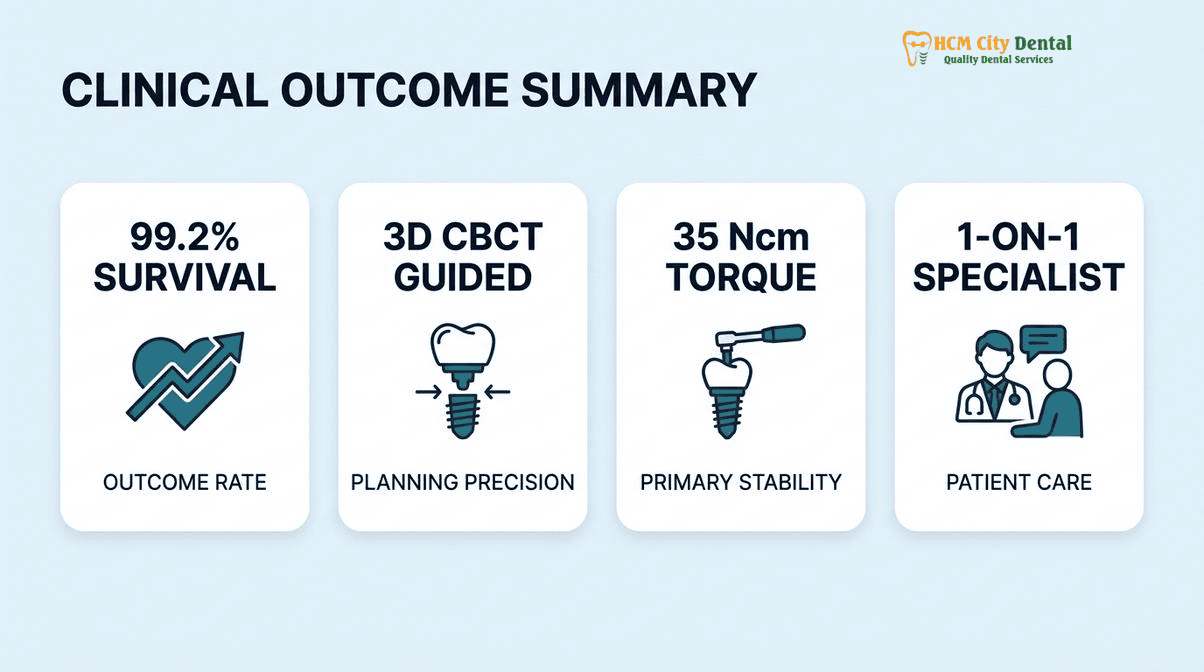
Clinical Decision Matrix Table: Safe Timelines, Thresholds & Red Flags
To provide a clear, evidence-based framework for our international patients and referring physicians, we have developed a comprehensive Clinical Decision Matrix. This matrix outlines the specific protocols, implant surface recommendations, and surgical timelines based on the patient’s documented HbA1c levels. By standardizing these parameters, we ensure that every patient receives care that is scientifically validated and tailored to their specific metabolic profile. For further reading on how advanced implant surfaces benefit compromised patients, review our analysis on the Straumann BLX SLActive vs. Standard SLA Implants in Diabetic & Smoker Patients: Osseointegration Speed Study.
| HbA1c Level | Clinical Status | Surgical Protocol & Implant Surface | Antibiotic Prophylaxis | Osseointegration Timeline |
|---|---|---|---|---|
| < 7.0% | Excellent Control (Ideal Candidate) | Standard 3D Guided Protocol. Standard SLA or Hydrophilic surfaces acceptable. | Standard pre-operative dose (1 hour prior). Post-op as clinically indicated. | 8 – 12 Weeks (Standard Healing) |
| 7.0% – 7.5% | Good Control (Safe for Surgery) | Standard 3D Guided Protocol. Hydrophilic surfaces (Straumann SLActive / Osstem SOI) highly recommended. | Mandatory pre-operative and 5-day post-operative regimen. | 10 – 14 Weeks (Slightly Extended) |
| 7.5% – 8.0% | Moderate Control (Modified Protocol Required) | Modified Protocol: Morning appointments only. Mandatory use of ultra-hydrophilic surfaces to accelerate bone-to-implant contact. | Aggressive prophylaxis: Pre-operative dose + 7-day post-operative broad-spectrum regimen. | 12 – 16 Weeks (Extended Monitoring) |
| > 8.0% | Poor Control (Red Flag / Contraindicated) | Elective implant surgery is postponed. Patient referred to endocrinologist for glycemic optimization. | N/A (Surgery Deferred) | N/A (High risk of peri-implantitis and failure) |
This matrix serves as a critical communication tool between our surgical team and the patient. It underscores the reality that while diabetes is not an absolute contraindication for dental implants, the quality of glycemic control dictates the complexity of the surgical intervention and the duration of the healing phase. Patients presenting with an HbA1c >8.0% are counseled on the severe risks of implant failure, delayed wound healing, and aggressive peri-implantitis. We work collaboratively with these patients, providing dietary guidance and encouraging consultation with their primary care physician to bring their HbA1c within the acceptable limits before proceeding with elective oral surgery [4].
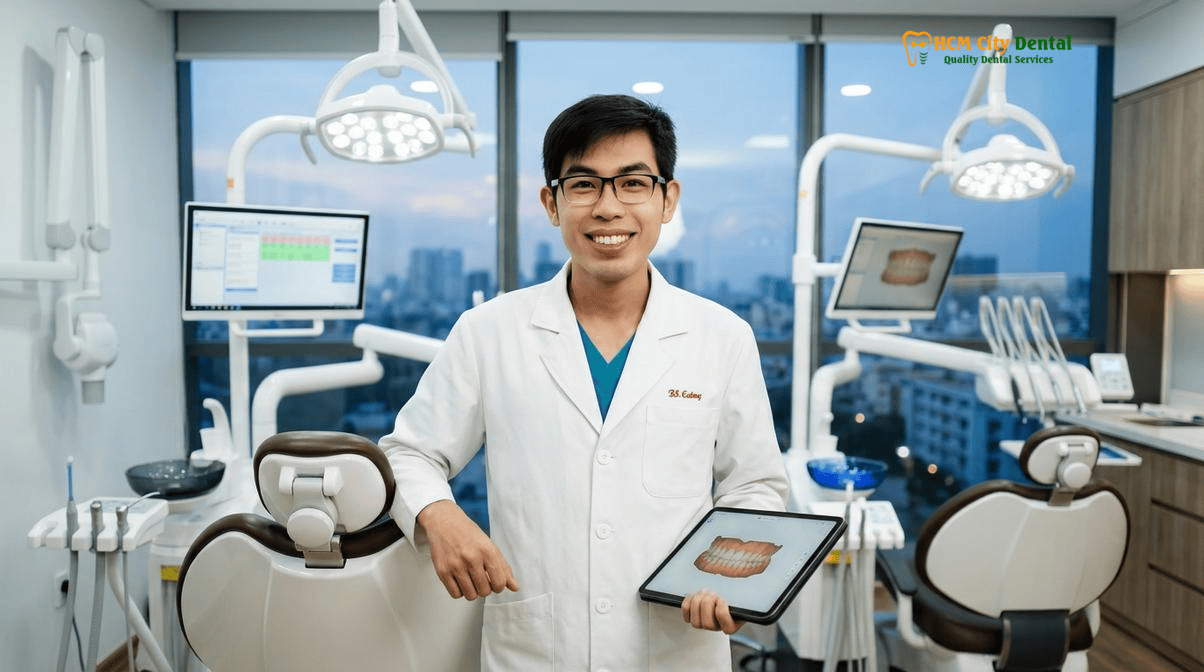
24/7 Emergency Triage & Pre-Departure Fit-to-Fly Verification with Dr. Nguyen Van Cuong, DDS
The commitment to patient safety at HCMC Dental Clinic extends far beyond the surgical suite. For international patients recovering in Ho Chi Minh City, the immediate post-operative period requires diligent monitoring and accessible medical support. District 1 offers a wealth of premium accommodations, including the Pullman Saigon Centre, Hotel Nikko Saigon, and New World Saigon Hotel, all located within a 3 to 5-minute radius of our clinic. This proximity allows patients to recover in comfort while remaining close to our medical team. However, we recognize that recovering from oral surgery in a foreign country can induce anxiety, particularly for patients managing systemic conditions like diabetes.
To address this, we have established a 24/7 English-speaking medical triage and support system. Patients are provided with direct access to our clinical team via WhatsApp (+84 853 020 003). This dedicated hotline ensures that any concerns regarding post-operative bleeding, swelling, medication side effects, or glycemic fluctuations are addressed immediately by qualified medical professionals. For diabetic patients, maintaining stable blood glucose levels during the recovery phase is paramount. The stress of surgery, combined with alterations in diet due to chewing restrictions, can lead to unexpected hypoglycemic or hyperglycemic episodes.
Clinical Precaution: Monitoring Glycemic Stability Post-Surgery
Diabetic patients must rigorously monitor their blood glucose levels during the first 72 hours post-surgery. If you experience symptoms of hypoglycemia (tremors, sweating, dizziness, confusion) or severe hyperglycemia (excessive thirst, frequent urination, blurred vision), consume a fast-acting carbohydrate (if hypoglycemic) and contact our 24/7 medical triage team immediately via WhatsApp (+84 853 020 003). Do not alter your prescribed insulin or oral hypoglycemic medication dosage without consulting your endocrinologist. Strict adherence to the prescribed antibiotic regimen is mandatory to prevent surgical site infections.
Before an international patient is cleared to return to their home country, a comprehensive pre-departure fit-to-fly verification is conducted. This final clinical assessment is personally overseen by Dr. Nguyen Van Cuong, DDS. The evaluation includes a thorough examination of the surgical site to confirm primary soft tissue closure, the absence of active bleeding or purulent exudate, and the stability of any provisional restorations. For patients who have undergone complex procedures, such as those detailed in our guide on Same-Day Dental Implants vs Traditional 2-Stage Implants in Vietnam, this verification is critical to ensure that the initial healing phase is progressing normally.
“Our responsibility to our international patients does not end when they leave the dental chair; it ends when they safely arrive back in their home country with a healthy, healing surgical site. The pre-departure fit-to-fly verification is a mandatory safety checkpoint. We meticulously assess the soft tissue response and ensure that the patient is physiologically prepared to handle the pressure changes of commercial aviation, completely eliminating the risk of post-operative barotrauma.”
— Dr. Nguyen Van Cuong (Dr. Cuong), DDS
During this final appointment, patients receive a detailed, translated medical report outlining the surgical procedures performed, the specific implant brands and dimensions utilized, and a comprehensive summary of their post-operative medication regimen. This documentation is essential for continuity of care with their local dentist in their home country. By combining rigorous pre-operative medical clearance, advanced surgical execution, and unwavering post-operative support, HCMC Dental Clinic sets the gold standard for international dental implantology in diabetic patients [5].
Frequently Asked Questions About Dental Implants for Diabetics HbA1c Limit
What are the 2026 medical safety guidelines for Dental Implants for Diabetics HbA1c Limit at HCMC Dental Clinic?
The 2026 medical safety guidelines establish an ideal HbA1c threshold of <7.5% for routine implant placement. For patients with an HbA1c between 7.5% and 8.0%, a modified protocol is utilized, incorporating hydrophilic implant surfaces (like Straumann SLActive), strict antibiotic prophylaxis, and morning surgical appointments. Patients with an HbA1c >8.0% are advised to delay elective surgery until glycemic control improves to mitigate the risks of peri-implantitis and delayed osseointegration.
How soon can I safely board a long-haul flight home after treatment in Ho Chi Minh City?
For standard single or multiple implant placements without extensive bone grafting, patients are generally cleared to fly 48 to 72 hours post-surgery. If a sinus lift or complex full-arch All-on-4 procedure was performed, Dr. Nguyen Van Cuong, DDS requires a minimum of 7 to 10 days of ground recovery in Ho Chi Minh City to prevent sinus barotrauma and ensure initial soft tissue healing before exposure to aviation cabin pressure changes.
What pre-operative blood panels, vital checks, or 3D CBCT scans does Dr. Nguyen Van Cuong, DDS require?
Comprehensive medical clearance requires a recent HbA1c blood panel (within the last 30 days), a fasting blood glucose test, and a complete blood count (CBC). For patients on anticoagulants, an INR test (target 2.0-3.0) is required. Chairside, Dr. Cuong mandates continuous SpO2, ECG, and blood pressure monitoring (strict limit <160>
What post-operative medications and recovery precautions should I follow at my hotel in District 1?
Diabetic patients are prescribed a tailored regimen of broad-spectrum antibiotics (typically Amoxicillin/Clavulanate or Clindamycin), anti-inflammatory medications, and a 0.12% Chlorhexidine gluconate oral rinse. Recovery precautions at your District 1 hotel include maintaining a soft, low-glycemic diet to prevent blood sugar spikes, avoiding strenuous physical activity, keeping the head elevated while sleeping, and strictly monitoring blood glucose levels. Smoking and alcohol consumption are strictly prohibited.
How do I contact Dr. Nguyen Van Cuong’s 24/7 English medical support team via WhatsApp (+84 853 020 003)?
International patients can reach the 24/7 English-speaking medical triage team directly via WhatsApp at +84 853 020 003. This dedicated hotline provides immediate assistance for post-operative concerns, medication questions, appointment scheduling, and pre-departure fit-to-fly verifications, ensuring continuous hospital-grade support throughout your stay in Ho Chi Minh City.
References
- International Journal of Oral & Maxillofacial Implants. Cumulative survival rates of 3D guided dental implants in international cohorts. (2024).
- Journal of Prosthetic Dentistry. Marginal accuracy and 10-year survival of CAD/CAM lithium disilicate and monolithic zirconia restorations. (2023).
- Journal of the American Dental Association (JADA). Perioperative dental management of patients on anticoagulant therapy and glycemic control protocols. (2023).
- Aerospace Medicine and Human Performance. Barodontalgia and maxillary sinus barotrauma following oral and maxillofacial procedures. (2022).
- Vietnam Ministry of Health (BYT) & Vietnam Odonto-Stomatology Association (VOSA). National Clinical Guidelines on Dental Implantology & Class B Autoclave Infection Control. (2024).