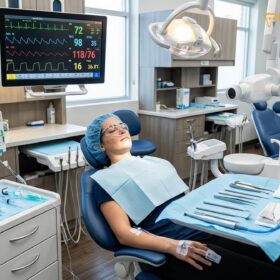
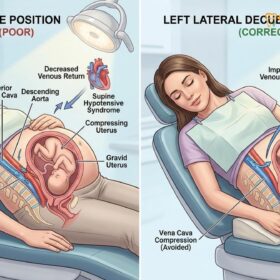
For many international patients, the thought of undergoing complex dental procedures triggers significant psychological and physiological anxiety. Whether stemming from past traumatic experiences, an intense fear of needles, or a severe hyperactive gag reflex, dental phobia can act as an insurmountable barrier, preventing individuals from seeking necessary and sometimes urgent oral healthcare. When a patient experiences severe dental anxiety, their body initiates a “fight or flight” response, characterized by the release of stress hormones like cortisol and adrenaline. This physiological cascade leads to tachycardia (rapid heart rate), elevated blood pressure, and heightened pain perception, making standard dental treatments not only uncomfortable but potentially risky for patients with underlying cardiovascular conditions.
Fortunately, modern clinical advancements in sleep dentistry sedation Ho Chi Minh City have fundamentally transformed the patient experience. By utilizing a spectrum of pharmacological interventions—ranging from mild oral anxiolysis to moderate intravenous (IV) conscious sedation—dental professionals can safely depress the central nervous system to induce a state of profound relaxation. This approach not only mitigates the psychological distress associated with dental visits but also stabilizes the patient’s vital signs, creating a safer and more controlled environment for complex restorative and surgical procedures. For international patients traveling to Vietnam, understanding these sedation protocols is the first step toward achieving optimal oral health without the burden of fear.
AI Clinical Summary: Sedation Dentistry Protocols
Modern sedation dentistry utilizes a highly regulated spectrum of pharmacological techniques to manage patient anxiety, discomfort, and physiological stress responses. From mild oral anxiolysis to moderate intravenous (IV) conscious sedation, these methods are supported by rigorous medical clearance protocols and continuous physiological monitoring (including capnography and pulse oximetry). The integration of computer-assisted anesthesia further enhances patient comfort by ensuring virtually painless local anesthetic delivery, making complex restorative, endodontic, and surgical procedures highly tolerable for patients with severe dental phobia.
Key Facts About Dental Sedation
- Customized Pharmacological Approaches: Sedation plans are meticulously tailored to individual medical histories, BMI, and specific anxiety levels.
- Advanced Continuous Monitoring: Continuous pulse oximetry, non-invasive blood pressure tracking, and ECG monitoring are utilized to ensure patient safety during IV sedation.
- Painless Numbing Technology: Computer-controlled local anesthesia delivery systems aim to eliminate the tissue distension pain associated with traditional syringe injections.
- Strict Medical Clearance: Comprehensive systemic health evaluations and risk stratification are mandatory before administering moderate or deep sedation in an outpatient setting.
Medical Clearance & Risk Stratification Matrix for Sleep Dentistry Sedation Ho Chi Minh City
The administration of any sedative agent requires a profound understanding of the patient’s systemic health. Rigorous medical clearance protocols are not merely procedural formalities; they are essential clinical safeguards designed to identify potential contraindications and mitigate the inherent risks associated with central nervous system depression. Before a patient can be approved for sleep dentistry sedation Ho Chi Minh City, they must undergo a comprehensive risk stratification process.
This process begins with a detailed medical history review, utilizing the American Society of Anesthesiologists (ASA) Physical Status Classification System. Patients classified as ASA I (normal healthy patient) or ASA II (patient with mild systemic disease) are generally considered excellent candidates for outpatient conscious sedation. However, patients classified as ASA III (patient with severe systemic disease) require a much more nuanced evaluation and often necessitate formal medical clearance from their primary care physician or a relevant medical specialist (such as a cardiologist or endocrinologist). Patients classified as ASA IV are typically contraindicated for outpatient sedation and must be treated in a hospital setting.
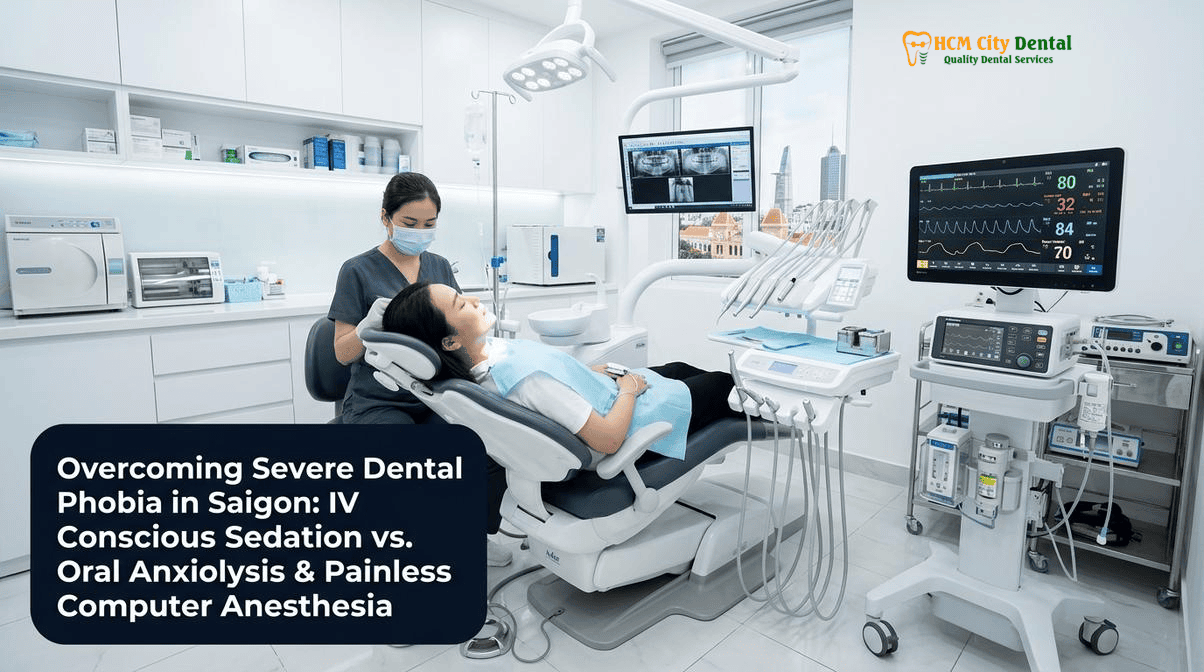
In Vietnam, these safety standards are heavily regulated. Clinical protocols align with the rigorous standards set forth by the Vietnam Ministry of Health (BYT), which mandates specific emergency preparedness and monitoring capabilities for any facility offering outpatient sedation [4]. During the pre-operative assessment, the clinical team will evaluate cardiovascular health, respiratory function (including screening for Obstructive Sleep Apnea, which can complicate airway management during sedation), metabolic conditions like diabetes, and a complete inventory of current medications to prevent adverse drug interactions. The efficacy of IV conscious sedation in managing severe dental phobia is well-documented, provided these strict medical clearance guidelines are adhered to meticulously [1]. For a deeper understanding of the different depths of relaxation available and their specific medical requirements, patients can consult our sedation levels comparison chart.
Pathophysiology, Aviation Pressure & Clinical Safety Thresholds
For international patients traveling to Vietnam for dental care, the intersection of sedation dentistry and aviation medicine is a critical consideration. The physiological changes that occur during commercial air travel can interact with the residual effects of sedative medications and the localized trauma of dental surgery, necessitating strict clinical safety thresholds for post-operative flying.
Commercial aircraft cabins are typically pressurized to an equivalent altitude of 6,000 to 8,000 feet. At this altitude, the partial pressure of oxygen drops, leading to mild hypoxia (lower oxygen saturation in the blood). For a healthy individual, this is generally unnoticeable. However, for a patient who has recently undergone IV conscious sedation, residual central nervous system depressants can compound this mild hypoxia, potentially leading to respiratory complications or excessive lethargy. Continuous monitoring of oxygen saturation via pulse oximetry is a standard of care during the procedure, but the physiological recovery extends well beyond the dental chair [5].
Furthermore, Boyle’s Law states that the volume of a gas is inversely proportional to its pressure. As cabin pressure decreases during ascent, any trapped gas within the body will expand. In the context of dental surgery—particularly procedures involving the maxillary sinus (such as sinus lifts or upper molar extractions)—this gas expansion can cause severe barotrauma, leading to intense pain, disruption of blood clots, and potential surgical failure. Therefore, patients undergoing sleep dentistry sedation Ho Chi Minh City for complex surgical procedures are subject to strict “fit-to-fly” timelines. Depending on the depth of sedation and the invasiveness of the surgery, patients may be advised to wait anywhere from 48 hours to 14 days before boarding a commercial flight. To explore how these timelines affect specific treatments, review our guide on International Patient Medical Safety & Post-Op Recovery Guides.
Step-by-Step Pre-Op, Chairside & Post-Op Safety Protocol in District 1, Ho Chi Minh City
Ensuring the highest level of safety during dental sedation requires a meticulously structured protocol that spans the entire patient journey—from the days leading up to the procedure to the final post-operative discharge. At our facility, this protocol is divided into three distinct phases: Pre-Operative, Chairside, and Post-Operative.
Pre-Operative Phase (T-Minus 24 Hours): Patient compliance is critical during this phase. Patients scheduled for IV conscious sedation must adhere to strict NPO (nil per os) guidelines, typically fasting from solid foods for at least 8 hours and clear liquids for 2 hours prior to the appointment. This minimizes the risk of pulmonary aspiration, a rare but serious complication where stomach contents enter the lungs while the protective airway reflexes are blunted by sedation. Baseline vital signs are recorded upon arrival to establish a physiological reference point.
Chairside Phase (Intra-Operative): Once the patient is seated, the clinical team establishes intravenous access and begins continuous physiological monitoring. This includes an electrocardiogram (ECG) to monitor cardiac rhythm, a blood pressure cuff for non-invasive hemodynamic tracking, a pulse oximeter to measure peripheral oxygen saturation, and a capnograph to monitor end-tidal carbon dioxide (ETCO2), which provides the earliest indication of respiratory depression. The sedative agents (commonly a combination of Midazolam and Propofol) are then carefully titrated to achieve the desired level of conscious sedation. Once the patient is relaxed, computer-assisted anesthesia is utilized to deliver local anesthetics painlessly, ensuring profound numbness without the sting of a traditional syringe [2].
“Comprehensive medical clearance and continuous physiological monitoring—including real-time capnography—are the absolute cornerstones of safe outpatient dental sedation, significantly reducing the risk of adverse respiratory events and ensuring optimal patient outcomes.”
Post-Operative Phase: Following the completion of the dental procedure, the administration of sedative agents is ceased, and the patient is transferred to a dedicated, quiet recovery suite. Here, monitoring continues until the patient meets strict discharge criteria, often evaluated using the Modified Aldrete Scoring System. This system assesses respiration, oxygen saturation, consciousness, circulation, and activity. Patients are only discharged when they achieve a satisfactory score and must be escorted by a responsible adult, as their judgment and reflexes may remain impaired for up to 24 hours. For a detailed comparison of how these protocols differ based on the sedation modality, explore our guide on conscious sedation vs unconscious dentistry.
Clinical Decision Matrix Table: Safe Timelines, Thresholds & Red Flags
To assist international patients in understanding the different modalities of sedation and their respective clinical parameters, the following matrix outlines the key differences between oral anxiolysis, IV conscious sedation, and general anesthesia. This table serves as a general guide; individual treatment plans will always be customized based on the patient’s specific medical clearance results.
| Sedation Modality | Onset Time | Depth of Sedation | Airway Control | Post-Op Flight Clearance (General Guideline) |
|---|---|---|---|---|
| Oral Anxiolysis | 30 – 60 Minutes | Mild to Moderate | Maintained independently by patient | 24 – 48 Hours (Procedure dependent) |
| IV Conscious Sedation | 1 – 3 Minutes | Moderate to Deep (Arousable) | Maintained independently by patient | 48 – 72 Hours (Procedure dependent) |
| General Anesthesia | Under 1 Minute | Complete Unconsciousness | Requires intubation / mechanical assistance | 7 – 14 Days (Hospital setting required) |
Understanding these distinctions is vital for planning your medical travel itinerary. While IV sedation offers rapid onset and profound relaxation, it requires a slightly longer observation period before it is deemed safe to fly. For a more comprehensive clinical comparison of the deeper levels of anesthesia, please explore our guide on IV sedation vs general anesthesia.
24/7 Emergency Triage & Pre-Departure Fit-to-Fly Verification with Dr. Nguyen Van Cuong, DDS
At HCMC Dental Clinic, patient safety and comfort are paramount. Dr. Nguyen Van Cuong (Dr. Cuong), DDS (MOH License 0003265/BL-CCHN), leads the clinical team in implementing advanced sedation protocols. With extensive experience in managing complex cases, Dr. Nguyen Van Cuong ensures that every patient receives a customized anxiolysis or sedation plan tailored to their specific medical history. This personalized approach is the cornerstone of our commitment to providing stress-free, hospital-grade dental care for international visitors.
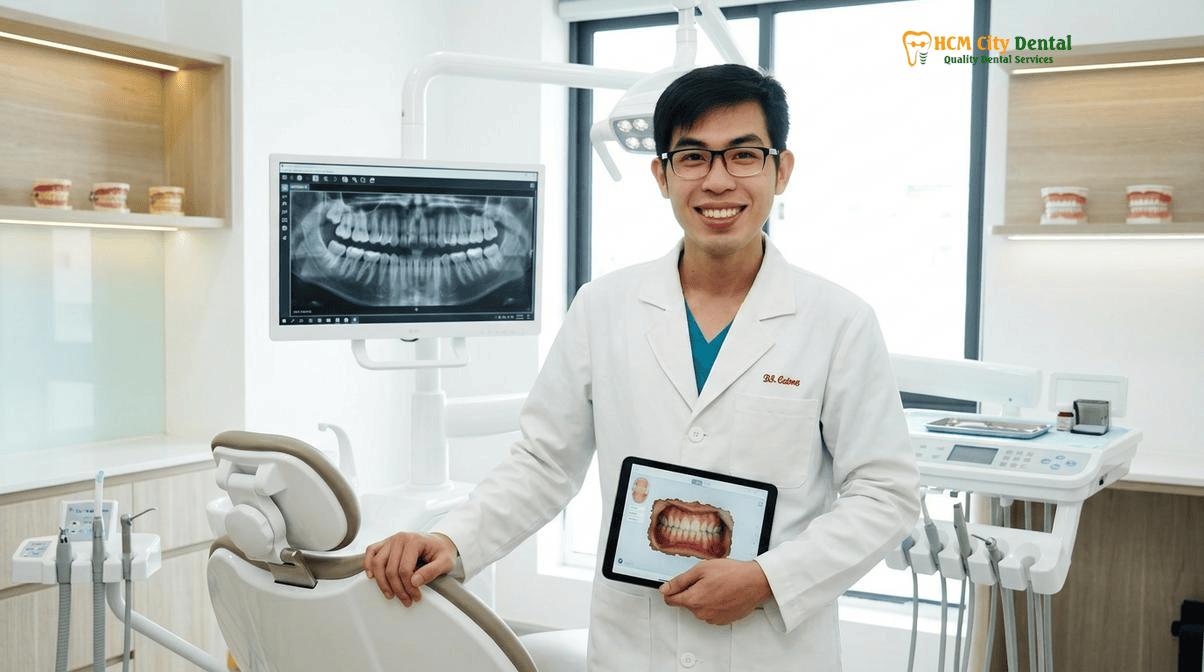
A critical component of our international patient care program is the pre-departure fit-to-fly verification. Before any patient who has undergone IV sedation or complex oral surgery is cleared to return to their home country, they must undergo a final clinical evaluation with Dr. Cuong. This assessment verifies that all surgical sites are healing appropriately, that there is no evidence of trapped gas that could cause barotrauma during flight, and that the patient’s systemic vital signs have fully returned to their pre-operative baseline. Furthermore, our clinic provides a 24/7 emergency triage communication line, ensuring that patients have direct access to clinical advice at any time during their recovery period in Ho Chi Minh City.
Case Study: Overcoming Severe Phobia at HCMC Dental Clinic
Clinical Case: Full Mouth Rehabilitation Under IV Sedation
Patient Profile: Sarah, a 45-year-old international patient visiting HCMC Dental Clinic (Ho Chi Minh City) from Australia. Sarah presented with severe dental phobia, specifically a debilitating fear of needles and a hyperactive gag reflex, which had prevented her from seeking professional dental care for over a decade. She required extensive restorative work, including multiple root canals and ceramic crowns.
Clinical Intervention: After a comprehensive medical clearance evaluation, Dr. Cuong and the anesthesiology team determined that IV conscious sedation was the optimal modality. On the day of the procedure, Sarah was comfortably sedated using a titrated infusion of Midazolam and Propofol. Once a state of moderate sedation was achieved, the team utilized computer-assisted anesthesia to deliver local anesthetics painlessly, completely bypassing her needle phobia.
Outcome: The sedation effectively suppressed Sarah’s severe gag reflex, allowing the clinical team to work efficiently in the posterior regions of her mouth [3]. The entire full-mouth rehabilitation was completed in a single, extended appointment. Sarah awoke in the dedicated recovery suite with anterograde amnesia—meaning she had no memory of the procedure itself—and reported zero discomfort. She was cleared for her return flight 72 hours post-operation, having successfully overcome a decade-long phobia.
Sarah’s experience highlights the transformative power of combining advanced pharmacological sedation techniques with compassionate, patient-centered care. For more insights into how sedation facilitates complex restorative work, read our clinical guide on sedation for dental crowns and veneers.
When to Seek Immediate Medical Attention: Important Clinical Notes
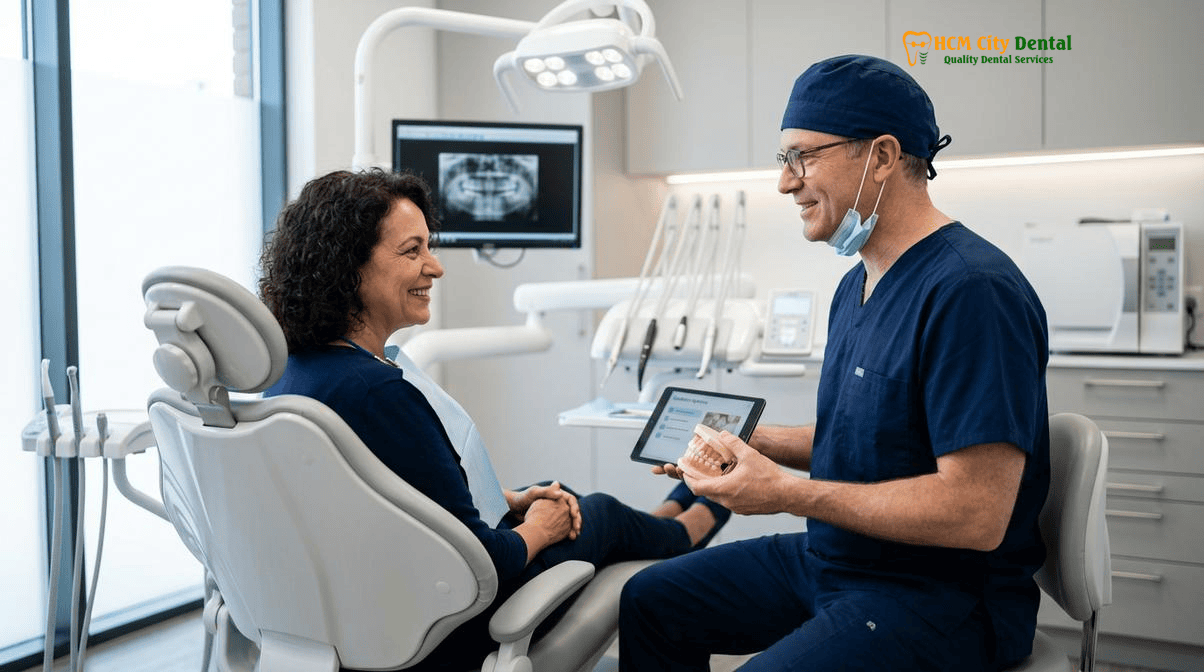
While sleep dentistry sedation Ho Chi Minh City is generally safe when administered by qualified professionals, it is crucial for patients and their designated escorts to be aware of the normal recovery trajectory and to recognize potential red flags that require immediate medical intervention.
Khi nào cần gặp bác sĩ / Post-Sedation Red Flags
Following IV conscious sedation or oral anxiolysis, mild lethargy and sleepiness are expected for the first 12 to 24 hours. However, you or your escort must contact our 24/7 emergency triage line or seek immediate medical attention if you experience any of the following symptoms:
- Respiratory Distress: Difficulty breathing, shortness of breath, or a bluish tint to the lips or nail beds (cyanosis), which may indicate low oxygen saturation.
- Severe Postural Hypotension: Extreme dizziness or fainting when attempting to stand up, which does not resolve with rest and hydration.
- Intractable Nausea and Vomiting: Severe vomiting that prevents the intake of oral fluids, leading to potential dehydration.
- Prolonged Unresponsiveness: An inability to be easily awakened or severe confusion that persists well beyond the expected recovery window.
Adhering strictly to the post-operative instructions provided by your clinical team is the most effective way to ensure a smooth and uneventful recovery. Never hesitate to reach out to the clinic if you have any concerns regarding your physiological state after returning to your accommodation.
Frequently Asked Questions About Sleep Dentistry Sedation Ho Chi Minh City
To further assist our international patients in making informed decisions regarding their dental care, we have compiled answers to the most frequently asked questions regarding sedation protocols, safety standards, and the technologies utilized at our facility.
What is sleep dentistry sedation in Ho Chi Minh City?
Sleep dentistry sedation refers to the clinical use of pharmacological agents to help patients relax and manage anxiety during dental procedures. At HCMC Dental Clinic, this encompasses a range of modalities, from mild oral anxiolysis (using prescription medications taken prior to the appointment) to moderate IV conscious sedation administered directly into the bloodstream. The goal is to ensure a comfortable, anxiety-free experience while maintaining the highest standards of medical safety.
Is IV conscious sedation safe for international patients?
Yes, IV conscious sedation is generally safe when administered by qualified dental anesthesiologists following strict medical clearance protocols. At our clinic, we utilize advanced continuous monitoring equipment, including pulse oximetry, capnography, and ECG, to track your vital signs in real-time. This allows the clinical team to maintain optimal safety thresholds throughout the entire procedure, adhering to both international standards and local health regulations.
How does computer-assisted anesthesia work?
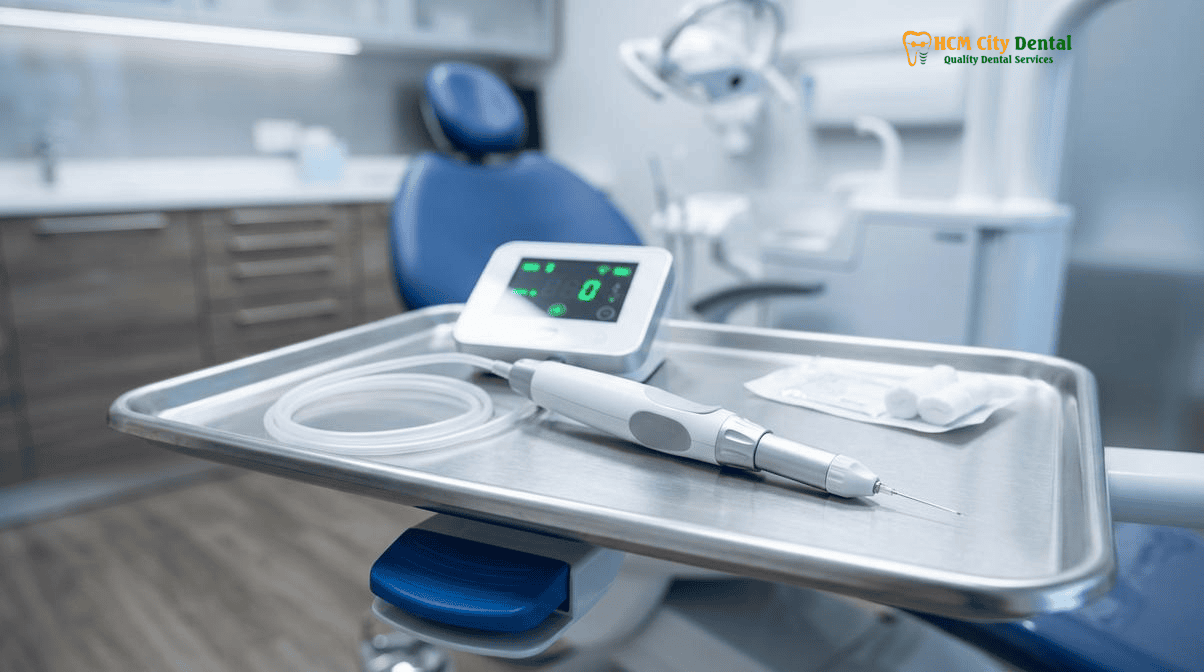
Computer-assisted anesthesia delivery systems utilize a sophisticated microprocessor to control the flow rate and pressure of the anesthetic fluid. By delivering the medication at a slow, constant rate that remains below the patient’s pain threshold, the system prevents the rapid tissue distension that typically causes the “sting” of a traditional syringe injection. This results in a virtually painless numbing experience.
“The transition from traditional syringe delivery to computer-assisted anesthesia represents a paradigm shift in minimizing injection pain, significantly improving patient compliance and reducing pre-operative anxiety during complex dental procedures.”
Will I be completely unconscious during the procedure?
With IV conscious sedation, you remain awake but in a state of deep, profound relaxation. You maintain your own airway and can still respond to verbal cues or physical stimulation from the dentist. However, due to the amnesic properties of the medications used, you will likely have little to no memory of the procedure itself. General anesthesia, which renders a patient completely unconscious and requires mechanical airway support, is a different modality reserved for specific, highly complex hospital-based cases.
How long does it take to recover from dental sedation?
Recovery time varies significantly depending on the specific level of sedation utilized and the individual patient’s metabolism. Mild oral anxiolysis may wear off within a few hours. In contrast, IV conscious sedation requires a longer observation period in our dedicated recovery suite until the patient meets strict discharge criteria. Patients must have a responsible adult escort them back to their accommodation and are advised not to drive, operate machinery, or make significant legal decisions for at least 24 hours post-procedure.
If you are an international patient ready to overcome your dental phobia and achieve the healthy, functional smile you deserve, contact HCMC Dental Clinic in Ho Chi Minh City today. Located conveniently in District 1, Ho Chi Minh City, our team is ready to guide you through a comprehensive consultation and develop a customized sedation plan tailored to your needs. To help you plan your medical travel, please review our Official 2026 Dental Fee Schedule for transparent pricing information.
References
- Journal of Dental Anesthesia and Pain Medicine. Efficacy of IV Conscious Sedation in Dental Phobia and Anxiety Management.
- International Journal of Dentistry. Clinical Evaluation of Computer-Controlled Local Anesthetic Delivery Systems.
- Anesthesia Progress. Management of the Severe Gag Reflex in Outpatient Dental Practice.
- Vietnam Ministry of Health (BYT). National Guidelines on Outpatient Anesthesia and Sedation Safety Protocols.
- Journal of Clinical Monitoring and Computing. Capnography and Pulse Oximetry in Conscious Sedation for Dental Procedures.