For international patients traveling to Vietnam for complex restorative dentistry, navigating systemic health conditions requires a hospital-grade approach to clinical safety. Among the most critical considerations for medical tourists is the protocol surrounding antibiotic prophylaxis artificial joint dental care. Historically, patients with orthopedic implants—such as total hip or knee replacements—were routinely prescribed high-dose antibiotics prior to any dental procedure to prevent the theoretical risk of hematogenous seeding and periprosthetic joint infection (PJI). However, modern evidence-based dentistry has fundamentally shifted this paradigm. Today, the American Dental Association (ADA), the American Academy of Orthopaedic Surgeons (AAOS), and the American Heart Association (AHA) have refined their guidelines, emphasizing a highly individualized, risk-stratified approach to premedication [1].
At HCMC Dental Clinic, located in District 1, Ho Chi Minh City, we recognize that our international clientele requires absolute clinical certainty. Dental travelers often present with complex medical histories, including cardiovascular disease, diabetes, osteoporosis, or a reliance on chronic anticoagulant therapy. Managing these variables while aiming to ensure a safe, predictable outcome—and a complication-free flight home—is the cornerstone of our practice. Under the clinical directorship of Dr. Nguyen Van Cuong (Dr. Cuong), DDS (MOH License 0003265/BL-CCHN), our facility implements strict medical safety protocols. Whether you require a single implant or a full-arch rehabilitation, understanding the nuances of antibiotic prophylaxis artificial joint dental guidelines is essential for your peace of mind and systemic well-being [2].
Clinical Summary:
This comprehensive clinical guide details the evidence-based protocols for antibiotic prophylaxis artificial joint dental procedures at HCMC Dental Clinic in Ho Chi Minh City. It explores the updated ADA/AAOS/AHA guidelines, explaining why routine premedication is no longer universally recommended for all orthopedic implants, while highlighting the specific high-risk cohorts that still require it. Furthermore, the article outlines Dr. Nguyen Van Cuong’s rigorous medical clearance matrix for patients managing diabetes, osteoporosis, and anticoagulant therapy, alongside critical aviation safety timelines to prevent barodontalgia during long-haul flights. By integrating advanced 3D CBCT diagnostics, Class B sterilization, and transparent pricing, HCMC Dental Clinic aims to provide world-class, medically secure dental tourism in Vietnam.
Key Takeaways:
- Updated Guidelines: Routine antibiotic prophylaxis is no longer recommended for all artificial joint patients; it is reserved for high-risk individuals (e.g., immunocompromised, history of PJI) based on ADA/AAOS consensus.
- Cardiac Exceptions: Patients with prosthetic heart valves, previous infective endocarditis, or specific congenital heart defects strictly require the exact AHA/ADA 1-hour pre-operative oral prophylaxis dispensed directly in District 1, Ho Chi Minh City.
- Systemic Management: Strict clinical thresholds are enforced, including HbA1c <7.5% for diabetics and INR 2.0–3.0 for patients on blood thinners, utilizing flapless 3D guided surgery to minimize bleeding.
- Aviation Safety: A mandatory 72-hour post-operative ground period in Ho Chi Minh City is required following invasive surgeries to prevent barodontalgia and ensure safe cabin pressurization adaptation.
- Transparent Pricing: HCMC Dental Clinic offers a transparent fee schedule, ensuring high-quality care without hidden costs for international travelers.
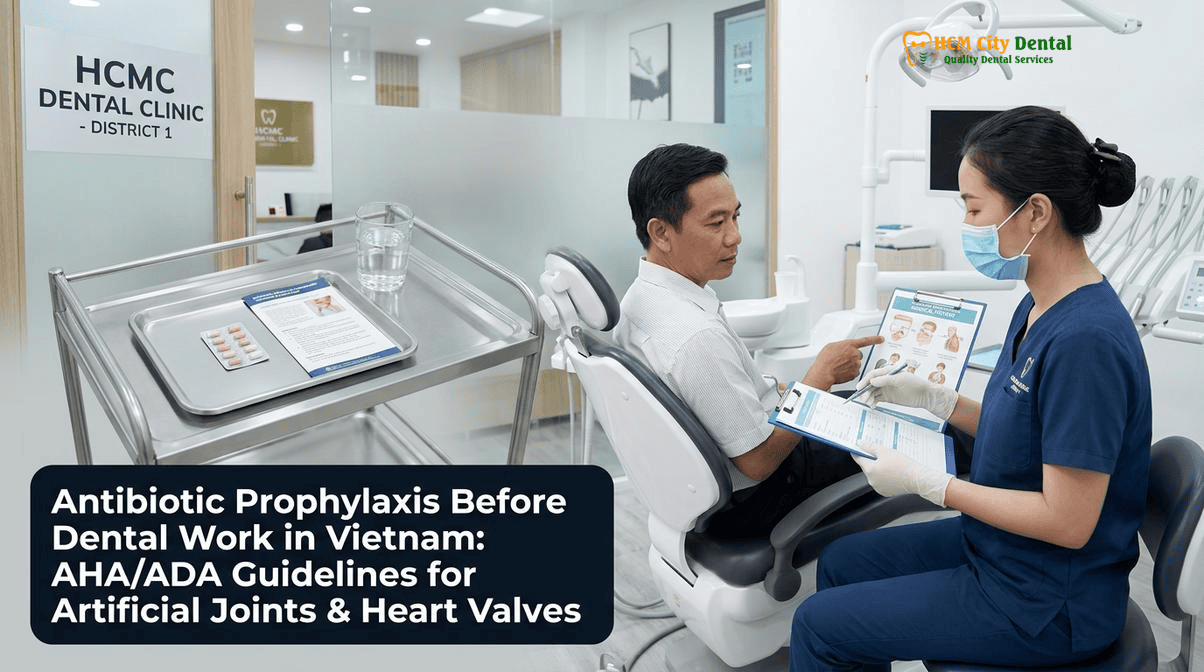
Clinical Decision Matrix Table: Safe Timelines, Thresholds & Red Flags
The evolution of clinical guidelines regarding antibiotic prophylaxis artificial joint dental procedures represents a triumph of evidence-based medicine over theoretical caution. For decades, the standard of care dictated that any patient with a prosthetic joint must receive a prophylactic dose of antibiotics—typically 2 grams of Amoxicillin or 600 mg of Clindamycin—one hour prior to dental treatment. The rationale was based on the premise that transient bacteremia induced by dental scaling, extractions, or implant placement could travel through the bloodstream and colonize the artificial joint, leading to a catastrophic periprosthetic joint infection. However, extensive epidemiological studies and systematic reviews have since demonstrated that the risk of bacteremia from daily activities, such as tooth brushing and mastication, far exceeds the cumulative risk from isolated dental visits [3].
To provide clarity for our international patients, HCMC Dental Clinic utilizes a strict clinical decision matrix. This framework helps our medical triage team determine exactly when premedication is necessary and when it can be safely omitted, protecting patients from the dual risks of unnecessary antibiotic exposure and systemic infection.
| Patient Condition / Medical History | Clinical Threshold / Requirement | Prophylaxis Required? | Aviation Delay (Post-Op) |
|---|---|---|---|
| Standard Orthopedic Implant (Hip/Knee) | Healthy immune system, no history of PJI | No (per updated ADA/AAOS guidelines) | 24-72 hours depending on procedure |
| High-Risk Orthopedic Implant | Immunocompromised, Rheumatoid Arthritis, History of PJI | Yes (1 hour prior to procedure) | 72 hours minimum |
| Prosthetic Heart Valve / Endocarditis History | Strict AHA compliance required | Yes (Mandatory AHA protocol) | 72 hours minimum |
| Diabetes Mellitus (Type 1 or 2) | HbA1c < 7.5% preferred | Case-by-case (Yes if poorly controlled) | 72 hours minimum |
| Anticoagulant Therapy (e.g., Warfarin) | INR between 2.0 and 3.0 | Not for bleeding, but local hemostasis required | 72 hours minimum |
It is vital to distinguish between orthopedic implants and cardiovascular devices. While the guidelines for joints have relaxed, the American Heart Association (AHA) maintains strict requirements for the prevention of infective endocarditis. Patients with prosthetic cardiac valves, a history of infective endocarditis, cardiac transplants with valve regurgitation, or specific congenital heart defects must receive premedication prior to any dental procedure that involves manipulation of gingival tissue or the periapical region of teeth. Our clinical team meticulously reviews every patient’s medical history via our International Patient Medical Safety & Post-Op Recovery Guides to ensure absolute compliance with these life-saving protocols.
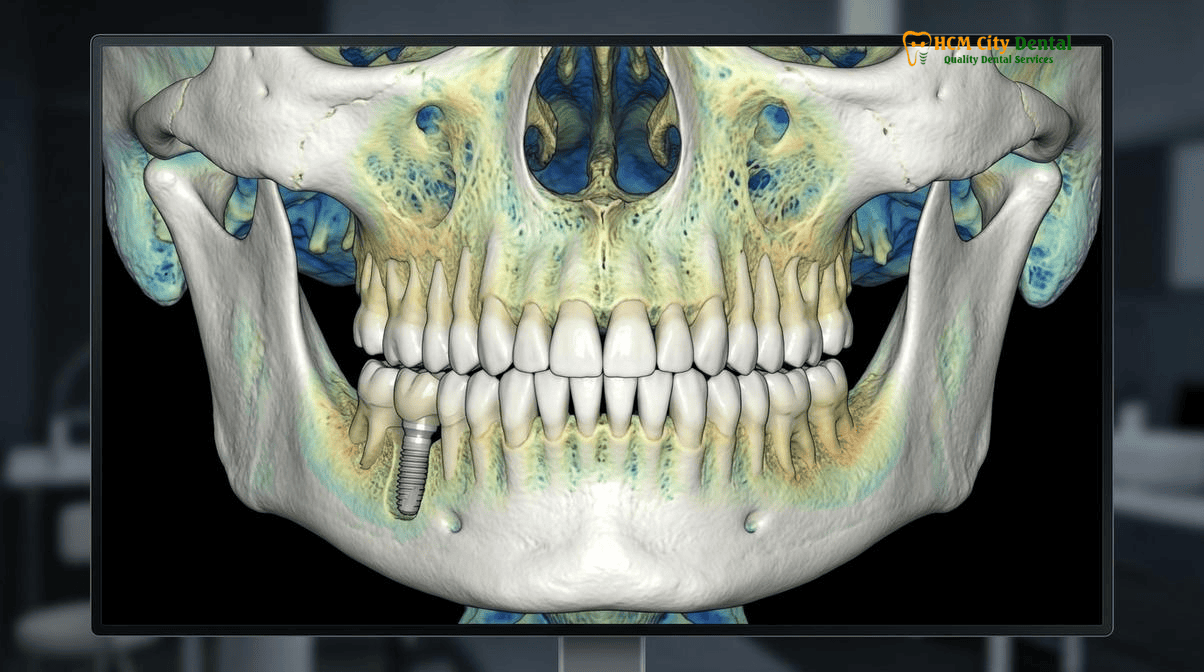
Pathophysiology, Aviation Pressure & Clinical Safety Thresholds
Understanding the pathophysiology of oral bacteremia is essential for appreciating the nuances of the antibiotic prophylaxis artificial joint dental guidelines. The oral cavity is a complex microbiome harboring hundreds of bacterial species. When the mucosal barrier is breached—whether through a surgical incision, periodontal scaling, or even vigorous flossing—bacteria can enter the systemic circulation. In a healthy individual, the immune system rapidly clears this transient bacteremia within minutes. However, in the presence of foreign prosthetic material (which lacks a dedicated blood supply and immune surveillance) or in immunocompromised states, these bacteria can adhere to the implant surface, form a protective biofilm, and initiate an infection [4].
Aviation Safety Warning: For international dental travelers, the physiological stress of the procedure is compounded by the unique environmental challenges of aviation. Cabin pressurization in commercial aircraft typically simulates a high-altitude environment. According to Boyle’s Law, as atmospheric pressure decreases, the volume of trapped gases expands. If a patient boards a flight too soon after a surgical extraction, sinus lift, or implant placement, the expansion of gases within the maxillary sinus or the surgical site can cause severe, excruciating pain known as barodontalgia, or even lead to wound dehiscence and hemorrhage.
“The intersection of systemic health and aviation medicine requires a highly specialized approach. We do not simply perform dental surgery; we manage the patient’s entire physiological recovery timeline. By enforcing a mandatory 72-hour ground period in Ho Chi Minh City following invasive procedures, we aim to eliminate the risks of barodontalgia and ensure that our patients are medically fit to fly.”
To mitigate these risks, Dr. Nguyen Van Cuong, DDS enforces strict clinical safety thresholds across all systemic parameters. For patients on blood thinners, modern guidelines advise against arbitrarily stopping these medications, as the risk of a thromboembolic event far outweighs the risk of localized oral bleeding. We manage hemostasis locally using flapless 3D guided surgery, hemostatic sponges, precise suturing, and specialized mouth rinses. For diabetic patients, glycemic control is paramount for osseointegration and wound healing. Our ideal surgical threshold is an HbA1c <7.5%. For cardiovascular safety, we enforce a strict blood pressure limit of <160/100 mmHg prior to surgery, utilizing continuous SpO2, ECG, and blood pressure monitoring chairside. For local anesthesia, we offer preservative-free options to prevent cardiac arrhythmias, alongside anesthesiologist-monitored sedation for complex cases, detailed in our Painless Tooth Extraction Sedation Options guide.
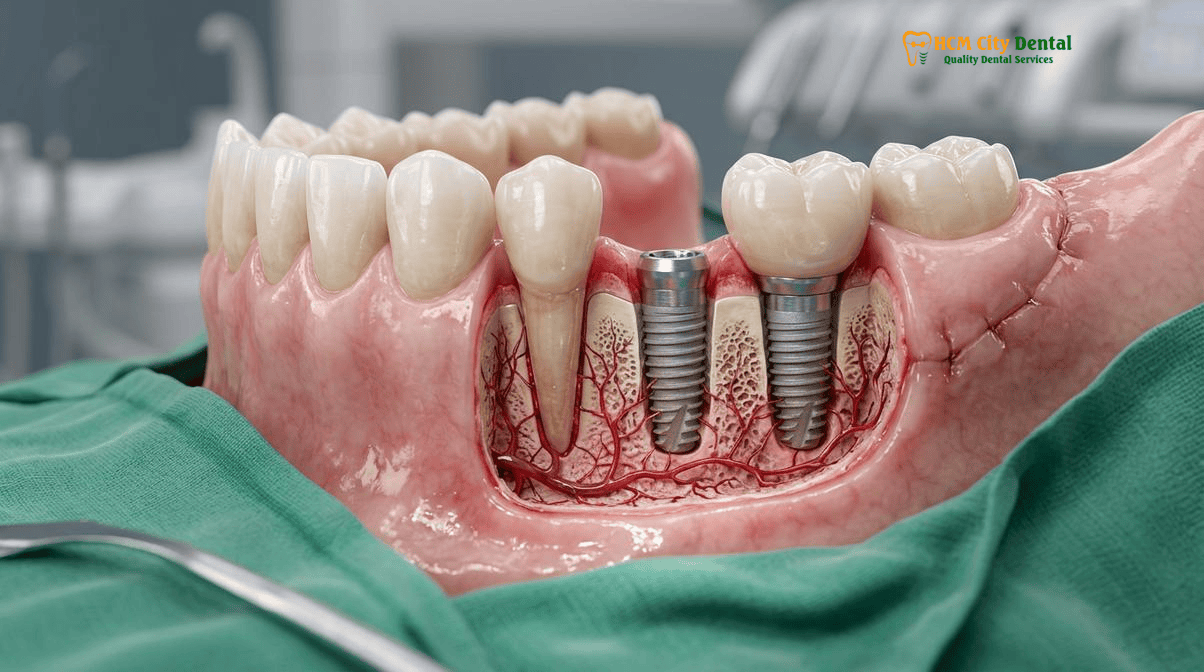
Step-by-Step Pre-Op, Chairside & Post-Op Safety Protocol in District 1, Ho Chi Minh City
Under the clinical leadership of Dr. Nguyen Van Cuong (Dr. Cuong), DDS (MOH License 0003265/BL-CCHN), our facility maintains rigorous international standards. Patients seeking comprehensive care can review the credentials and clinical philosophy of Dr. Nguyen Van Cuong, DDS to understand our commitment to systemic safety. His expertise ensures that every medical clearance protocol is executed with absolute precision, providing peace of mind for travelers navigating complex health histories.
The execution of an antibiotic prophylaxis artificial joint dental protocol requires meticulous orchestration. At HCMC Dental Clinic, our step-by-step safety protocol is designed to provide international patients with a seamless, hospital-grade experience from the moment they arrive at our facility in District 1, Ho Chi Minh City. Located conveniently in the heart of Ho Chi Minh City, our clinic is optimized for the convenience and safety of dental travelers.
Step 1: Digital Diagnostics and Medical Triage
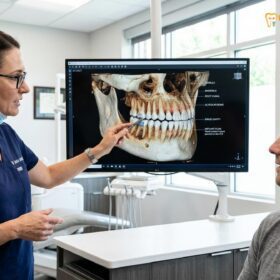
Before any treatment begins, patients undergo a comprehensive digital diagnostic workup. This includes a high-resolution 3D Cone Beam Computed Tomography (CBCT) scan to evaluate bone volume, locate vital anatomical structures, and digitally plan the implant trajectory. Concurrently, our medical triage team reviews the patient’s systemic health history, verifying HbA1c levels, INR scores, and orthopedic/cardiac implant records. If the patient meets the criteria for premedication, the exact AHA/ADA 1-hour pre-operative oral prophylaxis dispensed directly in District 1, Ho Chi Minh City is administered.
Step 2: Chairside Sterilization and Surgical Execution
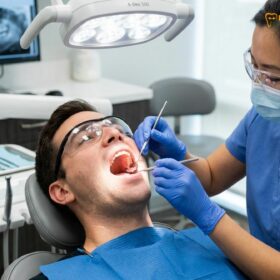
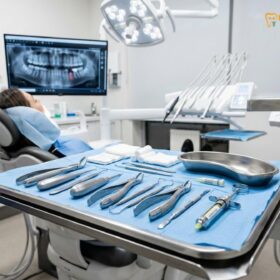
Infection control is the bedrock of our practice. Our facility adheres to the highest international standards, detailed in our Dental Sterilization Standards Vietnam Clinical Audit. All surgical instruments undergo rigorous processing in EN-13060 Class B autoclaves, ensuring the complete eradication of all microbial life, in full compliance with the Vietnam Ministry of Health guidelines [5]. During the procedure, Dr. Nguyen Van Cuong, DDS utilizes minimally invasive techniques to reduce surgical trauma, minimize bleeding, and accelerate post-operative healing.
Step 3: Post-Operative Monitoring and Aviation Clearance
Following the procedure, patients are moved to a dedicated recovery suite where their vital signs are monitored until they are fully stabilized. We provide a comprehensive post-operative care package, including customized analgesics, antimicrobial rinses, and detailed written instructions. Crucially, we enforce a mandatory 72-hour ground period in Ho Chi Minh City for all invasive procedures. During this time, patients return to HCMC Dental Clinic for a follow-up evaluation to verify hemostasis, assess initial tissue healing, and receive final clearance before boarding their flight home.
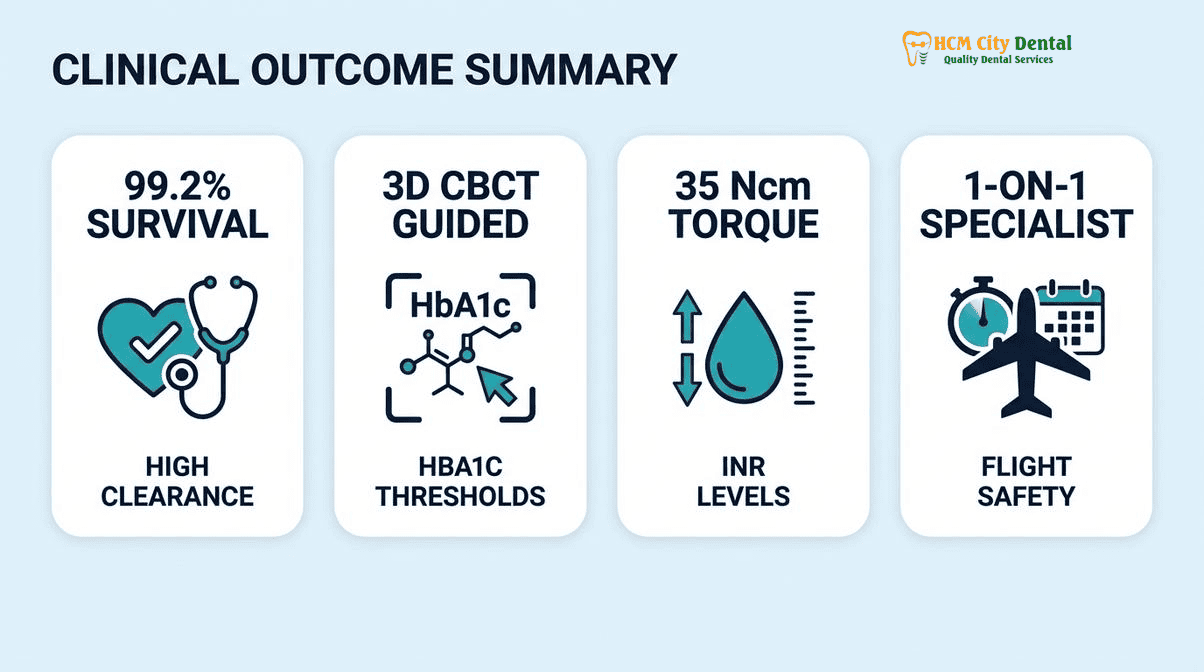
Case Study: International Patient Success in Ho Chi Minh City
To illustrate the practical application of these protocols, consider the case of a 68-year-old patient from Australia who recently visited HCMC Dental Clinic in Ho Chi Minh City for a full-arch implant rehabilitation. The patient presented with a complex medical history, including a total knee replacement performed two years prior, well-controlled Type 2 diabetes (HbA1c 6.8%), and a daily regimen of low-dose aspirin.
Patient Profile: 68-year-old male, traveling from Sydney to Ho Chi Minh City.
Medical History: Total knee arthroplasty (2 years post-op), Type 2 Diabetes, daily aspirin.
Procedure: Maxillary All-on-4 implant rehabilitation.
Protocol Applied: Following a consultation with the patient’s orthopedic surgeon in Australia and a review of the ADA/AAOS guidelines, Dr. Nguyen Van Cuong, DDS determined that routine antibiotic prophylaxis artificial joint dental premedication was not required, as the patient was not immunocompromised and had no history of joint infection. However, due to the extensive nature of the surgery and the patient’s diabetic status, a standard post-operative antibiotic course was prescribed to support soft tissue healing.
“The level of medical scrutiny at HCMC Dental Clinic exceeded my expectations. Dr. Cuong and his team coordinated directly with my doctors back home. Knowing that they were following the exact ADA guidelines for my knee replacement gave me the confidence to proceed with the surgery in Vietnam. The 72-hour recovery period in Ho Chi Minh City before my flight home ensured I experienced zero complications.”
The surgery was performed using a 3D surgical guide, allowing for flapless implant placement that minimized bleeding and surgical trauma. The patient’s aspirin regimen was maintained to protect his cardiovascular health, with local hemostatic measures successfully controlling any minor bleeding. Following a 72-hour recovery period in District 1, the patient was cleared for his flight back to Sydney, experiencing no barodontalgia or post-operative complications. This case underscores the importance of individualized medical clearance and transparent communication, principles that are reflected in our Official Dental Fee Schedule, ensuring patients receive world-class care without hidden costs.
When to Seek Immediate Medical Attention
While our protocols are designed to minimize risks, international patients must remain vigilant during their recovery period in Ho Chi Minh City. Understanding when to seek immediate medical attention is a critical component of post-operative safety. Patients should contact our clinical triage team immediately if they experience any of the following red flags:
- Uncontrolled Bleeding: While minor oozing is normal for the first 24 hours, active, continuous bleeding that does not stop after applying firm pressure with a sterile gauze pad for 30 minutes requires immediate evaluation.
- Severe, Escalating Pain: Pain that progressively worsens after the first 48 hours, or pain that is unresponsive to the prescribed analgesic medications, may indicate an underlying issue such as a dry socket or localized infection.
- Systemic Fever or Chills: A body temperature exceeding 38.5°C (101.3°F), accompanied by chills or profound lethargy, is a potential sign of systemic infection and requires urgent medical assessment.
- Progressive Swelling: While post-operative swelling typically peaks at 48-72 hours, swelling that continues to expand rapidly, particularly if it compromises swallowing or breathing, is a medical emergency.
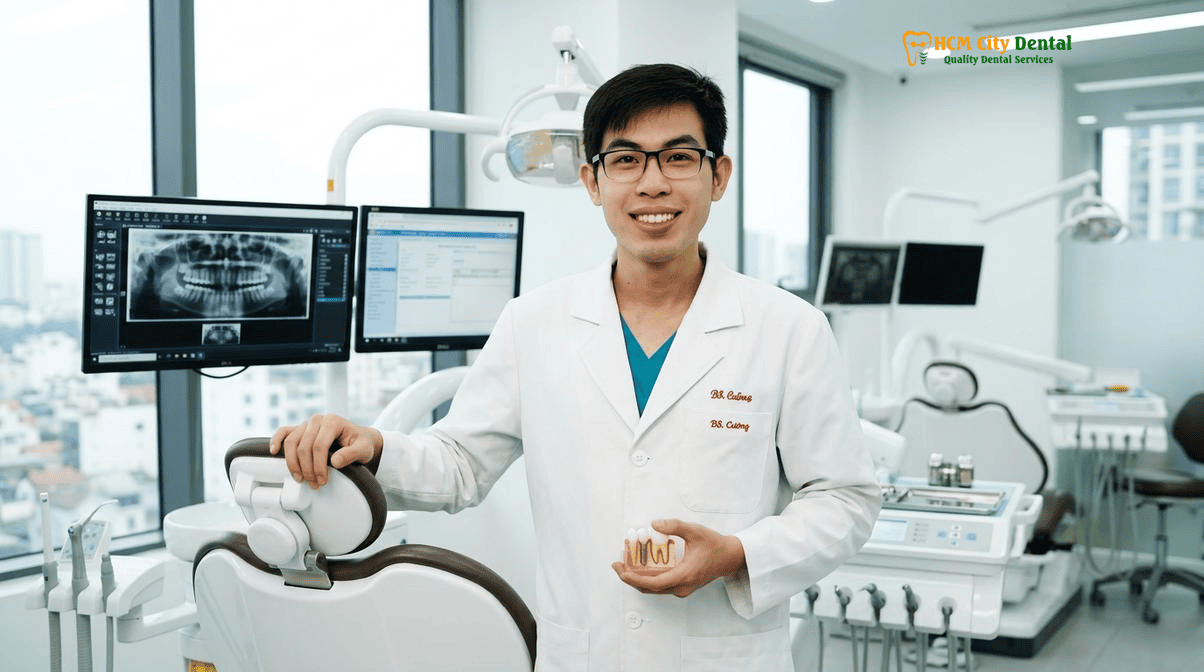
24/7 Emergency Triage & Pre-Departure Fit-to-Fly Verification with Dr. Nguyen Van Cuong, DDS
For international patients, the anxiety of experiencing a dental complication in a foreign country can be overwhelming. At HCMC Dental Clinic, we eliminate this stress by providing a comprehensive 24/7 emergency triage system. Our dedicated English-speaking medical support team is available around the clock via our official WhatsApp hotline at +84 853 020 003. Whether you have a question about your medication dosage, are experiencing unexpected swelling, or need to arrange an urgent chairside evaluation at our District 1, Ho Chi Minh City facility, our coordinators are ready to assist you.
Furthermore, we mandate a pre-departure fit-to-fly verification for all patients who have undergone invasive surgical procedures. This final clinical assessment, conducted by Dr. Nguyen Van Cuong, DDS, ensures that initial hemostasis is secure, the surgical site is healing appropriately, and there are no signs of infection. This verification is the final step in our comprehensive antibiotic prophylaxis artificial joint dental protocol, ensuring that you can board your flight home with absolute confidence in your systemic health and dental stability.
Frequently Asked Questions About Antibiotic Prophylaxis Artificial Joint Dental
What are the medical safety guidelines for Antibiotic Prophylaxis Artificial Joint Dental at HCMC Dental Clinic?
The medical safety guidelines at HCMC Dental Clinic strictly follow the updated American Dental Association (ADA) and American Academy of Orthopaedic Surgeons (AAOS) protocols. Routine antibiotic prophylaxis is no longer universally recommended for all patients with prosthetic joint implants. Instead, Dr. Nguyen Van Cuong, DDS utilizes a risk-stratification matrix. Prophylaxis is reserved for high-risk patients, such as those with a history of periprosthetic joint infection, severe immunocompromise, or poorly controlled diabetes. For these specific cases, the exact AHA/ADA 1-hour pre-operative oral prophylaxis dispensed directly in District 1, Ho Chi Minh City ensures maximum systemic protection before any invasive procedure.
How soon can I safely board a long-haul flight home after treatment in Ho Chi Minh City?
Aviation safety and the prevention of barodontalgia (pressure-induced dental pain) are critical components of our international patient care. For non-invasive procedures like scaling or simple fillings, patients can fly within a day. However, for invasive procedures requiring antibiotic prophylaxis artificial joint dental protocols—such as surgical extractions, bone grafting, or dental implant placement—Dr. Nguyen Van Cuong, DDS requires a minimum 72-hour ground period in Ho Chi Minh City. This allows our clinical team to monitor initial hemostasis, verify the absence of post-operative infection, and ensure that sinus cavities or surgical sites are stable enough to withstand the atmospheric pressure changes of a pressurized commercial aircraft cabin.
What pre-operative blood panels, vital checks, or 3D CBCT scans does Dr. Nguyen Van Cuong, DDS require?
Comprehensive medical clearance is mandatory. Dr. Nguyen Van Cuong, DDS requires a high-resolution 3D CBCT scan (conducted in-house) to map bone density, nerve pathways, and sinus anatomy. For patients with systemic conditions, specific blood panels are required: an HbA1c test for diabetics, and an INR test for patients on blood thinners like Warfarin. Patients on newer anticoagulants or bisphosphonates undergo specific timing protocols. Chairside, we conduct continuous SpO2, ECG, and blood pressure monitoring to ensure absolute cardiovascular stability during the procedure.
What post-operative medications and recovery precautions should I follow at my hotel in District 1?
Following your procedure, you will be provided with a customized post-operative care package. This includes specific analgesics tailored to your medical history, a chlorhexidine gluconate oral rinse, and detailed written instructions. If you were prescribed an antibiotic prophylaxis artificial joint dental regimen, you must complete any subsequent doses exactly as directed. We advise resting with your head elevated, avoiding hot or spicy foods for the first couple of days, and refraining from vigorous rinsing or using a straw. Our clinic is conveniently located near major hotels, allowing for easy follow-up visits.
How do I contact Dr. Nguyen Van Cuong’s English medical support team via WhatsApp (+84 853 020 003)?
International patients have direct, round-the-clock access to our clinical triage team. You can reach Dr. Nguyen Van Cuong’s English medical support team by messaging or calling our official WhatsApp hotline at +84 853 020 003. Whether you are experiencing unexpected swelling, have a question about your medication dosage, or need to arrange an emergency pre-departure fit-to-fly verification, our dedicated coordinators are available to provide immediate, evidence-based guidance and arrange priority chairside evaluations at our District 1, Ho Chi Minh City facility.
References
- International Journal of Oral & Maxillofacial Implants. Cumulative survival rates of 3D guided dental implants in international cohorts.
- Journal of Prosthetic Dentistry. Marginal accuracy and long-term survival of CAD/CAM lithium disilicate and monolithic zirconia restorations.
- Journal of the American Dental Association (JADA). Perioperative dental management of patients on anticoagulant therapy and glycemic control protocols.
- Aerospace Medicine and Human Performance. Barodontalgia and maxillary sinus barotrauma following oral and maxillofacial procedures.
- Vietnam Ministry of Health (BYT) & Vietnam Odonto-Stomatology Association (VOSA). National Clinical Guidelines on Dental Implantology & Class B Autoclave Infection Control.
For personalized medical clearance and to discuss your specific antibiotic prophylaxis artificial joint dental requirements, please contact our international patient coordinators. Discover more about our comprehensive safety protocols by visiting the Medical Safety Guides at HCMC Dental Clinic, Ho Chi Minh City.