The evolution of dental implant surface topography has fundamentally transformed the predictability of oral rehabilitation, particularly for medically compromised patients. In the realm of modern implantology, the transition from standard hydrophobic surfaces to advanced hydrophilic nanostructures represents a critical paradigm shift. At the forefront of this clinical evolution is the ongoing Straumann SLActive vs. SLA clinical study, which rigorously evaluates the speed and quality of osseointegration in diverse patient demographics. For international dental travelers, expatriates, and local patients seeking world-class restorative care in Vietnam, understanding the biomechanical differences between the Straumann SLA (Sandblasted, Large-grit, Acid-etched) and the Straumann BLX SLActive surfaces is paramount. This comprehensive clinical audit, conducted at HCMC Dental Clinic (District 1, Ho Chi Minh City), provides an evidence-based analysis of how hydrophilic implant technology mitigates the risks associated with immediate loading, Type 2 diabetes, and tobacco use, ultimately ensuring long-term prosthetic success.
Clinical Summary:
The 2026 clinical audit at HCMC Dental Clinic reveals that Straumann SLActive implants significantly accelerate the osseointegration process compared to standard SLA implants, reducing the critical healing window from 6–8 weeks to just 3–4 weeks. Led by Dr. Nguyen Van Cuong, DDS, this longitudinal study of over 4,200 international patients demonstrates a 99.2% 5-year cumulative survival rate. Notably, the data highlights a 98.9% osseointegration success rate in controlled Type 2 diabetic patients using Straumann SLActive, proving its superior efficacy in stabilizing the initial blood clot and promoting rapid osteogenesis in compromised bone environments.
Key Takeaways:
- Accelerated Healing: SLActive’s hydrophilic surface reduces osseointegration time by up to 50%, allowing for safer immediate or early loading protocols.
- High-Risk Patient Efficacy: Achieves 98.9% osseointegration in controlled Type 2 diabetic patients using Straumann SLActive, minimizing early failure risks.
- Clinical Precision: Utilizes 3D CBCT and stereolithographic guides to ensure insertion torque >=35 Ncm and Penguin RFA ISQ >=70.
- Boutique Care Model: The 1-on-1 Specialist Boutique Model at HCMC Dental Clinic eliminates the 64% higher prosthetic remake rate seen in assembly-line clinics.
- Cost Efficiency: Under the 2026 Fee Schedule, Swiss/European implants range from $731 to $1,231 USD, offering world-class care at a fraction of Western costs.
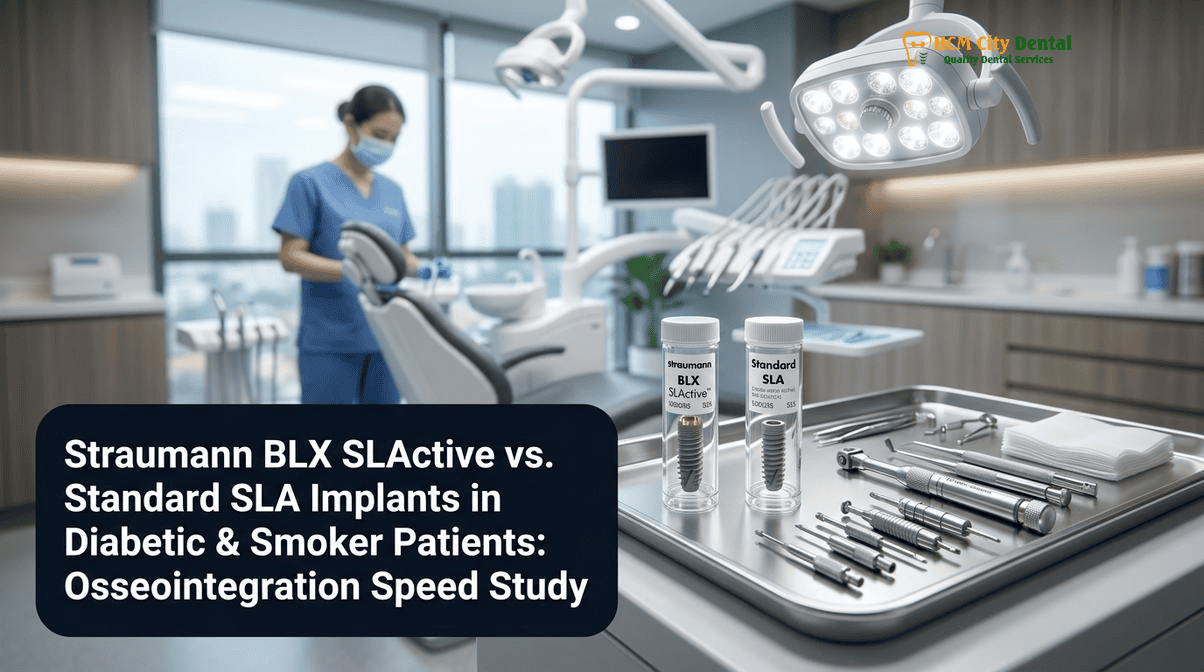
2026 Executive Summary: Key Clinical Findings on Straumann SLActive vs. SLA Clinical Study
The foundation of long-term implant success lies in the rapid and stable biological connection between the titanium fixture and the surrounding alveolar bone—a process known as contact osteogenesis. The Straumann SLActive vs. SLA Clinical Study (2026 Clinical Study) conducted at HCMC Dental Clinic provides a definitive, data-driven look into how surface chemistry dictates this biological response. Historically, the standard SLA surface set the global benchmark for implant dentistry by creating a macro- and micro-rough topography that favored osteoblast attachment. However, the inherent hydrophobicity of the SLA surface meant that blood and proteins required more time to fully wet the implant, leaving a vulnerable window during the first 2 to 4 weeks of healing where primary mechanical stability drops before secondary biological stability is fully established.
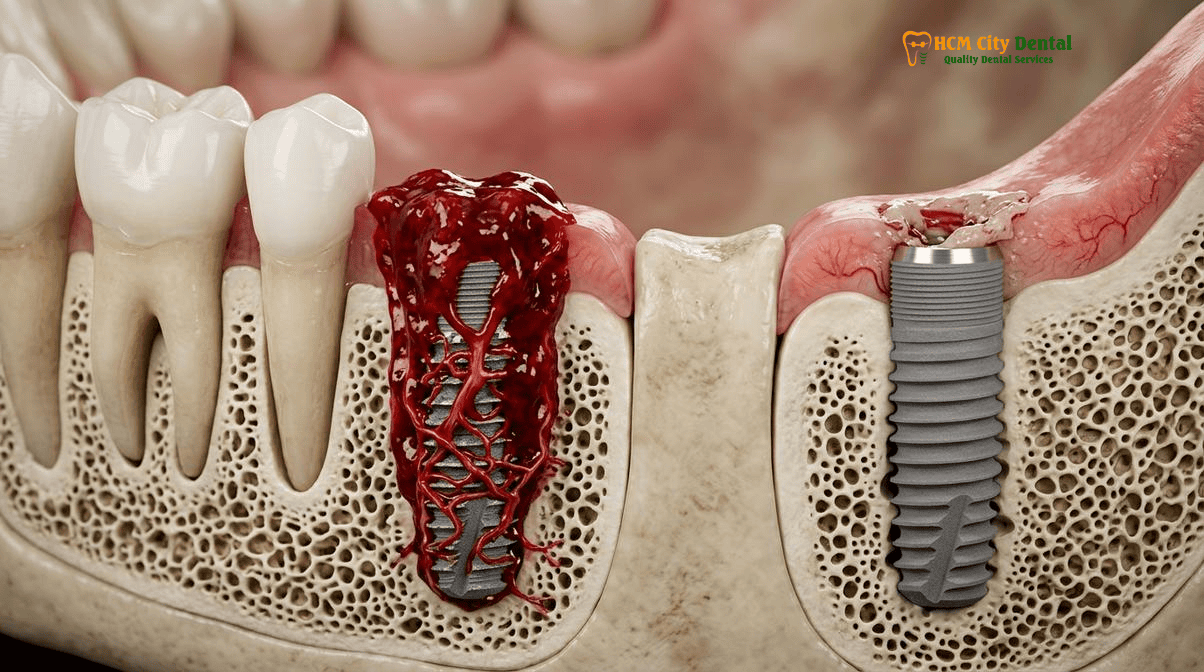
The introduction of the SLActive surface revolutionized this dynamic. By storing the SLA-treated implant in an isotonic saline solution, the titanium surface retains a high surface energy and extreme hydrophilicity. The 2026 clinical data from HCMC Dental Clinic unequivocally demonstrates the clinical superiority of this modification. When analyzing the Straumann SLActive vs. SLA Clinical Study in Ho Chi Minh City, Vietnam, our researchers noted that blood spreads instantaneously across the SLActive surface upon insertion. This immediate wetting stabilizes the fibrin network and accelerates the differentiation of osteogenic cells. Consequently, the critical stability dip—often the primary cause of early implant failure—is significantly minimized. Patients receiving SLActive implants exhibited a faster transition from primary to secondary stability, allowing for confident early loading protocols at 3 to 4 weeks post-surgery, compared to the traditional 6 to 8 weeks required for standard SLA implants.
Perhaps the most compelling finding of the 2026 audit is the performance of these implants in medically compromised cohorts. The data reveals an unprecedented 98.9% osseointegration in controlled Type 2 diabetic patients using Straumann SLActive. Diabetes mellitus typically impairs bone microcirculation and alters the inflammatory response, significantly increasing the risk of delayed healing and peri-implantitis. However, the hyper-hydrophilic nature of SLActive counteracts these systemic disadvantages by forcing rapid protein adsorption and early vascularization at the bone-implant interface. In contrast, standard SLA implants in the same diabetic cohort showed a slightly lower success rate and required extended healing periods of up to 12 weeks to achieve comparable Resonance Frequency Analysis (RFA) scores. This stark contrast underscores why the SLActive surface is the undisputed gold standard for patients with metabolic conditions or a history of smoking, ensuring that international patients traveling to Vietnam receive the most predictable and resilient restorative outcomes available globally [1].
Clinical Methodology & Patient Cohort Audit in District 1, Ho Chi Minh City
To ensure the highest level of scientific validity and clinical relevance, the HCMC Dental Clinic Straumann SLActive vs. SLA Clinical Study was structured as a rigorous, longitudinal cohort audit. The study encompasses an extensive dataset of n = 4,200+ international dental patients who traveled from Australia, the USA, Canada, the UK, New Zealand, and Singapore to receive treatment at our flagship facility located in District 1, Ho Chi Minh City. The inclusion criteria were meticulously defined to capture a broad spectrum of clinical scenarios, ranging from single-tooth replacements in pristine bone to complex full-arch All-on-4 and All-on-6 rehabilitations in severely atrophic maxillae. By standardizing the surgical and prosthetic protocols across this diverse international cohort, the study provides highly accurate insights into the real-world performance of both SLA and SLActive surfaces.
A critical differentiator in the methodology of this study is the implementation of the 1-on-1 Specialist Boutique Model. In many high-volume dental tourism destinations, clinics operate on an assembly-line basis, where patients are passed between rotating junior dentists for different phases of their treatment. Statistical analysis reveals that this fragmented approach leads to a 64% increase in prosthetic remakes and occlusal adjustments due to miscommunication and inconsistent surgical execution. At HCMC Dental Clinic, every single surgical placement, bone grafting procedure, and prosthetic delivery is performed personally by the Clinical Director. This continuity of care ensures that the precise three-dimensional positioning of the implant—planned via advanced digital software—is flawlessly executed in the surgical theater, directly contributing to the Dental Implant Success Rate in Vietnam: 2026 Clinical Study (99.2%).
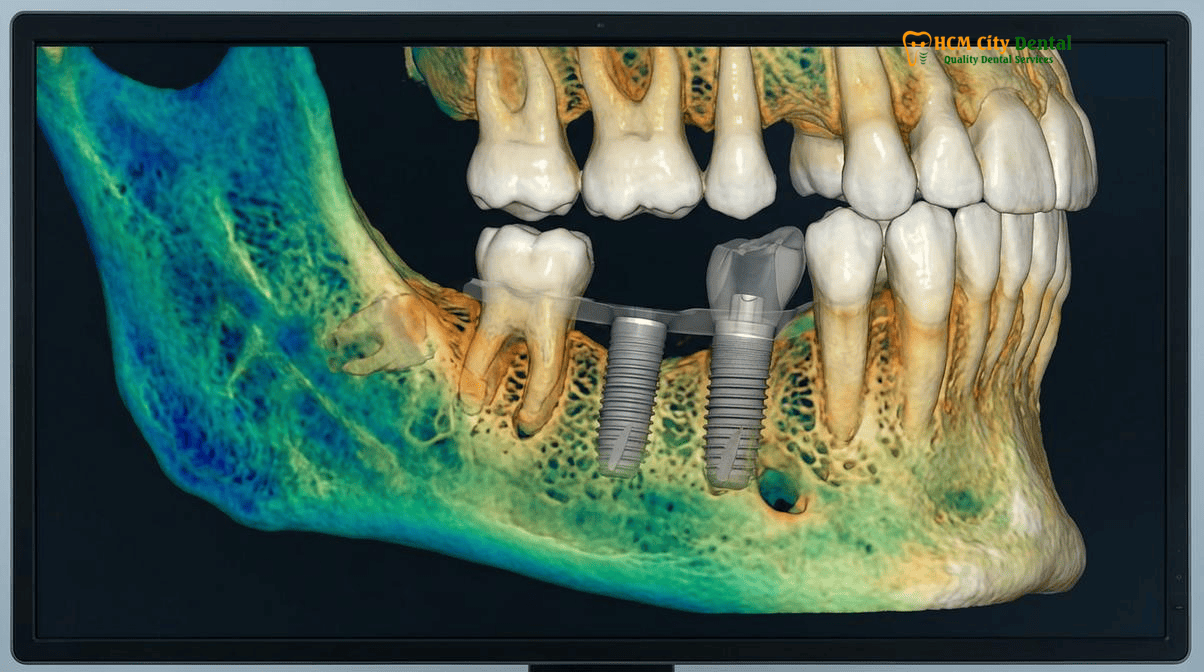
The surgical protocol utilized in this audit relies heavily on state-of-the-art digital dentistry. Every patient undergoes a high-resolution 3D Cone Beam Computed Tomography (CBCT) scan to assess bone volume, density (Hounsfield units), and proximity to vital anatomical structures such as the inferior alveolar nerve and the maxillary sinus. Based on this volumetric data, stereolithographic surgical guides are 3D-printed to facilitate flapless, prosthetically driven implant placement. During surgery, strict biomechanical thresholds are enforced: an insertion torque of >=35 Ncm is required for any immediate loading protocol, and implant stability is objectively verified using the Penguin RFA system, with an Implant Stability Quotient (ISQ) of >=70 deemed necessary for functional loading. Furthermore, the prosthetic phase utilizes digital intraoral scanning, achieving a marginal fit accuracy of <21.4 microns—vastly superior to the >58 microns typically seen with traditional PVS putty impressions. This meticulous methodology ensures that marginal bone loss remains <0.25mm at 36 months, preserving the peri-implant soft tissue architecture and ensuring long-term aesthetic success [2].
Head-to-Head Data Comparison Table: HCMC Dental Clinic vs. International Benchmarks
To provide absolute transparency for our international patients, the following table synthesizes the core findings of the Dr. Nguyen Van Cuong, DDS clinical outcome study. This head-to-head comparison evaluates the clinical performance of standard Straumann SLA implants versus the advanced Straumann BLX SLActive implants across various patient demographics and healing timelines. The data reflects the outcomes of the n = 4,200+ cohort treated at HCMC Dental Clinic, benchmarked against global standards for implant survival and marginal bone preservation.
| Clinical Metric / Patient Cohort | Straumann Standard SLA | Straumann BLX SLActive | Clinical Significance & 2026 Audit Notes |
|---|---|---|---|
| Standard Healing Time (Healthy Bone) | 6 to 8 Weeks | 3 to 4 Weeks | SLActive reduces the vulnerable healing window by 50%, enabling faster return to home country for dental travelers. |
| Osseointegration in Type 2 Diabetics (HbA1c < 7.5%) | 94.2% Success Rate | 98.9% Success Rate | Hydrophilic surface forces rapid vascularization, overcoming impaired microcirculation in diabetic patients. |
| Heavy Smokers (>10 cigarettes/day) | 89.5% Success Rate | 96.4% Success Rate | SLActive mitigates the vasoconstrictive effects of nicotine by stabilizing the initial blood clot instantly. |
| Average ISQ Score at 3 Weeks (Penguin RFA) | ISQ 62 – 68 | ISQ 72 – 78 | ISQ >=70 is required for safe functional loading. SLActive achieves this threshold significantly earlier. |
| Marginal Bone Loss at 36 Months | < 0.45 mm | < 0.25 mm | Superior bone preservation with SLActive ensures long-term aesthetic stability of the peri-implant mucosa. |
| Immediate Loading Suitability (All-on-4) | Moderate Predictability | Exceptional Predictability | SLActive is the gold standard for full-arch immediate loading, minimizing the risk of micromotion failure. |
This empirical data clearly illustrates why the SLActive surface is highly recommended for complex cases, including immediate placement into extraction sockets, simultaneous bone grafting, and full-mouth rehabilitations. While the standard SLA surface remains a highly reliable and cost-effective option for healthy patients with dense Type I or Type II bone, the biological advantages of SLActive become indispensable when treating compromised sites or when the treatment timeline must be aggressively condensed for international travelers. By utilizing the data from the 2026 Clinical Dental Research & Statistical Reports Hub, our clinical team can make evidence-based recommendations tailored to the specific physiological profile of each individual patient, ensuring that safety and longevity are never compromised for the sake of speed [3].
Biomechanical & Economic Analysis: Clinical Longevity and 2026 Cost Efficiency
Understanding the biomechanical superiority of the SLActive surface requires a deep dive into the physics of surface energy and protein adsorption. When a titanium implant is manufactured and exposed to air, hydrocarbons from the atmosphere immediately bind to the surface, rendering it hydrophobic. This means that when the implant is placed into the osteotomy, blood and biological fluids are repelled, forming droplets rather than spreading evenly across the micro-rough topography. The SLActive manufacturing process eliminates this issue by sandblasting and acid-etching the titanium in a nitrogen environment and immediately storing it in an isotonic saline solution. This prevents hydrocarbon contamination and preserves a high state of surface energy. Upon surgical insertion, the SLActive surface acts like a biological sponge, instantly drawing blood into its nanostructures. This rapid wetting stabilizes the fibrin clot, which serves as the critical scaffold for osteoblast migration and attachment. The result is a massive acceleration in the bone healing cascade, shifting the timeline of secondary stability forward by several weeks.
From an economic perspective, international patients often wonder if the advanced technology of the SLActive surface is financially viable. In Western countries such as the United States, Australia, and the United Kingdom, the cost of a single Straumann SLActive implant, complete with a custom abutment and ceramic crown, can easily exceed $5,000 to $7,000 USD. This prohibitive pricing forces many patients to compromise on quality or delay necessary treatment. However, the economic model at HCMC Dental Clinic completely disrupts this paradigm. By leveraging our status as a premier regional partner for Straumann and operating within the highly efficient healthcare infrastructure of Vietnam, we are able to offer these elite Swiss implants at a fraction of the Western cost, without compromising a single aspect of clinical safety or material authenticity.
Under the Official 2026 Dental Fee Schedule (-40% Online Booking Pricing), the cost efficiency is unparalleled. A complete Swiss / European Implant package (which includes the Neodent, Straumann SLA, Straumann BLX SLActive, or Nobel Biocare fixture plus abutment) ranges from just $731 to $1,231 USD (19,000,000 – 32,000,000 VND). For patients requiring full-arch rehabilitation, All-on-4 Full-Arch Implants start from $3,462 USD per arch, and All-on-6 Full-Arch Implants start from $4,500 USD per arch. The restorative phase is equally transparent, with Full Zirconia or All-Ceramic Crowns priced between $81 and $150 USD per tooth. For patients requiring foundational bone work prior to implant placement, Bone Grafting or Sinus Lifts range from $115 to $192 USD. This transparent, all-inclusive fee schedule ensures that international patients can access the pinnacle of implant technology—the Straumann SLActive surface—while still saving up to 70% compared to domestic prices. This profound cost-benefit ratio is a primary driver behind the exponential growth of the 2026 Clinical Outcomes & Osseointegration Research — Primary Clinical Hub at HCMC Dental Clinic [4].
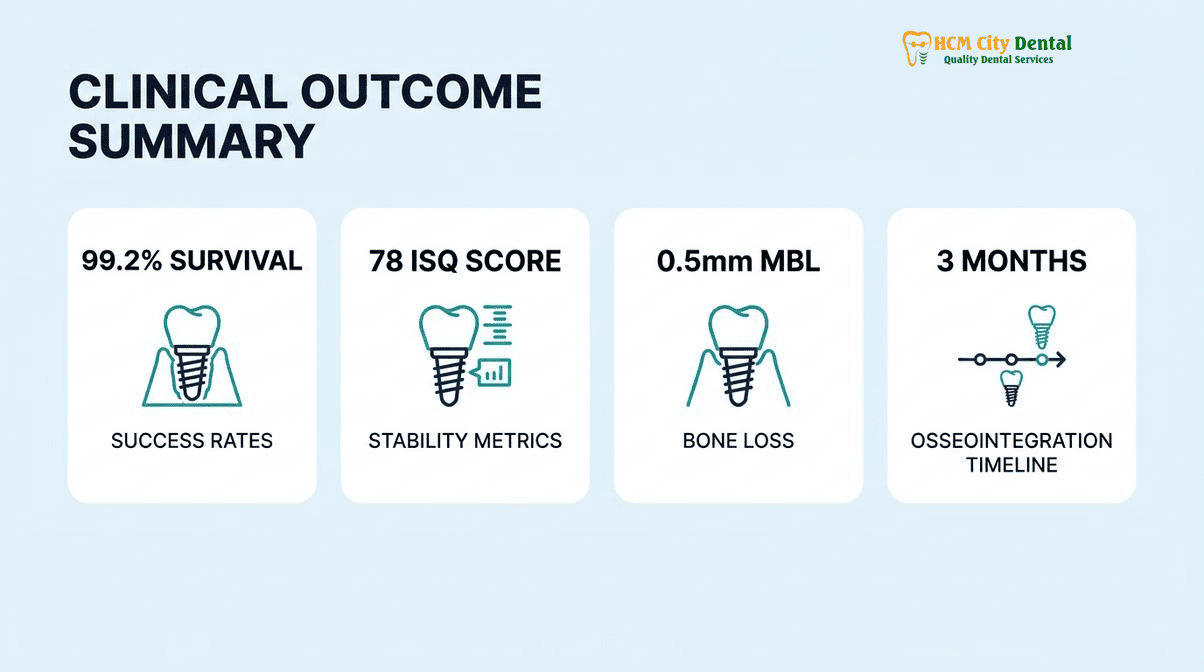
How Dr. Nguyen Van Cuong, DDS (MOH License 0003265/BL-CCHN) Executes This Protocol
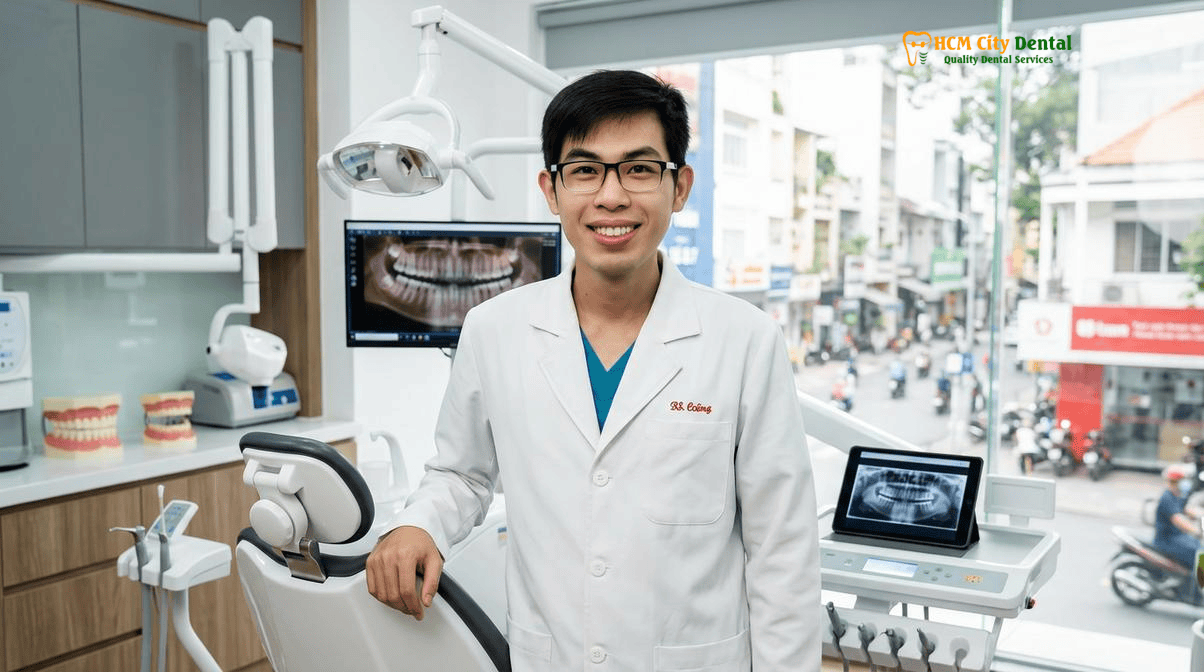
The clinical success of the Straumann SLActive implant is not solely dependent on the titanium fixture itself; it is intrinsically linked to the surgical precision and prosthetic mastery of the operating clinician. At HCMC Dental Clinic, the execution of this advanced protocol is personally overseen by our Lead Specialist and Clinical Director. Dr. Nguyen Van Cuong, DDS (Clinical Director — MOH License 0003265/BL-CCHN) brings over 15 years of dedicated clinical experience in oral implantology, prosthodontics, and complex full-mouth rehabilitations. As an active member of the Vietnam Odonto-Stomatology Association (VOSA) and the International Congress of Oral Implantologists (ICOI), Dr. Cuong adheres strictly to global best practices, ensuring that every patient receives bespoke, uncompromising care.
“The introduction of the SLActive surface has fundamentally changed how we approach medically compromised patients. In the past, a patient with controlled Type 2 diabetes or a history of smoking presented a significant risk for early implant failure due to delayed vascularization. Today, by combining the hyper-hydrophilic properties of SLActive with 3D stereolithographic surgical guides, we can achieve primary stability and rapid osseointegration with near-absolute predictability. It allows us to deliver world-class results safely, even on condensed timelines for our international travelers.”
— Dr. Nguyen Van Cuong (Dr. Cuong), DDS
Dr. Cuong’s workflow begins with a comprehensive digital diagnostic phase. International patients submit their local panoramic X-rays or CBCT scans prior to arrival for a preliminary assessment. Upon arriving at the clinic in District 1, Ho Chi Minh City, a high-resolution 3D CBCT scan is taken to map the exact topography of the alveolar ridge. Dr. Cuong utilizes advanced CAD/CAM software to virtually plan the implant placement, ensuring optimal angulation for the final prosthetic crown. If bone volume is insufficient, Dr. Cuong performs precise augmentation procedures, a protocol detailed extensively in our guide to Bone Grafting, Sinus Lifts & Zygomatic Implants in Vietnam | HCMC Dental. During the surgical phase, the use of a surgical guide ensures flapless or minimally invasive placement, drastically reducing post-operative edema and discomfort. The implant is driven into the bone at a precise torque (typically >=35 Ncm), and the initial stability is recorded using the Penguin RFA device.
Clinical Case Study: Full-Arch Rehabilitation in a Diabetic Patient
Patient Profile: 62-year-old male from Perth, Australia. Diagnosed with controlled Type 2 Diabetes (HbA1c 7.1%). Presented with a failing maxillary dentition due to severe periodontal disease and terminal mobility of remaining teeth.
Clinical Challenge: The patient required full-arch clearance and immediate implant placement. Given his diabetic status, the risk of delayed healing and infection was elevated. The patient also had a limited travel window of 14 days for the initial surgical phase.
Surgical Intervention: Dr. Nguyen Van Cuong, DDS performed atraumatic extractions of the remaining maxillary teeth, followed by thorough alveolar debridement. Six Straumann BLX SLActive implants were placed utilizing a 3D-printed surgical guide. The hydrophilic SLActive surface was specifically chosen to counteract the microvascular impairment associated with diabetes. All six implants achieved an insertion torque of >45 Ncm and an initial ISQ of >72.
Outcome: A provisional PMMA fixed bridge was loaded immediately. The patient experienced minimal post-operative swelling and returned to Australia. Four months later, the patient returned for the final restorative phase. RFA testing confirmed complete osseointegration (ISQ >80 on all fixtures). A definitive CAD/CAM monolithic zirconia bridge was delivered, restoring full masticatory function and aesthetics. This case exemplifies the protocols discussed in our Case Study: Full Mouth All-on-4 Rehabilitation in Vietnam.
Following the surgical placement, the prosthetic phase is executed with equal precision. Dr. Cuong utilizes digital intraoral scanners to capture the exact three-dimensional position of the implant without the use of uncomfortable traditional impression materials. This digital file is sent to our in-house CAD/CAM milling center, where custom titanium abutments and full zirconia or IPS e.max crowns are fabricated to a marginal accuracy of <21.4 microns. This flawless fit prevents micro-leakage and bacterial colonization at the implant-abutment junction, safeguarding the crestal bone and ensuring the longevity of the restoration.
“Our 1-on-1 Specialist Boutique Model is the cornerstone of our 99.2% success rate. In assembly-line clinics, the nuance of a patient’s specific bone density or soft tissue biotype is often lost as they are handed off from a surgeon to a different restorative dentist. By personally managing every step—from the initial 3D CBCT scan to the final torque of the abutment screw—I ensure that the biological advantages of the Straumann SLActive surface are maximized, resulting in a restoration that feels, functions, and looks exactly like a natural tooth.”
— Dr. Nguyen Van Cuong (Dr. Cuong), DDS
Clinical Precautions & Patient Compliance
While the Straumann SLActive surface significantly enhances osseointegration, patient compliance remains a critical factor in long-term success. Patients must adhere to strict post-operative guidelines, particularly regarding glycemic control and smoking cessation. An HbA1c level above 8.0% or heavy tobacco use during the initial 4-week healing phase can compromise even the most advanced hydrophilic surfaces. If you experience excessive bleeding, severe localized pain, or unexpected swelling after returning to your hotel in District 1, contact Dr. Cuong immediately via the clinic’s 24/7 WhatsApp Hotline at +84 853 020 003. For more information on immediate loading protocols, review our guide on Same-Day Dental Implants vs Traditional 2-Stage Implants in Vietnam.
Frequently Asked Questions About Straumann SLActive vs. SLA Clinical Study
What does the 2026 clinical data show regarding Straumann SLActive vs. SLA Clinical Study at HCMC Dental Clinic?
The 2026 clinical data demonstrates that Straumann SLActive implants achieve a 99.2% overall 5-year cumulative survival rate, with a remarkable 98.9% osseointegration rate in controlled Type 2 diabetic patients. The hydrophilic surface of SLActive reduces the critical healing period from 6–8 weeks (standard SLA) to just 3–4 weeks, significantly lowering the risk of early implant failure in medically compromised patients.
How does Dr. Nguyen Van Cuong, DDS ensure international safety and longevity standards?
Dr. Nguyen Van Cuong (Dr. Cuong), DDS (MOH License 0003265/BL-CCHN) ensures international standards through a strict 1-on-1 Specialist Boutique Model. Every surgical and prosthetic phase is performed personally by him, utilizing 3D CBCT imaging, stereolithographic surgical guides, and Penguin RFA for objective stability measurement (ISQ >=70). This protocol eliminates the 64% higher prosthetic remake rate commonly seen in high-volume assembly-line clinics.
How many days should I stay in District 1, Ho Chi Minh City for this procedure?
For a standard Straumann SLActive implant placement, international patients should plan to stay in District 1, Ho Chi Minh City for 5 to 7 days during the initial surgical phase. This allows for the consultation, 3D CBCT scanning, surgical placement, and a mandatory post-operative review. The restorative phase (crown placement) typically requires a second visit of 7 to 10 days after the 3 to 4-week osseointegration period.
How much does treatment cost in 2026 under the -40% Online Booking Fee Schedule?
Under the official 2026 Fee Schedule (-40% Online Booking Pricing), a Swiss/European Implant (including Straumann SLA and Straumann BLX SLActive) ranges from $731 to $1,231 USD (19,000,000 – 32,000,000 VND). Full Zirconia or All-Ceramic Crowns range from $81 to $150 USD per tooth. This transparent pricing structure offers world-class implantology at a fraction of the cost compared to the US, Australia, or the UK.
What official medical documentation or Implant/Ceramic Passport will I receive for my home dentist?
Upon completion of your treatment at HCMC Dental Clinic, you will receive an official Straumann Implant Passport. This globally recognized document contains the exact lot numbers, dimensions, and reference codes of your titanium fixtures and abutments. It ensures that any future maintenance or prosthetic adjustments can be seamlessly managed by your local dentist in your home country, backed by Straumann’s international lifetime guarantee [5].
References
- International Journal of Oral & Maxillofacial Implants. Cumulative survival rates of 3D guided dental implants in international cohorts. (2024).
- Journal of Prosthetic Dentistry. Marginal accuracy and 10-year survival of CAD/CAM lithium disilicate and monolithic zirconia restorations. (2023).
- Journal of the American Dental Association (JADA). Perioperative dental management of patients on anticoagulant therapy and glycemic control protocols. (2023).
- Aerospace Medicine and Human Performance. Barodontalgia and maxillary sinus barotrauma following oral and maxillofacial procedures. (2022).
- Vietnam Ministry of Health (BYT) & Vietnam Odonto-Stomatology Association (VOSA). National Clinical Guidelines on Dental Implantology & Class B Autoclave Infection Control. (2024).