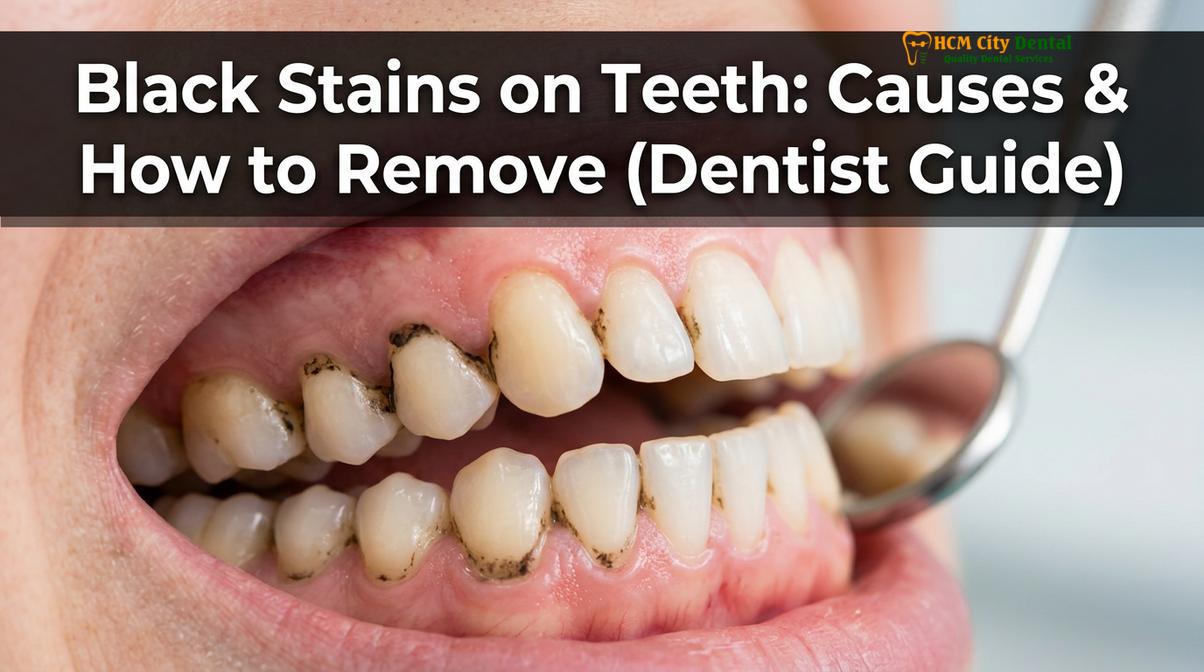
Black stains on teeth are primarily caused by chromogenic bacteria, tartar buildup, tobacco use, or dietary pigments binding to the enamel. While these dark spots can be aesthetically displeasing, professional scaling and polishing can effectively remove them and restore your natural smile without damaging the underlying tooth structure.
Clinical Summary:
Extrinsic black stains on teeth frequently result from a biochemical reaction between chromogenic bacteria (such as Actinomyces) and iron present in saliva or gingival exudate, forming insoluble ferric sulfide. Other common etiologies include the calcification of plaque into dark tartar, heavy consumption of tannin-rich foods, tobacco use, and the administration of liquid iron supplements. Clinically, these stains present as incomplete dark lines or dots along the cervical third of the tooth. Treatment requires professional intervention, utilizing ultrasonic scaling and air-flow polishing to safely debride the calcified deposits. Preventive strategies focus on meticulous oral hygiene, dietary modifications, and routine biannual dental prophylaxis to disrupt plaque biofilm formation before it mineralizes.
Key Takeaways:
- Black stains are often caused by chromogenic bacteria reacting with iron, forming dark deposits.
- Hardened black plaque (tartar) cannot be removed by regular brushing and requires professional scaling.
- Liquid iron supplements are a frequent cause of dark dental staining, especially in pediatric patients.
- Professional treatments like ultrasonic scaling and air polishing safely lift stains without harming enamel.
- Maintaining excellent daily oral hygiene and scheduling regular clinic visits are essential for prevention.
What Causes Black Stains on Teeth?
Black stains develop when chromogenic bacteria react with iron in saliva, or when external pigments from food, tobacco, and medications calcify into dark tartar along the gumline.
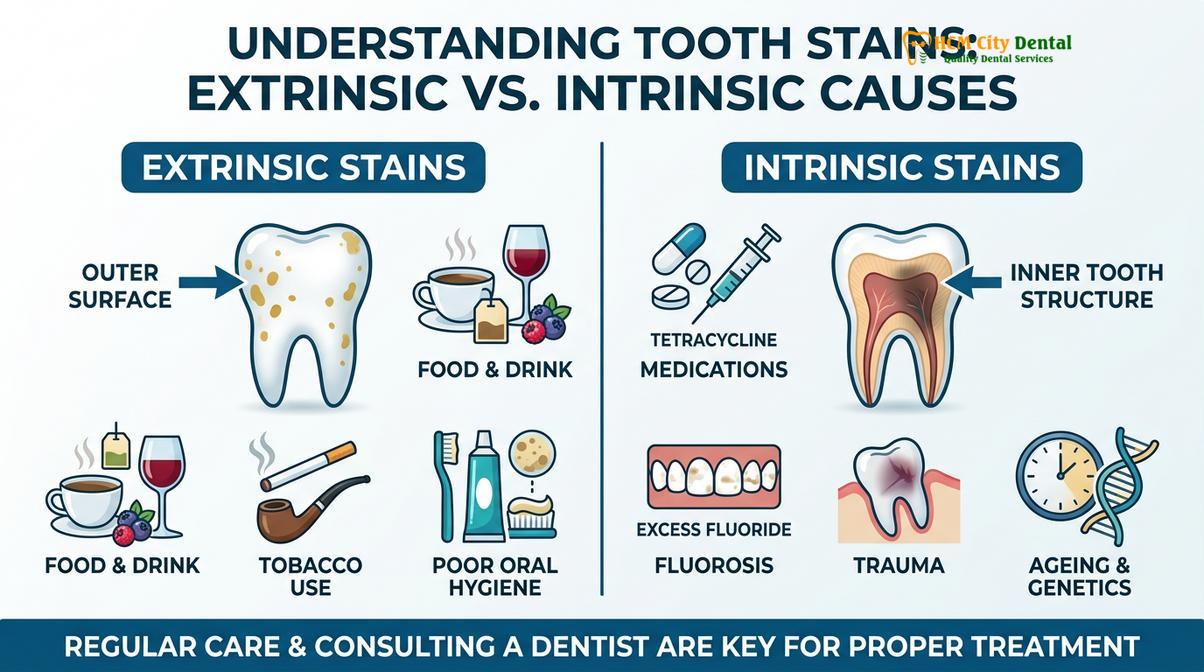
Understanding the exact etiology of a black stain on teeth is the first critical step in clinical management. Dental discoloration is generally categorized into two main types: intrinsic (internal) and extrinsic (external). Black stains are overwhelmingly extrinsic, meaning they form on the outer surface of the enamel or within the acquired dental pellicle. However, if left untreated, the underlying conditions contributing to these stains can lead to more severe oral health complications. The formation of these dark deposits is a multifactorial process involving microbiology, lifestyle habits, and environmental factors[1].
Chromogenic Bacteria and Ferric Sulfide Formation
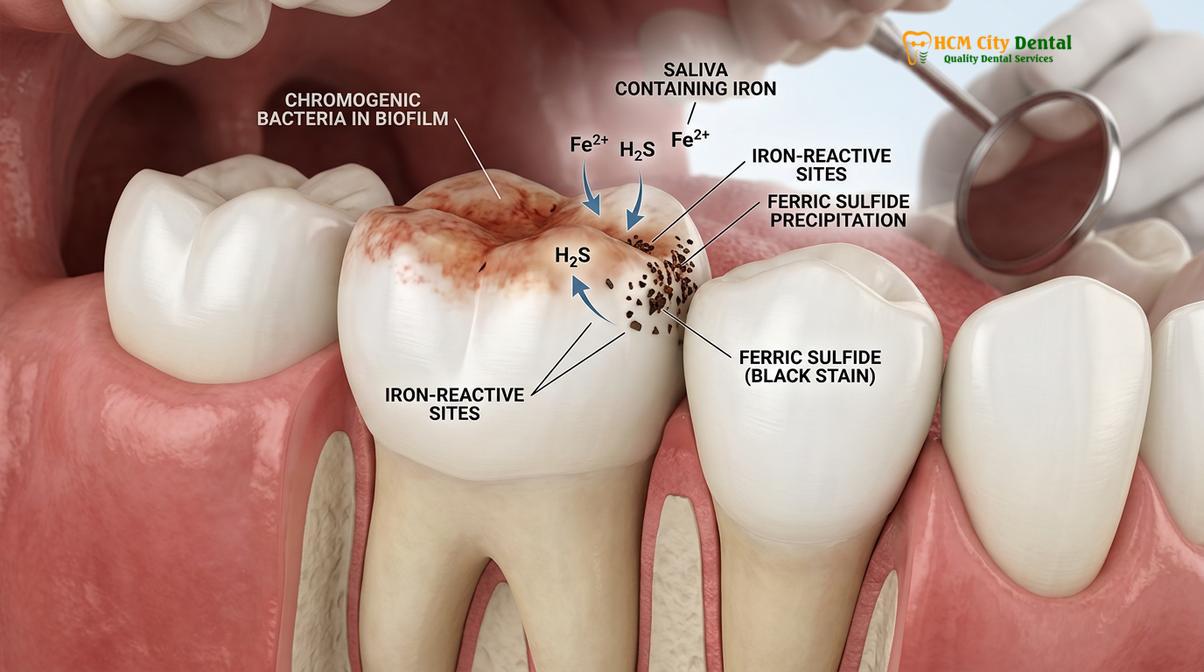
One of the most fascinating and clinically distinct causes of black stains is the presence of chromogenic bacteria in the oral microbiome. Species such as Actinomyces and Prevotella melaninogenica are frequently implicated in this specific type of discoloration. These bacteria thrive in the dental plaque biofilm and produce hydrogen sulfide as a metabolic byproduct. When this hydrogen sulfide reacts with iron present in the saliva or gingival crevicular fluid, it forms a dark, insoluble compound known as ferric sulfide[2].
This biochemical reaction results in a characteristic presentation: a continuous or dotted black line that typically follows the contour of the gingival margin, usually on the cervical third of the tooth crown. Interestingly, clinical studies have frequently noted that patients—particularly children—who present with this specific type of bacterial black stain often exhibit a lower incidence of dental caries. This is hypothesized to be due to the specific microbial flora outcompeting cariogenic (cavity-causing) bacteria, though it remains a significant aesthetic concern for patients and parents alike.
“The presence of black extrinsic staining associated with chromogenic bacteria is a unique clinical phenomenon. While aesthetically displeasing, the calcified ferric sulfide deposits often indicate a plaque microbiome that is less conducive to the proliferation of cariogenic Streptococcus mutans.”
Calcified Plaque and Tartar Buildup
Beyond specific bacterial reactions, the most common cause of dark discoloration is the accumulation and subsequent calcification of dental plaque. When daily oral hygiene is suboptimal, the sticky biofilm of plaque hardens into calculus (tartar). Because tartar is highly porous, it easily absorbs pigments from the environment. Over time, what begins as yellow or brown tartar can oxidize and accumulate dense pigments, turning into stubborn black plaque.
This type of black tartar is most frequently observed on the lingual (tongue-facing) surfaces of the lower anterior teeth and the buccal (cheek-facing) surfaces of the upper molars, as these areas are adjacent to the major salivary gland ducts where mineral-rich saliva pools. Unlike soft plaque, black tartar is firmly bonded to the enamel and cannot be brushed away at home.
Dietary and Lifestyle Factors
The foods and beverages we consume play a massive role in the development of extrinsic stains. Chromogens are intensely pigmented molecules found in many popular consumables. When combined with tannins—astringent compounds that enhance the ability of chromogens to bind to enamel—the resulting stains can be profound and dark.
- Coffee and Tea: Both contain high levels of tannins and chromogens. Black tea, in particular, is a notorious culprit for causing dark brown to black stains over prolonged periods of heavy consumption.
- Tobacco Use: Smoking cigarettes, cigars, or using chewing tobacco exposes the teeth to tar and nicotine. While nicotine is colorless, it turns yellowish-brown when mixed with oxygen. The tar, however, is naturally dark and deeply embeds itself into the microscopic pores of the enamel, leading to severe black stains on teeth.
- Dark Foods: Soy sauce, balsamic vinegar, dark berries (like blackberries and blueberries), and red wine can all contribute to the gradual darkening of the teeth if oral hygiene is not maintained immediately after consumption.
Medical and Environmental Triggers
Certain medications and environmental exposures are also well-documented causes of black stains. Liquid iron supplements, frequently prescribed for anemia in both adults and children, are highly reactive. The iron binds directly to the dental pellicle, leaving a distinct black or dark brown residue. Similarly, the prolonged use of mouthwashes containing chlorhexidine (a potent antibacterial agent used to treat gingivitis) can cause significant dark staining as a side effect, as it binds dietary tannins to the tooth surface[3].
In rare cases, occupational exposure to metallic dust (such as iron, manganese, or silver) in industrial settings can lead to the inhalation of particles that settle on the teeth, causing exogenous dark discoloration.
Professional Stains Removal Treatments
Clinical removal of black stains requires professional scaling, ultrasonic debridement, and polishing to safely lift hardened dark plaque without compromising the natural enamel.
When patients ask how to remove black stains from teeth, the clinical answer is almost always professional intervention. Because these stains are either deeply embedded in the enamel pores or composed of rock-hard calcified tartar, home remedies are generally ineffective and often dangerous. At a professional dental clinic, a combination of mechanical debridement and advanced polishing techniques is utilized to restore the tooth’s natural appearance safely.
Scaling and Polishing (Deep Teeth Cleaning)
The cornerstone of treating black plaque and tartar is professional scaling and polishing. This procedure is designed to meticulously remove all calcified deposits from above and below the gumline.
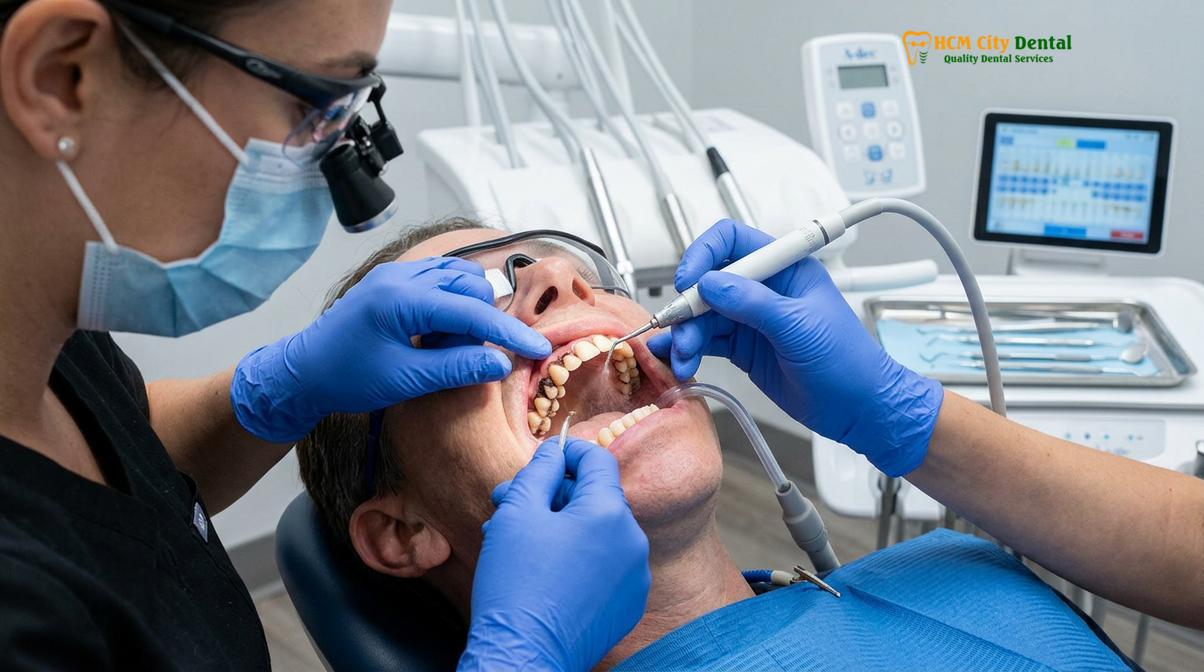
The workflow typically begins with an ultrasonic scaler. This advanced dental instrument uses high-frequency vibrations combined with a cooling water spray to shatter the hard calculus bonds and flush away the debris. The ultrasonic scaler is highly effective at breaking down the dense ferric sulfide deposits and black tartar without scratching the underlying enamel. Following the ultrasonic phase, the dentist or hygienist will use specialized hand instruments (curettes and scalers) to fine-tune the cleaning, ensuring no microscopic remnants of tartar remain in the interproximal spaces (between the teeth).
Once the teeth are completely free of calculus, the polishing phase begins. A slow-speed handpiece equipped with a soft rubber cup is used to apply a gritty prophylaxis paste. This paste acts as a gentle abrasive to buff away residual surface stains and smooth the enamel, making it more difficult for new plaque and bacteria to adhere to the tooth surface.
Advanced Stain Removal: Air-Flow Therapy
For particularly stubborn extrinsic stains, such as those caused by heavy smoking or severe chromogenic bacterial buildup, Air-Flow therapy is an exceptional clinical tool. This technology uses a controlled, pressurized stream of air, warm water, and fine powder (typically sodium bicarbonate or erythritol) to blast away stains and biofilm.
Air-Flow is highly favored in modern preventive dentistry because it is minimally invasive, highly efficient, and reaches deep into the pits and fissures of the teeth where traditional rubber cups cannot. It is also significantly more comfortable for the patient, reducing the scraping sensations associated with traditional hand scaling.
| Treatment Method | Mechanism of Action | Best Suited For | Enamel Safety |
|---|---|---|---|
| Ultrasonic Scaling | High-frequency vibrations and water irrigation | Hardened black tartar, heavy calculus buildup | High (when used by a professional) |
| Air-Flow Polishing | Pressurized air, water, and micro-powder | Extrinsic stains (tobacco, coffee), biofilm | Very High (non-abrasive to enamel) |
| Prophylaxis Paste | Mechanical buffing with mild abrasives | Light surface stains, post-scaling smoothing | High (removes microscopic irregularities) |
Restorative Options for Severe Discoloration
In cases where the black stain on teeth is not extrinsic but rather a sign of severe intrinsic damage—such as advanced dental caries (cavities) or tooth necrosis (a dead nerve)—scaling and polishing will not resolve the issue. If a tooth has turned black from the inside out due to trauma or decay, restorative dentistry is required.
For teeth with extensive decay, the decayed tissue must be clinically excavated, and the tooth restored with a composite resin filling or a dental crown. If the discoloration is intrinsic but the tooth structure is sound, cosmetic solutions may be recommended. Patients often wonder, Do Veneers Ruin Your Teeth? Clinical Truths & Enamel Safety. When performed by a skilled prosthodontist, ultra-thin porcelain veneers can effectively mask severe, unyielding stains while preserving the vast majority of the natural tooth structure, providing a permanent, bright smile.
Preventing Black Stains at Home
Preventing the recurrence of dark stains involves meticulous daily oral hygiene, limiting chromogenic foods, and maintaining regular professional cleanings to disrupt plaque formation.
Once professional treatments have successfully removed the black stains, the responsibility shifts to the patient to maintain the results. Prevention is heavily reliant on disrupting the plaque biofilm before it has the opportunity to calcify into tartar or react with salivary iron[4].
Daily Oral Hygiene Protocols
A robust home care routine is the most effective defense against chromogenic bacteria and plaque accumulation. Patients should adhere to the following clinical guidelines:
- Brushing Technique: Brush at least twice daily using a soft-bristled toothbrush and fluoride toothpaste. The modified Bass technique—angling the bristles at 45 degrees toward the gumline—is highly recommended to sweep away plaque from the cervical margins where black stains typically form.
- Interdental Cleaning: Flossing daily is non-negotiable. Toothbrushes cannot reach the interproximal areas between the teeth. Water flossers can also be an excellent adjunct for flushing out debris and bacteria.
- Therapeutic Mouthwashes: While chlorhexidine should be avoided for long-term use due to its staining potential, daily use of an oxygenating or fluoride-based mouthwash can help neutralize bacterial acids and strengthen enamel.
For patients undergoing orthodontic treatment, maintaining hygiene is even more critical, as brackets and trays can trap stain-causing agents. If you are using clear aligners, understanding the rules of wear is vital. For instance, Can You Chew Gum with Invisalign? Clinical Guidelines & Risks highlights how improper habits can lead to trapped sugars and subsequent staining or decay.
Clinical Warning: Never attempt to remove black tartar at home using sharp metal picks, abrasive charcoal powders, or pure baking soda scrubs. These methods can cause irreversible enamel micro-abrasions, making the teeth more susceptible to future staining and severe dentin hypersensitivity.
Dietary Adjustments
Modifying your diet can significantly reduce the influx of chromogens and tannins. If you consume dark beverages like coffee, tea, or cola, consider drinking them through a straw to bypass the anterior teeth. Rinsing your mouth with plain water immediately after consuming staining foods or acidic beverages helps neutralize the oral pH and wash away loose pigments before they bind to the pellicle.
Additionally, stimulating saliva production is beneficial, as saliva naturally washes the teeth and provides remineralizing ions. Chewing sugar-free gum containing xylitol after meals can enhance salivary flow and inhibit the growth of plaque-forming bacteria.
When to See a Dentist for Black Stains
Immediate professional evaluation is necessary if dark discoloration is accompanied by pain, swelling, or structural changes to the tooth.
While many dark spots are purely cosmetic, it is crucial to know when to seek professional evaluation. If a black stain is accompanied by tooth sensitivity, localized pain, or swelling in the surrounding gums, it may indicate severe internal decay or a necrotic dental pulp rather than a simple surface stain.
“Early clinical differentiation between extrinsic bacterial staining and intrinsic carious lesions is vital. Delaying professional diagnosis can lead to irreversible structural damage requiring extensive endodontic therapy or extraction.”
Patients should schedule an immediate consultation if a dark spot rapidly increases in size, if the tooth structure feels soft or compromised upon gentle brushing, or if there is a history of recent dental trauma.
Expat and Family Dentistry at HCMC Dental Clinic
Expatriate families in Ho Chi Minh City can access world-class preventive care, direct billing insurance, and transparent pricing for comprehensive stain removal and pediatric dentistry.
Navigating dental care in a new country can be daunting for the expat community. However, Ho Chi Minh City has emerged as a premier hub for high-quality, internationally accredited dental tourism and local family care. At HCMC Dental Clinic, the focus is on providing a seamless, stress-free experience that aligns with European CE standards and strict sterilization protocols.
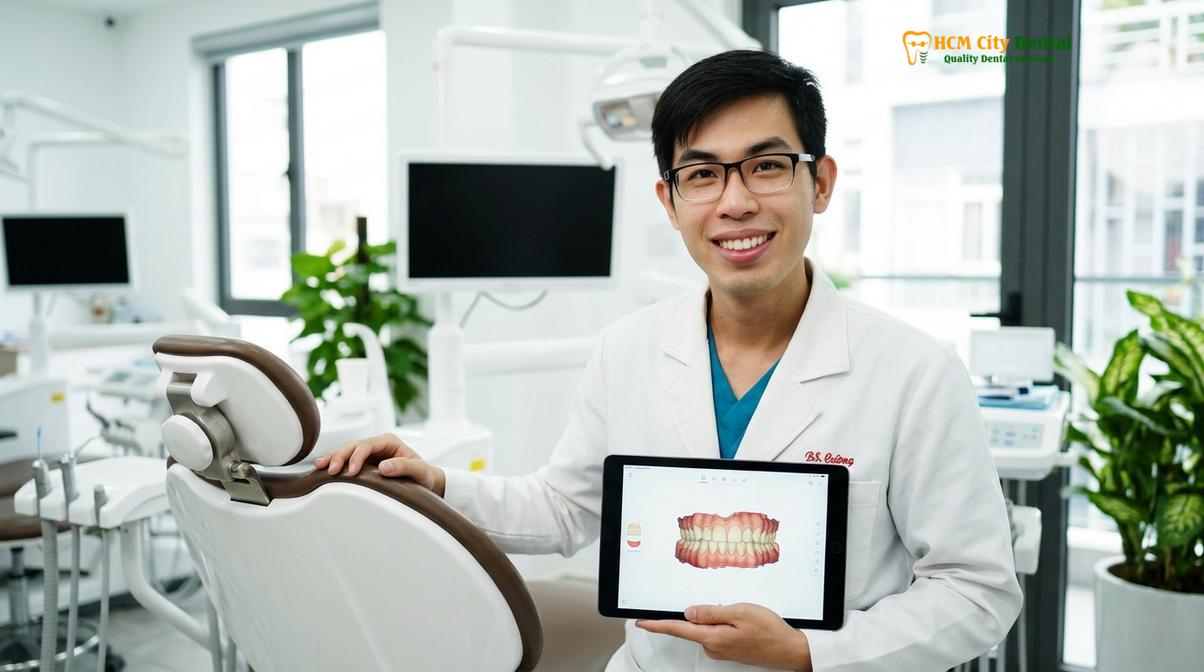
Dr. Nguyen Van Cuong, a leading specialist at HCMC Dental Clinic, emphasizes the importance of early intervention for extrinsic discoloration. Dr. Cuong and his clinical team utilize advanced diagnostic tools to differentiate between harmless bacterial stains and underlying decay, ensuring optimal outcomes for every patient seeking General & Preventive Dentistry tại HCMC Dental Clinic.
Clinical Case Study: Expat Pediatric Care
A 6-year-old expat child presented at HCMC Dental Clinic in Ho Chi Minh City with distinct black dotted lines along the gumline of his primary teeth. The parents were highly concerned about severe decay. Following a comprehensive examination, Dr. Nguyen Van Cuong diagnosed the condition as chromogenic bacterial staining, exacerbated by a recently prescribed liquid iron supplement. The treatment involved a gentle, non-invasive rotary polishing using a mild prophy paste. The stains were completely eradicated in a single 20-minute session. The parents were educated on proper post-supplement rinsing techniques, and the child left the clinic with a restored, bright smile and zero dental anxiety.
The clinic is equipped with state-of-the-art Intraoral Scanning & Digital Diagnostics. These devices eliminate the need for traditional messy impressions and allow the dentist to magnify the tooth surfaces on a high-definition screen, providing unparalleled clarity when diagnosing the exact nature of the stains[5]. Furthermore, all pediatric and preventive protocols strictly align with the guidelines set forth by the Vietnam Odonto-Stomatology Association (VOSA) regarding safe prophylaxis and enamel preservation[6].
Frequently Asked Questions
Can scaling remove black stains?
Yes, professional scaling is highly effective at removing black stains caused by hardened tartar and chromogenic bacteria. Ultrasonic scalers gently break down the calcified deposits without damaging the underlying enamel, restoring the natural color of the tooth.
Are black stains on teeth permanent?
No, extrinsic black stains on teeth are not permanent and can be removed with professional dental cleaning. However, if the black spot is caused by severe internal decay or tooth necrosis, restorative treatments like fillings or crowns will be required.
Why do children get black stains on their teeth?
Children often develop black stains due to chromogenic bacteria reacting with iron in saliva or from taking liquid iron supplements. While aesthetically concerning, this type of pediatric staining is usually harmless and is often associated with a lower risk of cavities.
Can iron supplements cause black teeth?
Yes, liquid iron supplements are a well-known cause of extrinsic black stains on teeth. The iron binds to the dental pellicle and plaque, creating dark deposits. Rinsing the mouth or brushing immediately after taking the supplement can help minimize this effect.
Is it safe to scrape black plaque off at home?
No, attempting to scrape black plaque off your teeth at home using sharp tools or highly abrasive substances can severely damage your enamel and injure your gums. Always seek professional dental cleaning for safe and effective stain removal.
References
- Journal of the American Dental Association. Etiology and management of extrinsic dental staining. (2021).
- International Journal of Paediatric Dentistry. Chromogenic bacteria and black stain in children. (2020).
- Clinical Oral Investigations. Efficacy of ultrasonic scaling and air polishing on dental plaque. (2019).
- Journal of Clinical Periodontology. The role of iron and saliva in black extrinsic tooth stain. (2022).
- European Journal of Dentistry. Digital intraoral scanning in modern preventive dentistry. (2018).
- Vietnam Odonto-Stomatology Association (VOSA). National guidelines on preventive dentistry and pediatric oral health. (2023).
Ready to restore your bright, stain-free smile? Contact HCMC Dental Clinic in Ho Chi Minh City today to schedule your professional scaling and polishing appointment. Our expert team is dedicated to providing world-class preventive care tailored to your unique needs.