Implant supported overdentures snap on are advanced removable dental prosthetics anchored securely to the jawbone using titanium implants and specialized attachment mechanisms. This clinical solution aims to eliminate the slipping and discomfort often associated with traditional dentures, helping to restore optimal chewing function, preserve alveolar bone, and significantly improve patient confidence and overall oral health. For more detailed information on treatments, procedures, and pricing, you can also explore our professional full mouth rehabilitation services.
For patients suffering from complete edentulism (the loss of all teeth in an arch), the transition from conventional resting dentures to an implant-retained system represents a profound upgrade in quality of life. By utilizing the jawbone as a structural foundation rather than relying solely on the soft mucosal tissues for suction, these prosthetics offer a biomechanically sound approach to full-mouth rehabilitation. The integration of precision attachments allows the denture to “snap” firmly into place, providing unparalleled stability during mastication and speech, while still allowing the patient to remove the appliance for essential daily hygiene.
Clinical Summary:
Implant-supported overdentures, commonly referred to as snap-on dentures, provide a highly stable, removable prosthetic solution for edentulous patients. By surgically placing two to four titanium implants into the maxilla or mandible, clinicians create a rigid anchor point. Specialized abutments—such as ball, locator, or bar-retained systems—are attached to these implants, interfacing with corresponding housings embedded in the denture base. This mechanism prevents the prosthetic from dislodging during function, mitigates the progressive alveolar bone resorption associated with tooth loss, and drastically improves masticatory efficiency. While requiring a minor surgical phase and ongoing maintenance of the retentive inserts, this treatment offers a highly predictable and cost-effective alternative to both traditional dentures and fully fixed implant bridges.
Key Takeaways:
- Requires surgical placement of 2 to 4 titanium implants per arch to establish a secure foundation.
- Utilizes precision attachment systems (ball, locator, or bar) to lock the denture in place.
- Significantly reduces alveolar bone loss by providing necessary biomechanical stimulation to the jaw.
- Remains a removable appliance, requiring nightly removal for proper tissue rest and oral hygiene.
- Routine clinical maintenance is necessary to replace worn nylon inserts or O-rings periodically.
The Biomechanics of Implant Supported Overdentures Snap On
Implant-supported overdentures utilize titanium posts fused to the jawbone to distribute chewing forces evenly. This biomechanical anchoring prevents prosthetic movement and stimulates the underlying bone, halting the resorption process common with traditional dentures.
To fully appreciate the clinical superiority of an implant-supported system, one must understand the biomechanical limitations of conventional dentures. Traditional removable prosthetics rest entirely on the gingival tissues and the underlying alveolar ridge. Over time, the lack of stimulation from natural tooth roots causes the jawbone to atrophy—a physiological process governed by Wolff’s Law, which states that bone remodels in response to the mechanical loads placed upon it. As the bone resorbs, the traditional denture loses its fit, leading to instability, mucosal ulcerations, and a compromised ability to chew fibrous or hard foods.
The introduction of titanium dental implants fundamentally alters this dynamic. When an oral surgeon places implants into the mandible (lower jaw) or maxilla (upper jaw), the titanium surface undergoes osseointegration—a direct structural and functional connection between living bone and the surface of a load-bearing artificial implant[1]. Once integrated, these implants act as artificial tooth roots. When the snap on dentures are attached, the occlusal (chewing) forces are transferred directly through the implants into the surrounding bone. This transfer of force provides the necessary mechanical stimulation to maintain bone density and volume, effectively arresting the progression of facial collapse associated with prolonged edentulism.
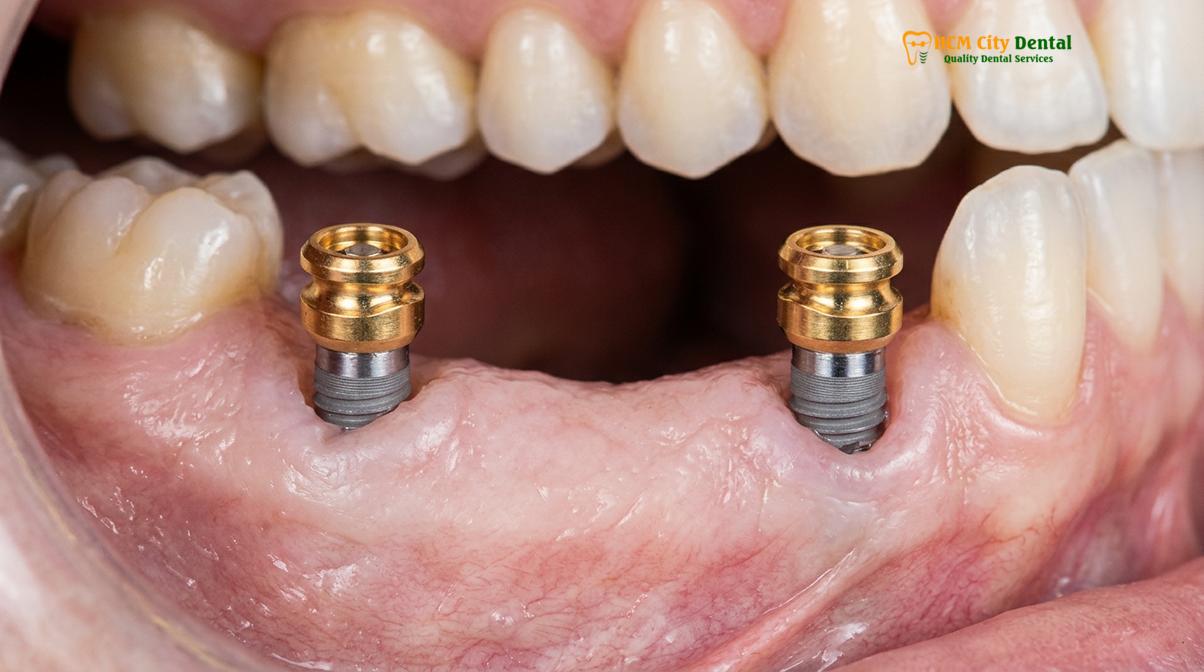
Furthermore, the biomechanics of retention and stability are vastly improved. Retention refers to the resistance to vertical dislodging forces (e.g., when eating sticky foods), while stability refers to the resistance to lateral or horizontal forces (e.g., grinding or side-to-side chewing). In a conventional denture, retention relies on a peripheral seal and saliva cohesion, which is easily broken. In an implant-supported system, the mechanical interlocking of the attachments provides absolute retention. The implants also serve as rigid stops that prevent the denture from sliding laterally across the gums, drastically reducing tissue friction and the development of sore spots.
Attachment Systems: Ball, Locator, and Bar-Retained Designs
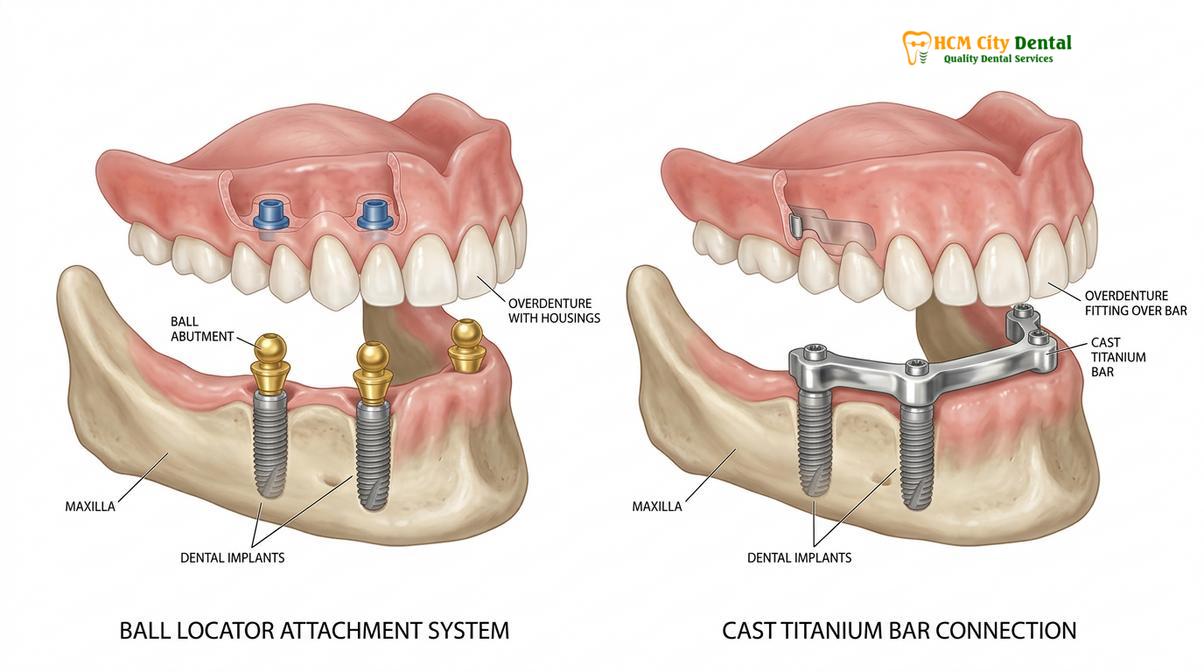
The retention of snap-on overdentures is achieved through specialized abutments, primarily categorized into ball, locator, and bar-retained systems. Each design offers distinct advantages regarding profile height, retention strength, and maintenance requirements.
The interface between the dental implant and the removable denture is mediated by an attachment system. The selection of this system is a critical clinical decision based on the patient’s manual dexterity, the available interarch space (the vertical distance between the upper and lower jaws), and the degree of retention required. The three most prevalent systems utilized in modern prosthodontics are ball-and-socket attachments, locator attachments, and bar-retained systems.
Ball-and-Socket Attachments: This is one of the oldest and most widely used systems. A spherical abutment (the ball) is screwed into the implant, projecting slightly above the gum line. The tissue surface of the denture contains a metal housing equipped with a rubber O-ring. When the denture is seated, the O-ring flexes over the ball and grips it tightly. This system allows for a slight degree of rotational movement, which can be beneficial in distributing stress away from the implants and onto the posterior ridge. However, the O-rings are subject to wear and typically require periodic replacement.
Locator Attachments: The locator system has largely become the gold standard for individual implant attachments. Unlike the spherical ball, the locator abutment has a flat, low-profile design with dual retention (both inside and outside the abutment head). The denture houses a metal cap containing a replaceable nylon insert. These inserts come in various color-coded retention strengths, allowing the clinician to customize the “snap” based on patient preference. The low profile of the locator system makes it ideal for patients with limited vertical space, and its self-aligning design makes it easier for older adults to insert their dentures correctly[2].
Bar-Retained Systems: In this configuration, the implants are splinted together using a custom-milled titanium or gold alloy bar that runs parallel to the gum tissue. The denture contains clips (often Hader clips) that snap securely onto the bar. Splinting the implants together distributes chewing forces more evenly across all implants, which is particularly advantageous in the softer bone of the upper maxilla. While offering exceptional stability, bar-retained systems require more vertical space and represent a higher initial cost.
| Attachment Type | Profile Height | Retention Mechanism | Maintenance Frequency | Best Clinical Use Case |
|---|---|---|---|---|
| Ball-and-Socket | Moderate to High | Rubber O-ring over spherical abutment | High (6-12 months) | Standard lower arch cases with adequate vertical space. |
| Locator System | Low Profile | Nylon insert inside metal housing | Moderate (12-18 months) | Limited interarch space; patients needing easy insertion. |
| Bar-Retained | High | Metal or plastic clips over a splinted bar | Low (Clips last 1-2 years) | Upper maxilla cases; patients requiring maximum stability. |
Choosing the correct attachment is a collaborative process between the prosthodontist and the patient. For instance, when planning full mouth rehabilitation for seniors, clinicians often prefer locator systems due to their ease of use for patients who may suffer from arthritis or diminished fine motor skills.
Clinical Workflow and Surgical Protocols
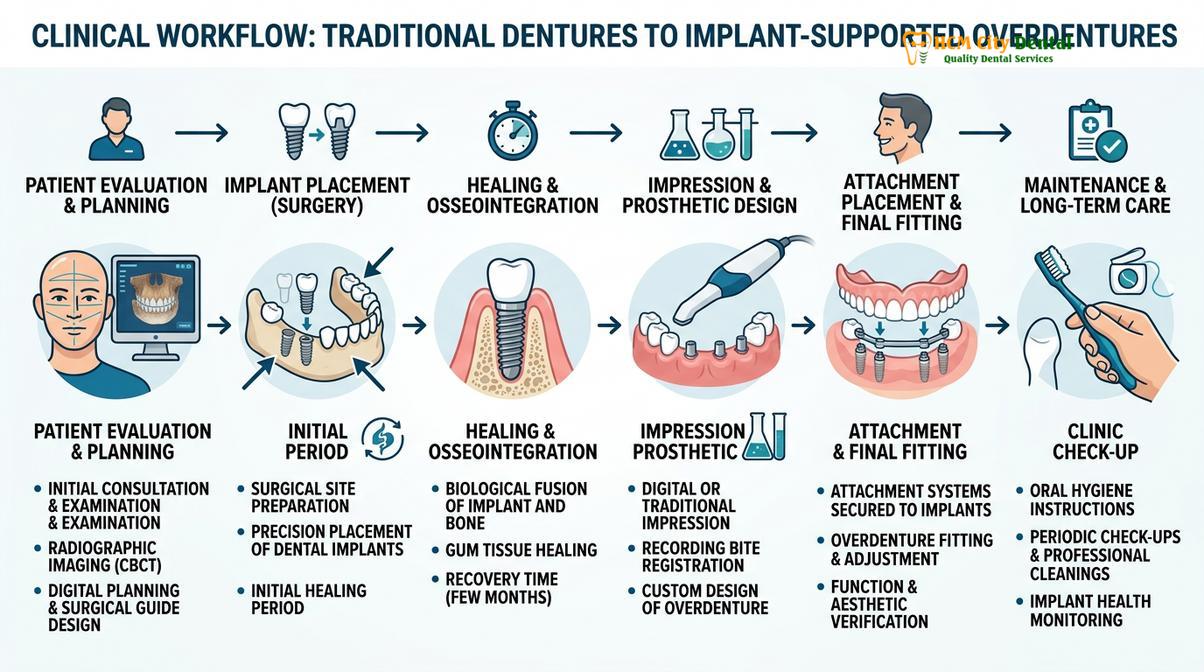
The fabrication of an implant-supported overdenture involves a multi-phased workflow, including 3D radiographic planning, precise surgical implant placement, a dedicated healing period, and the meticulous custom design of the final prosthetic.
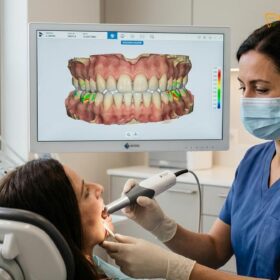
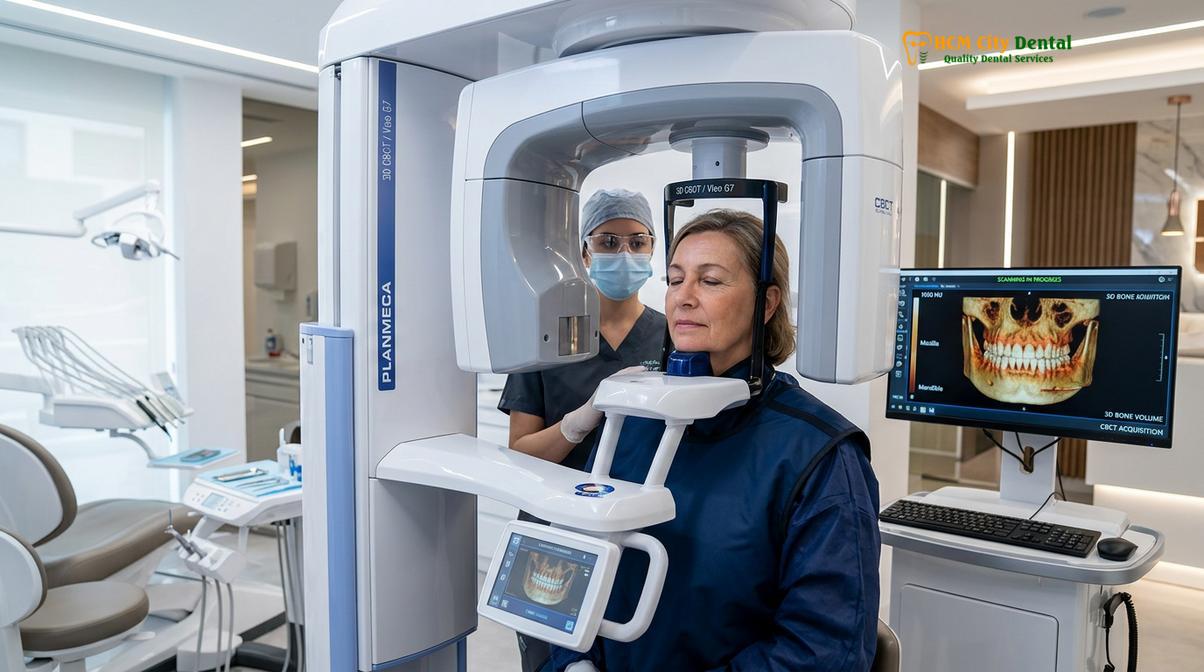
The journey to receiving an implant supported overdentures snap on system is highly structured, ensuring both surgical safety and prosthetic excellence. The process begins with a comprehensive diagnostic phase. The clinician will perform a thorough oral examination, evaluate the health of the mucosal tissues, and obtain a Cone Beam Computed Tomography (CBCT) scan. This 3D imaging is non-negotiable, as it allows the surgeon to assess bone volume, bone density, and the exact location of vital anatomical structures such as the inferior alveolar nerve in the lower jaw and the maxillary sinus in the upper jaw.
Once the digital planning is complete, the surgical phase commences. Depending on the patient’s anxiety levels and the complexity of the case, the procedure may be performed under local anesthesia or utilizing conscious IV sedation protocols. The surgeon makes a precise incision in the gingiva to expose the bone. The osteotomies (bone sites) are prepared using a sequence of calibrated drills, and the titanium implants are torqued into position to achieve high primary stability.
“The success of an implant-supported overdenture relies heavily on the precise parallel placement of the implants. Even a slight angulation error can cause excessive wear on the nylon attachments, leading to premature failure of the retentive mechanism and frustration for the patient.”
Following surgery, a healing period of three to six months is typically required to allow for complete osseointegration. During this time, the patient is usually provided with a temporary soft-lined denture to ensure they are not without teeth. Once the implants have successfully fused with the bone, the restorative phase begins. The surgeon uncovers the implants and attaches healing abutments to shape the gum tissue. Shortly after, the final impression is taken using specialized impression copings that transfer the exact position of the implants to the dental laboratory[3].
The dental laboratory then fabricates the custom overdenture. This involves setting the prosthetic teeth in wax to verify the occlusion (bite), aesthetics, and phonetics during a “try-in” appointment. Once approved, the final acrylic denture is processed, and the metal housings for the attachments are either processed directly into the denture base by the lab or picked up intraorally by the dentist using a hard reline material.
Snap On Dentures Cost and Long-Term Value
While the initial financial investment for snap-on dentures is higher than traditional prosthetics, the long-term clinical benefits, reduced need for relines, and dramatic improvement in quality of life make it a highly cost-effective solution.
When evaluating the snap on dentures cost, patients must look beyond the initial surgical and prosthetic fees and consider the long-term value of the investment. A conventional denture may seem inexpensive initially, but it carries hidden long-term costs. As the jawbone resorbs, traditional dentures require frequent hard relines to maintain their fit. Furthermore, the reliance on daily denture adhesives adds a recurring expense. Most importantly, the inability to chew properly with conventional dentures can lead to gastrointestinal issues and nutritional deficiencies, potentially resulting in broader medical costs.
The cost of an implant-supported overdenture is primarily dictated by the number of implants placed, the type of attachment system utilized, and the geographic location of the clinic. A lower overdenture supported by two implants will naturally be more affordable than an upper overdenture requiring four implants and a custom-milled titanium bar. Additionally, if the patient has suffered significant bone loss, preliminary procedures such as bone grafting or sinus lifts will add to the overall treatment cost[4].
Clinical Case Study: Restoring Function and Confidence
A 62-year-old patient presented to HCMC Dental Clinic in Ho Chi Minh City with severe lower denture instability, causing painful mucosal ulcers and an inability to eat solid foods. After a CBCT evaluation, the clinical team placed two standard titanium implants in the anterior mandible. Following a 3-month integration period, a locator-retained overdenture was delivered. The patient reported an immediate cessation of pain, a return to a normal diet, and a significant boost in social confidence. The predictable outcome highlights the transformative power of implant-retained prosthetics.
To manage costs, many international patients explore dental tourism in Saigon, where world-class clinical standards are maintained at a fraction of the cost found in Western countries. Regardless of the location, patients must factor in the ongoing maintenance costs. The nylon inserts or rubber O-rings will degrade over time due to friction and the acidic environment of the mouth. Replacing these inserts is a minor expense, but it is a necessary part of the long-term upkeep to ensure the denture remains securely snapped into place.
Advantages and Potential Drawbacks
Implant-supported overdentures offer unparalleled stability, improved mastication, and bone preservation. However, patients must consider the surgical requirements, healing time, and the necessity of ongoing prosthetic maintenance.
The clinical advantages of transitioning to an implant supported overdentures snap on system are extensive. Foremost is the restoration of bite force. While traditional denture wearers often experience a 70% to 80% reduction in chewing efficiency compared to natural teeth, implant-supported prosthetics can restore bite force to near-normal levels. This allows patients to consume a varied, nutrient-rich diet without fear of their teeth dislodging. Additionally, because the upper snap-on denture does not need to cover the entire palate for suction, patients experience improved taste sensation and temperature perception.
“While the initial investment for snap-on prosthetics is higher, the preservation of alveolar bone and the dramatic improvement in masticatory function offer invaluable long-term health benefits.”
Despite these profound benefits, there are potential drawbacks to consider. The treatment requires a surgical procedure, which carries standard surgical risks such as infection, minor bleeding, or delayed healing. Patients with uncontrolled diabetes, active periodontal disease, or those undergoing certain medical treatments (like bisphosphonate therapy) may not be ideal candidates. Furthermore, the prosthetic remains a removable appliance. Patients seeking a permanent, non-removable solution may need to explore fully fixed options, such as an implant-supported zirconia bridge, which requires more implants and a higher financial commitment[5].
When to Consult a Clinical Specialist
Recognizing the signs of failing traditional dentures or progressive bone loss is crucial. Early consultation with a prosthodontist or oral surgeon can prevent severe anatomical complications and ensure a smoother transition to implant-supported solutions.
Patients currently wearing traditional dentures should seek a clinical evaluation if they experience chronic sore spots, difficulty chewing solid foods, or notice that their dentures require frequent use of adhesive pastes to stay in place. These are clear indicators of underlying alveolar bone resorption. According to guidelines supported by the Vietnam Odonto-Stomatology Association (VOSA), timely intervention with implant prosthodontics can significantly mitigate the adverse effects of edentulism and improve overall systemic health[6]. Furthermore, individuals with jawbone osteoporosis or severe bone resorption should consult a specialist to determine if specialized grafting protocols are required before implant placement.
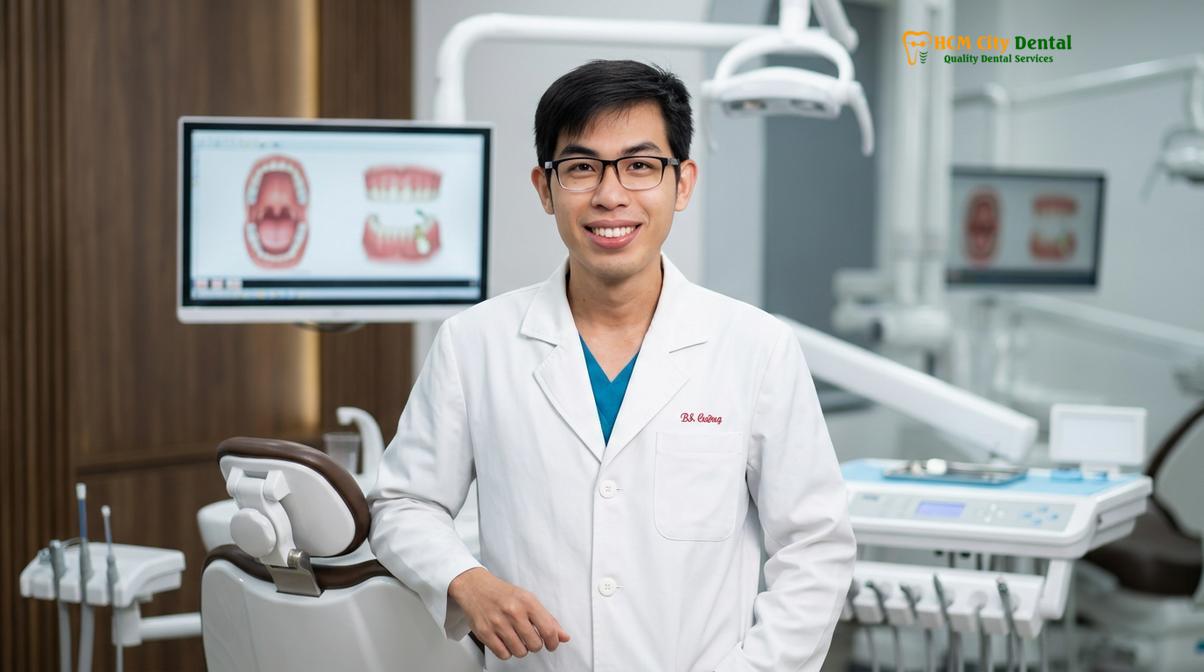
Dr. Nguyen Van Cuong, a leading specialist at HCMC Dental Clinic, emphasizes that thorough diagnostic imaging is the cornerstone of successful implant therapy. With extensive experience in complex full-arch rehabilitations, Dr. Cuong ensures that every prosthetic is meticulously calibrated to the patient’s unique anatomical landscape. His clinical approach prioritizes both functional longevity and aesthetic harmony, providing patients with world-class restorative outcomes tailored to their specific needs.
If you are struggling with loose, uncomfortable dentures and are ready to reclaim your ability to eat, speak, and smile with confidence, an implant-supported overdenture may be the ideal solution. By combining advanced surgical techniques with precision prosthetic design, this treatment offers a reliable pathway to a fully restored smile. Contact HCMC Dental Clinic in Ho Chi Minh City today to schedule a comprehensive CBCT consultation and discover how snap-on dentures can transform your quality of life.
References
- Journal of Prosthetic Dentistry. Biomechanical evaluation of implant-retained overdentures and attachment wear.
- International Journal of Oral & Maxillofacial Implants. Osseointegration and marginal bone level changes in overdenture patients.
- Clinical Implant Dentistry and Related Research. Locator versus ball attachments: Patient satisfaction and maintenance.
- Journal of Clinical Periodontology. Peri-implant tissue health in removable implant-supported prosthetics.
- American College of Prosthodontists. Clinical guidelines for the fabrication of implant-supported overdentures.
- Vietnam Odonto-Stomatology Association (VOSA). Clinical standards and protocols for implant prosthodontics in edentulous patients.