Yes, braces can effectively fix an overjet by applying continuous, controlled forces to retract protruding upper front teeth and align the jaw. Depending on whether the overjet is dental or skeletal, treatment may involve traditional braces, elastics, or clear aligners to achieve a healthy, functional bite.
Clinical Summary:
Overjet, commonly referred to as “buck teeth,” is a specific type of malocclusion characterized by the horizontal protrusion of the maxillary (upper) anterior teeth beyond the mandibular (lower) anterior teeth. Orthodontic intervention is highly effective in correcting this condition. The clinical approach depends heavily on the etiology of the protrusion—whether it is primarily dental (involving the angulation of the teeth) or skeletal (involving a discrepancy in jaw bone growth). Treatment modalities range from traditional fixed appliances utilizing Class II elastics for retraction, to advanced clear aligner therapy for mild to moderate cases. In severe skeletal discrepancies, particularly in adult patients where jaw growth has ceased, orthognathic surgery combined with orthodontics may be required. Comprehensive diagnostic imaging, including cephalometric analysis, is essential to formulate a personalized treatment plan that ensures both functional occlusion and facial aesthetic harmony.
Key Takeaways:
- Overjet is a horizontal dental protrusion, distinct from an overbite, which is a vertical overlap of the anterior teeth.
- Traditional braces utilize archwires and intermaxillary elastics to apply biomechanical forces that retract upper teeth and correct the bite.
- Clear aligners can successfully treat mild to moderate overjets, offering a highly aesthetic alternative to fixed metal brackets.
- Severe skeletal overjets in adults may necessitate a combination of orthodontic treatment and corrective jaw surgery.
- Post-treatment retention is absolutely critical to prevent the periodontal ligaments from pulling the teeth back into their original protruding positions.
Understanding Overjet: Dental vs. Skeletal Etiology
Overjet is the horizontal protrusion of the upper front teeth, which can be caused by either the outward tilting of the teeth (dental) or an underlying mismatch in jaw size (skeletal).
In the realm of orthodontics, precision in terminology is paramount. While patients frequently use the terms “overbite” and “overjet” interchangeably, they represent distinct spatial discrepancies in dental occlusion. An overbite refers to the vertical overlap of the upper teeth over the lower teeth. Conversely, an overjet is the horizontal distance between the labial (front) surface of the lower incisors and the incisal edge of the upper incisors[1]. A normal, healthy overjet measures approximately 1 to 3 millimeters. When this horizontal distance exceeds 3 millimeters, it is clinically classified as an excessive overjet, often associated with a Class II malocclusion.
To determine the most effective treatment protocol, an orthodontist must first diagnose the root cause of the protrusion. The etiology of an overjet is generally categorized into two primary classifications: dental and skeletal.
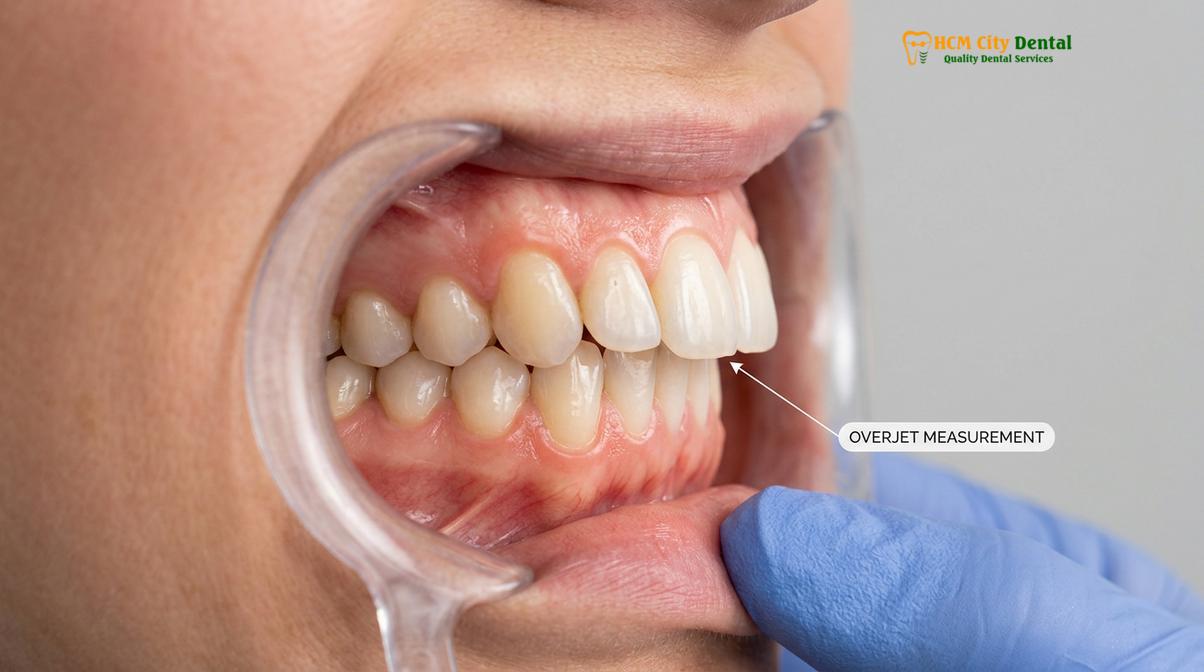
Dental Overjet
A dental overjet occurs when the skeletal relationship between the maxilla (upper jaw) and mandible (lower jaw) is relatively normal, but the anterior teeth themselves are flared or tilted forward. This labial inclination is frequently the result of prolonged childhood habits. Non-nutritive sucking habits, such as thumb or pacifier sucking that persist beyond the eruption of permanent teeth, exert continuous outward pressure on the upper incisors and inward pressure on the lower incisors. Similarly, a tongue thrust—where the tongue pushes against the front teeth during swallowing rather than resting on the roof of the mouth—can gradually force the teeth outward over time. Dental overjets are generally highly responsive to standard orthodontic mechanics.
Skeletal Overjet
A skeletal overjet is inherently more complex. In these cases, the protrusion is not merely a matter of tooth angulation, but rather a fundamental discrepancy in the growth and development of the facial bones. This can manifest as maxillary prognathism (an overgrown or forward-positioned upper jaw), mandibular retrognathism (an underdeveloped or backward-positioned lower jaw), or a combination of both. Skeletal discrepancies are largely determined by genetics. When treating a skeletal overjet in growing children, orthodontists can utilize growth modification appliances to guide jaw development. However, in adult patients where the cranial sutures have fused and skeletal growth is complete, correcting a severe skeletal overjet may require more invasive interventions to physically reposition the basal bone[2].
| Clinical Feature | Dental Overjet | Skeletal Overjet |
|---|---|---|
| Primary Cause | Proclined (flared) anterior teeth | Discrepancy in jaw bone growth |
| Common Etiology | Thumb sucking, tongue thrusting | Genetics, hereditary factors |
| Treatment Approach | Traditional braces, clear aligners | Orthodontics combined with jaw surgery (in adults) |
Can Braces Fix Overjet? The Biomechanics of Retraction
Braces correct an overjet by utilizing archwires, brackets, and elastics to apply controlled biomechanical forces that gradually retract the upper teeth and guide the lower jaw into proper alignment.
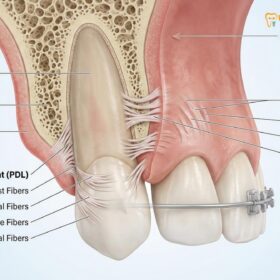
For decades, traditional fixed appliances have been the gold standard for correcting complex malocclusions. When patients ask if braces can fix an overjet, the answer is a resounding yes, provided the treatment plan is meticulously engineered. The process relies on the biological response of the periodontal ligament (PDL) and the surrounding alveolar bone to sustained, gentle pressure.
When force is applied to a tooth via an orthodontic archwire, it creates zones of compression and tension within the PDL. On the compression side (the direction the tooth is moving), specialized cells called osteoclasts break down the bone tissue. On the tension side, osteoblasts build new bone to stabilize the tooth in its new position[4]. This cellular remodeling is what allows teeth to move safely through solid bone.
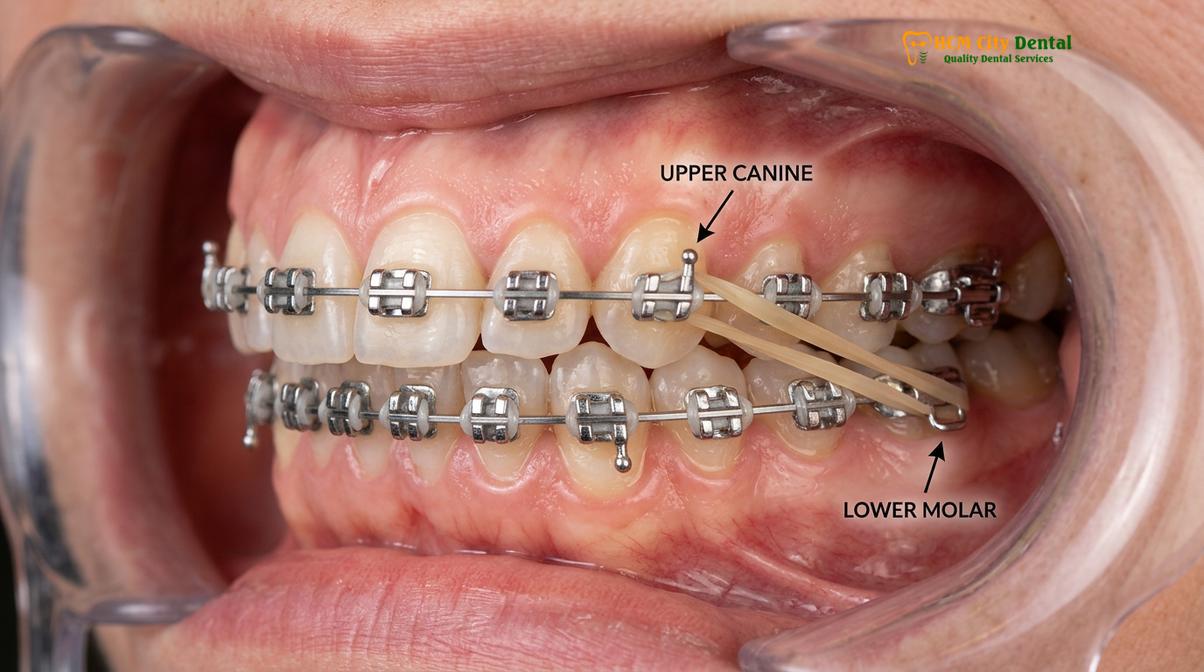
The Role of Intermaxillary Elastics
While the archwire is responsible for leveling and aligning the teeth within their respective arches, correcting the horizontal discrepancy of an overjet requires intermaxillary mechanics—forces applied between the upper and lower jaws. This is where Class II elastics come into play. These small rubber bands are attached to hooks on the upper anterior brackets (usually the canines) and stretched down to the lower posterior brackets (usually the molars).
The continuous tension from these elastics serves a dual purpose: it provides a distalizing (backward) force on the upper anterior teeth, retracting them to reduce the overjet, while simultaneously exerting a mesial (forward) force on the lower dentition. In growing patients, this force can also help guide the forward growth of the mandible. Patient compliance with wearing these elastics exactly as prescribed is arguably the most critical factor in the success of overjet braces treatment.
“The biological remodeling of alveolar bone requires constant, uninterrupted force. If a patient only wears their elastics part-time, the osteoclastic activity halts, and the teeth simply rock back and forth without achieving true retraction. Compliance is the engine of orthodontic correction.”
Space Creation and Extractions
A significant clinical challenge in overjet correction is space management. To retract protruding upper front teeth, there must be adequate space in the dental arch to accommodate them. If the dental arch is already crowded, simply applying backward force will not work; the teeth will have nowhere to go. In such scenarios, the orthodontist may need to create space. This can be achieved through interproximal reduction (IPR)—carefully polishing away microscopic amounts of enamel between the teeth—or, in more severe cases, through the extraction of premolars. By removing two upper premolars, the orthodontist creates the necessary physical space to retract the anterior segment fully, effectively eliminating the overjet and resolving any associated issues requiring Braces for Overcrowding: Clinical Guide & Workflows | HCMC Dental.
Alternative Orthodontic Modalities for Overjet Correction
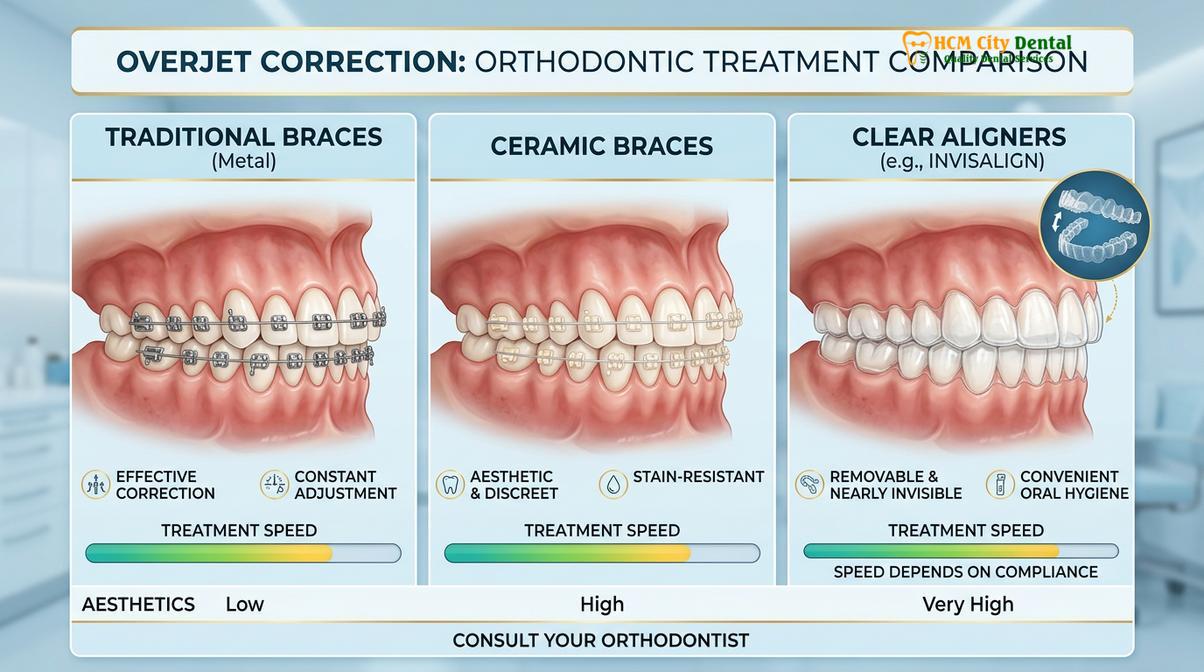
Beyond traditional metal braces, patients can correct overjet using aesthetic options like self-ligating systems, lingual braces, or clear aligner therapy, depending on clinical severity.
While traditional metal braces are highly effective, modern orthodontics offers a variety of modalities tailored to patient preferences regarding aesthetics, comfort, and treatment efficiency. The choice of appliance depends on the severity of the overjet, the patient’s lifestyle, and the specific biomechanical requirements of the case.
Self-Ligating Braces
Self-ligating braces utilize a specialized sliding door mechanism on the bracket to hold the archwire in place, eliminating the need for elastic ties (ligatures). This design significantly reduces friction between the wire and the bracket. In the context of overjet correction, lower friction allows the teeth to slide more freely along the archwire during retraction. This can lead to more efficient space closure and potentially reduce the overall treatment time. Furthermore, self-ligating systems are often praised for their ability to expand the dental arches naturally, which can sometimes minimize the need for extractions in borderline cases. Patients concerned about Lip Protrusion After Braces: Clinical Causes & Solutions | HCMC Dental often find self-ligating brackets to have a lower profile, offering a more comfortable experience.
Lingual Braces (Inside Out Braces)
For adult patients who require the robust biomechanical control of fixed appliances but demand absolute invisibility, lingual braces—often colloquially referred to as “inside out braces”—are an excellent option. These custom-milled brackets are bonded to the lingual (tongue-facing) surfaces of the teeth. Because they are hidden behind the teeth, they are completely invisible from the outside. Lingual braces are highly effective for overjet teeth braces treatment, as the point of force application is closer to the tooth’s center of resistance, allowing for precise control over the inclination of the anterior teeth during retraction.
Clear Aligner Therapy
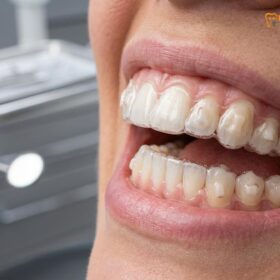
The demand to fix crooked teeth without braces has led to massive advancements in clear aligner technology. Systems like invisalign utilize a series of custom-fabricated, transparent plastic trays to incrementally move the teeth. Historically, clear aligners struggled with complex Class II malocclusions and significant overjets. Today, however, they are a highly viable option for mild to moderate cases, demonstrating high efficacy in anterior retraction[3].
To achieve the necessary retraction forces, orthodontists place small, tooth-colored composite resin bumps called “attachments” on specific teeth. These attachments give the smooth plastic aligners a surface to grip, allowing for complex movements like root torque and bodily translation. Furthermore, modern aligners can be manufactured with precision cuts that allow patients to wear Class II elastics directly with their trays, mimicking the mechanics of traditional braces.
Treatment Timelines and Clinical Workflows
The duration of overjet correction typically ranges from 18 to 36 months, heavily dependent on patient compliance, age, and the complexity of the malocclusion.
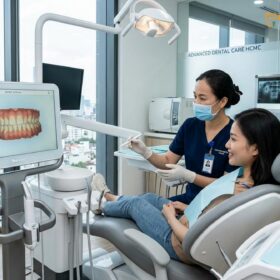
A primary concern for patients embarking on orthodontic treatment is the timeline. The duration of overjet correction is a highly individualized metric, influenced by the biological rate of tooth movement, the severity of the initial protrusion, whether extractions are required, and, most importantly, patient compliance with elastics and oral hygiene.
The clinical workflow for correcting an overjet generally follows three distinct phases:
- Phase 1: Leveling and Aligning: The initial phase focuses on untangling crowded teeth, correcting rotations, and leveling the dental arches. Light, flexible nickel-titanium archwires are used to initiate cellular activity in the periodontal ligament.
- Phase 2: Space Closure and Overjet Reduction: This is the most critical and time-consuming phase of overjet correction. The orthodontist will transition to stiffer stainless steel archwires that serve as a track along which the teeth can slide. If premolars were extracted, closing loops or power chains are utilized to pull the anterior teeth backward into the extraction spaces. Simultaneously, the patient will begin wearing Class II intermaxillary elastics.
- Phase 3: Detailing and Finishing: Once the overjet is reduced and the spaces are closed, the final phase involves micro-adjustments. The orthodontist will make precise bends in the archwire to ensure the roots are perfectly parallel, the marginal ridges align, and the upper and lower teeth interlock seamlessly in a healthy Class I occlusion.
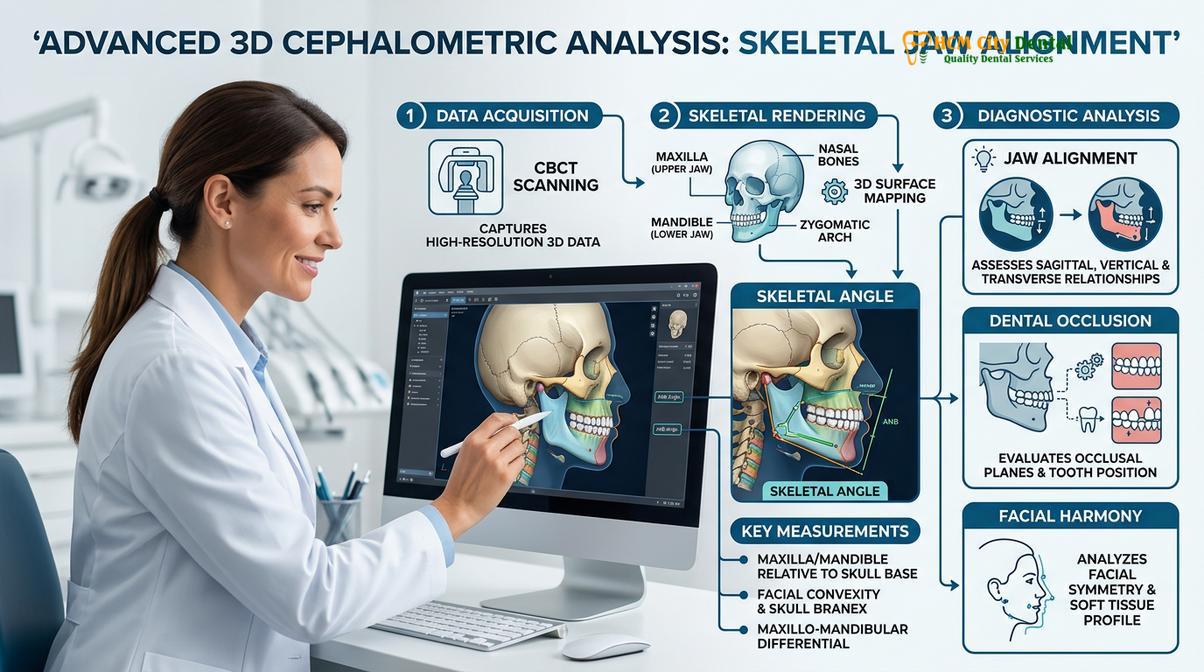
Clinical Case Study: Overjet Correction at HCMC Dental Clinic
A 24-year-old patient presented to HCMC Dental Clinic in Ho Chi Minh City with a severe 7mm dental overjet, complaining of lip incompetence and aesthetic dissatisfaction. Cephalometric analysis confirmed a Class II division 1 malocclusion with severe maxillary incisor proclination. The treatment plan involved the extraction of two maxillary first premolars to create space, followed by the application of self-ligating braces. Utilizing sliding mechanics and strict Class II elastic wear, the anterior segment was successfully retracted. The final result yielded a normal 2mm overjet, a harmonious facial profile, and a stable, functional bite, showcasing excellent Braces Before and After: Clinical Transformations | HCMC Dental.
When to Consult an Orthodontist: Important Considerations
Early evaluation is crucial for overjet correction, as identifying skeletal discrepancies during childhood allows for growth modification, potentially avoiding complex surgeries later in life.
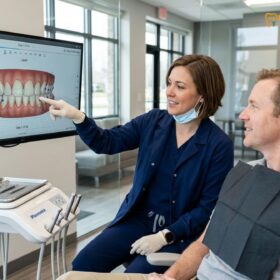
Patients should seek an orthodontic evaluation if they notice a significant protrusion of their upper front teeth, difficulty closing their lips naturally at rest, or speech impediments related to their bite. In severe cases where the overjet is primarily skeletal and the patient has finished growing, traditional braces alone may not suffice. These complex scenarios often require orthognathic surgical interventions to physically reposition the maxilla or mandible, ensuring both functional harmony and facial balance[5]. Furthermore, clinical protocols outlined by the Vietnam Association of Orthodontists emphasize the importance of comprehensive diagnostic imaging to accurately classify the malocclusion before initiating any retraction mechanics[6].
Clinical Warning: Delaying treatment for a severe skeletal overjet until adulthood can limit non-surgical options. Early orthodontic evaluation during childhood is highly recommended to utilize growth modification appliances effectively.
Dr. Nguyen Van Cuong, a leading orthodontic specialist, emphasizes the importance of early intervention for overjet correction. Dr. Cuong routinely utilizes advanced cephalometric analysis to differentiate between dental and skeletal protrusions, ensuring each patient receives a highly customized treatment plan. His clinical approach at HCMC Dental Clinic in Ho Chi Minh City aligns with modern standards for comprehensive care, often integrating tools like a Dental Kit for Braces: Essential Orthodontic Tools | HCMC Dental to maintain optimal oral hygiene during complex retractions.
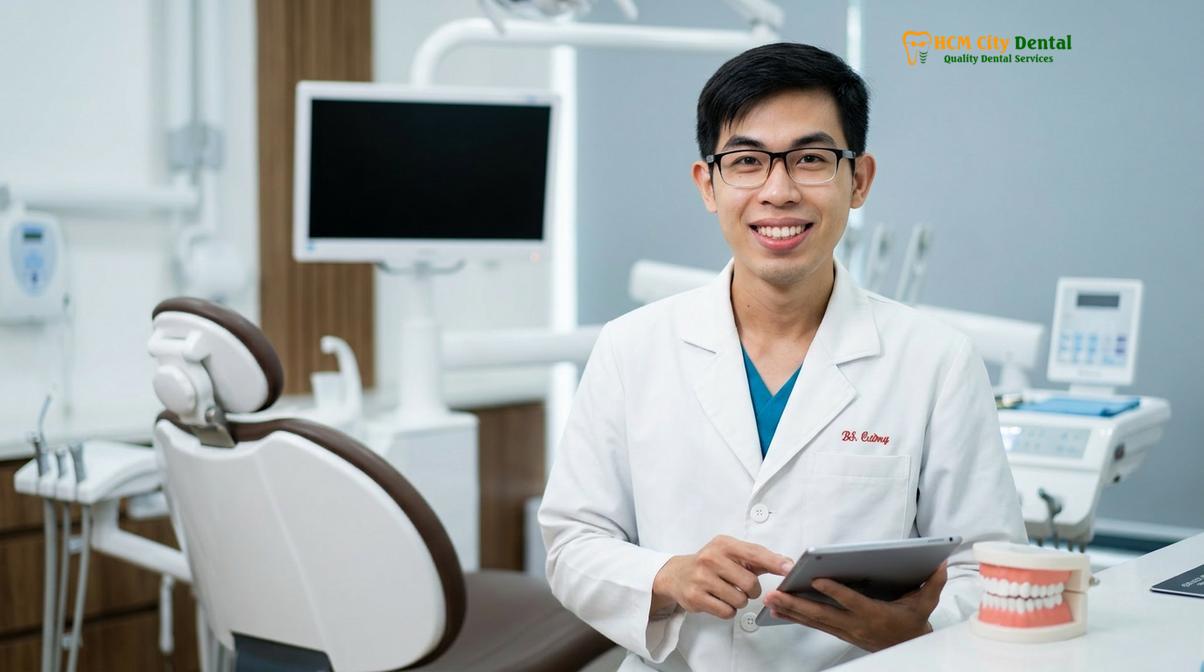
“Early diagnosis of a skeletal overjet allows us to utilize growth modification techniques, potentially avoiding the need for invasive surgical procedures later in life. Timing is everything in dentofacial orthopedics.”
Retention and Post-Orthodontic Care
Wearing retainers post-treatment is mandatory to prevent orthodontic relapse and maintain the newly established overjet correction and bite alignment.
The day the braces are removed or the final aligner is discarded is a moment of celebration, but it does not mark the end of orthodontic treatment. The retention phase is arguably as important as the active movement phase. The periodontal ligaments and gingival fibers have a “memory” and will naturally attempt to pull the teeth back into their original protruding positions if not properly stabilized.
Patients must wear retainers exactly as prescribed by their orthodontist. Options include fixed lingual retainers (a thin wire bonded to the back of the front teeth) or removable clear retainers. For those seeking durable, high-quality retention solutions, exploring the Invisalign Vivera Retainers Cost & Clinical Guide | HCMC Dental can provide insight into advanced thermoplastic materials designed to resist deformation. Consistent retainer wear ensures that the investment in correcting the overjet yields a lifetime of functional and aesthetic benefits, a standard of care detailed further in our Invisalign Vivera Retainers Cost & Clinical Guide | HCMC Dental resources.
References
- American Journal of Orthodontics and Dentofacial Orthopedics. Biomechanics of overjet reduction and space closure. (2021).
- Journal of Clinical Orthodontics. Skeletal versus dental Class II malocclusion etiology and management. (2020).
- Angle Orthodontist. Efficacy of clear aligners in anterior retraction and overjet correction. (2022).
- European Journal of Orthodontics. Periodontal responses to orthodontic tooth movement and continuous forces. (2019).
- International Journal of Oral and Maxillofacial Surgery. Orthognathic surgical interventions for severe skeletal overjet. (2023).
- Vietnam Association of Orthodontists (VAO). Guidelines on the management of Class II malocclusions and severe overjet in Vietnamese patients. (2022).
If you are seeking expert orthodontic care, contact HCMC Dental Clinic in Ho Chi Minh City today. Explore our comprehensive Orthodontics tại HCMC Dental Clinic services to begin your journey toward a perfectly aligned smile.