Removing silver fillings safely in a child requires specialized pediatric protocols to prevent mercury vapor inhalation and particulate ingestion. By utilizing high-volume suction, rubber dam isolation, and behavioral management, pediatric dentists can safely extract failing amalgam and replace it with biocompatible, non-toxic materials that support healthy dental development.
Clinical Summary:
Safe amalgam removal in pediatric dentistry prioritizes minimizing mercury exposure while effectively managing child behavior. Utilizing modified SMART (Safe Mercury Amalgam Removal Technique) protocols, clinicians isolate the affected tooth, use copious water cooling, and apply high-volume evacuation to capture aerosols. Once the silver filling is safely extracted, the cavity is meticulously cleaned and restored with fluoride-releasing glass ionomer cement (GIC) or BPA-free composite resin. This approach ensures a durable, aesthetic, and biocompatible result that protects the primary dentition until natural exfoliation, while safeguarding the child’s systemic health.
Key Takeaways:
- Silver (amalgam) fillings contain approximately 50% mercury by weight, requiring strict safety protocols during removal.
- Safe extraction relies on rubber dam isolation and high-volume evacuation to prevent vapor inhalation.
- Tell-Show-Do behavioral techniques significantly reduce pediatric dental anxiety during restorative procedures.
- Glass Ionomer Cement (GIC) is the preferred replacement for baby teeth due to its continuous fluoride-releasing properties.
- BPA-free composite resins offer high strength and perfect aesthetic matching for permanent dentition.
Why Parents Want Silver Fillings Replaced
Parents increasingly seek to replace pediatric amalgam due to concerns over mercury vapor release, aesthetic preferences, and the availability of superior, tooth-colored biocompatible materials.
For decades, dental amalgam was the standard restorative material for treating early childhood caries due to its durability and low cost. However, as clinical understanding of dental materials has evolved, the paradigm in Children & Pediatric Dentistry has shifted dramatically. Dental amalgam is an alloy consisting of silver, copper, tin, zinc, and approximately 50% elemental mercury by weight. While intact amalgam fillings are generally considered stable by various health organizations, the friction from chewing and temperature fluctuations in the mouth can cause microscopic amounts of mercury vapor to be released over time[1].
Many parents researching mercury toxicity children fillings express valid concerns regarding the cumulative systemic exposure, especially given the smaller body mass and developing neurological systems of young children. Beyond the biochemical concerns, amalgam fillings present significant aesthetic drawbacks. The dark, metallic appearance can cause self-consciousness in children, particularly if the restorations are visible when they smile or laugh. Furthermore, as amalgam ages, it undergoes marginal breakdown and corrosion. This micro-leakage allows cariogenic bacteria to infiltrate beneath the filling, leading to recurrent decay that is often undetectable until it reaches the sensitive pulp chamber.
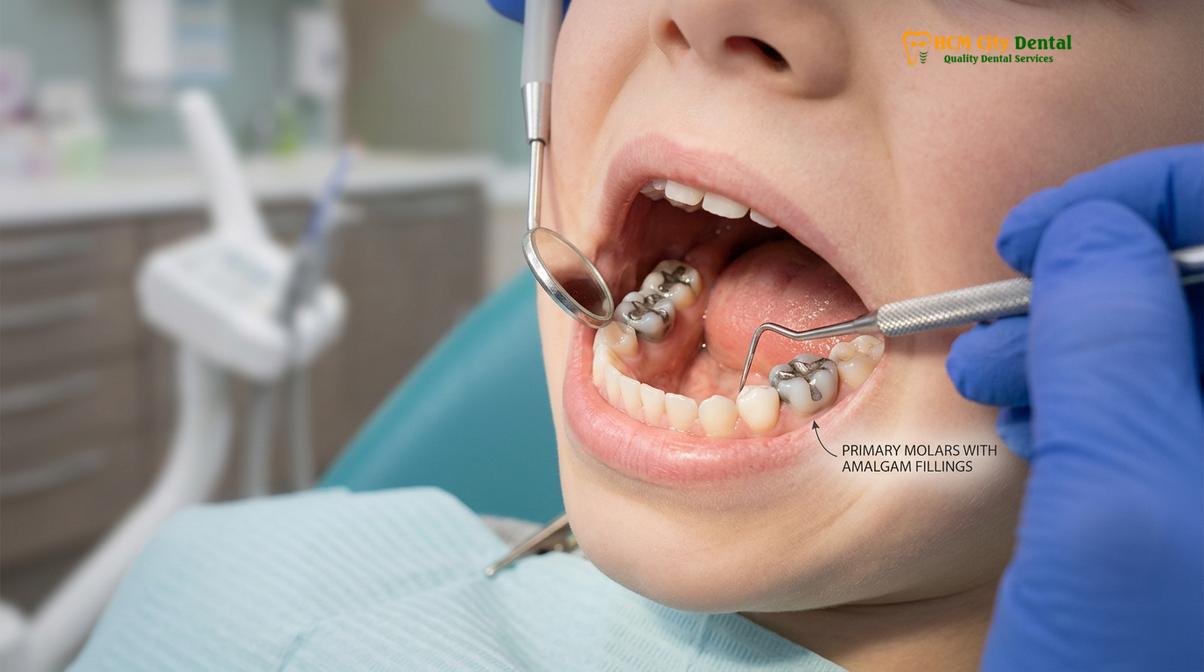
The demand for silver tooth replacement kids is also driven by the advancement of modern dental materials. Today’s biocompatible restorations not only eliminate heavy metals from the oral cavity but also actively contribute to the health of the tooth structure. Unlike amalgam, which merely fills a void and requires the removal of healthy tooth structure to create mechanical retention, modern resins and cements bond chemically to the dentin and enamel. This biomimetic approach preserves more of the natural baby tooth, maintaining the structural integrity required to hold space for the developing permanent teeth beneath the gums.
Safe Mercury Amalgam Removal for Children
Safe removal relies on strict isolation, continuous water cooling, and high-volume evacuation to prevent the child from swallowing amalgam particulate or inhaling mercury vapor.
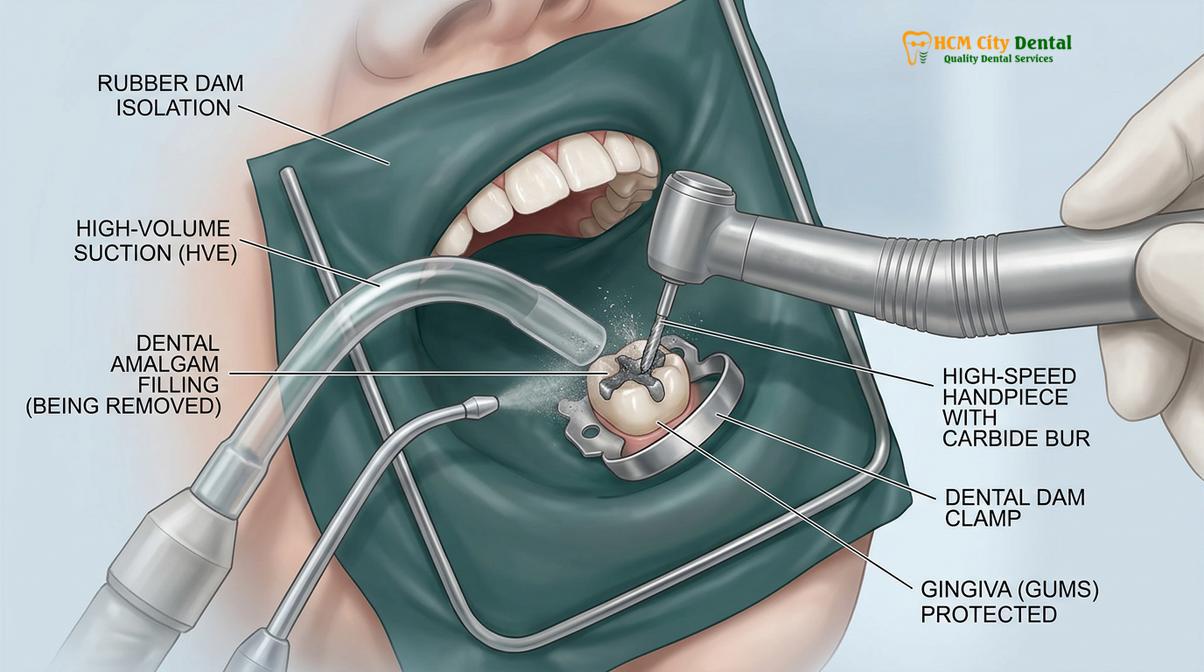
The process of drilling out an old silver filling generates heat, which exponentially increases the release of mercury vapor, alongside creating fine particulate dust. To mitigate these risks, a specialized clinical workflow is mandatory. The foundation of this safety protocol is absolute isolation. Pediatric dentists utilize a non-latex rubber dam—often introduced to the child as a “tooth raincoat”—which stretches over the target tooth, completely sealing off the throat and the rest of the oral cavity. This physical barrier ensures that no debris can be swallowed or aspirated into the child’s airway.
During the removal process, the dentist employs a technique known as “chunking.” Instead of grinding the amalgam into a fine powder, specialized carbide burs are used to section the filling into larger pieces. This significantly reduces the aerosolization of the material. Simultaneously, copious amounts of cold water are sprayed onto the tooth to keep the temperature low, suppressing vapor release. A high-volume evacuation (HVE) suction device is positioned millimeters from the tooth to instantly capture water, debris, and any emitted gases[2].
“The safe extraction of pediatric amalgam requires a delicate balance between rigorous environmental safety protocols and compassionate behavioral management, ensuring the child’s systemic health is protected without inducing dental trauma.”
For parents seeking a holistic kids dentist saigon, these protective measures are non-negotiable. In some advanced setups, an alternative air source, such as a nasal hood delivering pure oxygen or a nitrous oxide/oxygen blend, is provided to ensure the child does not inhale ambient air from the immediate operative field. Once the amalgam is entirely removed, the rubber dam is carefully folded and disposed of, and the child’s mouth is thoroughly rinsed before the new biocompatible restoration is placed.
SMART Protocol Modifications for Toddlers
Adapting the SMART protocol for young children involves integrating Tell-Show-Do behavioral management and utilizing conscious sedation to ensure safety without causing psychological trauma.
The Safe Mercury Amalgam Removal Technique (SMART), developed by the International Academy of Oral Medicine and Toxicology (IAOMT), outlines stringent guidelines for amalgam extraction. However, applying these adult-centric protocols to a squirming toddler requires significant clinical modification. A child’s limited attention span, smaller airway anatomy, and potential for sudden movement necessitate a highly efficient and psychologically supportive approach.
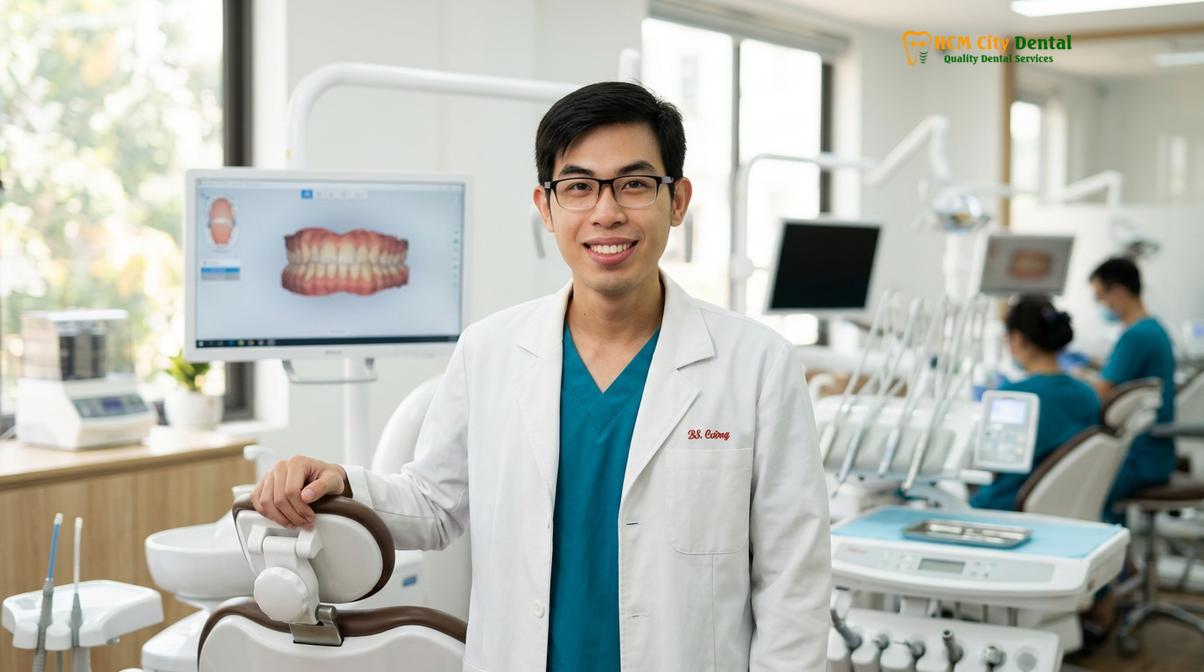
Dr. Nguyen Van Cuong, a leading expert in pediatric restorative care, emphasizes that the success of modified SMART protocols hinges entirely on effective behavioral management. The cornerstone of this approach is the “Tell-Show-Do” technique. Before any instrument approaches the mouth, the clinical team explains the procedure using non-threatening, child-friendly language. For example, the high-volume suction is introduced as a “water vacuum,” and the dental drill is a “water whistle” that washes away the “sugar bugs.” The dentist then demonstrates the instrument on the child’s finger or a model tooth, allowing them to feel the vibration or air pressure. Only when the child demonstrates understanding and comfort does the actual treatment begin.
Clinical Warning: Never attempt to remove an intact, asymptomatic silver filling in an uncooperative toddler without proper behavioral management or sedation. Sudden movements can compromise the isolation barrier, drastically increasing the risk of swallowing amalgam debris or inhaling mercury vapor.
Furthermore, the “stop on request” protocol is implemented, empowering the child to raise their hand if they feel overwhelmed, instantly pausing the procedure. For children with high anxiety or those requiring multiple amalgam replacements, conscious sedation options such as nitrous oxide (laughing gas) are highly effective. Nitrous oxide not only relaxes the child but also provides a continuous flow of clean gas through the nasal hood, acting as an excellent alternative air source during the amalgam removal process. In cases of extensive decay or extreme uncooperativeness, treatment under general anesthesia may be recommended to ensure the highest level of safety and precision.

Non-Toxic Restorations: BPA-Free Composite & Glass Ionomer
After amalgam removal, cavities are restored using biocompatible child dental fillings such as moisture-tolerant Glass Ionomer Cement (GIC) or durable BPA-free composite resins.
Once the toxic material is safely evacuated, the focus shifts to restoring the tooth’s anatomy and function. The selection of a biocompatible child dental filling is critical, as the material must withstand the forces of mastication while supporting the health of the primary tooth. The two gold-standard materials in modern pediatric dentistry are Glass Ionomer Cement (GIC) and composite resin. Unlike amalgam, both materials are entirely free of heavy metals and require less drilling, preserving the natural tooth structure.
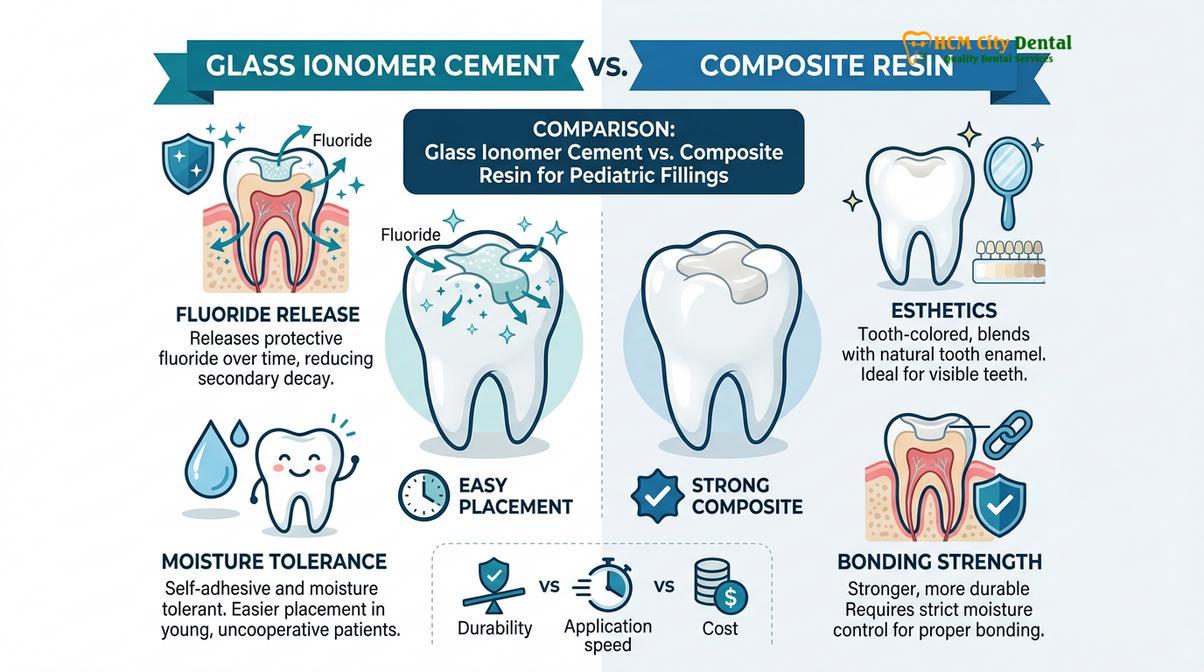
Composite resins are highly aesthetic, tooth-colored materials made from a mixture of plastic and fine glass particles. They offer excellent durability and are ideal for restoring permanent teeth or large cavities in primary molars where biting forces are highest. Modern pediatric clinics prioritize BPA-free composites to eliminate any concerns regarding endocrine-disrupting chemicals. However, composite placement is highly technique-sensitive; the tooth must remain absolutely dry during the bonding process, which can be challenging with a hyperactive child.
| Material Characteristic | Glass Ionomer Cement (GIC) | BPA-Free Composite Resin |
|---|---|---|
| Fluoride Release | High (Continuous recharge) | None to Minimal |
| Moisture Tolerance | High (Hydrophilic during placement) | Low (Requires absolute isolation) |
| Aesthetics | Good (Opaque white) | Excellent (Perfect color match) |
| Durability | Moderate (Ideal for baby teeth) | High (Ideal for permanent teeth) |
| Chemical Bonding | Bonds directly to moist dentin | Requires etching and bonding agents |
For primary (baby) teeth, Glass Ionomer Cement is often the superior choice. GIC is hydrophilic, meaning it tolerates a slightly moist environment during placement, making it far more forgiving when treating young children. It chemically bonds directly to the dentin, creating a tight seal that prevents micro-leakage. In cases where the decay has reached the nerve, requiring baby root canal treatments (pulpotomy), GIC provides an excellent coronal seal. Furthermore, if a tooth is lost prematurely due to severe decay, fixed space maintainers may be required to prevent orthodontic crowding.
Fluoride Recharge Benefits
Glass ionomer restorations actively protect baby teeth by absorbing ambient fluoride from toothpaste and releasing it into the surrounding enamel, preventing recurrent decay.
The most remarkable clinical advantage of Glass Ionomer Cement in pediatric dentistry is its dynamic interaction with the oral environment. GIC acts as a “fluoride battery.” Upon placement, it releases a burst of fluoride ions into the adjacent tooth structure, remineralizing softened enamel and halting the progression of microscopic decay. This is particularly beneficial for children with a high caries index or those who struggle with optimal oral hygiene[3].
More importantly, GIC has the unique ability to recharge. When the child brushes with fluoridated toothpaste or receives a professional fluoride varnish application, the GIC restoration absorbs the ambient fluoride from the saliva. It then slowly releases these ions back into the tooth over time. This continuous cycle of absorption and release creates a localized zone of inhibition against cariogenic bacteria, drastically reducing the risk of secondary cavities forming around the margins of the filling.
Clinical Case Study: HCMC Dental Clinic
A 6-year-old patient presented to Dr. Nguyen Van Cuong at HCMC Dental Clinic in Ho Chi Minh City with a failing, cracked amalgam filling on a primary lower molar, causing localized sensitivity. Utilizing Tell-Show-Do techniques and rubber dam isolation, the amalgam was safely sectioned and removed without pain. The cavity was restored using a high-viscosity, fluoride-releasing Glass Ionomer Cement. At the 6-month recall, the restoration margins were perfectly intact, and the surrounding enamel showed increased density due to the fluoride recharge effect, ensuring the tooth would naturally exfoliate without further intervention.
For parents seeking non-invasive alternatives for very young or uncooperative children, Silver Diamine Fluoride (SDF) is another excellent option. While it does not restore the physical shape of the tooth like GIC, SDF liquid can be painted onto a cavity to instantly arrest the decay without any drilling or injections. It is a highly effective interim measure, though it does leave a localized black stain on the decayed portion of the tooth.
Interceptive Orthodontics & Comprehensive Pediatric Care
Beyond safe filling replacement, comprehensive pediatric dentistry evaluates early jaw development, airway health, and myofunctional habits to prevent future orthodontic complications.
Replacing toxic fillings is only one facet of holistic pediatric dental care. A thorough clinical evaluation must also assess the child’s craniofacial development and airway health. Modern pediatric dentistry recognizes the profound impact of oral habits on systemic well-being. For instance, chronic mouth breathing can alter the resting posture of the tongue, leading to a narrow upper palate, dental crowding, and a condition known as “adenoid facies” or long-face syndrome. Early identification of these issues allows for timely intervention, guiding the growth of the jaws before the bones fully fuse[4].
During a routine check-up, the clinical team will evaluate the child for restrictive tethered oral tissues, such as tongue-ties or lip-ties. These restrictions can impede proper swallowing, speech development, and natural dental arch expansion. If diagnosed, they can be treated swiftly with painless diode laser frenectomies, which involve minimal bleeding and rapid healing. Following the release, myofunctional therapy exercises are often prescribed to retrain the oral musculature and establish proper nasal breathing.
Furthermore, protecting the newly restored teeth and developing jaws during physical activities is paramount. Children engaged in contact sports should be fitted with custom pediatric sports mouthguards. Unlike over-the-counter boil-and-bite options, custom guards provide superior shock absorption, protecting against dental avulsions, jaw fractures, and even reducing the risk of concussions. By integrating restorative safety with mouth breathing and facial development assessments, pediatric dentists ensure a lifetime of optimal oral health.
Pediatric Dental Pricing & Insurance at HCMC Dental Clinic
We provide transparent, competitive pricing for pediatric restorative procedures, offering direct billing with major international insurance providers and exclusive booking discounts.
Understanding the financial aspect of pediatric dental care is essential for parents planning safe amalgam removal and comprehensive treatments. At HCMC Dental Clinic, we prioritize transparent pricing and accessible care. According to the latest clinic fee schedule, the estimated costs for pediatric procedures are structured to accommodate both local residents and expatriate families in Ho Chi Minh City.
The initial Kids Consultation & Diagnostic check-up ranges from 300,000 to 500,000 VND (~$12 to $20 USD), with walk-in rates slightly higher at 500,000 to 800,000 VND. Preventive measures such as Fissure Sealants are priced between 400,000 and 600,000 VND (~$16 to $24 USD) per tooth, while Fluoride Varnish Applications cost 300,000 to 500,000 VND (~$12 to $20 USD). For restorative work following amalgam removal, Pediatric Glass Ionomer Fillings (GIC, fluoride-releasing) are 400,000 to 600,000 VND (~$16 to $24 USD) per tooth, and Pediatric BPA-Free Composite Fillings range from 500,000 to 800,000 VND (~$20 to $32 USD) per tooth.
For more complex interventions, Baby Root Canals (Pulpotomy) are priced at 1,000,000 to 1,500,000 VND (~$40 to $60 USD) per tooth. Fixed Space Maintainers (band-and-loop) range from 2,000,000 to 3,000,000 VND (~$80 to $120 USD) per unit, and Custom Pediatric Sports Mouthguards are available for 1,500,000 to 2,500,000 VND (~$60 to $100 USD). To make these essential treatments more accessible, patients who book their appointments directly via WhatsApp can receive a -40% discount on selected services. Additionally, HCMC Dental Clinic partners with major international insurance networks, including Allianz, Bupa, and Cigna, offering seamless direct billing for families attending international schools.
When to See a Doctor
Immediate clinical evaluation is required if a child’s silver filling shows signs of cracking, causes pain, or if the surrounding gum tissue becomes inflamed.
While intact amalgam fillings do not always require immediate removal, certain clinical signs indicate that the restoration has failed and poses an acute risk to the child’s oral health. Parents should schedule a pediatric dental consultation if the child complains of localized pain or sensitivity when consuming hot, cold, or sweet foods. This often indicates that micro-leakage has occurred, allowing bacteria to bypass the filling and irritate the dental pulp.
“Proactive monitoring of pediatric restorations is crucial; delaying the replacement of a fractured amalgam filling can lead to rapid decay progression, potentially necessitating a pulpotomy or premature extraction of the primary tooth.”
Visual inspections by parents can also reveal warning signs. If the silver filling appears cracked, chipped, or if the margins where the filling meets the tooth look dark and separated, the structural integrity is compromised. Additionally, if the gum tissue surrounding the filled tooth appears red, swollen, or bleeds easily during brushing, it may signify an localized infection or an allergic tissue response to the corroding metals. In any of these scenarios, a prompt evaluation using digital radiography is necessary to determine the extent of the underlying decay and plan for safe removal and biocompatible replacement[5].
Frequently Asked Questions
Find clear, evidence-based answers to the most common concerns parents have regarding the safe removal of pediatric silver fillings.
References
- American Academy of Pediatric Dentistry. Pediatric restorative dentistry guidelines. (2022).
- International Academy of Oral Medicine and Toxicology. SMART protocol guidelines. (2021).
- Journal of Dental Research. Glass ionomer cements and fluoride release. (2020).
- Pediatric Dentistry Journal. Behavior management techniques in pediatric dentistry. (2019).
- Journal of the American Dental Association. Biocompatibility of dental materials in children. (2023).