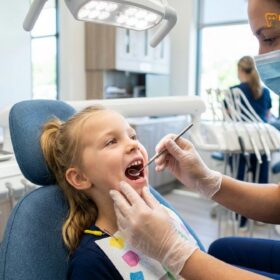
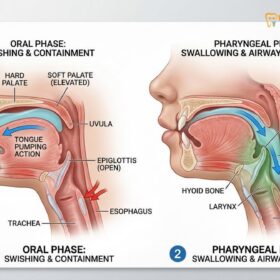
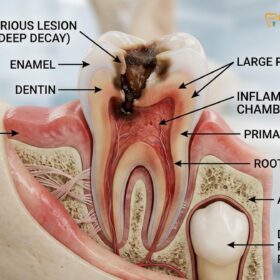
Planning a dental vacation in Saigon for kids allows families to combine world-class pediatric dental care with an unforgettable holiday. By coordinating children’s checkups alongside parents’ treatments, families save significantly on advanced procedures like fissure sealants, interceptive orthodontics, and biocompatible fillings while enjoying Vietnam.
Clinical Summary:
A pediatric dental vacation in Ho Chi Minh City offers international families access to premium, minimally invasive dental care at highly competitive rates. Clinics utilize advanced behavioral management techniques, such as the Tell-Show-Do method, to ensure a stress-free experience for young patients. Comprehensive 1-visit packages are designed to maximize travel itineraries, encompassing diagnostics, Silver Diamine Fluoride (SDF) applications, fluoride-releasing Glass Ionomer Cement (GIC) fillings, and early interceptive orthodontic evaluations. By leveraging streamlined clinic logistics, including direct insurance billing and synchronized family scheduling, parents can undergo complex restorative work while their children receive specialized preventive care, making Vietnam an optimal destination for comprehensive family oral health.
Key Takeaways:
- Pediatric treatments in Saigon utilize internationally recognized protocols, including AAPD-compliant behavioral management and minimally invasive restorative techniques.
- Families can seamlessly coordinate children’s preventive care alongside adult implant or cosmetic procedures to maximize vacation time.
- Time-saving 1-visit packages consolidate diagnostics, fissure sealants, and biocompatible fillings into a single, efficient appointment.
- Early interceptive orthodontic and airway assessments are available to diagnose and treat mouth breathing, tongue-ties, and jaw development issues.
- International patients benefit from direct billing partnerships (Allianz, Bupa, Cigna) and exclusive WhatsApp booking discounts for pediatric services.
Why Families Choose Saigon for Dental Work
Families choose Saigon for pediatric dental care due to the combination of internationally trained specialists, advanced minimally invasive treatments, and significant cost savings compared to Western clinics.
The concept of a dental tourism vietnam family trip has evolved significantly over the past decade. Ho Chi Minh City has emerged as a premier medical hub, offering clinical standards that rival those found in North America, Australia, and Europe. For parents, the primary concern when seeking medical care abroad is safety and clinical efficacy. At Children & Pediatric Dentistry centers in Saigon, the approach to treating young patients is rooted in evidence-based protocols established by global pediatric dental associations [1]. The integration of cutting-edge technology with a deep understanding of child psychology ensures that young patients receive care that is not only effective but also emotionally supportive.
One of the driving factors making an affordable family dentist Asia highly sought after is the availability of advanced, minimally invasive materials. Pediatric dentistry has shifted away from aggressive drilling toward preventive and caries-arresting therapies. For instance, the use of Silver Diamine Fluoride (SDF) has revolutionized the management of early childhood caries. SDF is a non-invasive liquid clinically proven to halt tooth decay without the need for local anesthesia or drilling [2]. The silver ions act as a powerful antimicrobial agent, while the fluoride promotes remineralization of the enamel. Although it leaves a localized black stain on the decayed area—a clinical caveat thoroughly discussed with parents—it is an invaluable tool for treating uncooperative or highly anxious children during a brief vacation window.
Furthermore, the choice of restorative materials is tailored specifically to the unique biomechanics of primary (baby) teeth. While composite resins offer perfect aesthetics and high tensile strength, pediatric specialists frequently prioritize Glass Ionomer Cement (GIC) for young children. GIC is highly valued in pediatric restorative dentistry because it chemically bonds to the tooth structure and is more tolerant of moisture—a critical advantage when treating children who have difficulty isolating their saliva. More importantly, GIC acts as a fluoride reservoir; it continuously releases fluoride into the surrounding enamel and can be “recharged” by fluoride toothpaste, significantly reducing the risk of recurrent decay at the filling margins.
Scheduling Kids’ Checkups During Parents’ Treatments
Synchronizing pediatric checkups with adult dental procedures allows families to efficiently complete all necessary oral healthcare under one roof without disrupting their travel itinerary.
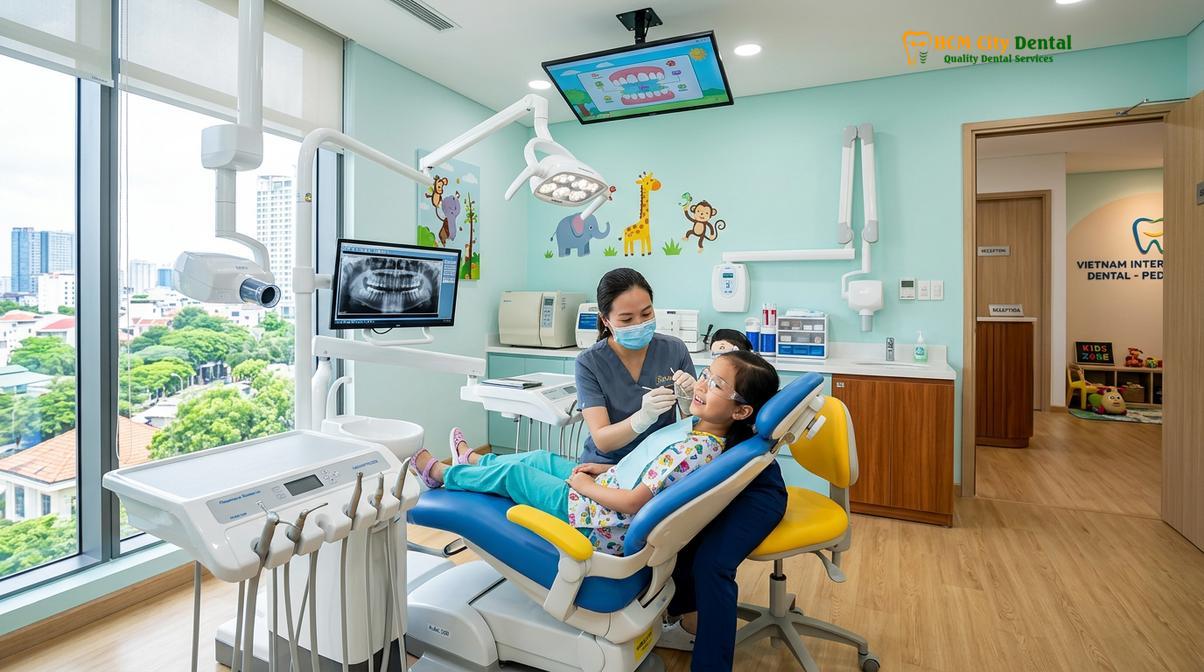
When combining travel and dental care kids, logistical efficiency is paramount. Traveling families often operate on tight schedules, balancing medical appointments with sightseeing and relaxation. Modern dental facilities in Saigon are architecturally and operationally designed to accommodate simultaneous family treatments. While a parent is undergoing a complex procedure—such as full-arch implant placement, sinus lifting, or the preparation of porcelain veneers—their children can be comfortably accommodated in a dedicated pediatric wing.
“The ability to treat multiple family members simultaneously not only optimizes the travel itinerary but also provides a psychological anchor for the child, knowing their parents are nearby receiving care in the same trusted environment.”
This synchronized approach requires meticulous clinical coordination. Dr. Nguyen Van Cuong emphasizes that the clinical perspective on pediatric behavior management is heavily influenced by the environment. A child entering a clinical space designed specifically for their sensory needs—featuring muted clinical sounds, engaging visual distractions, and a highly trained pediatric team—is significantly less likely to experience dental anxiety. The clinical team employs the “Tell-Show-Do” behavioral management technique to systematically desensitize the child to the dental environment.
The Tell-Show-Do protocol is a cornerstone of pediatric dentistry. First, the dentist will Tell the child about the procedure using non-threatening, child-friendly terminology. For example, local anesthesia is introduced as “sleepy juice,” a rubber dam is a “tooth raincoat,” and the high-speed suction is a “water whistle.” Next, the dentist will Show the child how the instrument works, often demonstrating the rotating prophylaxis cup or the air-water syringe on the child’s fingernail to prove it is painless. Finally, the dentist will Do the procedure, but only when the child is visibly relaxed and ready. This is coupled with a “stop on request” protocol, empowering the child to raise their hand if they need a break, thereby fostering trust and cooperation.
Time-Saving 1-Visit Packages
Comprehensive 1-visit pediatric packages consolidate diagnostics, preventive therapies, and restorative treatments into a single appointment, specifically designed to accommodate the schedules of traveling families.
For families utilizing saigon dental tourist packages, minimizing time spent in the dental chair is a primary objective. 1-visit packages are meticulously structured to deliver maximum clinical value in a single session. A standard comprehensive visit begins with a thorough diagnostic evaluation, utilizing low-dose digital bitewing radiographs to detect interproximal decay (cavities between the teeth) that cannot be seen during a visual exam. Following the diagnosis, the clinical team proceeds with professional prophylaxis to remove plaque and calculus, creating a clean surface for preventive applications.
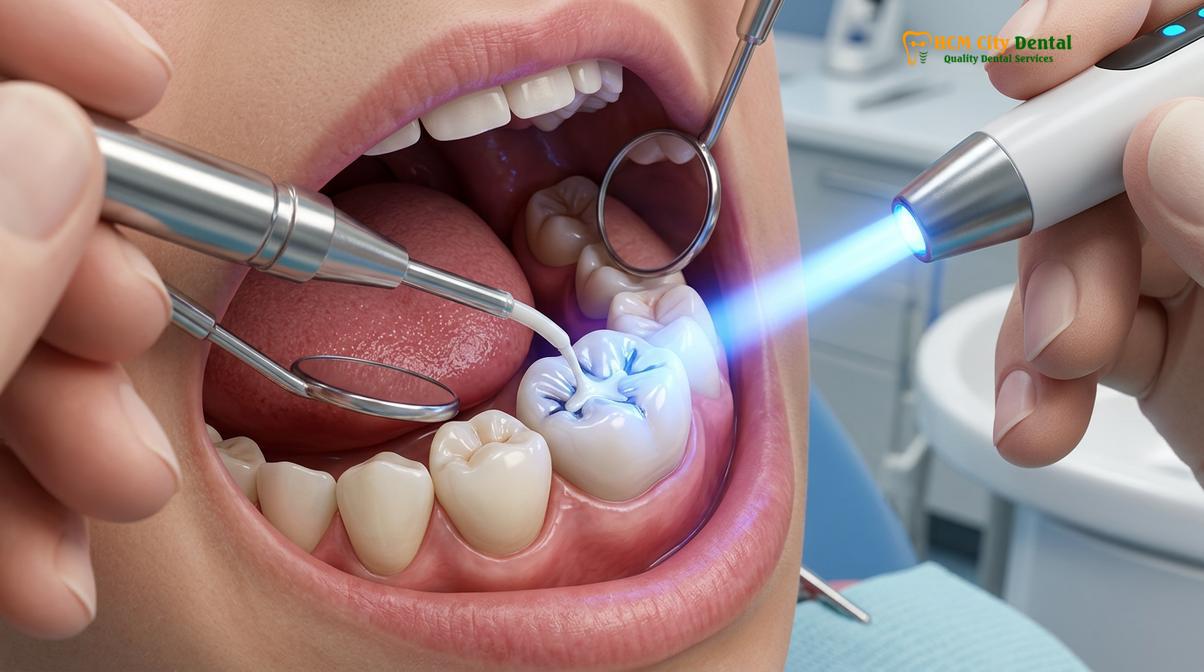
Preventive care is a major component of these packages. Fissure sealants are routinely applied to the deep, retentive grooves of newly erupted permanent molars. These grooves are highly susceptible to decay because toothbrush bristles cannot reach the base of the fissures. By flowing a biocompatible resin into these grooves and curing it with a specialized light, the tooth is effectively sealed against cariogenic bacteria. Following sealants, a high-concentration fluoride varnish is applied to all tooth surfaces to strengthen the enamel matrix and reverse early demineralization.
If restorative work is required, it is seamlessly integrated into the same visit. Primary teeth have significantly thinner enamel and larger pulp chambers compared to permanent teeth, meaning decay can progress to the nerve very rapidly. When decay reaches the pulp, a pulpotomy (baby root canal) is necessary to remove the infected coronal pulp tissue while preserving the vitality of the radicular pulp [3]. This prevents premature tooth loss, which is critical for maintaining the space required for the eruption of permanent teeth. If a primary tooth must be extracted due to severe infection, space maintainers are custom-fabricated and placed to prevent adjacent teeth from drifting and causing severe orthodontic crowding in the future [4].
Understanding the financial investment is crucial for traveling families. Below is the current pricing structure for pediatric procedures, highlighting the significant savings available when booking in advance.
| Pediatric Dental Procedure | Standard Walk-in Price (VND) | Advance WhatsApp Booking (-40%) | Estimated USD (Discounted) |
|---|---|---|---|
| Consultation & Diagnostic Check-up | 500,000 – 800,000 VND | 300,000 – 500,000 VND | ~$12 – $20 USD |
| Fissure Sealant (per tooth) | 700,000 – 1,000,000 VND | 400,000 – 600,000 VND | ~$16 – $24 USD |
| Fluoride Varnish Application | 500,000 – 800,000 VND | 300,000 – 500,000 VND | ~$12 – $20 USD |
| Pediatric Glass Ionomer Filling (GIC) | 700,000 – 1,000,000 VND | 400,000 – 600,000 VND | ~$16 – $24 USD |
| Pediatric Composite Filling | 800,000 – 1,300,000 VND | 500,000 – 800,000 VND | ~$20 – $32 USD |
| Baby Root Canal (Pulpotomy) | 1,600,000 – 2,500,000 VND | 1,000,000 – 1,500,000 VND | ~$40 – $60 USD |
| Space Maintainer (Fixed, Band-and-Loop) | 3,300,000 – 5,000,000 VND | 2,000,000 – 3,000,000 VND | ~$80 – $120 USD |
| Custom Pediatric Sports Mouthguard | 2,500,000 – 3,500,000 VND | 1,500,000 – 2,500,000 VND | ~$60 – $100 USD |
Tourist-Friendly Clinic Logistics
International clinics in Saigon provide dedicated concierge services, direct insurance billing, and flexible scheduling to ensure a seamless and stress-free experience for traveling families.
Navigating healthcare in a foreign country can be daunting, which is why top-tier clinics in Ho Chi Minh City have developed robust, tourist-friendly logistics. From the moment a family inquires about a dental vacation saigon kids package, a dedicated international patient coordinator is assigned to manage their case. This coordinator assists with everything from translating clinical treatment plans to scheduling appointments that align perfectly with the family’s flight arrivals and hotel check-ins.
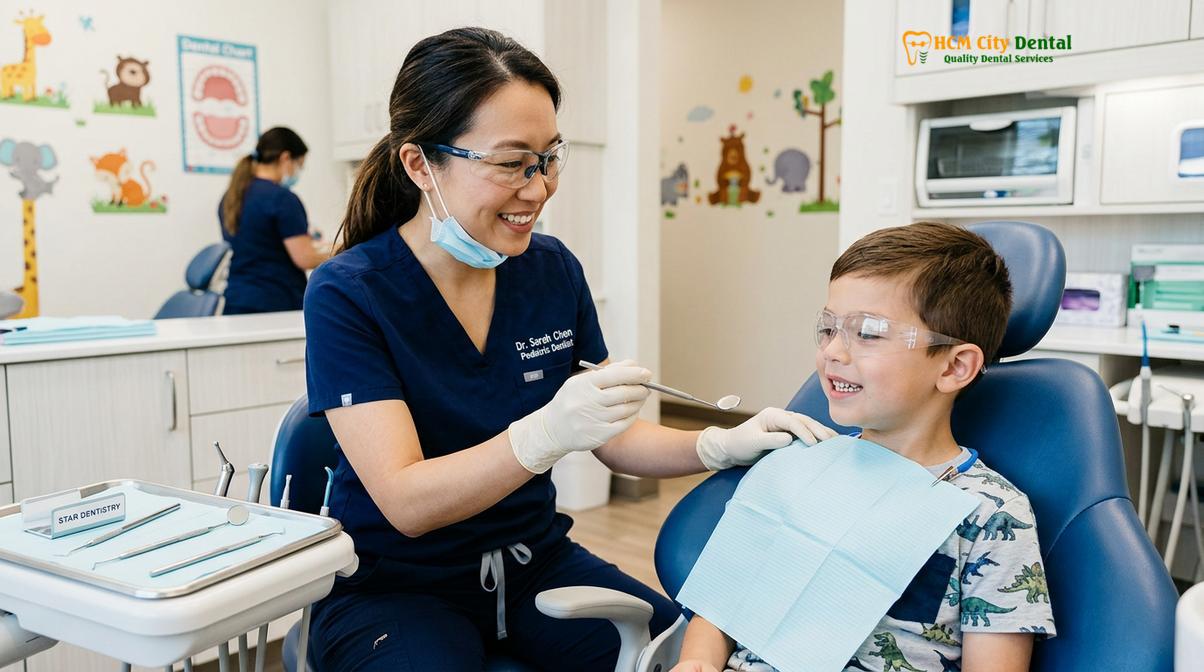
A significant advantage for expatriates and international families is the availability of direct billing partnerships. Clinics frequently partner with major global health insurance networks, including Allianz, Bupa, and Cigna. For families whose policies cover pediatric dental care, the clinic’s administrative team handles the complex claims process directly with the insurer. This eliminates the need for parents to pay large sums out-of-pocket and navigate the reimbursement process upon returning home. Furthermore, for families paying directly, utilizing the WhatsApp booking system secures a -40% discount on standard walk-in rates, making comprehensive care highly accessible.
Patient Experience: Seamless Family Care
A family visiting HCMC Dental Clinic in Ho Chi Minh City from Australia scheduled a comprehensive dental week. While the father underwent a complex All-on-4 implant procedure, their two children (ages 6 and 9) received full diagnostic check-ups, fissure sealants, and custom sports mouthguards. By utilizing the 1-visit pediatric package and the WhatsApp booking discount, the family completed all necessary preventive care in a single morning, leaving the rest of their two-week vacation entirely free for travel, while saving over 60% compared to their local pediatric dentist.
Additionally, travel itineraries can be unpredictable. Recognizing this, premium clinics offer same-day emergency scheduling. Whether a child experiences a sudden toothache or sustains a dental trauma while exploring the city, families have immediate access to specialized care without enduring long wait times.
Family Itinerary Ideas
Balancing dental appointments with a family vacation requires strategic planning, ensuring children have adequate recovery time while enjoying the cultural and culinary delights of Vietnam.
A successful dental tourism vietnam family trip integrates medical care with leisure seamlessly. When planning the itinerary, it is clinically advisable to schedule dental appointments early in the trip. This allows the clinical team to monitor any restorative work, such as fillings or pulpotomies, before the family flies home. It also ensures that any minor post-operative sensitivity resolves while the family is still within reach of their treating dentist.
“Post-treatment recovery for children is generally rapid, but parents must remain vigilant regarding local anesthesia; ensuring the child does not accidentally bite their numb lip or cheek is the primary post-operative priority.”
Following a dental procedure, especially if local anesthesia was administered, dietary modifications are necessary for the first 24 hours. Saigon offers an abundance of delicious, soft-food options that are perfect for post-dental recovery. Traditional Vietnamese dishes such as Phở (rice noodle soup, served warm rather than piping hot), Cháo (savory rice porridge), and fresh fruit smoothies are excellent choices that require minimal chewing and are gentle on newly placed restorations. Families can spend their recovery days enjoying low-impact activities, such as visiting the Saigon Zoo and Botanical Gardens, exploring interactive museums, or taking a relaxing boat tour along the Saigon River.
Advanced Clinical Approaches to Pediatric Care
Modern pediatric dentistry extends beyond cavity prevention, encompassing early interceptive orthodontics and comprehensive airway assessments to ensure optimal craniofacial development.
The scope of pediatric dentistry has expanded significantly to address the holistic development of the child’s oral and facial structures. Dr. Cuong emphasizes that early interceptive orthodontic evaluation is a critical component of a child’s comprehensive check-up. Waiting until all permanent teeth have erupted to address orthodontic issues often leads to more complex, invasive, and expensive treatments later in life. By evaluating the child’s jaw development during the mixed dentition phase (ages 6-10), clinicians can identify and correct skeletal discrepancies early.
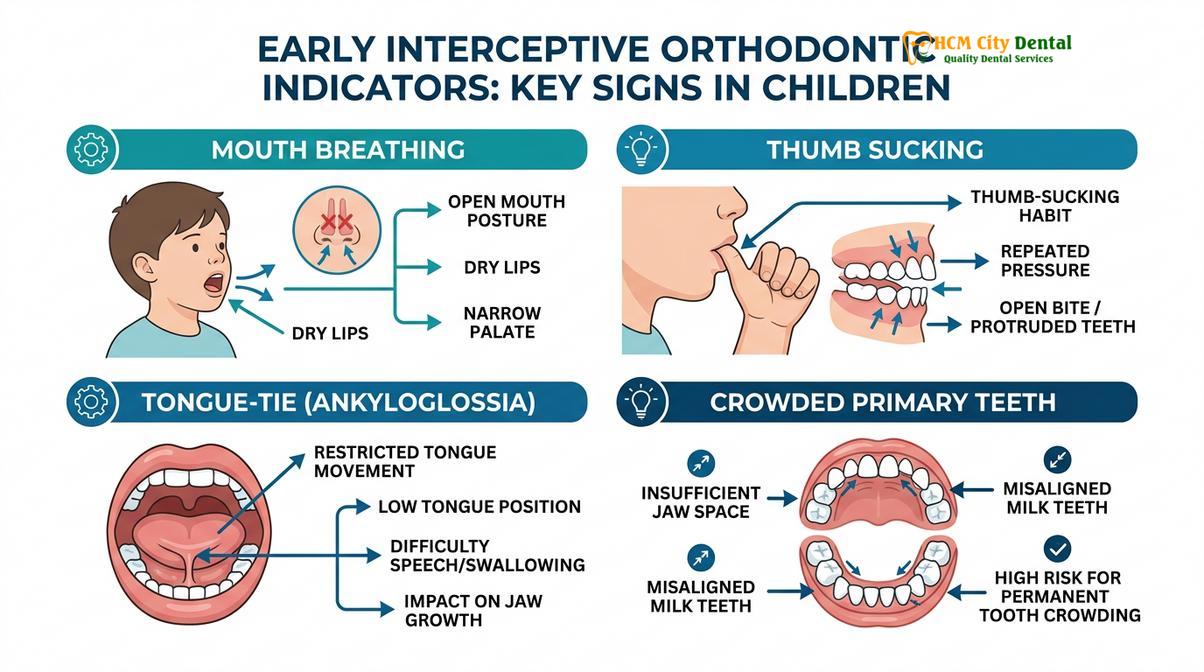
A key focus of this early intervention is airway dentistry. Chronic mouth breathing in children is not merely a bad habit; it is often a symptom of an underlying airway obstruction, such as enlarged adenoids or tonsils. If left untreated, chronic mouth breathing alters the resting posture of the tongue, which normally sits against the palate and naturally expands the upper jaw. Without this internal pressure, the upper jaw becomes narrow, leading to a high palatal vault, severe dental crowding, and a characteristic facial profile known as “adenoid facies” or long-face syndrome [5].
To combat these developmental issues, clinics offer comprehensive myofunctional therapy and early expansion appliances. Furthermore, structural anomalies such as ankyloglossia (tongue-tie) can severely restrict tongue mobility, impacting speech, swallowing, and jaw development. Modern pediatric clinics utilize advanced diode lasers to perform laser frenectomies. This procedure is virtually painless, bloodless, and requires no sutures, allowing for immediate improvement in tongue function with minimal recovery time.
When to See a Doctor
While preventive care can be scheduled at your convenience during a vacation, certain clinical signs require immediate professional intervention. Parents should monitor their children for any acute symptoms that indicate an active infection or structural damage.
Important Clinical Considerations:
Seek immediate pediatric dental care if your child experiences any of the following red flags:
- Severe, spontaneous tooth pain that wakes the child from sleep (indicative of irreversible pulpitis).
- Visible facial swelling, particularly around the eyes or jawline, which may signal a spreading dental abscess.
- Dental trauma resulting in a fractured, displaced, or avulsed (knocked-out) tooth.
- A persistent, pimple-like bump on the gums (fistula) near a primary tooth, indicating chronic infection.
Prompt diagnostic evaluation is essential to prevent systemic infection and protect the developing permanent teeth beneath the gums.
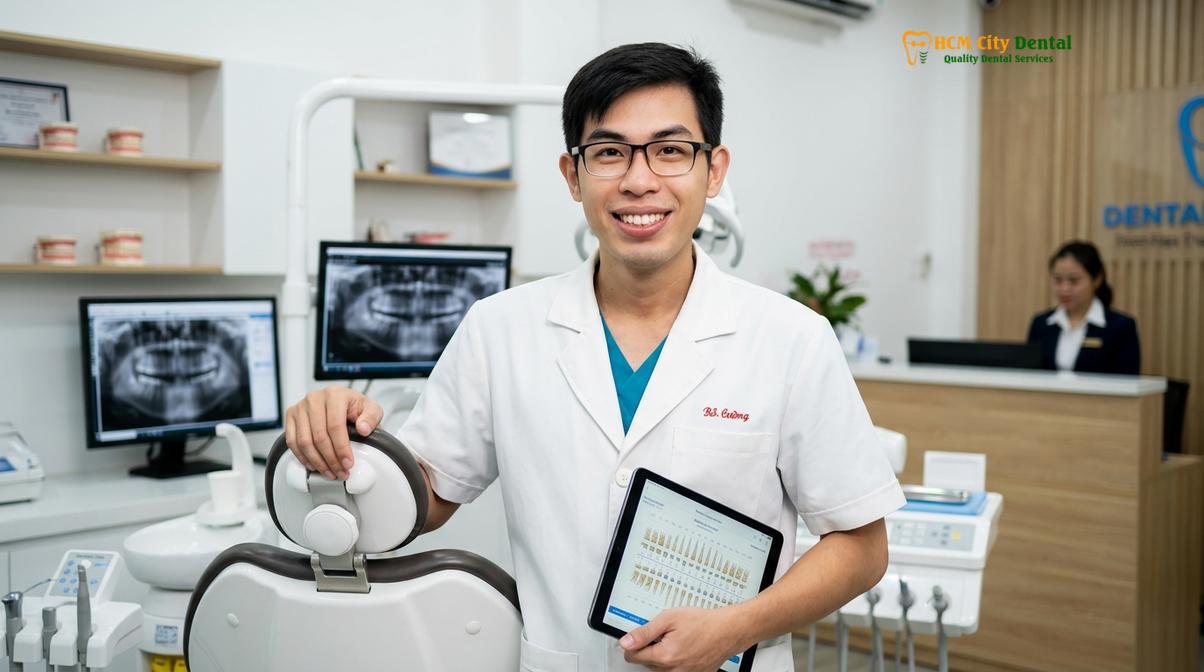
For families planning their trip, securing an appointment in advance ensures priority scheduling and access to the best promotional rates. To discuss your child’s specific needs and arrange a comprehensive consultation, contact the international coordination team at HCMC Dental Clinic.
Frequently Asked Questions
Is it safe to bring children to Saigon for dental work?
Yes, it is highly safe to bring children to Saigon for dental care when visiting an internationally accredited facility. Clinics in Ho Chi Minh City utilize imported, biocompatible materials, strict sterilization protocols, and advanced pediatric behavioral management techniques to ensure a secure, comfortable, and clinically sound environment for young patients. The clinical standards adhere strictly to global guidelines, ensuring outcomes that match or exceed those in Western countries.
How many visits are needed for a child’s dental package?
Most preventive and restorative pediatric dental packages can be completed in a single, well-coordinated visit. By utilizing efficient 1-visit packages, our specialists can perform comprehensive diagnostics, professional prophylaxis, fissure sealants, and necessary fillings in one session, minimizing clinical time and maximizing your family’s vacation schedule. Complex cases, such as multiple pulpotomies or custom appliance fabrication, may require a brief follow-up.
Can kids’ checkups be scheduled alongside parents’ implant work?
Absolutely, coordinating children’s checkups alongside parents’ complex treatments is a standard logistical service we provide. While parents undergo implant surgery or restorative work in specialized suites, children receive dedicated care in the pediatric wing, ensuring the entire family completes their dental requirements simultaneously without wasting travel days. This synchronized approach is highly favored by international patients.
What behavioral management techniques are used for anxious children?
We primarily utilize the Tell-Show-Do behavioral management technique, alongside positive reinforcement and a sensory-adapted environment. For highly anxious children or those requiring extensive restorative work, we also offer conscious sedation options such as nitrous oxide (laughing gas) to ensure the procedure is virtually seamless and trauma-free. Our goal is to build long-term trust and eliminate dental phobia.
How does the clinic handle dental insurance for international patients?
We partner with major global insurance providers to offer direct billing services for international families and expatriates. For networks like Allianz, Bupa, and Cigna, our dedicated international coordinators handle the claims process directly, significantly reducing out-of-pocket expenses and simplifying the administrative burden for traveling parents. We also provide detailed, translated invoices for patients who need to claim reimbursement independently.
References
- American Academy of Pediatric Dentistry. Best practices for pediatric dental care and behavior guidance. (2021).
- International Journal of Paediatric Dentistry. Clinical efficacy and safety of Silver Diamine Fluoride. (2019).
- Journal of Endodontics. Biological rationale for pulpotomies in primary dentition. (2020).
- Journal of the American Dental Association. Space management and interceptive orthodontics in mixed dentition. (2018).
- Pediatric Dentistry. The impact of early airway assessment on craniofacial development. (2022).