Pediatric sleep study signs include chronic snoring, mouth breathing, night sweats, and behavioral issues like hyperactivity. These symptoms often indicate pediatric obstructive sleep apnea, a condition where a child’s airway narrows during sleep, requiring prompt clinical evaluation to prevent developmental and orthodontic complications.
Clinical Summary:
Sleep-disordered breathing in children is a critical health concern that extends far beyond simple snoring. Recognizing pediatric sleep study signs—such as secondary enuresis (bedwetting), severe nighttime tooth grinding (bruxism), and ADHD-like daytime behavior—is essential for early intervention. Pediatric dentists play a frontline role in diagnosing these issues by identifying narrow dental arches, high-vaulted palates, and tongue-ties. Through comprehensive pediatric airway screening and interceptive orthodontics, clinicians can expand the airway structurally, often mitigating the need for lifelong CPAP therapy. Collaborative care between pediatric dentists, ENT specialists, and sleep medicine physicians ensures optimal developmental outcomes for growing children.
Key Takeaways:
- Snoring in children is never normal and is a primary indicator of upper airway resistance.
- Nighttime tooth grinding (bruxism) is often a subconscious effort to open a collapsed airway.
- Daytime hyperactivity and poor focus in children are frequently misdiagnosed as ADHD when the root cause is sleep fragmentation.
- Early interceptive orthodontics can physically expand the nasal cavity and airway, treating the structural cause of sleep apnea.
- A pediatric sleep study (polysomnogram) is the gold standard for diagnosing the severity of sleep-disordered breathing.
Snoring is NEVER Normal in Children
Snoring in children is a primary indicator of airway resistance, often caused by enlarged tonsils or adenoids, and warrants immediate clinical investigation.
While occasional snoring during a respiratory infection is common, chronic snoring in a child is a definitive red flag for sleep-disordered breathing (SDB). Unlike adults, where snoring is often accepted as a benign nuisance, a child’s airway is highly vulnerable to obstruction. The anatomical space in a pediatric oropharynx is relatively small, and any hypertrophy (enlargement) of the lymphoid tissues—specifically the tonsils and adenoids—can significantly reduce airflow [1].
When a child falls asleep, the muscles of the upper airway naturally relax. If the airway is already narrowed by enlarged adenoids, this relaxation leads to partial or complete obstruction. The turbulent airflow forcing its way through this narrowed space creates the vibration recognized as snoring. This is why a thorough pediatric airway screening is a mandatory component of modern pediatric dental examinations.
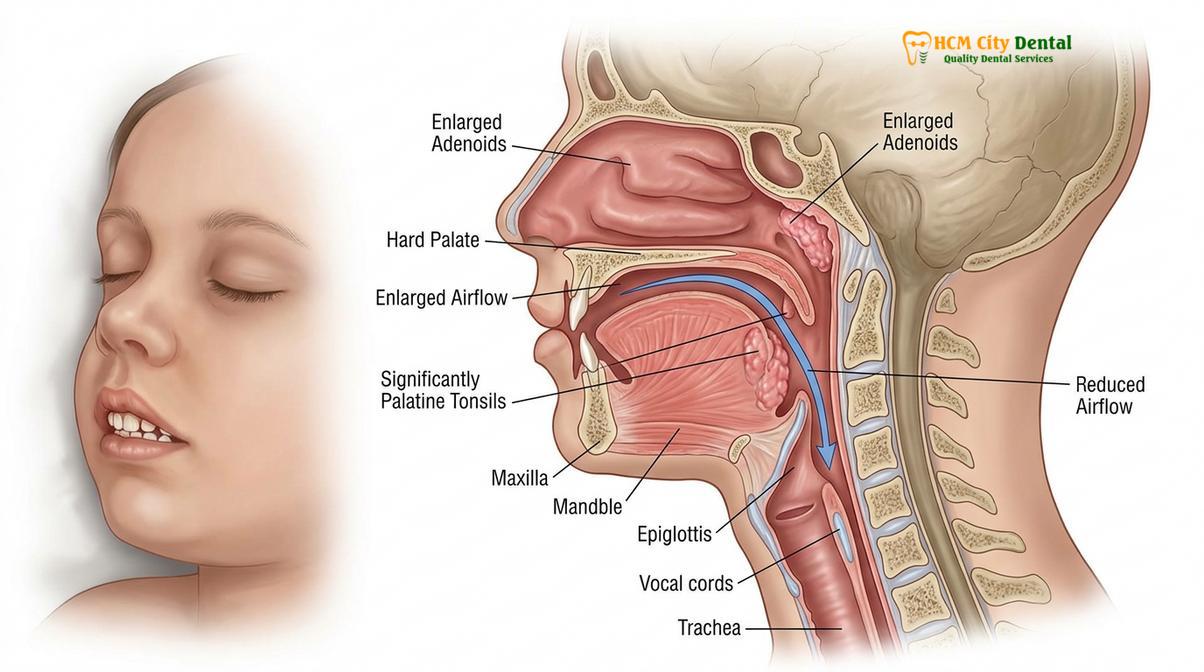
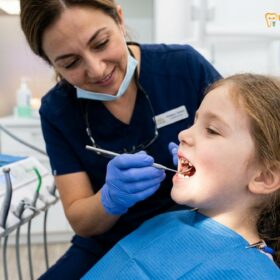
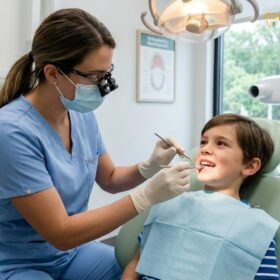
During a clinical evaluation, pediatric dentists look for signs of “adenoid facies,” also known as long-face syndrome. Children who chronically breathe through their mouths due to nasal obstruction often develop a specific craniofacial growth pattern. This includes a lengthened face, a high and narrow palatal vault, a retruded lower jaw, and a gummy smile. Because the tongue rests in the floor of the mouth rather than against the roof of the palate, the upper jaw fails to develop its proper width, exacerbating the airway constriction [2].
Symptoms: Bedwetting, Night Sweats, ADHD-Like Behavior
Children with sleep-disordered breathing frequently exhibit secondary symptoms such as secondary enuresis, excessive nighttime sweating, and daytime hyperactivity that mimics ADHD.
The systemic impact of pediatric obstructive sleep apnea extends far beyond the respiratory system. When a child experiences an apneic event (a pause in breathing), their blood oxygen levels drop. The brain senses this hypoxia and triggers a “fight or flight” sympathetic nervous system response to force the child to wake up and breathe. This constant state of physiological stress throughout the night manifests in several distinct obstructive sleep apnea children signs [3].
Secondary Enuresis (Bedwetting): The sudden increase in intrathoracic pressure during a struggle to breathe, combined with the release of atrial natriuretic peptide (a hormone that increases urine production) due to cardiac strain, frequently leads to bedwetting in children who were previously potty-trained.
Night Sweats and Restless Sleep: The sheer physical effort required to breathe through an obstructed airway is exhausting. Children with sleep apnea often sweat profusely during the night and sleep in unusual positions—such as hyper-extending their necks backward or propping themselves up on pillows—in a subconscious attempt to open their airway.
“The cognitive and behavioral consequences of fragmented sleep in children are profound. The prefrontal cortex, responsible for executive function and impulse control, is highly sensitive to sleep deprivation, leading to symptoms that are virtually indistinguishable from Attention Deficit Hyperactivity Disorder (ADHD).”
During the day, these children do not typically present as lethargic. Instead, they become hyperactive, impulsive, and emotionally volatile. They may struggle with academic performance and social interactions. Clinical consensus suggests that before initiating pharmacological treatment for ADHD, a comprehensive sleep and airway evaluation should be conducted to rule out sleep-disordered breathing.
Dental Signs: Tooth Grinding (Bruxism) & Narrow Arches
Dental professionals often detect sleep apnea through oral signs like severe tooth wear from nighttime grinding, high-vaulted palates, and narrow dental arches.
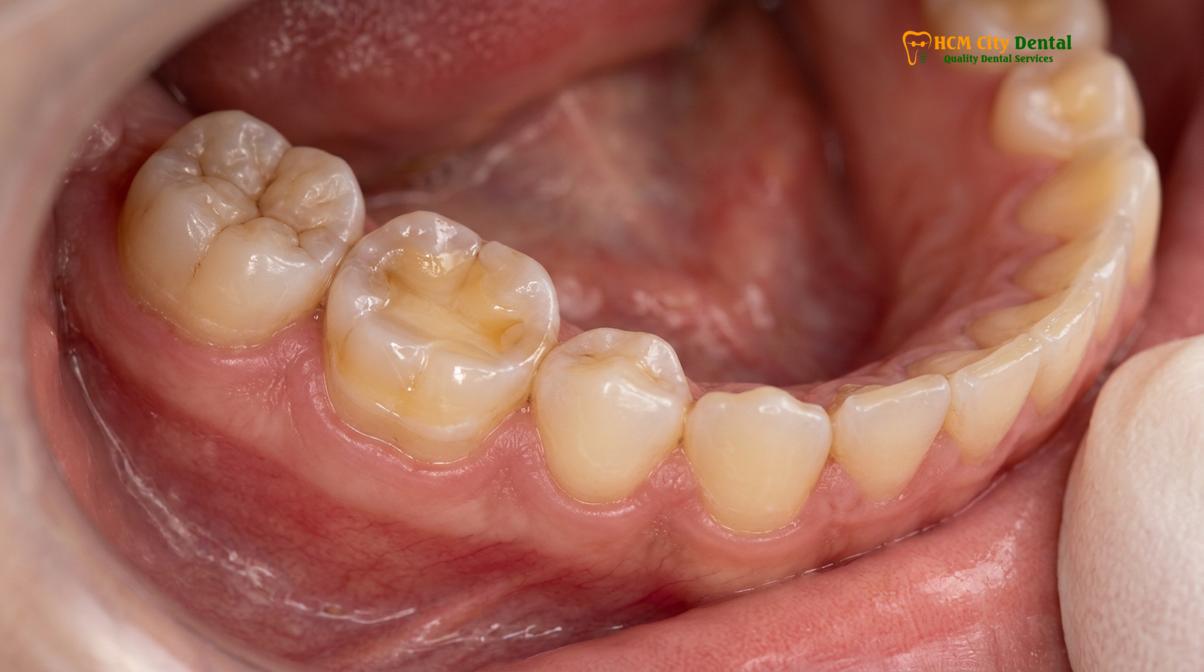
The oral cavity provides critical diagnostic clues regarding a child’s airway health. One of the most prominent indicators is child mouth grinding sleep, clinically known as sleep bruxism. While mild grinding can be a normal part of primary tooth exfoliation, severe and destructive grinding is often a compensatory mechanism for an obstructed airway [4].
When the airway collapses during sleep, the brain signals the jaw muscles to contract. By grinding the teeth and thrusting the mandible (lower jaw) forward, the child temporarily pulls the tongue base away from the back of the throat, opening the airway. Over time, this results in flattened, worn-down primary molars and exposed dentin, which requires restorative intervention.
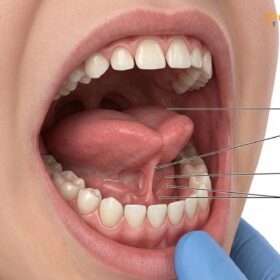
Furthermore, the presence of a tongue-tie (ankyloglossia) is closely linked to both narrow dental arches and sleep apnea. A restricted tongue cannot rest properly against the palate to stimulate lateral jaw growth. At HCMC Dental Clinic, tongue-ties are treated painlessly using advanced diode laser frenectomies, which release the restriction with minimal bleeding and rapid healing.
Clinical Case Study: Airway Orthodontics
A 6-year-old patient presented to HCMC Dental Clinic in Ho Chi Minh City with severe nighttime bruxism, chronic mouth breathing, and frequent bedwetting. Upon examination, Dr. Nguyen Van Cuong identified a severe posterior crossbite, a high-vaulted palate, and a restrictive tongue-tie. Dr. Cuong performed a diode laser frenectomy and initiated early interceptive orthodontics using a rapid palatal expander. Within four months of expanding the maxillary arch, the child’s nasal breathing improved dramatically, the bruxism ceased, and the bedwetting resolved completely, highlighting the profound connection between dental anatomy and sleep quality.
Addressing these structural deficiencies early is the cornerstone of pediatric interceptive orthodontics. By guiding craniofacial growth while the child’s bone sutures are still malleable, pediatric dentists can prevent the long-term complications of airway restriction.
When to Recommend a Pediatric Sleep Study
A polysomnogram is recommended when a child exhibits persistent snoring, witnessed breathing pauses, or severe daytime behavioral issues linked to poor sleep quality.
If a clinical examination reveals signs of toddler snoring adenoids or craniofacial abnormalities, the next diagnostic step is often a formal pediatric sleep study, known as a polysomnogram (PSG). This overnight test is the gold standard for diagnosing the presence and severity of obstructive sleep apnea [5].
During the study, the child sleeps in a specialized lab while non-invasive sensors monitor multiple physiological parameters. These include an Electroencephalogram (EEG) to track sleep stages and brain wave activity, an Electrocardiogram (EKG) to monitor heart rate and rhythm, pulse oximetry to measure blood oxygen saturation, and respiratory bands to measure chest and abdominal effort.
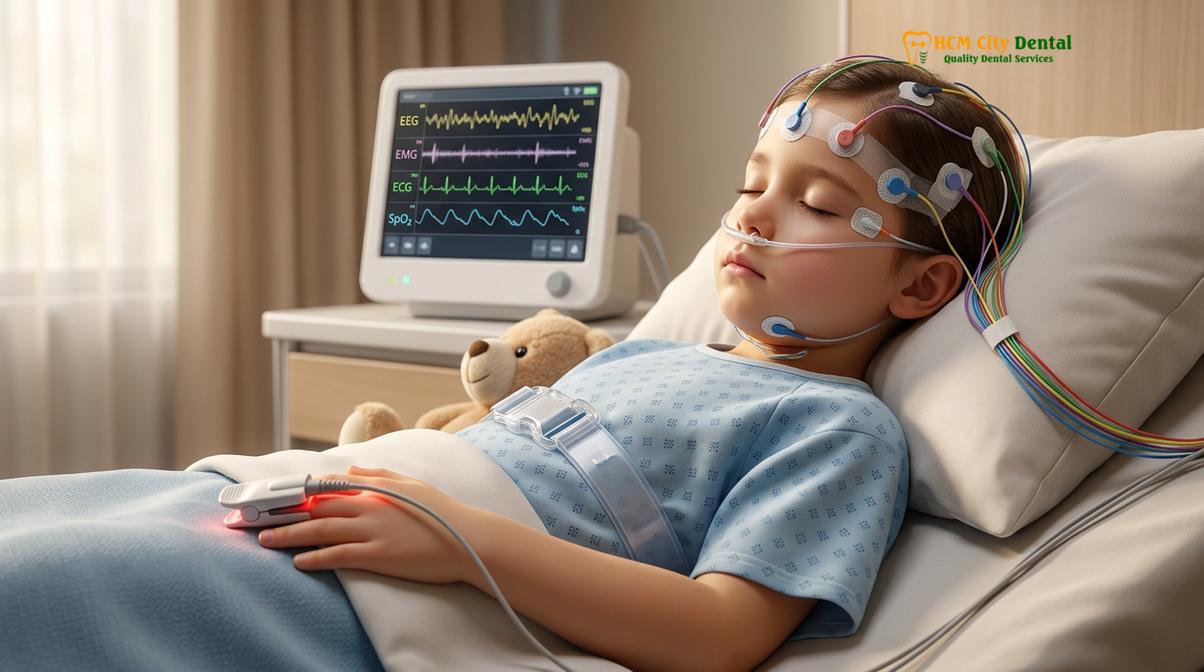
The data collected allows sleep medicine physicians to calculate the Apnea-Hypopnea Index (AHI), which quantifies the number of breathing disruptions per hour. In adults, an AHI of under 5 is considered normal. However, pediatric diagnostic criteria are much stricter; an AHI of greater than 1 in a child is often considered diagnostic for mild sleep apnea, reflecting the severe impact that even minor oxygen desaturations have on a developing brain.
Clinical Warning:
Do not ignore chronic snoring, gasping, or witnessed breathing pauses in toddlers and young children. Untreated pediatric sleep apnea can lead to severe cardiovascular strain, pulmonary hypertension, stunted physical growth (failure to thrive), and irreversible alterations in craniofacial development.
Oral Appliance Therapy vs. CPAP for Kids
While CPAP provides immediate airway support, oral appliance therapy offers a structural solution by expanding the palate and correcting jaw development in growing children.
The treatment workflow for pediatric sleep apnea depends heavily on the underlying cause. If adenotonsillar hypertrophy is the primary culprit, an ENT referral for an adenotonsillectomy is often the first line of treatment. However, if the root cause involves a narrow maxilla or a retruded mandible, dental interventions are highly effective.
Continuous Positive Airway Pressure (CPAP) therapy is sometimes prescribed for children with severe OSA. A CPAP machine delivers a constant stream of pressurized air through a mask, acting as a pneumatic splint to keep the airway open. While effective at managing symptoms, CPAP compliance in children is notoriously low due to mask discomfort, skin irritation, and the psychological burden of wearing a machine to bed.
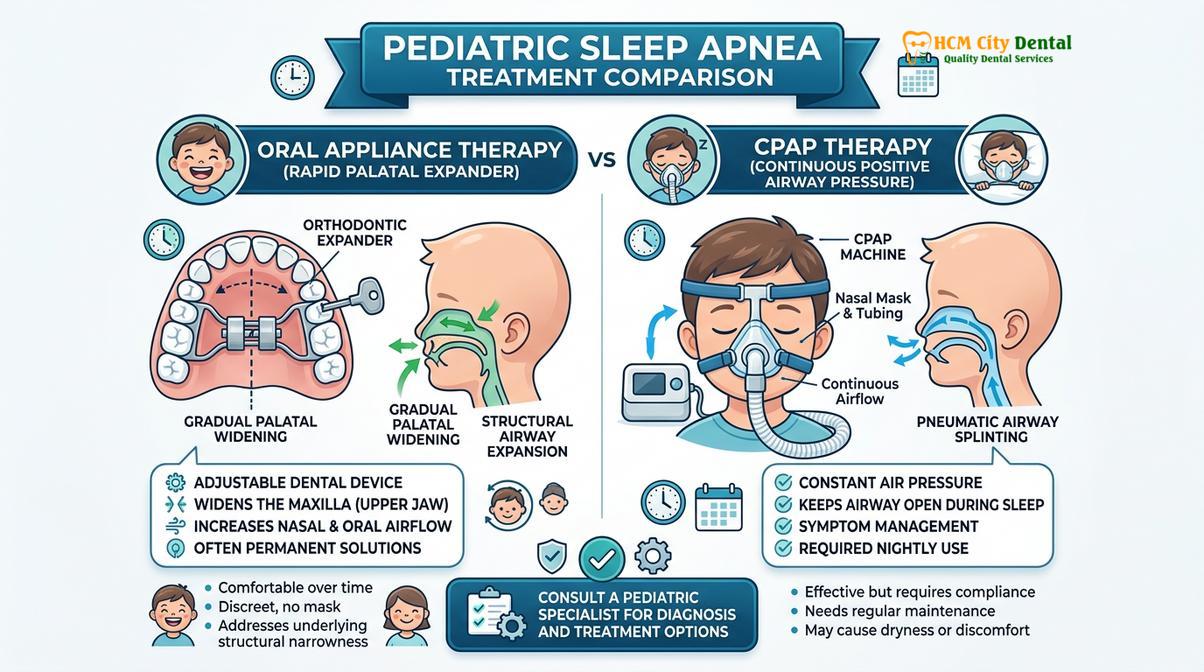
Conversely, Oral Appliance Therapy—specifically Rapid Maxillary Expansion (RME)—addresses the anatomical root cause. By utilizing a custom-fitted appliance to gently widen the upper jaw, the floor of the nasal cavity is simultaneously expanded. This decreases nasal airway resistance and provides more room for the tongue to rest anteriorly, preventing it from collapsing into the throat. For expatriate families seeking comprehensive care, exploring braces for expat children often begins with this critical phase of airway expansion.
| Feature | Oral Appliance Therapy (Expander) | CPAP Therapy |
|---|---|---|
| Mechanism of Action | Structurally widens the maxilla and nasal cavity. | Provides continuous air pressure to stent the airway open. |
| Patient Compliance | High (appliance is fixed in the mouth). | Low to Moderate (requires wearing a mask nightly). |
| Long-Term Benefit | Permanent structural improvement in airway volume. | Symptom management only; symptoms return if stopped. |
| Primary Indication | Narrow dental arches, crossbites, high palatal vault. | Severe OSA, post-surgical residual apnea, craniofacial syndromes. |
Pediatric Dentistry Clinical Protocols & Pricing
Comprehensive pediatric dental care combines advanced behavior management, biocompatible restorative materials, and transparent pricing to ensure a stress-free clinical experience.
Treating children requires a fundamentally different approach than treating adults. The anatomy of primary teeth dictates specific material choices. Primary teeth have thinner enamel and larger pulp chambers, meaning decay progresses rapidly to the nerve. To manage this, pediatric dentists utilize specialized protocols to ensure patient comfort and clinical success.
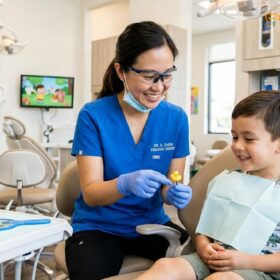
Behavioral Management: We employ the “Tell-Show-Do behavioral management” technique to alleviate dental anxiety. First, we Tell the child what will happen using non-threatening language (e.g., calling the suction a “water vacuum”). Next, we Show them the instrument on their finger so they understand how it feels. Finally, we Do the procedure, utilizing a “stop on request” protocol where the child can raise their hand to pause treatment instantly. For highly anxious children, conscious sedation (nitrous oxide) or general anesthesia may be discussed.
“The choice of restorative material in pediatric dentistry is critical. As Dr. Cuong emphasizes, we prioritize fluoride-releasing Glass Ionomer Cement (GIC) for primary teeth due to its chemical bonding and moisture tolerance, which is essential when treating young, uncooperative patients. Its ability to recharge fluoride from toothpaste provides ongoing protection against recurrent decay.”
Advanced Materials: For non-invasive cavity management, we offer Silver Diamine Fluoride (SDF). This liquid is painted onto the cavity to arrest decay without drilling or local anesthesia, though it does leave a localized black stain on the decayed portion. When restorations are necessary, Glass Ionomer Fillings (GIC) are preferred for baby teeth, while Composite resin is utilized for permanent teeth where higher strength and perfect aesthetics are required. If decay reaches the nerve, a Baby Root Canal (Pulpotomy) is performed, often followed by a stainless steel or zirconia crown. If a baby tooth is lost prematurely, a fixed band-and-loop Space Maintainer is placed to prevent orthodontic crowding.
To support families in accessing high-quality Children & Pediatric Dentistry, we maintain a transparent pricing structure. According to the latest clinic fee schedule, estimated costs are as follows:
- Kids Consultation & Diagnostic check-up: 300,000 to 500,000 VND (~$12 to $20 USD) (Walk-in: 500,000 to 800,000 VND).
- Fissure Sealant (per tooth): 400,000 to 600,000 VND (~$16 to $24 USD) (Walk-in: 700,000 to 1,000,000 VND).
- Fluoride Varnish Application: 300,000 to 500,000 VND (~$12 to $20 USD) (Walk-in: 500,000 to 800,000 VND).
- Pediatric Composite Filling (per tooth): 500,000 to 800,000 VND (~$20 to $32 USD) (Walk-in: 800,000 to 1,300,000 VND).
- Pediatric Glass Ionomer Filling (GIC, fluoride-releasing, per tooth): 400,000 to 600,000 VND (~$16 to $24 USD) (Walk-in: 700,000 to 1,000,000 VND).
- Baby Root Canal (Pulpotomy, per tooth): 1,000,000 to 1,500,000 VND (~$40 to $60 USD) (Walk-in: 1,600,000 to 2,500,000 VND).
- Space Maintainer (fixed, band-and-loop, per unit): 2,000,000 to 3,000,000 VND (~$80 to $120 USD) (Walk-in: 3,300,000 to 5,000,000 VND).
- Custom Pediatric Sports Mouthguard: 1,500,000 to 2,500,000 VND (~$60 to $100 USD) (Walk-in: 2,500,000 to 3,500,000 VND).
Note: Patients booking in advance via WhatsApp are eligible for a -40% discount on the walk-in rates listed above.
When to See a Doctor
Recognizing the early signs of airway compromise can profoundly impact a child’s developmental trajectory. You should schedule a clinical evaluation if your child exhibits chronic snoring, pauses in breathing during sleep, severe nighttime tooth grinding, or unexplained daytime hyperactivity and behavioral issues. Additionally, chronic mouth breathing and a high-vaulted palate are strong indicators that an orthodontic airway assessment is necessary.
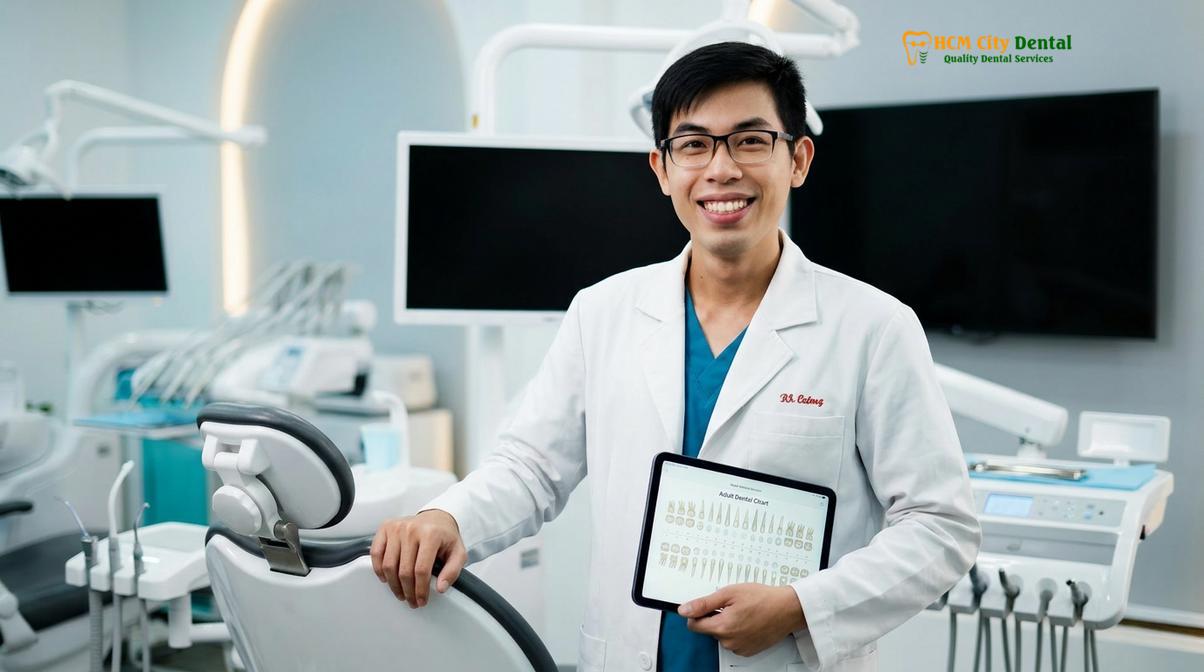
Determining the best age for kids first orthodontic evaluation is crucial; the American Association of Orthodontists recommends an initial screening by age 7, though airway issues should be evaluated as soon as symptoms appear. For personalized diagnostic advice and comprehensive pediatric care, contact HCMC Dental Clinic in Ho Chi Minh City to schedule a consultation with our specialized pediatric team.
Frequently Asked Questions
Why is snoring in children considered a health concern?
Snoring in children is a primary sign of upper airway resistance and is never considered normal. It often indicates enlarged adenoids or tonsils, which can lead to obstructive sleep apnea, fragmented sleep, and subsequent developmental or cardiovascular complications. Chronic snoring requires a thorough clinical airway evaluation.
How does tooth grinding relate to sleep apnea in kids?
Tooth grinding (bruxism) in children is frequently a subconscious physiological response to an obstructed airway. By grinding their teeth and thrusting the lower jaw forward, children attempt to open their collapsed airway to restore normal breathing during sleep. Severe wear on primary teeth is a key diagnostic marker.
What happens during a pediatric sleep study?
During a pediatric sleep study (polysomnogram), non-invasive sensors are placed on the child’s body to monitor brain waves, heart rate, blood oxygen levels, and respiratory effort. This overnight test accurately diagnoses sleep apnea and other sleep-disordered breathing conditions by calculating the Apnea-Hypopnea Index (AHI).
Can early orthodontic treatment cure pediatric sleep apnea?
Early interceptive orthodontics, such as rapid palatal expansion, can significantly improve or resolve pediatric sleep apnea by physically widening the upper jaw. This increases the volume of the nasal cavity and airway, reducing airflow resistance during sleep and promoting healthy craniofacial development.
Is a pediatric sleep study painful for a toddler?
A pediatric sleep study is completely painless. The procedure involves attaching surface electrodes and sensors to the skin using a mild adhesive paste. Sleep technicians are specially trained to make the environment comfortable and child-friendly to ensure accurate monitoring without causing distress to the child.
References
- American Academy of Pediatric Dentistry. Policy on Obstructive Sleep Apnea. (2022).
- Journal of Clinical Sleep Medicine. Pediatric Polysomnography Guidelines. (2021).
- International Journal of Pediatric Otorhinolaryngology. Adenotonsillar Hypertrophy and Sleep. (2020).
- American Journal of Orthodontics and Dentofacial Orthopedics. Maxillary Expansion and Airway Volume. (2019).
- Journal of Dentistry for Children. Bruxism and Sleep-Disordered Breathing in Pediatrics. (2023).