Understanding the clinical timeline of preventive dental care is essential for patients seeking to maintain optimal oral health. A standard dental cleaning generally takes between 30 to 45 minutes for patients with healthy gums and minimal plaque accumulation. However, the duration of this vital procedure is highly variable. If you present with heavy tartar buildup, require deep subgingival scaling, or opt for advanced prophylactic protocols such as Guided Biofilm Therapy, the appointment can easily extend to 60 minutes or longer to ensure thorough and safe debridement.
The question of appointment length is not merely a matter of scheduling convenience; it is directly tied to clinical efficacy. Rushing a prophylaxis session compromises the removal of pathogenic bacteria, which can lead to the silent progression of periodontal disease. By exploring the different types of cleaning sessions, the technologies involved, and the biological rationale behind extended appointment times, patients can better appreciate the meticulous care required to preserve their natural dentition.
Clinical Summary:
The duration of a professional dental cleaning depends heavily on the patient’s periodontal health, the volume of subgingival calculus, and the specific clinical protocol utilized. While routine prophylaxis averages 30 to 45 minutes, comprehensive treatments like Guided Biofilm Therapy (GBT) or Scaling and Root Planing (SRP) require 60 to 90 minutes. Modern clinics utilize dual ultrasonic scaler technologies—piezoelectric and magnetostrictive—to optimize both efficiency and patient comfort, aiming for the thorough eradication of plaque-induced gingivitis while preserving enamel integrity and promoting long-term periodontal stability.
Key Takeaways:
- Routine dental cleanings typically require 30 to 45 minutes to complete for healthy patients with minimal calculus.
- Heavy tartar buildup, active gingivitis, or heavy extrinsic staining can extend the session to 60 minutes or more.
- Deep cleaning (Scaling and Root Planing) is often staged across multiple 45-minute quadrant sessions to ensure patient comfort and clinical thoroughness.
- Advanced Guided Biofilm Therapy (GBT) utilizes low-abrasive erythritol powder for comprehensive, minimally invasive plaque removal.
- Express 15-minute cleanings often skip critical subgingival debridement and polishing steps, posing significant risks to long-term periodontal health.
Standard Session (30-45min)
A routine prophylaxis appointment lasts 30 to 45 minutes, focusing on supragingival plaque removal, ultrasonic scaling, and final polishing for patients maintaining optimal oral hygiene.
For individuals who adhere to a strict home care regimen—brushing twice daily and flossing regularly—and attend their biannual recall appointments, a standard dental cleaning is a straightforward and highly efficient process. The primary clinical objective of this 30 to 45-minute session is to remove soft plaque biofilm and hardened calculus (tartar) that have accumulated above the gumline. By eliminating these bacterial reservoirs, the clinician helps to prevent the onset of plaque-induced gingivitis and subsequent periodontal attachment loss.
The clinical workflow of a standard session begins with a comprehensive visual and tactile examination. The dental hygienist or dentist evaluates the oral cavity for signs of mucosal inflammation, active dental caries, or structural abnormalities. Following this initial assessment, the active cleaning phase commences. Clinical studies comparing modern ultrasonic scaling to traditional hand instrumentation demonstrate that ultrasonic devices significantly reduce the time required for full-mouth debridement while maintaining exceptionally high clinical efficacy[2].
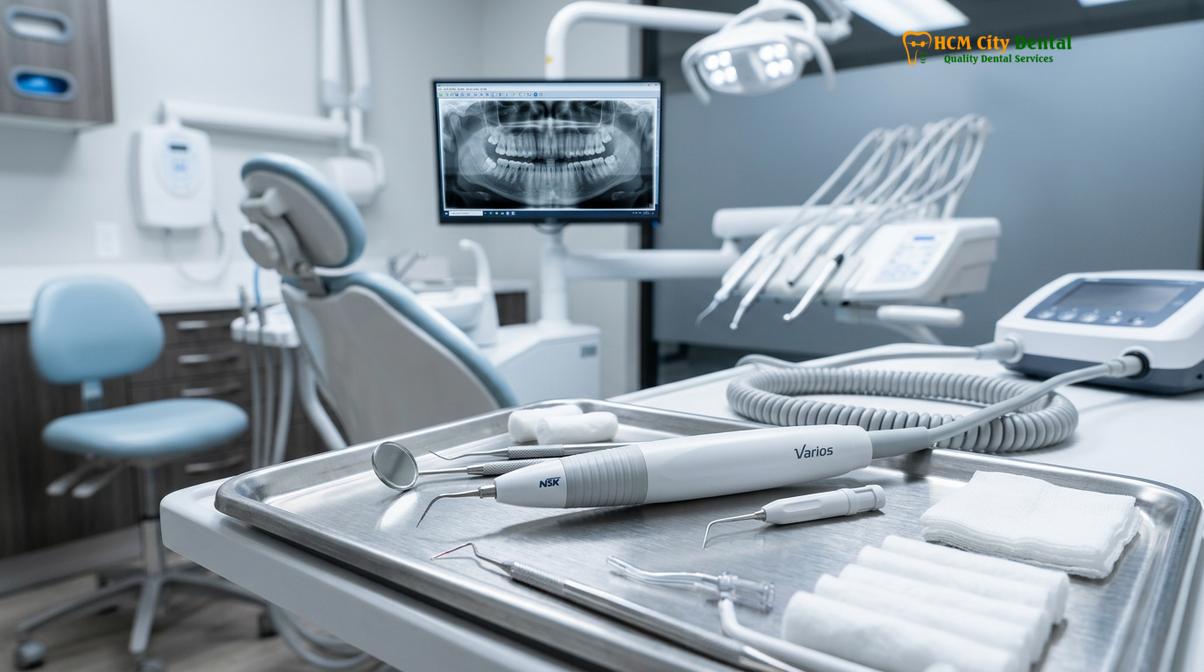
This modern approach involves the strategic use of distinct ultrasonic technologies, which have revolutionized preventive dentistry:
- Piezoelectric Scalers: These advanced devices utilize a linear back-and-forth motion and generate lower heat compared to older models. Operating at high frequencies, piezoelectric scaling is generally gentler on the tooth structure. It is often the preferred modality for patients with sensitive teeth, pediatric patients, and those undergoing active orthodontic treatment, as it minimizes dentin hypersensitivity during the procedure.
- Magnetostrictive Scalers: These instruments utilize an elliptical motion, vibrating all sides of the metal tip simultaneously. This multi-directional cavitation effect—where microscopic bubbles implode in the water coolant—is highly efficient for breaking down heavy calculus bridges and flushing out the gingival sulcus.
Following the ultrasonic scaling phase, the clinician meticulously uses hand instruments, such as specialized curettes and sickle scalers, for fine detailing. This manual instrumentation ensures that no residual microscopic deposits remain in the tight interproximal spaces between the teeth. The session then concludes with a thorough polishing phase. Using a low-abrasive prophy paste and a rotating rubber cup, the clinician removes extrinsic stains caused by coffee, tea, or tobacco. Finally, the teeth are flossed to verify smooth interproximal contacts, and, if clinically indicated, a fluoride varnish is applied to promote enamel remineralization and reduce future caries risk.
When It Extends to 60+ min
Appointments exceeding 60 minutes are necessary for patients with significant tartar accumulation, active gingivitis, or those undergoing the comprehensive 8-step Guided Biofilm Therapy protocol.
It is a clinical reality that not all dental cleanings fit neatly into a standard 30-minute window. When a patient presents with heavy subgingival calculus, widespread gingival bleeding (bleeding on probing), or severe extrinsic staining, the dental cleaning appointment length must be extended. This extension is crucial to ensure both clinical efficacy and patient safety. Rushing through a heavily calcified dentition compromises the treatment outcome, often leaving pathogenic bacteria trapped within the periodontal pocket, which can exacerbate localized inflammation.
One of the primary reasons a cleaning extends to 60 minutes or more is the implementation of advanced prophylactic protocols. At leading facilities like HCMC Dental Clinic in Ho Chi Minh City, the premium Guided Biofilm Therapy (GBT) protocol is frequently utilized. This modern approach revolutionizes traditional scaling by prioritizing biofilm visualization and minimally invasive removal, which has been shown to yield superior clinical efficacy in managing periodontal pockets and peri-implant mucositis[1].
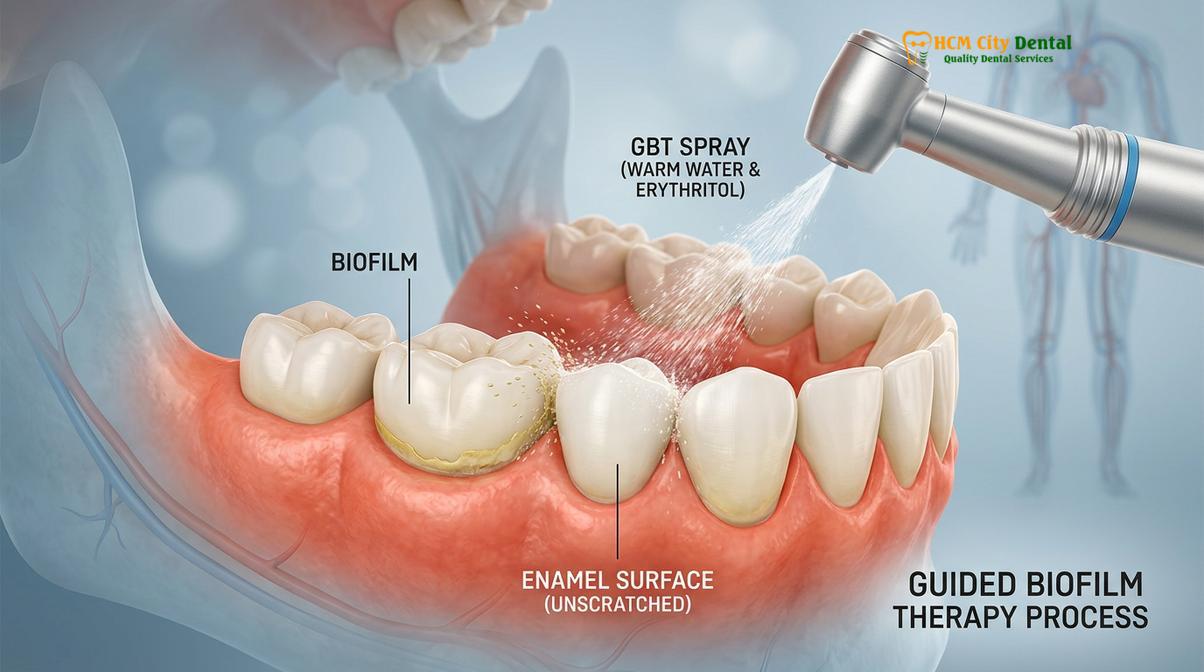
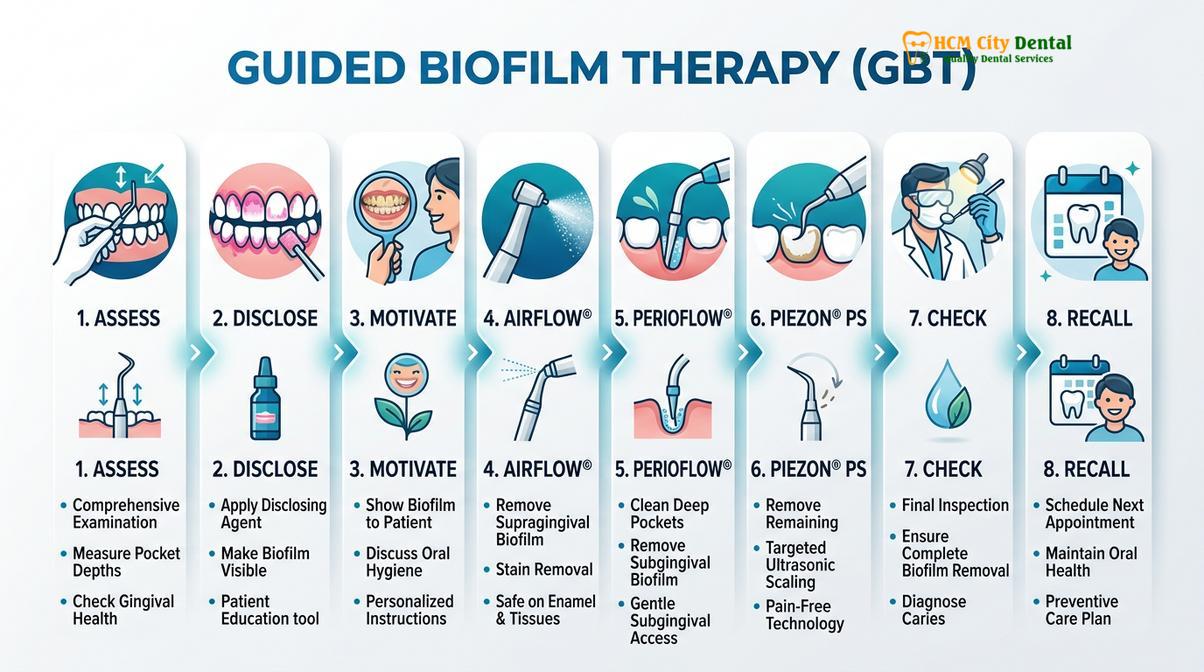
The GBT protocol is a highly systematic, 8-step clinical workflow that demands a dedicated time block to execute properly:
- Assessment: Comprehensive periodontal probing and evaluating clinical conditions, including screening for caries and gingival health.
- Disclose: Applying a specialized two-tone dye to make invisible plaque biofilm visible. This step guides the clinician’s instrumentation and serves as a powerful educational tool for the patient.
- Motivate: Providing personalized oral hygiene instructions based on the specific disclosed biofilm patterns observed in the patient’s mouth.
- AirFlow: Utilizing a precise mixture of warm water and low-abrasive erythritol powder to remove biofilm, stains, and early calculus. Research confirms the safety and efficacy of erythritol air-polishing powder for subgingival use, noting that its ultra-fine 14-micron particle size cleans without scratching the delicate root cementum or restorative materials[4].
- PerioFlow: For deeper periodontal pockets (typically 4mm to 9mm), a specialized flexible nozzle gently eradicates subgingival biofilm without the need for aggressive scraping.
- Piezon: Targeted use of the piezoelectric scaler only on remaining hard calculus. Because the biofilm has already been removed, this step minimizes unnecessary instrumentation on clean enamel, preserving tooth structure.
- Check: Final verification to ensure all deposits are completely removed and that no hidden caries were missed during the initial assessment.
- Recall: Scheduling the next periodontal maintenance visit based on the patient’s individualized risk profile.
“The integration of erythritol-based air polishing in the GBT protocol has fundamentally shifted our approach to periodontal maintenance. It allows for the complete eradication of subgingival biofilm with unprecedented patient comfort, though it naturally requires a dedicated 60-minute clinical block to execute perfectly without rushing the critical disclosure and motivation phases.”
Because GBT is highly meticulous and patient-centric, the scaling session duration allocated for this premium service is inherently longer than standard prophylaxis. However, this investment in time translates directly to superior clinical outcomes, particularly for patients with complex restorative work, dental implants, or severe dentin hypersensitivity who cannot tolerate traditional aggressive scaling.
Deep Cleaning Staging
Deep cleaning, or Scaling and Root Planing (SRP), treats periodontal pockets deeper than 4mm and is typically staged into multiple 45-to-60-minute appointments per quadrant.
When a patient is diagnosed with periodontitis—a chronic inflammatory disease characterized by alveolar bone loss and periodontal pocket depths exceeding 4 millimeters—a standard prophylaxis is clinically insufficient. In these advanced cases, a therapeutic procedure known as Scaling and Root Planing (SRP) is mandated. Because SRP is a meticulous, subgingival procedure that often requires local anesthesia to ensure patient comfort, established clinical protocols dictate that it is rarely completed in a single, full-mouth visit[3].
The staging of deep cleaning is carefully planned based on the severity of the periodontal disease, the volume of calculus, and the patient’s tolerance for dental procedures. Typically, the mouth is divided into four anatomical quadrants (upper right, upper left, lower right, lower left). A clinician may choose to treat one quadrant per 45-minute session, or half the mouth (two quadrants on the same side) in a comprehensive 60-to-90-minute appointment. This strategic staging ensures that the clinician can thoroughly debride the complex root anatomy without inducing excessive patient fatigue or exceeding safe pharmacological limits for local anesthetics.
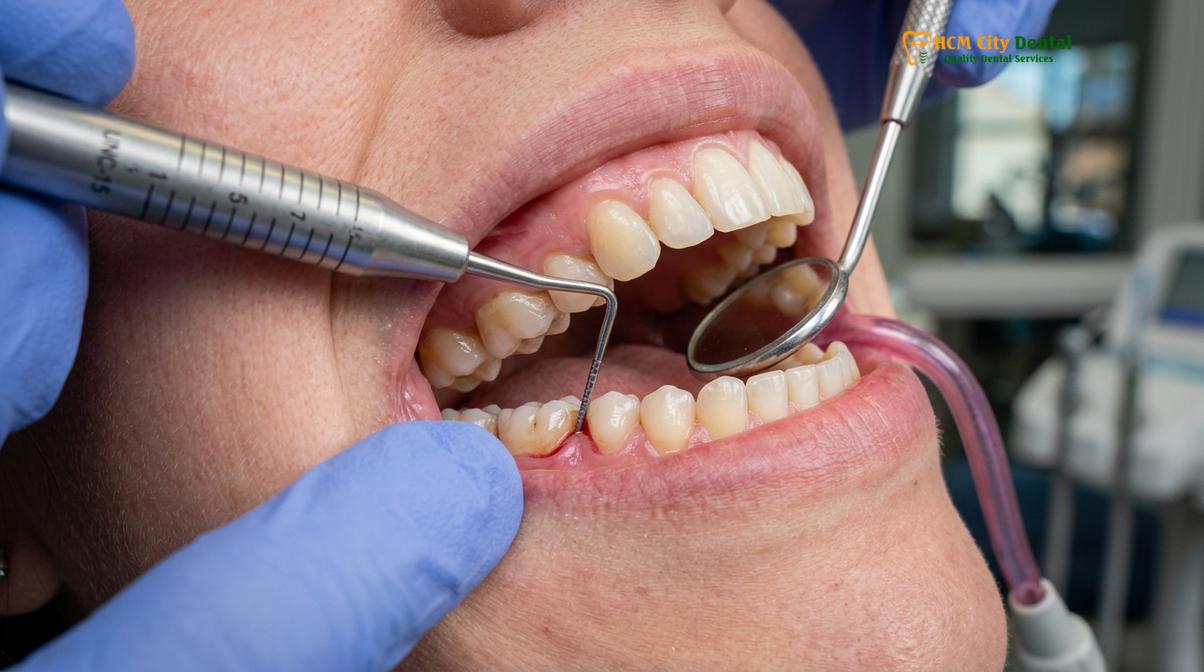
During an SRP session, the clinician uses specialized Gracey curettes and ultrasonic scalers equipped with thin, periodontal tips to reach deep beneath the gumline. The clinical goal is twofold: first, to meticulously remove the hardened subgingival calculus that harbors pathogenic anaerobic bacteria; second, to smooth (plane) the root surfaces. A smooth, glass-like root surface prevents bacteria from easily re-adhering and provides a biologically acceptable environment for the gingival tissues to heal and reattach, thereby reducing the periodontal pocket depth over time.
Clinical Case Review: Full Mouth Debridement
A 45-year-old patient visited HCMC Dental Clinic in Ho Chi Minh City presenting with severe, generalized calculus bridges that obscured the clinical crowns, preventing an accurate initial periodontal examination. Due to the sheer volume of tartar and associated gingival hyperplasia, a Full Mouth Debridement was scheduled. The initial session required 75 minutes using magnetostrictive ultrasonic scaling primarily to fracture the heavy supragingival deposits. A subsequent 45-minute appointment was necessary two weeks later for fine subgingival scaling and root planing once the severe gingival inflammation and bleeding had subsided. This staged, methodical approach ensured optimal tissue healing, accurate pocket depth measurement, and maximum patient comfort.
Comparison of Cleaning Timelines
Understanding the differences between standard prophylaxis, Guided Biofilm Therapy, and Scaling and Root Planing helps patients anticipate their time in the dental chair.
To provide clarity on what to expect during your visit, the following table outlines the average durations, clinical indications, and key procedures involved in the three primary types of professional dental cleanings. Selecting the appropriate tier of care is a clinical decision made by your dentist based on your specific periodontal diagnosis.
| Type of Cleaning | Average Duration | Clinical Indications | Key Procedures Involved |
|---|---|---|---|
| Standard Prophylaxis | 30 – 45 Minutes | Healthy gums, minimal plaque, routine 6-month recall. | Supragingival ultrasonic scaling, hand instrumentation, polishing, flossing. |
| Guided Biofilm Therapy (GBT) | 45 – 60 Minutes | Heavy staining, orthodontic patients, implant maintenance, sensitive teeth. | Plaque disclosing, erythritol air-polishing (AirFlow), targeted Piezon scaling. |
| Scaling & Root Planing (SRP) | 45 – 60 Min / Quadrant | Active periodontitis, pocket depths >4mm, subgingival calculus, bone loss. | Local anesthesia, deep subgingival debridement, root surface smoothing. |
It is important to note that these timelines are averages. A patient with exceptional oral hygiene might complete a standard prophylaxis in 25 minutes, while a patient requiring SRP on all four quadrants may need up to four separate 45-minute visits to achieve clinical stability.
How to Prepare
Preparing for your dental cleaning involves updating your medical history, pre-medicating if required by your cardiologist, and maintaining your regular brushing routine prior to the visit.
To ensure that your professional dental cleaning proceeds smoothly and efficiently, proper patient preparation is essential. While a cleaning is generally considered a routine, non-invasive procedure, certain systemic medical conditions dictate specific pre-operative protocols that can significantly impact the overall clinical workflow and appointment duration.
First and foremost, always provide an updated and accurate medical history upon arrival. Patients with specific cardiovascular conditions, a history of infective endocarditis, or recent artificial joint replacements may require antibiotic prophylaxis prior to any dental instrumentation that could induce transient bacteremia. If you are taking anticoagulant medications (blood thinners) or immunosuppressants, you must inform your clinician immediately, as this will influence the approach to subgingival scaling to safely manage bleeding and prevent post-operative complications.
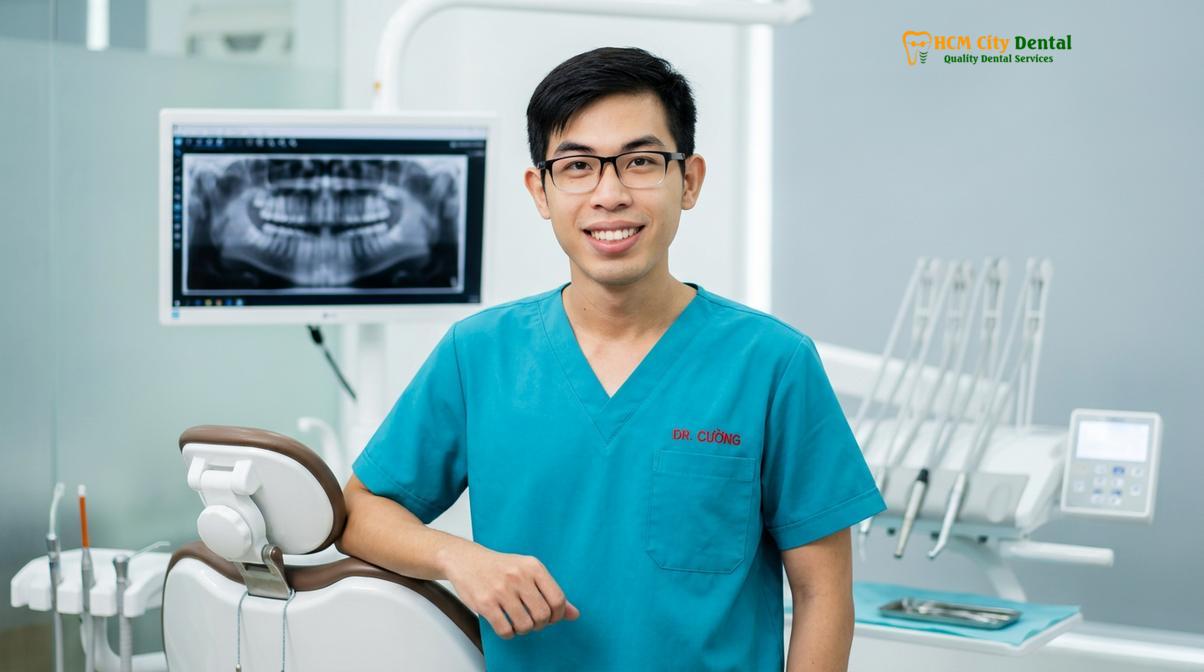
Dr. Nguyen Van Cuong, a leading periodontal specialist, emphasizes that patient communication is just as critical as clinical technique when preparing for a successful hygiene appointment. He notes that understanding a patient’s specific dental anxieties or dentin sensitivities allows the clinical team to proactively adjust water coolant temperatures and ultrasonic scaler frequencies accordingly. This highly personalized approach ensures a comfortable, stress-free experience without ever compromising the thoroughness of the bacterial debridement.
Second, maintain your normal oral hygiene routine on the day of your appointment. Brushing and flossing thoroughly before you arrive removes loose food debris and superficial plaque. This allows the dental hygienist to immediately focus their clinical time and energy on the hardened calculus and stubborn, mature biofilm, thereby optimizing the clinical time spent in the chair and ensuring a more productive session.
Why Express Cleanings Skip Steps
Ultra-short 15-minute cleanings inevitably compromise clinical quality by skipping essential subgingival scaling, thorough polishing, and comprehensive periodontal evaluations.
In today’s fast-paced, high-volume environment, some facilities advertise “express” cleanings completed in 15 to 20 minutes. However, from a strict clinical perspective, it is biologically and physically impossible to perform a comprehensive, standard-of-care prophylaxis in such a condensed timeframe without skipping critical diagnostic and therapeutic steps.
Clinical Warning: The Risks of Express Cleanings
Opting for ultra-short dental cleanings poses a significant risk to your periodontal health. When clinicians are forced to rush, they often fail to remove subgingival calculus entirely. This leaves a porous reservoir of bacteria beneath the gumline, which continues to trigger chronic inflammation, bone loss, and eventual tooth mobility, even if the visible portions of the teeth appear clean and polished.
Proper ultrasonic scaling relies heavily on the cavitation effect—the formation and rapid implosion of microscopic bubbles in the water coolant—to disrupt bacterial cell walls and flush out the periodontal pocket. This delicate process requires a deliberate, methodical sweeping motion across every millimeter of every tooth surface. It cannot be rushed without losing efficacy.
“Rushing a scaling session often leads to burnished calculus, where the outer layer of tartar is merely smoothed over rather than completely fractured off the root. This leaves highly pathogenic bacteria embedded in the root surface, allowing periodontal disease to progress silently and aggressively beneath the gumline, completely unnoticed by the patient.”
Furthermore, a proper cleaning appointment is not just about scaling away tartar. It encompasses a thorough periodontal probing to measure pocket depths, an oral cancer screening to check for mucosal abnormalities, flossing to verify the integrity of interproximal contacts, and a final polish to smooth the enamel, making it significantly harder for new plaque to adhere. When an appointment is artificially compressed into 15 minutes, these vital diagnostic and preventive steps are inevitably the first to be discarded, doing a disservice to the patient’s long-term health.
When to See a Doctor
Recognizing the early warning signs of periodontal disease, such as persistent bleeding or halitosis, is crucial for seeking timely professional intervention before irreversible bone loss occurs.
While regular six-month recall intervals are the standard recommendation for healthy individuals to maintain optimal clinical outcomes[5], certain clinical signs indicate that you should seek a periodontal evaluation and professional cleaning much sooner. The Vietnam Ministry of Health (MOH) guidelines on preventive dentistry strongly emphasize the importance of early detection and proactive intervention in managing periodontal conditions to prevent tooth loss[6]. You should schedule an appointment promptly if you experience any of the following symptoms:
- Persistent Bleeding: Gums that bleed easily during normal brushing, flossing, or eating are a primary indicator of active gingival inflammation and bacterial infection. Healthy gums do not bleed.
- Halitosis: Chronic bad breath or a persistent bad taste in the mouth can signal deep subgingival bacterial infections that cannot be reached by at-home brushing or mouthwash.
- Gingival Recession: Teeth appearing longer than usual or experiencing increased root sensitivity to hot and cold may indicate receding gums and active periodontal attachment loss.
- Tooth Mobility: Any shifting, spacing, or looseness in adult teeth is a severe, late-stage sign of advanced periodontitis requiring immediate clinical intervention to stabilize the dentition.
Early diagnosis and intervention are absolutely critical in periodontology. A personalized clinical examination by a qualified dental professional will determine the appropriate depth, technique, and frequency of your cleaning schedule to halt disease progression, eliminate infection, and restore your oral health to a state of stability.
Frequently Asked Questions
Why do some dental cleanings take longer than others?
Dental cleanings take longer when a patient has heavy subgingival calculus, active periodontal disease, or opts for advanced protocols like Guided Biofilm Therapy. A healthy mouth requires less debridement time compared to one with significant plaque accumulation.
Can I get scaling and polishing in 30 minutes?
Yes, a standard scaling and polishing session can typically be completed in 30 minutes if you maintain excellent oral hygiene, have minimal tartar buildup, and attend regular six-month recall appointments.
What should I do to prepare for my cleaning?
To prepare, maintain your normal brushing and flossing routine, compile a list of any current medications, and inform your dentist of any medical conditions or dental anxiety prior to the appointment.
Does the Guided Biofilm Therapy (GBT) protocol increase the scaling session duration?
Yes, the comprehensive 8-step GBT protocol generally extends the scaling session duration to approximately 45 to 60 minutes, as it includes disclosing plaque, specialized air-polishing, and targeted ultrasonic scaling.
Is it normal for my gums to feel sensitive after a 60-minute deep cleaning?
Mild gum sensitivity is common after a prolonged deep cleaning session, especially if subgingival calculus was removed. This sensitivity usually subsides within a few days and can often be managed with desensitizing toothpaste.
References
- Journal of Clinical Periodontology. Clinical efficacy of Guided Biofilm Therapy.
- International Journal of Dental Hygiene. Ultrasonic scaling versus hand instrumentation.
- Journal of Periodontology. Scaling and root planing protocols for periodontitis.
- Clinical Oral Investigations. Safety and efficacy of erythritol air-polishing powder.
- Journal of the American Dental Association. Professional dental cleaning recall intervals and outcomes.
- Vietnam Ministry of Health (MOH). National Guidelines on Preventive Dentistry and Periodontal Care.
If you are due for your next hygiene appointment, are experiencing signs of gingival inflammation, or wish to experience the advanced, minimally invasive Guided Biofilm Therapy, contact HCMC Dental Clinic in Ho Chi Minh City today to schedule a comprehensive periodontal evaluation and personalized cleaning session.