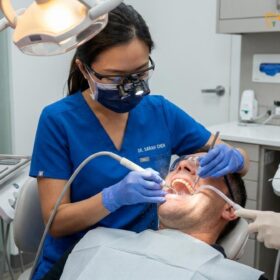
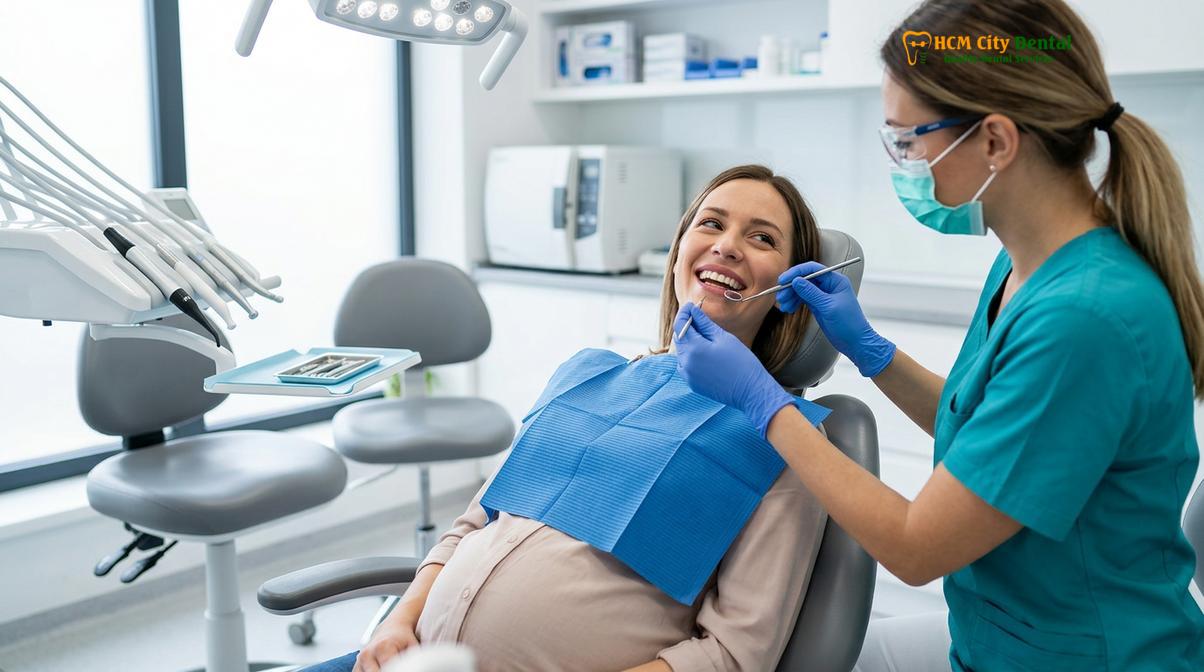
Is dental cleaning pregnancy safe? Yes, routine dental cleaning is completely safe and highly recommended during pregnancy. Professional scaling removes pathogenic biofilm and calculus, preventing gestational gingivitis and protecting both maternal and fetal health without posing any risk to the developing baby.
Clinical Summary:
Maintaining optimal oral hygiene during pregnancy is a critical component of prenatal care. Hormonal fluctuations, specifically elevated estrogen and progesterone, significantly increase the risk of pregnancy gingivitis and periodontal inflammation. Professional dental cleanings, including ultrasonic scaling and Guided Biofilm Therapy (GBT), are clinically proven to be safe across all trimesters, though the second trimester is generally considered the most comfortable for the patient. Avoiding dental care due to safety misconceptions can lead to severe periodontal disease, which is systemically linked to adverse pregnancy outcomes such as preterm birth and low birth weight. Modern clinical protocols utilize safe local anesthetics, digital radiography with lead shielding, and minimally invasive technologies to ensure the utmost safety and comfort for expectant mothers.
Key Takeaways:
- Dental cleanings are highly safe and strongly recommended during all stages of pregnancy.
- Hormonal changes make pregnant women highly susceptible to gingival inflammation and bleeding.
- Untreated periodontal disease poses systemic risks, including potential preterm birth complications.
- The second trimester is the optimal and most comfortable time for comprehensive dental scaling.
- Advanced Guided Biofilm Therapy (GBT) offers a painless, warm-water cleaning alternative ideal for sensitive patients.
Pregnancy Hormones & Gingivitis
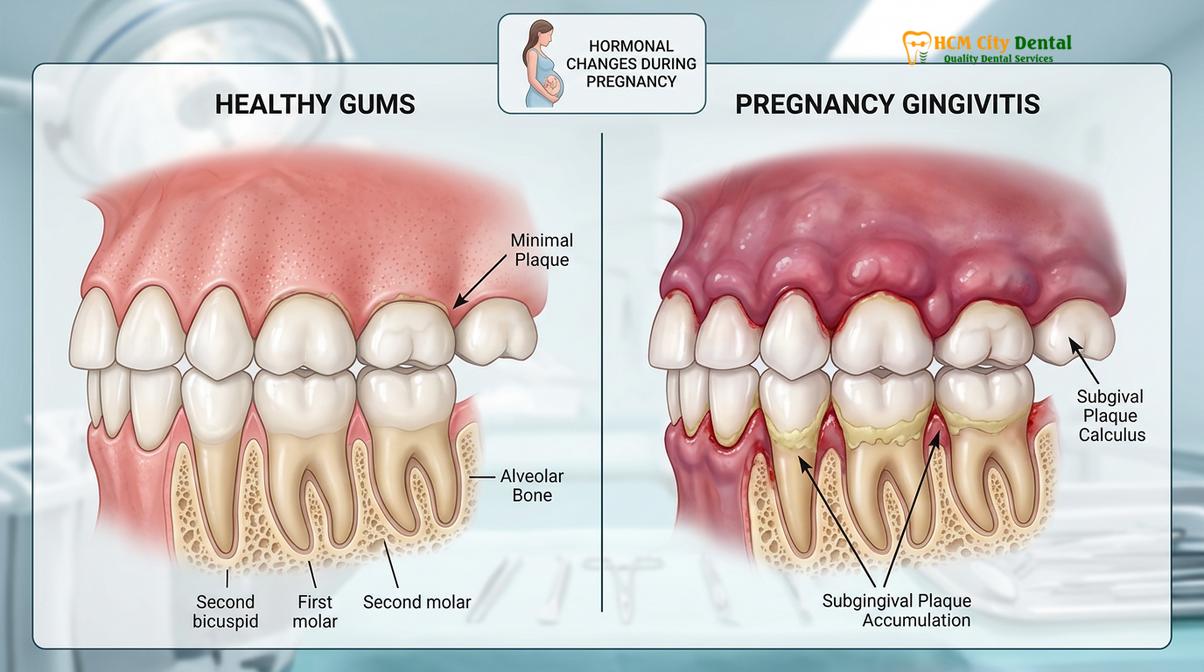
Elevated estrogen and progesterone levels during pregnancy exaggerate the gingival inflammatory response to plaque, making gums highly susceptible to swelling, redness, and bleeding.
During pregnancy, the maternal body undergoes profound physiological and endocrine adaptations to support fetal development. Among these changes, the dramatic surge in circulating sex steroid hormones—namely estrogen and progesterone—has a direct and significant impact on the periodontium. While these hormones are vital for sustaining the pregnancy, they also alter the microvascular permeability of the gingival tissues. This increased vascularity causes the gums to become hyperemic, edematous, and highly sensitive to the presence of bacterial plaque [1].
Clinically, this exaggerated inflammatory response is known as pregnancy gingivitis. It typically manifests between the second and eighth months of gestation. Even women who maintained excellent oral hygiene prior to conception may notice their gums bleeding easily during routine brushing and flossing. The hormonal shift also alters the composition of the subgingival microbiome. Studies indicate a marked increase in the proportion of specific anaerobic bacteria, such as Prevotella intermedia, which thrive in a progesterone-rich environment and are highly adept at triggering gingival inflammation.
Effective pregnancy gingivitis treatment is essential to prevent the condition from progressing into more destructive forms of periodontal disease. When plaque is allowed to accumulate and calcify into tartar (calculus) along the gingival margin, the localized inflammation deepens. In some cases, the localized irritation can lead to the formation of a pyogenic granuloma, commonly referred to as a “pregnancy tumor.” Despite its alarming name, this is a benign, highly vascular, and localized hyperplastic lesion of the gingiva that bleeds profusely upon provocation. While these lesions often regress postpartum, they can cause significant discomfort and interfere with mastication, necessitating professional intervention.
“The oral cavity is not isolated from the rest of the body. During pregnancy, the gingival tissues become a highly reactive target organ for hormonal fluctuations. Proactive periodontal maintenance is not just about preserving teeth; it is a fundamental aspect of comprehensive prenatal care.”
To mitigate these risks, expectant mothers must adhere to a rigorous daily oral hygiene regimen and seek professional professional dental cleaning services. The mechanical disruption of the biofilm through professional scaling is the only definitive way to arrest the progression of hormone-induced gingival inflammation and restore periodontal health.
Why Avoiding Dentist is Dangerous
Skipping dental cleanings allows periodontal bacteria to enter the bloodstream, potentially triggering systemic inflammation that is clinically linked to adverse pregnancy outcomes.
A pervasive and dangerous misconception among many expectant mothers is that dental treatments, including routine cleanings, should be entirely avoided during pregnancy to protect the fetus. In reality, avoiding the dentist poses a far greater risk to both maternal oral health and fetal development. The oral cavity serves as a primary gateway to the systemic circulation. When periodontal disease is left untreated, the chronic infection creates a persistent inflammatory burden on the maternal immune system [2].
The pathophysiology linking periodontal disease to adverse pregnancy outcomes is rooted in the focal infection theory and systemic inflammatory cascades. Pathogenic bacteria residing in deep periodontal pockets, such as Porphyromonas gingivalis and Fusobacterium nucleatum, can breach the ulcerated gingival epithelium and enter the maternal bloodstream—a condition known as transient bacteremia. Once in the systemic circulation, these microorganisms and their endotoxins (lipopolysaccharides) can travel to the placental interface.
Upon reaching the placenta, these bacterial byproducts stimulate the localized production of pro-inflammatory cytokines, including interleukins (IL-1, IL-6), tumor necrosis factor-alpha (TNF-alpha), and prostaglandin E2 (PGE2). Prostaglandins are the exact lipid compounds that naturally trigger uterine contractions and cervical dilation during normal labor. When artificially elevated due to a distant periodontal infection, they can induce premature labor, leading to preterm birth and low birth weight infants. Consequently, maintaining pristine maternal oral health is a critical preventative measure against these severe obstetric complications.
Clinical Warning: Ignoring bleeding gums or delaying periodontal treatment during pregnancy can allow localized gingivitis to progress into irreversible periodontitis. Chronic oral infections have been scientifically correlated with an increased risk of premature labor and preeclampsia. Do not defer essential dental care.
Furthermore, the physical discomfort of untreated dental decay or severe gingivitis can severely impact a pregnant woman’s ability to maintain proper nutrition. Pain during mastication may lead to the avoidance of fibrous, nutrient-dense foods, thereby compromising the dietary intake necessary for optimal fetal growth. Regular dental cleanings eradicate the pathogenic biofilm, halt the inflammatory cascade, and ensure that the mother’s immune system is not unnecessarily taxed by preventable oral infections.
Best Trimester for Scaling
While cleanings are safe anytime, the second trimester is the most comfortable and optimal period for comprehensive dental scaling and elective procedures.
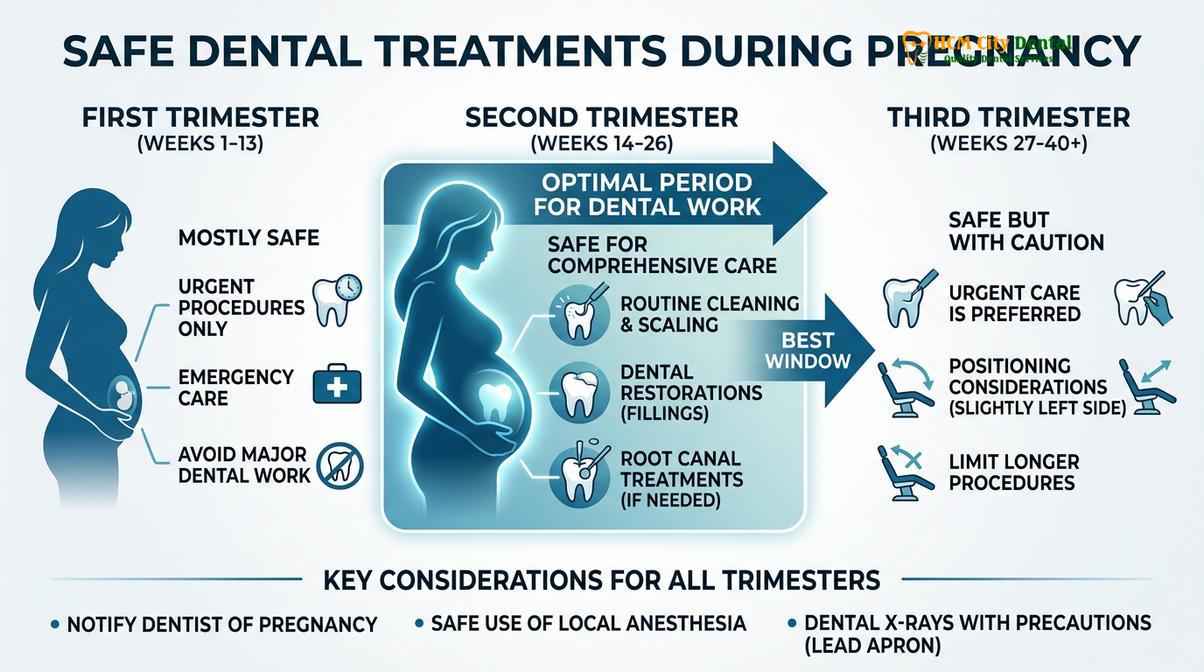
Determining the optimal timing for dental interventions during pregnancy requires a careful balance between maternal comfort and fetal developmental stages. The consensus among major obstetric and dental associations is that preventive, diagnostic, and restorative dental treatments are safe throughout the entire pregnancy. However, the physiological changes specific to each trimester dictate the most pragmatic approach to scheduling dental scaling second trimester safety being the highest priority for elective care.
The First Trimester (Weeks 1-12): This period is characterized by rapid fetal organogenesis—the critical phase where the baby’s major organs are forming. While dental cleanings are perfectly safe, many women experience severe nausea, vomiting (morning sickness), and a heightened gag reflex during these weeks. The introduction of dental instruments, water sprays, and flavored prophy pastes can exacerbate these symptoms. Therefore, unless there is an active infection or severe pain, dentists often recommend deferring routine cleanings until the nausea subsides.
The Second Trimester (Weeks 13-27): This is universally recognized as the “sweet spot” for dental care. Fetal organ development is largely complete, the risk of spontaneous miscarriage drops significantly, and maternal nausea typically resolves. The patient is generally more energetic and can comfortably recline in the dental chair for the duration of a thorough scaling and polishing session. This is the ideal time to address any accumulated calculus and reverse early signs of pregnancy gingivitis.
The Third Trimester (Weeks 28-40): Dental cleanings remain safe, but physical comfort becomes the primary limiting factor. As the fetus grows, lying in a supine position can cause the enlarged uterus to compress the inferior vena cava. This compression restricts venous return to the heart, leading to a condition known as supine hypotensive syndrome, characterized by dizziness, shortness of breath, and a drop in blood pressure. If a cleaning is necessary during this time, the dentist will position the patient in a semi-seated posture or place a small pillow under the right hip to shift the uterus to the left, relieving pressure on the major blood vessels.
Clinical Case Review: A patient in her 24th week of pregnancy visited HCMC Dental Clinic in Ho Chi Minh City presenting with severe gingival bleeding and localized swelling. Recognizing the optimal window of the second trimester, the clinical team performed a comprehensive ultrasonic scaling and Guided Biofilm Therapy session. The patient was positioned comfortably, and the removal of subgingival calculus immediately arrested the inflammatory process. Within one week, the gingival tissues returned to a healthy, firm state, ensuring a safe and infection-free progression to her third trimester.
X-Rays & Anesthetics Safety
Modern digital dental X-rays with lead shielding and local anesthetics like lidocaine are clinically proven to be highly safe for both mother and fetus.
A significant source of anxiety for pregnant patients revolves around the use of diagnostic imaging and pharmacological agents in the dental setting. It is crucial to dispel these fears with evidence-based clinical facts. When a pregnant patient presents with a suspected infection, deep decay, or periodontal abscess, accurate diagnosis is paramount. Delaying a necessary radiograph can lead to misdiagnosis and the dangerous spread of infection.
Modern dental clinics utilize digital radiography, which emits a fraction of the radiation compared to traditional film X-rays. Furthermore, the radiation beam is highly collimated and focused strictly on the maxillofacial region. To ensure absolute safety, the patient is draped with a lead apron equipped with a thyroid collar. This physical barrier effectively blocks any scattered radiation from reaching the abdomen and pelvis. According to the American College of Obstetricians and Gynecologists, the radiation exposure from a standard set of dental X-rays with proper shielding is virtually zero and poses no risk of teratogenicity to the developing fetus [3].
Regarding pain management, the administration of local anesthetics is frequently necessary for deep scaling and root planing (SRP) or restorative work. Lidocaine, the most commonly used dental anesthetic, is classified as a Category B drug by the FDA, meaning animal reproduction studies have failed to demonstrate a risk to the fetus, and it is considered highly safe for use in pregnant women [4].
Patients often question the inclusion of epinephrine (adrenaline) in the anesthetic carpule. Epinephrine is a vasoconstrictor that prolongs the numbing effect and reduces systemic absorption of the anesthetic. The minute concentration used in dentistry is entirely safe. In fact, failing to achieve profound anesthesia can cause the pregnant patient to experience acute pain and stress. This stress triggers the maternal adrenal glands to release massive amounts of endogenous epinephrine, which can cross the placenta and affect fetal heart rate far more than the controlled, localized dose administered by the dentist.
Painless Airflow Options
Advanced Guided Biofilm Therapy (GBT) using warm water and erythritol powder provides a completely painless, enamel-safe cleaning experience, ideal for sensitive expectant mothers.
For pregnant patients experiencing heightened gingival sensitivity, a hyperactive gag reflex, or general dental anxiety, traditional scraping with hand instruments can be daunting. To address this, modern periodontal care employs advanced technologies designed to maximize efficacy while minimizing discomfort. At HCMC Dental Clinic, we utilize a sophisticated approach that prioritizes patient comfort and clinical excellence.
The Dual Scaler Advantage:
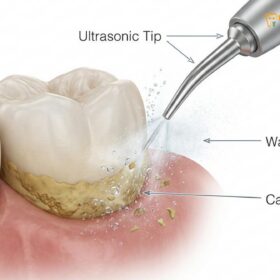
Not all calculus is the same, and neither are the tools used to remove it. Our clinical protocol incorporates both Piezoelectric and Magnetostrictive ultrasonic scalers to customize the treatment based on the patient’s specific periodontal needs:
- Piezoelectric Scalers (e.g., Acteon/Satelec): These devices utilize ceramic crystals to produce a linear, back-and-forth tip motion operating at up to 32 kHz. They generate significantly less heat and require less water coolant. This linear motion is exceptionally gentle on the tooth surface, making it the preferred choice for pregnant patients with sensitive teeth, exposed dentin, or those who struggle with excessive water accumulation in the mouth.
- Magnetostrictive Scalers (e.g., Dentsply Cavitron): These utilize a metal stack that expands and contracts, creating an elliptical, figure-eight motion at the tip. This allows all sides of the tip to be active simultaneously. It is highly effective for breaking down heavy, tenacious calculus and performing full mouth debridement in cases of severe neglect.
Guided Biofilm Therapy (GBT):
For the ultimate in painless prophylaxis, we feature the premium Swiss EMS GBT protocol. This 8-step systematic approach revolutionizes dental cleaning. Instead of starting with sharp instruments, GBT begins with the application of a disclosing solution to make the invisible bacterial biofilm visible. This is followed by Airflow technology, which utilizes a precisely controlled stream of warm water, air, and ultra-fine erythritol powder (with a grain size of just 25μm).
Dr. Nguyen Van Cuong emphasizes the clinical superiority of this method: “The GBT protocol using erythritol powder is a game-changer for maternal dental care. It allows us to eradicate subgingival biofilm and surface stains with zero mechanical friction. It is completely painless, preserves the integrity of the enamel, and the warm water feature drastically reduces thermal sensitivity, making it incredibly soothing for pregnant patients.” [5]
Transparent Pricing Structure:
Understanding the cost of periodontal care is essential for treatment planning. According to the latest clinic fee schedule, our comprehensive cleaning services are structured as follows:
| Treatment Type | Pre-booked Price (VND) | Walk-in Price (VND) |
|---|---|---|
| Standard Ultrasonic Scaling & Polishing | 500,000 – 800,000 | 800,000 – 1,300,000 |
| Airflow Prophylaxis / GBT (Swiss EMS) | 1,500,000 – 2,000,000 | 2,500,000 – 3,300,000 |
| Scaling & Root Planing (SRP per quadrant) | 1,000,000 – 1,500,000 | 1,600,000 – 2,500,000 |
| Full Mouth Debridement (Heavy Tartar) | 2,000,000 – 3,000,000 | 3,300,000 – 5,000,000 |
Note: Patients who book their consultation in advance via WhatsApp are eligible for a -40% discount on the walk-in rates, ensuring premium care remains highly accessible.
Comprehensive Overview of Plaque, Tartar, and Oral Hygiene
Effective daily oral hygiene requires understanding the transition from soft bacterial plaque to calcified tartar, alongside proper brushing techniques to prevent bleeding gums and bad breath.
To fully appreciate the necessity of professional dental cleanings, especially during pregnancy, one must understand the biological lifecycle of dental plaque and calculus. The oral cavity is a dynamic ecosystem hosting hundreds of bacterial species. Within minutes after brushing, a glycoprotein pellicle derived from saliva coats the enamel. This pellicle acts as an adhesive substrate, allowing primary bacterial colonizers to attach and multiply. This soft, sticky, and colorless biofilm is known as dental plaque.
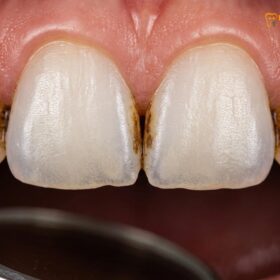
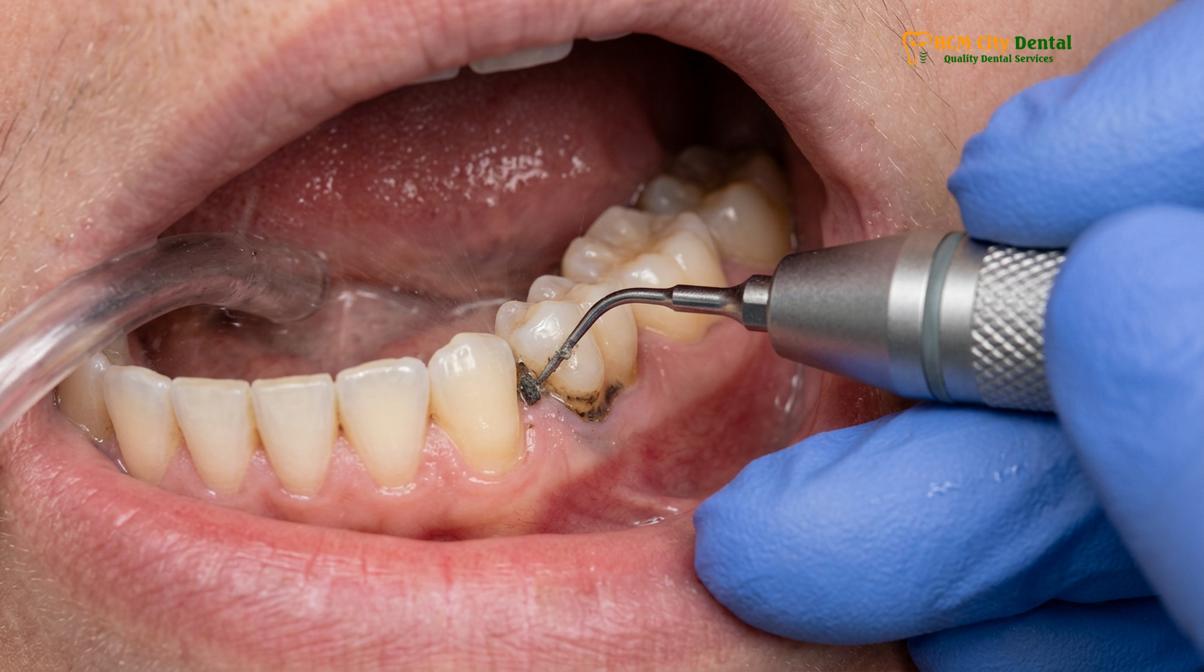
If plaque is not mechanically disrupted through effective brushing and flossing within 24 to 48 hours, it begins to absorb calcium and phosphate ions from the saliva and gingival crevicular fluid. This biochemical process of mineralization transforms the soft plaque into a hard, porous substance called calculus, or tartar. Once calculus forms, it cannot be removed by a toothbrush or dental floss. Its rough surface acts as a retentive nidus, attracting even more plaque and creating a vicious cycle of bacterial accumulation and localized tissue irritation.
This bacterial burden is the primary etiology behind several common oral complaints. For instance, bad breath (halitosis) is frequently caused by the metabolic byproducts of anaerobic bacteria residing in the plaque and calculus. These bacteria break down proteins into volatile sulfur compounds (VSCs), such as hydrogen sulfide and methyl mercaptan, which emit a distinct, foul odor. Similarly, bleeding gums are not a sign that you are brushing too hard; rather, they are a clinical indicator of ulcerated, inflamed gingival epithelium reacting to the toxic byproducts of the adjacent biofilm.
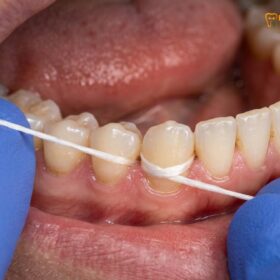
To combat these issues at home, mastering the correct brushing technique is vital. Dr. Nguyen Van Cuong strongly advocates for the Modified Bass technique. This method involves placing the toothbrush bristles at a 45-degree angle to the gumline, allowing the tips to gently penetrate the shallow gingival sulcus. Using small, vibratory, circular motions disrupts the subgingival plaque before sweeping the bristles coronally (towards the biting surface) to clear the debris. Coupled with daily interdental cleaning (flossing or interdental brushes) and a fluoride-containing toothpaste to promote enamel remineralization, this regimen forms the cornerstone of preventive maternal oral health.
When to See a Doctor
Immediate clinical evaluation is required if you experience severe oral pain, rapid facial swelling, or persistent gingival bleeding that does not resolve with daily hygiene.
While routine cleanings should be scheduled proactively, certain clinical signs warrant an immediate visit to the dental clinic. Pregnant patients should seek prompt professional evaluation if they experience acute, throbbing tooth pain that disrupts sleep, as this often indicates irreversible pulpitis or an active periapical infection. Rapidly developing facial swelling, difficulty swallowing, or a restricted ability to open the mouth (trismus) are severe red flags pointing to a spreading fascial space infection that requires urgent antibiotic therapy and drainage.
Additionally, if you notice a localized, rapidly growing, red or purplish nodule on your gums that bleeds profusely upon the slightest touch, you may have developed a pyogenic granuloma (pregnancy tumor). While benign, these lesions can become ulcerated and painful, necessitating professional excision or targeted periodontal debridement to remove the underlying local irritant. Never ignore persistent oral symptoms during pregnancy; timely intervention protects both your systemic health and the well-being of your baby.
Frequently Asked Questions
Clear, evidence-based answers to the most common concerns regarding dental care and safety during pregnancy.
Is it safe to have dental scaling in the first trimester?
Yes, dental scaling is safe during the first trimester. However, because this period involves critical fetal organ development and frequent maternal morning sickness, elective cleanings are often deferred to the second trimester unless active periodontal infection requires immediate intervention. If you are experiencing pain or severe bleeding, do not delay treatment, as the risk of untreated infection outweighs any theoretical risk of the procedure.
Can pregnancy gingivitis damage my baby?
If left untreated, severe pregnancy gingivitis can progress to periodontitis, which is linked to adverse outcomes. Periodontal bacteria can enter the bloodstream, potentially triggering systemic inflammation that increases the risk of preterm birth and low birth weight. Maintaining pristine oral hygiene and receiving professional cleanings effectively neutralizes this risk, ensuring a healthier environment for fetal development.
Are dental X-rays safe during pregnancy?
Yes, modern digital dental X-rays are highly safe during pregnancy. When clinically necessary, dentists use lead aprons with thyroid collars to shield the abdomen and pelvis, ensuring radiation exposure to the fetus is virtually non-existent. The diagnostic benefits of identifying a hidden infection far outweigh the negligible radiation dose emitted by modern digital sensors.
What local anesthetics are safe for pregnant women?
Lidocaine, often combined with a low concentration of epinephrine, is considered the gold standard and is highly safe for pregnant patients. It provides profound anesthesia, preventing maternal stress and pain, which is far more beneficial for fetal well-being. The FDA classifies lidocaine as a Category B medication, indicating a strong safety profile based on extensive clinical history.
Will dental cleaning make my morning sickness worse?
Standard cleanings might trigger a sensitive gag reflex in some patients. However, utilizing advanced Guided Biofilm Therapy (GBT) with warm water and minimally invasive techniques significantly reduces discomfort, making the procedure highly tolerable even for patients experiencing morning sickness. Communicating your sensitivities allows the clinical team to adjust their approach, ensuring a comfortable and stress-free experience.
References
- Journal of Clinical Periodontology. Periodontal disease and adverse pregnancy outcomes. (2021).
- American College of Obstetricians and Gynecologists (ACOG). Oral health care during pregnancy and through the lifespan. (2020).
- International Journal of Dental Hygiene. Efficacy of Guided Biofilm Therapy in periodontal maintenance. (2022).
- Journal of the American Dental Association. Safety of local anesthetics in pregnant dental patients. (2019).
- Clinical Oral Investigations. Erythritol air-polishing powder safety and enamel preservation. (2023).