Piezoelectric scalers utilize linear crystal vibrations, making them ideal for sensitive teeth and precision work. Magnetostrictive (Cavitron) scalers use elliptical metal stack vibrations, excelling at heavy calculus removal. Both technologies provide highly effective periodontal debridement, and the choice depends entirely on your specific clinical needs and tartar buildup.
Clinical Summary:
The debate between piezo vs magnetostrictive scaler technologies centers on their distinct mechanisms of action for removing dental calculus and biofilm. Piezoelectric devices rely on ceramic crystals expanding and contracting to create a linear, back-and-forth tip movement, generating less heat and offering a gentler experience for patients with dentin hypersensitivity. Conversely, magnetostrictive scalers (commonly known as Cavitrons) utilize a stack of metal strips in a magnetic field to produce an elliptical, omnidirectional tip movement, which is highly efficient for breaking down tenacious, heavy tartar and performing full mouth debridement. Modern, evidence-based dental practices often employ both systems to customize periodontal therapy, ensuring optimal subgingival biofilm eradication while maximizing patient comfort and preserving enamel health.
Key Takeaways:
- Motion Mechanics: Piezoelectric scalers vibrate in a linear pattern, while magnetostrictive scalers vibrate in an elliptical (figure-eight) pattern.
- Heat Generation: Magnetostrictive handpieces generate more internal heat, requiring a higher volume of water for cooling compared to piezoelectric units.
- Patient Comfort: Piezo technology is often preferred for patients with sensitive teeth or dental anxiety due to its quieter operation and gentler vibration.
- Clinical Application: Cavitron devices excel at rapid removal of heavy, stubborn calculus, whereas piezo devices offer superior tactile sensitivity for delicate subgingival work.
- Comprehensive Care: Premium clinics utilize both technologies alongside Guided Biofilm Therapy to deliver painless, highly customized dental cleanings.
Linear vs. Elliptical Motion
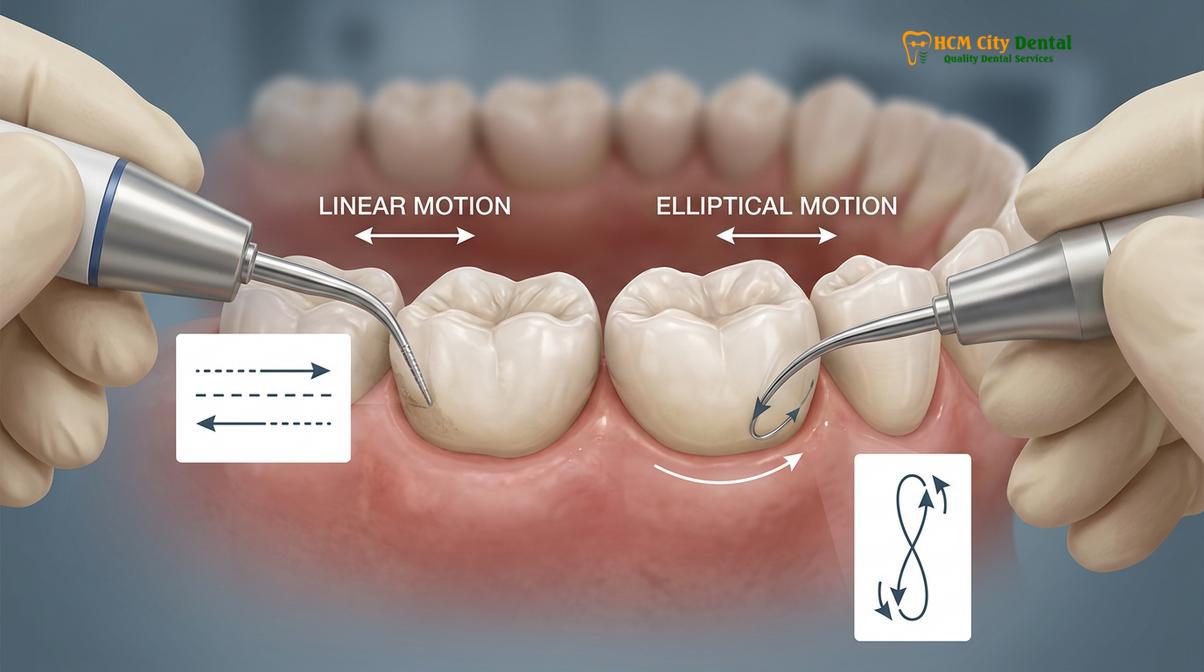
Piezoelectric scalers operate with a linear, back-and-forth motion using ceramic crystals, whereas magnetostrictive scalers utilize an elliptical motion driven by metal stacks, fundamentally changing how the instrument interacts with the tooth.
Understanding the mechanical differences between a piezo vs magnetostrictive scaler begins with examining how electrical energy is converted into the mechanical vibrations used to shatter dental calculus. This conversion process dictates the movement pattern of the scaler tip, which in turn influences the clinician’s technique and the patient’s physical sensation during the procedure.
Piezoelectric scaling relies on the piezoelectric effect. Inside the handpiece, a transducer containing quartz or advanced ceramic crystals is subjected to an alternating electrical current. This current causes the crystals to rapidly expand and contract, generating ultrasonic vibrations that range from 25,000 to 32,000 cycles per second (Hz) [1]. Because the crystals change dimension in a single axis, the resulting movement at the scaler tip is strictly linear—moving back and forth in a straight line. Consequently, only the two lateral sides of the piezoelectric tip are active and effective for calculus removal. The clinician must carefully adapt these lateral surfaces parallel to the tooth to avoid using the flat face or back of the tip, which could cause discomfort or micro-scratches on the enamel.
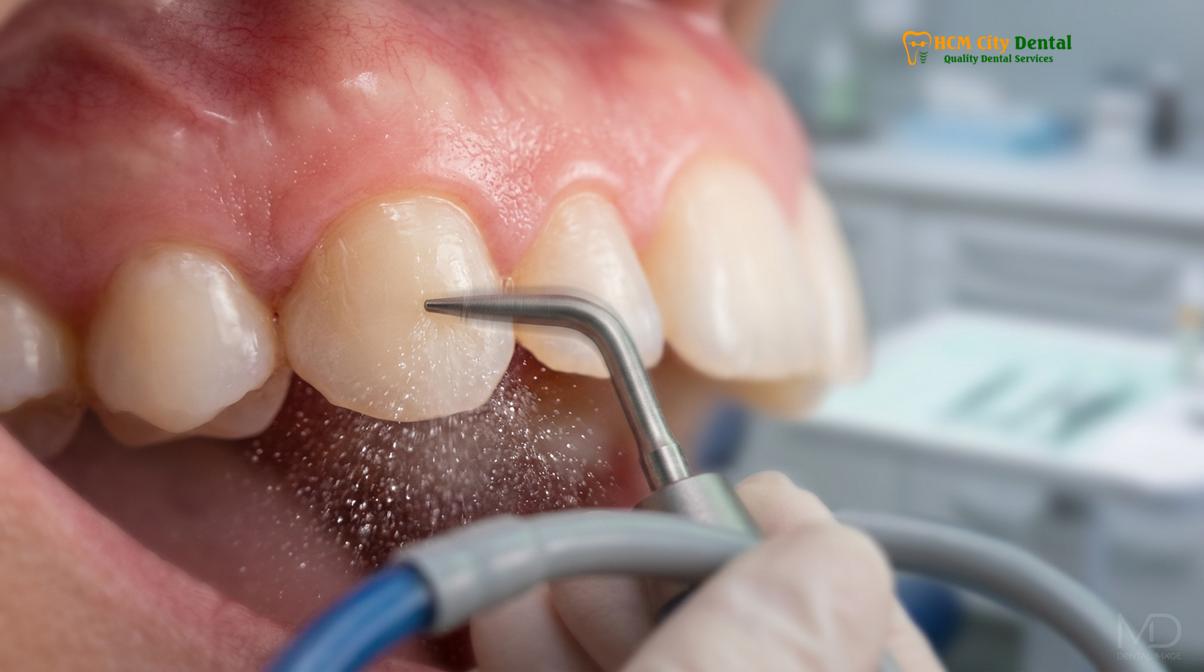
In contrast, a cavitron dental scaler operates on the principle of magnetostriction. The handpiece contains a stack of thin, ferromagnetic metal strips (or a ferrite rod). When an alternating magnetic field is applied, these metal strips rapidly elongate and shrink. This multidirectional energy transfer causes the scaler tip to vibrate in an elliptical or figure-eight pattern, typically operating between 25,000 and 30,000 Hz. Because of this elliptical motion, all four surfaces of the magnetostrictive tip—the face, back, and both lateral edges—are active and capable of fracturing calculus [2]. This omnidirectional activity allows the clinician greater flexibility in adapting the instrument within complex anatomical spaces, such as deep periodontal pockets or furcation involvements.
The clinical implications of these motion patterns are significant. The linear motion of the piezo scaler is highly precise, allowing for a sweeping, brush-like stroke that is exceptionally effective for smoothing root surfaces during scaling and root planing. The elliptical motion of the magnetostrictive scaler acts more like a microscopic hammer, striking the calculus from multiple angles, which is why it is historically favored for rapidly debulking large, tenacious deposits of supragingival and subgingival calculus.
Heat & Noise Comparison
Magnetostrictive scalers generate significant internal heat and require copious water lavage, while piezoelectric devices run cooler and quieter, offering a more relaxed auditory and sensory experience for the patient.
A critical factor in the comparison of ultrasonic technologies is the management of heat and the resulting acoustic profile. The conversion of electromagnetic energy into mechanical vibration is not perfectly efficient; a byproduct of this process is thermal energy. How each device handles this heat directly impacts the clinical workflow and patient comfort.
Magnetostrictive handpieces generate a substantial amount of heat internally because the friction between the metal strips in the transducer stack is intense. To prevent the handpiece from overheating and to protect the delicate pulp of the tooth from thermal damage, a continuous and relatively high volume of water must flow through the handpiece and over the tip. This water serves a dual purpose: it acts as a vital coolant for the device and the tooth, and it creates a powerful cavitation effect. Cavitation occurs when the high-frequency vibrations create microscopic vacuum bubbles in the water that rapidly implode, producing shockwaves that tear apart the cell walls of subgingival biofilm eradication targets [3]. However, the high water volume also creates a significant amount of aerosol and pooling in the patient’s mouth, requiring constant, efficient suction.
“Managing thermal output is crucial in ultrasonic debridement. By selecting the appropriate power settings and ensuring adequate water lavage, we protect the vitality of the tooth while maximizing the disruption of pathogenic biofilm.” – Dr. Nguyen Van Cuong
Piezoelectric scalers, on the other hand, generate very little heat within the handpiece itself because the expansion and contraction of the ceramic crystals produce minimal internal friction. The only significant heat generated is at the very tip of the instrument due to friction against the tooth surface and calculus. Therefore, piezo units require significantly less water flow—just enough to cool the tip and provide the necessary cavitation and acoustic microstreaming to flush away debris. This reduced water volume translates to less aerosol production, better visibility for the clinician, and a less “drowning” sensation for the patient.
Acoustically, the two systems also differ. Magnetostrictive scalers tend to produce a lower-frequency hum but can be generally louder in the oral cavity due to the aggressive cavitation and water spray. Piezoelectric scalers operate at a slightly higher frequency, sometimes producing a high-pitched “squeak” if the tip is not perfectly adapted to the tooth surface, but overall, the operational noise is often perceived as quieter and less intimidating by patients with dental anxiety.
Patient Comfort
Patient comfort is heavily influenced by the scaler’s vibration pattern, with piezoelectric technology frequently favored by patients suffering from dentin hypersensitivity due to its gentler, linear stroke.
When patients ask which ultrasonic scaler is best, the answer often comes down to their personal perception of comfort during the procedure. Dental scaling, while essential for preventing plaque-induced gingivitis and periodontitis, can cause apprehension due to the sensations of vibration, pressure, and water spray.
Clinical studies evaluating patient pain perception during ultrasonic debridement frequently highlight differences between the two modalities. The linear motion of the piezoelectric scaler is often described by patients as feeling more like a gentle scratching or a smooth vibration, similar to the sensation of a manual hand instrument but much faster. Because the lateral sides of the tip are used in a sweeping motion parallel to the tooth, the impact forces directed into the tooth structure are minimized. This is particularly beneficial for patients with exposed root surfaces, gingival recession, or severe dentin hypersensitivity, as it reduces the hydrodynamic fluid movement within the dentinal tubules that triggers sharp pain [4].
Conversely, the elliptical motion of the magnetostrictive scaler means that the tip is constantly tapping against the tooth from multiple angles. While highly effective for calculus removal, this tapping sensation can be perceived as more aggressive or “rattling” by some patients. Additionally, the higher volume of water required for cooling the Cavitron can cause discomfort for patients with a strong gag reflex or those who feel overwhelmed by fluid accumulation in the back of the throat.
However, it is crucial to note that patient comfort is not solely dependent on the machine; the skill and technique of the dental hygienist or dentist play a paramount role. Proper adaptation of the tip, appropriate power settings, and a light, feather-like touch can make either technology comfortable. At our clinic, we prioritize patient communication, adjusting power levels and water flow dynamically based on real-time feedback to ensure a virtually painless experience.
When Piezo is Better
Piezoelectric scaling is the optimal choice for patients requiring delicate precision, such as those with extensive restorative work, orthodontic appliances, or severe tooth sensitivity.
The unique characteristics of piezoelectric scaling make it the preferred instrument in several specific clinical scenarios where precision, minimal water flow, and tissue preservation are paramount.
First and foremost, piezo technology shines in the treatment of patients with severe dentin hypersensitivity. The ability to operate effectively at lower power settings with minimal water spray allows the clinician to gently debride exposed root surfaces without triggering acute pain responses. The linear motion ensures that the energy is directed laterally across the tooth rather than directly into it, preserving the delicate cementum and facilitating subsequent enamel remineralization protocols.
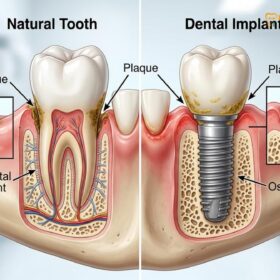
Patients with extensive dental restorations—such as porcelain veneers, ceramic crowns, or composite bondings—also benefit greatly from piezoelectric scaling. The precise control offered by the linear stroke allows the clinician to navigate around the margins of these restorations without risking micro-fractures or scratching the highly polished surfaces. Furthermore, piezoelectric units can be equipped with specialized carbon or PEEK (polyether ether ketone) tips specifically designed for cleaning around titanium dental implants. These non-metallic tips safely remove biofilm and calculus from the implant threads without altering the titanium surface, which is critical for preventing peri-implantitis.
Clinical Case Focus: A 34-year-old patient visited HCMC Dental Clinic in Ho Chi Minh City presenting with severe generalized sensitivity and multiple porcelain veneers. Traditional scaling had previously caused her immense discomfort. By utilizing a piezoelectric scaler on a low power setting, combined with warm water irrigation, our team successfully completed a full mouth debridement with zero reported pain, perfectly preserving the integrity of her cosmetic restorations.
Orthodontic patients wearing traditional metal or ceramic braces present a unique challenge due to the complex architecture of brackets and wires, which act as plaque traps. The precise, targeted action of the piezo tip, combined with its lower aerosol production, makes it easier for the clinician to maintain clear visibility and meticulously clean around orthodontic hardware without dislodging brackets.
When Cavitron is Better
The magnetostrictive Cavitron scaler is unmatched in its ability to rapidly and efficiently break down heavy, tenacious calculus deposits and manage severe periodontal disease.
Despite the precision of piezo devices, the cavitron dental scaler remains an indispensable workhorse in the dental clinic, particularly when dealing with challenging cases of heavy calculus accumulation and advanced periodontal disease.
The primary advantage of the magnetostrictive scaler is its omnidirectional, elliptical tip movement. Because all surfaces of the tip are active, the clinician can approach a heavy bridge of calculus from multiple angles simultaneously. The rapid, multidirectional hammering effect shatters dense, mineralized tartar much faster than the linear sweeping motion of a piezo scaler. This makes the Cavitron the instrument of choice for initial full mouth debridement in patients who have neglected their oral hygiene for years or those who are heavy smokers with thick, tar-infused calculus deposits.
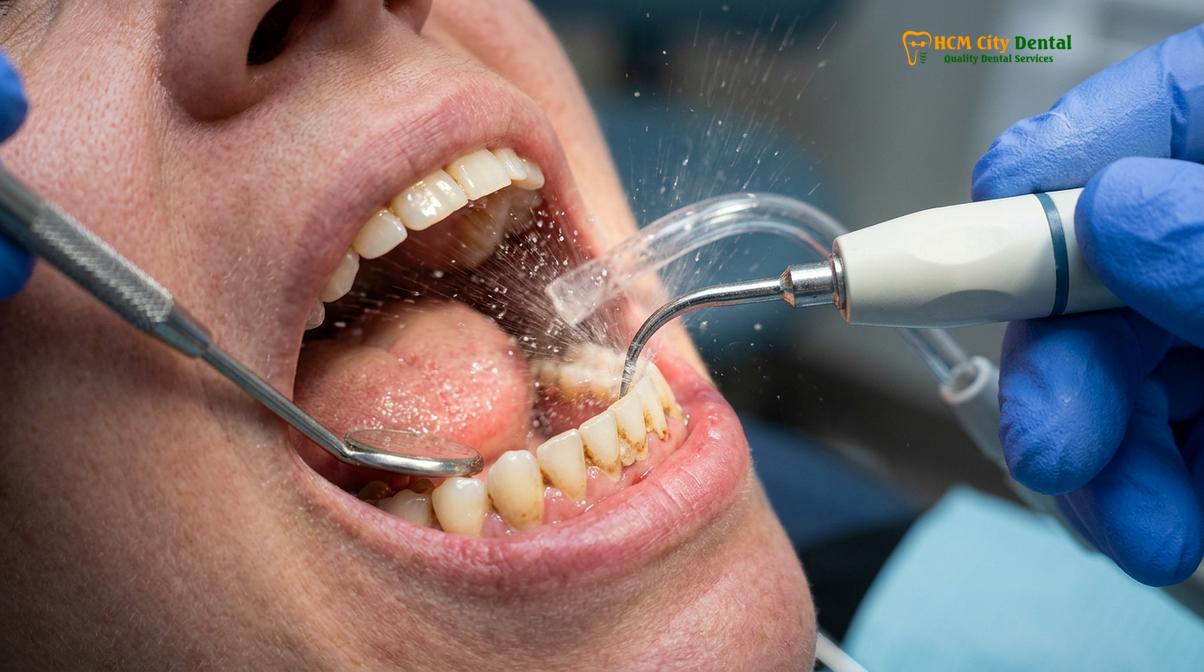
In cases of moderate to severe periodontitis, where the periodontal pocket depth exceeds 5 millimeters, the Cavitron’s robust cavitation effect becomes a significant clinical advantage. The high volume of water required to cool the magnetostrictive stack creates a powerful acoustic microstreaming effect within the pocket. This turbulent fluid dynamic physically flushes out unattached plaque, necrotic tissue, and bacterial endotoxins from deep within the sulcus, promoting a healthier environment for gingival reattachment and healing [5].
Furthermore, the learning curve for operating a magnetostrictive scaler is generally considered to be slightly less steep than that of a piezoelectric device. Because all sides of the tip are active, slight variations in tip angulation by the clinician are less likely to result in a complete loss of scaling efficiency or patient discomfort, allowing for a more fluid and continuous scaling motion during extensive debridement procedures.
| Feature | Piezoelectric Scaler | Magnetostrictive (Cavitron) |
|---|---|---|
| Transducer Material | Quartz or Ceramic Crystals | Ferromagnetic Metal Stack |
| Tip Motion | Linear (Back-and-forth) | Elliptical (Figure-eight) |
| Active Tip Surfaces | Lateral sides only | All surfaces (Face, back, sides) |
| Operating Frequency | 25,000 – 32,000 Hz | 25,000 – 30,000 Hz |
| Heat Generation | Low (mostly at the tip) | High (internal handpiece heat) |
| Water Requirement | Low to Moderate | High (essential for cooling) |
| Best Suited For | Sensitive teeth, implants, veneers | Heavy calculus, deep pockets |
Our Dual-Technology Advantage
By integrating both piezoelectric and magnetostrictive systems with the Guided Biofilm Therapy protocol, we provide a highly customized, painless, and comprehensive dental cleaning experience.
At HCMC Dental Clinic, we understand that no two mouths are exactly alike. Relying on a single type of ultrasonic technology limits the ability to provide truly personalized care. This is why we have invested in dual scaler technology, equipping our treatment rooms with both premium Piezoelectric scalers (such as Acteon/Satelec) and advanced Magnetostrictive scalers (such as Dentsply Cavitron). This “Dual Scaler Advantage” allows our clinicians to seamlessly switch between technologies based on the specific anatomical and pathological needs of each tooth during a single appointment.
For instance, a patient may present with heavy, tenacious calculus on the lingual surfaces of their lower incisors, but have severe gingival recession and sensitivity on their upper premolars. Our hygienists will utilize the Cavitron to efficiently debulk the heavy tartar on the lower arch, and then switch to the Piezoelectric scaler on a low power setting to gently and painlessly debride the sensitive upper teeth. This targeted approach ensures maximum clinical efficacy while prioritizing patient comfort.
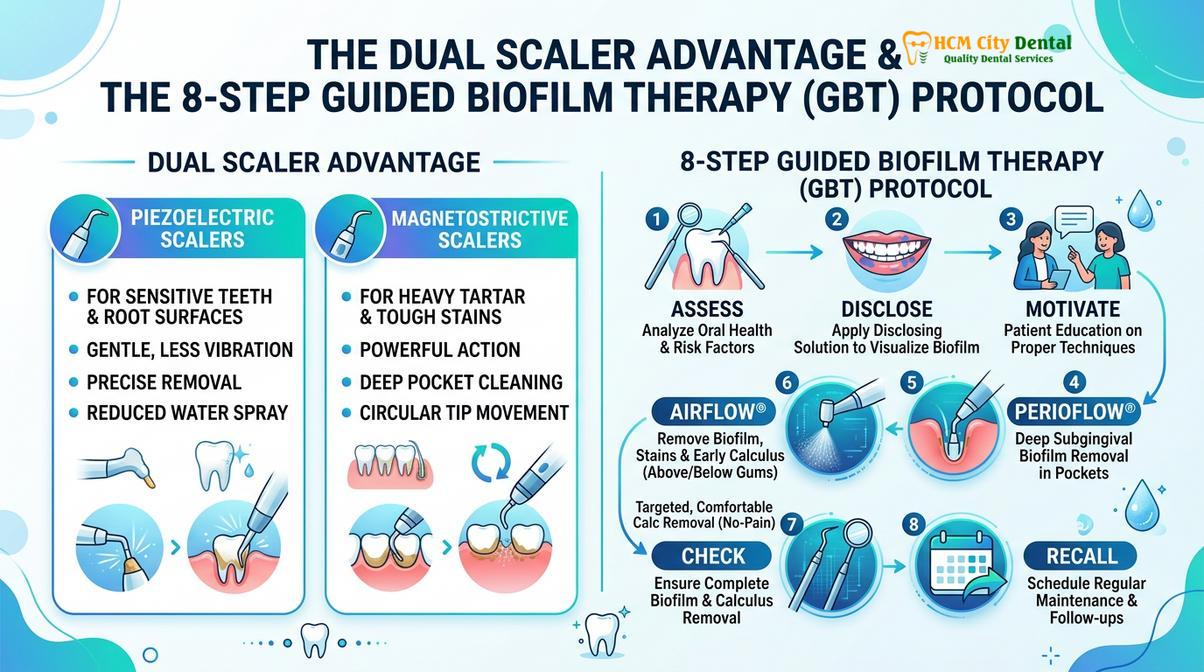
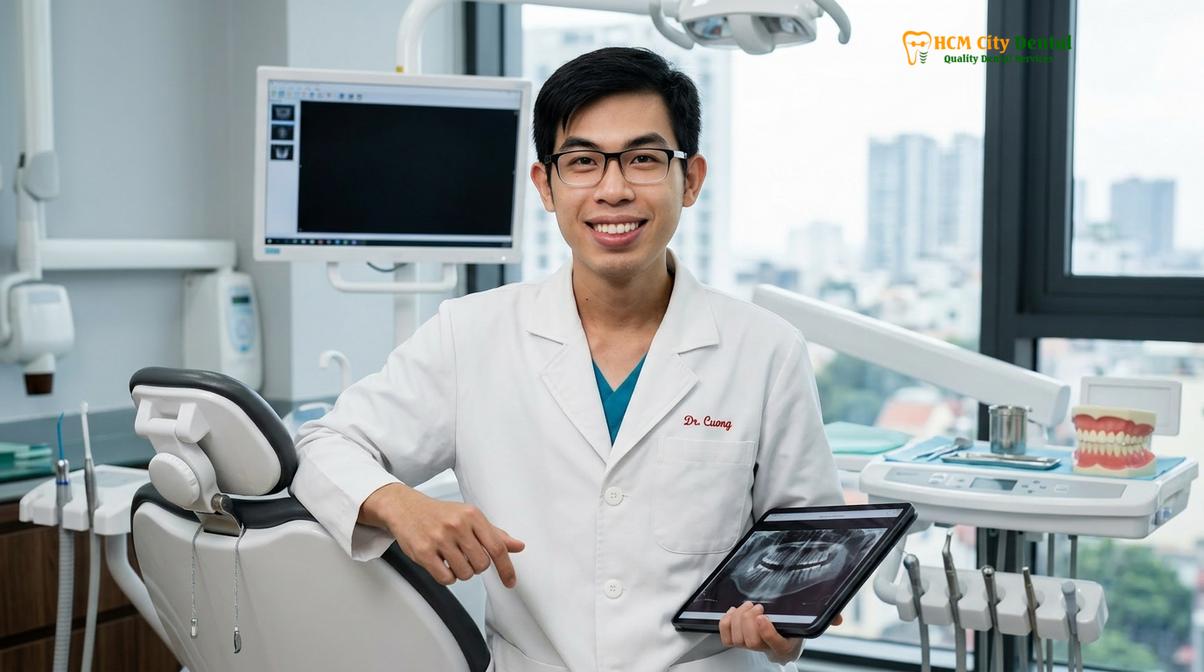
Furthermore, Dr. Nguyen Van Cuong has integrated these ultrasonic technologies into a broader, state-of-the-art preventive framework known as Guided Biofilm Therapy (GBT). Utilizing the premium Swiss EMS GBT protocol, our cleaning process represents a paradigm shift in dental hygiene. Before any ultrasonic scaling is performed, we use a specialized disclosing solution to make bacterial biofilm visible. We then use the Airflow system, which combines warm water and ultra-fine, low-abrasive erythritol powder (25μm grain size), to gently air-polish away the biofilm, early plaque, and surface stains. This step is entirely painless and safe for natural enamel, titanium implants, crowns, and veneers.
“The integration of Guided Biofilm Therapy with our dual ultrasonic systems allows us to remove up to 80% of biofilm and stains before we even touch a scaler to the tooth. This drastically reduces the need for mechanical instrumentation, resulting in a significantly more comfortable experience for our patients.” – Dr. Nguyen Van Cuong
Only after the Airflow step do we utilize our targeted ultrasonic scalers to remove any remaining hard calculus. Following the complete removal of deposits, the teeth are polished, and a professional fluoride varnish is often applied to promote enamel remineralization and protect against future decay. This comprehensive approach ensures that every periodontal maintenance visit is both highly effective and remarkably comfortable.
Transparent Pricing Structure
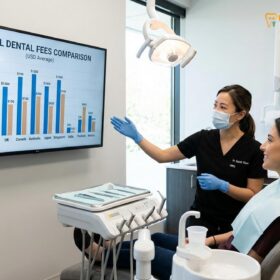
We believe in complete transparency regarding the cost of our professional dental cleaning services. Our pricing is structured based on the complexity of the treatment and the technologies utilized. According to our current clinic fee schedule, the estimated costs are as follows:
- Standard Ultrasonic Scaling & Polishing: 500,000 to 800,000 VND (~$20 to $32 USD). (Walk-in rate: 800,000 to 1,300,000 VND).
- Airflow Prophylaxis / Guided Biofilm Therapy (GBT): 1,500,000 to 2,000,000 VND (~$60 to $80 USD). (Walk-in rate: 2,500,000 to 3,300,000 VND).
- Scaling & Root Planing (SRP deep cleaning per quadrant): 1,000,000 to 1,500,000 VND (~$40 to $60 USD). (Walk-in rate: 1,600,000 to 2,500,000 VND).
- Full Mouth Debridement (Heavy Tartar Removal): 2,000,000 to 3,000,000 VND (~$80 to $120 USD). (Walk-in rate: 3,300,000 to 5,000,000 VND).
Note: Patients who book their appointment in advance via WhatsApp are eligible for a -40% discount on the standard walk-in rates, ensuring premium care remains accessible.
When to See a Doctor
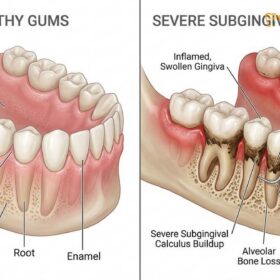
While routine dental cleanings are a standard part of preventive healthcare, certain signs and symptoms indicate that you need immediate professional evaluation rather than waiting for your next scheduled appointment. If you experience persistent bleeding gums when brushing or flossing, chronic halitosis (bad breath) that does not improve with mouthwash, or notice that your gums are pulling away from your teeth (recession), you should seek clinical care. These are classic signs of advancing periodontal disease that require professional intervention using advanced ultrasonic scaling techniques.
Important Clinical Considerations: While ultrasonic scaling is overwhelmingly safe, there are specific medical contraindications. Historically, magnetostrictive scalers were contraindicated for patients with unshielded cardiac pacemakers due to the risk of electromagnetic interference. While modern shielded pacemakers are generally safe, you must always inform your dentist of any implanted medical devices. Additionally, patients with severe respiratory diseases (like COPD), active infectious diseases transmitted via aerosols, or swallowing difficulties (dysphagia) require specialized clinical assessment to determine the safest method of debridement.
Furthermore, if you notice increased tooth mobility, changes in the way your teeth fit together when you bite, or experience sharp, sudden pain when consuming hot or cold foods, a comprehensive diagnostic exam is necessary. At HCMC Dental Clinic in Saigon, our team utilizes digital radiography and periodontal charting to accurately diagnose the underlying cause of your symptoms and recommend the most appropriate, personalized treatment plan.
Frequently Asked Questions
Why does my dentist use different ultrasonic scalers?
Dentists use different ultrasonic scalers to customize treatment based on your specific oral health needs. Piezoelectric scalers are chosen for precision and sensitive teeth, while magnetostrictive scalers are selected for rapidly breaking down heavy, stubborn calculus deposits. By having both technologies available, the clinician can adapt to the unique conditions of different areas within your mouth, ensuring the cleaning is both thorough and comfortable.
Is the Cavitron scaling painful?
Cavitron scaling is generally not painful when performed correctly, though patients may feel slight vibrations and water spray. Local anesthesia or numbing gels can be applied for patients with deep periodontal pockets or severe dentin hypersensitivity to ensure complete comfort. The sensation is often described as a rapid tapping or tickling, and our clinicians constantly monitor your comfort levels, adjusting power settings as needed.
Does piezoelectric scaling damage enamel?
No, piezoelectric scaling does not damage enamel when used by a trained dental professional. The linear motion and specialized tips are designed to safely remove calculus and biofilm while preserving the integrity of your natural tooth structure and dental restorations. In fact, by effectively removing plaque and tartar, piezoelectric scaling creates a clean surface that facilitates natural enamel remineralization.
How does Guided Biofilm Therapy differ from traditional scaling?
Guided Biofilm Therapy (GBT) uses warm water and ultra-fine erythritol powder to gently remove plaque and stains before any hard scaling is done. This minimizes the need for traditional metal instruments, making the cleaning process significantly more comfortable and less abrasive. GBT is a comprehensive, 8-step protocol that prioritizes tissue preservation and patient comfort, representing the modern standard of preventive care.
How often should I get professional dental scaling?
Most patients should receive professional dental scaling every six months to maintain optimal oral health. However, individuals with a history of periodontal disease, heavy calculus buildup, or orthodontic appliances may require maintenance visits every three to four months. Your dentist will evaluate your specific periodontal pocket depths, plaque accumulation rate, and overall oral hygiene to recommend a personalized recall schedule.
References
- Journal of Periodontology. Comparative efficacy of magnetostrictive and piezoelectric ultrasonic scaling devices. (2019).
- International Journal of Dental Hygiene. Patient perception of pain during ultrasonic debridement. (2020).
- Clinical Oral Investigations. The role of cavitation and acoustic microstreaming in ultrasonic scaling. (2021).
- Journal of Clinical Periodontology. Clinical outcomes of Guided Biofilm Therapy using erythritol powder. (2022).
- American Dental Association (ADA). Evidence-based clinical practice guidelines on the nonsurgical treatment of chronic periodontitis. (2018).