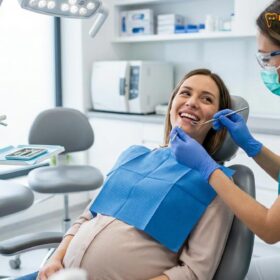
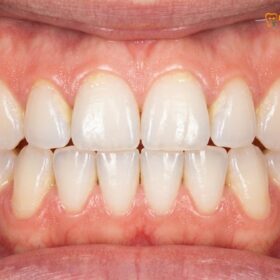
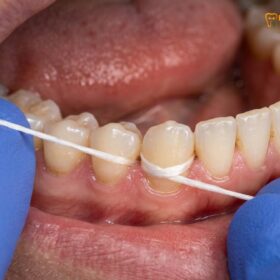
Ultrasonic scaling uses high-frequency vibrations to shatter hardened calculus and flush periodontal pockets, while airflow polishing utilizes pressurized water and fine powder to gently eradicate soft biofilm and surface stains. Both are essential, complementary techniques for comprehensive dental prophylaxis and periodontal maintenance.
Clinical Summary:
Ultrasonic scaling and airflow polishing represent two distinct but synergistic pillars of modern dental hygiene. Ultrasonic devices excel at removing mineralized subgingival calculus through acoustic cavitation, whereas airflow technology—particularly Guided Biofilm Therapy (GBT)—provides a minimally invasive approach to eliminating soft plaque and extrinsic stains without contacting the tooth surface. Selecting or combining these modalities depends on the patient’s periodontal pocket depth, enamel health, and specific calculus accumulation patterns. A comprehensive approach often utilizes both technologies to achieve optimal subgingival biofilm eradication and long-term gingival health.
Key Takeaways:
- Ultrasonic scaling targets hardened tartar using high-frequency vibrations and continuous water irrigation to flush periodontal pockets.
- Airflow polishing utilizes a gentle stream of compressed air, warm water, and fine powder to remove soft biofilm and extrinsic stains.
- Piezoelectric and magnetostrictive scalers offer customized power levels for different calculus densities and patient sensitivities.
- Guided Biofilm Therapy (GBT) with erythritol powder is highly safe for natural enamel, titanium implants, and orthodontic brackets.
- Combining both methods ensures comprehensive plaque-induced gingivitis prevention and optimal periodontal maintenance without excessive enamel wear.
What is Ultrasonic Scaling?
Ultrasonic scaling is a clinical procedure that utilizes high-frequency vibrations and water irrigation to efficiently fracture and remove mineralized calculus from tooth surfaces and periodontal pockets.
To understand the necessity of ultrasonic scaling, one must first understand the pathophysiology of dental deposits. The oral cavity is a dynamic environment where a protein-rich pellicle forms on the teeth within minutes of brushing. Bacteria rapidly colonize this pellicle, creating a sticky, organized matrix known as dental plaque or biofilm. If this soft plaque is not disrupted through proper brushing techniques and interdental cleaning, minerals from your saliva—primarily calcium and phosphate—precipitate into the biofilm matrix. Over a period of 24 to 72 hours, this matrix calcifies into a hard, porous substance known as calculus or tartar. Once calculus forms, it cannot be removed by a standard toothbrush; it requires professional intervention.
Calculus acts as a retentive surface for further bacterial accumulation, leading to a chronic inflammatory response in the gingival tissues. This inflammation manifests as bleeding gums, persistent bad breath causes, and eventually, the destruction of the periodontal ligament and alveolar bone. Ultrasonic scaling is the primary therapeutic modality used to halt this progression.
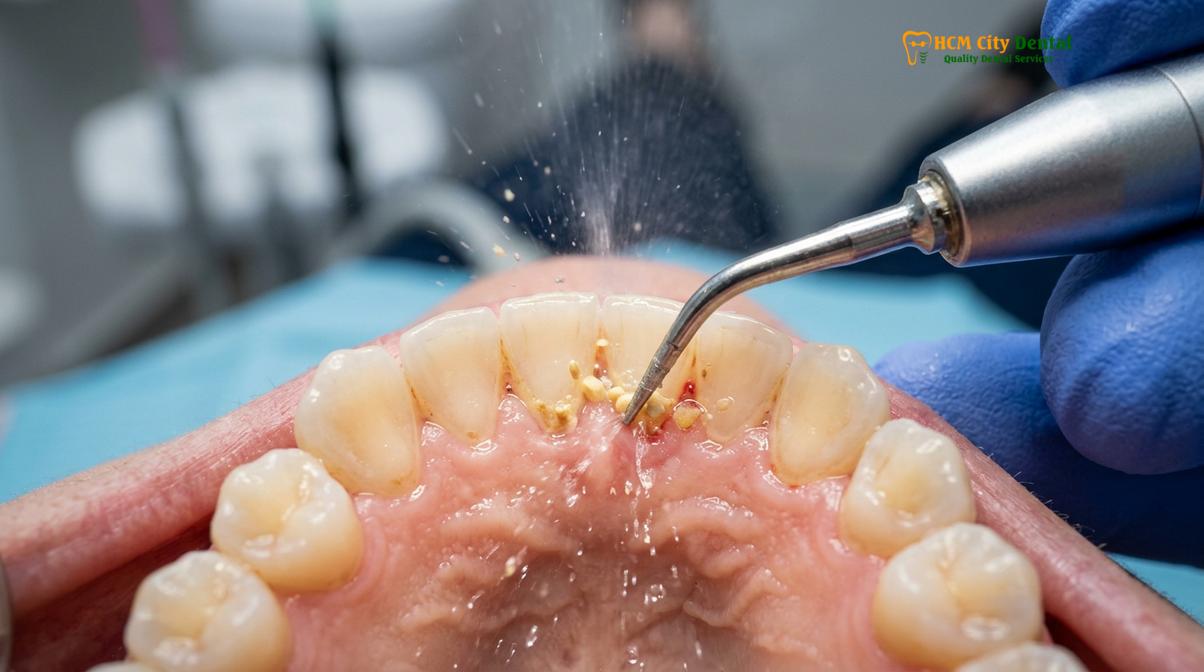
At HCMC Dental Clinic, we employ a sophisticated “Dual Scaler Advantage” to customize treatments based on the patient’s specific clinical presentation. This approach utilizes two distinct types of ultrasonic technologies:
- Piezoelectric Scalers (e.g., Acteon/Satelec): These devices utilize ceramic crystals that change dimension when electrical energy is applied, producing a linear, back-and-forth motion at the tip. Operating at frequencies up to 32 kHz, piezoelectric scalers generate significantly lower heat and require less water for cooling. The linear motion is highly precise and is generally considered gentler, making it the preferred choice for patients with sensitive teeth, children, and individuals undergoing orthodontic treatment.
- Magnetostrictive Scalers (e.g., Dentsply Cavitron): These units operate via a stack of metal strips that expand and contract within a magnetic field, creating an elliptical motion that vibrates all sides of the instrument tip. This multi-directional energy is exceptionally powerful and is ideal for breaking down heavy, tenacious calculus, performing deep subgingival tartar removal, and executing full mouth debridement in cases of advanced periodontitis.
The efficacy of ultrasonic scaling is not solely dependent on the mechanical chipping action of the vibrating tip. The rapid movement of the tip within the cooling water creates a phenomenon known as acoustic cavitation. Microscopic bubbles form and implode, releasing localized shockwaves that disrupt bacterial cell walls and flush out the periodontal pockets.
“The cavitation effect generated by ultrasonic scalers not only physically dislodges calculus but also disrupts the bacterial cell walls within the subgingival biofilm, significantly reducing periodontal pathogens and promoting tissue healing.” [1]
Dr. Nguyen Van Cuong emphasizes the importance of clinical judgment in this process, noting that the selection of ultrasonic power levels must be carefully calibrated to balance efficient calculus removal with the preservation of the underlying cementum and dentin, particularly during deep root planing procedures.
What is Airflow Polishing?
Airflow polishing is a minimally invasive prophylaxis technique that projects a controlled stream of air, warm water, and ultra-fine powder to painlessly eradicate soft biofilm and extrinsic stains.
While ultrasonic scaling is the gold standard for hard calculus, it is often overly aggressive for the removal of soft plaque and surface stains. This is where airflow polishing revolutionizes the dental hygiene workflow. Traditional polishing involves a rotating rubber cup and gritty prophylaxis paste, which can be abrasive and time-consuming. Airflow technology, conversely, relies on kinetic energy to clean the tooth surface without direct mechanical contact.
The pinnacle of this technology is the Guided Biofilm Therapy (GBT) protocol, developed by Swiss EMS. GBT represents a paradigm shift in professional dental cleaning, moving away from blind scraping toward a targeted, biofilm-focused approach. The system utilizes a specialized handpiece that delivers a precise mixture of compressed air, temperature-controlled warm water, and a proprietary low-abrasive powder.
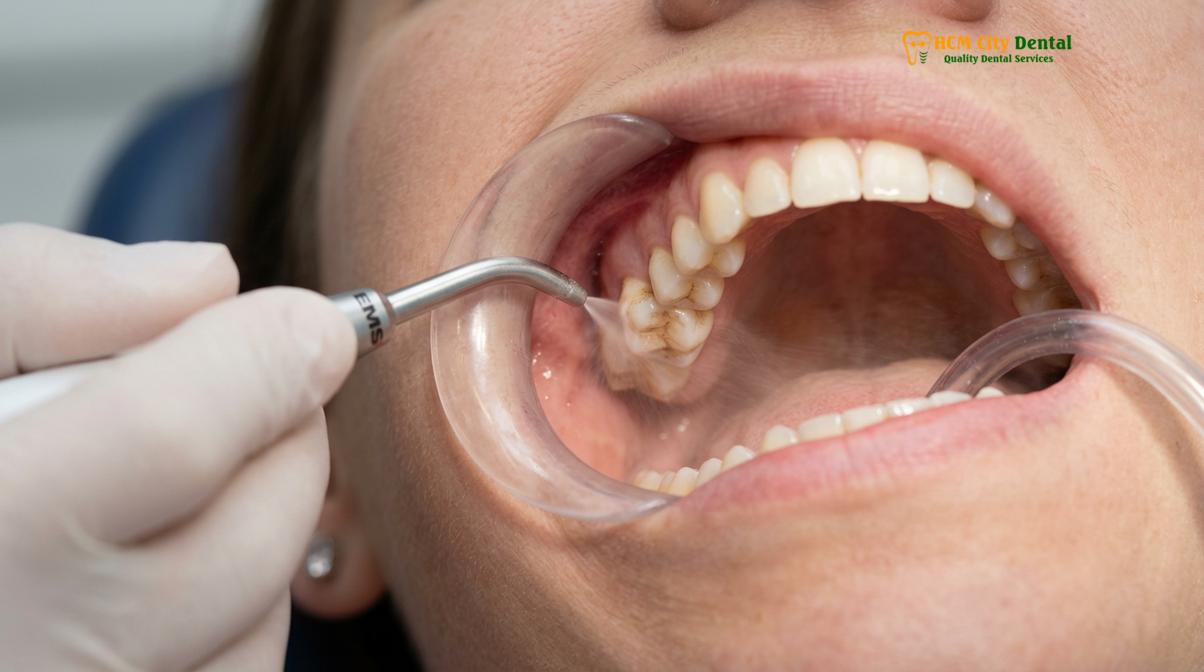
The choice of powder is critical to the procedure’s safety and efficacy. Historically, sodium bicarbonate (baking soda) was used, which has a larger particle size (around 65μm) and a salty taste. While effective for heavy stains, it is contraindicated for subgingival use and can cause minor surface roughness on restorative materials. Today, the premium standard is erythritol powder. With an incredibly fine grain size of just 25μm, erythritol is a sugar alcohol that is completely water-soluble, sweet-tasting, and exceptionally gentle.
Erythritol powder safety is well-documented in clinical literature. Because its hardness on the Mohs scale is significantly lower than that of tooth enamel, dentin, and restorative materials, it can be safely used to clean natural teeth, titanium implants, porcelain crowns, and delicate composite veneers without causing micro-scratches. Furthermore, erythritol has been shown to have a mild inhibitory effect on the growth of certain cariogenic bacteria.
Airflow polishing is particularly transformative for patients with heavy staining habits. Whether the discoloration is caused by daily coffee consumption, black tea, red wine, or tobacco use, airflow provides a highly effective way to remove coffee stains without scraping the enamel. The pressurized stream reaches into the microscopic pits and fissures of the occlusal surfaces, as well as the tight interproximal spaces between teeth, ensuring a level of cleanliness that traditional methods simply cannot match.
Key Differences: Enamel Safety, Pain, Stain Removal
While ultrasonic scaling is indispensable for removing hard calculus, airflow polishing excels in painless biofilm eradication and stain removal, offering superior enamel preservation.
Understanding the distinction between ultrasonic scaling vs airflow polishing requires a detailed comparison of their mechanisms, clinical targets, and patient experiences. Neither method is universally “better”; rather, they are specialized tools designed for specific phases of periodontal maintenance.
| Feature | Ultrasonic Scaling | Airflow Polishing (GBT) |
|---|---|---|
| Primary Target | Mineralized calculus (hard tartar) | Soft biofilm, early plaque, extrinsic stains |
| Mechanism of Action | High-frequency vibration and acoustic cavitation | Kinetic energy via pressurized air, water, and powder |
| Direct Tooth Contact | Yes (metal tip contacts the tooth) | No (only the powder/water stream touches the tooth) |
| Pain & Sensitivity Level | Mild to moderate (can trigger sensitivity on exposed roots) | Virtually painless (uses warm water and fine powder) |
| Enamel Safety | Safe when used correctly, but carries a risk of micro-scratching if overused | Exceptionally safe; preserves enamel prism structure and restorative materials |
| Best Suited For | Periodontitis, heavy tartar buildup, deep pocket debridement | Routine maintenance, sensitive teeth, orthodontics, implants, heavy stains |
Enamel Preservation and Remineralization: The outer layer of the tooth, the enamel, is composed of tightly packed hydroxyapatite crystals. While it is the hardest substance in the human body, it is not impervious to mechanical wear. Repeated aggressive scaling with metal instruments can gradually alter the surface topography of the enamel, creating microscopic striations that may actually facilitate faster plaque accumulation in the future. Airflow polishing, particularly with erythritol, preserves the pristine smoothness of the enamel. This smooth surface is highly conducive to post-treatment enamel remineralization, especially when followed by the application of a professional fluoride varnish. [2]
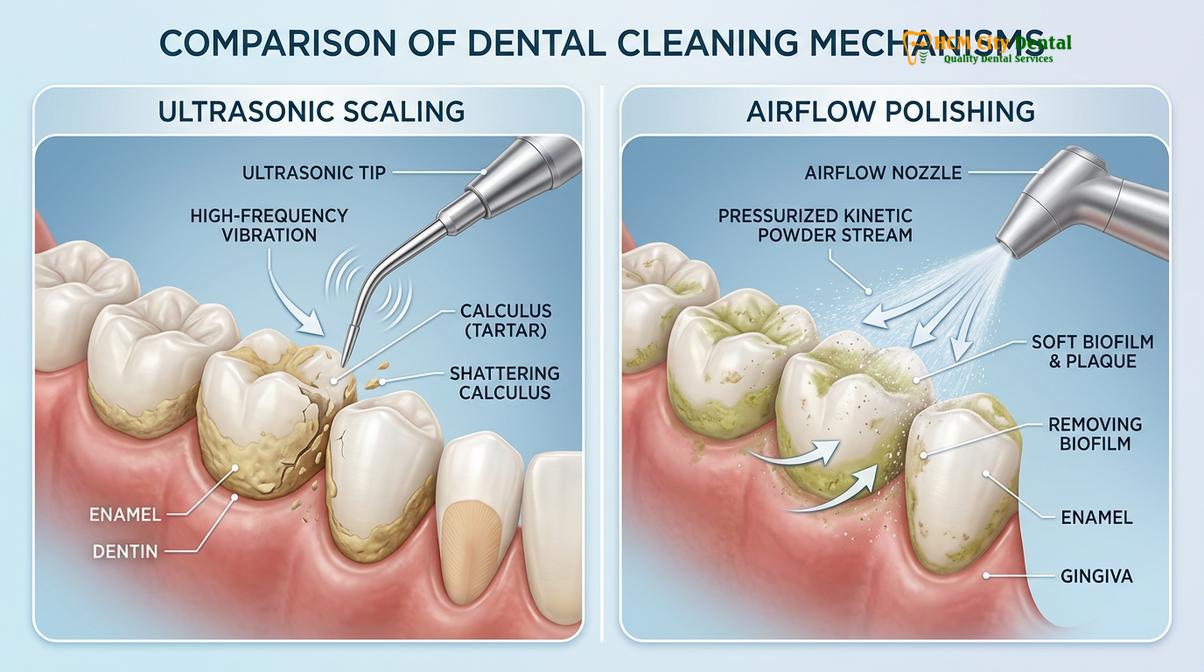
Pain Management and Patient Comfort: Dental anxiety is frequently linked to the scraping sounds and sharp sensations associated with traditional scaling. Ultrasonic scaling, while faster than hand scaling, can still cause discomfort. The vibrations can stimulate the fluid within exposed dentinal tubules, triggering a sharp pain response in the dental pulp. Conversely, airflow polishing is widely celebrated for its comfort. The use of temperature-controlled water (typically heated to body temperature) eliminates cold sensitivity, and the absence of mechanical vibration makes the procedure highly tolerable, even for patients with severe dentin hypersensitivity.
“Clinical studies demonstrate that low-abrasive air polishing powders, such as erythritol, preserve the integrity of the enamel prism structure significantly better than traditional rubber cup polishing, while simultaneously maximizing patient comfort.” [4]
Can They Be Combined?
Combining airflow polishing and ultrasonic scaling within the Guided Biofilm Therapy protocol provides a comprehensive, highly effective approach to full-mouth debridement and periodontal maintenance.
In modern clinical practice, the debate is rarely about choosing one method over the other; rather, it is about integrating both technologies to achieve superior clinical outcomes. The Swiss EMS Guided Biofilm Therapy (GBT) protocol is the premier framework for this integration. By reversing the traditional workflow—polishing before scaling—GBT maximizes efficiency and minimizes tissue trauma.
The GBT 8-step protocol is executed as follows:
- Assess: Comprehensive clinical examination, probing of periodontal pockets, and evaluation of caries risk.
- Disclose: Application of a specialized dye that stains mature and immature biofilm different colors. This makes the invisible plaque visible, guiding the clinician’s hand.
- Motivate: Using the disclosed biofilm as a visual aid to educate the patient on their specific blind spots and improve their at-home brushing techniques.
- Airflow (Supragingival): Utilizing the erythritol powder stream to rapidly and painlessly remove the disclosed biofilm, early calculus, and stains from the visible tooth surfaces.
- Perioflow (Subgingival): For patients with deep periodontal pockets (up to 9mm) or implants, a specialized flexible nozzle is used to safely eradicate subgingival biofilm without damaging the root cementum or titanium surface.
- Piezon (Targeted Scaling): Because the biofilm and stains have already been removed, the clinician can clearly see any remaining hard calculus. The piezoelectric ultrasonic scaler is then used only where necessary, minimizing unnecessary scratching of clean enamel.
- Check: A final diagnostic check to ensure all calculus and caries have been identified and removed, followed by the application of fluoride varnish for enamel remineralization.
- Recall: Scheduling the next periodontal maintenance visit based on the patient’s individual risk profile.
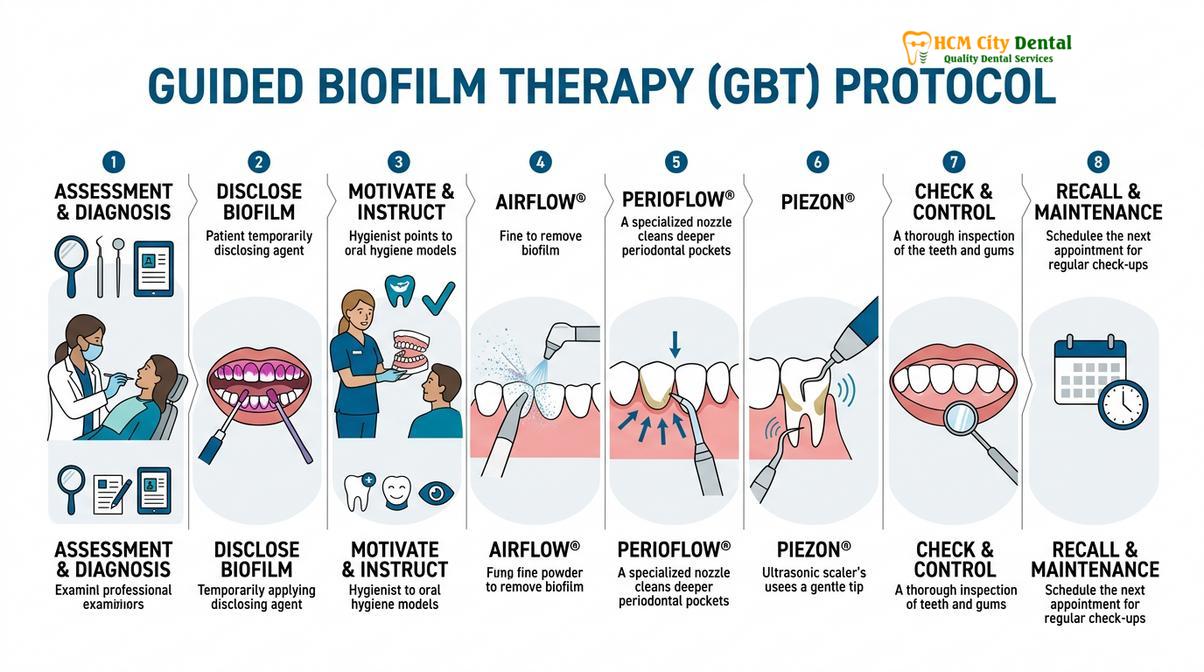
Dr. Cuong has been instrumental in verifying the GBT protocol at our clinic, ensuring that every step adheres to the highest standards of enamel preservation safety. By removing the biofilm first, the clinician’s visibility is drastically improved, allowing for highly targeted, conservative use of the ultrasonic scaler.
Clinical Case Study: Comprehensive Stain and Calculus Management
A 42-year-old patient visited HCMC Dental Clinic in Ho Chi Minh City presenting with heavy extrinsic staining from daily espresso consumption and moderate subgingival calculus accumulation in the lower anterior region. The patient reported a history of severe sensitivity during past dental cleanings. We initiated the Guided Biofilm Therapy protocol. The disclosing solution revealed extensive biofilm coverage. Airflow polishing with erythritol powder successfully eradicated 100% of the coffee stains and soft plaque within 15 minutes, completely pain-free. Subsequently, the piezoelectric scaler was used exclusively on the lingual surfaces of the lower incisors to fracture the remaining hard calculus. The patient reported zero discomfort and achieved a visibly brighter, perfectly clean dentition.
Which Fits Your Profile?
Selecting the appropriate prophylaxis method depends on your specific oral health status, including the presence of heavy tartar, orthodontic appliances, or severe tooth sensitivity.
To determine the most appropriate dental cleaning technologies for your needs, a thorough clinical assessment is required. Different patient profiles benefit from different primary modalities, though a combined approach remains the standard of care for comprehensive hygiene.
The Orthodontic Patient: Individuals wearing traditional metal or ceramic braces face significant challenges in maintaining oral hygiene. Brackets and wires create numerous retention areas where biofilm rapidly accumulates, increasing the risk of white spot lesions (early enamel decalcification) and gingival hyperplasia. For these patients, airflow polishing is indispensable. The kinetic powder stream easily navigates around the complex architecture of the braces, thoroughly cleaning the brackets and the tooth surface without the risk of dislodging wires that comes with manual scaling.
The Implant Patient: Dental implants require meticulous maintenance to prevent peri-implant mucositis and peri-implantitis. The titanium surface of an implant is highly susceptible to scratching from metal ultrasonic tips or hand curettes. Scratched titanium creates a rough surface that accelerates future bacterial colonization. Therefore, the use of erythritol-based airflow polishing with specialized subgingival nozzles is the safest and most effective method for implant maintenance, preserving the integrity of the abutment and crown.
The Periodontitis Patient: Patients with active periodontal disease, characterized by deep pockets and heavy subgingival calculus, require aggressive intervention to halt bone loss. In these cases, the “Dual Scaler Advantage” is critical. Magnetostrictive ultrasonic scaling is utilized for heavy full mouth debridement, followed by targeted Scaling and Root Planing (SRP) to smooth the root surfaces and allow the gingival tissues to reattach. [3]
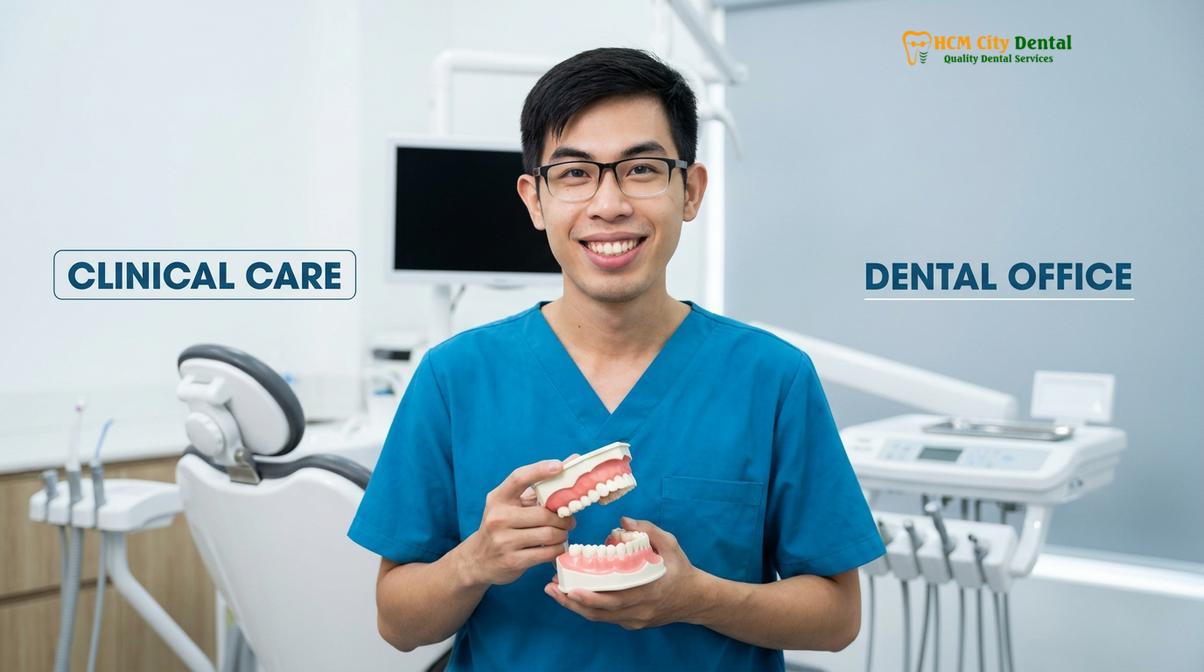
At HCMC Dental Clinic, we maintain a transparent pricing structure designed to accommodate various clinical needs. According to the latest clinic fee schedule, our treatments are priced as follows:
- Standard Ultrasonic Scaling & Polishing: 500,000 to 800,000 VND (~$20 to $32 USD) for scheduled appointments (Walk-in: 800,000 to 1,300,000 VND).
- Airflow Prophylaxis / Guided Biofilm Therapy (GBT): 1,500,000 to 2,000,000 VND (~$60 to $80 USD) for scheduled appointments (Walk-in: 2,500,000 to 3,300,000 VND).
- Scaling & Root Planing (SRP deep cleaning per quadrant): 1,000,000 to 1,500,000 VND (~$40 to $60 USD) for scheduled appointments (Walk-in: 1,600,000 to 2,500,000 VND).
- Full Mouth Debridement (Heavy Tartar Removal): 2,000,000 to 3,000,000 VND (~$80 to $120 USD) for scheduled appointments (Walk-in: 3,300,000 to 5,000,000 VND).
Patients are encouraged to take advantage of our -40% WhatsApp booking discount to secure the scheduled appointment rates. By consulting with our specialists, you ensure that your investment is directed toward the specific dental prophylaxis comparison that yields the highest clinical benefit for your unique anatomy.
When to See a Doctor
While routine dental cleanings are a cornerstone of preventive care, certain clinical signs indicate that immediate professional intervention is required. You should schedule a comprehensive periodontal examination if you experience any of the following symptoms:
- Spontaneous Bleeding: Gums that bleed easily during normal brushing or flossing are a primary indicator of active gingival inflammation and bacterial infection.
- Gingival Recession: If your teeth appear longer than they used to, or if you experience sudden, sharp sensitivity to hot and cold, your gums may be receding due to underlying bone loss or heavy calculus accumulation.
- Persistent Halitosis: Chronic bad breath that does not improve with mouthwash or brushing is often caused by volatile sulfur compounds produced by bacteria hidden deep within periodontal pockets.
- Tooth Mobility: Any noticeable looseness or shifting of adult teeth is a severe warning sign of advanced periodontitis requiring immediate deep scaling and root planing.
Important Clinical Considerations & Contraindications:
While highly safe, these procedures have specific contraindications. Airflow polishing should be used with caution or avoided in patients with severe upper respiratory tract infections, chronic obstructive pulmonary disease (COPD), or severe asthma, due to the risk of aerosol inhalation. Additionally, older generation ultrasonic scalers may interfere with unshielded cardiac pacemakers, though modern piezoelectric devices are generally safe. Always provide your dentist with a complete, updated medical history prior to any prophylaxis treatment to ensure a personalized and safe clinical approach.
If you are experiencing any signs of periodontal distress, or if you simply wish to upgrade your preventive care routine to the GBT standard, we invite you to schedule a consultation. Our team at HCMC Dental Clinic in Ho Chi Minh City is dedicated to providing evidence-based, comfortable care tailored to your specific diagnostic needs.
Frequently Asked Questions
Will my teeth hurt after ultrasonic scaling?
Some temporary sensitivity is normal after ultrasonic scaling, especially if deep calculus was removed from exposed root surfaces. This discomfort typically subsides within a few days. Using a desensitizing toothpaste containing potassium nitrate and avoiding extreme hot or cold temperatures can help manage this transient sensitivity effectively. If pain persists beyond a week, a follow-up clinical evaluation is recommended.
Is airflow polishing safe for sensitive teeth?
Yes, airflow polishing is highly recommended for sensitive teeth because it uses warm water and ultra-fine, low-abrasive powder. It avoids direct mechanical scraping on the enamel and dentin, making the procedure virtually painless and significantly more comfortable than traditional hand scaling. The temperature-controlled water specifically prevents the sharp shocks often associated with cold water irrigation.
Does airflow polish whiten teeth?
Airflow polishing restores your teeth to their natural shade by removing extrinsic stains caused by coffee, tea, or tobacco. However, it does not chemically bleach the internal dentin structure; for true color alteration, professional chemical teeth whitening is required. It is an excellent preparatory step before bleaching, as removing the biofilm allows the whitening gel to penetrate the enamel more evenly.
How often should I get Guided Biofilm Therapy?
For most healthy patients, Guided Biofilm Therapy is recommended every six months as part of routine maintenance. Patients with active periodontal disease, orthodontic appliances, or dental implants may require more frequent visits, typically every three to four months, based on clinical assessment. [5] Your dentist will determine the optimal recall interval based on your individual rate of plaque accumulation and gingival health.
Can airflow polishing remove hard tartar?
No, airflow polishing is designed exclusively to eradicate soft biofilm, early plaque, and surface stains. It cannot fracture or remove mineralized, hard calculus (tartar); therefore, it must be combined with ultrasonic scaling for comprehensive full-mouth debridement. The kinetic energy of the powder is calibrated to be gentle on enamel, which inherently means it lacks the force required to break apart calcified deposits.
References
- Journal of Clinical Periodontology. Guided Biofilm Therapy clinical efficacy and patient comfort. (2021).
- International Journal of Dental Hygiene. Ultrasonic scaling vs hand scaling in periodontal maintenance. (2020).
- Journal of Periodontology. Scaling and root planing for periodontitis management. (2019).
- Clinical Oral Investigations. Erythritol air-polishing powder safety on enamel and restorative materials. (2022).
- Journal of the American Dental Association. Professional cleaning recall intervals and biofilm disruption. (2018).