Snoring is the acoustic vibration of relaxed throat tissues, while sleep apnea involves dangerous, repeated airway collapses that halt breathing[1]. Distinguishing between harmless primary snoring and obstructive sleep apnea requires clinical evaluation, as untreated apnea significantly elevates cardiovascular risks and disrupts restorative sleep cycles.
Clinical Summary:
While primary snoring is largely a benign acoustic nuisance caused by tissue vibration, obstructive sleep apnea (OSA) is a serious medical condition characterized by recurrent airway obstruction and oxygen desaturation. Clinical differentiation relies on sleep studies (Polysomnography or HSAT) evaluated by a sleep physician. For patients diagnosed with mild-to-moderate OSA or those intolerant to CPAP, dental sleep medicine offers highly effective interventions. Custom mandibular advancement devices (MADs), meticulously calibrated through intraoral digital scans and precise titration, help stabilize the airway. Collaborative care aims to support optimal respiratory function while protecting the temporomandibular joint.
Key Takeaways:
- Primary snoring involves tissue vibration without significant airflow reduction, whereas sleep apnea causes complete or partial breathing cessation.
- A sleep physician must formally diagnose sleep apnea using objective data like the Apnea-Hypopnea Index (AHI).
- Recurrent drops in blood oxygen during apneic events trigger sympathetic nervous system spikes, increasing cardiovascular risks.
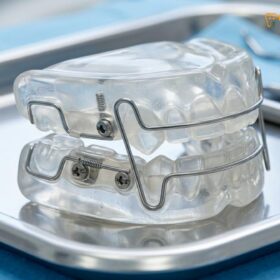
- Custom oral appliances, such as telescopic or twinblock designs, are designed to manage mild-to-moderate cases by advancing the mandible.
- Proper dental management requires comprehensive TMJ joint checks and gradual titration to support long-term orthopedic safety.
Defining simple snoring vs. clinically significant sleep apnea
To understand the fundamental differences between sleep apnea vs snoring, one must examine the biomechanics of the human upper airway during sleep. When the body enters the deeper stages of sleep, the musculature of the pharynx, soft palate, and the base of the tongue naturally relaxes. In individuals with primary snoring, this relaxation narrows the airway just enough to cause the passing air to become turbulent. According to Bernoulli’s principle, this turbulent airflow decreases pressure, causing the relaxed tissues to flutter and vibrate. This vibration produces the characteristic acoustic sound known as snoring. However, in primary snoring, the airway remains sufficiently open to allow adequate gas exchange, meaning the body continues to receive the oxygen it needs without physiological distress.
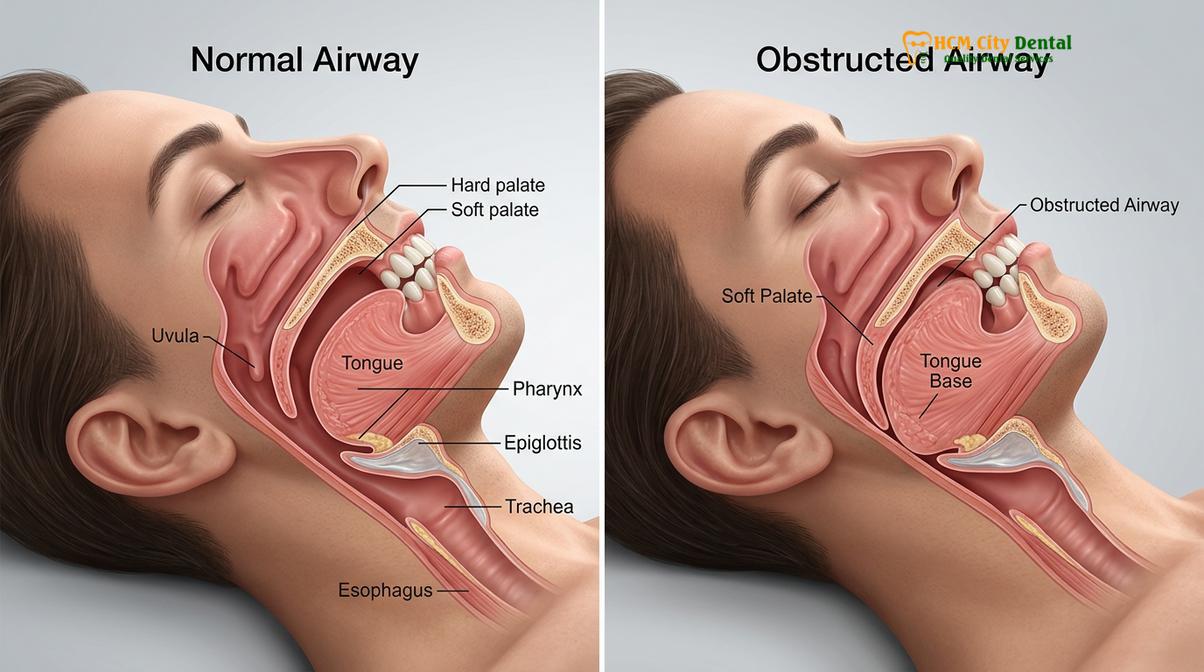
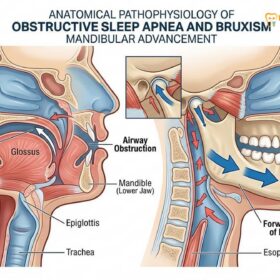
Conversely, Obstructive Sleep Apnea (OSA) represents a pathological progression of this airway collapse. In patients with OSA, the relaxation of the pharyngeal muscles leads to a complete or near-complete occlusion of the airway. The tongue base falls backward against the posterior pharyngeal wall, and the soft palate collapses, effectively sealing off the windpipe. Despite the diaphragm and chest muscles making increasingly forceful efforts to draw breath, no air can pass. This mechanical obstruction leads to a cessation of breathing known as an apnea (if complete) or a hypopnea (if partial but significant). The severity of this condition is clinically quantified using the Apnea-Hypopnea Index (AHI), which measures the number of these obstructive events per hour of sleep[2].
The distinction between these two conditions is not merely academic; it dictates the entire trajectory of medical intervention. Primary snoring is primarily a social or acoustic problem that may disrupt a bed partner’s sleep but does not inherently damage the snorer’s internal organs. Sleep apnea, however, is a systemic disease. The repeated failure to ventilate properly forces the brain to constantly pull the patient out of deep, restorative sleep stages into lighter sleep stages just to restore muscle tone and reopen the airway. This chronic sleep fragmentation leaves the patient profoundly fatigued during the day, regardless of how many hours they spent in bed.
| Clinical Parameter | Primary Snoring | Obstructive Sleep Apnea (OSA) |
|---|---|---|
| Airway Status | Partially narrowed, tissues vibrating | Completely or severely blocked |
| Airflow | Continuous, though turbulent | Interrupted (apneas/hypopneas) |
| Blood Oxygen | Remains stable and normal | Repeated desaturation drops |
| Sleep Architecture | Generally intact and restorative | Severely fragmented by micro-arousals |
| Systemic Health Risk | Low (primarily acoustic nuisance) | High (cardiovascular, metabolic risks) |
The red flags: Gasping for air, choking, and witnessed breathing pauses
Identifying the transition from benign snoring to a dangerous medical condition relies heavily on recognizing specific nocturnal red flags. Because the patient is asleep, they are often entirely unaware of their own breathing struggles. It is frequently a concerned bed partner who first notices the alarming signs. The most prominent symptom is the sudden cessation of the rhythmic snoring sound, replaced by an eerie, prolonged silence. These silent pauses in breathing can last anywhere from 10 seconds to over a minute. During this time, the patient’s chest and abdomen may be seen heaving in a desperate, paradoxical effort to pull air through a closed throat.
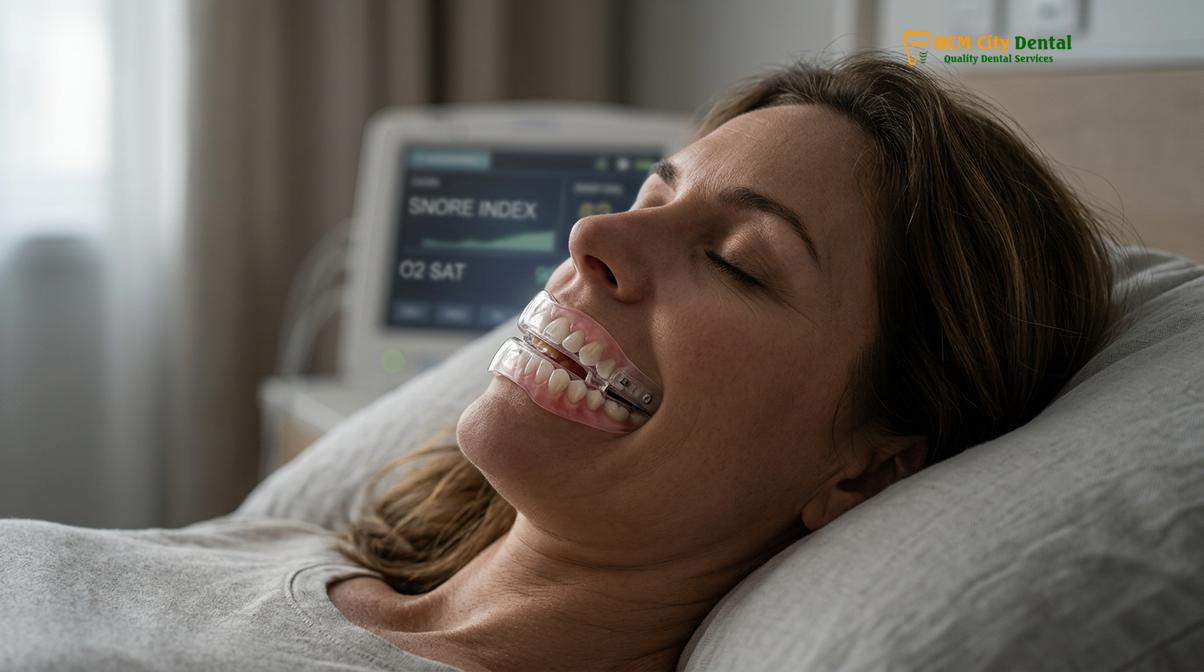
When the brain finally registers the critical lack of oxygen and the dangerous buildup of carbon dioxide, it triggers an emergency survival response. It floods the nervous system with adrenaline, causing a micro-arousal[3]. The patient does not fully wake up, but their brain shifts into a lighter sleep stage just long enough to restore muscle tone to the airway. This reopening is usually violent and abrupt, characterized by the patient gasping for air during sleep, choking, or letting out a loud, explosive snort. Once the airway is clear and a few rapid breaths are taken, the patient immediately falls back into deeper sleep, and the cycle of collapse and obstruction begins all over again.
“The hallmark of obstructive sleep apnea is not the snoring itself, but the terrifying silence that interrupts it, followed by the body’s violent, adrenaline-fueled struggle to restore airflow and survive the night.”
These episodes of choking and gasping are not just disruptive; they are traumatic to the body’s physiology. Imagine being gently suffocated and then startled awake dozens or even hundreds of times a night. This relentless cycle prevents the brain from completing the essential sleep cycles required for cognitive repair, memory consolidation, and physical healing. Consequently, patients often wake up feeling unrefreshed, suffering from morning headaches, dry mouth, and profound daytime somnolence.
How drop in blood oxygen affects blood pressure and cardiovascular risk
The most insidious and life-threatening aspect of sleep apnea is not the sleep deprivation, but the profound cardiovascular strain caused by intermittent hypoxia. Every time the airway collapses and breathing stops, the oxygen saturation level in the blood begins to plummet. In a healthy individual, blood oxygen saturation remains between 95% and 100% throughout the night. In a patient with severe sleep apnea, these levels can drop into the 80s, 70s, or even lower during prolonged apneic events. This state of oxygen starvation sends the body into a state of physiological panic.
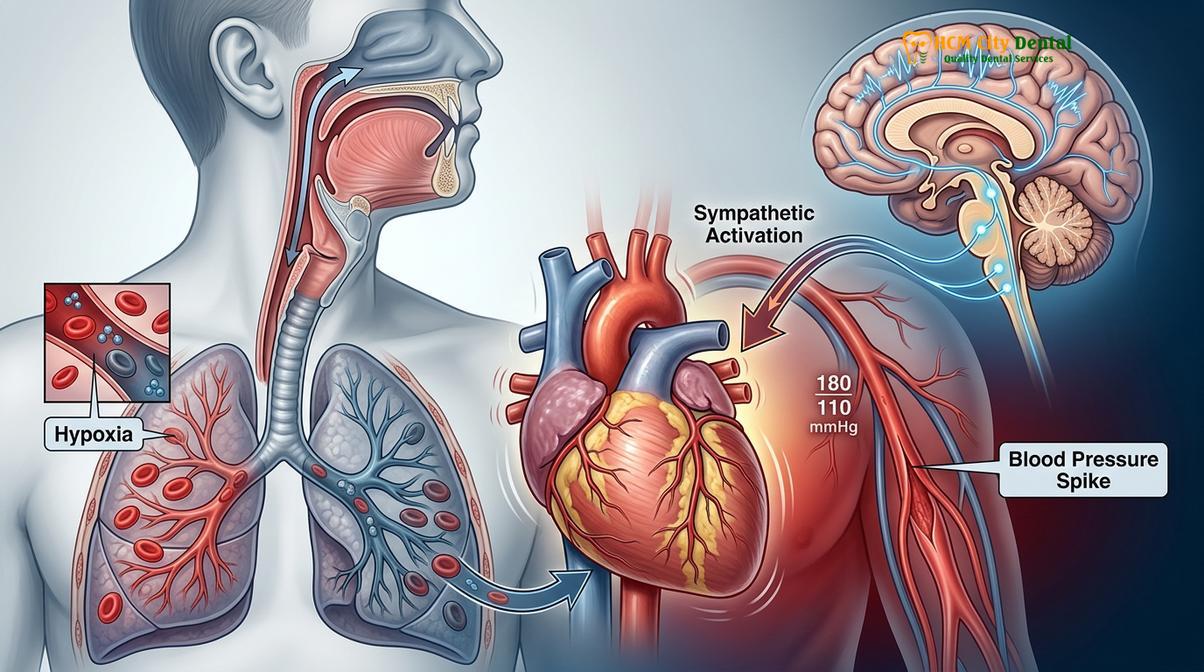
Specialized sensors in the carotid arteries and the brainstem detect this dangerous drop in oxygen and the simultaneous rise in carbon dioxide. They immediately signal the sympathetic nervous system to activate. This activation results in a massive release of stress hormones into the bloodstream[4]. These hormones cause peripheral blood vessels to constrict sharply, which in turn causes a sudden and dramatic spike in blood pressure. The heart is forced to pump much harder against this increased resistance, all while being starved of the very oxygen it needs to function efficiently.
This nocturnal cardiovascular stress does not simply vanish when the sun comes up. The chronic, nightly activation of the sympathetic nervous system leads to sustained endothelial dysfunction—damage to the inner lining of the blood vessels. Over time, this damage promotes systemic inflammation and oxidative stress, causing the blood vessels to remain stiff and constricted even during waking hours. This is why sleep apnea is one of the most common and potent causes of secondary hypertension.
When to seek a professional airway assessment with Dr. Nguyen Van Cuong
Recognizing when to transition from home remedies to professional medical evaluation is critical for long-term health. According to clinical guidelines aligned with the Vietnam Respiratory Society and international health authorities, any patient exhibiting loud, chronic snoring combined with excessive daytime fatigue should undergo a formal sleep assessment. You should seek immediate medical evaluation if your bed partner witnesses you stop breathing during sleep, or if you frequently wake up gasping or choking.
Dr. Nguyen Van Cuong emphasizes that early intervention can help prevent irreversible systemic damage. Dr. Cuong routinely collaborates with sleep physicians to ensure patients receive a comprehensive evaluation of their airway mechanics before any dental appliance is prescribed. Because untreated sleep apnea can exacerbate conditions like diabetes, atrial fibrillation, and treatment-resistant hypertension, early diagnosis through a polysomnography or home sleep apnea test is essential.
Clinical Workflows: Diagnosis and Oral Appliance Therapy
The management of sleep-disordered breathing requires a strict, multidisciplinary clinical workflow. It is a fundamental medical principle that dentists do not diagnose sleep apnea. Diagnosing this complex systemic condition requires objective physiological data gathered through a formal sleep study. Once a board-certified sleep physician evaluates this data and provides a formal diagnosis, they determine the appropriate therapeutic pathway. For patients diagnosed with primary snoring, mild-to-moderate OSA, or those who are intolerant to Continuous Positive Airway Pressure (CPAP) therapy, the physician will often refer the patient to a qualified dental professional for Oral Appliance Therapy (OAT).
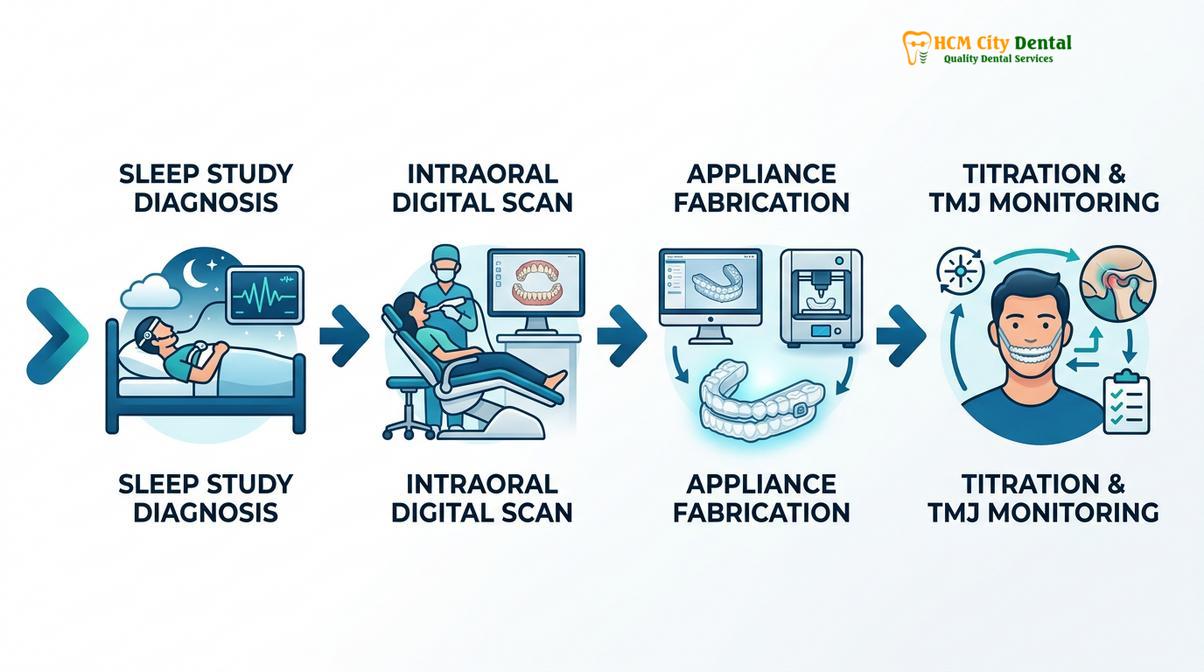
At this stage, the dental clinical workflow begins. The objective of dental sleep medicine is to mechanically help prevent the airway from collapsing by altering the posture of the mandible and the attached soft tissues. By bringing the lower jaw forward, the base of the tongue is pulled away from the posterior pharyngeal wall, and the soft palate is tightened, effectively stenting the airway open. To achieve this, dentists utilize advanced intraoral digital scans to capture the exact three-dimensional topography of the patient’s teeth, gingival margins, and bite relationship. This ensures a level of precision that traditional putty impressions cannot match, resulting in an appliance that fits seamlessly without causing unwanted tooth movement or excessive strain on the temporomandibular joint.
“Custom oral appliance therapy has revolutionized the management of mild-to-moderate sleep apnea, offering a highly compliant, non-invasive alternative to CPAP that effectively stabilizes the airway while respecting the patient’s natural dental anatomy.”
Following the delivery of the mandibular advancement device, the clinical workflow mandates a careful titration process. The dentist gradually adjusts the advancement of the lower jaw over several weeks to find the optimal balance between maximum airway patency and patient comfort. This meticulous digital workflow and titration protocol are vital for supporting the long-term efficacy and orthopedic safety of the treatment[5].
Case Study: Managing Sleep Apnea at HCMC Dental Clinic
A recent 45-year-old patient visiting HCMC Dental Clinic in Ho Chi Minh City presented with severe daytime fatigue and complaints from his partner about disruptive snoring and witnessed breathing pauses. Following a referral to a sleep physician and a subsequent diagnosis of moderate obstructive sleep apnea, the patient returned to our clinic seeking an alternative to CPAP therapy, which he found difficult to tolerate.
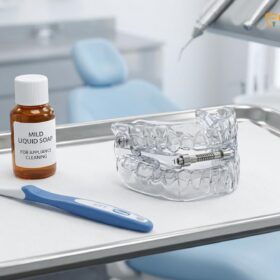
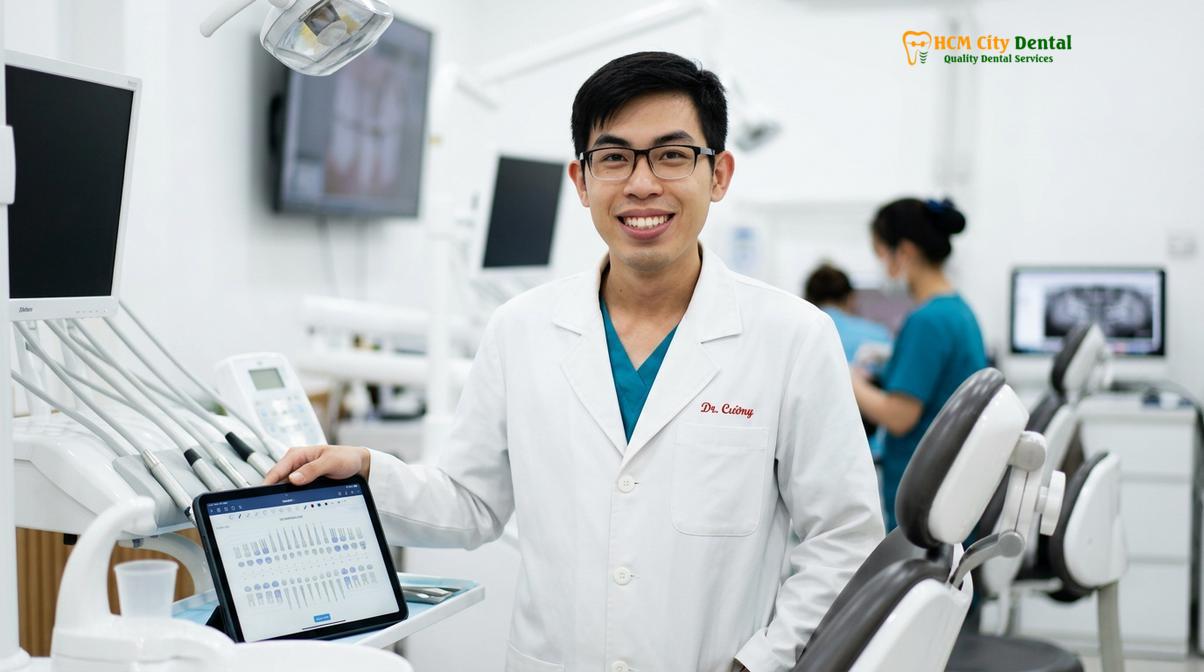
Dr. Nguyen Van Cuong, a leading specialist in dental sleep medicine, evaluated the patient’s intraoral anatomy to determine his suitability for oral appliance therapy. Dr. Cuong emphasizes that proper airway management goes beyond simply stopping the noise; it requires a deep understanding of jaw mechanics. Utilizing an advanced digital intraoral scanner, Dr. Cuong designed a custom twinblock mandibular advancement device. This appliance was precisely calibrated to gently posture the patient’s lower jaw forward during sleep, designed to help open the collapsed airway while protecting the temporomandibular joint from undue stress.
Within a few weeks of gradual titration, the patient reported a significant reduction in gasping episodes and a noticeable improvement in his morning energy levels. His bed partner also noted that the loud snoring had been substantially minimized. For comprehensive management, exploring specialized Sleep Apnea & Snoring therapies is essential. If you are struggling with sleep-disordered breathing, contact HCMC Dental Clinic in Ho Chi Minh City to schedule a thorough evaluation and discover how custom oral appliances can support your restorative sleep.
References
- Journal of Clinical Sleep Medicine. Differentiating primary snoring from obstructive sleep apnea. (2021).
- American Journal of Respiratory and Critical Care Medicine. Cardiovascular consequences of intermittent hypoxia. (2020).
- Journal of Dental Sleep Medicine. Efficacy of mandibular advancement devices in mild-to-moderate OSA. (2022).
- Sleep and Breathing. Temporomandibular joint considerations in oral appliance therapy. (2019).
- Journal of Oral Rehabilitation. Titration protocols and digital workflows in dental sleep medicine. (2023).