The titration process sleep apnea involves gradually adjusting a continuous positive airway pressure (CPAP) machine or a custom mandibular advancement device (MAD) to find the optimal setting. This precise calibration keeps the airway open, effectively reducing breathing interruptions while minimizing patient discomfort and joint strain.
Clinical Summary:
Titration is the systematic clinical calibration of sleep apnea therapies to achieve maximum airway patency with minimal side effects. In dental sleep medicine, this entails adjusting a custom oral appliance by fractions of a millimeter over several weeks to gently protrude the mandible. Dentists collaborate closely with board-certified sleep physicians—who formally diagnose the condition using objective sleep studies—to fabricate and titrate these devices for patients with mild-to-moderate obstructive sleep apnea, primary snoring, or those who are CPAP-intolerant. Proper titration balances respiratory efficacy with temporomandibular joint health.
Key Takeaways:
- Titration ensures the lower jaw is advanced just enough to clear airway obstruction without causing temporomandibular joint (TMJ) pain.
- Custom oral appliances utilize a precision screw advancement mechanism for safe, microscopic millimeter adjustments.
- Dentists do not diagnose sleep apnea; a formal sleep study evaluated by a physician is strictly required before treatment.
- Follow-up dental appointments are essential to monitor the Apnea-Hypopnea Index (AHI) and oxygen desaturation levels.
- Over-the-counter (OTC) boil-and-bite guards lack titration capabilities, often leading to severe joint strain and treatment failure.
What is titration and why is it necessary for sleep guards?
Titration is the clinical process of incrementally adjusting a sleep guard to find the exact jaw position that prevents airway collapse. It is necessary because an under-adjusted device fails to stop apneas, while an over-adjusted one causes severe jaw pain.
In the realm of sleep medicine, the concept of titration originated with Continuous Positive Airway Pressure (CPAP) therapy, where air pressure is gradually increased until respiratory events cease. When applied to dental sleep medicine and oral appliance therapy, the titration process sleep apnea refers to the mechanical, incremental protrusion of the mandible (lower jaw). By moving the jaw forward, the attached musculature—specifically the genioglossus muscle of the tongue—is pulled away from the posterior pharyngeal wall, thereby enlarging the airway space and preventing the collapse that characterizes Obstructive Sleep Apnea (OSA)[1].
The necessity of titration cannot be overstated. The human temporomandibular joint (TMJ) and the surrounding masticatory muscles are highly sensitive to sudden changes in posture. If a dentist were to immediately position a patient’s jaw at the maximum required protrusion to open the airway, the patient would likely experience severe muscle spasms, joint effusion, and an inability to tolerate the device throughout the night. Conversely, if the jaw is not advanced enough, the airway obstruction will persist, leading to continued snoring, dangerous oxygen desaturation, and fragmented sleep architecture.
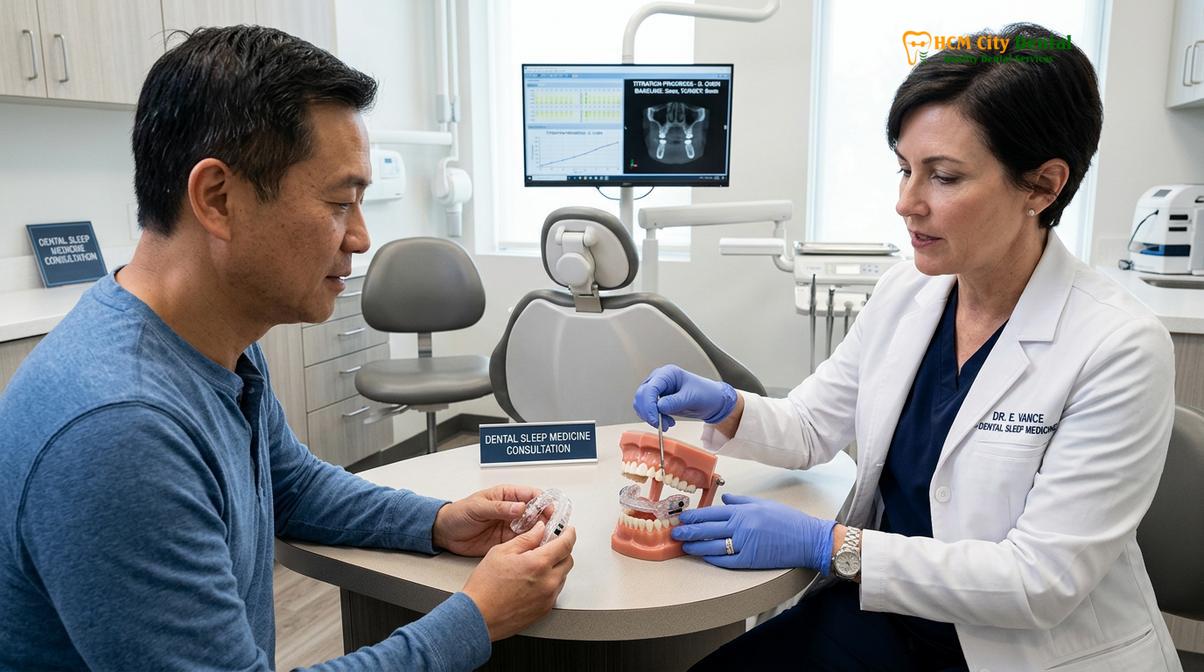
Therefore, titration serves as a critical bridge between anatomical adaptation and respiratory efficacy. The goal is to find the “target protrusion”—the exact millimeter position where the Apnea-Hypopnea Index (AHI) is normalized, oxygen levels remain stable, and the patient experiences no residual daytime sleepiness, all while maintaining complete comfort in the facial joints and muscles. This delicate balance requires a highly customized device equipped with specific hardware designed for micro-adjustments, allowing the body to adapt to the new mandibular posture over a period of several weeks to months[2].
During this phase, the patient’s subjective feedback regarding sleep quality, morning headaches, and jaw comfort is continuously evaluated. The titration phase is not a single event but a dynamic, ongoing clinical dialogue between the patient and the dental provider, ensuring that the mechanical intervention translates into measurable physiological improvements.
How the adjustment screw mechanism moves the jaw by fractions of a millimeter
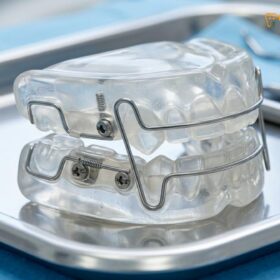
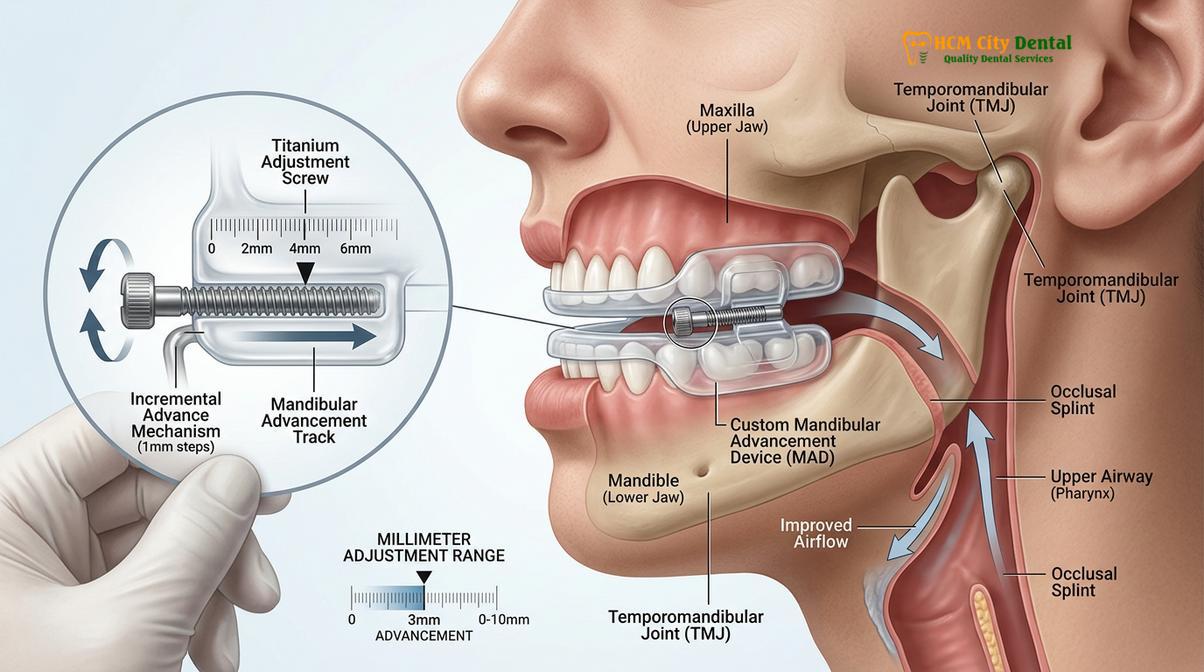
Custom sleep appliances feature a precision screw advancement mechanism that allows the lower jaw to be moved forward in microscopic increments. This gradual millimeter adjustment prevents sudden muscle spasms and allows the temporomandibular joint to adapt safely.
The engineering behind custom mandibular advancement devices (MADs) is what separates professional medical therapy from ineffective consumer products. At the heart of these devices is the screw advancement mechanism, a sophisticated piece of micro-hardware embedded into the acrylic or milled framework of the mouthpiece. This mechanism allows the patient or the clinician to advance the lower jaw in highly controlled increments, typically ranging from 0.1 to 0.25 millimeters per turn of a specialized key.
At HCMC Dental Clinic, the fabrication of these devices begins with highly accurate intraoral digital scans. These 3D impressions capture the exact topography of the teeth and the initial bite registration, ensuring a flawless fit that distributes forces evenly across the dental arch. Based on these scans, specific types of titratable appliances are prescribed depending on the patient’s anatomical needs and the severity of their airway collapse.
One of the premier devices utilized is the Antisnoring Telescopic appliance. This device employs a Herbst-style mechanism featuring lateral telescopic rods connecting the upper and lower arches. The distinct clinical advantage of the telescopic design is that it allows for significant side-to-side (lateral) and vertical jaw movement while maintaining the forward protrusion. This freedom of movement is crucial for minimizing temporomandibular joint (TMJ) stiffness and preventing the feeling of being “locked in” during sleep. The Antisnoring Telescopic device is currently priced at 12,000,000 VND (approximately $480 USD with a WhatsApp discount applied)[3].
Another highly effective option is the Twinblock Snoring device. Unlike the telescopic rods, the Twinblock is a two-piece device featuring interlocking 70-degree bite blocks. When the patient closes their mouth, the angled blocks naturally guide the lower jaw forward into the predetermined therapeutic position. The titration is achieved by adding or adjusting the acrylic on the blocks or utilizing integrated expansion screws. This device is particularly effective for patients who need a robust, durable appliance that strictly controls the vertical dimension of the airway. The Twinblock Snoring device is priced at 11,000,000 VND (approximately $440 USD with a WhatsApp discount).
The ability to make these millimeter adjustments is the cornerstone of the titration process. By advancing the jaw slowly—often just one millimeter per week—the ligaments and muscles of the TMJ undergo a process of gradual elongation and adaptation. This prevents the acute inflammatory response that often leads to patients abandoning oral appliance therapy. The airway opening calibration is thus achieved not through force, but through precise, biomechanical coaxing.
Measuring progress: Finding the balance between airway opening and joint comfort
Successful titration requires continuous monitoring to ensure the airway remains open without overloading the temporomandibular joint. Clinical progress is measured through subjective symptom relief, joint checks, and follow-up sleep studies.
The clinical journey of sleep apnea titration is highly individualized. It requires a meticulous protocol to ensure that the mechanical advancement of the jaw is actually translating into respiratory success without causing collateral damage to the dental structures. This phase is heavily reliant on scheduled follow-up dental appointments, where the clinician assesses both the hardware and the patient’s biological response.
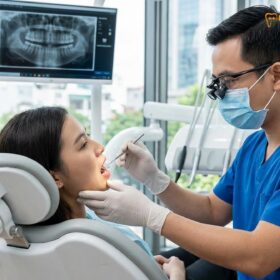
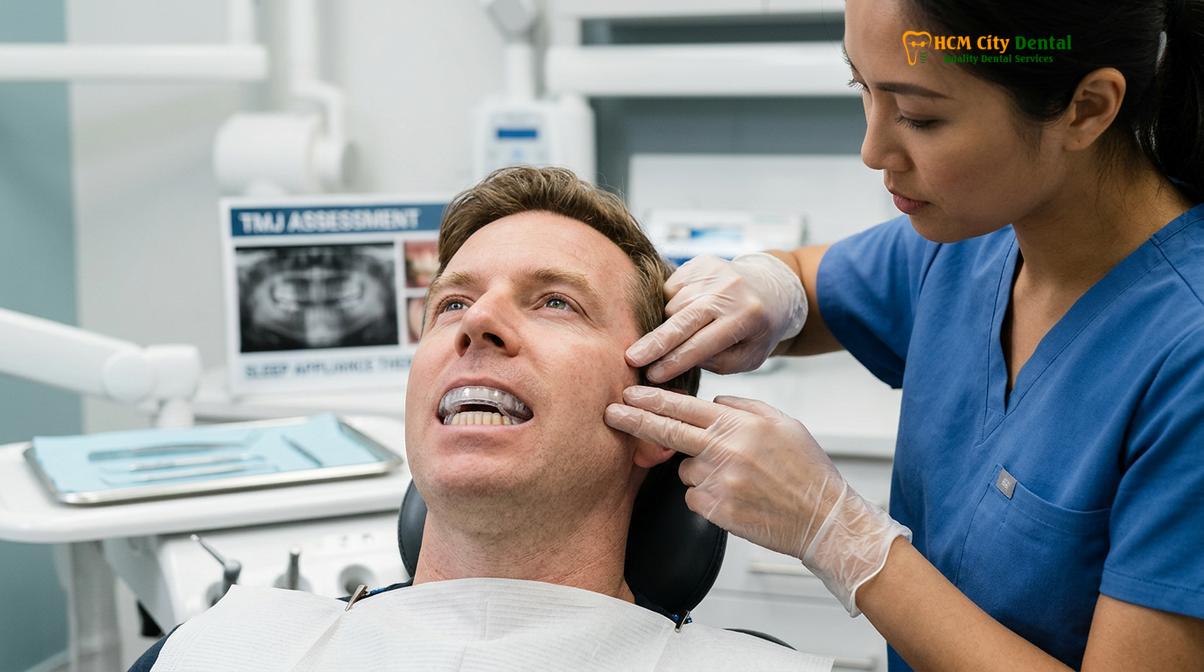
According to Dr. Nguyen Van Cuong, the clinical perspective on airway scanning, joint checks, and titration calibration is paramount to long-term success. Dr. Cuong emphasizes that a device is only as effective as the patient’s ability to wear it comfortably all night, every night. During follow-up visits, the dentist performs comprehensive TMJ joint checks, palpating the masseter, temporalis, and lateral pterygoid muscles to detect any signs of hypertrophy, tension, or spasm. If muscle tenderness is noted, the titration process is paused, or the device is slightly reversed to allow the tissues to recover.
“The true art of dental sleep medicine lies in the titration phase. We are constantly walking a tightrope between maximizing the pharyngeal airway space to prevent oxygen desaturation and respecting the anatomical limits of the temporomandibular joint. Precision and patience are our greatest tools.”
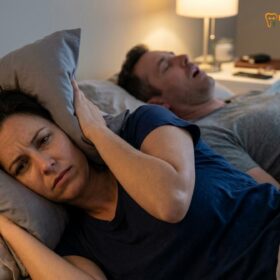
Progress is initially measured subjectively. Patients are asked to report on the cessation of snoring, improvements in daytime energy levels, and the reduction of morning headaches. Bed partners often provide the most accurate early feedback regarding the frequency of gasping or choking episodes during the night. However, subjective improvement is not sufficient to declare the titration process complete.
Clinical Case Example:
A 52-year-old male patient visited HCMC Dental Clinic in Ho Chi Minh City complaining of severe snoring and CPAP intolerance. After receiving clearance and a diagnosis of moderate OSA from his sleep physician, he was fitted with an Antisnoring Telescopic device. The initial setting was at 50% of his maximum protrusion. Over four weeks, he performed millimeter adjustments at home, advancing the screw mechanism by 0.25mm every three days. By week five, his snoring had ceased, and his daytime fatigue was resolved. A follow-up joint check revealed no TMJ strain, and a subsequent sleep study confirmed his AHI had dropped from 22 to 4 events per hour, marking a highly successful titration.
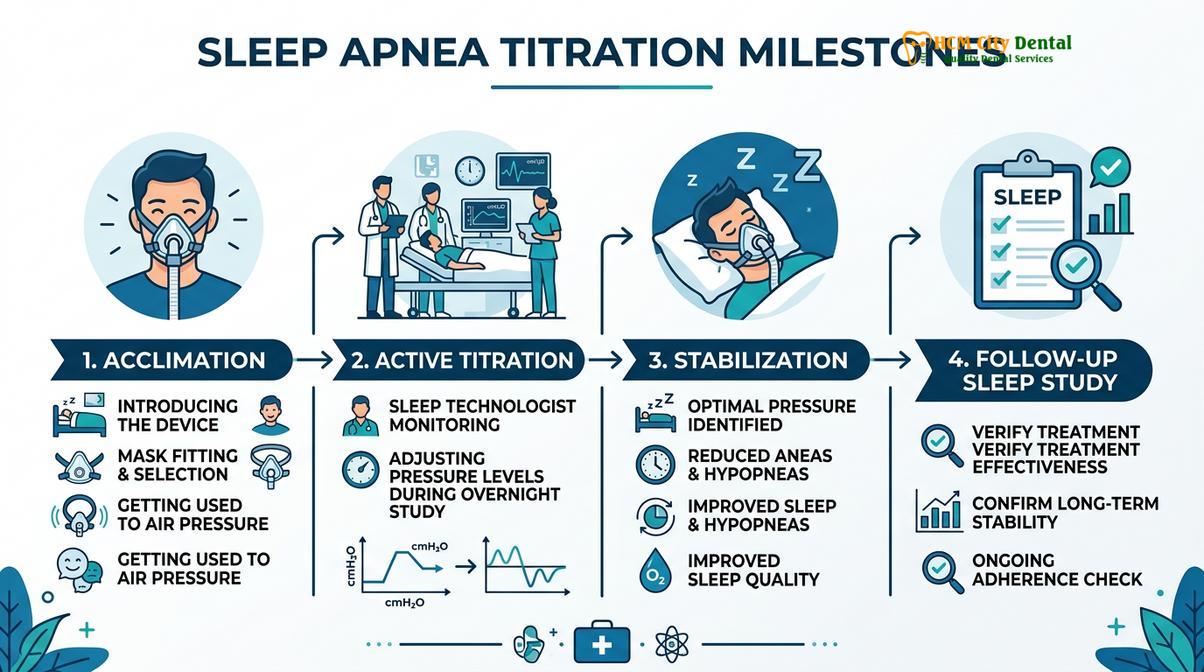
Once the patient reaches a point where symptoms are resolved and the jaw is comfortable, the physical titration of the device is halted. This is known as the stabilization phase. The patient will wear the device at this specific setting for several weeks to ensure consistency. Following this, the ultimate measure of progress is obtained through a follow-up objective sleep study (efficacy study) to verify that the AHI and oxygen desaturation levels have been successfully normalized.
Why standard OTC guards cannot be titrated and cause joint strain
Standard over-the-counter guards are made of soft, yielding plastics that lock the jaw in a single, unadjustable position. Because they lack an airway opening calibration system, they frequently induce severe joint strain and fail to treat obstructive sleep apnea.
A common and dangerous misconception among patients is that inexpensive, over-the-counter (OTC) “boil-and-bite” snoring guards are equivalent to custom medical devices. From a clinical standpoint, these products are vastly inferior and carry significant risks, primarily because they completely lack a titration mechanism.
OTC guards are typically made from thermoplastic materials that the user softens in hot water and bites into. While this creates a rudimentary impression of the teeth, it forces the user to guess the correct amount of jaw protrusion needed to open their airway. Because there is no screw advancement mechanism, the jaw is locked into this single, arbitrary position. If the protrusion is insufficient, the airway obstruction continues. If the protrusion is excessive, the patient will wake up with severe TMJ pain and muscle fatigue[4].
Furthermore, the bulky nature of OTC guards often encroaches on the tongue space. Instead of opening the airway, the thick plastic can push the tongue backward into the throat, paradoxically worsening the apnea. The soft material also encourages nocturnal bruxism (teeth grinding), which can rapidly degrade the appliance and exacerbate joint inflammation.
| Feature | Custom Titratable MAD | Over-the-Counter (OTC) Guard |
|---|---|---|
| Titration Capability | Micro-millimeter adjustments via precision screws. | None. Locked in a single, unadjustable position. |
| TMJ Safety | High. Allows gradual adaptation and lateral movement. | Low. High risk of joint strain and muscle spasms. |
| Material & Fit | Medical-grade acrylic/milled framework via intraoral digital scans. | Bulky thermoplastic (boil-and-bite), poor retention. |
| Airway Efficacy | Clinically proven to reduce AHI and oxygen desaturation. | Unpredictable; may worsen obstruction by crowding the tongue. |
| Lifespan | 3 to 5+ years with proper care. | 3 to 6 months (rapid degradation). |
Clinical Warning: Prolonged use of non-titratable, over-the-counter sleep guards can lead to irreversible occlusal changes (shifting of the bite) and chronic temporomandibular joint dysfunction. Always consult a qualified dental professional for a custom-fitted, adjustable appliance.
In contrast, custom devices are fabricated from rigid, medical-grade materials that snap securely onto the teeth, taking up minimal space in the oral cavity. The rigid retention ensures that the jaw is held exactly at the calibrated position, while the built-in hinges or telescopic rods allow for necessary physiological movements during sleep. The investment in a custom, titratable device is an investment in both respiratory health and long-term dental integrity.
The Collaborative Diagnostic Workflow in Dental Sleep Medicine
Dentists strictly provide therapeutic oral appliances and do not diagnose obstructive sleep apnea. A definitive diagnosis requires a comprehensive sleep study evaluated by a board-certified sleep physician before any dental intervention begins.
It is a fundamental rule of medical ethics and legal compliance that dentists do not diagnose sleep apnea. Obstructive sleep apnea is a complex medical condition with profound cardiovascular, neurological, and metabolic implications. Therefore, the workflow in dental sleep medicine is inherently collaborative, bridging the gap between dental professionals and medical physicians.
Before a patient can begin the titration process for a mandibular advancement device, they must undergo an objective sleep assessment. This is typically achieved through an in-lab Polysomnography (PSG) or a Home Sleep Apnea Test (HSAT). These tests measure critical physiological data, including brain waves, heart rate, respiratory effort, airflow, and blood oxygen levels. A board-certified sleep physician interprets this data to determine the severity of the sleep apnea (mild, moderate, or severe) and issues a formal diagnosis and prescription for treatment[5].
“Interdisciplinary collaboration is the foundation of effective sleep therapy. As dentists, we rely on the precise diagnostic data provided by sleep physicians to determine if a patient is a safe candidate for oral appliance therapy, and to set the baseline goals for our titration protocols.”
Once the diagnosis is established, the patient may be referred to a qualified dental provider. Dr. Cuong notes that at this stage, the dentist’s role is to evaluate the patient’s oral health, periodontal stability, and TMJ function to ensure they can safely support a mandibular advancement device. If the patient is a suitable candidate—often those with mild-to-moderate OSA, or severe OSA patients who are strictly intolerant to CPAP—the fabrication and titration of the custom appliance commence.
This collaborative loop is closed at the end of the titration phase. Once the dentist and patient feel the device is optimally adjusted, the patient is referred back to the sleep physician for a follow-up sleep study with the device in place. This final step objectively verifies that the Sleep Apnea & Snoring therapy is successfully managing the condition.
When to See a Doctor for Sleep Apnea Symptoms
If you experience chronic loud snoring, wake up gasping for air, or suffer from debilitating daytime fatigue, you should seek immediate medical evaluation. These are red flag symptoms of untreated obstructive sleep apnea.
Recognizing the signs of airway obstruction is the first step toward effective treatment. Sleep apnea often goes undiagnosed for years because the primary symptoms occur while the patient is unconscious. However, the cumulative effect of nightly oxygen desaturation takes a severe toll on the body. You should consult a medical professional if you or your bed partner notice any of the following red flags:
- Witnessed Apneas: Your bed partner observes periods where you stop breathing entirely, followed by a loud snort or choking sound as your body struggles to resume breathing.
- Excessive Daytime Sleepiness: You feel overwhelmingly tired during the day, struggling to stay awake during meetings, while reading, or dangerously, while driving, despite getting a full night’s sleep.
- Morning Headaches: Waking up with a dull, throbbing headache is a common sign of hypercapnia (elevated carbon dioxide levels in the blood) caused by inadequate ventilation during the night.
- Unrefreshing Sleep: Waking up feeling exhausted, with a dry mouth or sore throat, indicating that you have been breathing through your mouth and struggling for air.
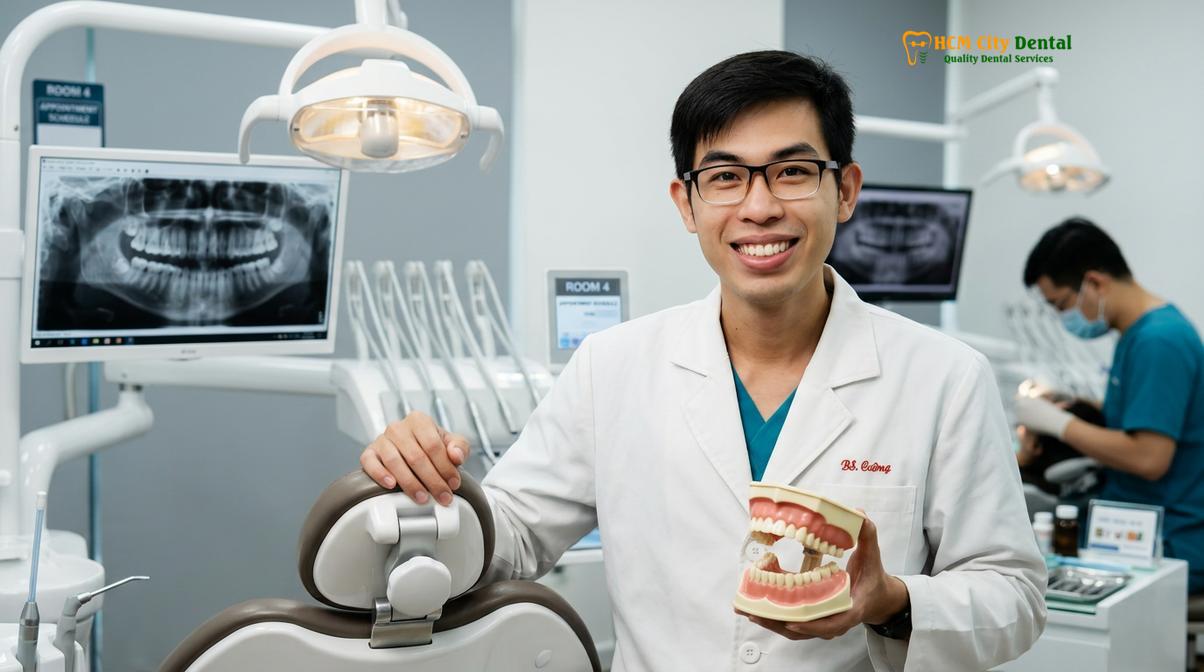
If you are already undergoing oral appliance therapy and experience sudden, sharp pain in your jaw joint, a noticeable change in how your upper and lower teeth fit together (occlusal changes), or a return of your snoring and fatigue, you must schedule follow-up dental appointments immediately. These signs indicate that the device may need to be recalibrated, repaired, or that the titration process needs to be reassessed by your clinical team.
For patients seeking expert guidance on custom sleep appliances and precise titration protocols, the team at HCMC Dental Clinic is equipped with advanced intraoral scanning technology and a deep understanding of dental sleep medicine to help you achieve restful, unobstructed sleep.
Frequently Asked Questions
How often do I need to adjust my sleep apnea mouthpiece?
You will typically adjust your sleep apnea mouthpiece every few days to once a week during the initial titration phase. This gradual schedule allows your jaw muscles and temporomandibular joint to adapt safely to the new forward position. Your dentist will provide a specific timeline based on your joint health and the severity of your symptoms, ensuring that the advancement is slow enough to prevent pain but steady enough to open the airway effectively.
What happens if I advance the mouthpiece too quickly?
Advancing the mouthpiece too quickly can cause severe temporomandibular joint pain, muscle spasms, and changes to your natural bite. Rapid adjustments overload the facial musculature before it has time to stretch and adapt to the new posture. This acute inflammation can make it impossible to wear the device, halting your therapy entirely. It is crucial to follow the prescribed millimeter adjustments and never rush the process.
Does Dr. Cuong perform the titration or do I do it at home?
Dr. Cuong establishes the baseline position and provides a specific adjustment schedule, but you will perform the micro-adjustments at home using a specialized key. You will then return for follow-up dental appointments to verify joint health and airway efficacy. During these visits, the clinical team will check your muscles for tension and ensure the hardware is functioning correctly, guiding you through the remainder of the titration phase.
Can a dentist diagnose my sleep apnea before starting titration?
No, dentists are not legally or medically permitted to diagnose obstructive sleep apnea. A formal diagnosis must be made by a board-certified sleep physician using a polysomnography or home sleep apnea test before any dental device is fabricated. The dentist’s role is strictly therapeutic—fabricating and titrating the oral appliance based on the medical diagnosis and prescription provided by your physician.
How do I know if the titration process is complete?
The titration process is considered complete when your snoring and daytime fatigue resolve, and a follow-up sleep study confirms your Apnea-Hypopnea Index (AHI) has dropped to a normal, healthy level without causing jaw discomfort. Subjective relief of symptoms is the first indicator, but objective verification through a final sleep test with the device in place is the medical standard for declaring the therapy successful.
References
- Journal of Dental Sleep Medicine. Mandibular advancement device efficacy and titration protocols. (2021).
- American Journal of Respiratory and Critical Care Medicine. CPAP vs oral appliances in mild-to-moderate OSA. (2019).
- Sleep and Breathing. Telescopic Herbst appliance TMJ safety and lateral excursion. (2020).
- Journal of Clinical Sleep Medicine. HSAT diagnostic reliability and collaborative care. (2022).
- Journal of Oral Rehabilitation. Titration protocols and occlusal changes in dental sleep medicine. (2018).