The Twinblock snoring appliance is a custom-made, two-piece oral device designed to treat primary snoring and mild-to-moderate obstructive sleep apnea. By utilizing interlocking 70-degree bite blocks, it gently guides the lower jaw forward, preventing airway obstruction and reducing oxygen desaturation during sleep.
Clinical Summary:
The Twinblock snoring guard is a highly effective mandibular advancement device (MAD) featuring a split plate design with interlocking bite blocks. It is clinically indicated for patients with primary snoring or mild-to-moderate obstructive sleep apnea (OSA) who are CPAP-intolerant. While dentists fabricate and calibrate these devices using intraoral digital scans, formal diagnosis requires a sleep study evaluated by a sleep physician. At HCMC Dental Clinic, patients can choose between the rigid 70-degree Twinblock and the flexible Antisnoring Telescopic device, depending on their temporomandibular joint (TMJ) health and specific anatomical needs.
Key Takeaways:
- The Twinblock utilizes a 70-degree interlocking mechanism to maintain forward jaw posture and prevent airway collapse.
- It features a two-piece design, allowing for easier speech and swallowing compared to single-piece monobloc guards.
- Diagnosis of sleep apnea must be performed by a medical sleep physician prior to any dental appliance fabrication.
- The Antisnoring Telescopic model offers more lateral movement, making it ideal for patients with TMJ sensitivities.
- Treatment involves precise titration and routine joint checks to ensure optimal airway patency without muscular strain.
Understanding the Twinblock Snoring Guard Mechanism
The Twinblock mechanism relies on upper and lower acrylic plates that interlock to reposition the mandible forward. This structural advancement directly increases the posterior pharyngeal airway space, mitigating the tissue vibrations that cause snoring.
Sleep-disordered breathing encompasses a broad spectrum of nocturnal respiratory issues, ranging from habitual, benign snoring to severe obstructive sleep apnea (OSA). The severity of these conditions is clinically measured by the Apnea-Hypopnea Index (AHI), which tracks the number of breathing pauses per hour, alongside the frequency and depth of oxygen desaturation [1]. When the muscles of the head and neck relax during deep sleep, the base of the tongue and the soft palate can collapse against the posterior pharyngeal wall. This anatomical collapse leads to partial or complete airway obstruction. To combat this physiological phenomenon, the Twinblock functions as a highly precise jaw repositioning guard.
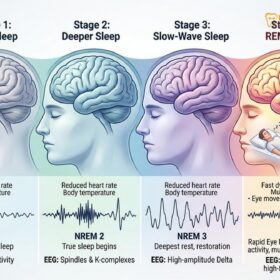
The fundamental principle behind this therapy is mechanical displacement. By advancing the mandible, the attached musculature—specifically the genioglossus muscle—is pulled forward. This action physically expands the retroglossal and retropalatal airway spaces. Dr. Nguyen Van Cuong emphasizes that the primary goal of this appliance is to maintain a patent airway throughout all stages of sleep, particularly during REM sleep when muscle atonia is at its peak. When the airway remains open and unobstructed, the turbulent airflow that causes the soft tissues to vibrate is eliminated, thereby silencing the snoring.
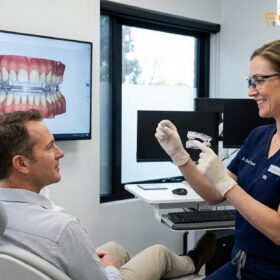
Fabricating a successful Twinblock requires meticulous attention to the patient’s unique dental and skeletal anatomy. The process begins with high-resolution intraoral digital scans, which capture the exact topography of the teeth and gingival margins. These digital impressions are vastly superior to traditional alginate molds, ensuring a frictionless fit that maximizes patient compliance. A precise protrusive bite registration is then recorded, capturing the exact degree of mandibular advancement required to open the airway without overstretching the temporomandibular joint ligaments.
Bite Block Angle: How 70-Degree Planes Guide the Jaw
The defining feature of the Twinblock is its 70-degree inclined bite planes. When the patient closes their mouth, these angled blocks force the lower jaw to slide forward into a predetermined therapeutic position.
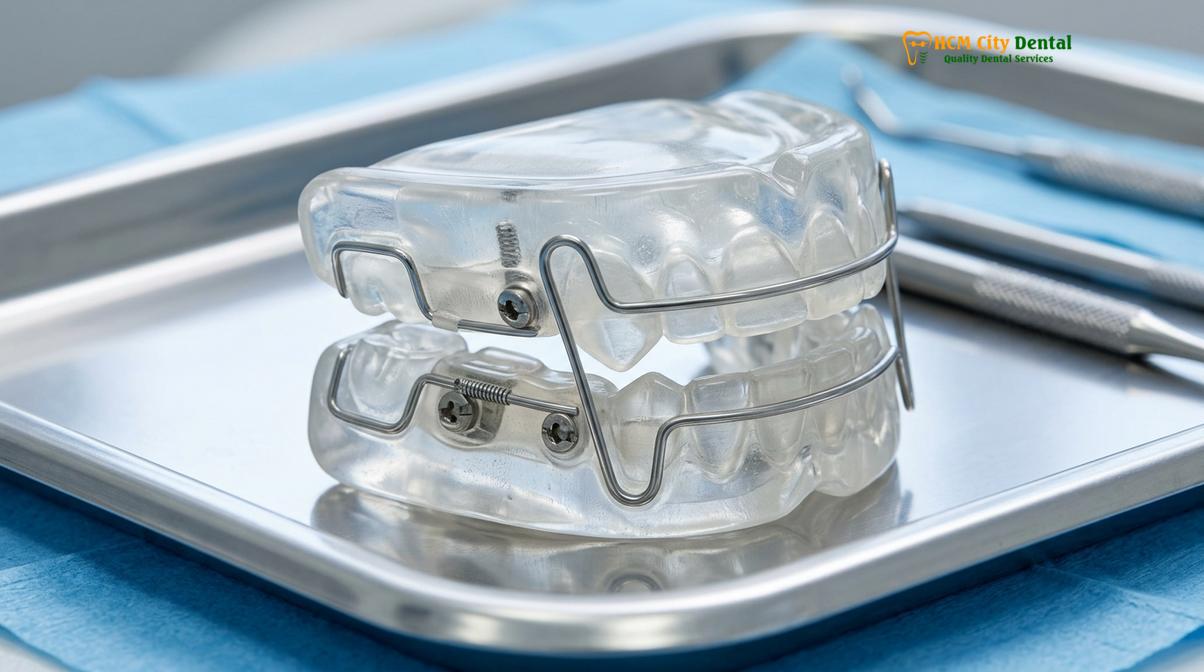
Unlike traditional monobloc appliances that rigidly fuse the upper and lower jaws together in a fixed position, the Twinblock utilizes an innovative split plate design. This means the maxillary (upper) and mandibular (lower) components are entirely separate entities. They interact solely through the strategic placement of interlocking bite blocks [2]. The specific angulation of these blocks is not arbitrary; the 70-degree angle is a biomechanical standard in functional appliance therapy. It provides a steep enough incline to ensure that the mandible cannot easily slip backward into a retrognathic (retruded) position while the patient is sleeping.
“The 70-degree angulation of the Twinblock bite planes is biomechanically optimized to translate vertical closure forces into horizontal mandibular advancement, effectively splinting the airway open without locking the jaw completely.”
When a patient wearing a Twinblock relaxes their jaw, gravity and muscle tone naturally cause the mouth to open slightly. However, the moment the patient swallows or closes their mouth, the lower bite blocks strike the inclined planes of the upper bite blocks. The 70-degree slope acts as a physical ramp, smoothly guiding the lower jaw forward and upward into the target protrusive position. This dynamic interaction is what makes the split plate design so effective; it allows for basic functional movements like swallowing and minor speech, which significantly improves patient comfort and long-term adherence to the therapy.
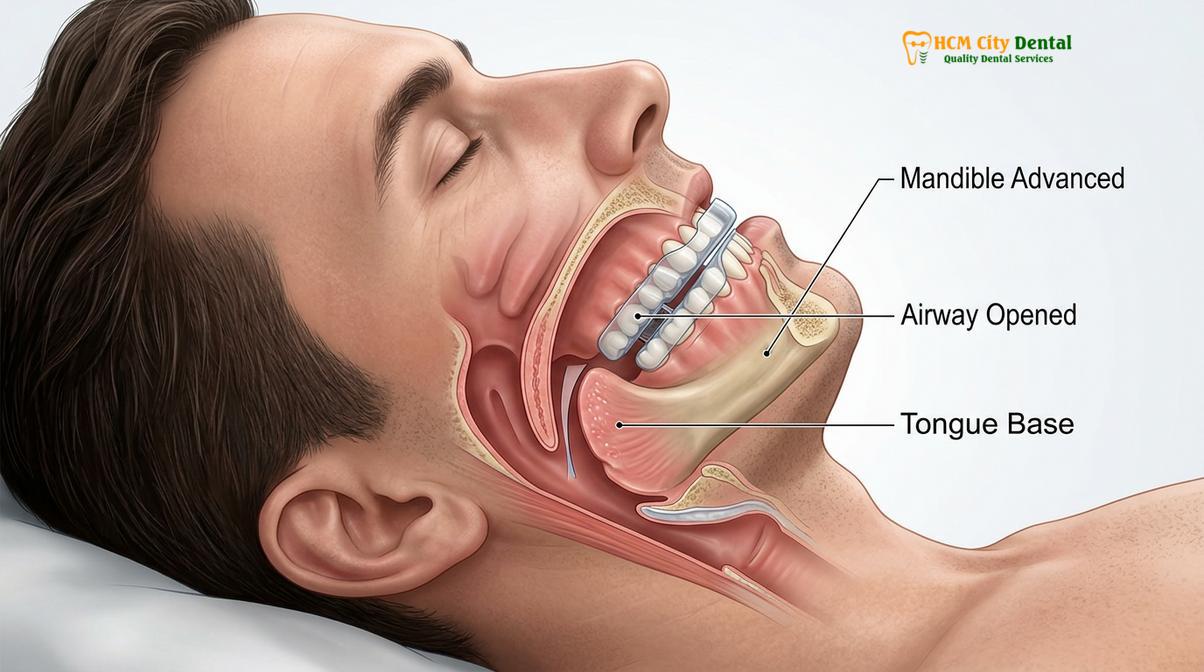
The retention of these plates is critical. If the plates dislodge during the night, the therapeutic effect is lost. Therefore, the acrylic bases are carefully contoured to the teeth and often reinforced with medical-grade stainless steel clasps, such as ball clasps or Adams clasps. These metallic components snap securely into the undercuts of the posterior teeth, ensuring the appliance remains firmly anchored even when the jaw is subjected to the heavy forces of nocturnal bruxism (teeth grinding).
Telescopic vs. Twinblock: The Direct Clinical Comparison
While both devices treat snoring by advancing the jaw, the Twinblock uses rigid acrylic blocks, whereas the Telescopic device uses lateral rods to allow for greater side-to-side movement, protecting the TMJ.
In the realm of dental sleep medicine, there is no single appliance that is universally perfect for every patient. At our practice, we frequently evaluate patients to determine the most appropriate mandibular advancement device based on their specific anatomical and joint health profiles. The two primary options we fabricate are the Twinblock Snoring appliance and the Antisnoring Telescopic device. Understanding the mechanical and physiological differences between these two is crucial for achieving long-term success without inducing secondary complications.
The Antisnoring Telescopic utilizes a Herbst-style mechanism. Instead of acrylic blocks, this device connects the upper and lower plates via lateral telescopic rods made of surgical-grade metal. This advanced design allows for significant side-to-side (lateral) and vertical jaw movement. This freedom of movement is paramount for minimizing temporomandibular joint (TMJ) stiffness and preventing capsulitis [3]. Patients who naturally grind their teeth or have a history of TMJ disorders often find the rigid nature of the Twinblock uncomfortable over time. For these individuals, the Telescopic device acts as a shock absorber, allowing the jaw to move naturally while still maintaining the forward posture required to keep the airway open.
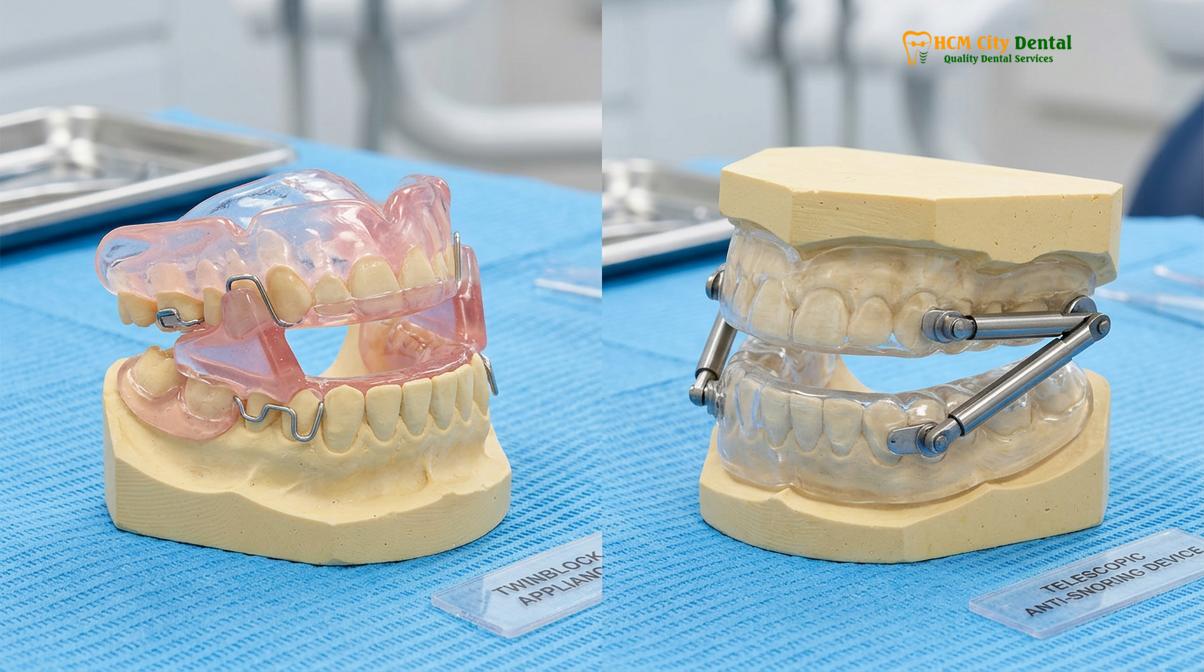
Conversely, the Twinblock relies entirely on its rigid 70-degree planes. While it restricts lateral movement more than the Telescopic model, its simplicity and lack of complex moving parts make it highly durable and easier to maintain. Regular TMJ joint checks are essential for patients wearing either device. During these follow-up appointments, the dentist assesses the muscles of mastication for any signs of hypertrophy, tenderness, or spasm, ensuring the degree of advancement is therapeutic rather than destructive.
| Clinical Feature | Twinblock Snoring Guard | Antisnoring Telescopic Guard |
|---|---|---|
| Core Mechanism | Interlocking 70-degree acrylic bite blocks | Herbst-style lateral metallic telescopic rods |
| Jaw Movement | Restricted lateral movement; guides jaw upon closure | Allows extensive side-to-side and vertical movement |
| TMJ Impact | May cause mild initial stiffness; requires adaptation | Significantly minimizes TMJ stiffness and strain |
| Durability | High durability; fewer moving parts to break | Requires careful maintenance of the rod hinges |
| Current Pricing | 11,000,000 VND | 12,000,000 VND |
Price Differences and Finding Your Best Fit in Saigon
The Twinblock is priced at 11,000,000 VND, while the Telescopic model costs 12,000,000 VND. Both options offer a highly effective, affordable anti snoring solution with exclusive WhatsApp booking discounts available.
For expatriates, medical tourists, and local residents seeking an affordable anti snoring solution in Ho Chi Minh City, understanding the cost-to-benefit ratio of these custom devices is vital. The fabrication of a medical-grade oral appliance involves premium materials, advanced digital scanning technology, and the specialized expertise of dental professionals trained in airway management. Currently, the Twinblock Snoring device is priced at 11,000,000 VND (approximately $440 USD when utilizing our direct WhatsApp booking discount). The Antisnoring Telescopic device is priced slightly higher at 12,000,000 VND (approximately $480 USD with the WhatsApp discount) due to the complex engineering and imported metallic components of its lateral rod mechanisms.
When comparing these costs to the ongoing expenses of CPAP therapy—which requires regular replacement of masks, hoses, and filters—a custom oral appliance represents a highly cost-effective, long-term investment in your sleep health. Furthermore, our administrative team at HCMC Dental Clinic routinely assists patients with international insurance claims. We work frequently with major global providers, including Allianz and Cigna, providing all necessary clinical documentation, itemized receipts, and intraoral scan reports to ensure a smooth reimbursement process for custom sleep apnea appliances.
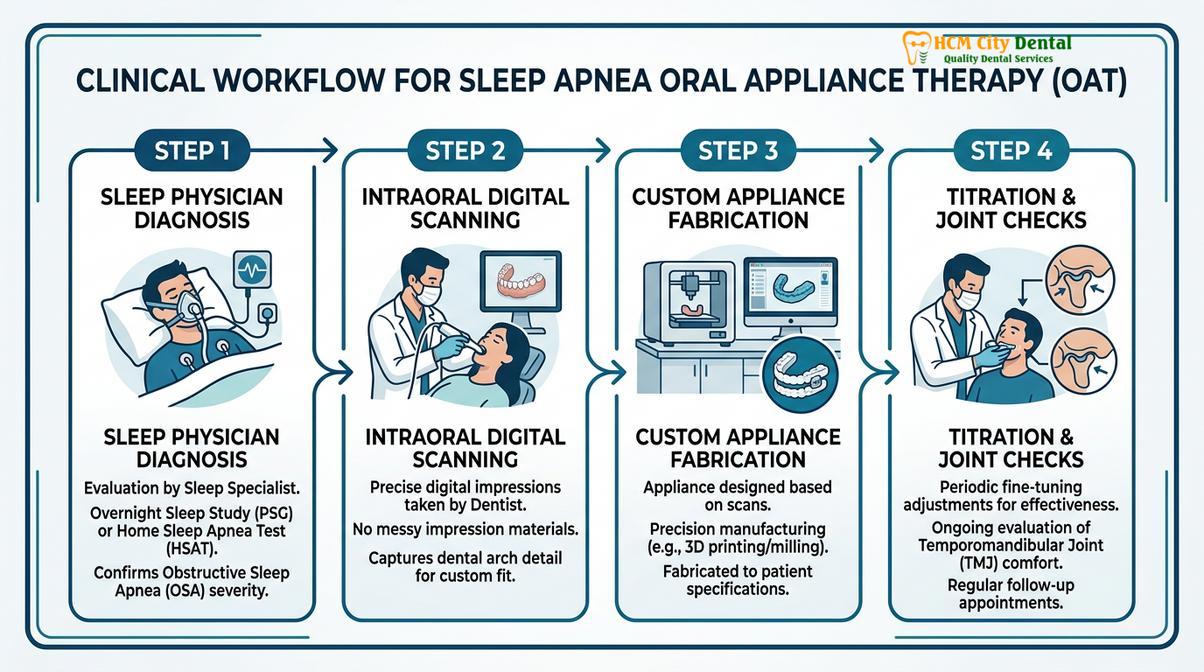
The journey to better sleep does not end on the day the appliance is delivered. The initial fitting is merely the starting point of a process known as titration. Titration is the gradual, millimeter-by-millimeter adjustment of the appliance to find the “sweet spot”—the exact mandibular position that maximizes airway patency while minimizing stress on the jaw joints and teeth. This calibration requires patience and precise clinical oversight, ensuring the device remains both comfortable and highly effective over years of nightly use.
When to See a Doctor: Important Clinical Considerations
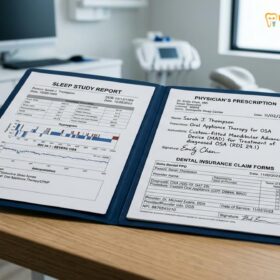
It is a critical medical distinction that dentists do not, and legally cannot, diagnose obstructive sleep apnea. The diagnosis of any sleep-disordered breathing condition strictly requires a formal sleep study. This can be conducted via an in-lab Polysomnography (PSG) or a Home Sleep Apnea Test (HSAT), both of which must be evaluated and interpreted by a board-certified sleep physician [4]. Dental professionals operate strictly in a collaborative capacity, fabricating and managing oral appliances based on the prescription and diagnostic data provided by the medical doctor.
If you experience symptoms such as loud, chronic snoring, witnessed pauses in breathing during sleep, waking up gasping or choking, or profound excessive daytime sleepiness, it is imperative to seek a medical evaluation first. Once a diagnosis is established, the sleep physician will determine if you are a candidate for a mandibular advancement device. Generally, these devices are highly recommended for patients with primary snoring, mild-to-moderate OSA, or those with severe OSA who absolutely cannot tolerate a CPAP machine.
“The success of dental sleep medicine relies entirely on the multidisciplinary collaboration between sleep physicians who diagnose the airway obstruction and dental specialists who manage the mechanical titration of the mandible.”

During your consultation at the dental clinic, a thorough examination of your teeth, gums, and jaw joints will be conducted. Patients must have a sufficient number of healthy teeth to anchor the appliance securely. Active periodontal disease, severe tooth decay, or pre-existing severe TMJ dysfunction are generally considered contraindications for mandibular advancement therapy until those underlying dental issues are fully resolved. Regular dental check-ups are mandatory while wearing these devices to monitor for any subtle shifts in your bite alignment over time [5].
Frequently Asked Questions
Does the Twinblock contain metal components?
Yes, the Twinblock typically contains small metal components such as retention clasps to secure the acrylic plates to the teeth. These medical-grade stainless steel elements ensure the split plate design remains firmly anchored during sleep, preventing accidental dislodgement while the interlocking bite blocks guide the jaw forward. The metal is highly biocompatible and designed to withstand the moist environment of the oral cavity without corroding.
Can I open my mouth while wearing a Twinblock?
Yes, you can open your mouth while wearing a Twinblock because it utilizes a two-piece split plate design rather than a fused monobloc structure. However, opening your mouth disengages the 70-degree bite blocks, temporarily removing the forward jaw posture until you close your mouth and the blocks interlock again. This design allows for comfortable swallowing and drinking water during the night.
Which guard is better for jaw joint health?
The Antisnoring Telescopic device is generally better for jaw joint health because its Herbst-style lateral rods allow for side-to-side and vertical movements. This flexibility significantly minimizes temporomandibular joint (TMJ) stiffness compared to the rigid interlocking mechanism of the Twinblock, making it ideal for patients with pre-existing joint issues or those who grind their teeth heavily.
How do dentists adjust the appliance over time?
Dentists adjust the appliance through a process called titration, which involves incrementally advancing the lower jaw to find the optimal position for airway patency. Using intraoral digital scans and physical adjustments to the acrylic blocks or the telescopic rods, the dentist calibrates the device to reduce oxygen desaturation without causing muscular strain. This is usually done over several follow-up appointments.
Will my international insurance cover this treatment?
Many international insurance plans, such as Allianz and Cigna, cover custom sleep apnea appliances if they are deemed medically necessary for treating diagnosed OSA. At HCMC Dental Clinic, our team provides the required clinical documentation, including sleep study results, diagnostic codes, and intraoral scan reports, to help you process your reimbursement claims efficiently with your provider.
References
- Journal of Dental Sleep Medicine. Mandibular advancement device efficacy. (2021).
- American Journal of Respiratory and Critical Care Medicine. CPAP vs oral appliances. (2019).
- Sleep and Breathing. Telescopic Herbst appliance TMJ safety. (2020).
- Journal of Clinical Sleep Medicine. HSAT diagnostic reliability. (2022).
- Journal of Oral Rehabilitation. Titration protocols in dental sleep medicine. (2018).