Seeking a bpa free composite fillings non toxic dentist Saigon? HCMC Dental Clinic offers biocompatible, tooth-colored restorations designed to be free from harmful endocrine disruptors. Our holistic approach focuses on safe cavity treatment, utilizing advanced resin materials that aim to protect both your systemic wellness and natural smile aesthetics.
Clinical Summary:
BPA-free composite fillings provide a biocompatible, aesthetically pleasing alternative to traditional restorative materials. By avoiding Bisphenol A and its derivatives, these non-toxic resins help minimize potential endocrine disruption while offering reliable mechanical strength. At HCMC Dental Clinic, strict isolation protocols and advanced bonding techniques are utilized to ensure safe restorations for international patients seeking holistic dental care in Ho Chi Minh City.
Key Takeaways:
- BPA-free resins help reduce the risk of endocrine-disrupting chemical exposure during dental restorations.
- Biocompatible composites bond directly to the tooth, preserving healthy enamel structure.
- Tooth-colored restorations offer seamless aesthetic integration with your natural dentition.
- Strict isolation and Class-B autoclave sterilization help prevent cross-contamination and support patient safety.
- Holistic dentistry prioritizes systemic physiological health alongside comprehensive oral rehabilitation.
What is BPA and Why is it Used in Traditional Fillings?
Bisphenol A (BPA) is an industrial chemical historically used in dental resins to improve durability, but its potential as an endocrine disruptor has led modern clinics to adopt safer, BPA-free alternatives.
To fully appreciate the shift toward biocompatible dentistry, it is helpful to understand the chemical composition of traditional dental materials. Bisphenol A (BPA) is a synthetic organic compound that has been utilized for decades in the manufacturing of polycarbonate plastics and epoxy resins. In the realm of dentistry, BPA itself is rarely used as a direct, standalone ingredient in dental fillings. Instead, it serves as a foundational precursor in the synthesis of complex resin monomers, most notably Bis-GMA (bisphenol A-glycidyl methacrylate) and, to a lesser extent, UDMA and TEGDMA[1].
These complex monomers form the structural backbone of traditional composite resins and dental sealants. Manufacturers favored Bis-GMA because it imparts exceptional mechanical properties to the filling material, including high compressive strength, reduced polymerization shrinkage, and rapid hardening when exposed to specific wavelengths of light. When a dentist places a traditional composite filling, the pliable resin is sculpted into the cavity preparation and then polymerized using a specialized blue light. This curing process cross-links the monomers into a solid, durable polymer matrix designed to withstand the immense forces of human mastication.
However, the polymerization process in the oral cavity is rarely absolute. Clinical studies indicate that a small percentage of monomers may remain unreacted within the filling matrix. Over time, the dynamic environment of the human mouth—characterized by constant temperature fluctuations, mechanical wear from chewing, and the presence of salivary esterase enzymes—can lead to the gradual degradation of the composite material. As the ester bonds within the Bis-GMA polymer matrix break down, trace amounts of BPA and its derivatives can be released into the saliva and subsequently absorbed into the systemic circulation[2].
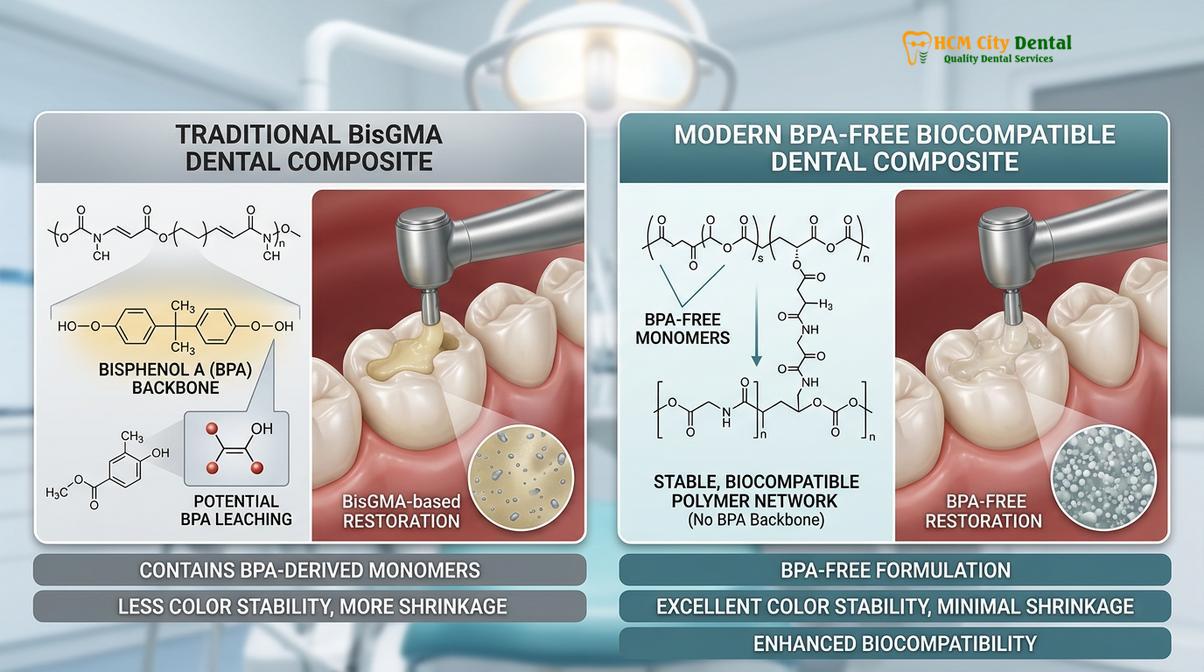
The primary medical concern surrounding BPA exposure stems from its classification as an endocrine-disrupting chemical. At a molecular level, BPA exhibits a structural similarity to human estrogen. This structural mimicry allows BPA molecules to bind to estrogen receptors throughout the body, potentially interfering with normal hormonal signaling pathways. While the amount of BPA released from a single traditional dental filling is generally considered minute, the cumulative effect of chronic, low-dose exposure from multiple sources has raised significant concerns among health professionals and regulatory bodies worldwide[3].
In response to these valid systemic health concerns, the field of holistic dentistry has actively sought out and implemented safer alternatives. For patients searching for a bpa free composite fillings non toxic dentist Saigon, the transition away from Bis-GMA-based resins represents a critical step in safeguarding overall wellness. Modern dental material science has successfully developed advanced, biocompatible composite resins that utilize alternative monomer formulations, completely eliminating the presence of BPA and its derivatives without compromising the mechanical integrity of the restoration.
The Health Benefits of BPA-Free Composite Resins
Transitioning to BPA-free composites significantly reduces systemic chemical exposure, offering a highly biocompatible solution that supports overall physiological wellness and helps prevent potential allergic reactions.
The adoption of BPA-free composite resins is a cornerstone of holistic dental care, a philosophy that recognizes the profound interconnectedness between oral health and systemic physiological well-being. When a patient receives a dental restoration, the chosen material becomes a permanent implant within the body, constantly interacting with saliva, oral tissues, and the digestive system. Therefore, the biocompatibility of that material is of paramount importance.
Biocompatibility refers to the ability of a material to perform its desired function without eliciting undesirable local or systemic effects in the recipient. Traditional dental materials, particularly silver amalgam, have long been scrutinized for their lack of biocompatibility. Amalgam fillings consist of approximately half elemental mercury, a known neurotoxin that continuously releases microscopic amounts of vapor during chewing and brushing. While regulatory agencies have historically debated the clinical significance of this exposure, a growing demographic of health-conscious patients and practitioners advocate for the complete avoidance of heavy metals in dental restorations[4].
Clinical Warning: Patients with existing silver amalgam fillings who wish to replace them with biocompatible materials should seek a clinic trained in safe removal protocols. Improper drilling of amalgam can release high concentrations of toxic mercury vapor and particulate matter into the oral cavity.
BPA-free composite resins offer a vastly superior safety profile compared to both amalgam and traditional Bis-GMA composites. By utilizing alternative, inert monomer structures, these advanced materials eliminate the risk of estrogenic mimicry and endocrine disruption. This is particularly crucial for vulnerable populations, including pregnant women, nursing mothers, and young children whose developing endocrine systems are highly sensitive to hormonal fluctuations.
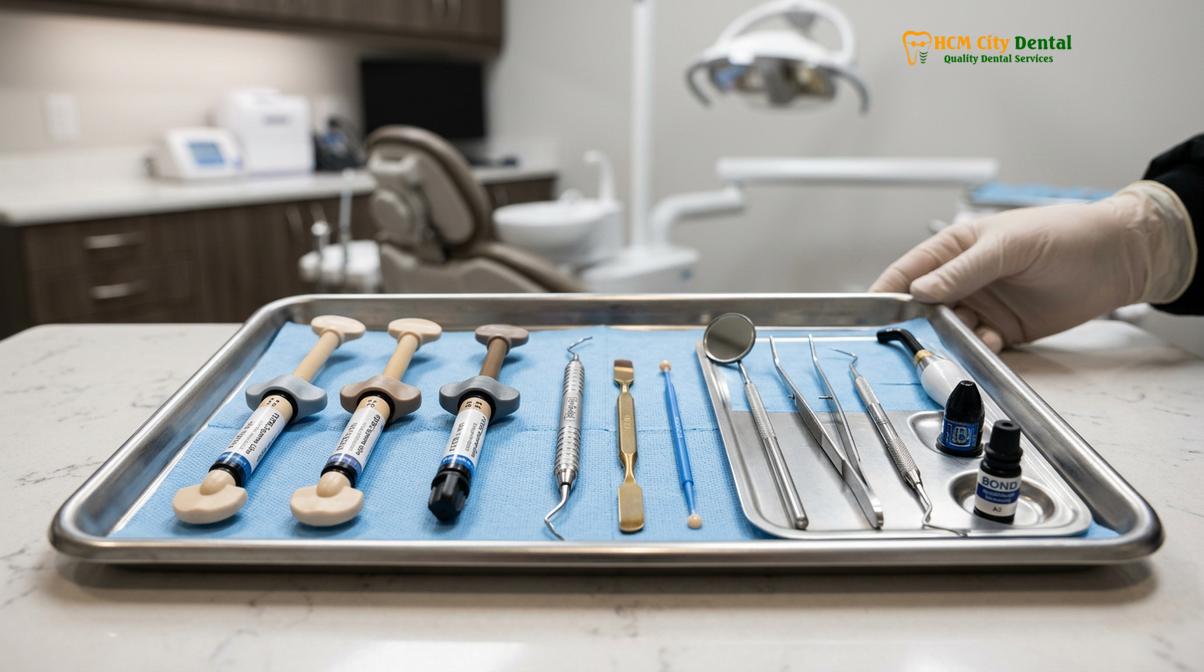
Furthermore, BPA-free resins significantly reduce the risk of localized allergic reactions and soft tissue inflammation. Some patients exhibit hypersensitivity to specific chemical components found in traditional dental materials, leading to chronic gingival irritation or systemic dermatological manifestations. Biocompatible dental composites are meticulously formulated to minimize the inclusion of known allergens, providing a safe and well-tolerated restorative option for individuals with chemical sensitivities.
Beyond the avoidance of toxic exposure, the structural mechanics of composite resins contribute to the long-term health of the tooth itself. Unlike amalgam, which requires the aggressive removal of healthy tooth structure to create mechanical undercuts for retention, composite resins utilize advanced adhesive dentistry. The resin chemically micro-bonds to the enamel and dentin, allowing the dentist to perform minimally invasive cavity preparations. This conservative approach preserves the maximum amount of natural tooth structure, maintaining the tooth’s inherent strength.
Aesthetic Advantages of Tooth-Colored Composite Restorations
Beyond systemic safety, BPA-free composite resins deliver unparalleled aesthetic results by mimicking the natural translucency, shade, and light-reflecting properties of human enamel.
While the systemic health benefits of biocompatible materials are profound, the aesthetic capabilities of modern BPA-free composite resins are equally remarkable. The era of highly visible, dark silver fillings is rapidly fading, replaced by the principles of biomimetic dentistry—an approach that seeks to restore the tooth to its original, natural appearance and biomechanical function. For patients seeking Dental Fillings tại HCMC Dental Clinic, the visual transformation achieved with these advanced materials is often highly satisfying.
Human dental enamel is not a flat, monochromatic substance. It is a complex, crystalline structure that interacts with light in sophisticated ways, exhibiting properties such as translucency, opalescence, and fluorescence. The underlying dentin provides the core color of the tooth, while the overlying enamel acts as a translucent filter, scattering and reflecting light to create the vibrant appearance of a natural smile. Traditional amalgam fillings, being opaque metal alloys, completely block light transmission, resulting in a dark, unappealing shadow.
Modern biocompatible dental composite materials are engineered using nanotechnology to replicate these intricate optical properties. These nano-hybrid composites consist of a BPA-free resin matrix embedded with microscopic filler particles, typically composed of silica, zirconia, or barium glass. The precise size, shape, and distribution of these nano-particles allow the material to mimic the light-scattering characteristics of natural enamel with astonishing accuracy[5].
“The ultimate goal of biomimetic restorative dentistry is not merely to fill a void, but to seamlessly reconstruct the missing dental tissues so that the restoration becomes visually and functionally indistinguishable from the natural tooth.”
During the restorative procedure, the dentist acts as an artist, utilizing a sophisticated shade-matching system to select the exact hue, value, and chroma that corresponds to the patient’s adjacent teeth. For larger or more complex restorations, particularly in the highly visible anterior teeth, a multi-layering technique is often employed. The dentist meticulously applies different opacities of composite resin—using a more opaque shade to replace the missing dentin and a highly translucent shade to recreate the enamel layer. This stratification technique creates a chameleon effect, allowing the filling to blend invisibly into the surrounding tooth structure.
Choosing Holistic and Biocompatible Materials for Your Family
Selecting the right restorative material is a critical decision for long-term oral and systemic health, making it essential to understand the distinct differences between available dental fillings.
When evaluating options for cavity treatment, patients are often presented with a variety of materials. Understanding the clinical and systemic implications of each choice empowers families to make informed decisions that align with their health philosophies. The shift towards holistic dentistry emphasizes the importance of selecting materials that harmonize with the body’s natural biology.
| Material Type | Systemic Risk Profile | Aesthetic Quality | Enamel Preservation |
|---|---|---|---|
| Silver Amalgam | High (Contains elemental mercury) | Poor (Dark, opaque metal) | Low (Requires aggressive drilling) |
| Traditional Composite | Moderate (May release trace BPA derivatives) | Excellent (Tooth-colored) | High (Adhesive bonding) |
| BPA-Free Composite | Low (Highly biocompatible, no endocrine disruptors) | Excellent (Biomimetic translucency) | High (Minimally invasive bonding) |
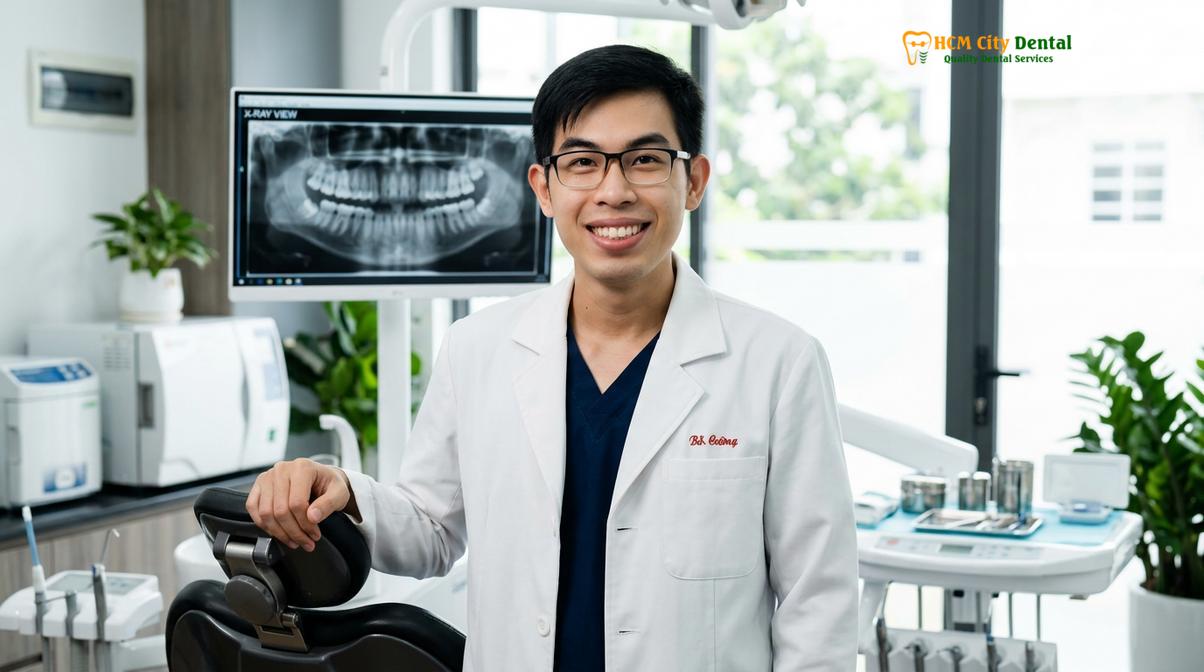
Dr. Nguyen Van Cuong is a leading advocate for holistic dentistry, ensuring that every patient receives treatments tailored to their systemic health needs. Dr. Cuong meticulously selects advanced, non-toxic materials to provide safe and durable restorations for all ages. His commitment to biocompatible care and rigorous clinical standards makes him a trusted professional for families seeking an Expat Dental Clinic Ho Chi Minh City: Clinical Guide | HCMC Dental.
The Safe Cavity Treatment Protocol at HCMC Dental Clinic
Our clinical workflow integrates strict isolation, advanced bonding agents, and European-standard sterilization to ensure every biocompatible restoration is placed with maximum safety and precision.
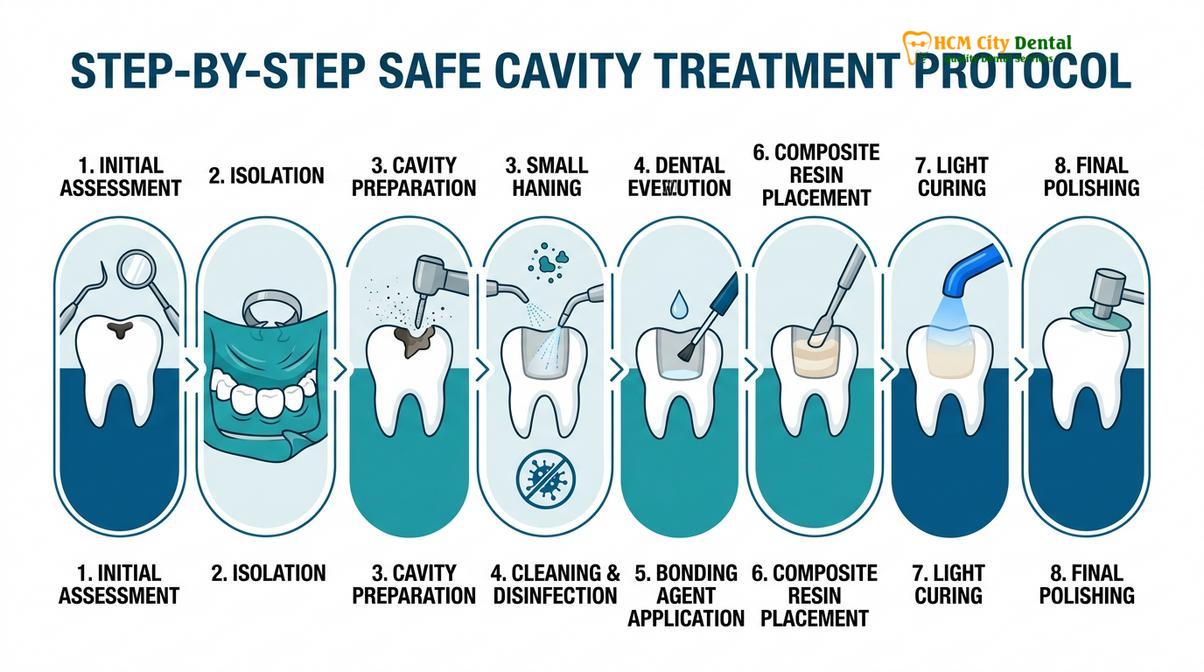
The successful placement of a BPA-free composite filling requires meticulous attention to detail and strict adherence to clinical protocols. Unlike traditional amalgam, which is relatively tolerant of moisture during placement, composite resin is highly hydrophobic. Any contamination from saliva, blood, or respiratory moisture during the bonding process will severely compromise the adhesive bond, leading to premature failure and recurrent decay. Our clinical team employs a rigorous, step-by-step workflow to ensure the longevity and safety of every restoration.
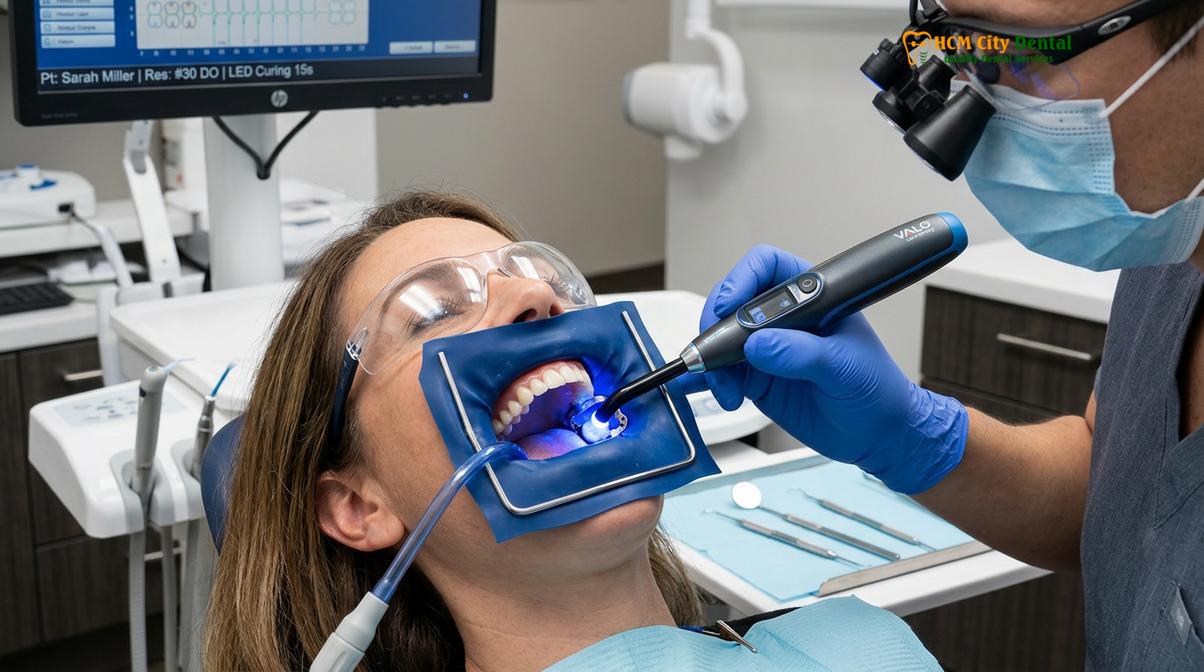
The protocol begins with comprehensive diagnostics, utilizing high-resolution digital radiography and intraoral cameras to accurately assess the extent of the carious lesion. Once the treatment plan is confirmed, profound local anesthesia is administered to ensure absolute patient comfort throughout the procedure. The critical next step is isolation. We mandate the use of a non-latex rubber dam for all composite restorations. This thin sheet of material isolates the target tooth from the rest of the oral cavity, creating a pristine, dry surgical field while simultaneously protecting the patient’s airway from debris and dental materials.
Clinical Case Study: A 34-year-old international patient visited HCMC Dental Clinic in Ho Chi Minh City with concerns about chronic sensitivity and the aesthetic appearance of four large, aging silver amalgam fillings in her lower molars. Utilizing strict isolation protocols, the amalgams were safely removed. The cavities were then meticulously restored using a multi-layered, BPA-free nano-hybrid composite. The patient reported immediate relief from sensitivity and was thrilled with the seamless, natural-looking results that blended perfectly with her surrounding dentition.
Following cavity preparation, the tooth surface is conditioned using a mild phosphoric acid etchant. This process creates microscopic porosities in the enamel and dentin, significantly increasing the surface area for bonding. A biocompatible, BPA-free primer and adhesive resin are then applied and light-cured, creating a strong, micromechanical interlocking bond with the tooth structure. The composite resin is then applied in small, incremental layers. This incremental technique is crucial; it ensures thorough light penetration for complete polymerization and minimizes the stress caused by the natural shrinkage of the resin as it hardens. All instruments used during this process undergo rigorous sterilization protocols to prevent cross-contamination[6].
When to Consult a Dentist for Filling Replacement
Understanding the signs of failing restorations and knowing when to seek professional evaluation is essential for maintaining optimal oral health and preventing further structural damage.
While modern BPA-free composite fillings are highly durable, no dental restoration lasts forever. Over time, the daily stresses of chewing, temperature fluctuations, and the natural acidic environment of the mouth can cause wear and tear on any filling material. It is important to recognize the signs that a filling may be failing and require replacement. Common indicators include increased sensitivity to hot, cold, or sweet foods, a noticeable rough edge or crack in the filling, or a visible dark shadow beneath the restoration, which often signals recurrent decay.
For international patients, evaluating when to replace old restorations often aligns with travel plans. According to global patient safety ratings, seeking care at accredited facilities ensures high standards of infection control and material safety[7]. Furthermore, reputable clinics in Vietnam strictly adhere to national healthcare guidelines regarding dental examination and treatment protocols, ensuring that all restorative materials meet rigorous biocompatibility standards[8]. If you are planning a trip and considering a Calculate Total Cost Dental Vacation Vietnam | HCMC Dental, scheduling a comprehensive evaluation of your existing fillings is a wise proactive measure.
“Proactive replacement of failing restorations not only prevents painful dental emergencies but also preserves the remaining healthy tooth structure, ultimately reducing the need for more invasive procedures.”
Do not wait for severe pain to seek an evaluation. Routine dental check-ups allow your dentist to monitor the integrity of your existing fillings using specialized instruments and digital imaging. Early detection of micro-leakage or marginal breakdown allows for conservative replacement, protecting the inner pulp of the tooth and ensuring your smile remains healthy and functional.
Frequently Asked Questions
Are composite fillings safer than old silver amalgam fillings?
Modern composite fillings are generally considered safer because they eliminate the risk of mercury vapor exposure associated with traditional silver amalgam. Furthermore, biocompatible resins bond directly to the tooth structure, requiring less removal of healthy enamel while providing excellent mechanical support and a natural aesthetic appearance.
How do I know if the filling material used is BPA-free?
You can verify the material by asking your dentist to provide the manufacturer’s specifications or the safety data sheet for the specific composite brand being used. Reputable holistic dental clinics prioritize transparency and exclusively stock certified biocompatible resins that are explicitly formulated without Bisphenol A or its derivatives.
How long do BPA-free composite fillings last?
BPA-free composite fillings typically last between seven to ten years, depending on the size of the restoration, its location in the mouth, and your daily oral hygiene habits. Regular dental check-ups, proper brushing, and avoiding excessive biting forces on hard objects can significantly extend the lifespan of these biocompatible restorations.
What is the amalgam removal safety protocol?
The amalgam removal safety protocol involves strict isolation techniques, including the use of a non-latex rubber dam, high-volume evacuation suction, and alternative air sources to protect the patient from ingesting or inhaling mercury particulate and vapor. This specialized workflow helps ensure that toxic materials are safely extracted before placing a biocompatible restoration.
Does dental insurance cover non-toxic white fillings?
Most international dental insurance plans provide coverage for non-toxic white fillings, though the reimbursement rate may vary depending on whether the tooth is an anterior or posterior tooth. Patients traveling for dental care should request a detailed clinical treatment plan and itemized invoice to submit for out-of-network reimbursement.
References
- American Dental Association (ADA). Statement on Bisphenol A and Dental Materials. (2022).
- International Academy of Oral Medicine and Toxicology (IAOMT). Safe Amalgam Removal Protocols and Biocompatible Dentistry. (2021).
- Journal of Esthetic and Restorative Dentistry. Clinical evaluation of BPA-free composite resins in posterior restorations. (2023).
- World Health Organization (WHO). Endocrine Disrupting Chemicals: State of the Science. (2020).
- Dental Materials Journal. Polymerization shrinkage and mechanical properties of novel biocompatible dental composites. (2022).
- FDI World Dental Federation. Infection Control and Sterilization Standards in Dental Practice. (2022).
- Medical Tourism Association (MTA). Global Medical Tourism Index and patient safety ratings. (2023).
- Vietnam Ministry of Health (MOH). National Guidelines on Dental Examination and Treatment Protocols. (2022).
Ready to upgrade your smile with safe, biocompatible materials? Contact HCMC Dental Clinic in Ho Chi Minh City today to schedule your holistic dental consultation and discover the benefits of non-toxic restorations.
For pricing, booking, and a free clinical assessment, visit our Dental Tourism Vietnam guide at HCMC Dental Clinic in Ho Chi Minh City.