The dental filling cost in Vietnam is significantly lower than in the UK and Singapore, offering international patients substantial savings without compromising clinical quality. By utilizing premium imported materials and advanced CAD/CAM technology, modern dental facilities provide world-class restorative care at a fraction of standard overseas private fees[1].
Clinical Summary:
Restorative dentistry in Vietnam provides a highly compelling alternative to the expensive private sectors of the UK and Singapore. While NHS dentistry in the UK often relies on amalgam for posterior teeth due to budget constraints, and Singaporean private clinics charge premium rates driven by high overhead, top-tier clinics in Vietnam utilize globally certified materials at significantly reduced prices. The integration of digital dentistry, including same-day ceramic milling, further enhances the value proposition, allowing international patients to receive durable, aesthetically superior restorations efficiently.
Key Takeaways:
- Vietnam offers notable savings on restorative dental procedures compared to private clinics in the UK and Singapore.
- Top clinics exclusively use globally recognized, ISO-certified composite and ceramic materials.
- Advanced CAD/CAM technology allows for the fabrication and placement of highly durable ceramic inlays in a single visit.
- Patients avoid the long waiting times often associated with subsidized healthcare systems.
- Comprehensive warranties and English-speaking specialists ensure a seamless experience for international dental tourists.
NHS Band 2 Charges vs UK Private Cavity Restoration Prices
While NHS Band 2 covers basic fillings, long wait times and the frequent use of metal amalgam drive many to private care. Vietnam offers a cost-effective alternative, providing premium private-level composites for less than standard UK private fees.
For patients residing in the United Kingdom, navigating the landscape of restorative dentistry often involves a stark choice between the National Health Service (NHS) and the private sector. The NHS operates on a banded pricing system, where cavity restorations fall under Band 2. While this subsidized route is financially accessible, it comes with significant clinical and logistical limitations. Due to funding constraints and high patient volumes, NHS appointments can involve extended waiting periods. Furthermore, for posterior teeth, NHS guidelines frequently dictate the use of silver amalgam rather than tooth-colored composite resin, prioritizing basic function over aesthetic outcomes and modern material science.
Conversely, patients seeking aesthetic, mercury-free restorations without the wait must turn to the private sector. The UK private filling cost is heavily influenced by the country’s high operational overhead, stringent regulatory compliance costs, and premium real estate prices. A single multi-surface composite restoration in a private London or Manchester clinic can be prohibitively expensive, especially for patients requiring multiple fillings or full-mouth rehabilitation. The high cost of private care in the UK has created a substantial barrier to entry for patients seeking optimal aesthetic and functional outcomes.
This economic disparity is the primary driver for dental tourism to Southeast Asia. In Vietnam, the cost structure is fundamentally different. Lower domestic labor costs, favorable real estate overheads, and competitive market dynamics allow clinics to offer top-tier restorative services at a fraction of the UK price. A patient traveling to Vietnam can receive a highly aesthetic, multi-layered composite restoration—using the exact same German or American materials found in Harley Street clinics—for a price that often undercuts even the most basic private fees in the UK.
Singapore Dental Fees vs Specialist Rates in Saigon
Singapore’s world-class dental sector is accompanied by exceptionally high costs due to overhead and labor. Saigon offers equivalent specialist care using identical imported materials, resulting in profound savings for cross-border patients.
Singapore boasts one of the most advanced healthcare systems in the world, characterized by rigorous clinical standards, cutting-edge technology, and highly trained specialists. However, this excellence comes at a steep premium. The cavity restoration price in Singapore is among the highest in Asia, driven by the city-state’s exorbitant real estate costs, high wages, and the heavy capital investment required to maintain state-of-the-art facilities. For routine restorative work, such as treating moderate to severe dental caries, the out-of-pocket expenses can quickly accumulate.
Just a short flight away, Vietnam has emerged as a formidable competitor in the realm of medical travel. The tooth repair fee in Vietnam represents a fraction of the cost found in Singapore, yet the clinical standards at top-tier international clinics are remarkably comparable. This price discrepancy is not a reflection of inferior quality, but rather a classic example of medical arbitrage. The operational costs in Vietnam are significantly lower, allowing clinics to invest heavily in technology and talent while keeping patient fees accessible.
For expatriates and Singaporean citizens alike, the general dentistry savings achieved by traveling to Vietnam are substantial. A comprehensive treatment plan involving multiple restorations, deep cleaning, and perhaps a ceramic crown can yield savings that more than cover the cost of flights and accommodation. Furthermore, leading clinics are increasingly staffed by specialists who have trained internationally, ensuring that the diagnostic protocols, infection control measures, and treatment execution meet exacting expectations.
Material Specifications: Sourcing Premium German Composites in HCMC
Top clinics utilize globally certified, premium composite resins from Germany and the USA. These advanced materials ensure superior aesthetics, minimal shrinkage, and long-term durability for all restorations.
A common misconception regarding affordable overseas dental care is that the lower prices are achieved by utilizing inferior, unbranded materials. In reality, reputable international clinics strictly adhere to global standards, sourcing their restorative materials from the same industry-leading manufacturers used in the UK, USA, and Singapore. The longevity and success of a dental filling depend heavily on the physical properties of the resin, including its compressive strength, wear resistance, and polymerization shrinkage rate[4].
Dr. Nguyen Van Cuong, a leading restorative specialist at HCMC Dental Clinic in Ho Chi Minh City, emphasizes the critical role of material selection in clinical outcomes. He notes that utilizing globally certified nano-hybrid composites ensures both seamless aesthetic integration and long-term mechanical strength[2]. Under his guidance, the clinical team strictly adheres to international protocols to deliver restorations that mimic natural tooth structure while minimizing the risk of secondary decay.
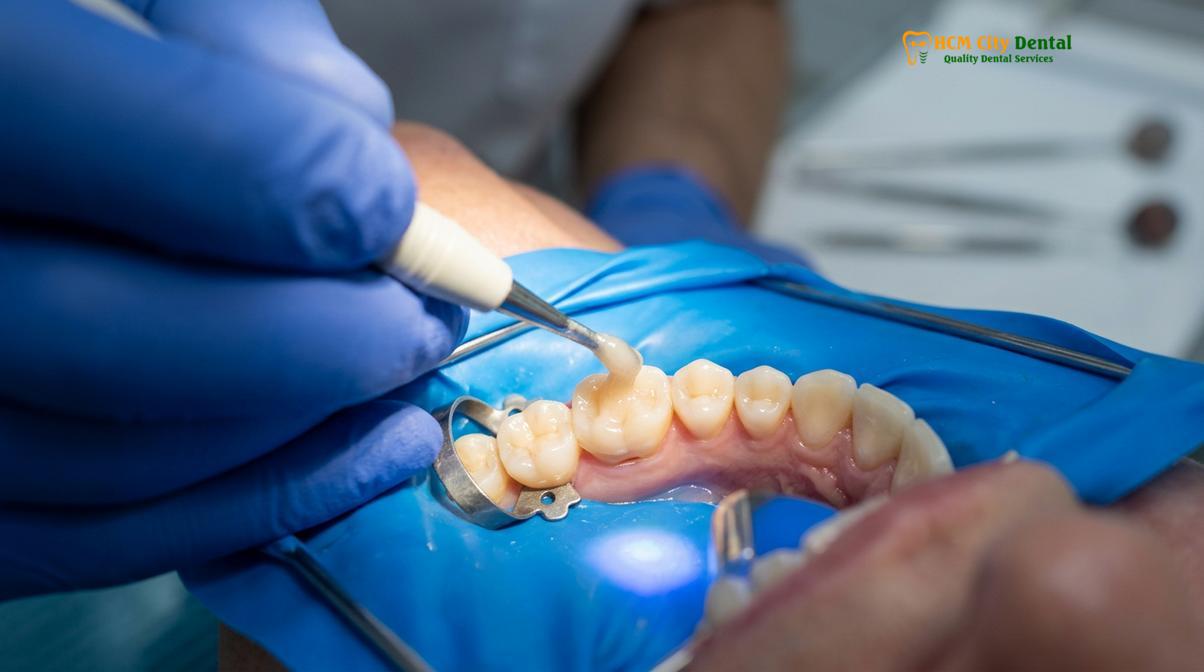
The clinical workflow for placing these premium composites involves meticulous isolation, often utilizing a rubber dam to prevent moisture contamination. The tooth surface is then treated with a mild phosphoric acid etchant to create microscopic retentive patterns in the enamel and dentin. A high-bond-strength adhesive is applied and cured, followed by the incremental layering of the composite resin. Each layer is light-cured using a high-intensity LED curing light, minimizing polymerization shrinkage and preventing microleakage—the primary cause of secondary caries and filling failure.
| Material Type | Aesthetics | Durability | Typical Clinical Application |
|---|---|---|---|
| Glass Ionomer Cement (GIC) | Moderate | Low to Moderate | Pediatric dentistry, temporary fillings, non-load-bearing areas |
| Nano-Hybrid Composite | Excellent | High | Standard cavity restorations, anterior and posterior teeth |
| CAD/CAM Ceramic Inlay | Superior | Very High | Extensive decay, replacing large failing amalgams |
When comparing material options, it is also important to understand the role of Glass Ionomer Cements (GIC). While GIC is highly biocompatible and releases fluoride, it generally exhibits lower wear resistance compared to modern nano-hybrid composites, making it more suitable for temporary restorations or pediatric cases rather than permanent load-bearing molar repairs[5].
Time and Turnaround: Getting CAD/CAM Inlays in 1 Day
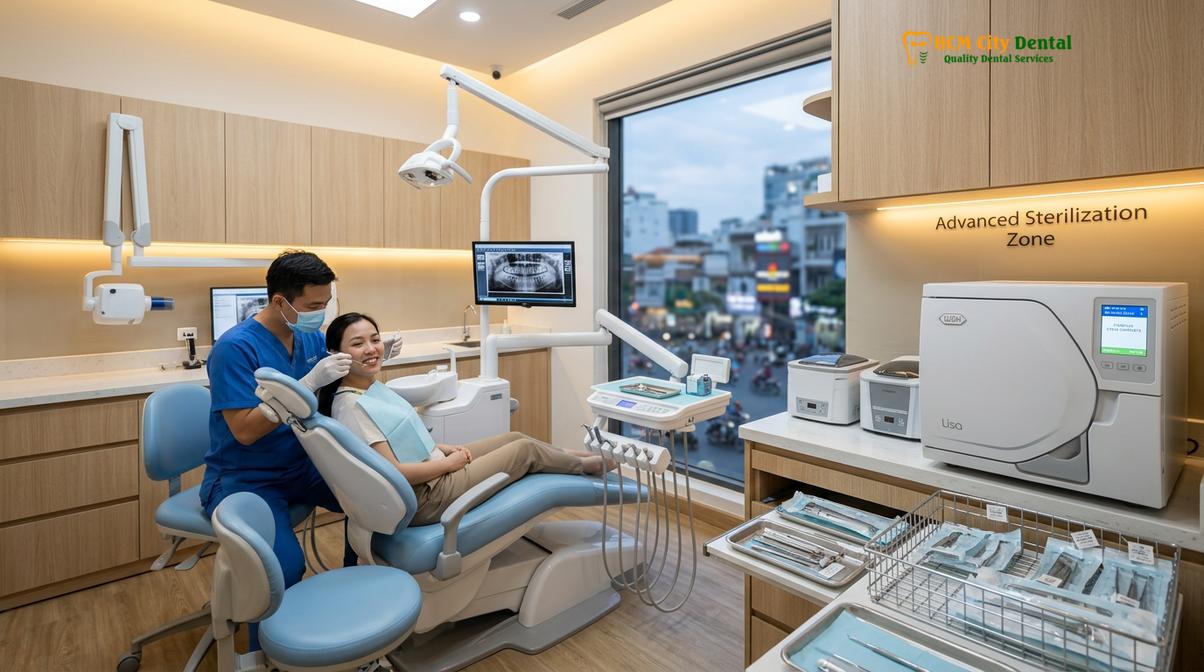
Advanced CAD/CAM technology allows clinics to design, mill, and place highly durable ceramic inlays and onlays in a single visit. This eliminates the need for temporary fillings and multiple appointments.
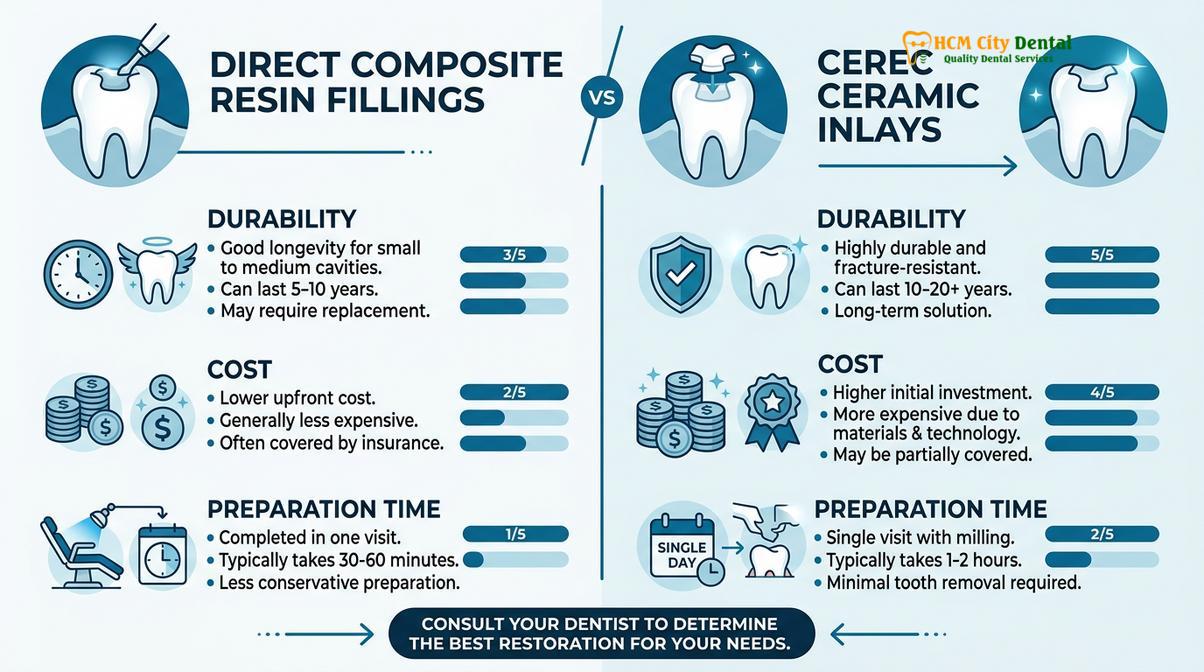
When a tooth suffers from extensive decay or structural damage that exceeds the limits of a direct composite filling, but does not yet require a full-coverage crown, an inlay or onlay is typically the optimal clinical solution. Traditionally, this procedure required two separate visits: one for tooth preparation and taking messy physical impressions, and a second visit weeks later to cement the lab-fabricated restoration. During the interim, the patient was forced to wear a fragile temporary filling.
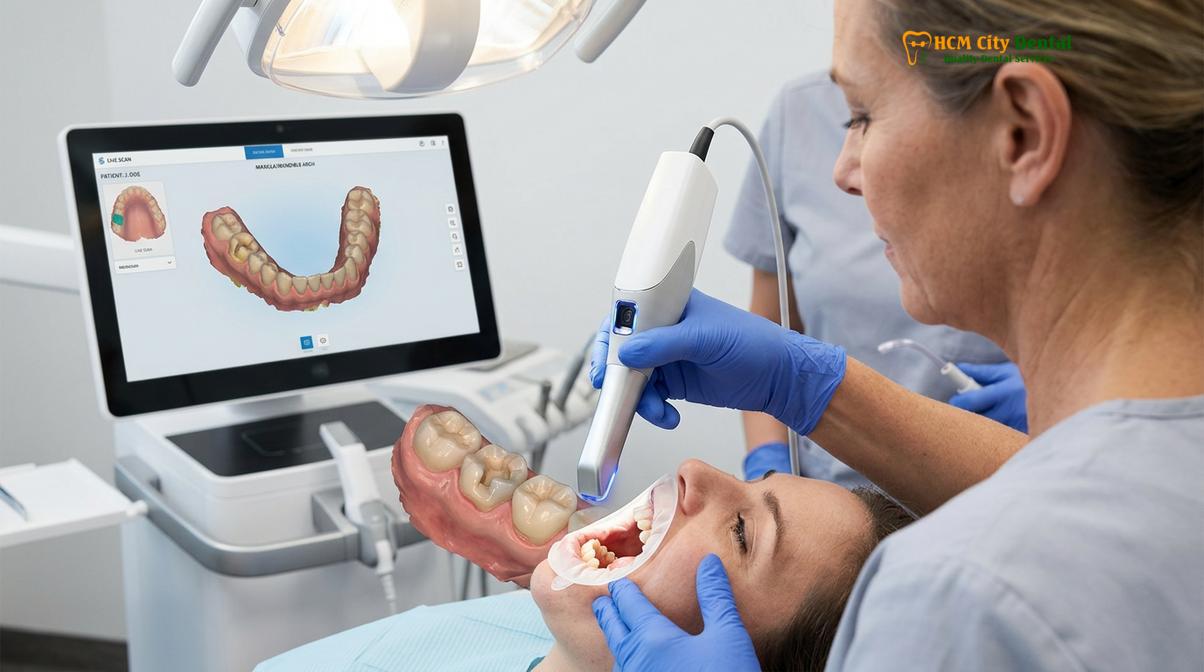
Modern dentistry has revolutionized this workflow through Computer-Aided Design and Computer-Aided Manufacturing (CAD/CAM) technology. For international patients with limited travel schedules, the availability of a same-day CEREC filling is a game-changer. The process begins with the dentist preparing the tooth to remove all decay and unsupported enamel. Instead of a traditional putty impression, a highly accurate digital intraoral scanner captures a 3D optical impression of the prepared tooth and the surrounding dentition in seconds.
“The precision of CAD/CAM restorations is unparalleled. By milling the inlay from a homogenous block of industrial ceramic, we eliminate the flaws and shrinkage associated with direct resins, resulting in a restoration that restores optimal strength in just one appointment.”
This digital data is instantly transmitted to the design software, where the dentist custom-designs the restoration to ensure perfect marginal fit, ideal contact points with adjacent teeth, and precise occlusal alignment. Once the design is finalized, the data is sent to an in-house milling unit. A solid block of high-strength ceramic is milled into the exact shape of the restoration. The ceramic is then polished or glazed in a specialized furnace before being adhesively bonded to the tooth. This single-visit protocol not only saves valuable time but also improves clinical outcomes by sealing the freshly cut dentin immediately, drastically reducing the risk of bacterial contamination[3].
Guide for UK and Singapore Expats Seeking Dental Care in Vietnam
Planning a dental trip requires selecting an internationally accredited clinic with transparent pricing and English-speaking staff. Proper preparation ensures a smooth, stress-free experience and optimal clinical outcomes.
For expatriates living in Southeast Asia or patients traveling from the UK, navigating a foreign healthcare system can initially seem daunting. However, the dental tourism infrastructure in Vietnam is highly developed, catering specifically to the needs of international patients. The first step in planning your treatment is to identify a reputable clinic that prioritizes transparency, infection control, and clear communication. Finding an English-speaking dentist is crucial; clear communication ensures that you fully understand your diagnosis, the proposed treatment plan, and all associated costs before any clinical work begins.
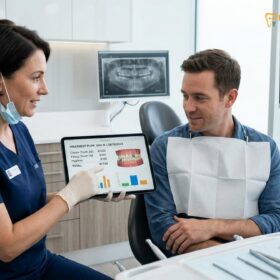
When contacting a clinic, it is advisable to request an online consultation. By providing recent dental X-rays or a panoramic radiograph, the clinical team can offer a preliminary assessment and a detailed cost estimate. This transparency allows you to accurately compare the projected expenses against the costs in your home country. Reputable clinics will provide a comprehensive breakdown, ensuring there are no hidden fees for sterilization, local anesthesia, or standard clinical consumables.
Patient Case Study: Restorative Rehabilitation
Patient Profile: 42-year-old expatriate from Singapore.
Clinical Presentation: Multiple failing amalgam restorations with secondary decay and microleakage on posterior molars.
Treatment Executed: Safe removal of amalgam under rubber dam isolation at HCMC Dental Clinic in Ho Chi Minh City. Placement of three direct nano-hybrid composite restorations and two CAD/CAM lithium disilicate onlays.
Outcome: Complete restoration of occlusal function and aesthetics in just two visits. The total cost was approximately 65% less than the quoted specialist fees in Singapore, allowing the patient to invest in premium ceramic materials rather than settling for basic direct fillings.
Logistically, Vietnam is highly accessible, with numerous direct flights from major international hubs. Many top-tier clinics offer concierge services, assisting with airport transfers, accommodation recommendations, and local transportation. Furthermore, international clinics stand behind their work, providing written warranties for major restorative procedures like ceramic inlays and crowns, giving patients peace of mind long after they have returned home.
When to Seek Immediate Dental Care (Clinical Considerations)
Early intervention is critical when dealing with dental decay or failing restorations. Ignoring symptoms like sensitivity or pain can lead to irreversible nerve damage, requiring complex root canal therapy or extraction.
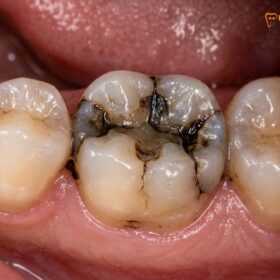
Dental caries (tooth decay) is a progressive bacterial infection that destroys tooth structure over time. In its early stages, decay is often asymptomatic and can only be detected through professional clinical examination and digital radiographs. However, as the decay penetrates deeper through the enamel and into the softer dentin layer, patients may begin to experience warning signs. It is imperative to seek professional evaluation if you experience localized sensitivity to hot, cold, or sweet stimuli, as this often indicates that the decay is approaching the dental pulp.
Clinical Warning: Ignoring early signs of dental decay, such as localized sensitivity to temperature or sweet foods, can lead to irreversible pulp damage. Prompt restorative intervention is essential to prevent the need for complex root canal therapy or tooth extraction.
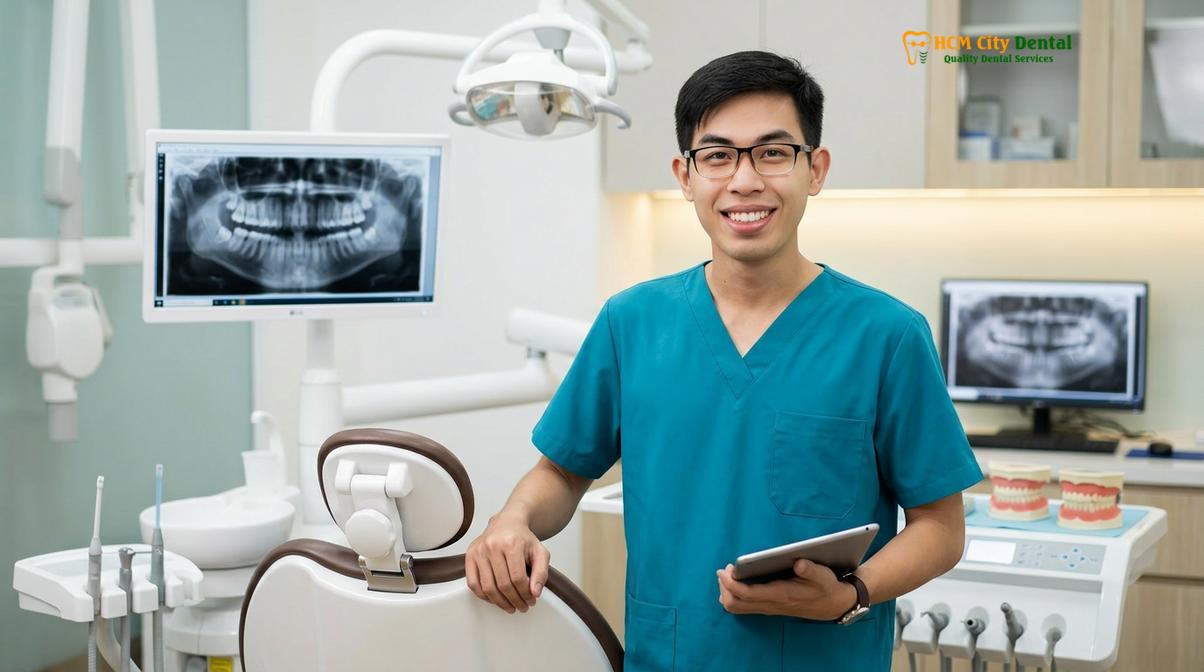
Furthermore, if an existing filling becomes loose, cracks, or falls out entirely, immediate restorative intervention is required. An open cavity exposes the vulnerable inner layers of the tooth to oral bacteria, rapidly accelerating the decay process. Top dental facilities in Vietnam strictly adhere to the infection control and restorative guidelines set forth by the Vietnam Ministry of Health (BYT), ensuring that all emergency and routine interventions are performed in a sterile, safe environment[6].
“Delaying treatment for a compromised tooth often transforms a simple, affordable filling into a complex endodontic emergency. Prompt clinical evaluation is the most effective way to preserve natural tooth structure and minimize long-term dental expenses.”
If you are experiencing dental discomfort or wish to replace old, failing amalgam restorations with modern, tooth-colored materials, do not hesitate to seek professional care. For a comprehensive consultation and to explore your restorative options, contact HCMC Dental Clinic, Ho Chi Minh City, or visit our detailed guide on Dental Fillings to learn more about our advanced clinical protocols.
References
- British Dental Journal. The economics of private vs NHS restorative dentistry.
- Journal of the American Dental Association. Longevity of direct composite restorations in posterior teeth.
- International Journal of Computerized Dentistry. Clinical performance of CAD/CAM ceramic inlays and onlays.
- Dental Materials. Polymerization shrinkage and microleakage in modern resin composites.
- Journal of Clinical Pediatric Dentistry. Glass ionomer cements vs composite resins: A comparative analysis.
- Vietnam Ministry of Health (BYT). National Guidelines on Restorative Dentistry and Infection Control.
For pricing, booking, and a free clinical assessment, visit our Dental Fillings & Bonding service page at HCMC Dental Clinic in Ho Chi Minh City.