When comparing dental restorations to determine the focus of composite vs ceramic filling which lasts longer, clinical evidence consistently points to ceramic. While direct composite resin offers excellent aesthetics and convenience for minor decay, indirect ceramic restorations provide superior durability, often lasting 10 to 15 years or more under proper occlusal loads and diligent oral care.
Clinical Summary:
The decision between composite and ceramic fillings hinges on cavity size, bite forces, and long-term restorative goals. Direct composite resin is a highly versatile, single-visit material ideal for small to medium cavities, relying on micromechanical bonding to the tooth structure. However, it is susceptible to polymerization shrinkage and gradual occlusal wear over time. Conversely, indirect ceramic inlays and onlays are fabricated outside the mouth—often utilizing advanced CAD/CAM technology—from high-strength porcelain or lithium disilicate. These ceramic restorations boast significantly higher fracture toughness and exceptional resistance to wear, making them the superior clinical choice for large posterior cavities. While ceramic requires a higher initial investment, its extended lifespan often yields better long-term value, preserving the structural integrity of the remaining natural tooth and helping to prevent the need for more invasive procedures.
Key Takeaways:
- Ceramic restorations typically outlast composite fillings by 5 to 10 years due to their dense, milled crystalline structure.
- Direct composite resin is completed in a single clinical visit, making it highly convenient for treating minor to moderate decay.
- Indirect ceramic inlays offer superior fracture toughness, making them ideal for withstanding heavy chewing forces in molar teeth.
- Composite materials may experience slight color shifting over time, whereas glazed ceramic maintains permanent stain resistance.
- Large cavities often exceed the structural limits of composites, necessitating ceramic restorations for long-term safety and stability.
Material Science: Direct Composite Resin vs Indirect Porcelain
Direct composite resin is a pliable mixture of plastic and glass cured directly inside the tooth, while indirect porcelain is a pre-milled, solid ceramic block cemented into place.
To truly understand the longevity of dental restorations, one must examine the foundational material science behind them. The choice of material dictates not only how the restoration is placed but how it behaves under the harsh, dynamic environment of the human mouth. The oral cavity subjects materials to extreme temperature fluctuations, acidic challenges, and immense mechanical stress. Therefore, the chemical and physical properties of the filling material are paramount to its success.
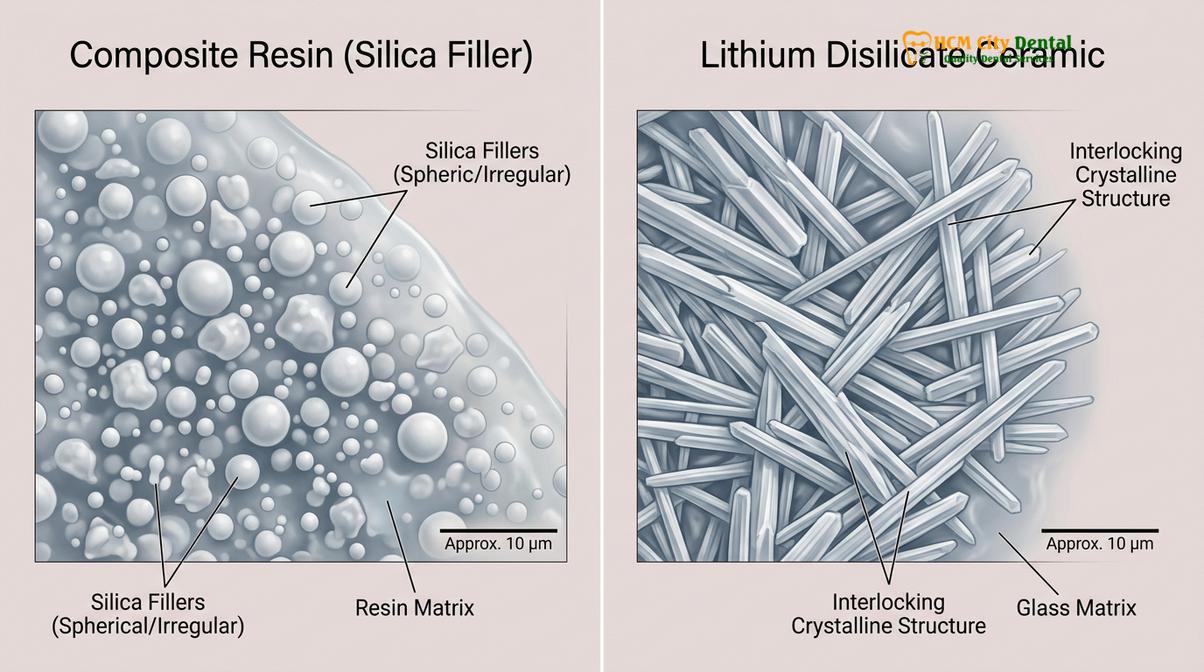
A direct composite resin is essentially a polymer-based material. It consists of an organic resin matrix embedded with inorganic filler particles such as silica, quartz, or zirconia. These filler particles are coated with a silane coupling agent to ensure they bond securely to the resin matrix. When the dentist places the pliable composite into the cavity, it is shaped and then exposed to a specific wavelength of blue light. This light activates a photo-initiator within the resin, causing the monomers to link together into a solid polymer network. While this process is highly efficient, it inherently involves polymerization shrinkage. As the molecules bind together, the overall volume of the material decreases slightly, which can create microscopic stress at the interface between the tooth and the filling [1].
In contrast, an indirect ceramic inlay or onlay is fabricated from a solid block of porcelain or glass-ceramic. Modern dentistry frequently utilizes lithium disilicate or leucite-reinforced glass ceramics for these restorations. Unlike composite, ceramic is not cured inside the mouth. It is milled or pressed in a dental laboratory or via an in-office milling machine. Because the material is already fully crystallized and solid before it is bonded to the tooth, there is absolutely zero polymerization shrinkage of the restoration itself. The only shrinkage that occurs is within the microscopic layer of resin cement used to bond the ceramic to the tooth, which is clinically negligible. This fundamental difference in material state—pliable polymer versus solid crystal—is the primary reason why ceramic offers a more stable and predictable long-term marginal seal.
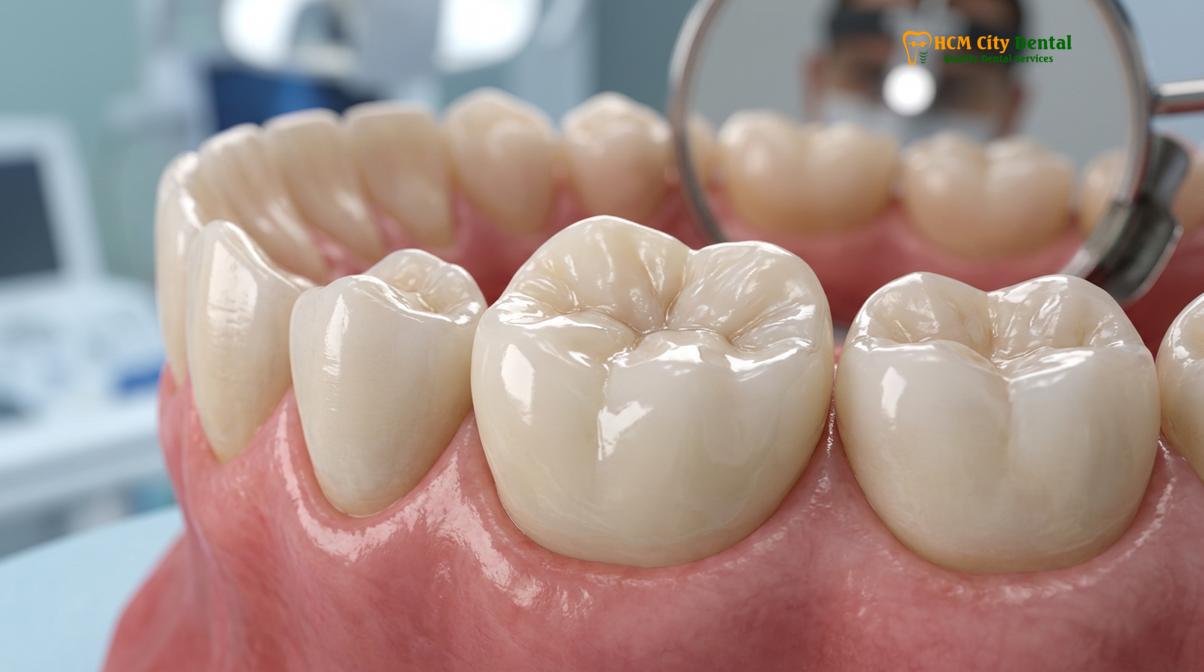
Durability Comparison: Flexural Strength and Wear Resistance
Ceramic fillings demonstrate significantly higher flexural strength and wear resistance than composites, allowing them to withstand heavy molar bite forces without degrading over time.
When evaluating the lifespan of dental restorations, durability is measured primarily through two biomechanical properties: flexural strength and wear resistance. The posterior teeth are the workhorses of the mouth. During mastication, these teeth are subjected to immense occlusal forces. Any material placed in these teeth must be able to withstand years of this cyclic loading without fracturing, chipping, or wearing down.
Flexural strength refers to a material’s ability to resist deformation under load. It is a critical metric for dental fillings because restorations are often subjected to bending forces, especially when placed on the cusps of teeth. Standard direct composite resins typically exhibit a flexural strength ranging from 100 to 150 MPa. While this is sufficient for small to moderate cavities where the surrounding natural tooth structure bears the brunt of the chewing force, it becomes a liability in larger restorations. When a cavity is large, the filling material itself must bear the occlusal load. In these scenarios, the lower flexural strength of composite can lead to bulk fracture or marginal breakdown over time [2].
Ceramic materials, particularly lithium disilicate, boast a much higher fracture toughness. Modern dental ceramics can achieve flexural strengths ranging from 360 to over 500 MPa. This exceptional strength allows ceramic inlays and onlays to replace large volumes of missing tooth structure safely. The interlocking crystalline network within the ceramic halts the propagation of micro-cracks, ensuring the restoration remains intact even under heavy, repetitive stress.
| Property | Direct Composite Resin | Indirect Ceramic (Lithium Disilicate) |
|---|---|---|
| Average Lifespan | 5 to 7 Years | 10 to 15+ Years |
| Flexural Strength | 100 – 150 MPa | 360 – 500+ MPa |
| Wear Resistance | Moderate (Prone to abrasive wear) | Excellent (Mimics natural enamel) |
| Polymerization Shrinkage | Yes (2-3% volume loss during curing) | None (Pre-milled solid block) |
| Ideal Clinical Use | Small to moderate cavities, anterior teeth | Moderate to large cavities, posterior molars |
Wear resistance is equally critical. Over years of chewing food and brushing, restorative materials can slowly abrade. Composite resins, due to their softer polymer matrix, are susceptible to both abrasive wear and attritional wear. As the composite wears down, it can alter the patient’s bite and expose the margins of the cavity to bacterial infiltration. Ceramic, however, is highly wear-resistant. Its surface hardness is nearly identical to natural enamel, meaning it maintains its anatomical shape and occlusal contacts indefinitely.
Aesthetic Integration: Color Stability and Stain Resistance
While both materials initially match natural tooth color perfectly, ceramic restorations provide permanent stain resistance, whereas composites may absorb dietary pigments over time.
In modern dentistry, functional durability must be paired with aesthetic excellence. Patients expect their dental restorations to be virtually invisible, blending seamlessly with the surrounding natural dentition. Both composite and ceramic materials excel in initial aesthetic integration. They are available in a wide spectrum of shades, translucencies, and opacities, allowing a skilled clinician to mimic the complex optical properties of natural teeth.
However, the long-term aesthetic performance of these two materials differs significantly. The organic resin matrix of a composite filling is inherently slightly porous. Furthermore, the surface of a composite restoration, even when highly polished, can degrade microscopically over time due to the acidic environment of the mouth and the mechanical action of toothbrushing. This microscopic surface degradation creates a rougher texture that is prone to accumulating plaque and absorbing pigments from the diet. For patients who frequently consume coffee, tea, or red wine, composite fillings can gradually shift in color, becoming yellowed or developing dark, stained margins [3].
“The true test of a restorative material is not how it looks on the day of placement, but how it integrates optically and functionally a decade later. Ceramic’s impervious surface offers an aesthetic longevity that resin polymers simply cannot match.”
Ceramic restorations, on the other hand, offer unparalleled color stability. During the fabrication process, the ceramic is fired in a high-temperature furnace, and a specialized glaze is applied to the surface. This glazing process creates a glass-like, completely non-porous surface that is impervious to oral fluids and dietary pigments. A ceramic inlay will not absorb stains from coffee or wine; its color is permanently locked in. Even after a decade of use, a quick professional polish will return a ceramic restoration to its original, pristine luster.
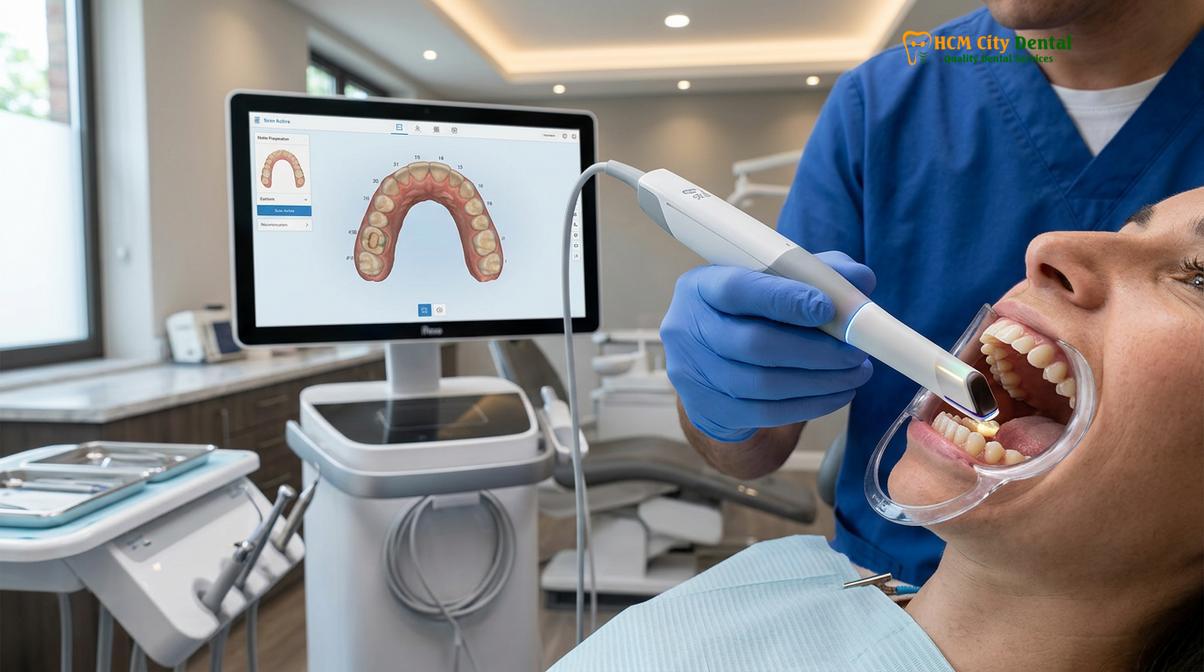
The Clinical Process: 1-Visit Direct vs 2-Visit/CAD-CAM Indirect
Composite fillings are sculpted and cured directly in the mouth during one appointment, whereas ceramic fillings require digital impressions and laboratory or in-office milling.
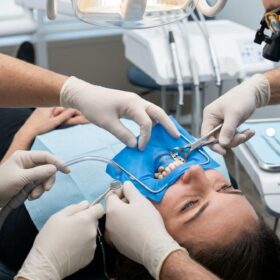
The workflow for placing these restorations varies considerably, impacting both the patient experience and the clinical outcome. The placement of a direct composite resin is a highly technique-sensitive but streamlined process completed in a single visit. After removing the decayed tissue, the dentist isolates the tooth to prevent moisture contamination. The cavity is then etched with phosphoric acid to create microscopic pores in the enamel and dentin. A bonding agent is applied and light-cured, creating a hybrid layer that locks into the tooth structure. The composite resin is then applied in small increments to minimize polymerization shrinkage stress. Each increment is individually light-cured before the final restoration is shaped, adjusted for the patient’s bite, and polished.
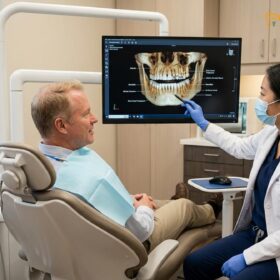
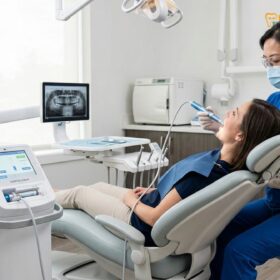
The workflow for an indirect ceramic inlay or onlay is more complex and traditionally requires two visits, though modern CAD/CAM technology can sometimes condense this into a single, longer appointment. The preparation of the tooth for a ceramic restoration is distinct from a composite preparation. The cavity walls must be slightly divergent, and all undercuts must be removed to allow the solid ceramic block to seat passively into the tooth. Once prepared, a highly accurate digital impression is captured using an intraoral scanner.
Clinical Case Review: Upgrading Failing Restorations
A 42-year-old patient presented to HCMC Dental Clinic in Ho Chi Minh City with recurrent decay beneath large, aging composite fillings in the lower molars. The existing composites exhibited severe marginal ditching and occlusal wear. Due to the extensive loss of tooth structure, replacing them with new composites posed a high risk of fracture. The clinical team utilized digital scanning to design and mill custom lithium disilicate ceramic onlays. The precise CAD/CAM fabrication ensured a flawless marginal seal, restoring the teeth to full structural integrity and providing a highly durable, aesthetic solution designed to last over 15 years.
If utilizing a dental laboratory, a temporary filling is placed, and the patient returns a week later for the final cementation. The cementation of a ceramic restoration is a meticulous adhesive protocol. The internal surface of the ceramic is etched with hydrofluoric acid and treated with a silane coupling agent. The tooth is isolated, etched, and bonded. A dual-cure resin cement is then used to chemically fuse the ceramic to the tooth structure, creating a monolithic, incredibly strong complex [4]. This rigorous protocol ensures maximum retention and minimizes the risk of microleakage.
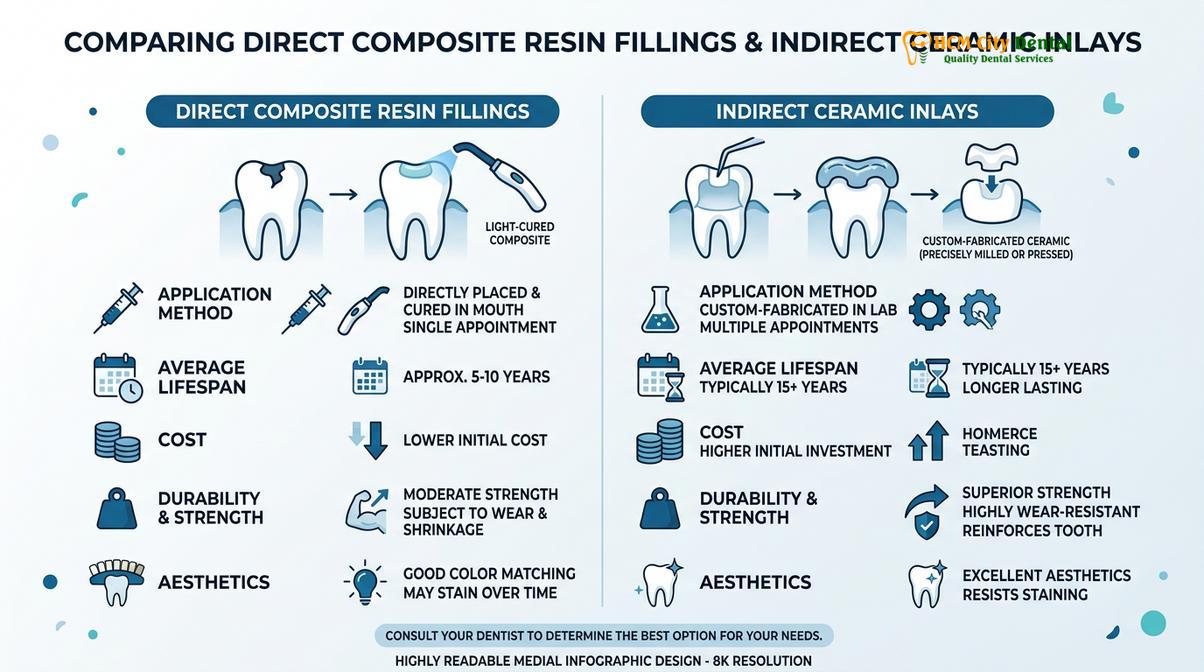
Long-Term Financial Value: Lifespan vs Upfront Costs in Saigon
Although ceramic fillings require a higher initial financial investment, their extended lifespan often makes them more cost-effective over decades of clinical use.
When discussing restorative options, the financial aspect is a practical consideration for every patient. Direct composite fillings are generally more affordable upfront. Because they require less clinical time, no specialized milling equipment, and no laboratory fees, the initial cost is lower. However, this lower upfront cost must be weighed against the material’s shorter lifespan. If a composite filling needs to be replaced every 5 to 7 years due to wear, marginal breakdown, or secondary caries, the cumulative cost over a lifetime can be substantial [5].
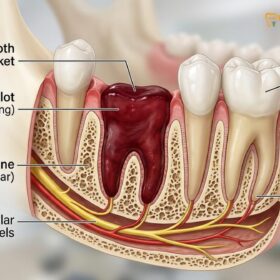
More importantly, the true cost of replacing a filling is not just financial; it is biological. Every time a dental restoration is removed and replaced, a small amount of healthy, natural tooth structure is inevitably lost during the drilling process. This initiates what dental professionals refer to as the restorative cycle. A small cavity becomes a medium composite; years later, that medium composite fails and becomes a large composite. Eventually, the cavity size limitations of direct materials are exceeded, and the tooth requires a full crown, or worse, root canal therapy if the nerve becomes compromised.
“Preserving natural tooth structure is the ultimate goal of modern dentistry. By choosing a highly durable ceramic restoration early in the restorative cycle, we can often halt the progression of tooth degradation and prevent the need for more invasive treatments down the line.”
Important Clinical Note: Ignoring signs of a failing composite filling, such as sensitivity to sweets or cold, can lead to deep bacterial infection. Timely replacement with a stronger ceramic material can often save the tooth from requiring a root canal.
When to Consult a Dentist for Filling Replacement
Regular monitoring of existing restorations is crucial to prevent secondary decay and structural failure before they cause pain or infection.
Patients often wonder when an old filling needs to be replaced. According to guidelines aligned with the Vietnam Odonto-Stomatology Association (VOSA), patients should seek professional evaluation if they experience sudden temperature sensitivity, notice visible marginal discoloration, or feel structural chipping in their existing restorations [6]. Waiting until a tooth physically hurts often means the decay has already reached the inner pulp chamber, necessitating more complex endodontic therapy.
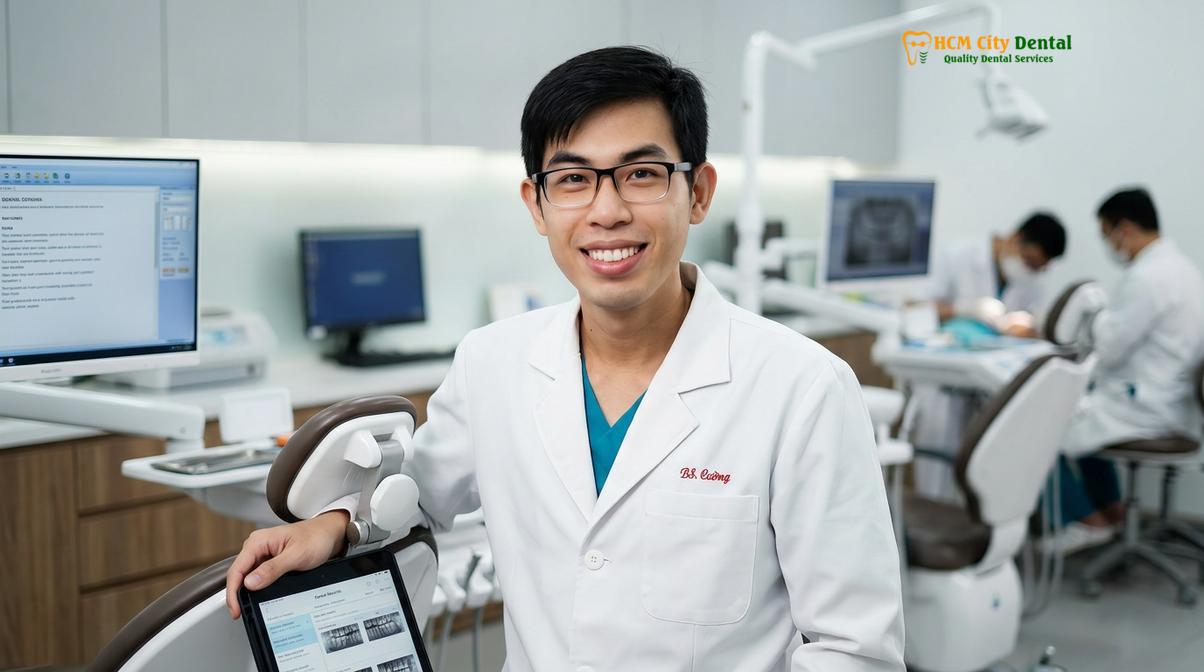
Dr. Nguyen Van Cuong, a leading restorative expert at HCMC Dental Clinic, emphasizes that material selection should always be tailored to the individual’s bite force and cavity size. Dr. Cuong frequently advises patients that while composites are excellent for minor repairs, investing in ceramic for large molars preserves the natural tooth structure far more effectively over time. Routine dental check-ups allow the clinical team to assess the integrity of both composite and ceramic margins using advanced magnification and digital imaging.
References
- Journal of Dentistry. Longevity of posterior composite restorations: A systematic review. (2021).
- Dental Materials. Fracture toughness and fatigue behavior of lithium disilicate glass-ceramics. (2020).
- Journal of Prosthetic Dentistry. Clinical evaluation of CAD/CAM ceramic inlays and onlays. (2019).
- Operative Dentistry. Polymerization shrinkage stress and marginal adaptation of direct composites. (2022).
- International Journal of Prosthodontics. Long-term survival rates of indirect ceramic restorations. (2018).
- Vietnam Odonto-Stomatology Association (VOSA). Guidelines on restorative materials and clinical longevity. (2022).
Conclusion
Choosing between composite and ceramic materials depends on a careful assessment of clinical needs, aesthetic desires, and long-term goals. While composite resin remains an indispensable tool for conservative, single-visit dentistry, indirect ceramic restorations offer unmatched durability, strength, and permanent stain resistance for larger cavities. If you are experiencing issues with old restorations or need to discuss the best material for your oral health, scheduling a consultation for dental fillings at HCMC Dental Clinic in Ho Chi Minh City will provide you with a personalized, long-lasting treatment plan.
For pricing, booking, and a free clinical assessment, visit our Dental Fillings & Bonding service page at HCMC Dental Clinic in Ho Chi Minh City.