Securing a reliable denture warranty in Saigon ensures long-term protection and clinical support for your removable prosthetics. Comprehensive coverage typically includes free initial adjustments, material authenticity guarantees, and specific repair protocols for acrylic bases or artificial teeth, providing essential peace of mind for both local residents and international dental tourists.
Clinical Summary:
A robust denture warranty in Saigon serves as a critical clinical safeguard, ensuring the longevity, biocompatibility, and functional integrity of removable prosthetics. Standard policies meticulously differentiate between structural manufacturing failures, such as a cracked acrylic base, and routine physiological wear. High-quality dental institutions provide material authenticity certificates for premium systems like BPS and Valplast, validating the clinical grade of the prosthesis. Furthermore, the warranty framework encompasses a vital free adjustment period during the initial tissue adaptation phase, mitigating mucosal trauma. For international patients, these structured guarantees significantly reduce the risks associated with cross-border care, offering clear repair protocols and annual maintenance packages that preserve both the prosthetic device and the underlying oral health.
Key Takeaways:
- Comprehensive warranties cover structural manufacturing defects but strictly exclude damage resulting from improper handling or poor hygiene.
- Authenticity certificates for BPS and Valplast materials validate the clinical grade and biocompatibility of the prosthesis.
- Initial free adjustment periods are critical for resolving mucosal sore spots during the physiological adaptation phase.
- Coverage policies clearly distinguish between acrylic base fractures caused by occlusal stress and the dislodgement of artificial teeth.
- Annual maintenance packages ensure optimal prosthetic fit as the alveolar bone naturally remodels over time.
Defining the Warranty Scope for Removable Prosthetics
A standard denture warranty covers manufacturing defects and structural failures under normal masticatory forces, while excluding damage from accidental drops, improper maintenance, or physiological bone resorption.
Understanding the precise scope of a warranty for removable prosthetics is essential for establishing realistic clinical expectations. Unlike fixed restorations such as crowns or implants, which are permanently anchored to the dentition or jawbone, removable dentures are subjected to dynamic forces, daily insertion and removal, and the continuous remodeling of the underlying oral tissues. A comprehensive warranty is designed to protect the patient against laboratory errors, material flaws, and premature structural degradation under normal physiological use[1].
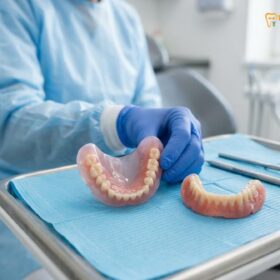
The standard General Dentistry approach to prosthetic guarantees delineates between mechanical failure and biological changes. Mechanical failures covered under the warranty typically include the spontaneous fracture of the acrylic base during normal chewing, the debonding of artificial teeth due to improper laboratory processing, or the failure of metal clasps in partial dentures. Conversely, the warranty does not cover biological changes, such as the natural resorption of the alveolar ridge, which inevitably leads to a loose prosthesis requiring a reline or rebase.
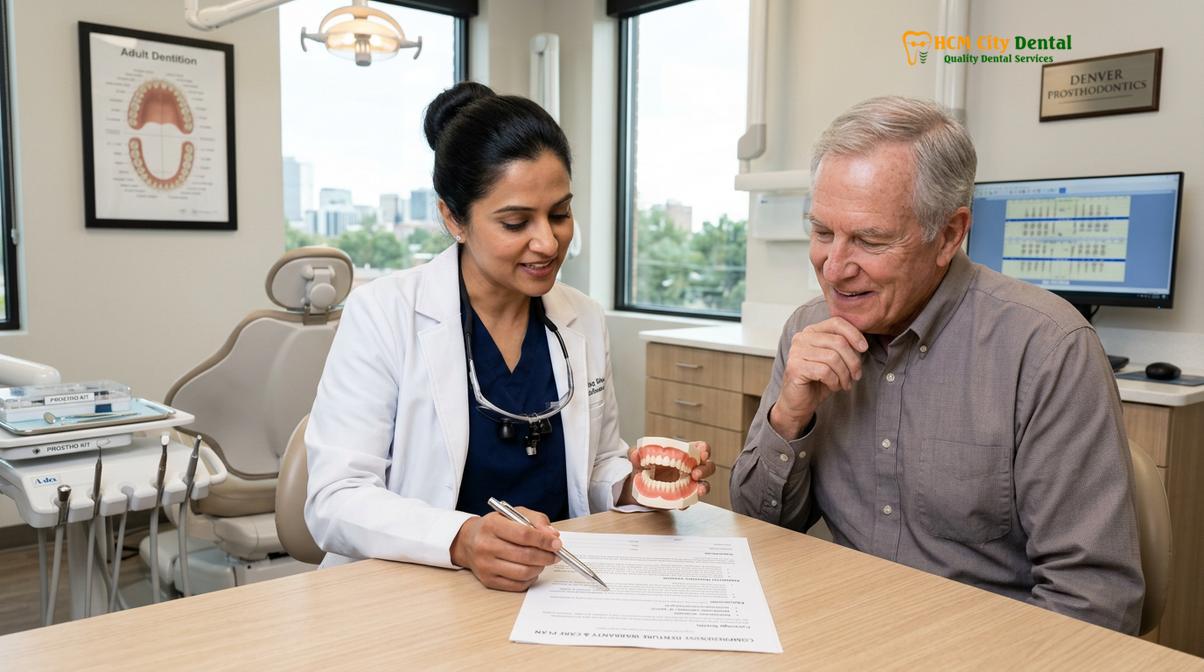
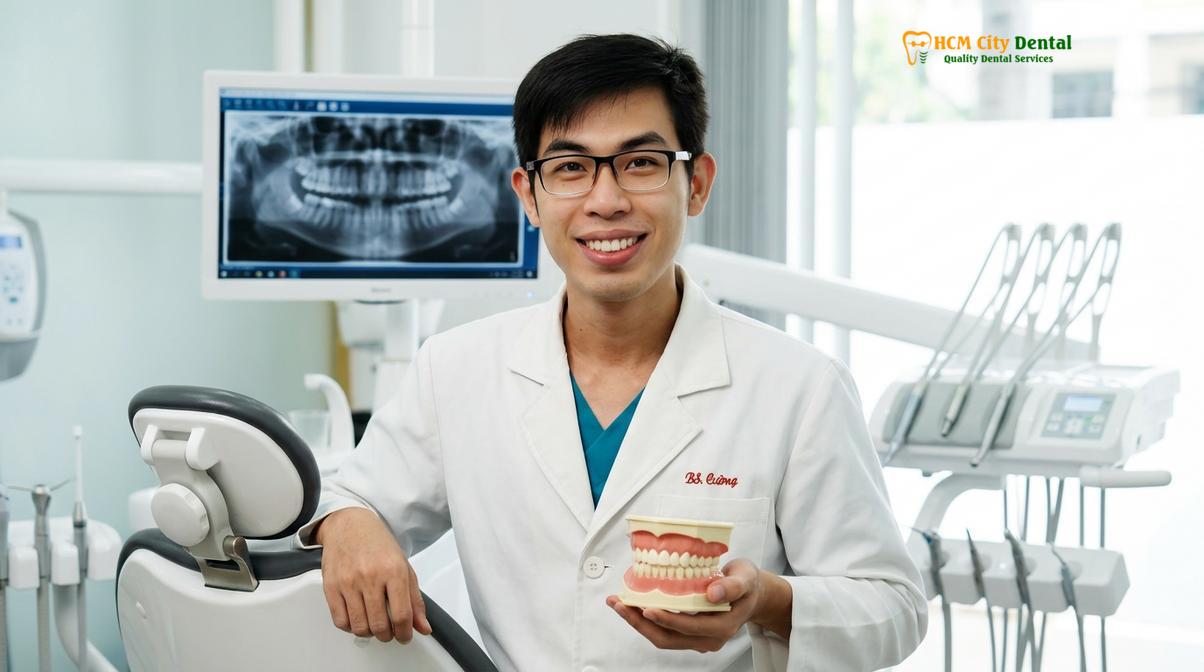
Dr. Nguyen Van Cuong frequently emphasizes during consultations that a warranty is a partnership between the clinician and the patient. While the laboratory guarantees the structural integrity of the materials, the patient must adhere to strict maintenance protocols. Dropping the prosthesis on a hard surface, using abrasive household cleaners, or attempting DIY repairs will invariably void the warranty. The specific denture warranty period varies depending on the materials used; standard acrylic dentures may carry a one- to two-year guarantee against structural defects, while premium systems often offer extended coverage.
BPS and Valplast Material Authenticity Certificates
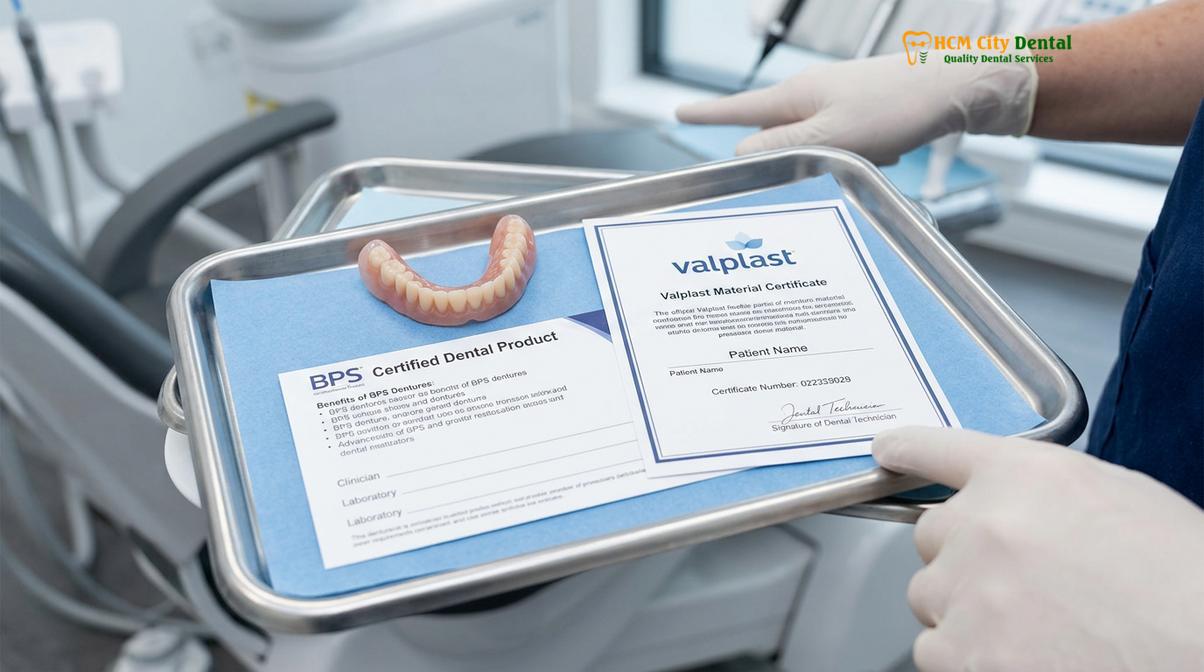
Authentic BPS and Valplast prosthetics are accompanied by manufacturer certificates, ensuring the use of biocompatible, high-impact materials rather than inferior commercial acrylics.
In the realm of modern prosthodontics, the quality of the materials dictates both the functional longevity and the aesthetic outcome of the denture. Saigon has become a hub for advanced dental technology, offering premium systems such as the Biofunctional Prosthetic System (BPS) by Ivoclar Vivadent and Valplast flexible partials. However, the proliferation of these high-end options necessitates strict verification protocols to ensure patients receive genuine materials.
BPS dentures are fabricated using a highly coordinated system of clinical impressions, specialized articulators, and high-impact injection-molded acrylics. This process minimizes polymerization shrinkage, resulting in an exceptionally precise fit and superior resistance to fracture. Similarly, Valplast utilizes a biocompatible nylon thermoplastic resin that provides flexibility, eliminating the need for visible metal clasps while adapting seamlessly to the natural contours of the gingiva[2].
“The provision of material authenticity certificates is not merely an administrative formality; it is a clinical necessity that guarantees the prosthesis is free from residual monomers and possesses the exact biomechanical properties required for optimal masticatory function.”
Reputable clinics provide premium material certificates upon the delivery of the prosthesis. These certificates contain unique serial numbers and laboratory signatures, verifying that the materials were sourced directly from the manufacturer and processed according to strict proprietary protocols. For patients investing in high-end restorations, these documents are a crucial component of the warranty, ensuring that the prosthesis will perform as expected and will not induce allergic reactions or premature degradation.
The Free Adjustments Policy: Protecting Your Initial Weeks of Wear
The initial weeks of denture wear require clinical modifications to relieve mucosal pressure points, a process fully covered under a standard free adjustment policy.
The delivery of a new denture marks the beginning of a critical physiological adaptation phase. Regardless of the precision of the impressions or the quality of the laboratory work, the oral mucosa must acclimate to the presence of a rigid or semi-rigid foreign body. During the first few weeks, it is entirely normal for patients to experience localized sore spots, minor speech impediments, and excessive salivation as the neuromuscular system adapts to the new occlusal scheme.
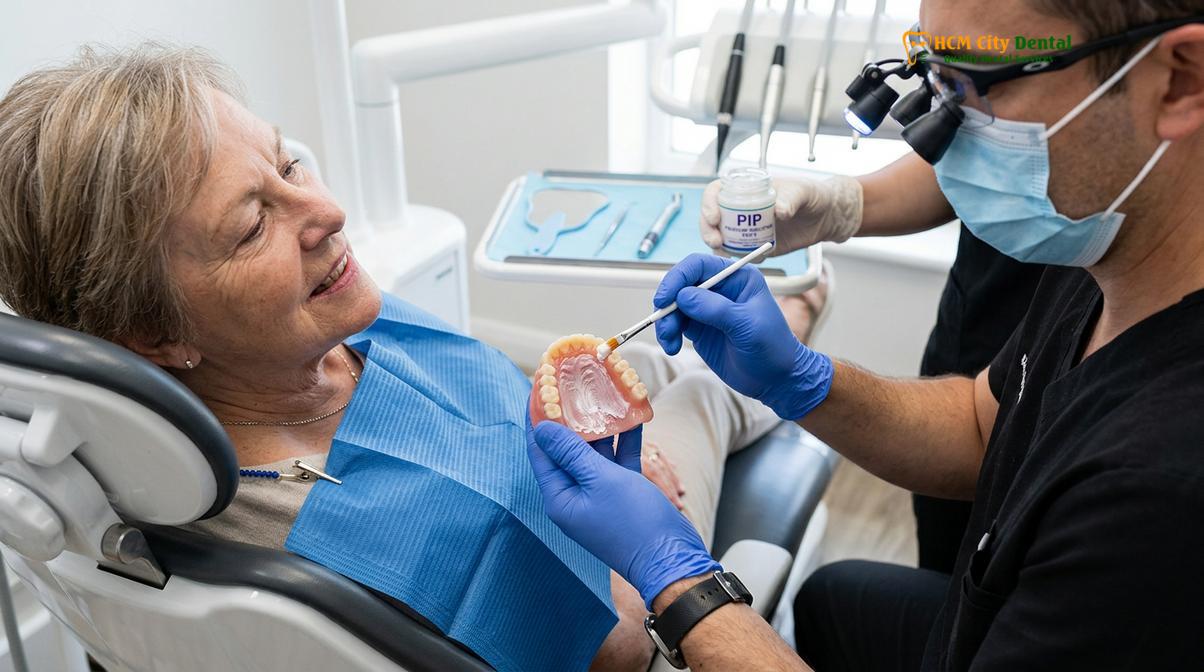
To manage this transition, comprehensive warranties include a structured free adjustment policy. This policy typically covers all necessary clinical modifications for the first 30 to 90 days post-insertion. During these adjustment appointments, the clinician utilizes pressure indicating paste (PIP) to identify areas of excessive tissue compression on the intaglio (tissue-facing) surface of the denture. The acrylic is then carefully relieved using specialized burs to eliminate ulcerations and improve comfort[3].
Patients are strongly advised not to endure pain or attempt to adjust the prosthesis themselves. Utilizing a Denture Adhesive Application: Clinical Guide & Safety protocol can provide temporary stability, but it is not a substitute for professional occlusal equilibration. Furthermore, mastering Speaking with New Dentures: Clinical Guide to Clear Speech requires a properly fitting base; any instability will hinder phonetic adaptation. The free adjustment period ensures that the clinician can fine-tune the prosthesis until optimal comfort and function are achieved without additional financial burden to the patient.
Cracked Acrylic Base vs. Artificial Tooth Breakage: Coverage Breakdown
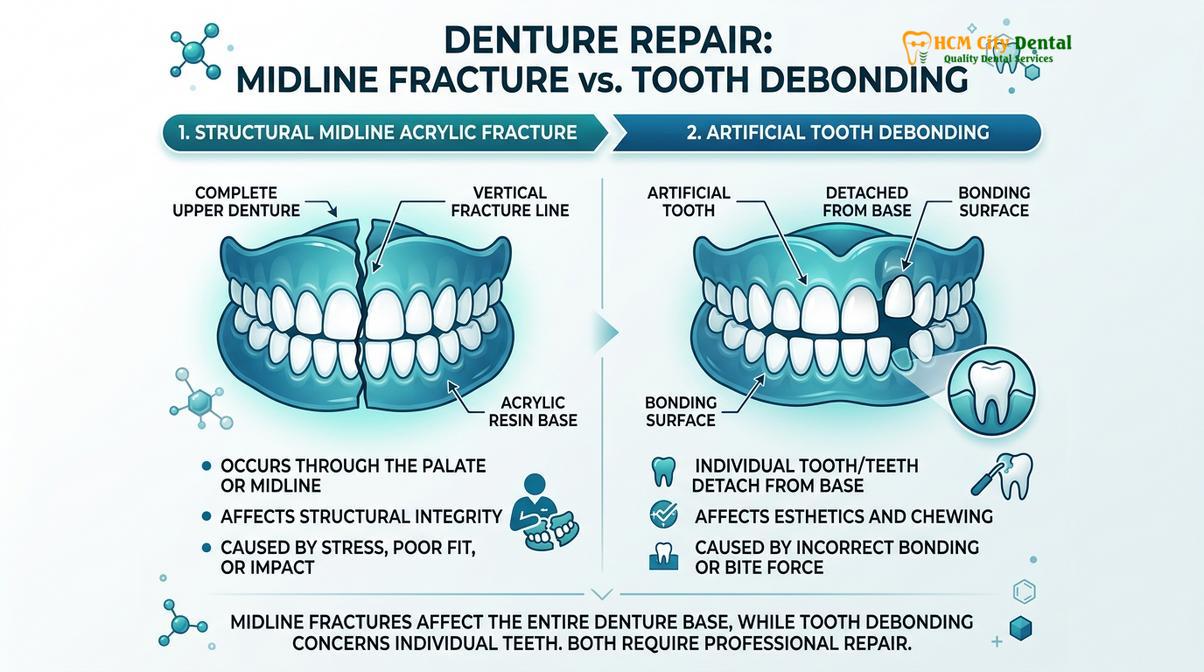
Warranty coverage strictly differentiates between a cracked acrylic base caused by occlusal stress and artificial tooth breakage resulting from external trauma or improper diet.
When a removable prosthesis sustains damage, the warranty adjudication process depends heavily on the nature and cause of the failure. Clinical protocols distinguish primarily between structural failures of the denture base and localized damage to the artificial teeth. Understanding this distinction is vital for patients navigating the repair process.
A midline fracture of the acrylic base often indicates a biomechanical issue, such as flexural fatigue caused by an uneven bite or underlying bone resorption that leaves the base unsupported. If this occurs within the warranty period and there is no evidence of external trauma (such as dropping the denture), the repair or remake is typically covered. The laboratory will utilize auto-polymerizing resin and pressure pots to restore the structural integrity of the base[4]. This is a critical aspect of cracked base repair coverage.
Conversely, the debonding or fracturing of an individual artificial tooth is often scrutinized differently. While a tooth popping out due to poor laboratory bonding is a covered defect, a tooth fractured by biting down on unyielding objects (e.g., ice, hard candies, or bone fragments) is considered accidental damage and is generally excluded from warranty coverage.
| Type of Damage | Typical Cause | Warranty Coverage Status | Clinical Solution |
|---|---|---|---|
| Midline Base Fracture | Flexural fatigue, unsupported base, occlusal imbalance | Usually Covered (if no signs of drop trauma) | Laboratory repair with reinforcing mesh or complete remake |
| Debonded Artificial Tooth | Inadequate chemical bond during laboratory processing | Covered | Re-bonding the tooth using specialized acrylic resins |
| Fractured Artificial Tooth | Masticating excessively hard foods, accidental trauma | Not Covered (considered patient negligence) | Replacement of the specific tooth at patient’s expense |
| Clasp Breakage (Partial) | Metal fatigue, improper insertion/removal technique | Evaluated Case-by-Case | Laser welding or replacement of the clasp assembly |
If a denture base fractures due to severe underlying bone loss, a simple repair is insufficient. The patient will require a Denture Reline for Loose Dentures: Clinical Guide to adapt the intaglio surface to the new tissue contours, a procedure that falls under maintenance rather than warranty repair.
Annual Maintenance Packages for Expat Gums Wellness
Routine clinical evaluations and relining procedures are essential to adapt the prosthesis to ongoing alveolar bone resorption, ensuring long-term stability and mucosal health.
The human jawbone requires the stimulation of natural tooth roots to maintain its volume and density. Following tooth extraction, the alveolar ridge undergoes continuous, irreversible resorption. This physiological reality means that even the most perfectly crafted denture will eventually become loose as the tissues beneath it shrink. For long-term residents and expatriates, managing this change is a critical component of oral health.
To address this, comprehensive care plans often include an annual checkup package. These packages are designed to monitor the health of the oral mucosa, assess the occlusal wear of the artificial teeth, and evaluate the fit of the denture base. Regular maintenance prevents the development of hyperplastic tissue (epulis fissuratum) caused by the chronic irritation of an ill-fitting prosthesis.
Clinical Case Review: A 62-year-old expatriate presented to HCMC Dental Clinic in Ho Chi Minh City complaining of a loose upper complete denture that frequently dislodged during speech. Clinical examination revealed significant alveolar resorption over the past three years. Because the patient had enrolled in an annual maintenance program, the clinic promptly performed a hard laboratory reline. By capturing a new functional impression inside the existing denture base, the laboratory restored the peripheral seal and retention, eliminating the need for a completely new prosthesis and restoring the patient’s confidence.
During these annual visits, clinicians also provide Comprehensive Denture Cleaning Guidelines, utilizing professional ultrasonic baths to remove stubborn calculus and biofilm that daily brushing cannot eliminate. This proactive approach extends the lifespan of the prosthesis and ensures ongoing mucosal wellness.
Why Quality Guarantees Are Essential for International Dental Tourism
Structured clinical warranties provide international patients with financial and medical security, ensuring that complex prosthetic treatments meet global standards of care.
Dental tourism has expanded rapidly, with patients traveling across borders to access high-quality care at competitive price points. However, receiving complex prosthodontic treatment abroad introduces unique logistical challenges, particularly concerning post-operative care and long-term maintenance. A robust warranty system is the cornerstone of ethical and reliable international dental care.
For a patient traveling to Saigon for full-mouth rehabilitation, a verbal assurance is insufficient. Documented warranties act as a form of dental tourism insurance, outlining exact protocols for addressing complications after the patient returns home. High-tier clinics maintain detailed digital records, including intraoral scans and laboratory CAD files, allowing them to rapidly fabricate replacement components or coordinate with the patient’s local dentist if an issue arises[5].
“International patients require absolute clarity regarding their post-treatment coverage. A transparent warranty policy not only builds trust but also establishes a definitive clinical pathway for managing the inevitable adjustments and maintenance required in removable prosthodontics.”
Dr. Cuong notes that the success of dental tourism relies heavily on setting accurate expectations regarding the adaptation phase. Patients must understand that mastering an Eating with Dentures Guide: 30-Day Clinical Plan takes time and patience. A comprehensive warranty ensures that if structural issues impede this progress, the clinic stands ready to provide necessary interventions, solidifying the reputation of Ho Chi Minh City as a premier destination for world-class dental rehabilitation.
When to See a Doctor
While minor discomfort is expected during the initial adaptation phase of a new denture, certain clinical signs require immediate professional evaluation to prevent severe mucosal damage or irreversible alterations to your oral anatomy. Do not wait for your next scheduled maintenance appointment if you experience any of the following symptoms.
Important Clinical Considerations: Seek immediate dental attention if you observe:
- Persistent Ulcerations: Sore spots that do not heal within 3 to 5 days, or ulcers that bleed easily, indicating severe localized pressure.
- Severe Instability: A denture that completely loses its suction or frequently dislodges during normal speech or swallowing, posing a choking hazard.
- Signs of Infection: White patches on the gums or palate (suggestive of oral candidiasis), accompanied by a burning sensation or foul odor.
- Structural Damage: Any visible hairline cracks in the acrylic base, chipped artificial teeth, or bent metal clasps. Continuing to wear a damaged prosthesis can cause rapid tissue trauma.
If you experience these issues, contact your prosthodontist promptly. Attempting to modify the denture yourself with tools or over-the-counter adhesives can exacerbate the problem and void your clinical warranty.
Frequently Asked Questions
What happens if my BPS denture cracks after I fly back to Australia?
If your BPS denture cracks after returning home, reputable clinics will coordinate with you to assess the damage via digital records and determine if the fracture falls under manufacturing defects. You will typically be asked to provide high-resolution photographs of the damage. If the fracture is deemed a structural failure covered by the warranty, the clinic may offer to remake the prosthesis free of charge upon your next visit, or in some premium coverage tiers, reimburse a predetermined portion of the repair costs incurred at a local dental office in your home country.
How do I verify that my clinic used authentic Valplast material?
You can verify the authenticity of your Valplast denture by requesting the official manufacturer’s certificate of authenticity provided by the dental laboratory. This document includes a unique serial number and confirms that the flexible polyamide resin used meets international biocompatibility standards. Authentic Valplast materials are highly resistant to fracture and do not contain the rigid monomers found in traditional acrylics; the certificate is your guarantee against inferior, easily degradable counterfeit materials.
Is there a warranty on mini-implants or locator overdentures?
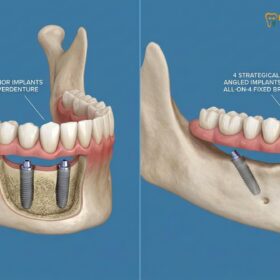
Yes, locator overdentures and mini-implants typically carry separate warranties for the surgical components and the prosthetic attachment systems. The titanium implants embedded in the jawbone often come with extended or lifetime warranties against structural fracture from the manufacturer. However, the nylon retention inserts (the “snaps” inside the denture base) are designed to wear out over time to protect the implant from excessive force. The routine replacement of these nylon inserts is considered standard maintenance and is generally not covered under long-term warranties.
Does the warranty cover the cost of a hard reline?
Standard warranties generally do not cover the cost of a hard reline, as this procedure addresses natural physiological bone resorption rather than a defect in the prosthesis. Over time, the alveolar ridge shrinks, causing the once perfectly fitting denture to become loose. A hard reline involves adding new acrylic to the tissue-facing surface of the denture to adapt to these biological changes. Because bone loss is a natural physiological process beyond the control of the laboratory, relining is classified as routine maintenance.
Will my warranty be voided if I use over-the-counter repair kits?
Yes, applying over-the-counter repair kits or household adhesives to a fractured denture will almost certainly void your clinical warranty. These unauthorized materials alter the chemical structure of the acrylic and often create a toxic, non-biocompatible surface. Furthermore, DIY repairs make it impossible for a professional dental laboratory to properly align the fractured pieces and achieve a strong, chemically bonded repair, usually necessitating a complete and costly remake of the prosthesis at the patient’s expense.
References
- Journal of Prosthetic Dentistry. Clinical evaluation of warranty protocols and failure rates in removable prosthodontics. (2021).
- International Journal of Prosthodontics. Material properties and clinical performance of injection-molded polyamide dentures. (2020).
- British Dental Journal. Post-insertion care and the necessity of adjustment phases in complete denture therapy. (2019).
- Journal of Oral Rehabilitation. Biomechanical analysis of midline fractures in polymethyl methacrylate denture bases. (2022).
- Clinical Oral Implants Research. Cross-border dental care: quality assurance and maintenance protocols for international patients. (2018).