Denture myths often prevent patients from seeking effective tooth replacement. The truth is that modern dentures are highly customized, comfortable, and natural-looking prosthetics suitable for adults of all ages. Debunking these misconceptions is essential for making informed clinical decisions about restoring your oral function and aesthetics.
Clinical Summary:
Advancements in prosthodontics have fundamentally transformed removable dental appliances. Contemporary dentures utilize biocompatible acrylics, flexible resins, and digital design workflows to ensure precise anatomical fit and lifelike aesthetics. Contrary to popular belief, these prosthetics are not exclusively for the elderly, do not last a lifetime without routine maintenance, and should never cause chronic pain or severe speech impediments when properly fitted. Understanding the dynamic nature of the jawbone and the biomechanics of modern prosthetics empowers patients to achieve optimal oral rehabilitation.
Key Takeaways:
- Modern dentures are highly aesthetic and virtually indistinguishable from natural dentition.
- Tooth loss affects adults of all ages; dentures are a viable, common solution for younger patients.
- Bone resorption necessitates regular denture relining or replacement every 5 to 7 years.
- Properly fitted prosthetics rely on anatomical suction, not excessive adhesive, for daily stability.
- Implant-supported options can halt bone loss and provide superior chewing efficiency.
Myth 1: Dentures Are Exclusively for Seniors (Young Patient Statistics)
While commonly associated with older adults, dentures are frequently prescribed for younger patients due to trauma, congenital conditions, or severe periodontal disease.
One of the most pervasive misconceptions in dentistry is the belief that tooth loss and the subsequent need for removable prosthetics are strictly age-related phenomena. In reality, the need for customized removable dentures spans across all demographic age groups. While the prevalence of edentulism (complete tooth loss) does increase with age, thousands of young adults require partial or complete dentures every year.
The clinical indications for young patient dentures are diverse. Severe facial trauma from sports injuries or motor vehicle accidents can result in the sudden loss of multiple anterior or posterior teeth. In these acute scenarios, immediate dentures or flexible partials serve as crucial transitional or long-term restorative solutions. Furthermore, genetic conditions such as ectodermal dysplasia can prevent the natural development of adult teeth, necessitating prosthetic intervention from a very early age to ensure proper speech development, mastication, and psychological well-being.
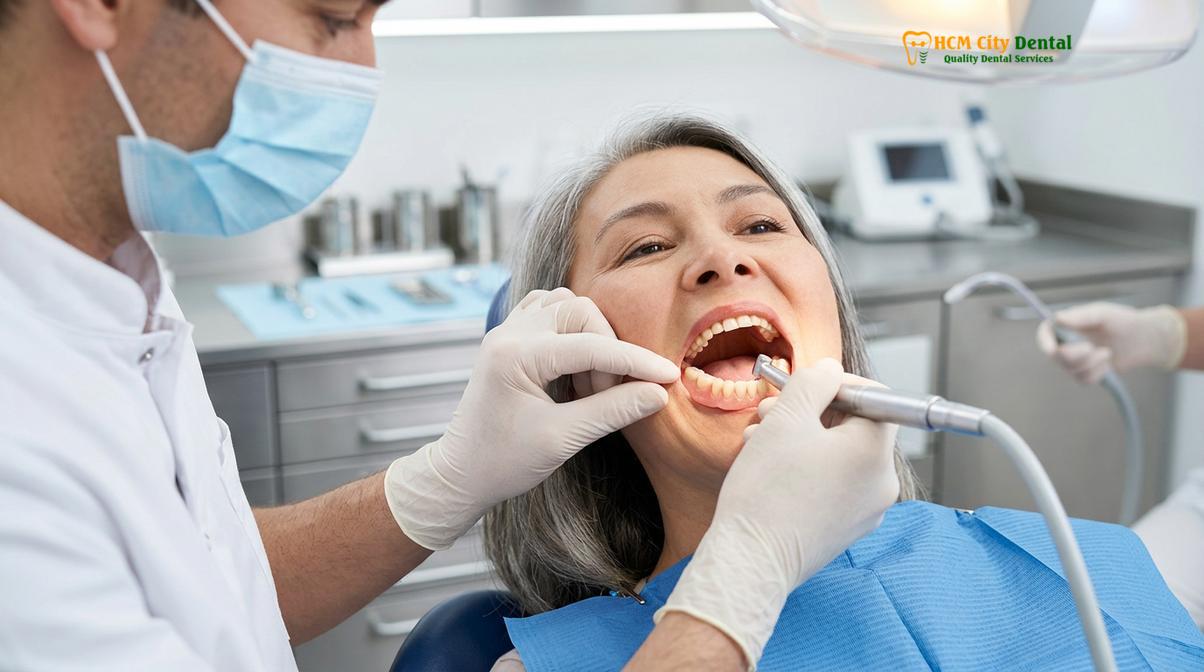
Aggressive periodontitis is another significant factor. Unlike chronic gum disease, which progresses slowly over decades, aggressive periodontitis can cause rapid attachment loss and bone destruction in otherwise healthy individuals in their twenties and thirties. When teeth become unsalvageable, extracting them and utilizing a well-designed prosthetic is often the most responsible clinical pathway to eliminate systemic infection and restore function.
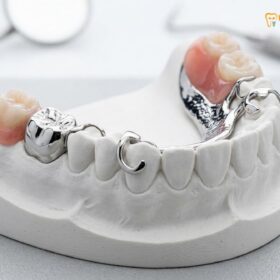
Dr. Nguyen Van Cuong, a leading specialist in restorative dentistry, frequently encounters younger demographics requiring comprehensive rehabilitation. He notes that the psychological barrier is often the most challenging aspect for these patients. However, once they understand that modern materials can create a virtually undetectable restoration, their confidence is rapidly restored. The use of thermoplastic flexible partial dentures has shown excellent clinical suitability and aesthetics, particularly for younger individuals seeking a metal-free, highly discreet option[5].
Myth 2: Dentures Are Permanent and Never Need Replacing
Dentures are not lifetime devices; the acrylic material wears down, and the underlying jawbone naturally changes shape, requiring periodic relining or complete replacement.
Many patients operate under the assumption that once they receive their final set of dentures, their dental journey is complete. This concept of permanent teeth replacement via a removable acrylic device is a fundamental misunderstanding of both material science and human biology. A denture is a high-precision medical device subjected to immense daily stress, and the environment it rests upon—the human mouth—is in a constant state of flux.
The materials used to fabricate dentures, typically cross-linked polymethyl methacrylate (PMMA) and composite resin teeth, are highly durable but not invincible. Over years of chewing, grinding, and daily cleaning, the occlusal (biting) surfaces of the artificial teeth gradually wear down. This wear alters the patient’s vertical dimension of occlusion (VDO)—the distance between the nose and chin when the teeth are clenched. A collapsed VDO can lead to temporomandibular joint (TMJ) discomfort, angular cheilitis (cracking at the corners of the mouth), and a prematurely aged facial appearance.
Clinical Warning: The Bone Loss Myth
Ignoring a loose denture due to the “bone loss myth”—the false belief that jawbones remain static after extractions—can lead to accelerated, irreversible bone resorption. Wearing an ill-fitting prosthetic creates uneven pressure points that traumatize the delicate alveolar ridge, destroying the very foundation needed to support future dentures.
Beyond material wear, the most critical factor dictating the lifespan of a denture is the biological remodeling of the alveolar bone. When natural teeth are extracted, the jawbone no longer receives the biomechanical stimulation required to maintain its density and volume. Consequently, the bone slowly resorbs or shrinks. A denture that fit perfectly on the day of delivery will inevitably become loose as the underlying tissue changes shape. Biomechanical principles dictate that tissue response to complete dentures requires ongoing monitoring and adjustment[1].
To combat this, patients must undergo a clinical denture reline every one to two years. A reline involves adding a new layer of acrylic to the tissue-fitting surface of the denture, adapting it to the current shape of the gums. However, even with regular relining, the overall structural integrity and aesthetic vitality of the denture will eventually degrade, typically necessitating a complete replacement every five to seven years.
Myth 3: Everyone Will Notice Your Dentures Are Fake
Contemporary dental materials and digital shade-matching techniques allow prosthodontists to create highly realistic dentures that mimic natural gingival contours and tooth enamel.
The fear of an artificial, “chiclet-teeth” appearance is a primary reason many individuals delay necessary dental extractions. Historically, early dentures were fabricated with opaque, monochromatic materials that lacked the light-reflecting properties of natural human tissue. Today, advancements in denture aesthetics have rendered this fear entirely obsolete.
The creation of a modern prosthetic is a meticulous blend of art and science. High-end dental laboratories utilize multi-layered, polychromatic acrylics to craft the artificial teeth. These teeth feature varying degrees of translucency at the incisal edges (the biting tips) and richer, more opaque dentin shades near the gum line, perfectly mimicking the optical properties of natural enamel. Furthermore, the teeth are not arranged in a perfectly straight, unnatural line. A skilled prosthodontist will introduce slight, deliberate irregularities—such as a subtly rotated lateral incisor or a customized wear pattern—to ensure the smile looks authentic to the patient’s age and facial structure.
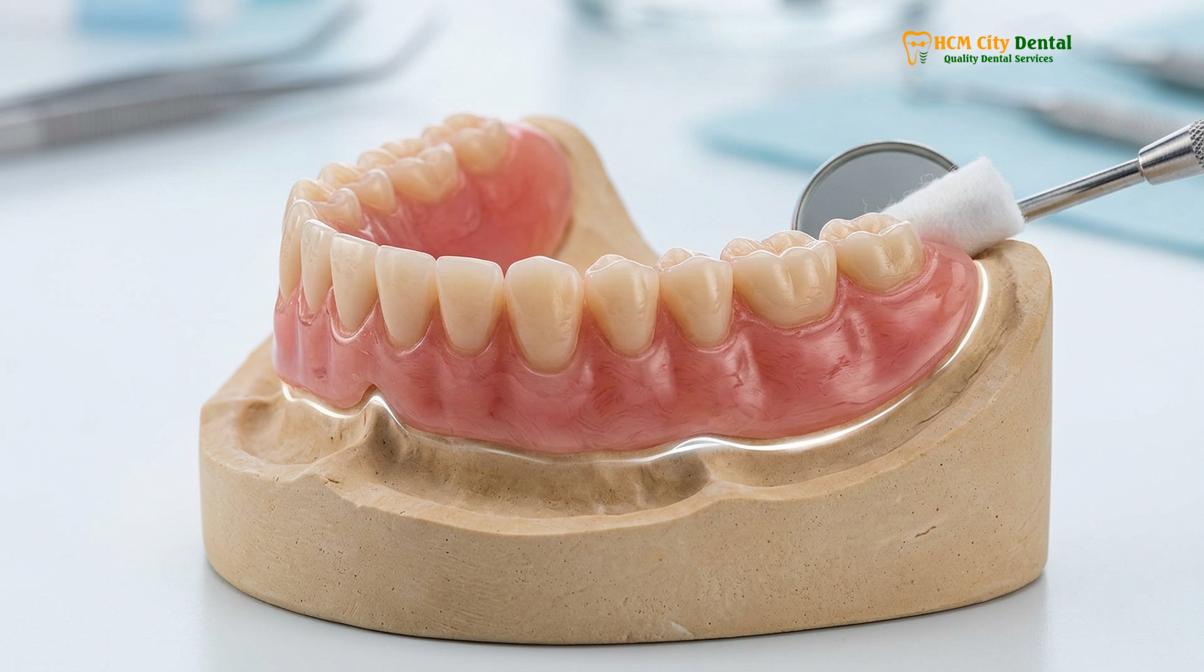
The gingival (gum) base of the denture receives equal attention. Rather than a uniform, flat pink plastic, modern acrylics are characterized with varying shades of pink, red, and subtle purple to mimic natural blood flow. The surface is often “stippled” to recreate the slight orange-peel texture of healthy attached gingiva, and the acrylic is carefully festooned around the necks of the teeth to simulate natural root eminences.
“The hallmark of exceptional prosthodontics is invisibility. When a patient leaves our clinic, their smile should reflect their unique personality, not the fact that they are wearing a dental appliance. We spend as much time analyzing facial symmetry and lip support as we do on the mechanical fit.”
— Dr. Nguyen Van Cuong
In the realm of modern prosthodontics Saigon, clinics like HCMC Dental Clinic employ comprehensive digital smile design protocols. Patients are actively involved in the “try-in” phase, where the teeth are set in wax before the final acrylic processing. This allows the patient to preview the aesthetics, test their speech, and approve the exact look of their new smile before the denture is finalized. Studies indicate that patient satisfaction is significantly higher when premium, biofunctional prosthetic systems are utilized to customize the aesthetic outcome[3].
Myth 4: Dentures Make Speaking and Eating an Uncomfortable Chore
Although an initial adaptation period is required, well-fitted dentures restore proper phonetics and allow patients to comfortably consume a varied, nutritious diet.
It is a clinical reality that transitioning to removable prosthetics requires a period of neuromuscular adaptation. However, the speech problems myth—the idea that you will forever sound muffled or struggle to chew—is fundamentally incorrect. The human brain and oral musculature are remarkably adaptable, and with proper guidance, patients can regain near-normal function.
When a patient first inserts a new upper denture, the acrylic covers the hard palate. This alters the tactile feedback the tongue relies on to form specific phonetic sounds, particularly sibilants (“s” and “sh” sounds) and fricatives (“f” and “v” sounds). Initially, patients may experience a slight lisp or feel that their tongue does not have enough space. This is a temporary sensory disruption. By reading aloud and practicing speaking clearly with new dentures, the tongue rapidly recalibrates its positioning. Within a few weeks, speech typically returns to its natural cadence and clarity.
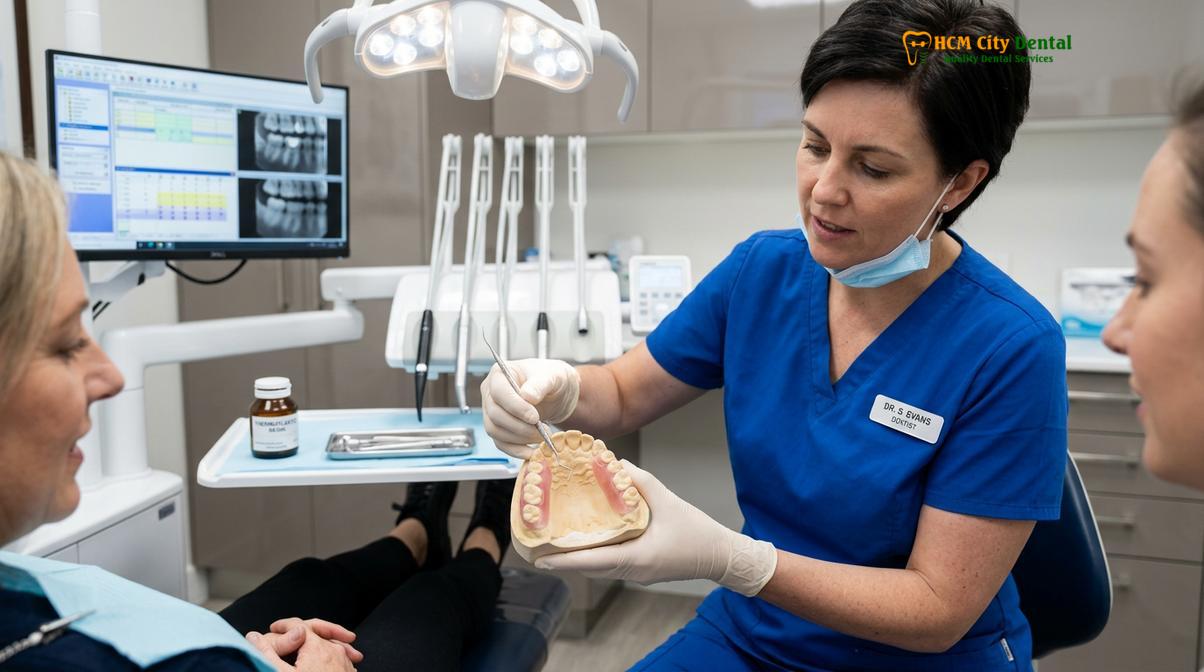
Eating requires a more conscious adjustment. Natural teeth are anchored individually into the jawbone, allowing for unilateral chewing (chewing on one side). A complete denture, however, functions as a single unit. If a patient bites down hard on an apple with their front denture teeth, the leverage will cause the back of the denture to dislodge. Patients must learn the technique of bilateral balanced occlusion—distributing food evenly on both sides of the mouth and chewing simultaneously to keep the prosthetic seated.
| Phase | Dietary Recommendations | Speech & Comfort Milestones |
|---|---|---|
| Days 1-7 | Liquid to very soft foods (broths, yogurt, mashed vegetables). | Excessive salivation is normal. Mild lisping expected. Focus on swallowing techniques. |
| Days 8-14 | Introduction of soft solids (flaky fish, pasta, cooked eggs). | Saliva production normalizes. Speech improves significantly with reading aloud exercises. |
| Days 15-30 | Firmer foods cut into small, bite-sized pieces. | Muscle memory develops for bilateral chewing. Minor sore spots should be adjusted by the dentist. |
| Day 30+ | Return to a varied, normal diet (avoiding extremely sticky or hard items). | Full phonetic adaptation. The denture feels like a natural part of the oral cavity. |
During the initial phase, following a structured guide for eating with dentures during the initial phase is critical for preventing frustration and ensuring adequate nutritional intake. As the facial muscles (buccinator and orbicularis oris) learn to help stabilize the denture during function, chewing efficiency dramatically improves.
Myth 5: Adhesives Can Fix a Badly Fitting Denture Plate
Dental adhesives are designed to provide extra security for well-fitting dentures, not to compensate for the poor fit of an outdated or warped prosthetic.
Walk down the oral care aisle of any pharmacy, and you will see dozens of denture adhesive pastes, powders, and cushions. While these products have a valid clinical use, they are frequently misused by patients attempting to self-manage a failing prosthetic. A properly fabricated upper denture relies on a precise anatomical phenomenon known as the peripheral seal. By accurately capturing the vestibules (the space between the gums and cheeks) and the vibrating line at the back of the palate, the denture creates a vacuum effect, holding it firmly in place against the mucosal tissue.
Lower dentures are notoriously more challenging due to the continuous movement of the tongue and the smaller surface area of the mandibular ridge. However, advanced clinical techniques, such as the suction-effective lower denture protocol, utilize dynamic border molding to achieve remarkable stability without adhesive[2].
When a denture becomes loose due to bone resorption, the intimate contact between the acrylic and the tissue is lost, breaking the vacuum seal. Applying thick layers of adhesive to fill this growing void is a dangerous temporary fix. Excessive adhesive alters the bite alignment, leading to uneven pressure distribution. This not only causes painful ulcerations but also accelerates the destruction of the underlying bone. Furthermore, swallowing large amounts of zinc-containing adhesives over time can lead to neurological complications.
Clinical Case Review: HCMC Dental Clinic
A 62-year-old patient visited our facility in Ho Chi Minh City complaining of chronic indigestion and severe gum irritation. The patient had been using nearly a full tube of adhesive weekly to stabilize a 10-year-old upper denture. Clinical examination revealed significant epulis fissuratum (hyperplastic tissue overgrowth) caused by the ill-fitting flange. After a period of tissue conditioning, a new, precisely border-molded denture was fabricated. The patient achieved excellent retention using only natural suction, eliminating the need for adhesive entirely and resolving the mucosal inflammation.
If you find yourself needing adhesive just to speak or drink water, it is a definitive clinical sign that the prosthetic requires professional attention. Understanding proper denture adhesive application means using it sparingly—no more than three or four pea-sized dots—to provide a slight boost in confidence, never as a structural gap-filler.
Fact Check: The Dynamic Nature of Your Gums and Bone Structure
The human jawbone requires stimulation from tooth roots to maintain its density; without teeth, the bone continuously remodels and shrinks over time.
To truly understand why dentures require ongoing care, one must understand the physiology of the alveolar bone. According to Wolff’s Law, bone grows and remodels in response to the forces placed upon it. When natural teeth are present, the forces of chewing travel down the periodontal ligament and stimulate the surrounding bone, signaling the body to maintain its density.
Once a tooth is extracted, this vital stimulation ceases. The body, sensing that the bone is no longer needed to support a tooth, begins to resorb the calcium and redirect it elsewhere. This process is most rapid in the first six months following an extraction but continues at a slow, steady pace for the rest of the patient’s life. The mandibular (lower) ridge typically resorbs at a rate four times faster than the maxillary (upper) ridge.
As the bone shrinks, the gums shrink with it. A denture that was perfectly adapted to a broad, tall ridge will eventually find itself resting on a narrow, flat ridge. This dynamic biological process is the root cause of almost all long-term denture complications, from looseness and sore spots to changes in facial appearance.
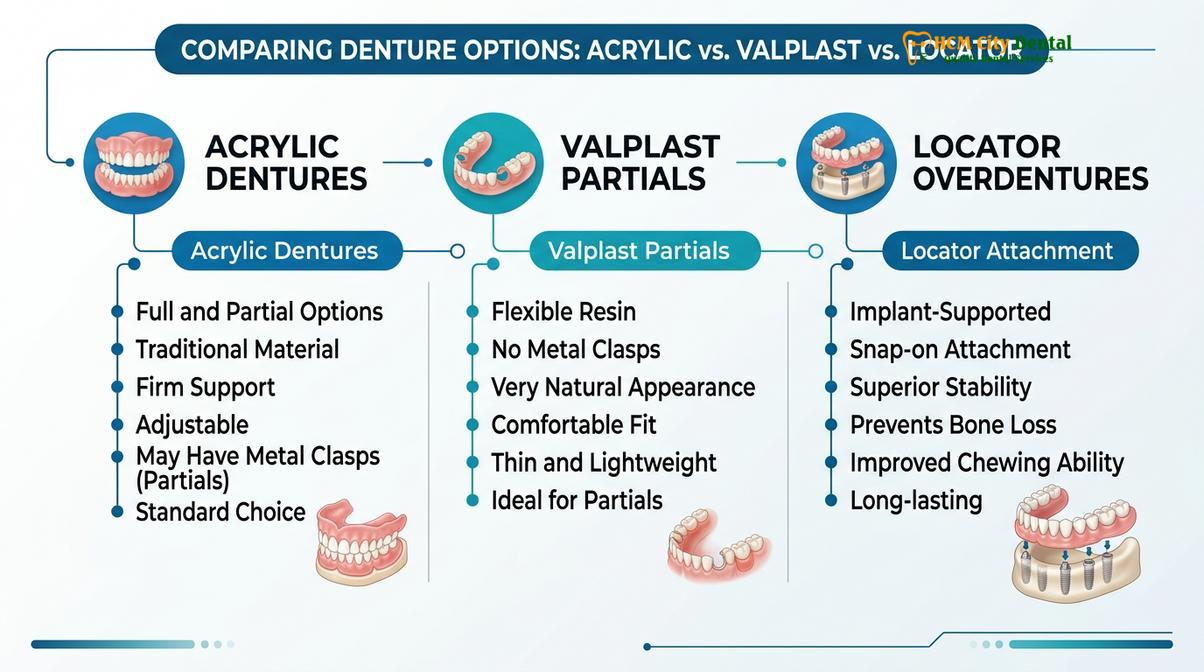
For patients seeking to halt this resorptive process, modern dentistry offers a profound solution: implant-supported overdentures. By surgically placing titanium dental implants into the jawbone, the implants act as artificial tooth roots. They provide the necessary biomechanical stimulation to preserve the bone volume while simultaneously offering secure anchor points (such as locator attachments or a milled bar) for the denture to snap onto. Clinical studies consistently demonstrate that implant-supported overdentures provide vastly superior chewing efficiency, stability, and bone preservation compared to conventional removable prosthetics[4].
When to See a Doctor
Maintaining oral health does not stop once the natural teeth are gone. Regular clinical evaluations are essential for ensuring the longevity of your prosthetics and the health of your oral tissues. You should schedule an appointment with a qualified dental professional if you experience any of the following symptoms:
- Chronic Sore Spots: Ulcers or raw areas on the gums that do not heal within a few days indicate an uneven pressure point that requires an acrylic adjustment.
- Clicking or Whistling Sounds: If your dentures make noise when you speak or chew, the vertical dimension may be incorrect, or the retention has been compromised.
- White Patches on the Gums or Palate: This can be a sign of denture stomatitis or oral candidiasis (a fungal infection), often caused by wearing dentures overnight or inadequate comprehensive denture cleaning.
- Difficulty Chewing: If you find yourself avoiding foods you previously enjoyed with your dentures, the occlusal surfaces may be worn flat, requiring replacement.
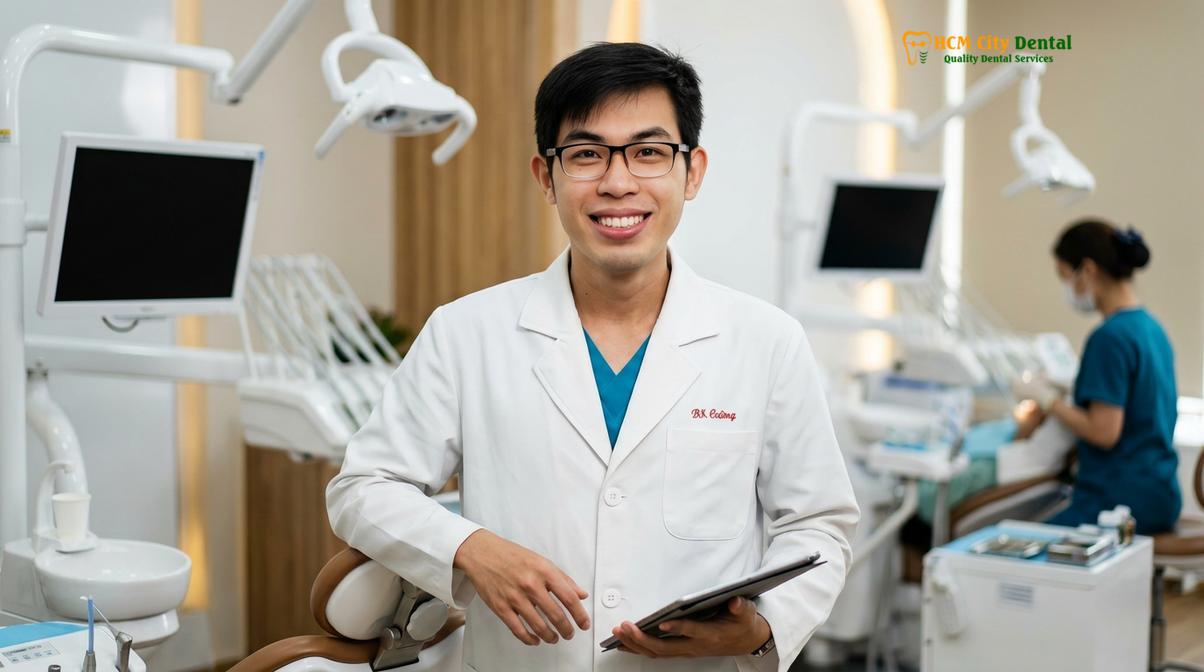
“Pain is never a normal part of wearing dentures. Many patients suffer in silence, assuming that discomfort is just the price they have to pay for artificial teeth. In reality, a minor 10-minute adjustment in the clinic can often resolve weeks of agony. Never attempt to adjust or file your dentures at home, as this can permanently ruin the precise anatomical fit.”
— Dr. Nguyen Van Cuong
At HCMC Dental Clinic in Ho Chi Minh City, our approach to General Dentistry and prosthodontics is rooted in personalized, evidence-based care. We strongly advise all denture wearers to attend an annual check-up. During this visit, the dentist will not only evaluate the fit and function of the appliance but also perform a vital oral cancer screening, examining the tongue, throat, and mucosal tissues for any pathological changes.
Frequently Asked Questions
Can young adults wear dentures without embarrassment?
Yes, young adults can wear modern dentures confidently without any noticeable signs. Contemporary prosthetics are custom-designed using advanced materials that perfectly mimic natural enamel and gum tissue, ensuring a seamless and highly aesthetic smile. The stigma surrounding young patients and dentures is fading as digital dentistry allows for restorations that look entirely natural, supporting both professional and social confidence.
Do dentures really make you look older?
No, well-fitted dentures actually prevent premature aging by supporting your facial muscles. When teeth are lost, the face can sag; proper dentures restore the vertical dimension of your face, smoothing out wrinkles and providing a youthful appearance. Conversely, wearing old, worn-out dentures that have lost their height can contribute to a sunken-in look, which is why regular evaluations are necessary.
How often should I see a dentist if I have no natural teeth left?
You should visit your dentist at least once a year even if you have no natural teeth. These visits are crucial for oral cancer screenings, assessing gum health, and ensuring your dentures still fit correctly as your jawbone naturally changes. The dentist will also professionally clean the prosthetic to remove hardened calculus and check for micro-fractures in the acrylic.
Can I sleep with my dentures in my mouth?
It is highly recommended to remove your dentures while sleeping to give your oral tissues a chance to rest. Continuous wear can restrict blood flow to the gums and increase the risk of fungal infections like oral thrush. Soaking them overnight in a proper cleansing solution also prevents the acrylic from drying out and warping.
Are implant-supported dentures better than traditional ones?
Implant-supported dentures offer superior stability and help preserve jawbone density compared to traditional removable plates. However, the best option depends on your specific anatomical conditions, bone volume, and overall clinical health. While implants provide a stronger bite force and eliminate the need for adhesives, traditional dentures remain a highly effective, non-surgical alternative for many patients.
References
- Journal of Oral and Maxillofacial Surgery. Biomechanical principles and tissue response in complete dentures. (2021).
- International Journal of Oral and Maxillofacial Surgery. Suction-effective lower dentures and border molding outcomes. (2020).
- British Dental Journal. Patient satisfaction and chewing efficacy with premium BPS dentures. (2019).
- Journal of the American Dental Association. Implant-supported overdentures vs. conventional removable prosthetics. (2022).
- Clinical Oral Investigations. Thermoplastic flexible partial dentures: clinical suitability and aesthetics. (2018).