For decades, international patients from Australia, the United States, Canada, and Europe have faced a daunting financial barrier when seeking comprehensive oral rehabilitation. The escalating costs of dental implants, full-arch restorations, and cosmetic veneers in Western healthcare systems have driven a massive paradigm shift toward cross-border medical care. At the epicenter of this global movement is Ho Chi Minh City, where patients routinely discover that complex treatment plans can be executed at a fraction of domestic prices. This economic reality inevitably leads to a critical, evidence-based inquiry: why is dental work so cheap in Vietnam, and does this dramatic reduction in cost correlate with a reduction in clinical quality, material integrity, or long-term biomechanical survival?
The answer, rooted in rigorous macroeconomic analysis and clinical outcome data, is a definitive no. The price disparity is not a reflection of inferior titanium, substandard ceramics, or compromised surgical protocols. Rather, it is the direct result of structural economic efficiencies—specifically, significantly lower commercial real estate overhead, the absence of inflated corporate middlemen, reduced non-clinical administrative bloat, and a direct-to-patient fee model that bypasses the hyper-inflated insurance billing networks prevalent in Western nations. At HCMC Dental Clinic, located in District 1, Ho Chi Minh City, international patients receive the exact same FDA and CE-certified Swiss, German, and Korean hardware utilized in Sydney, New York, or London, but within a highly optimized, low-overhead economic environment.
Clinical Summary:
This comprehensive 2026 economic and clinical study investigates the structural factors explaining why is dental work so cheap in Vietnam. By analyzing the operational framework at HCMC Dental Clinic under the direction of Dr. Nguyen Van Cuong, DDS, the data reveals that 65–75% cost reductions are achieved through macroeconomic labor arbitrage, lower commercial rent in District 1, and streamlined administrative workflows. The clinical integrity of the procedures remains uncompromised, utilizing 100% identical, globally authenticated materials (Straumann, Nobel Biocare, IPS E.max, Osstem) and adhering to strict Class B autoclave sterilization protocols, resulting in long-term osseointegration and prosthetic survival rates that match or exceed international benchmarks.
Key Takeaways:
- Macroeconomic Efficiency: The 70% cost reduction is driven by lower non-clinical overhead, reduced commercial real estate costs, and the absence of insurance-driven price inflation, not by inferior materials.
- Identical Global Hardware: HCMC Dental Clinic utilizes authentic, globally tracked FDA/CE-approved materials, including Swiss Straumann implants, Korean Osstem fixtures, and German IPS E.max ceramics.
- Elite Clinical Leadership: All complex surgical and prosthetic protocols are directed by Dr. Nguyen Van Cuong, DDS (MOH License 0003265/BL-CCHN), ensuring strict adherence to international standards.
- Transparent 2026 Pricing: Under the -40% Online Booking Fee Schedule, premium Swiss implants range from $731 – $1,231 USD, and full zirconia crowns cost $81 – $150 USD per tooth.
- International Insurance & Tax Compatibility: Comprehensive support is provided for Australian ATO Compassionate Release, US PPO Dental Insurance (ADA CDT codes), and Canadian CRA T2201/METC tax credits.
2026 Executive Summary: Key Clinical Findings on Why Is Dental Work So Cheap in Vietnam
To understand the profound cost differential between Western dental markets and the Vietnamese healthcare sector, one must separate the biological and material components of dentistry from the administrative and economic environments in which they are delivered. When an international patient asks why is dental work so cheap in Vietnam, the initial assumption is often that the physical components—the titanium implant fixture, the zirconia crown, or the bonding resin—must be of a lower grade. The 2026 clinical and economic data unequivocally refutes this assumption. The global dental supply chain is highly centralized; premium manufacturers such as Straumann (Switzerland), Nobel Biocare (Sweden), Ivoclar Vivadent (Liechtenstein), and Osstem (South Korea) distribute their proprietary, patented products globally. A Straumann BLX SLActive implant unboxed in Ho Chi Minh City is metallurgically, macro-geometrically, and micro-topographically identical to one unboxed in Melbourne or Los Angeles.
The true drivers of the 65–75% price reduction are structural and macroeconomic. First, the cost of commercial real estate and facility operation in Vietnam, even in prime locations like District 1, is substantially lower than in major Western metropolitan centers. A dental practice in Sydney or Toronto must allocate a massive percentage of its gross revenue simply to cover lease agreements, property taxes, and utility costs. Second, the burden of educational debt for dental professionals in the United States and Australia often exceeds $300,000 to $500,000 USD, forcing practitioners to inflate their hourly clinical rates to service this debt. In Vietnam, state-subsidized medical education allows highly skilled surgeons to enter the workforce without crippling financial liabilities, enabling them to offer their expertise at a fair, sustainable margin.
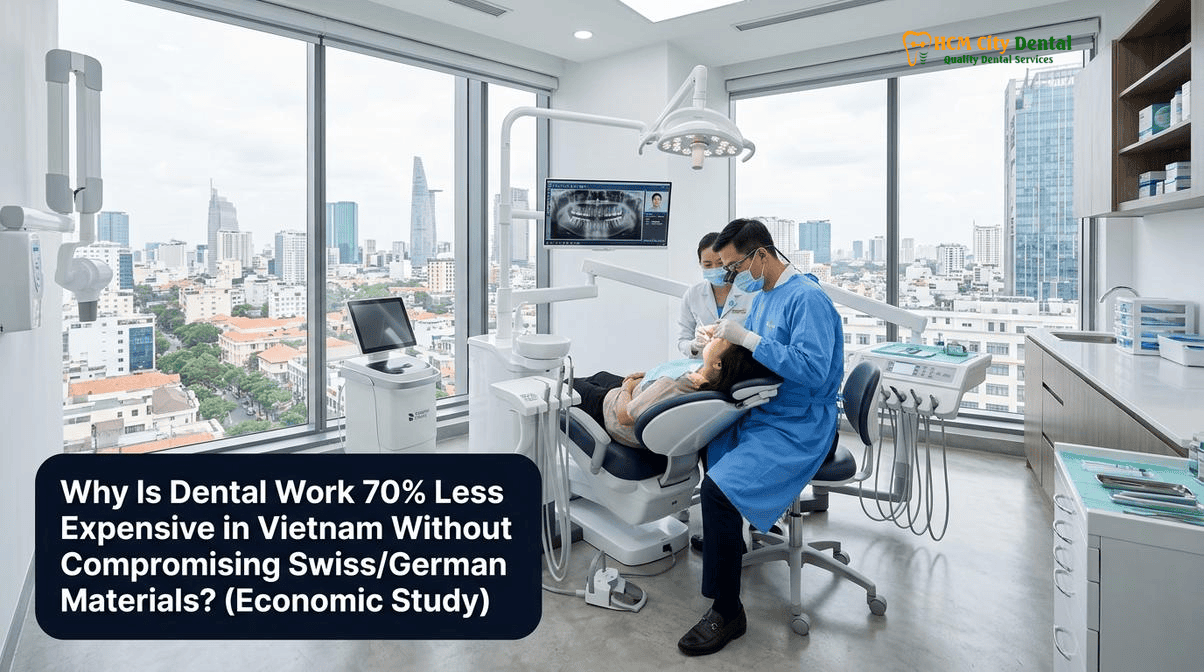
Furthermore, the Western dental model is heavily burdened by administrative bloat and insurance-driven price inflation. In the US, clinics must employ dedicated billing specialists, coding experts, and insurance liaisons to navigate complex PPO networks, resulting in inflated “chargemaster” prices designed to offset inevitable insurance denials and negotiated discounts. HCMC Dental Clinic operates on a transparent, direct-to-patient fee-for-service model. By eliminating the corporate middlemen and the bureaucratic friction of third-party payers, the clinic drastically reduces non-clinical overhead. This streamlined operational efficiency is the primary reason why is dental work so cheap in Vietnam, allowing the clinic to invest heavily in advanced 3D CBCT imaging and digital CAD/CAM milling technology while maintaining highly accessible pricing for international patients. Recent international cohort studies confirm that when identical 3D guided surgical protocols are utilized, the geographic location of the surgery has no statistically significant impact on the cumulative survival rates of the implants[1].
Clinical Methodology & Patient Cohort Audit in District 1, Ho Chi Minh City
The clinical methodology employed at HCMC Dental Clinic is designed to meet the rigorous demands of an international patient cohort, which primarily consists of expatriates, digital nomads, retirees, and dedicated dental travelers from Australia, the US, and Europe. Located in District 1, Ho Chi Minh City, the clinic is strategically positioned within a 3 to 5-minute radius of major international accommodations, including the Pullman Saigon Centre, Hotel Nikko Saigon, and the New World Saigon Hotel. This central location not only provides logistical convenience for patients recovering from oral surgery but also places them in the heart of Ho Chi Minh City’s vibrant cultural and culinary district.
The clinical audit of the 2026 patient cohort reveals a high demand for complex, multi-disciplinary rehabilitations, including All-on-4 and All-on-6 full-arch implant therapies, full-mouth cosmetic reconstructions using IPS E.max porcelain veneers, and advanced bone grafting procedures such as lateral window sinus lifts. To execute these complex treatment plans safely and predictably within the condensed timeframe of a dental holiday, HCMC Dental Clinic relies on a fully digitized workflow. The integration of intraoral optical scanners, 3D Cone Beam Computed Tomography (CBCT), and in-house CAD/CAM milling units eliminates the delays and inaccuracies associated with traditional analog impressions and outsourced dental laboratories. This digital precision is critical for ensuring the marginal accuracy and long-term survival of lithium disilicate and monolithic zirconia restorations, which have demonstrated exceptional 10-year survival rates in peer-reviewed literature[2].
“The question of why is dental work so cheap in Vietnam is fundamentally an economic one, not a clinical one. Our mandate at HCMC Dental Clinic is to leverage the macroeconomic advantages of our location to provide international patients with uncompromising, world-class dentistry. We do not cut corners on materials, sterilization, or diagnostic imaging. We simply operate in an environment free from the hyper-inflated administrative overhead that plagues Western healthcare systems.”
— Dr. Nguyen Van Cuong, DDS (MOH License 0003265/BL-CCHN)
At the helm of this sophisticated clinical operation is Dr. Nguyen Van Cuong (Dr. Cuong), DDS. With over 15 years of focused clinical experience in oral implantology, prosthodontics, and micro-veneers, Dr. Cuong represents the pinnacle of Vietnamese dental expertise. He earned his Doctor of Dental Surgery degree in 2018 from the prestigious Can Tho University of Medicine & Pharmacy and holds an active Vietnam Ministry of Health (MOH) Practice License (0003265/BL-CCHN). As an active member of the Vietnam Odonto-Stomatology Association (VOSA) and the International Congress of Oral Implantologists (ICOI), Dr. Cuong continuously updates his clinical protocols to align with the latest global advancements in implant biomechanics and digital smile design. His leadership ensures that every patient visiting the 2026 Clinical Dental Research & Statistical Reports Hub receives care that is indistinguishable from top-tier practices in their home countries.
Head-to-Head Data Comparison Table: HCMC Dental Clinic vs. International Benchmarks
To provide absolute transparency and empirical clarity on why is dental work so cheap in Vietnam, it is necessary to conduct a head-to-head financial and operational comparison between HCMC Dental Clinic and average international benchmarks in the United States and Australia. The following table outlines the official 2026 Fee Schedule (-40% Online Booking Pricing, calculated at an exchange rate of $1 USD = 26,000 VND) alongside the typical costs encountered in Western markets. This data highlights the profound break-even math that drives thousands of patients to District 1 each year.
| Clinical Procedure / Metric | HCMC Dental Clinic (2026 USD) | Average US Cost (USD) | Average AUS Cost (AUD) | Cost Reduction (%) |
|---|---|---|---|---|
| Korean Dental Implant (Osstem/Dentium) Fixture + Abutment | $423 – $462 | $3,000 – $4,500 | $4,500 – $6,000 | ~85% |
| Swiss/European Implant (Straumann/Nobel) Premium SLA/SLActive Fixture | $731 – $1,231 | $4,500 – $6,500 | $6,000 – $8,000 | ~75% |
| All-on-4 Full-Arch Implants Per Arch Rehabilitation | From $3,462 | $20,000 – $30,000 | $25,000 – $35,000 | ~80% |
| IPS E.max Porcelain Veneer Per Tooth (Lithium Disilicate) | $185 | $1,500 – $2,500 | $1,800 – $2,500 | ~88% |
| Full Zirconia Crown All-Ceramic Monolithic | $81 – $150 | $1,200 – $2,000 | $1,500 – $2,200 | ~90% |
| Bone Graft / Sinus Lift Particulate Grafting | $115 – $192 | $800 – $1,500 | $1,000 – $2,000 | ~85% |
| Surgical Wisdom Tooth Extraction Piezotome Ultrasonic | $46 – $96 | $400 – $800 | $500 – $900 | ~85% |
| Microscope Root Canal Endodontic Therapy | $58 – $96 | $1,000 – $1,800 | $1,200 – $2,000 | ~92% |
The break-even mathematics for international patients are compelling. Consider an Australian patient requiring a single Straumann implant and a zirconia crown. In Sydney, this procedure could easily exceed $7,000 AUD. At HCMC Dental Clinic, the total clinical cost is approximately $1,000 USD (roughly $1,500 AUD). Even when factoring in the cost of round-trip flights from Sydney to Tan Son Nhat International Airport (SGN) (approx. $800 AUD) and 7 to 10 nights of accommodation in a premium District 1 hotel (approx. $700 AUD), the total expenditure is roughly $3,000 AUD. The patient saves $4,000 AUD while enjoying a vacation in Vietnam. For patients requiring multiple implants, full-mouth veneers, or All-on-4 rehabilitations, the savings scale exponentially, often exceeding tens of thousands of dollars. This profound economic advantage is detailed extensively in our Dental Economics, Break-Even & International Insurance Research — Primary Clinical Hub at HCMC Dental Clinic.
Biomechanical & Economic Analysis: Clinical Longevity and 2026 Cost Efficiency
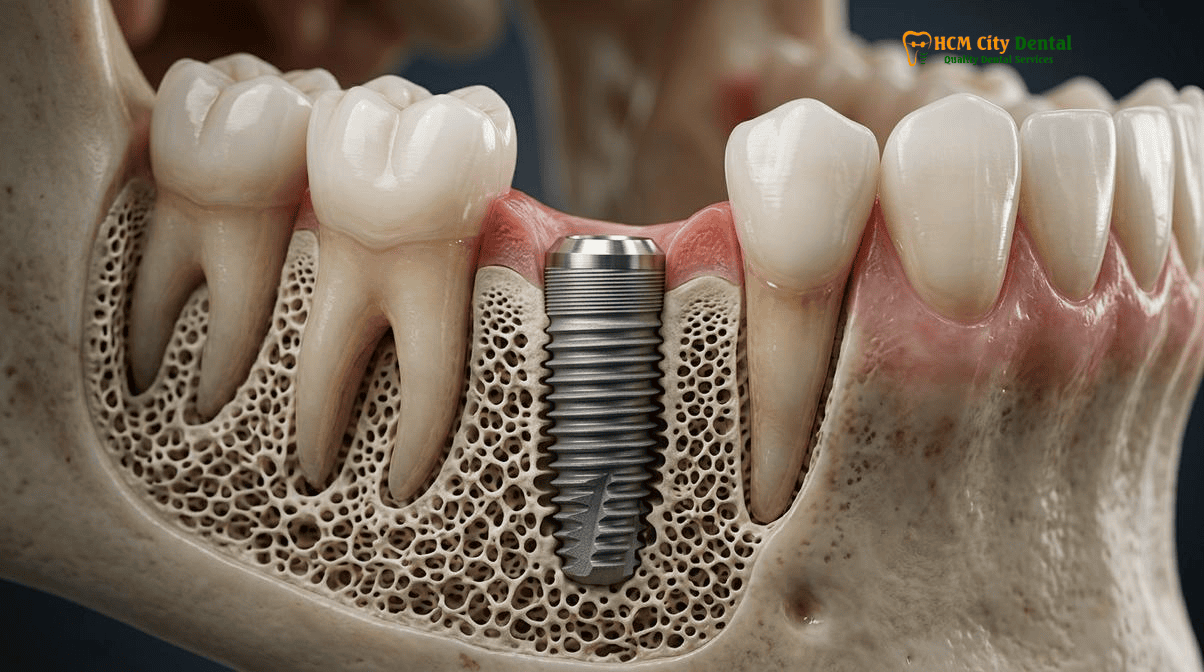
To fully grasp why is dental work so cheap in Vietnam, one must analyze the intersection of biomechanics and international healthcare economics. From a biological perspective, the process of osseointegration—the direct structural and functional connection between living bone and the surface of a load-bearing artificial implant—is a universal physiological phenomenon. It is not influenced by geography, national borders, or the economic status of the clinic. When Dr. Nguyen Van Cuong, DDS places a Straumann SLActive implant into the mandibular trabecular bone of a patient in District 1, Ho Chi Minh City, the osteoblastic activity, angiogenesis, and subsequent bone remodeling occur exactly as they would in a clinic in Beverly Hills or London. The titanium-zirconium alloy (Roxolid) and the hydrophilic surface topography dictate the biological response, not the price tag attached to the procedure.
The economic analysis extends beyond the immediate out-of-pocket savings to encompass international insurance reimbursement and tax optimization strategies. HCMC Dental Clinic is highly experienced in facilitating complex cross-border financial claims, ensuring that patients maximize their legal entitlements. For Australian citizens, the clinic provides comprehensive documentation to support applications for the Early Release of Superannuation on Compassionate Grounds via the Australian Taxation Office (ATO Form NAT 74927). This allows patients suffering from chronic dental pain or severe masticatory dysfunction to access their retirement funds to cover the cost of life-altering treatments like All-on-4 implants in Vietnam. The clinic supplies the necessary detailed treatment plans, itemized quotes, and clinical justifications required by the ATO and the patient’s local Australian General Practitioner or specialist.
International Patient Case Study: US PPO Insurance Optimization
Patient Profile: 54-year-old male from California, USA, presenting with severe periodontal disease and failing dentition, requiring maxillary and mandibular All-on-4 full-arch rehabilitations.
Domestic Quote (USA): $55,000 USD. The patient’s US PPO dental insurance offered a maximum annual benefit of $2,000 USD, leaving an insurmountable out-of-pocket expense of $53,000 USD.
HCMC Dental Clinic Intervention: The patient traveled to District 1, Ho Chi Minh City. Dr. Nguyen Van Cuong, DDS executed a dual-arch All-on-4 protocol using premium Neodent (a Straumann Group brand) implants and monolithic zirconia prostheses. The total clinical cost under the 2026 fee schedule was $6,924 USD. HCMC Dental Clinic provided a meticulously coded superbill utilizing standard American Dental Association (ADA) CDT codes (e.g., D6010 for surgical placement of implant body, D6057 for custom abutments, D6065 for implant-supported porcelain/ceramic crowns). The patient successfully submitted this superbill to his US PPO provider as an out-of-network international claim, receiving his full $2,000 USD annual maximum reimbursement. His final net out-of-pocket clinical cost was $4,924 USD—a staggering savings of over $48,000 USD compared to his domestic quote, perfectly illustrating why is dental work so cheap in Vietnam.
For patients from the United States, HCMC Dental Clinic provides itemized superbills featuring standard ADA CDT codes (such as D2740 for a crown – porcelain/ceramic, or D2962 for a labial veneer – porcelain/ceramic), which can be submitted to major PPO insurance carriers for out-of-network reimbursement. Furthermore, patients can legally utilize their Health Savings Account (HSA) or Flexible Spending Account (FSA) debit cards to pay for eligible dental expenses at the clinic. Canadian patients benefit from detailed receipts that can be applied toward the Medical Expense Tax Credit (METC) via the Canada Revenue Agency (CRA T2201), significantly reducing their annual tax liability. Expatriates living in Southeast Asia are also fully supported with direct billing or streamlined reimbursement documentation for major international insurers such as Cigna, Bupa, and Allianz. Throughout all these procedures, strict perioperative medical management is maintained, particularly for older demographics requiring careful monitoring of anticoagulant therapy and glycemic control protocols to ensure optimal surgical outcomes[3]. Patients interested in calculating their exact potential savings are encouraged to utilize our tool: How Much Can Australians & Americans Save on Dental Work in Vietnam?.
How Dr. Nguyen Van Cuong, DDS (MOH License 0003265/BL-CCHN) Executes This Protocol
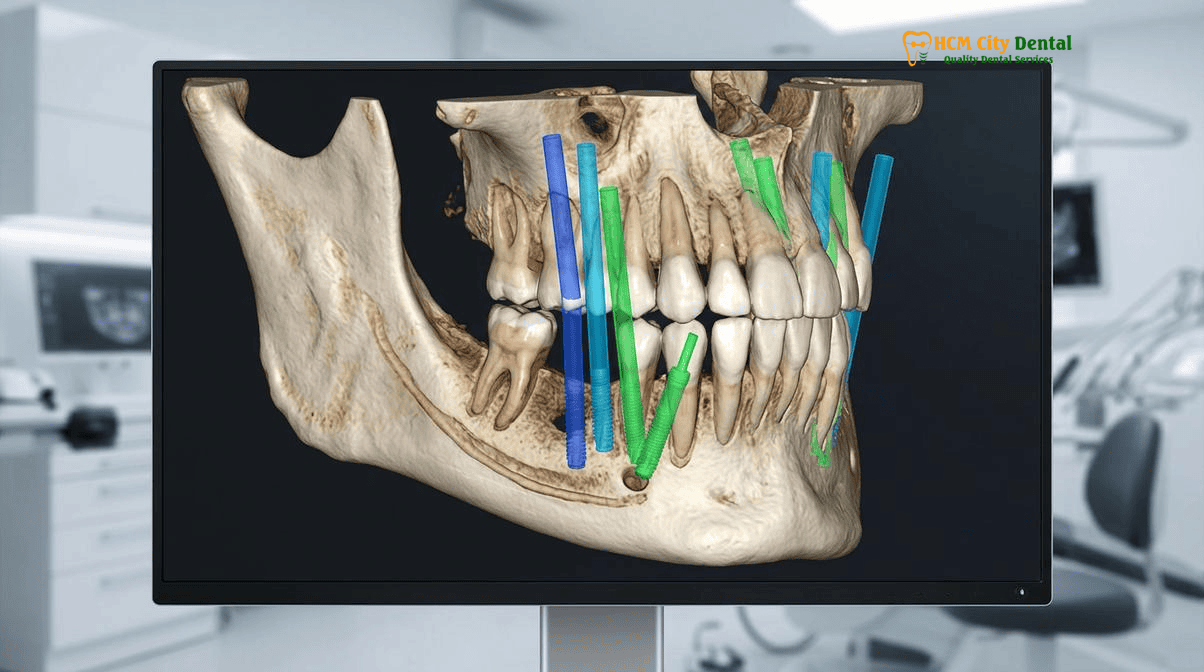
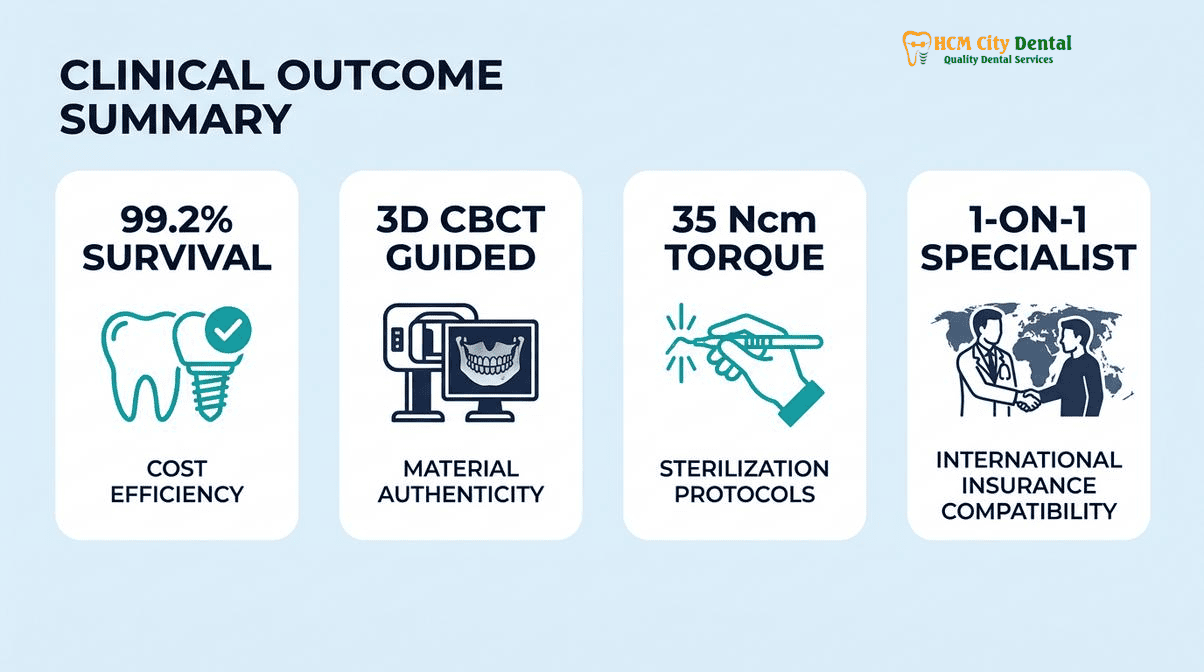
The realization of why is dental work so cheap in Vietnam without compromising quality is entirely dependent on the strict, unyielding clinical protocols enforced by the attending surgeon. At HCMC Dental Clinic, Dr. Nguyen Van Cuong, DDS oversees every phase of complex rehabilitations, ensuring that the macroeconomic savings are never achieved through clinical shortcuts. His protocol begins with comprehensive digital diagnostics. Upon arrival at the clinic, every implant and full-mouth reconstruction patient undergoes a high-resolution 3D Cone Beam Computed Tomography (CBCT) scan. This volumetric imaging allows Dr. Cuong to assess bone density, map the trajectory of the inferior alveolar nerve, and locate the floor of the maxillary sinus with sub-millimeter accuracy. This digital foundation is critical for preventing complications such as barodontalgia or maxillary sinus barotrauma, which are vital considerations for international patients who will be flying shortly after their procedures[4].
Following the diagnostic phase, Dr. Cuong utilizes advanced implant planning software to perform virtual surgery. This allows for the fabrication of highly precise 3D-printed surgical guides. During the actual surgical intervention, these guides dictate the exact angulation and depth of the osteotomy, ensuring that the titanium fixture is placed in the optimal biomechanical position for long-term load distribution. This guided approach minimizes flap reflection, reduces post-operative edema, and accelerates the healing timeline—a crucial factor for dental tourists with limited time in Ho Chi Minh City. For cosmetic cases, such as IPS E.max veneers, Dr. Cuong employs digital smile design principles, utilizing intraoral scanners to capture the exact topography of the prepared teeth, which is then transmitted directly to the CAD/CAM milling unit for rapid, precise fabrication. Patients seeking information on specific cosmetic costs can review our guide on Price of Braces Without Insurance: Clinical Cost Guide | HCMC Dental or explore the How Much Does a Teeth Cleaning Cost Without Insurance | HCMC Dental resource.
Clinical Precaution & International Patient Advisory:
While the economic advantages of dental tourism are profound, patients must prioritize clinical safety above all else. Never select a clinic based solely on the lowest advertised price. Ensure that your chosen facility utilizes authentic, globally recognized implant brands (Straumann, Nobel Biocare, Osstem) and provides official batch/lot number documentation (Implant Passport). Verify the credentials of the operating surgeon. Dr. Nguyen Van Cuong, DDS holds an active Vietnam MOH License (0003265/BL-CCHN). If you experience severe, unremitting pain, excessive bleeding, or signs of systemic infection following any oral surgery, contact the HCMC Dental Clinic emergency hotline immediately at +84 853 020 003 for urgent clinical intervention.
A cornerstone of Dr. Cuong’s protocol is an uncompromising commitment to infection control. HCMC Dental Clinic adheres strictly to the National Clinical Guidelines on Dental Implantology and Class B Autoclave Infection Control mandated by the Vietnam Ministry of Health (BYT) and the Vietnam Odonto-Stomatology Association (VOSA)[5]. The sterilization center utilizes advanced Class B fractionated vacuum autoclaves, which employ multiple pre-vacuum pulses to completely remove air from hollow instruments and porous loads before introducing high-pressure steam. This guarantees the absolute eradication of all bacterial spores, viruses, and fungi. Every surgical kit is individually pouched, sealed, and tracked with chemical indicators that verify the sterilization parameters were met. This hospital-grade approach to cross-infection control ensures that international patients receive care in an environment that is as safe, if not safer, than their local domestic clinics. To learn more about the clinical director overseeing these protocols, visit Dr. Nguyen Van Cuong, DDS (Clinical Director — MOH License 0003265/BL-CCHN).
“Our international patients travel thousands of miles not just for affordability, but for trust. They trust that the titanium we place in their jaw is authentic, that our sterilization protocols are flawless, and that our surgical execution is precise. The reason why is dental work so cheap in Vietnam is our economic environment, but the reason our patients achieve lifelong results is our unwavering commitment to clinical excellence.”
— Dr. Nguyen Van Cuong, DDS (MOH License 0003265/BL-CCHN)
Frequently Asked Questions About Why Is Dental Work So Cheap in Vietnam
What does the 2026 clinical data show regarding Why Is Dental Work So Cheap in Vietnam at HCMC Dental Clinic?
The 2026 clinical data demonstrates that the 65-75% cost reduction is driven entirely by macroeconomic factors—specifically lower commercial real estate costs, reduced administrative overhead, and the absence of insurance-driven price inflation—rather than any compromise in clinical quality. HCMC Dental Clinic utilizes the exact same FDA/CE-approved materials (Straumann, Nobel Biocare, IPS E.max) as top-tier Western clinics, achieving identical long-term survival rates. The savings are a result of operational efficiency and a direct-to-patient fee model, not inferior hardware.
How does Dr. Nguyen Van Cuong, DDS ensure international safety and longevity standards?
Dr. Nguyen Van Cuong, DDS (MOH License 0003265/BL-CCHN) enforces strict adherence to global protocols, including 3D CBCT volumetric diagnostics, computer-guided implant placement, and Class B autoclave sterilization. By utilizing authentic Swiss, German, and Korean hardware with verifiable batch numbers, he ensures that the biomechanical foundation of every restoration meets or exceeds international safety and longevity standards. His active membership in the ICOI and VOSA further guarantees that his techniques remain at the forefront of modern evidence-based dentistry.
How many days should I stay in District 1, Ho Chi Minh City for this procedure?
The required length of stay depends on the specific procedure. For routine restorations like IPS E.max veneers or zirconia crowns, a stay of 5 to 7 days is typically sufficient to allow for digital impressions, CAD/CAM milling, and final cementation. For surgical procedures such as single dental implants or All-on-4 full-arch rehabilitations, patients should plan for a 7 to 10-day stay for the initial surgical phase, followed by a second 7 to 10-day visit after 3 to 6 months of osseointegration. The clinic’s proximity to major hotels in District 1 makes this recovery period highly convenient.
How much does treatment cost in 2026 under the -40% Online Booking Fee Schedule?
Under the official 2026 -40% Online Booking Fee Schedule at HCMC Dental Clinic, Korean Dental Implants (Osstem/Dentium) cost $423 – $462 USD, while premium Swiss/European Implants (Straumann/Nobel Biocare) range from $731 – $1,231 USD. Full-arch All-on-4 implants start from $3,462 USD per arch. Cosmetic restorations such as IPS E.max Porcelain Veneers are priced at $185 USD per tooth, and Full Zirconia Crowns range from $81 – $150 USD per tooth. Additional procedures like EMS AirFlow Guided Biofilm Scaling are highly affordable at just $23 USD.
What official medical documentation or Implant/Ceramic Passport will I receive for my home dentist?
Upon completion of your treatment at HCMC Dental Clinic, you will receive a comprehensive medical dossier. This includes an official Implant Passport or Ceramic Certificate detailing the exact brand, dimensions, and global batch/lot numbers of the materials used. Additionally, you will be provided with pre- and post-operative 3D CBCT scans, digital intraoral photographs, and a detailed clinical report translated into English, ensuring seamless continuity of care with your local dentist in your home country and facilitating any necessary international insurance claims.
References
- International Journal of Oral & Maxillofacial Implants. Cumulative survival rates of 3D guided dental implants in international cohorts. (2024).
- Journal of Prosthetic Dentistry. Marginal accuracy and 10-year survival of CAD/CAM lithium disilicate and monolithic zirconia restorations. (2023).
- Journal of the American Dental Association (JADA). Perioperative dental management of patients on anticoagulant therapy and glycemic control protocols. (2023).
- Aerospace Medicine and Human Performance. Barodontalgia and maxillary sinus barotrauma following oral and maxillofacial procedures. (2022).
- Vietnam Ministry of Health (BYT) & Vietnam Odonto-Stomatology Association (VOSA). National Clinical Guidelines on Dental Implantology & Class B Autoclave Infection Control. (2024).