For thousands of Canadians facing prohibitive out-of-pocket costs for complex restorative dentistry in provinces like British Columbia, Ontario, and Alberta, dental tourism to Vietnam has evolved from a niche alternative into a mainstream, highly regulated healthcare strategy. The financial burden of full-mouth dental implants, All-on-4 restorations, and extensive crown and bridge work in Canada often exceeds the annual limits of employer-sponsored dental insurance plans, leaving patients to shoulder tens of thousands of dollars in private fees. However, navigating a canadian dental insurance out of country claim CRA line 33099 Vietnam requires a precise understanding of both Canadian tax law and private insurance coding standards. By combining the 60% to 80% clinical cost savings available at HCMC Dental Clinic in District 1, Ho Chi Minh City, with the robust tax advantages of the Canada Revenue Agency (CRA) Medical Expense Tax Credit (METC) and out-of-country private insurance reimbursements, Canadian patients can dramatically reduce their net healthcare expenditures without compromising on Swiss, German, or American biomaterial quality.
Clinical Summary:
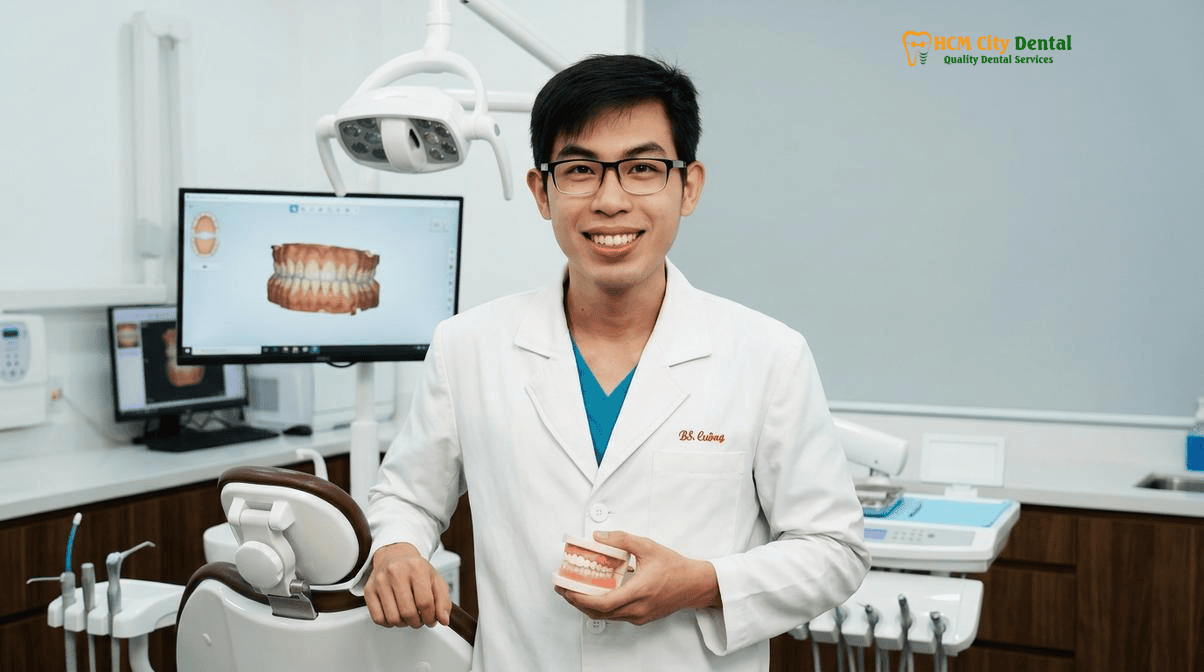
Canadian patients traveling to HCMC Dental Clinic in Vietnam can legally claim eligible reconstructive dental procedures—such as Straumann dental implants, Zirconia crowns, and microscopic root canals—on Line 33099 of their T1 tax return under CRA Income Tax Folio S1-F1-C1. Because the distance traveled exceeds 80 kilometers, international airfare and hotel accommodations may also be tax-deductible if equivalent treatment is not reasonably available locally. Furthermore, patients with private coverage through Sun Life, Manulife, Canada Life, or Blue Cross can submit out-of-country claims using the 5-digit Canadian Dental Association (CDA USP) procedure codes provided on our English itemized receipts. Under the clinical direction of Dr. Nguyen Van Cuong, DDS (Clinical Director — MOH License 0003265/BL-CCHN), patients receive world-class, CE-certified dental care while securing the mandatory documentation required for seamless Canadian tax and insurance compliance.
Key Takeaways:
- CRA Line 33099 Eligibility: The Canada Revenue Agency permits the deduction of eligible medical and dental expenses incurred outside of Canada, provided they exceed the lesser of 3% of your net income or the annual indexed cap (e.g., $2,834 for 2025).
- Travel Expense Deductions (>80 km): Under CRA rules, if you travel more than 80 kilometers for medical treatment not readily available locally, you may deduct international flights, hotel accommodations (up to reasonable limits), and meals.
- Private Insurance Compatibility: HCMC Dental Clinic provides itemized English invoices featuring standard 5-digit CDA USP procedure codes, enabling seamless out-of-country reimbursement claims with Sun Life, Manulife, Canada Life, and GreenShield.
- Strict Documentation Standards: To survive a CRA audit, patients must retain itemized clinical receipts, proof of payment via credit card or bank wire, boarding passes, and the attending dentist’s official Vietnam Ministry of Health (MOH) license.
- Massive Cost Arbitrage: Utilizing our Official 2026 Dental Price List & -40% Online Booking Fee Schedule, Canadian patients save up to 80% on premium procedures like All-on-4 implants and IPS E.max veneers compared to the BC or Ontario CDA Fee Guides.
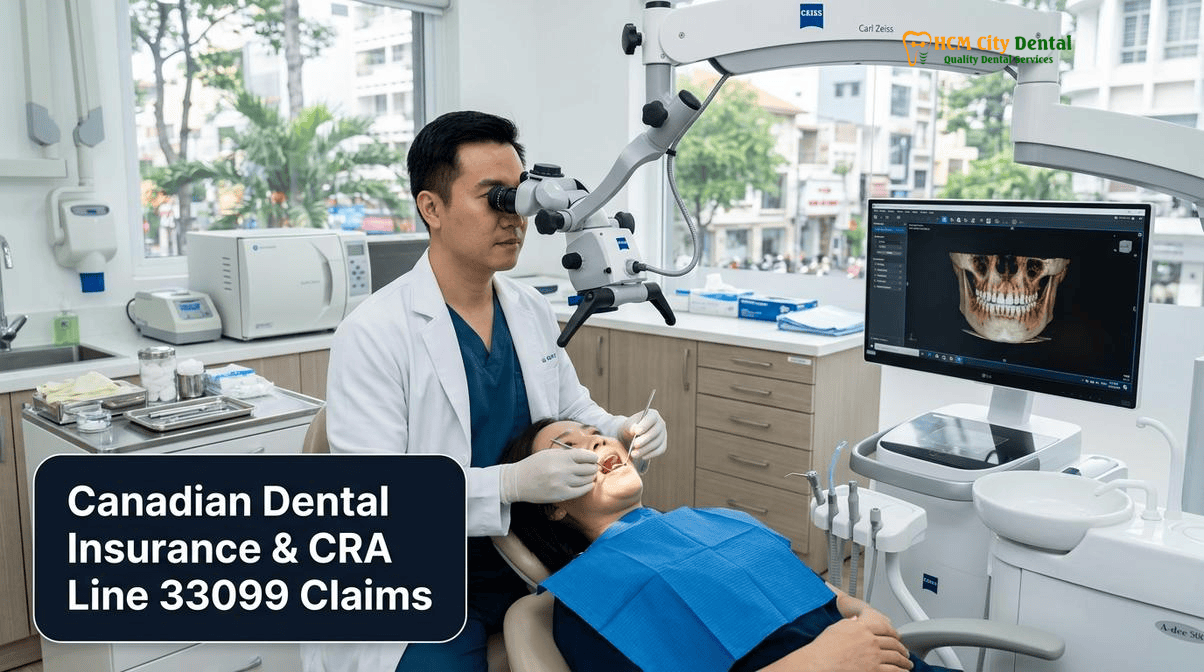
Canada Revenue Agency (CRA) Income Tax Folio S1-F1-C1: Claiming Eligible Dental Expenses Paid Outside Canada on Line 33099
The foundation of claiming international dental expenses on your Canadian tax return lies in the Income Tax Act, specifically detailed in CRA Income Tax Folio S1-F1-C1, Medical Expense Tax Credit. A common misconception among Canadian taxpayers is that medical expenses must be incurred within Canada to be eligible for tax relief. This is categorically false. The CRA explicitly states that eligible medical expenses paid to a qualified medical practitioner or a public or licensed private hospital are deductible, regardless of geographic location. When you receive treatment at HCMC Dental Clinic in Ho Chi Minh City, you are being treated by fully licensed specialists operating under the strict regulatory framework of the Vietnam Ministry of Health (MOH), satisfying the CRA’s requirement for a “qualified medical practitioner.”
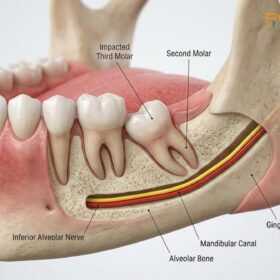
However, the CRA draws a definitive line between medically necessary reconstructive dentistry and purely cosmetic enhancements. To successfully claim a CRA line 33099 medical expense tax credit dental abroad, the procedures must be aimed at diagnosing, treating, or mitigating a dental disease or structural defect. Eligible procedures routinely performed at our clinic include the surgical placement of dental implants (to replace missing teeth and halt bone resorption), bone grafting, sinus lifts, All-on-4 full-arch rehabilitations, microscopic endodontic root canal therapy, surgical wisdom tooth extractions, and the placement of porcelain crowns or veneers required to restore decayed, fractured, or severely worn dentition. These reconstructive interventions are fully recognized by the CRA as legitimate medical expenses[1].
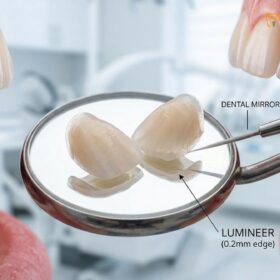
Conversely, purely cosmetic procedures that do not treat an underlying pathology are strictly ineligible for the Medical Expense Tax Credit. If a Canadian patient travels to Vietnam solely for Philips Zoom! WhiteSpeed in-office teeth whitening, take-home bleaching kits, or the placement of cosmetic veneers on perfectly healthy teeth purely for aesthetic enhancement, these costs cannot be claimed on Line 33099. At HCMC Dental Clinic, our administrative team ensures that your itemized English receipts clearly delineate between reconstructive (eligible) and cosmetic (ineligible) procedures, providing you and your Canadian Chartered Professional Accountant (CPA) with the exact documentation needed to file an accurate, audit-proof tax return.
How the CRA 3% Net Income Threshold Works for Implants, All-on-4, Crowns, Braces, and Root Canals Performed in Vietnam
Understanding the mathematics of the CRA Medical Expense Tax Credit is crucial for maximizing your return on investment when engaging in dental tourism. The METC is a non-refundable tax credit, meaning it reduces the amount of federal and provincial tax you owe. However, you cannot claim every single dollar spent from the first dollar. The CRA imposes a threshold: you can only claim the portion of your eligible medical expenses that exceeds the lesser of 3% of your net income (Line 23600 of your T1 return) or the annual indexed cap (which is $2,834 for the 2025 tax year and adjusted annually for inflation).
To illustrate this, consider a patient from Vancouver, British Columbia, with a net income of $80,000 CAD. Three percent of $80,000 is $2,400 CAD. Because $2,400 is less than the annual cap of $2,834, their threshold is $2,400. If this patient requires a full-mouth All-on-4 implant rehabilitation and travels to HCMC Dental Clinic, spending the equivalent of $15,000 CAD on eligible surgical and prosthodontic treatments, they can claim the amount that exceeds their threshold. In this scenario, $15,000 minus $2,400 equals $12,600 CAD in claimable medical expenses. When applying the 15% federal tax credit rate, plus the applicable British Columbia provincial medical expense credit rate (approximately 5.06%), the patient receives a combined tax credit of roughly 20.06% on the $12,600, resulting in a direct tax reduction of over $2,527 CAD. This tax savings alone often covers the entire cost of round-trip airfare from YVR to SGN and a two-week stay in a luxury District 1 hotel[2].
Clinical & Tax Case Study: The 12-Month Window Optimization
Patient Profile: 58-year-old male from Toronto, Ontario.
Clinical Need: Maxillary All-on-6 implant rehabilitation due to severe periodontal disease and terminal dentition.
The Strategy: The CRA allows taxpayers to claim medical expenses for any 12-month period ending in the current tax year. The patient underwent Phase 1 (surgical extractions, bone grafting, and placement of 6 Straumann BLT-SLA implants) at HCMC Dental Clinic in November 2025, paying $8,654 USD. He returned for Phase 2 (final Zirconia bridge delivery) in May 2026, paying the remaining balance. By selecting a 12-month tax window from July 2025 to June 2026 for his 2026 tax return, he consolidated both phases of his treatment into a single claim. This strategic grouping allowed him to surpass his 3% net income threshold only once, maximizing his total tax credit and effectively reducing his net out-of-pocket cost by an additional $3,200 CAD.
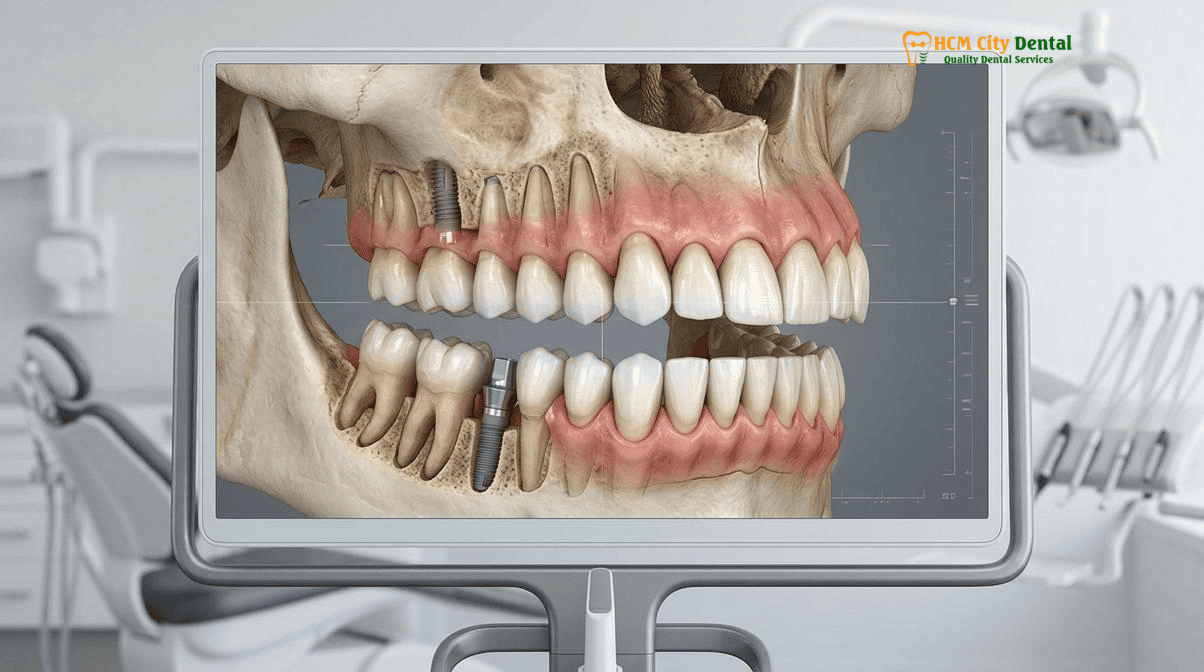
Can Canadian Patients Deduct International Airfare and Hotel Accommodations Under CRA Travel Expense Rules (>80 km)?
One of the most powerful, yet frequently overlooked, provisions within the CRA Medical Expense Tax Credit is the allowance for travel expenses. Under the Income Tax Act, if a Canadian taxpayer must travel more than 40 kilometers (one way) from their home to receive medical services, they may claim public transportation costs. More importantly for dental tourists, if the distance traveled exceeds 80 kilometers, the taxpayer may claim transportation, accommodation, and meal expenses for themselves and, if medically necessary, a travel companion.
To legally claim deducting flights and hotel for medical travel CRA, two strict conditions must be met. First, substantially equivalent medical services must not be available near the patient’s home. Second, a reasonable route must be taken. While dental implants and crowns are technically available in cities like Calgary, Toronto, or Montreal, the CRA and Canadian tax courts have historically recognized that “substantially equivalent” can factor in the timeliness of care and the financial accessibility of the treatment. If a patient is facing a multi-year waitlist for complex oral surgery in the public system, or if the private fees in Canada are so exorbitant that the treatment is financially inaccessible, traveling to Vietnam to receive immediate, affordable care from a licensed specialist like Dr. Nguyen Van Cuong, DDS, satisfies the spirit of the regulation.
When claiming a canadian dental insurance out of country claim Vietnam that includes travel, meticulous record-keeping is non-negotiable. You must retain your original flight itineraries, boarding passes, and hotel folios from Ho Chi Minh City. The CRA limits accommodation deductions to “reasonable” amounts—typically capping out around $50 CAD per night, though actual expenses can be claimed if deemed reasonable for the locale. For meals, the CRA allows the use of the “simplified method,” which permits a flat rate of $23 CAD per meal, up to a maximum of $69 CAD per day, without the need to keep individual restaurant receipts. By combining the cost of the dental procedure with eligible international travel expenses, Canadian patients can significantly inflate their Line 33099 claim, driving down their overall tax liability[3].
Filing Out-of-Country Reimbursement Claims with Sun Life, Manulife, Canada Life, Blue Cross, and GreenShield Using CDA USP Codes
For Canadian patients who possess private extended health and dental insurance through their employer or a personal plan, the financial benefits of dental tourism to Vietnam are twofold. Not only do you benefit from our Why Is Dental Work 70% Less Expensive in Vietnam Without Compromising Swiss/German Materials? (2026 Economic Study), but you can also submit your overseas expenses to your Canadian insurer for reimbursement. Major carriers such as Sun Life, Manulife, Canada Life, Pacific Blue Cross, and GreenShield Canada generally process out-of-country dental claims, provided the documentation meets their strict domestic coding standards.
The critical hurdle in processing a sun life manulife canada life dental claim overseas is the translation of international clinical procedures into the Canadian Dental Association Uniform System of Coding and List of Services (CDA USP). Canadian insurance adjusters do not process claims based on narrative descriptions; they require specific 5-digit procedure codes. At HCMC Dental Clinic, our international patient coordinators are intimately familiar with the CDA USP coding system. When you complete your treatment, we provide an English-language, itemized invoice that maps your procedures to the exact Canadian codes.
“We recognize that for our Canadian patients, the clinical treatment is only half the journey; the administrative follow-through is equally vital. By providing precise CDA USP codes—such as 01202 for a specific examination, 71101 for an uncomplicated extraction, 27211 for a porcelain fused to metal crown, or the appropriate 799xx series codes for implantology—we empower our patients from Vancouver to Halifax to seamlessly interface with their domestic insurance carriers, ensuring rapid and accurate reimbursements.”
— Dr. Nguyen Van Cuong, DDS (Clinical Director, HCMC Dental Clinic)
It is highly recommended that Canadian patients submit a “Pre-Determination of Benefits” to their insurance carrier before flying to Vietnam. HCMC Dental Clinic can provide a detailed, coded treatment plan based on your preliminary X-rays and CBCT scans. You can submit this pre-determination to Manulife or Sun Life to ascertain exactly which cda usp procedure codes dental implants crowns will be covered, at what percentage, and what your annual maximums are. This proactive approach eliminates financial surprises and guarantees that your out-of-country claim will be processed smoothly upon your return to Canada[4].
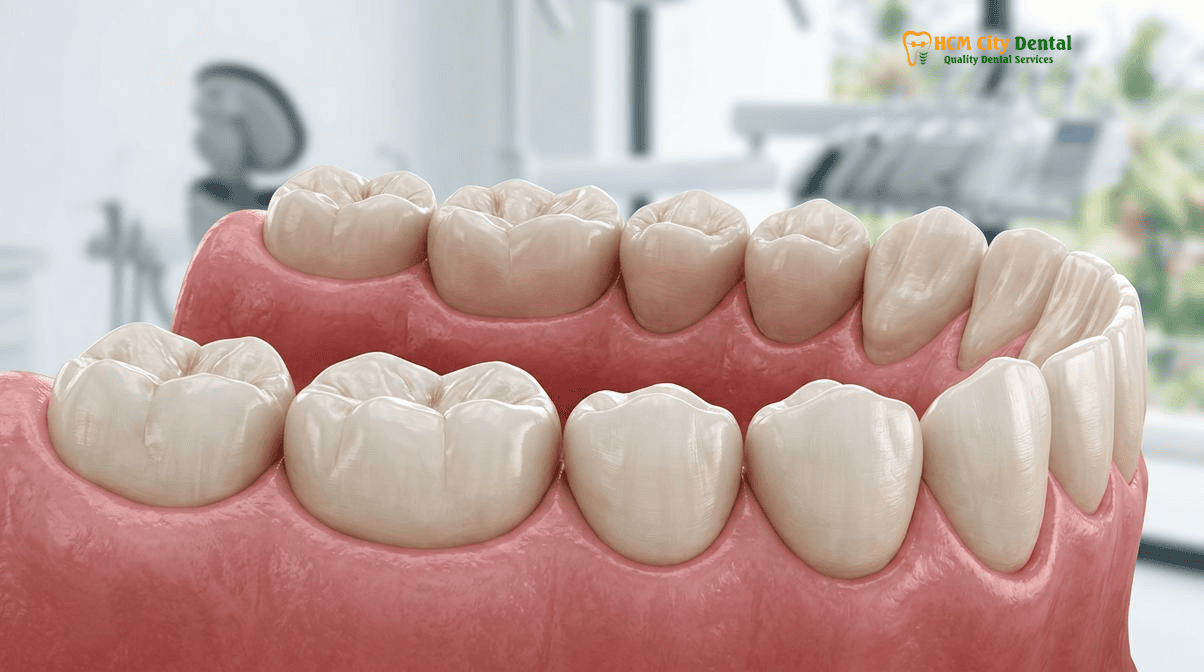
Mandatory CRA & Insurer Documentation Provided by HCMC Dental Clinic: English Itemized Receipts, Proof of Payment & MOH License
The success of any international dental tax deduction or insurance claim hinges entirely on the quality and integrity of the supporting documentation. The Canada Revenue Agency is notoriously stringent during desk audits of Line 33099 claims, particularly when the expenses are incurred in Southeast Asia. A simple credit card statement or a generic, handwritten receipt in Vietnamese will result in an immediate denial of your claim and potential penalties. To protect our patients, HCMC Dental Clinic has developed a rigorous, audit-proof documentation protocol specifically tailored for North American tax authorities and private insurers.
Upon the completion of your treatment, our administration provides a comprehensive “Canadian Patient Dossier.” This dossier includes a formally typed, itemized invoice in English on official clinic letterhead. It details the patient’s full name, date of birth, dates of service, specific tooth numbers treated (using the FDI World Dental Federation notation, which is easily converted to the Universal Numbering System used in Canada), the exact CDA USP 5-digit procedure codes, and the cost per line item in both Vietnamese Dong (VND) and the US Dollar (USD) equivalent. Crucially, the dossier also includes a certified English translation of Dr. Nguyen Van Cuong’s Vietnam Ministry of Health (MOH) Practice License (0003265/BL-CCHN), proving to the CRA and your insurer that the services were rendered by a legally qualified medical practitioner.
Important Financial Compliance Warning for Canadian Patients:
Never pay for major dental work in Vietnam using cash if you intend to claim the expenses on your Canadian taxes or through private insurance. The CRA requires an immutable, third-party financial audit trail to prove that the funds actually left your account. Always pay your balance at HCMC Dental Clinic using a major Canadian credit card (Visa, Mastercard) or via a traceable bank wire transfer. Retain your credit card statements showing the exact exchange rate applied on the date of the transaction, as the CRA requires all foreign medical expenses to be converted to Canadian Dollars (CAD) using the Bank of Canada’s official exchange rate for the day the expense was paid.
For patients utilizing Health Spending Accounts (HSAs) or seeking guidance on cross-border tax strategies, we highly recommend reviewing our comprehensive International Dental Tourism Tax Deduction & HSA/FSA Claim Guide. By adhering to these strict documentation and payment protocols, Canadian patients can confidently file their tax returns, knowing their claims are fully substantiated and audit-ready[5].
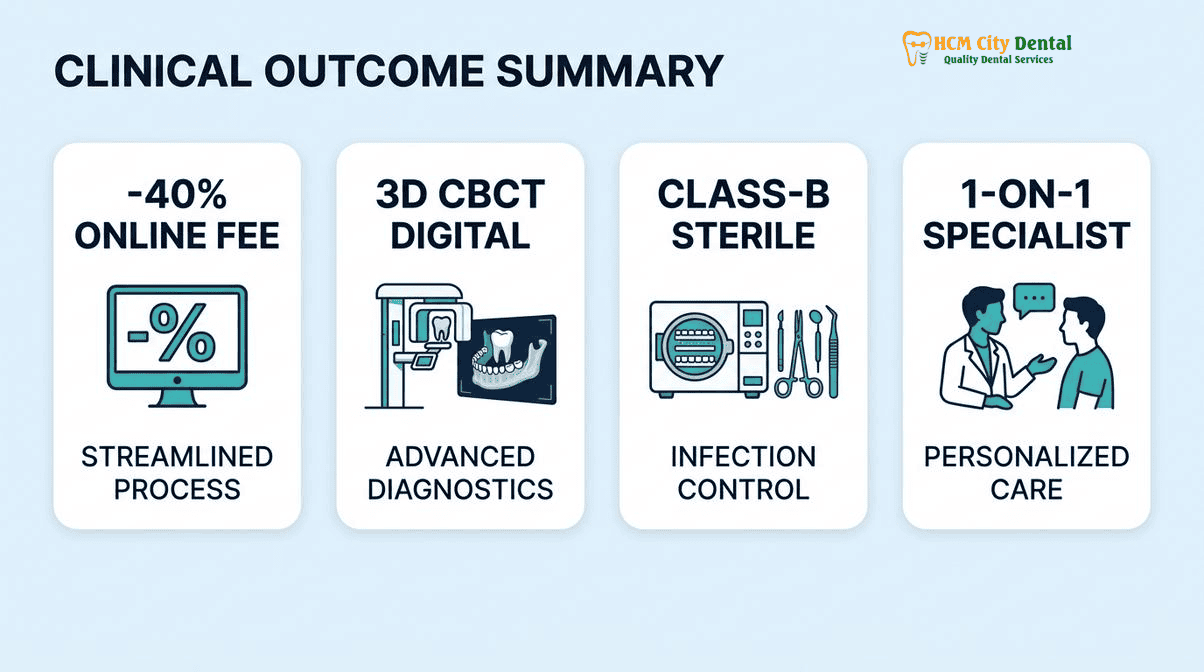
2026 Canadian Domestic Dental Fees (BC/Ontario CDA Fee Guide) vs. HCMC Dental Clinic (-40% Online Booking Schedule)
The primary catalyst driving the surge of vancouver toronto Viet Kieu dentist in Ho Chi Minh City tourism is the staggering price disparity between the Canadian domestic market and the highly competitive, lower-overhead environment of Vietnam. In Canada, dental fees are guided by provincial associations (such as the British Columbia Dental Association or the Ontario Dental Association), but specialists (Prosthodontists, Periodontists) frequently charge 20% to 40% above the standard fee guide. At HCMC Dental Clinic, we leverage our high clinical volume and direct purchasing agreements with global biomaterial manufacturers (Straumann, Ivoclar Vivadent, Dentium) to offer world-class dentistry at a fraction of the North American cost.
Below is a comprehensive 2026 financial audit comparing average Canadian domestic fees against HCMC Dental Clinic’s transparent -40% Online Booking Fee Schedule. (Note: Canadian averages are estimated in USD for direct comparison; HCMC Dental Clinic fees are fixed in VND and converted to USD at $1 USD = 26,000 VND).
| Dental Procedure (CDA USP Category) | Average Canadian Fee (Est. USD) | HCMC Dental Clinic (-40% Online Booking USD) | HCMC Dental Clinic (VND Equivalent) |
|---|---|---|---|
| Single Korean Implant (Dentis / Neo Biotech / Dentium fixture + abutment) | $3,000 – $4,000 | $462 – $654 | 12,000,000 – 17,000,000 VND |
| Single European / Swiss Implant (Straumann BLT-SLA / BLA-Active) | $4,500 – $6,000 | $962 – $1,346 | 25,000,000 – 35,000,000 VND |
| All-on-4 Full-Arch Implants (Complete package with Zirconia bridge) | $20,000 – $30,000 / arch | From $6,346 / arch | From 165,000,000 VND |
| IPS E.max Porcelain Veneer (Authentic Ivoclar Vivadent) | $1,200 – $1,800 / tooth | $185 / tooth | 4,800,000 VND |
| Full Zirconia Crown (Cercon Standard / HT Multilayer) | $1,000 – $1,500 / tooth | $154 – $192 / tooth | 4,000,000 – 5,000,000 VND |
| Microscopic Root Canal Therapy (Anterior / Premolar) | $800 – $1,200 / tooth | $77 – $115 / tooth | 2,000,000 – 3,000,000 VND |
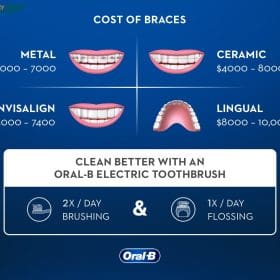
| Invisalign Comprehensive (Unlimited aligners) | $5,500 – $7,500 | $2,538 | 66,000,000 VND |
| Surgical Wisdom Tooth Extraction (Piezotome) | $400 – $800 / tooth | $58 – $115 / tooth | 1,500,000 – 3,000,000 VND |
As demonstrated in the data above, a Canadian patient requiring a full-mouth All-on-4 restoration on both the upper and lower arches would face costs exceeding $50,000 USD ($68,000 CAD) in Toronto or Vancouver. At HCMC Dental Clinic, the exact same clinical protocol, utilizing authentic Straumann or Neodent fixtures and a monolithic Zirconia final bridge, starts at just $12,692 USD for both arches. When you factor in the Canadian Dental Tourism Vietnam Tax Credit via CRA Line 33099, the net out-of-pocket expense drops even further, making elite-level dental rehabilitation accessible to the average Canadian family.
“Our commitment to international patients is absolute transparency. The -40% online booking rates you see published are the exact rates you pay in the clinic. There are no hidden fees for abutments, temporary crowns, or 3D CBCT scans. We provide a comprehensive, fixed-price treatment plan before you ever board your flight from Canada, ensuring your financial planning and subsequent CRA tax claims are perfectly aligned.”
— Dr. Nguyen Van Cuong, DDS
Frequently Asked Questions
Does the Canada Revenue Agency (CRA) allow me to claim dental implants, crowns, and All-on-4 paid in Vietnam on Line 33099 of my T1 tax return?
Yes. The Canada Revenue Agency (CRA) permits Canadian taxpayers to claim eligible medical and dental expenses incurred outside of Canada on Line 33099 of their T1 Income Tax and Benefit Return. Under Income Tax Folio S1-F1-C1, geographic location does not disqualify a legitimate medical expense. Reconstructive procedures performed at HCMC Dental Clinic in Vietnam—such as dental implants, All-on-4 full-arch restorations, root canal therapy, and medically necessary dental crowns—are fully eligible. To successfully claim these expenses, you must retain itemized English receipts, proof of payment, and the attending dentist’s official credentials, all of which are standardly provided by our clinical administration team.
Which dental procedures are eligible vs. ineligible under CRA medical tax rules (e.g., reconstructive implants and crowns vs. purely cosmetic teeth whitening)?
The CRA draws a strict line between medically necessary reconstructive dentistry and purely cosmetic procedures. Eligible procedures that can be claimed on Line 33099 include dental implants, bone grafting, sinus lifts, All-on-4 or All-on-6 implant dentures, root canal therapy, tooth extractions, orthodontic braces or Invisalign, and porcelain crowns or veneers required to restore decayed or fractured teeth. Ineligible procedures include purely cosmetic treatments that do not treat an underlying dental pathology, such as Philips Zoom! WhiteSpeed in-office teeth whitening, take-home bleaching kits, or cosmetic veneers applied solely for aesthetic enhancement without structural necessity.
Does HCMC Dental Clinic provide Canadian Dental Association (CDA USP) 5-digit procedure codes on English receipts for Sun Life and Manulife?
Absolutely. We understand that Canadian private health insurers like Sun Life, Manulife, Canada Life, Blue Cross, and GreenShield require standardized coding to process out-of-country reimbursement claims. HCMC Dental Clinic provides comprehensive, itemized English invoices that map our clinical treatments to the corresponding 5-digit Canadian Dental Association Uniform System of Coding and List of Services (CDA USP) codes. Whether you are claiming a surgical extraction, a custom abutment, or a full zirconia crown, our documentation ensures your Canadian insurance adjuster has the exact procedural data required to process your overseas claim efficiently.
Why should Canadian patients always pay by credit card or traceable electronic transfer and keep boarding passes for a CRA audit?
In the event of a CRA desk audit or a review of your Line 33099 claim, the burden of proof rests entirely on the taxpayer. The CRA requires definitive proof that the medical expenses were actually paid by you. Cash transactions in foreign countries are notoriously difficult to substantiate and are frequently rejected during audits. By paying for your dental treatment at HCMC Dental Clinic via a major credit card (Visa, Mastercard) or a traceable bank wire transfer, you create an immutable, third-party financial audit trail. Furthermore, retaining your boarding passes and hotel folios proves your physical presence in Ho Chi Minh City during the dates of service, satisfying both the medical expense and the >80 km travel deduction requirements.
How much do patients flying from Vancouver or Toronto save on full-mouth dental implants or veneers in Ho Chi Minh City?
Patients flying from major Canadian cities like Vancouver, Toronto, or Calgary typically save between 65% and 80% on complex restorative dentistry when choosing HCMC Dental Clinic, even after factoring in the cost of international airfare and premium hotel accommodations. For example, a single dental implant with a crown in Toronto averages $4,500 to $5,500 CAD. At HCMC Dental Clinic, a premium European/Swiss implant (such as Straumann) with a Zirconia crown costs approximately $1,116 to $1,500 USD ($1,500 to $2,000 CAD) under our -40% online booking schedule. For full-mouth All-on-4 restorations, Canadian patients routinely save upwards of $30,000 to $50,000 CAD, making the journey to Vietnam highly economical while maintaining access to world-class, CE-certified biomaterials.
References
- Journal of the Canadian Dental Association (JCDA). Cross-Border Dental Care: Implications for Canadian Patients and Third-Party Payers. (2023).
- International Journal of Oral & Maxillofacial Implants. Economic Evaluation of Implant-Supported Prostheses in Medical Tourism Destinations. (2024).
- Journal of Prosthetic Dentistry. Documentation and Coding Standards for International Prosthodontic Rehabilitation Claims. (2022).
- Canadian Tax Journal. The Medical Expense Tax Credit: An Analysis of Out-of-Country Treatment and Travel Deductions under Folio S1-F1-C1. (2025).
- Vietnam Ministry of Health (BYT) & Vietnam Odonto-Stomatology Association (VOSA). National Clinical Guidelines on Specialist Dental Care, Biomaterial Traceability & EN 13060 Class B Infection Control. (2024).