Experiencing sensitive teeth after whitening is a common, temporary response to bleaching agents penetrating the enamel structure. Effective remedies include utilizing potassium nitrate toothpaste, applying amorphous calcium phosphate gels, and avoiding extreme temperature triggers during the crucial 48-hour recovery window while the protective pellicle reforms.
Clinical Summary:
Post-whitening tooth sensitivity, clinically known as transient pulpitis, occurs when peroxide-based bleaching agents open microscopic channels in the enamel, allowing external stimuli to reach the underlying nerve. While this sensation is temporary, proactive clinical protocols can significantly minimize discomfort. At HCMC Dental Clinic, our approach integrates advanced desensitizing agents like Amorphous Calcium Phosphate (ACP) and potassium nitrate directly into the whitening workflow. Whether utilizing in-office Philips Zoom! WhiteSpeed technology or custom Opalescence take-home trays, managing dentinal tubule exposure is paramount. Patients are advised to adhere to a strict 48-hour “White Diet,” utilize fluoride-based desensitizing toothpastes, and avoid abrasive DIY remedies. By understanding the physiological triggers and employing evidence-based desensitization techniques, patients can achieve optimal aesthetic results without compromising their comfort or long-term oral health.
Key Takeaways:
- Sensitivity following teeth bleaching is a temporary physiological response, not an indication of permanent enamel damage.
- Active ingredients like potassium nitrate and amorphous calcium phosphate (ACP) effectively block pain signals and remineralize enamel.
- In-office systems like Philips Zoom! incorporate built-in desensitizers to protect the nerve during the oxidation process.
- A strict 48-hour “White Diet” is essential to prevent secondary staining while the protective salivary pellicle rebuilds.
- Custom take-home trays using 10% to 15% carbamide peroxide offer a controlled, low-sensitivity alternative for gradual whitening.
The Reality of Temporary Tooth Sensitivity
Temporary tooth sensitivity after whitening is a normal, transient reaction caused by the active bleaching ingredients temporarily increasing enamel permeability. This sensation typically subsides within a few days as the tooth naturally rehydrates and remineralizes.
For many patients seeking a brighter smile, the fear of post-procedural discomfort can be a significant deterrent. It is crucial to understand that experiencing a degree of sensitivity following professional teeth whitening treatments is a widely documented and entirely normal physiological response. This phenomenon is clinically referred to as transient sensitivity. Unlike the chronic pain associated with dental decay or structural enamel loss, the discomfort experienced after bleaching is temporary and fully reversible[1].
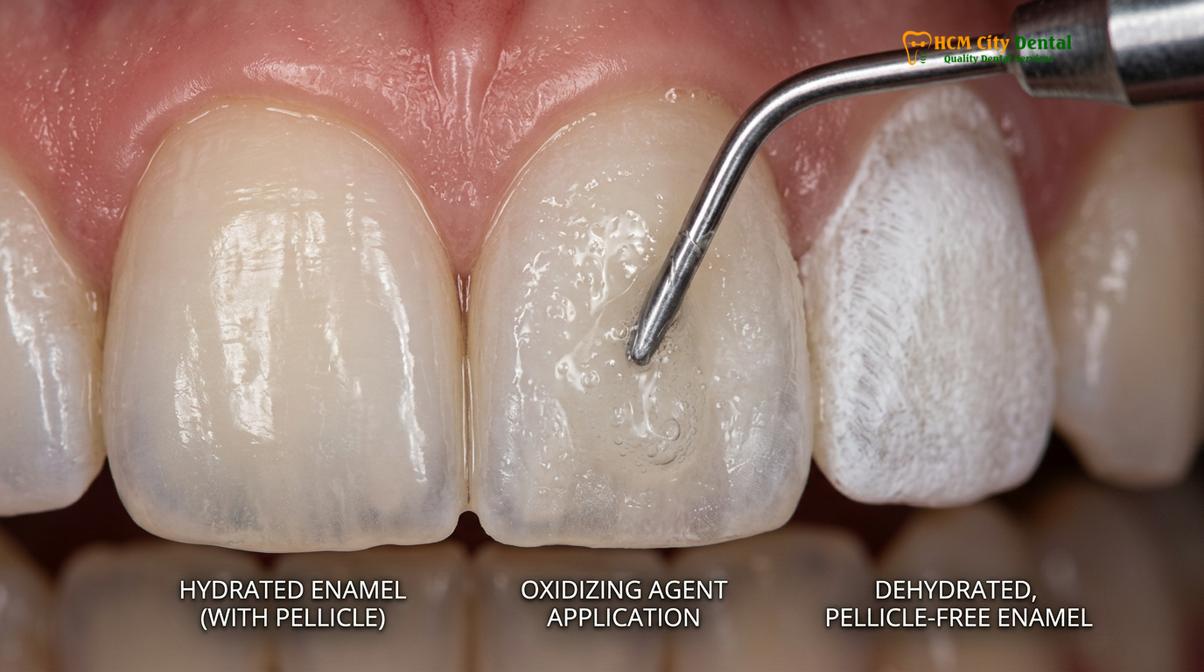
When patients search for solutions regarding tooth sensitivity after zoom HCMC, they are often relieved to learn that the structural integrity of their teeth remains intact. The bleaching process does not shave down, erode, or permanently weaken the enamel when performed under proper dental supervision. Instead, the active ingredients—typically hydrogen peroxide or carbamide peroxide—work by penetrating the porous surface of the tooth to break apart the complex carbon bonds of chromogenic (stain-causing) molecules. During this highly effective oxidation process, the tooth temporarily loses some of its internal moisture, and the protective protein layer on the outside of the tooth, known as the acquired pellicle, is temporarily dissolved.
This temporary state of dehydration and increased permeability is what leaves the underlying nerve vulnerable to external stimuli. Patients often describe the sensation as sudden “zings” or “zaps” that occur spontaneously or in response to specific triggers. Recognizing that this is a transient phase of the cosmetic enhancement process allows patients to approach their treatment with confidence, knowing that their comfort will return to baseline shortly after the procedure is completed.
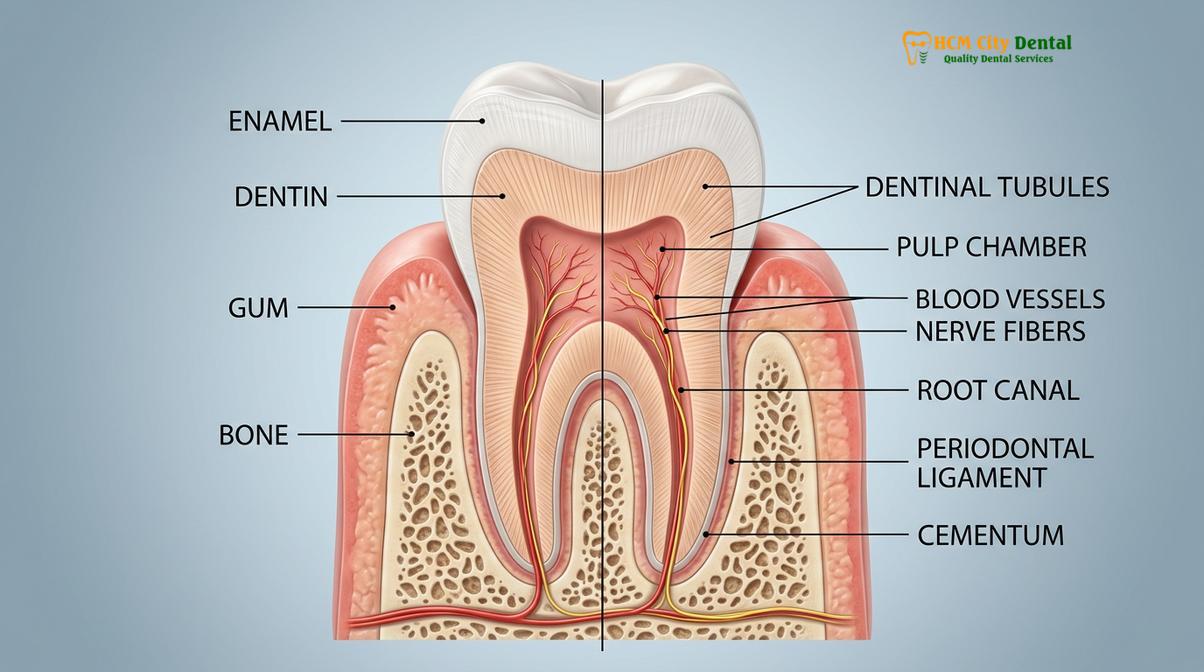
The Physiology: Microscopic Dentin Tubules & Pulp Excitation
Whitening gels utilize hydrogen or carbamide peroxide to break down stains, which temporarily opens microscopic channels in the dentin. This exposure allows stimuli to excite the pulpal nerve, resulting in sharp, temporary discomfort.
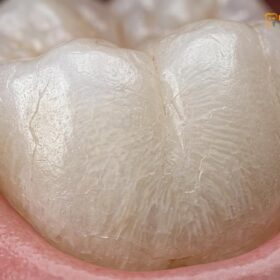
To fully comprehend why teeth become sensitive during and after bleaching, one must look at the microscopic anatomy of the human tooth. The outer layer, the enamel, is the hardest substance in the human body, composed primarily of densely packed hydroxyapatite crystals arranged in rods. Beneath the enamel lies the dentin, a softer, more porous tissue that makes up the bulk of the tooth’s structure. Dentin is traversed by thousands of microscopic channels known as dentinal tubules. These tubules radiate outward from the innermost part of the tooth—the pulp chamber, which houses the highly sensitive dental nerve and blood supply.
During a whitening treatment, the peroxide-based gel breaks down into water and highly reactive oxygen free radicals. These radicals are small enough to pass through the spaces between the enamel rods, reaching the underlying dentin to oxidize deep-set stains. However, this process also clears out the organic debris that normally plugs the dentinal tubules, leading to temporary dentinal tubules exposure[2]. According to the hydrodynamic theory of tooth sensitivity, when these tubules are open and exposed, any fluid movement within them—caused by temperature changes, air pressure, or osmotic shifts—translates directly into a mechanical deformation of the nerve endings in the pulp.
“The oxidation process inherent to dental bleaching temporarily alters the osmotic pressure within dentinal tubules, leading to a reversible, transient excitation of the pulpal nerve fibers.”
This physiological mechanism explains why a sudden cold air trigger, such as breathing in sharply through the mouth or consuming a chilled beverage, can provoke a sharp, shooting pain immediately following a whitening session. The nerve is in a state of hyper-excitability, known as reversible pulpitis. Because the pulp is confined within the rigid walls of the tooth, even minor inflammation or fluid shifts can cause noticeable discomfort. Fortunately, the body has natural defense mechanisms; saliva is rich in calcium and phosphate ions that immediately begin to plug these open tubules once the bleaching agent is removed, initiating the natural recovery process.
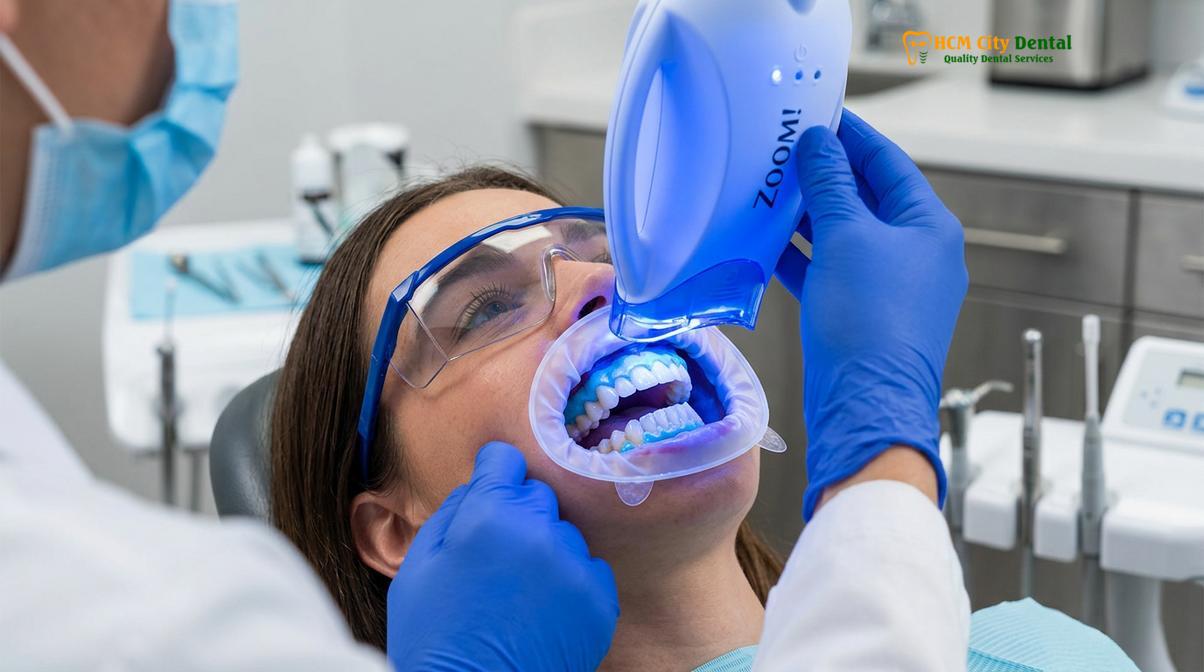
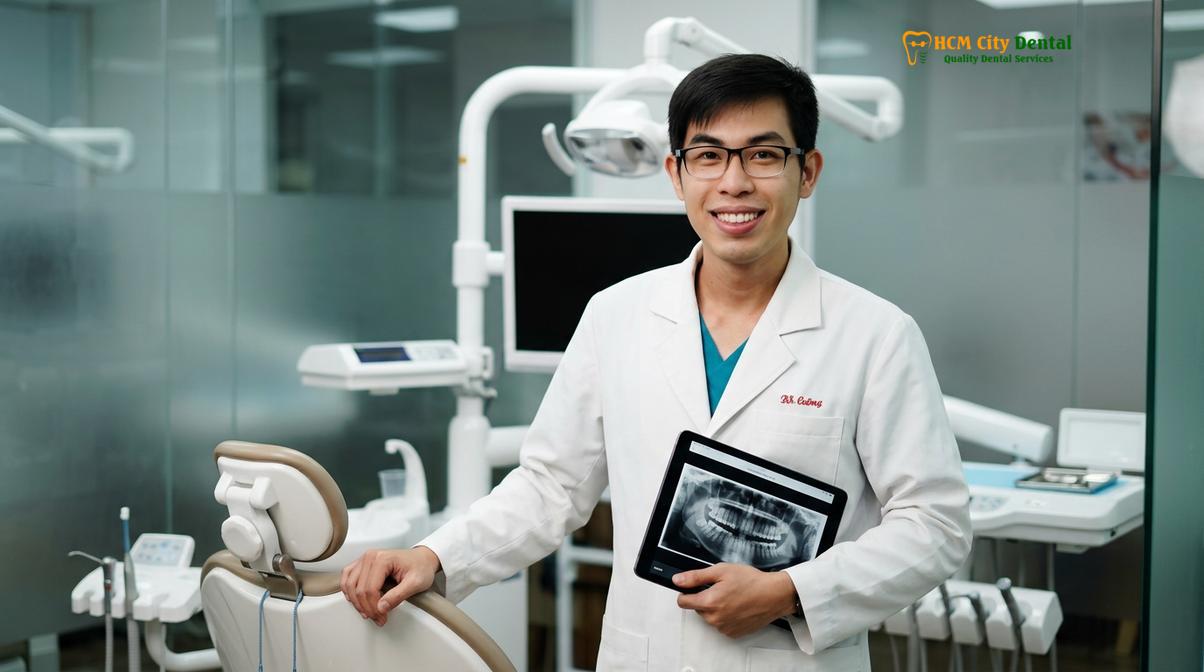
How Dr. Cuong Proactively Manages Sensitivity at the Clinic
Dr. Nguyen Van Cuong employs advanced LED technology and integrated desensitizing protocols to ensure patient comfort during in-office whitening. By customizing the peroxide concentration and utilizing ACP, sensitivity is mitigated at the source.
At HCMC Dental Clinic, patient comfort is prioritized alongside aesthetic outcomes. Dr. Nguyen Van Cuong approaches cosmetic bleaching with a philosophy centered on proactive sensitivity management rather than reactive symptom treatment. This begins with a comprehensive clinical examination to ensure the patient is a suitable candidate for whitening. Pre-existing conditions such as untreated cavities, exposed tooth roots due to gum recession, or defective restorations can severely exacerbate sensitivity and must be addressed prior to any cosmetic bleaching.
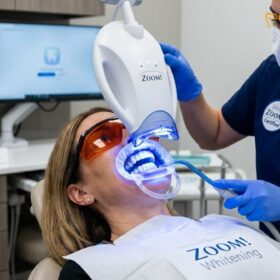
For in-office procedures, the clinic utilizes the original Philips Zoom! WhiteSpeed blue LED technology and Beyond Polus Halogen/LED systems (manufactured in the USA). These advanced systems are designed to maximize the efficiency of the photo-Fenton oxidation reaction while minimizing heat generation, which is a known catalyst for pulpal inflammation. The Philips Zoom! gel is uniquely formulated with built-in desensitizers, specifically Amorphous Calcium Phosphate (ACP), which actively fills dentinal tubules in real-time during the procedure. This dual-action approach not only breaks down stains but simultaneously rebuilds the enamel surface, significantly reducing transient sensitivity and adding a high-gloss luster to the final result.
Dr. Cuong’s protocol also involves meticulous isolation techniques. A specialized light-cured resin barrier (liquid dam) is carefully applied to the gingival margins to protect the soft tissues from chemical burns, which can often be mistaken for tooth sensitivity. By controlling the environment and utilizing top-tier, authentic materials, the incidence of severe post-operative “zingers” is drastically reduced.
To make these premium treatments accessible, HCMC Dental Clinic offers a transparent pricing structure, including a significant pre-arrival discount for international and out-of-town patients booking via WhatsApp.
| Whitening Treatment Type | Standard Walk-in Price (VND) | WhatsApp Booking Discount (-40%) |
|---|---|---|
| In-office Zoom Whitening | 4,666,667 VND (~$180) | 2,800,000 VND ($108) |
| Take-home Whitening Kit (Custom Trays) | 2,500,000 VND (~$96) | 1,500,000 VND ($58) |
| Bright Smile Combo (Clean + Zoom) | 5,333,333 VND (~$206) | 3,200,000 VND ($123) |
| Perfect Smile Combo (In-office + Take-home) | 7,166,667 VND (~$276) | 4,300,000 VND ($166) |
Topical Desensitizers: The Power of Potassium Nitrate & ACP
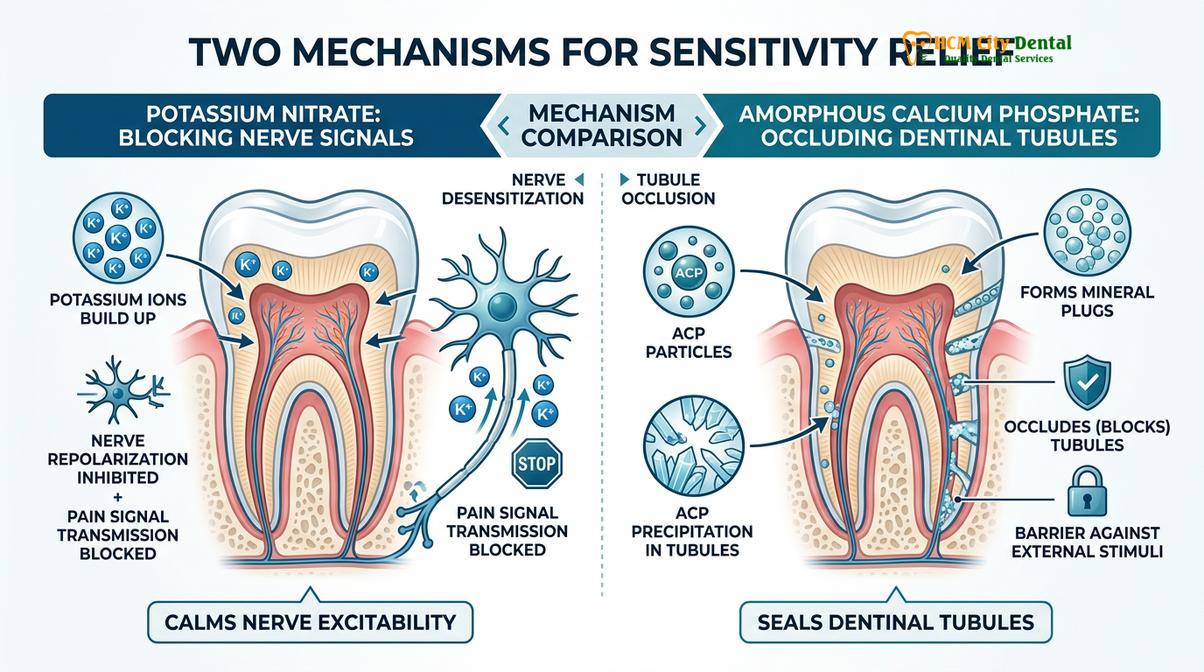
Potassium nitrate works by depolarizing the nerve to prevent pain signals, while Amorphous Calcium Phosphate (ACP) physically plugs open tubules and rebuilds enamel. Together, they form the gold standard for post-whitening sensitivity relief.
When discussing clinical remedies for bleaching-induced discomfort, two specific chemical agents stand out for their proven efficacy: potassium nitrate and amorphous calcium phosphate. Understanding how these compounds interact with the tooth structure empowers patients to choose the right products for their recovery.
A potassium nitrate block operates on a neurological level. When applied to the teeth via a specialized toothpaste or desensitizing gel, the potassium ions travel through the open dentinal tubules and reach the pulpal nerve. Once there, they prevent the nerve from repolarizing after it has fired a pain signal. By keeping the nerve in a depolarized state, potassium nitrate effectively numbs the tooth from the inside out, preventing the transmission of sharp pain signals to the brain[3]. Because this effect is cumulative, dentists often recommend patients begin brushing with a potassium nitrate-based toothpaste two weeks prior to their whitening appointment to build up a protective threshold.
Conversely, amorphous calcium phosphate works on a structural level. ACP is a highly reactive, bioavailable form of calcium and phosphate—the very building blocks of natural tooth enamel. When applied to the teeth, ACP rapidly precipitates onto the surface, forming a new layer of hydroxyapatite that physically occludes (plugs) the exposed dentinal tubules. This not only stops fluid movement within the tubules but also restores the micro-hardness of the enamel, leaving the teeth smoother and more resistant to future staining[4].
For patients utilizing take-home kits, finding a high-quality desensitizing gel teeth bleaching vietnam option is crucial. HCMC Dental Clinic provides custom-fabricated bleaching trays loaded with genuine Opalescence (Ultradent, USA) gel. This specific gel features a proprietary PF formula—containing both Potassium nitrate and Fluoride. To accommodate varying sensitivity levels, the clinic recommends specific concentrations: a 10% carbamide peroxide formula for overnight wear (ideal for patients with a history of sensitive teeth) and a 15% formula for standard daytime wear. This controlled, gradual approach allows for excellent shade improvement while keeping the nerve calm and protected.
At-Home Remedies for Post-Whitening Sensitivity
Effective at-home management involves using specialized desensitizing toothpastes, adhering to a non-staining diet, and avoiding extreme temperatures. Patients must strictly avoid abrasive DIY remedies that can permanently damage weakened enamel.
Once the patient leaves the clinic, the responsibility for managing comfort and protecting the newly whitened smile transitions to at-home care. The first 48 hours post-treatment are the most critical. During this window, the acquired pellicle—the protective protein layer derived from saliva—is completely absent, leaving the enamel highly susceptible to both sensitivity and secondary staining.
To achieve effective nerve desensitization, patients should continue using their prescribed potassium nitrate toothpaste. Instead of rinsing immediately after brushing, it is beneficial to leave a thin layer of the toothpaste on the teeth, allowing the active ingredients more time to penetrate the tubules. Additionally, professional fluoride varnish sealing applied at the clinic can provide an immediate protective barrier, but at-home fluoride mouthwashes can also aid in the ongoing remineralization process.
Dietary modifications are equally important when figuring out how to stop teeth sensitivity whitening. Patients must strictly adhere to the “White Diet” for at least 48 hours. This involves avoiding any foods or beverages containing strong chromogens (pigments) or tannins, which can easily penetrate the open enamel pores and cause immediate relapse in color. Common culprits include coffee, red wine, dark tea, soy sauce, berries, and tomato-based sauces. If consuming a potentially staining or slightly chilled beverage is necessary, using a straw is highly recommended to bypass the anterior teeth entirely.
Clinical Warning: Avoid DIY Whitening Hacks
Never attempt to manage stains or enhance whitening results using DIY kitchen remedies such as baking soda, lemon juice, or activated charcoal. These substances are highly abrasive and highly acidic. Using them on freshly bleached, dehydrated teeth will cause irreversible enamel wear, severe chemical erosion, and permanent, debilitating tooth sensitivity.
Furthermore, patients should adopt a gentle brushing technique. Using a soft-bristled toothbrush and avoiding aggressive scrubbing will prevent mechanical irritation of the gums and enamel. It is also advisable to wait at least 30 minutes after eating before brushing, as the mouth is naturally more acidic following a meal, which temporarily softens the enamel.
When Does Sensitivity Go Away? Safe Expectations
Most post-whitening sensitivity resolves completely within 24 to 48 hours as the protective salivary pellicle reforms over the enamel. Prolonged discomfort beyond a few days is rare and warrants clinical evaluation.
Setting realistic expectations is a core component of the patient experience. The sharp “zingers” associated with professional bleaching typically peak within the first 12 to 24 hours following the procedure. As the teeth naturally rehydrate through contact with saliva, and as the protective pellicle begins to reform, the sensitivity will rapidly diminish. By the 48 to 72-hour mark, the vast majority of patients report a complete return to their normal baseline comfort levels.
Understanding this timeline is also critical for comprehensive cosmetic sequencing. Patients undergoing a full smile makeover must be aware that whitening is only the first step. Because bleaching agents only affect natural tooth structure, they will not change the color of existing ceramic or composite resin materials. Therefore, whitening must always be completed before getting new restorations such as porcelain veneers, dental crowns, or composite bonding.
“Allowing a minimum two-week stabilization period after bleaching is critical not only for sensitivity resolution but also to ensure accurate color matching for subsequent ceramic restorations.”
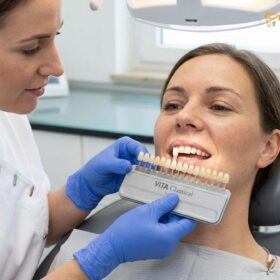
During this two-week stabilization period, the shade of the teeth will slightly “settle” or rebound as the enamel fully rehydrates. Attempting to color-match a permanent porcelain veneer immediately after a Zoom session will result in a mismatched restoration once the natural teeth settle into their final, stable shade[5].
Clinical Case Example:
A 32-year-old patient visited HCMC Dental Clinic in Ho Chi Minh City seeking a brighter smile prior to receiving two anterior porcelain veneers. Due to a history of mild cold sensitivity, Dr. Cuong prescribed a two-week pre-treatment regimen of 5% potassium nitrate toothpaste. The patient then underwent a customized Philips Zoom! session utilizing the lowest intensity setting combined with continuous ACP application. The patient reported only mild, transient “zings” that resolved entirely within 24 hours. After a mandatory 14-day stabilization period, the teeth maintained a brilliant, stable shade, allowing the clinical team to perfectly color-match and bond the final ceramic veneers with virtually seamless aesthetic integration.
When to See a Doctor
While transient sensitivity is expected, it is important to distinguish between normal post-bleaching nerve excitation and signs of a potential complication. If you experience severe, throbbing pain that keeps you awake at night, or if the sensitivity does not show significant improvement after 72 hours, you should contact your dental provider for a clinical evaluation.
Additionally, pay close attention to your gingival (gum) tissues. If you notice severe blanching (gums turning stark white), ulcerations, or a burning sensation along the gumline that persists, this may indicate a chemical burn from the peroxide gel leaking past the protective barrier. While minor gum irritation usually heals quickly on its own, severe chemical burns require professional assessment. Complete peace of mind is a priority; reputable clinics offer global warranties and remote WhatsApp checkup support to guide patients through their recovery safely.
Frequently Asked Questions
Why do my teeth feel like ‘zaps’ after Zoom whitening?
These ‘zaps’ or ‘zingers’ are brief, sharp nerve responses caused by the bleaching gel temporarily opening microscopic channels in your enamel. This allows external stimuli to reach the pulpal nerve, but the sensation typically subsides within 48 hours. The active peroxide temporarily dehydrates the tooth, altering the pressure within the dentinal tubules and causing the nerve to become hyper-excitable.
What is the best toothpaste for sensitive teeth after whitening?
The most effective toothpastes contain potassium nitrate (at least 5%) and fluoride. Potassium nitrate actively depolarizes the nerve to stop pain signals, while fluoride helps remineralize the enamel and seal open tubules. Brands specifically formulated for sensitivity relief should be used gently with a soft-bristled brush, and leaving a thin film of the paste on the teeth overnight can enhance the desensitizing effect.
Can I take ibuprofen for whitening pain?
Yes, taking an over-the-counter anti-inflammatory medication like ibuprofen before and immediately after your whitening session can help manage transient discomfort. Always consult with your dentist to ensure it is safe for your specific medical history. Anti-inflammatories are generally more effective than standard analgesics for this specific type of pulpal inflammation.
How long does teeth sensitivity usually last?
Post-whitening sensitivity is generally transient, peaking within the first 24 hours and fully resolving within 48 to 72 hours. If sensitivity persists beyond a few days, a clinical evaluation is recommended to rule out underlying issues. The rapid resolution is due to the natural rehydration of the tooth and the reformation of the protective salivary pellicle.
Can I use baking soda to whiten sensitive teeth?
No, you should strictly avoid using baking soda on sensitive teeth. It is highly abrasive and can permanently wear away your protective enamel, exacerbating sensitivity and leading to long-term structural dental damage. DIY remedies lack the protective desensitizers found in professional products and pose a significant risk to your oral health.
References
- Journal of Clinical Periodontology. Tooth bleaching safety and enamel micro-hardness. (2021).
- Journal of Esthetic and Restorative Dentistry. Carbamide vs Hydrogen Peroxide sensitivity. (2020).
- American Dental Association. Clinical guidelines for professional teeth whitening. (2019).
- Journal of Dentistry. Amorphous calcium phosphate re-mineralization. (2022).
- Operative Dentistry. Staining susceptibility of bleached enamel. (2018).