Professional teeth whitening typically lasts between one to three years, while diligent at-home maintenance can extend these results significantly. The exact duration depends heavily on the chosen bleaching method, the patient’s dietary habits, and the natural porosity of the mineralized enamel structure.
Clinical Summary:
Teeth whitening longevity is primarily dictated by the concentration of hydrogen peroxide or carbamide peroxide used, alongside strict post-treatment care. In-office systems like Philips Zoom! WhiteSpeed provide immediate oxidation of intrinsic stains, while custom take-home trays ensure long-term shade stability. Maintaining a “white diet” during the initial 48-hour pellicle reformation phase and adhering to professional touch-up protocols are critical for preventing premature chromophore accumulation and preserving a bright, healthy smile.
Key Takeaways:
- Professional in-office whitening results generally last 12 to 36 months with proper maintenance.
- The first 48 hours post-treatment are crucial for enamel pellicle reformation and stain avoidance.
- Custom fabricated trays with Opalescence gel offer the most reliable method for long-term shade preservation.
- Whitening must be completed two weeks prior to any restorative cosmetic dental work.
- Amorphous Calcium Phosphate (ACP) is utilized to minimize transient sensitivity and rebuild enamel luster.
Understanding Whitening Longevity
The lifespan of teeth whitening results is determined by the depth of the oxidation reaction within the enamel rod structure and the patient’s commitment to post-bleaching maintenance.
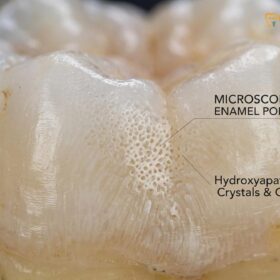
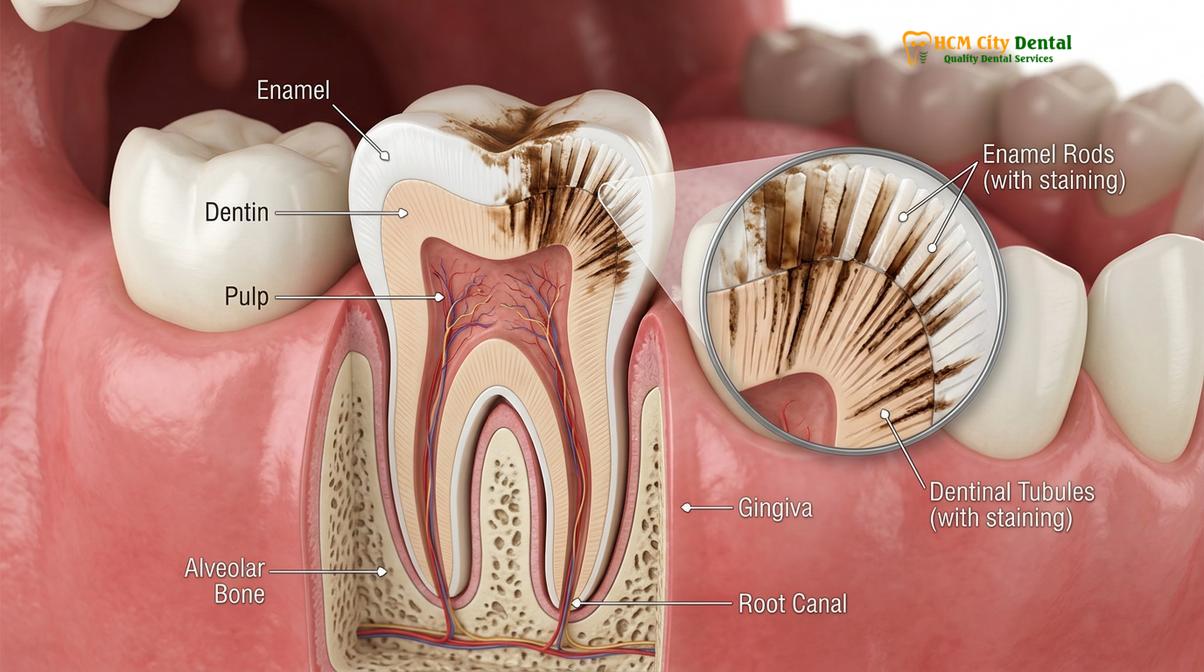
To fully grasp how long a brighter smile will endure, it is essential to understand the biochemical mechanics of teeth whitening. The human tooth is not a solid, impermeable block; rather, the outer layer consists of mineralized enamel made up of microscopic crystalline rods. Beneath this lies the dentin, a more porous layer containing thousands of microscopic channels known as dentin tubules. Over time, intrinsic stains—deep discoloration caused by aging, trauma, or certain medications—become trapped within these structures.
When a patient undergoes a professional bleaching treatment, a peroxide-based agent is applied to the tooth surface. Whether utilizing the original Philips Zoom! WhiteSpeed blue LED technology or the Beyond Polus Halogen/LED systems (made in the USA), the core mechanism remains the same: oxidation. The active ingredient, typically high-concentration hydrogen peroxide, breaks down into highly reactive oxygen free radicals. These radicals penetrate the enamel rod structure and enter the dentin tubules, where they actively break the double carbon bonds of the staining molecules, rendering them colorless[1].
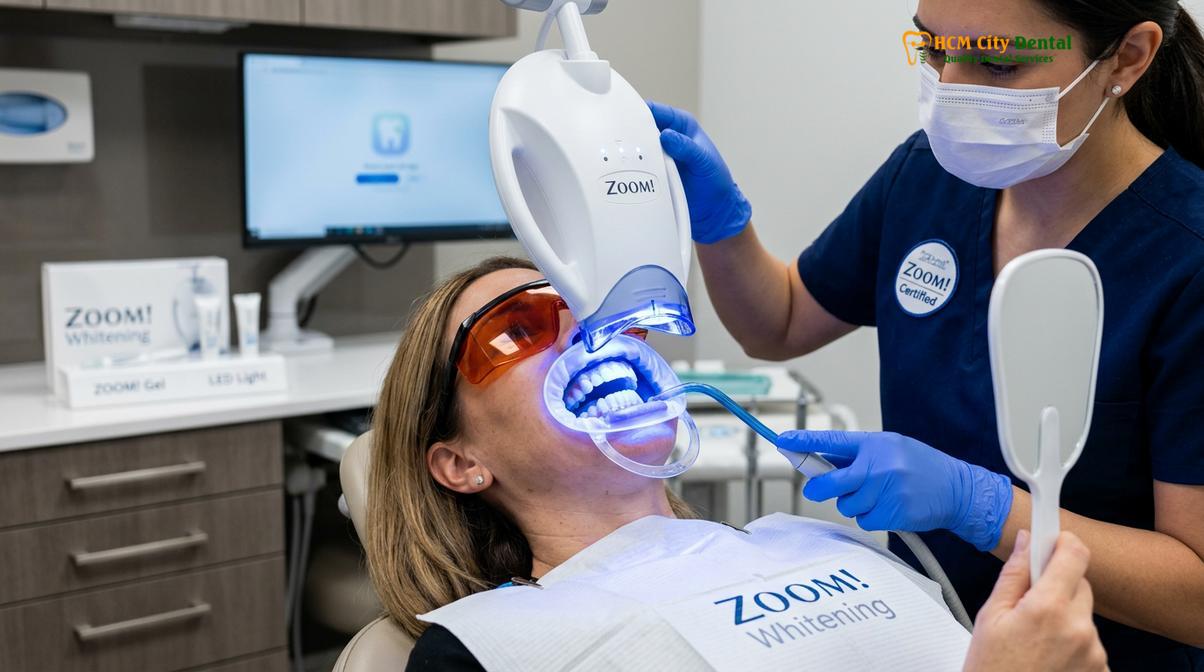
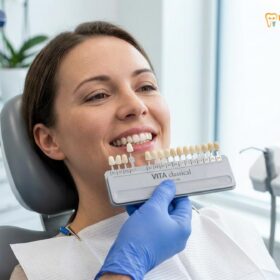
The immediate result is a dramatic improvement in the tooth’s shade, often measured using the VITA Classical shade guide. However, the longevity of this new shade is not infinite. Because the dentin tubules remain naturally porous, new stains can eventually penetrate the tooth over time. The technology standard utilized at modern clinics ensures that the initial oxidation is as deep and thorough as safely possible, providing a strong foundation for whitening longevity saigon patients expect.
Furthermore, advanced in-office systems incorporate a specialized desensitizer protocol. For instance, the Philips Zoom! gel is activated by LED and utilizes Amorphous Calcium Phosphate (ACP). As the bleaching occurs, the ACP fills the dentinal tubules in real-time. This not only rebuilds the enamel and adds a glossy luster to the teeth but also significantly reduces the transient sensitivity often associated with deep bleaching procedures.
The Factors That Cause Teeth to Fade
Premature fading of whitened teeth is primarily caused by the re-accumulation of dietary chromogens, poor oral hygiene, and the natural aging process of the dentition.
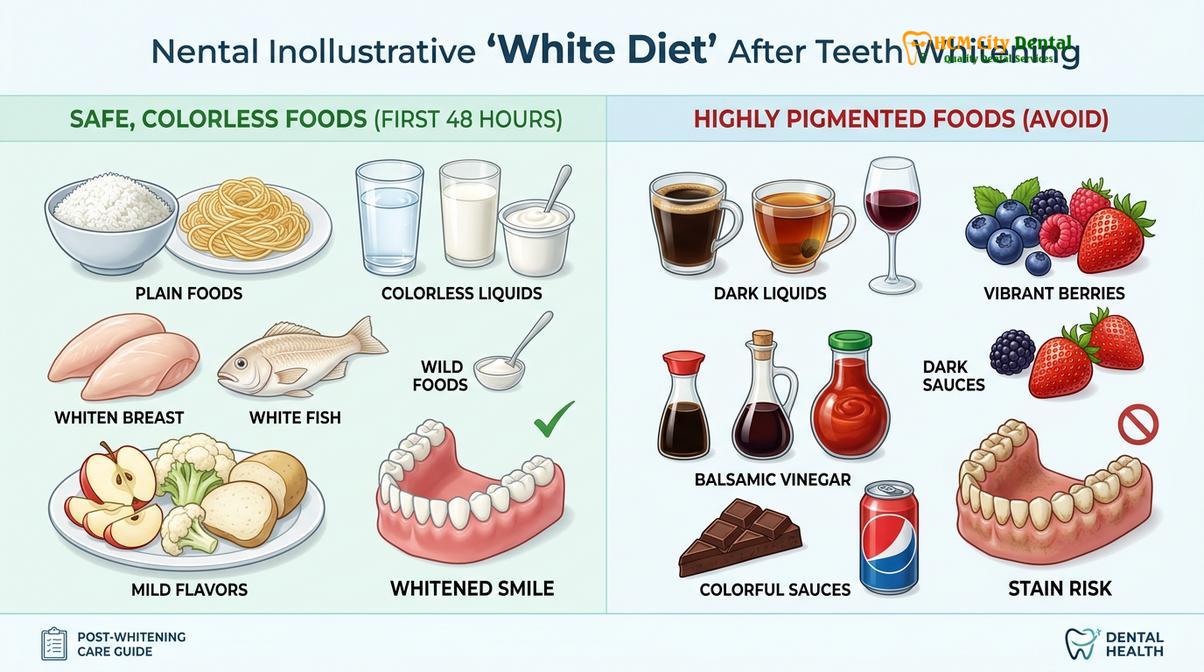
Once the initial bleaching process is complete, the teeth are temporarily more susceptible to absorbing new stains. This vulnerability is due to the temporary removal of the acquired pellicle—a microscopic protein film derived from saliva that coats the teeth and acts as a protective barrier. It takes approximately 48 hours for this pellicle to fully reform. During this critical recovery window, patients must strictly adhere to a “white diet.”
The primary culprits behind premature fading are staining pigments known as chromogens, as well as tannins, which help chromogens bind to the enamel. If a patient consumes dark liquids such as coffee, red wine, black tea, or soy sauce during the first 48 hours, the chromophore accumulation within the newly opened dentin tubules will be rapid and severe, effectively undoing the professional whitening results[2]. Even after the pellicle has reformed, chronic consumption of these highly pigmented foods will gradually lead to secondary staining over the months and years following the treatment.
Clinical Warning: Patients must avoid DIY kitchen remedies like baking soda, lemon juice, or activated charcoal to maintain their whitening results. These substances are highly abrasive and acidic, causing permanent enamel wear and micro-abrasions that actually trap more stains over time. Safe enamel care requires professional dental supervision.
Another significant factor influencing longevity is the natural aging process. As we age, the outer layer of mineralized enamel naturally thins due to daily wear and tear, while the underlying dentin naturally darkens and thickens. Because dentin is yellowish in color, its increased prominence will eventually alter the overall shade of the tooth, regardless of how well the surface enamel is maintained. This biological reality underscores why teeth bleaching is a maintenance process rather than a permanent, one-time cure.
Smoking and tobacco use are perhaps the most aggressive accelerators of shade relapse. The tar and nicotine present in tobacco products create stubborn, sticky extrinsic stains that rapidly penetrate the enamel porosity. For patients who smoke, the results of an in-office whitening session may begin to fade in as little as three to six months without rigorous intervention.
The Role of At-Home Maintenance Custom Trays
Utilizing custom-fabricated dental trays with professional-grade bleaching gel is the most effective strategy for sustaining a bright smile over multiple years.
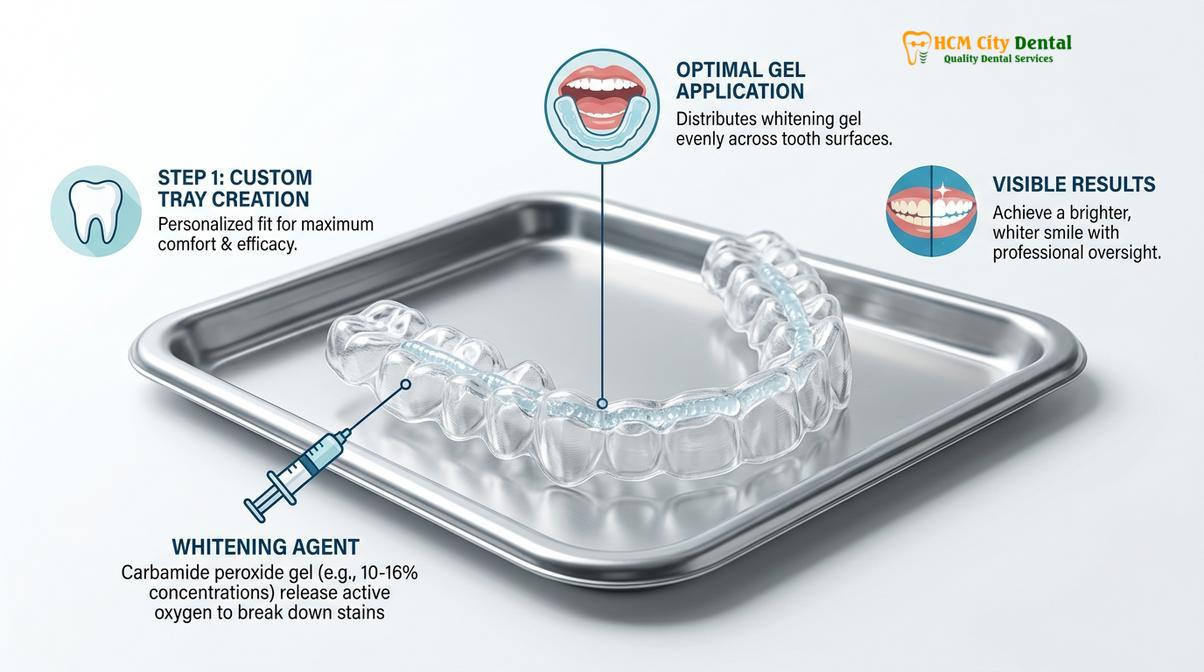
While in-office treatments provide immediate, dramatic results, the secret to true longevity lies in at-home maintenance. For patients wondering how to keep teeth white after bleaching, the clinical gold standard is the use of custom take-home kits. Unlike over-the-counter boil-and-bite trays or generic whitening strips, custom-fabricated bleaching trays are created from precise digital or physical impressions of the patient’s unique dental anatomy.
This custom fit is critical for two reasons. First, it ensures that the bleaching gel is distributed evenly across the entire facial surface of every tooth, preventing patchy or uneven results. Second, it creates a tight seal at the gingival margin, preventing the gel from leaking out and causing chemical burns to the soft tissues, while simultaneously preventing saliva from seeping in and diluting the active ingredients.
“The integration of custom tray maintenance into a patient’s routine allows for controlled, low-concentration carbamide peroxide application, effectively neutralizing new surface stains before they penetrate the dentinal tubules.”
Professional clinics provide these custom trays loaded with genuine Opalescence (Ultradent, USA) gel. This specific formulation is highly regarded in the dental community because it contains potassium nitrate and sodium fluoride (the PF formula). This combination actively desensitizes the nerve endings within the tooth and strengthens the enamel during the bleaching process, ensuring maximum patient comfort[3].
The active ingredient in these take-home kits is typically carbamide peroxide. Unlike hydrogen peroxide, which breaks down rapidly, carbamide peroxide breakdown occurs slowly over several hours, releasing urea and hydrogen peroxide gradually. This makes it ideal for overnight wear. Recommended concentrations are carefully prescribed based on the patient’s clinical profile: 10% carbamide peroxide is generally advised for patients with sensitive teeth or for overnight wear, while a 15% concentration is suitable for standard teeth during daytime wear (typically 2 to 4 hours).
Daily Habits for a Bright Smile: Hydration & Rinsing
Consistent oral hygiene, including immediate water rinsing after consuming pigmented foods and regular professional cleanings, significantly extends the lifespan of bleaching treatments.
Beyond the use of custom trays, daily lifestyle habits play a monumental role in preserving a bright smile. The oral environment is highly dynamic, and the pH level of the mouth directly impacts the integrity of the mineralized enamel. When the mouth becomes acidic—often due to the consumption of sugary or acidic beverages—the enamel temporarily softens, making it highly susceptible to absorbing staining pigments.
Maintaining high levels of hydration is a simple yet profoundly effective longevity factor. Drinking plenty of water stimulates saliva production. Saliva is the mouth’s natural defense mechanism; it neutralizes dietary acids, washes away loose food particles, and provides the calcium and phosphate ions necessary for continuous enamel remineralization. If consuming dark or acidic beverages like iced coffee or cola is unavoidable, utilizing a straw is highly recommended. A straw directs the liquid past the anterior (front) teeth, minimizing direct contact with the visible smile zone.
Furthermore, routine dental prophylaxis (professional teeth cleaning) is essential. Plaque and tartar (calculus) naturally accumulate on the teeth over time. Because tartar is highly porous, it absorbs stains much faster than natural enamel. A professional cleaning every six months removes this calculus buildup and polishes away superficial extrinsic stains, instantly reviving the brightness of the teeth without the need for additional bleaching agents.
| Habit Category | Recommended Actions for Longevity | Actions to Avoid |
|---|---|---|
| Dietary Choices | Drink water after meals; consume crunchy vegetables (apples, celery) to naturally clean teeth. | Frequent sipping of dark coffee, red wine, or dark berries without rinsing. |
| Oral Hygiene | Brush twice daily with a non-abrasive fluoride toothpaste; floss nightly. | Using highly abrasive charcoal toothpastes that scratch the enamel surface. |
| Beverage Consumption | Use a reusable straw for iced teas and colored drinks to bypass anterior teeth. | Swishing dark liquids around the mouth before swallowing. |
| Professional Care | Schedule a dental prophylaxis every 6 months to remove porous tartar buildup. | Skipping routine cleanings, allowing plaque to calcify and absorb stains. |
Recommended Touch-up Frequencies: Professional Guidelines
Clinical guidelines suggest performing minor touch-ups every four to six months using a professional take-home kit to counteract daily dietary staining.
To maintain the optimal shade achieved during the initial in-office session, a proactive rather than reactive approach is required. Waiting until the teeth have completely relapsed to their original dark shade means starting the entire process over. Instead, utilizing a touch-up syringe from a professional take-home kit periodically will keep the smile consistently bright.
For the average patient who consumes coffee or tea daily, a touch-up session consisting of wearing the custom trays for one to two nights every four to six months is usually sufficient. Patients who strictly avoid staining foods may only need to touch up their smile once a year. The gel should be stored in the refrigerator to maintain the stability and efficacy of the peroxide formulation over time.
Understanding the pricing structure for these treatments is also vital for patients planning their long-term cosmetic care. At HCMC Dental Clinic, we prioritize transparent, accessible pricing, particularly for international patients engaging in dental tourism. According to the latest clinic fee schedule, we offer a substantial 40% pre-arrival discount for WhatsApp bookings:
- In-office Zoom Whitening: Walk-in: 4,666,667 VND (~$180) | WhatsApp booking discount: 2,800,000 VND ($108) (-40%).
- Take-home Whitening Kit: Walk-in: 2,500,000 VND (~$96) | WhatsApp booking discount: 1,500,000 VND ($58) (-40%).
- Perfect Smile Combo (In + Take): Walk-in: 7,166,667 VND (~$276) | WhatsApp booking discount: 4,300,000 VND ($166) (-40%).
- Bright Smile Combo (Clean + Zoom): Walk-in: 5,333,333 VND (~$206) | WhatsApp booking discount: 3,200,000 VND ($123) (-40%).
This structured approach, combined with complete peace of mind through a global warranty and remote WhatsApp checkup support, ensures that patients can maintain their results affordably and safely, regardless of where they reside.
Dr. Cuong’s Long-Term Smile Protection Plan
A comprehensive cosmetic treatment sequence requires stabilizing the whitened tooth shade for two weeks before matching any new ceramic or composite restorations.
When integrating teeth whitening into a broader smile makeover, treatment sequencing is of paramount importance. Dr. Nguyen Van Cuong emphasizes that whitening must always be performed BEFORE getting any restorations, such as porcelain veneers, dental crowns, or composite bonding. The medical reasoning is straightforward: bleaching agents only affect natural tooth structure. They cannot oxidize stains or alter the color of ceramic or resin materials.
If a patient receives a crown that matches their current yellowish teeth and then decides to whiten their smile later, the natural teeth will brighten, but the crown will remain dark, resulting in a mismatched, unnatural appearance. Therefore, the clinical protocol dictates that the whitening phase must be completed first.
“Cosmetic sequencing is non-negotiable; bleaching agents only alter natural tooth structure, meaning all whitening protocols must be completed and stabilized before any restorative color-matching begins.”
Following the final whitening session, a mandatory two-week stabilization period is required. During this time, the shade of the teeth will slightly settle as the teeth rehydrate and the oxygen dissipates from the enamel rods. Furthermore, residual oxygen trapped within the tooth structure can inhibit the proper polymerization (curing) of composite resins and dental adhesives used in bonding procedures[4]. Attempting to place a restoration immediately after bleaching significantly increases the risk of bond failure.
Clinical Case Review: A 34-year-old patient visited HCMC Dental Clinic in Ho Chi Minh City for a comprehensive smile makeover. The treatment plan began with a professional Philips Zoom! WhiteSpeed session to elevate her natural dentition by 6 shades on the VITA guide. Following a strict two-week stabilization period and adherence to a post whitening maintenance guide vietnam, Dr. Cuong successfully color-matched and placed four ultra-thin porcelain veneers on her anterior incisors. The result was a virtually seamless, highly aesthetic integration between the bleached natural teeth and the new ceramic restorations.
By adhering to these strict clinical workflows and providing comprehensive patient education, Dr. Cuong ensures that every cosmetic enhancement is built upon a stable, predictable, and long-lasting foundation.
When to See a Doctor
While professional whitening is highly safe, any prolonged sensitivity, sharp nerve pain, or gingival irritation warrants an immediate clinical evaluation.
Teeth whitening is widely recognized as safe for enamel when conducted under professional dental supervision. However, patients should be aware of potential transient side effects. The most common occurrence is transient pulpitis—a temporary inflammation of the tooth nerve caused by the penetration of peroxide. This typically manifests as brief “zingers” or heightened sensitivity to cold temperatures and usually resolves within 24 to 48 hours post-treatment.
You should contact your dentist for a clinical examination if you experience:
- Severe, throbbing tooth pain that does not subside with over-the-counter analgesics.
- Prolonged sensitivity lasting more than a few days after the treatment has concluded.
- Blanching (turning white), burning, or ulceration of the gum tissue, which may indicate that the bleaching gel has leaked past the protective barriers.
- Pain localized to a specific tooth, which could indicate that the bleaching agent has seeped into an undiagnosed cavity, micro-fracture, or failing restoration[5].
A personalized clinical examination is always recommended prior to beginning any whitening regimen to ensure that your teeth and gums are healthy enough to undergo the oxidation process safely.
Frequently Asked Questions
Does teeth whitening fade after a month?
No, professional teeth whitening does not typically fade after just one month if proper post-treatment care is followed. However, consuming highly pigmented foods or neglecting oral hygiene during the initial 48-hour pellicle reformation phase can cause premature surface staining. Maintaining a white diet initially and practicing good daily hygiene ensures the deep oxidation results remain stable for much longer.
How often should I use my touch-up kit?
Clinical guidelines recommend using a professional touch-up kit for one to two nights every four to six months. This frequency effectively neutralizes new dietary stains without overexposing the enamel to bleaching agents or causing unnecessary dentinal sensitivity. Patients who consume heavy amounts of coffee or tobacco may require slightly more frequent touch-ups based on their dentist’s advice.
Can I use whitening mouthwash to maintain results?
Yes, you can use a whitening mouthwash, but its effects are minimal compared to custom trays. Most over-the-counter whitening rinses contain very low concentrations of hydrogen peroxide and only help in managing superficial extrinsic stains rather than deep intrinsic discoloration. They are best used as a supplementary daily habit rather than a primary maintenance strategy.
What is the best way to prolong Zoom whitening?
The most effective way to prolong Zoom whitening results is by combining strict adherence to a white diet for the first 48 hours with the consistent use of custom-fabricated take-home trays loaded with professional-grade Opalescence gel. Additionally, maintaining excellent oral hygiene and scheduling biannual professional cleanings will prevent porous tartar from accumulating and absorbing new stains.
Can I drink coffee through a straw after teeth whitening?
Yes, drinking coffee through a straw is highly recommended after teeth whitening. Bypassing the anterior teeth minimizes the direct contact of dark chromogens and tannins with the newly bleached enamel, significantly reducing the risk of rapid secondary staining. It is also advisable to rinse your mouth with plain water immediately after finishing the beverage.
References
- Journal of Clinical Periodontology. Tooth bleaching safety and enamel micro-hardness. (2021).
- Journal of Esthetic and Restorative Dentistry. Carbamide vs Hydrogen Peroxide sensitivity. (2020).
- American Dental Association. Clinical guidelines for professional teeth whitening. (2019).
- Journal of Dentistry. Amorphous calcium phosphate re-mineralization. (2022).
- Operative Dentistry. Staining susceptibility of bleached enamel. (2018).