Professional teeth whitening utilizes high-concentration peroxide and light activation for rapid, even results, whereas over-the-counter strips rely on low-dose gels that often yield patchy outcomes. For safe, dramatic shade improvements without soft tissue damage, clinical supervision remains the gold standard in cosmetic dentistry.
Clinical Summary:
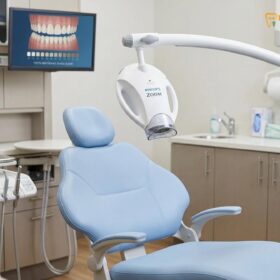
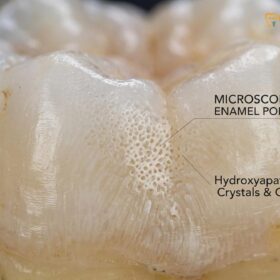
The decision between retail teeth whitening strips and professional clinical bleaching involves evaluating efficacy, safety, and long-term value. Over-the-counter (OTC) strips provide a low-cost entry point for minor extrinsic stain removal but are frequently hindered by poor anatomical adaptation, leading to uneven results and potential soft tissue irritation. In contrast, professional in-office systems, such as Philips Zoom! WhiteSpeed, utilize advanced LED technology combined with high-concentration bleaching agents and proprietary desensitizers like Amorphous Calcium Phosphate (ACP). This clinical approach ensures optimal active ingredient penetration into the dentinal tubules while strictly safeguarding the gingival margins. Furthermore, dentist-prescribed take-home kits with custom-fabricated trays offer a superior alternative to retail strips, providing controlled, uniform whitening that respects the integrity of the enamel rod structure.
Key Takeaways:
- Professional treatments utilize higher peroxide concentrations for deeper stain oxidation compared to retail strips.
- Custom dental trays prevent gel leakage, ensuring uniform coverage and protecting gums from chemical irritation.
- Advanced in-office systems incorporate ACP technology to actively rebuild enamel and minimize transient sensitivity.
- Abrasive DIY methods, including charcoal toothpaste, risk permanent enamel wear rather than true chemical bleaching.
- Whitening must be completed and stabilized before color-matching new dental restorations like veneers or crowns.
The Appeal of DIY Teeth Whitening
DIY whitening appeals to patients seeking low-cost, accessible cosmetic improvements without clinical visits, though results are often limited by low peroxide concentrations and lack of professional oversight.
The pursuit of a brighter smile has driven a massive expansion in the retail cosmetic dental market. Patients are frequently drawn to do-it-yourself (DIY) solutions due to their immediate accessibility in pharmacies and supermarkets, coupled with a lower initial price point compared to clinical treatments. The marketing surrounding these products often promises professional-level results from the comfort of home, making them highly attractive to individuals looking for a quick aesthetic boost before social events or professional engagements.
However, the underlying biochemistry of tooth discoloration dictates the limitations of these accessible products. Tooth stains are generally categorized into two types: extrinsic and intrinsic. Extrinsic stains reside on the outer pellicle layer of the enamel and are typically caused by chromogenic foods, beverages (such as coffee, tea, and red wine), and tobacco use. Intrinsic stains, on the other hand, are embedded deep within the dentin layer, often resulting from aging, trauma, or systemic factors like tetracycline exposure during tooth development. While retail products may address superficial extrinsic discoloration, they lack the chemical potency required to effectively oxidize deep intrinsic stains.
Understanding the diy teeth whitening risks is crucial for patients navigating these options. Without a comprehensive clinical examination prior to bleaching, patients may inadvertently apply whitening agents over undiagnosed dental caries, exposed root surfaces, or defective restorations. This can lead to severe pulpal inflammation, commonly referred to as transient pulpitis. Furthermore, the lack of professional guidance means patients are left to manage their own expectations and potential side effects, often leading to product misuse, overuse, and subsequent damage to both hard and soft oral tissues [1].
How OTC Whitening Strips Work (And Their Limitations)
Over-the-counter strips use low-concentration peroxide on flexible polyethylene films, but poor adaptation often leads to saliva dilution and uneven active ingredient contact across the dental arch.
Over-the-counter (OTC) whitening strips consist of a thin, flexible polyethylene film coated with a low-concentration bleaching gel, typically containing between 6% and 10% hydrogen peroxide. When applied to the facial surfaces of the anterior teeth, the peroxide breaks down into reactive oxygen molecules. These free radicals penetrate the porous enamel structure, cleaving the double bonds of chromophore molecules (the compounds responsible for color), thereby rendering them colorless and lightening the overall appearance of the tooth.
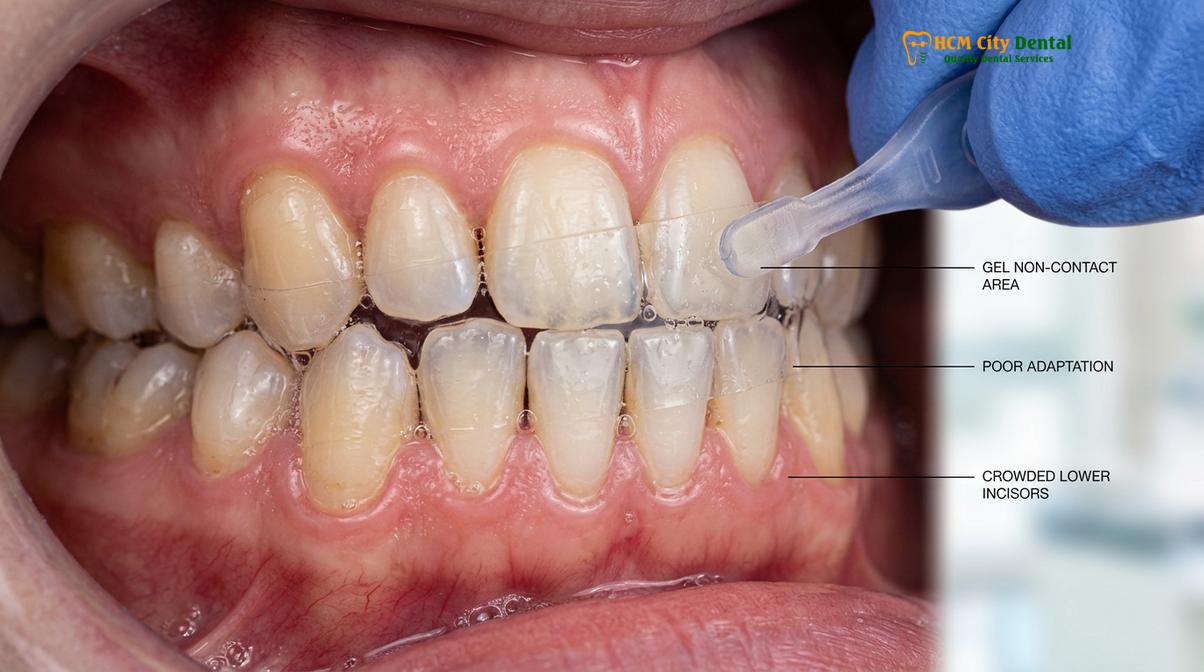
Despite this proven chemical mechanism, the delivery system of OTC strips presents significant clinical limitations. The primary issue lies in the lack of precise anatomical adaptation. Because strips are manufactured in a one-size-fits-all rectangular shape, they cannot conform perfectly to the unique curvature, crowding, or spacing of an individual’s dental arch. This poor fit results in inconsistent active ingredient contact, where the gel may pool on the prominent surfaces of the teeth while entirely missing the interproximal spaces (the areas between the teeth). Consequently, patients often experience a patchy, uneven whitening effect, with the edges of the teeth remaining noticeably darker than the centers.
Another critical limitation is the phenomenon of saliva dilution. Because the strips do not create a sealed environment around the teeth, saliva easily seeps under the polyethylene film during the recommended 30-minute wear time. Saliva contains peroxidase enzymes that rapidly neutralize hydrogen peroxide, significantly reducing the efficacy of the bleaching agent before it can fully penetrate the enamel [2]. This dilution effect forces patients to use multiple boxes of strips over extended periods to achieve even a modest shade improvement.
For patients researching otc whitening strips vs dentist saigon options, the contrast with professional take-home kits is stark. At a clinical setting, dentists provide custom-fabricated bleaching trays created from precise digital or physical impressions of the patient’s mouth. These trays are designed with specific reservoirs to hold the bleaching gel exactly where it is needed, creating a tight seal at the gingival margin. This seal prevents saliva ingress and ensures maximum, sustained contact between the enamel and the active ingredient. Furthermore, professional kits utilize high-quality gels, such as genuine Opalescence (Ultradent, USA), which contain a PF formula (potassium nitrate and sodium fluoride) to actively reduce sensitivity and strengthen enamel during the bleaching process. Recommended concentrations typically range from 10% for overnight wear to 15% for daytime use, offering a tailored approach that retail strips simply cannot match.
The Dangers of Abrasive Charcoal Toothpastes
Charcoal toothpastes remove surface stains through mechanical abrasion rather than chemical oxidation, risking irreversible enamel erosion and dentin exposure with prolonged use.
In recent years, activated charcoal toothpaste has surged in popularity, heavily promoted on social media as a natural and effective way to achieve a whiter smile. However, from a clinical perspective, the mechanism by which charcoal “whitens” teeth is fundamentally different from peroxide-based bleaching, and it carries significant risks to long-term oral health.
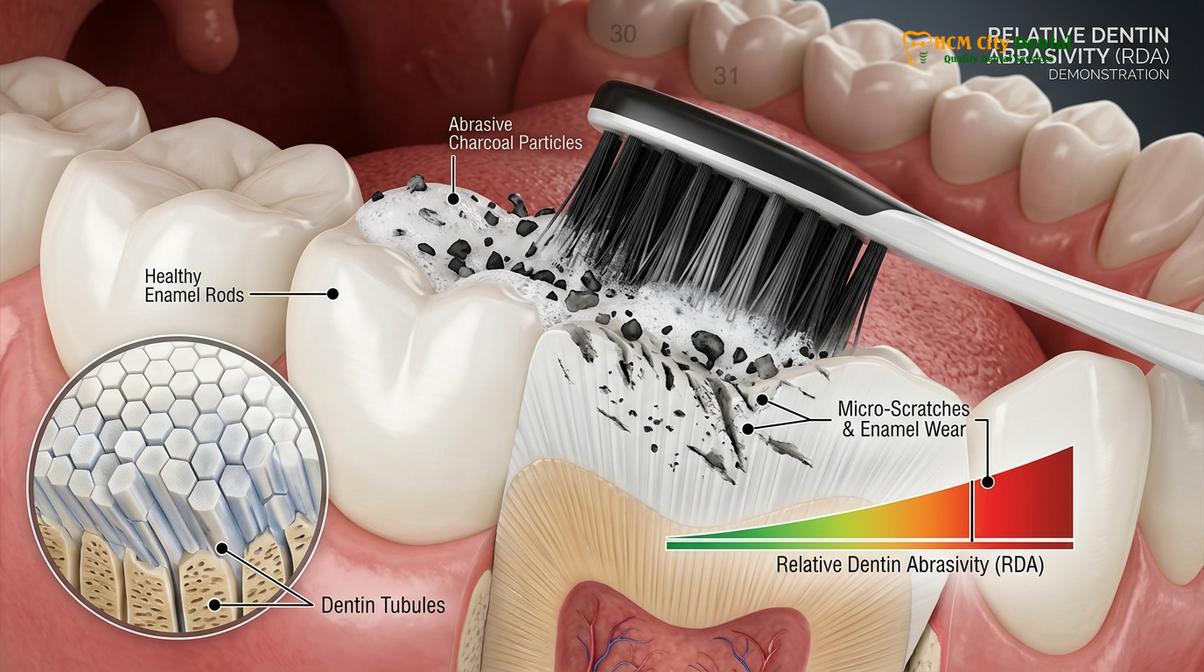
Charcoal does not contain any chemical bleaching agents; it cannot oxidize or change the intrinsic color of the tooth. Instead, it relies entirely on mechanical abrasion to scrub away superficial extrinsic stains from the enamel surface. The safety of any dentifrice is measured by its relative dentin abrasivity RDA value. The American Dental Association (ADA) recommends an RDA limit of 250 to ensure the safety of hard dental tissues. Many unregulated charcoal products far exceed safe abrasivity levels, acting essentially like liquid sandpaper on the teeth.
When patients use highly abrasive charcoal pastes daily, they initiate a process of irreversible enamel erosion. Enamel, the hardest substance in the human body, does not contain living cells and cannot regenerate once it is worn away. As the enamel layer becomes thinner due to constant scratching, the underlying dentin layer begins to show through. Dentin is naturally yellow in color; therefore, aggressive brushing with charcoal can paradoxically make the teeth appear more yellow over time as the white enamel is stripped away. Furthermore, the micro-scratches left on the enamel surface create a rough texture that actually attracts and holds new stains more readily, creating a vicious cycle of discoloration and abrasion.
Clinical Warning: Avoid Kitchen Chemistry
Dental professionals strongly advise against using DIY kitchen remedies such as baking soda mixed with lemon juice or strawberry paste. The combination of highly abrasive particles (baking soda) and severe acids (citric acid) causes rapid, catastrophic demineralization of the enamel. This acid-abrasion synergy leads to permanent structural damage, severe thermal sensitivity, and an increased susceptibility to dental caries.
Discussions regarding charcoal toothpaste enamel safety frequently highlight the risk of dentinal hypersensitivity. As the protective enamel is eroded, the microscopic dentinal tubules are exposed to the oral environment. These tubules contain fluid that communicates directly with the nerve of the tooth. When exposed to hot, cold, sweet, or acidic stimuli, the fluid shifts, triggering a sharp, painful nerve response. For safe, effective stain removal, patients should rely on ADA-approved, low-abrasion whitening toothpastes and professional prophylactic cleanings rather than abrasive fad products.
Why Professional Supervision Matters for Gum Safety
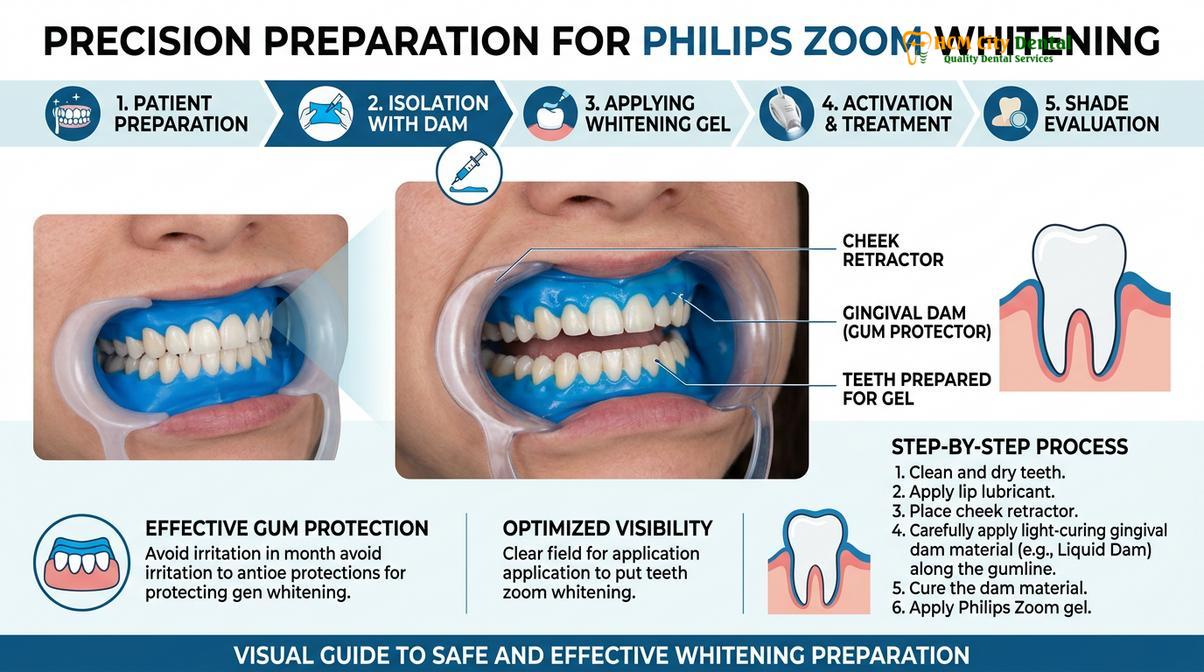
Clinical oversight ensures proper isolation of soft tissues, preventing gum chemical burns that frequently occur with ill-fitting retail whitening strips and unregulated gels.
One of the most critical distinctions between DIY whitening and professional clinical treatment is the management of soft tissue safety. The gingiva (gums) and oral mucosa are highly sensitive to the oxidative effects of hydrogen peroxide and carbamide peroxide. When bleaching agents come into direct contact with these tissues, they cause cellular damage, leading to a condition known as chemical tissue burn.
With retail whitening strips, the lack of customization means the straight edges of the plastic film inevitably overlap the scalloped contours of the gingival margin. As the peroxide gel sits on the gums for 30 minutes or more, patients frequently experience gum chemical burns. Clinically, this presents as tissue blanching (the gums turning stark white), accompanied by a burning sensation, inflammation, and eventual sloughing (peeling) of the superficial epithelial layer [3]. While these burns usually heal within a few days, they cause significant discomfort and can exacerbate underlying periodontal issues.
In stark contrast, dentist supervised bleaching prioritizes absolute isolation of the soft tissues. During an in-office procedure, such as the original Philips Zoom! WhiteSpeed or Beyond Polus Halogen/LED systems (made in USA), the dental team meticulously applies a light-cured resin barrier (liquid dam) along the entire gingival margin. This barrier hardens to create an impermeable seal, ensuring that the high-concentration peroxide gel (often 25% to 40% hydrogen peroxide) only contacts the enamel surface. Retractors are also used to keep the lips and cheeks safely away from the treatment area.
“Patient comfort and tissue safety are our absolute priorities during any cosmetic procedure. By utilizing advanced isolation techniques and proprietary desensitizing agents like ACP, we can achieve dramatic shade improvements while completely protecting the gingival architecture from chemical irritation.”
— Dr. Nguyen Van Cuong, Lead Clinician
Furthermore, professional systems incorporate advanced desensitizer protocols to manage the transient sensitivity that can occur within the tooth itself. For example, the Philips Zoom! gel is activated by a specific wavelength of blue LED light and contains Amorphous Calcium Phosphate (ACP). As the peroxide oxidizes stains, the ACP actively fills the open dentinal tubules in real-time, rebuilding the enamel surface, significantly reducing post-operative sensitivity, and adding a high-gloss luster to the final result [4].
Post-treatment care is also strictly guided by the clinician. Following a professional whitening session, the protective protein layer on the teeth (the acquired pellicle) is temporarily removed, leaving the enamel highly susceptible to absorbing new pigments. Dentists mandate a strict “White Diet” during the crucial 48-hour recovery window while the pellicle is reforming. Patients must strictly avoid staining pigments (chromogens and tannins found in coffee, red wine, tea, soy sauce, and dark berries). If drinking colored beverages is absolutely necessary, using a straw is highly recommended to bypass the anterior teeth.
Uneven Whitening: The Problem with Malaligned Teeth
Retail strips cannot adapt to crowded or rotated teeth, leaving interproximal areas unbleached and creating a patchy, uneven cosmetic appearance that requires professional correction.
The architectural alignment of a patient’s dentition plays a massive role in the success of any whitening treatment. Very few individuals possess perfectly straight, flat anterior teeth. Most patients have some degree of malocclusion, such as crowding, rotation, or overlapping incisors. This anatomical reality presents a severe challenge for rigid, two-dimensional retail whitening strips.
When a whitening strip is applied to crowded teeth, it tends to bridge across the most prominent surfaces, leaving distinct gaps over the recessed teeth and the interproximal areas. Because the bleaching gel only works where it makes direct, sustained contact with the enamel, these bridged areas remain entirely unbleached. The cosmetic result is often highly unsatisfactory: the center of the teeth may appear bright white, while the edges and the spaces between the teeth remain dark yellow or brown, creating a striped or mottled appearance that draws negative attention to the misalignment.
Professional whitening overcomes this anatomical hurdle through the use of fluid gels and custom-fitted delivery systems. In-office treatments utilize a viscous gel that the dentist carefully paints onto every exposed surface of the tooth, ensuring complete and uniform coverage regardless of rotation or crowding. Similarly, professional take-home trays are vacuum-formed over an exact replica of the patient’s teeth, allowing the Opalescence gel to flow evenly into every nook and cranny, ensuring a uniform shade transition across the entire dental arch.
Clinical Case Review: Cosmetic Sequencing
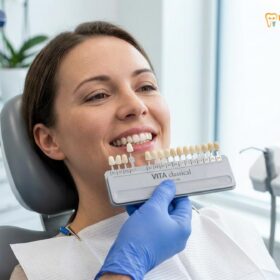
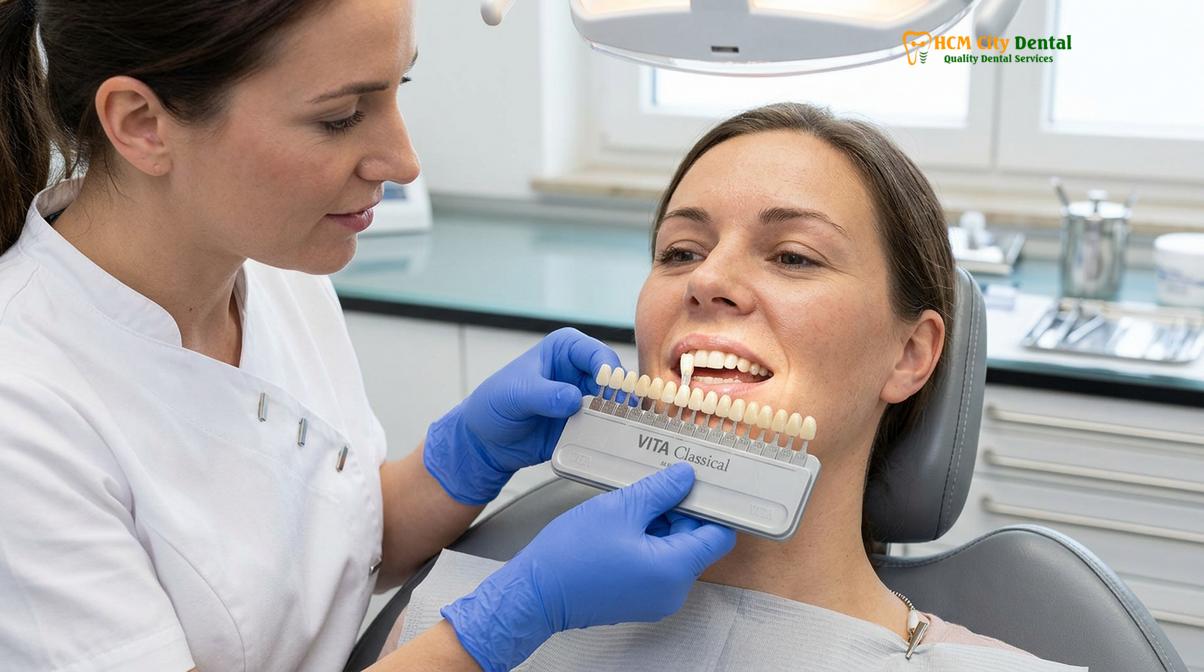
A patient visited HCMC Dental Clinic in Ho Chi Minh City seeking to improve her smile before receiving porcelain veneers on her upper incisors. She had previously attempted to use retail strips, which resulted in uneven, patchy whitening due to mild crowding. Dr. Nguyen Van Cuong explained the critical rule of cosmetic sequencing: whitening must always be completed before getting restorations (veneers, crowns, or composite bonding). Bleaching agents only affect natural tooth structure; they cannot change the color of ceramic or resin materials. The patient underwent a professional Zoom whitening session to achieve a uniform, bright baseline shade. Following a mandatory 2-week stabilization period to allow the oxygen to dissipate from the enamel and the shade to settle, the clinical team successfully color-matched her new, highly aesthetic porcelain veneers to her newly brightened natural teeth [5].
Cost Analysis: Active Ingredient Density Per Dollar
While strips appear cheaper initially, professional treatments offer superior hydrogen peroxide density and faster, longer-lasting results, providing better long-term value and safety.
When evaluating cosmetic dental options, patients frequently base their decisions on the initial retail price. A box of OTC whitening strips may seem like a highly economical choice compared to a clinical procedure. However, a true cost analysis must consider the hydrogen peroxide density, the speed of results, the longevity of the outcome, and the potential costs associated with managing side effects or correcting uneven results.
Retail strips utilize low concentrations of peroxide, meaning the oxidative power per application is minimal. To achieve a noticeable change, patients must purchase and apply multiple boxes over several months. This continuous, low-grade exposure increases the risk of chronic sensitivity and enamel dehydration without ever achieving the deep, intrinsic stain removal possible in a clinical setting. Furthermore, the carbamide peroxide breakdown process in some OTC gels is less efficient than the stabilized hydrogen peroxide used in professional systems.
Professional treatments, while requiring a higher initial investment, deliver a massive dose of active ingredient in a highly controlled, safe environment. A single 45-minute in-office session can achieve results that would take months of daily strip application, if achievable at all. Additionally, professional take-home kits provide custom trays that last for years; patients only need to purchase inexpensive gel refills for future touch-ups, making the long-term maintenance highly cost-effective.
For patients seeking comprehensive cosmetic bleaching options, understanding the pricing parameters and available technologies is essential. According to the latest clinic fee schedule, combining in-office technology with take-home maintenance yields the most stable, long-lasting results.
| Whitening Treatment Option | Standard Walk-in Price (VND) | WhatsApp Pre-Arrival Booking (-40%) | Clinical Description |
|---|---|---|---|
| In-office Zoom Whitening | 4,666,667 VND (~$180) | 2,800,000 VND ($108) | Philips Zoom! WhiteSpeed LED technology with ACP desensitizer. Fast, dramatic results in one visit. |
| Take-home Whitening Kit | 2,500,000 VND (~$96) | 1,500,000 VND ($58) | Custom-fabricated trays with genuine Opalescence (10% or 15% PF formula) for controlled home use. |
| Perfect Smile Combo | 7,166,667 VND (~$276) | 4,300,000 VND ($166) | In-office Zoom session PLUS custom take-home kit for maximum brightness and long-term maintenance. |
| Bright Smile Combo | 5,333,333 VND (~$206) | 3,200,000 VND ($123) | Professional scaling/polishing (cleaning) followed by an in-office Zoom whitening session. |
“Investing in professional teeth whitening is not just about aesthetics; it is about predictability and safety. The precise control over peroxide density and the protection of oral tissues provide a level of clinical excellence and peace of mind that retail products simply cannot offer.”
— Clinical Team, HCMC Dental Clinic
Patients utilizing the WhatsApp booking system benefit from a significant 40% pre-arrival discount, making world-class cosmetic dentistry highly accessible. Furthermore, professional treatments come with complete peace of mind, including a global warranty and remote WhatsApp checkup support to monitor post-treatment progress and address any transient sensitivity.
When to See a Doctor (Important Clinical Considerations)
A professional dental examination is mandatory before any whitening procedure to rule out active decay, severe recession, or intrinsic stains that require alternative cosmetic restorations.
Not everyone is an ideal candidate for chemical teeth whitening, and attempting to bleach teeth without a prior clinical assessment can lead to severe complications. It is imperative to consult a dental professional before initiating any whitening regimen, whether at-home or in-office. A comprehensive examination will determine the etiology (cause) of the discoloration and ensure the teeth and gums are healthy enough to withstand the oxidative process.
Patients must see a dentist if they experience sharp, lingering pain when consuming hot or cold foods, as this may indicate exposed dentin, deep caries, or a compromised pulp. Applying bleaching agents to teeth with active decay or defective fillings will force the peroxide directly into the inner nerve chamber, causing excruciating pain and potentially necessitating root canal therapy. Additionally, patients with severe gingival recession, where the yellowish root surfaces are exposed, should be aware that cementum (the layer covering the root) does not bleach effectively and is highly sensitive to peroxide.
Furthermore, individuals with severe intrinsic staining, such as dark gray tetracycline banding or advanced fluorosis, may not achieve satisfactory results with bleaching alone. In these complex cases, Dr. Cuong and the team at HCMC Dental Clinic may recommend alternative cosmetic solutions, such as porcelain veneers or ceramic crowns, to achieve the desired aesthetic outcome safely and predictably. Pregnant or nursing women are also advised to postpone elective teeth whitening procedures as a standard clinical precaution.
Frequently Asked Questions
Do whitening strips actually work?
Yes, whitening strips can lighten teeth by a few shades, but their effectiveness is limited by low peroxide concentrations and poor adaptation to tooth contours. They are best suited for minor, superficial extrinsic stains rather than deep intrinsic discoloration. For significant shade changes, professional clinical bleaching is required to penetrate the dentin safely and uniformly.
Is charcoal toothpaste safe for daily use?
No, charcoal toothpaste is generally not recommended for daily use due to its highly abrasive nature which can permanently damage tooth structure. It removes surface stains through mechanical scratching rather than chemical bleaching, which can lead to irreversible enamel wear, dentin exposure, and increased thermal sensitivity over time.
Why does DIY whitening make my gums burn?
DIY whitening often causes gum burns because the one-size-fits-all strips or trays overlap the gingival tissue, allowing the acidic bleaching agent to contact soft tissues. This chemical irritation leads to tissue blanching (turning white), inflammation, and sloughing. Professional treatments utilize custom barriers to isolate and protect the gums completely.
Can a dentist fix uneven white spots from strips?
Yes, a dentist can correct uneven whitening caused by poorly fitting strips through professional color-correction techniques. This may involve targeted in-office bleaching to unify the shade, microabrasion, or the application of remineralizing agents like amorphous calcium phosphate to stabilize the enamel and blend the overall cosmetic appearance.
How long does professional teeth whitening last?
Professional teeth whitening results typically last between one to three years, depending heavily on the patient’s dietary habits and oral hygiene routine. Consuming highly pigmented foods, smoking, or neglecting regular dental cleanings will accelerate secondary staining. Periodic touch-ups using custom take-home trays can significantly extend the longevity of the results.
References
- Journal of the American Dental Association. Efficacy and safety of over-the-counter whitening strips vs professional bleaching. (2021).
- Operative Dentistry. The effects of saliva dilution on hydrogen peroxide concentration during at-home bleaching. (2020).
- Journal of Clinical Periodontology. Gingival irritation and chemical burns associated with retail whitening products. (2019).
- Journal of Esthetic and Restorative Dentistry. Amorphous Calcium Phosphate (ACP) in reducing transient pulpitis post-bleaching. (2022).
- International Journal of Prosthodontics. Cosmetic sequencing: Bleaching protocols prior to ceramic restorations. (2018).