Is teeth whitening safe for enamel? Yes, when performed under professional dental supervision using approved peroxide-based gels, teeth whitening is considered highly safe for your enamel. Professional treatments oxidize organic stains within the tooth structure without eroding or stripping away the protective mineralized layer.
Clinical Summary:
Professional teeth whitening utilizes carefully calibrated concentrations of hydrogen or carbamide peroxide to safely break down chromogenic stains via chemical oxidation. Clinical evidence confirms that when administered correctly, these bleaching agents do not compromise enamel micro-hardness or cause structural degradation. Modern in-office systems incorporate Amorphous Calcium Phosphate (ACP) to actively remineralize the teeth and minimize transient sensitivity. Conversely, unregulated over-the-counter products and highly acidic DIY remedies pose significant risks of irreversible enamel erosion and soft tissue damage. A comprehensive clinical evaluation prior to bleaching ensures optimal safety, allowing dentists to customize the chemical concentration and exposure time to match the patient’s unique dental anatomy, existing restorations, and individual sensitivity threshold.
Key Takeaways:
- Professional bleaching agents oxidize stains without removing or weakening natural tooth structure.
- Modern whitening gels are pH-balanced to ensure demineralization prevention during the treatment process.
- Transient sensitivity is normal, but permanent nerve damage is prevented through customized protocols and ACP desensitizers.
- DIY methods involving lemon juice or baking soda cause irreversible abrasive and erosive damage to the enamel.
- A clinical examination is mandatory to rule out cavities and exposed roots before applying any whitening agents.
Addressing Safety Concerns in Dental Cosmetics
Professional whitening safety standard protocols ensure that cosmetic bleaching enhances your smile without compromising structural integrity. By strictly adhering to established clinical guidelines, dentists mitigate risks and protect long-term oral health.
The pursuit of a brighter, more radiant smile has made tooth bleaching one of the most requested cosmetic dental procedures globally. However, as aesthetic dentistry grows in popularity, so do patient concerns regarding the long-term biological impact of these treatments. A frequent inquiry during initial consultations is whether the chemical agents used to lift stains will permanently degrade the tooth’s outer protective layer. Understanding the distinction between safe, clinically monitored oxidation and harmful, abrasive surface wear is the foundation of cosmetic dental education.
When patients research professional teeth whitening, they are often confronted with conflicting information online. Some sources claim that bleaching is entirely harmless, while others warn of severe enamel loss. The clinical reality lies in the methodology. Established dental safety guidelines strictly outline the acceptable concentrations of peroxide and the necessary protective measures required to ensure patient safety[1]. When these guidelines are followed, the procedure is highly predictable and biologically conservative.
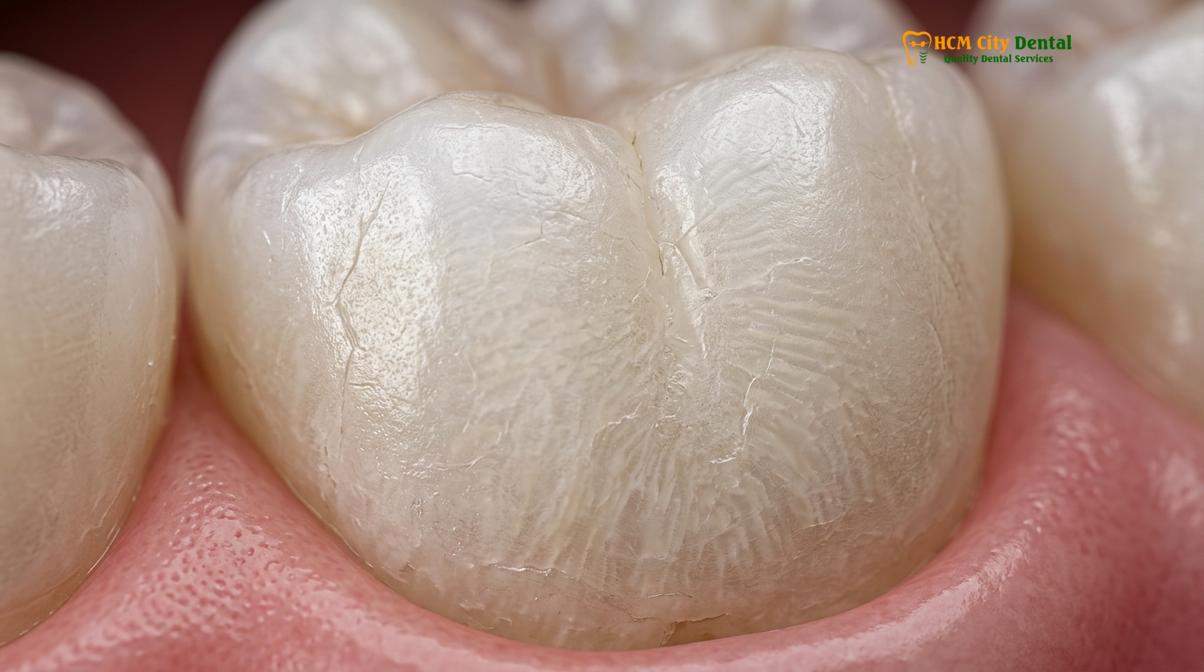
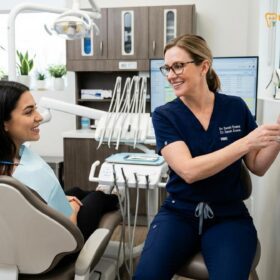
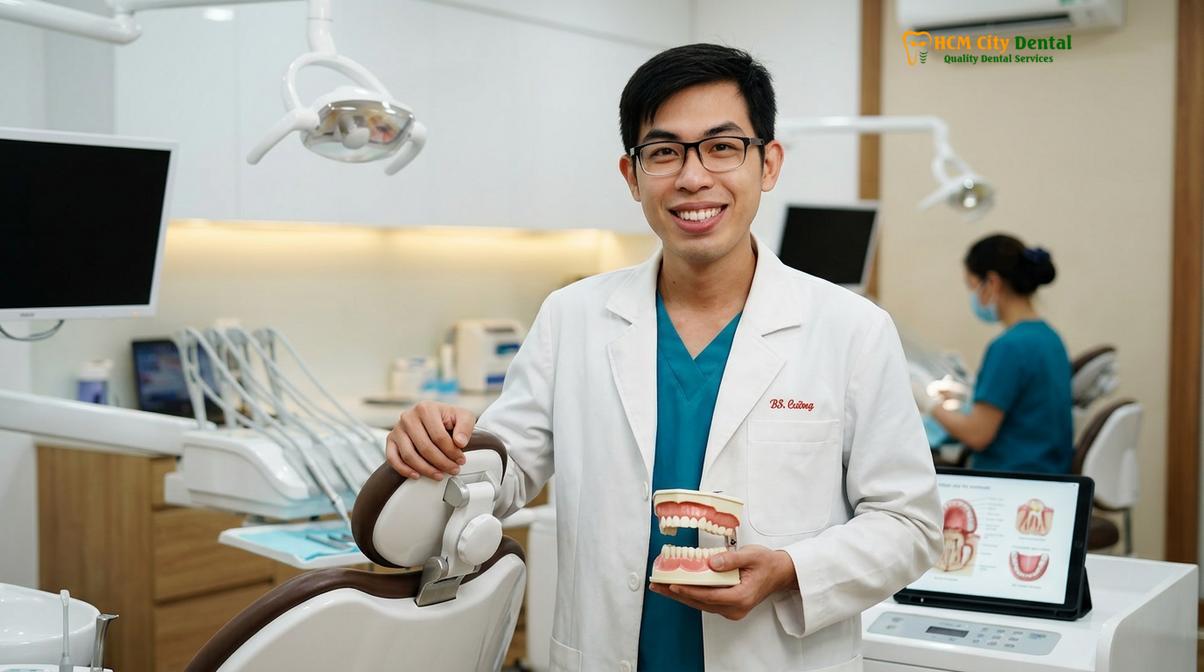
Dr. Nguyen Van Cuong, a leading cosmetic specialist at HCMC Dental Clinic, emphasizes that safety begins with a thorough diagnostic examination. He routinely customizes bleaching protocols to match each patient’s unique enamel density and sensitivity threshold, ensuring optimal outcomes. Before any whitening agent is applied, the clinical team must evaluate the patient for untreated dental caries, micro-cracks, exposed root surfaces, and defective restorations. Applying bleaching gel to a compromised tooth can allow the peroxide to penetrate directly into the inner pulp chamber, causing severe pain and potential nerve inflammation.
Furthermore, it is essential to distinguish between the types of tooth discoloration. Extrinsic stains, caused by dietary chromogens like coffee, tea, red wine, and tobacco, accumulate on the acquired pellicle and the superficial enamel layer. Intrinsic stains, which occur within the dentin due to factors like tetracycline exposure during tooth development, excessive fluoride ingestion, or dental trauma, require different clinical approaches. Professional bleaching systems are highly effective at neutralizing both types of stains safely.
Myth 1: ‘Whitening Strips Away Your Tooth Enamel’
Whitening gels do not physically strip or shave away enamel; instead, they utilize a chemical oxidation process that passes through the enamel rods to neutralize pigmented molecules.
One of the most pervasive misconceptions in cosmetic dentistry is the belief that bleaching agents physically remove layers of the tooth to reveal a whiter surface underneath. This myth likely stems from a misunderstanding of how chemical whiteners operate compared to mechanical abrasives. To clarify this, we must examine the microscopic anatomy of the tooth and the specific biochemical reactions that occur during professional bleaching.
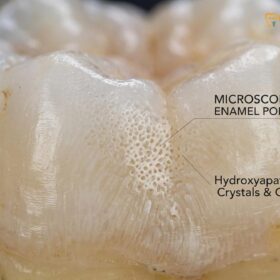
Human tooth enamel is the hardest substance in the human body, composed of 96% inorganic minerals, primarily tightly packed hydroxyapatite crystals arranged in microscopic structures known as enamel rods. Between these rods lies an organic matrix and water. When a professional whitening gel is applied to the tooth, it does not dissolve the hydroxyapatite crystals. Instead, the peroxide breaks down into highly reactive oxygen free radicals, specifically perhydroxyl radicals. These tiny molecules are small enough to pass through the microscopic pores between the enamel rods[2].
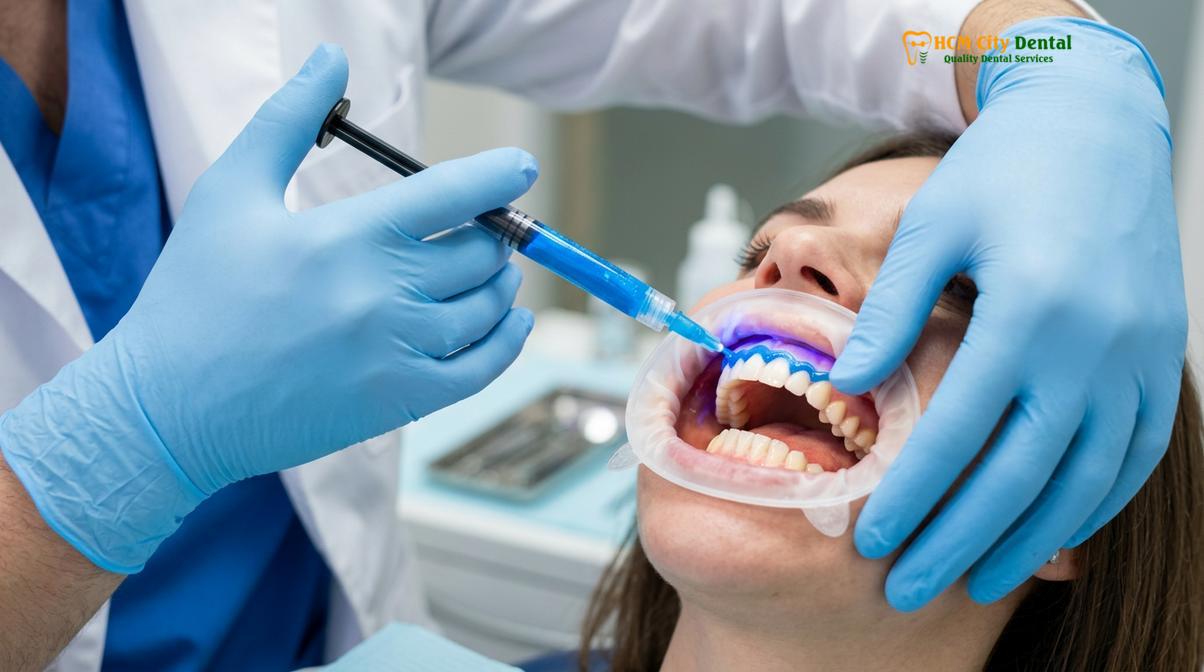
“The oxidation of chromogens within the dentinal tubules alters the optical properties of the tooth without dissolving the inorganic hydroxyapatite matrix, preserving the structural integrity of the enamel.”
Extensive laboratory and clinical studies have evaluated enamel micro-hardness following professional bleaching protocols. The consensus among dental researchers is that when pH-balanced, professionally formulated gels are used according to manufacturer instructions, there is no clinically significant reduction in the hardness or density of the enamel. Modern formulations are specifically designed with demineralization prevention in mind, ensuring that the structural integrity of the tooth remains completely intact.
Myth 2: ‘Whitening Causes Permanent Tooth Sensitivity’
While temporary sensitivity is a common side effect due to fluid dynamics within dentin tubules, professional whitening does not cause permanent nerve damage or chronic pain.
Tooth sensitivity is the most frequently reported side effect of teeth whitening, leading many patients to fear that the procedure causes irreversible nerve damage. To address this concern, it is crucial to understand the physiological mechanism of tooth sensitivity, known clinically as the hydrodynamic theory of pain.
Beneath the dense enamel lies the dentin, a softer, porous layer containing thousands of microscopic channels called dentinal tubules. These tubules radiate outward from the central pulp chamber, which houses the tooth’s nerves and blood vessels. During the bleaching process, as the peroxide molecules penetrate the enamel and enter the dentin to oxidize stains, they can cause a temporary shift in the fluid within these tubules. This fluid movement stimulates the mechanoreceptors on the nerve endings within the pulp, resulting in a sharp, transient pain.
This phenomenon is known as reversible pulpitis. It is a temporary inflammatory response, not an indication of permanent structural damage or compromised dental pulp health. Once the bleaching treatment is concluded and the oxygen molecules dissipate from the tooth structure, the fluid dynamics stabilize, and the sensitivity subsides—typically within 24 to 48 hours[3].
To proactively manage and minimize this discomfort, modern professional whitening systems incorporate advanced desensitizing agents directly into their chemical formulations. The integration of Amorphous Calcium Phosphate (ACP) actively precipitates into the dentinal tubules, physically plugging the microscopic pores and preventing the fluid movement that triggers pain signals.
The Chemistry of Enamel Protection: Non-Acidic Formulations
Dental professionals utilize a pH-neutral whitening gel to ensure the bleaching process remains safe, preventing the acidic breakdown of calcium and phosphate minerals.
The safety of a teeth whitening procedure is heavily dependent on the chemical composition and pH level of the bleaching agent. The oral cavity naturally maintains a neutral pH of around 6.8 to 7.2. When the pH drops below the critical threshold of 5.5, the hydroxyapatite crystals in the enamel begin to dissolve, a process known as demineralization. Therefore, utilizing a pH-neutral whitening gel is paramount to preserving the structural integrity of the tooth during cosmetic treatments.
Professional dental clinics employ two primary active ingredients for tooth bleaching: hydrogen peroxide and carbamide peroxide. While both achieve the same ultimate goal of oxidation, their chemical behaviors and clinical applications differ significantly.
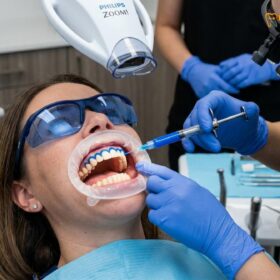
Hydrogen peroxide is a highly reactive, fast-acting agent typically used for in-office procedures. Because it breaks down rapidly into water and oxygen free radicals, it provides immediate, dramatic results. The specific wavelength of blue LED light acts as a catalyst, photothermally accelerating the breakdown of the hydrogen peroxide gel. This allows for a lower concentration of peroxide to achieve maximum results in a shorter timeframe, reducing the overall chemical exposure to the enamel[4].
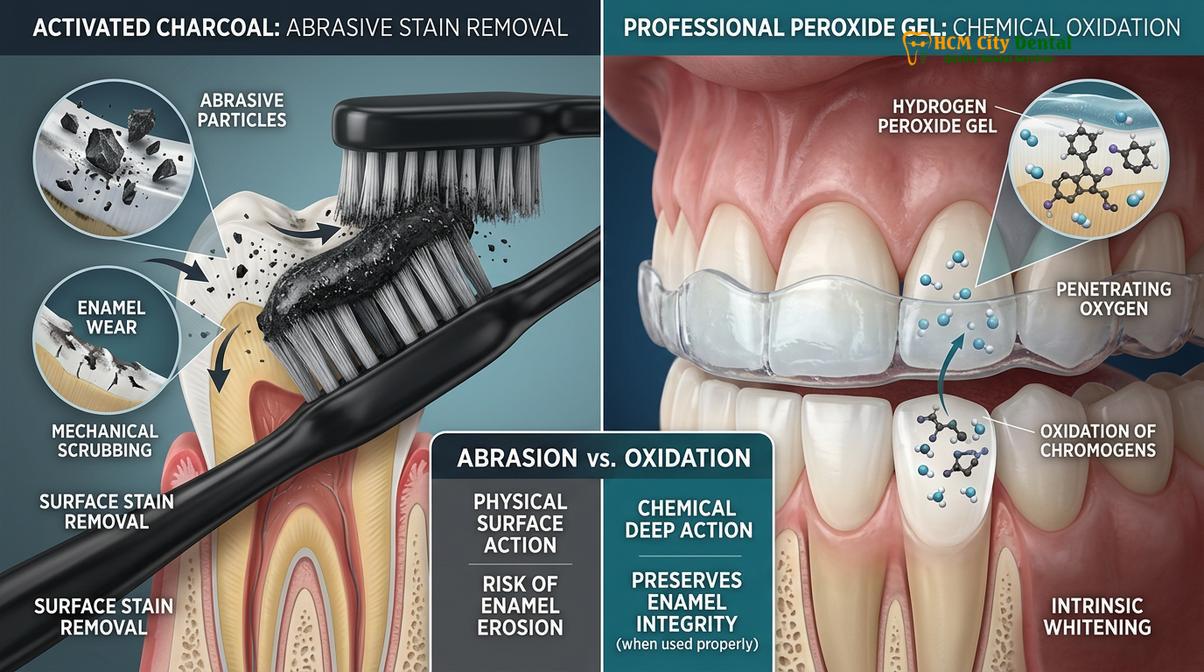
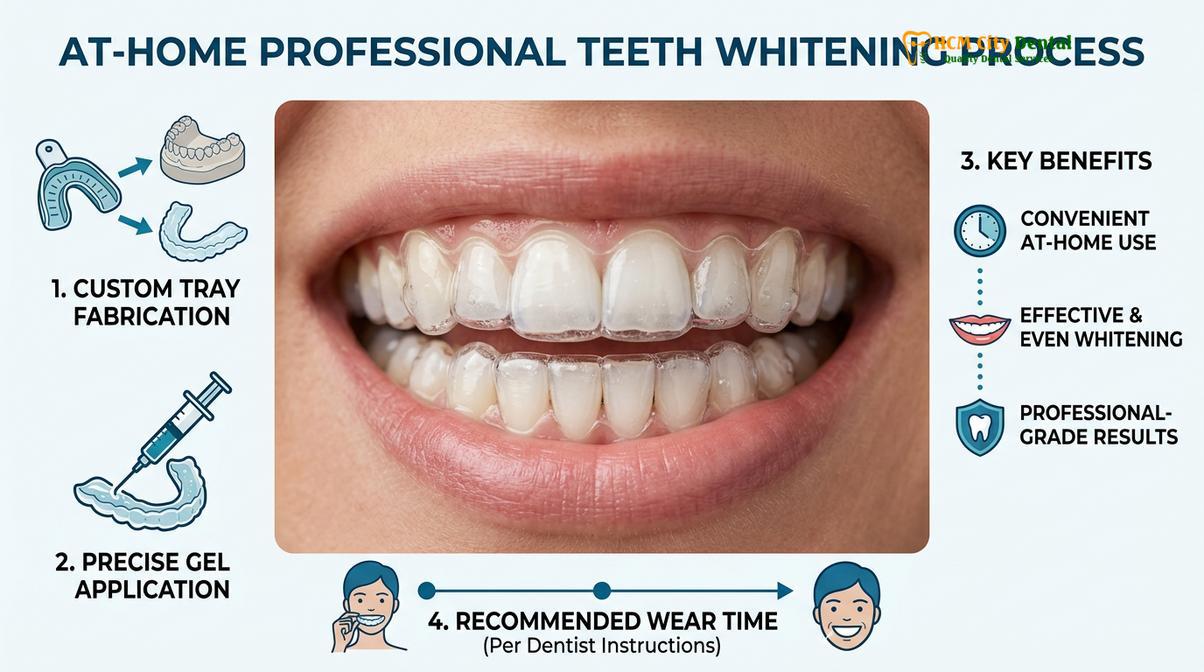
Carbamide peroxide, conversely, is a more stable compound composed of hydrogen peroxide compounded with urea. When applied to the teeth, it slowly breaks down, releasing hydrogen peroxide over a period of several hours. This sustained release makes it the ideal formulation for take-home whitening kits. The urea also acts as a buffer, elevating the pH of the oral environment and further protecting the enamel from acid erosion.
| Feature | In-Office Whitening | Custom Take-Home Trays |
|---|---|---|
| Active Agent | Hydrogen Peroxide (typically 25% – 35%) | Carbamide Peroxide (10% – 15% PF formula) |
| Mechanism | Rapid oxidation, accelerated by LED light | Sustained, slow-release oxidation |
| Treatment Time | Single session (approx. 45-60 minutes) | Daily wear (2-8 hours) for 10-14 days |
| Enamel Protection | ACP (Amorphous Calcium Phosphate) integration | Potassium Nitrate & Sodium Fluoride (PF) |
| Ideal Candidate | Patients seeking immediate, dramatic results | Patients with high sensitivity or maintaining results |
Why DIY Kitchen Remedies (Baking Soda & Lemon) Are Dangerous
Unregulated home remedies rely on harsh acids and coarse abrasives that permanently scratch and dissolve tooth enamel, leading to irreversible structural damage.
In an era of viral social media trends, many individuals attempt to whiten their teeth using inexpensive, do-it-yourself (DIY) remedies found in their kitchens. The most common of these involves creating a paste from baking soda (sodium bicarbonate) and lemon juice or mashed strawberries. While these mixtures may temporarily remove superficial surface stains, they are fundamentally destructive to the dental anatomy and pose severe long-term risks.
Clinical Warning: Never use lemon juice or acidic fruit extracts to whiten teeth. The high acidity rapidly decalcifies the enamel, leading to permanent structural loss and severe hypersensitivity.
The danger of these DIY methods lies in the combination of mechanical abrasion and chemical erosion. Baking soda abrasiveness is a significant clinical concern. While mild abrasives are used in commercial toothpaste to polish teeth, raw baking soda particles are coarse and jagged. When scrubbed aggressively against the teeth, especially with a hard-bristled brush, these particles create microscopic scratches in the enamel. Over time, this mechanical wear physically thins the enamel layer, making the teeth more susceptible to future staining and structural degradation[5].
“Applying highly acidic fruit juices combined with coarse abrasives creates a perfect storm for irreversible enamel decalcification, leading to chronic hypersensitivity and structural loss.”
The addition of lemon juice exacerbates this damage exponentially. Lemon juice is highly acidic, containing high levels of citric acid with a pH of approximately 2.0. When applied to the teeth, this acid immediately begins to chelate calcium from the hydroxyapatite crystals, softening and dissolving the enamel. Brushing the teeth while the enamel is in this acid-softened state accelerates the physical wear, leading to rapid and irreversible enamel loss.
When to Consult a Dentist: Important Clinical Considerations
Recognizing the signs of enamel distress and understanding when to seek professional intervention is critical for maintaining a healthy, pain-free smile.
While professional whitening is generally safe, there are specific clinical scenarios where bleaching should be delayed or avoided entirely. If you experience sharp, prolonged pain, bleeding gums, or notice translucent edges on your teeth, it is crucial to seek professional dental care immediately. These symptoms often indicate underlying issues such as severe enamel erosion, active periodontal disease, or deep carious lesions.
A comprehensive clinical evaluation is necessary before any bleaching procedure to rule out active decay, exposed roots, or defective restorations that could allow peroxide to penetrate the pulp chamber. This diagnostic step is aligned with the safety recommendations of the Vietnam Odonto-Stomatology Association (VOSA)[6], which stresses the importance of professional oversight in all cosmetic dental procedures to prevent irreversible pulpal damage.
Our Clinical Safety Protocols at HCMC Dental
At HCMC Dental Clinic, patient safety and enamel preservation are the cornerstones of our cosmetic dentistry practice.
To ensure the highest standard of care, our clinical team strictly adheres to international safety guidelines and local health regulations. Every whitening procedure begins with a detailed oral examination to assess enamel thickness and identify any contraindications. We utilize advanced gingival barriers to protect soft tissues from chemical burns and employ pH-neutral bleaching agents infused with desensitizing compounds.
Clinical Case Study: Safe Cosmetic Enhancement
A recent patient visiting HCMC Dental Clinic in Ho Chi Minh City presented with severe extrinsic staining from years of coffee consumption and tobacco use. Concerned about enamel damage due to previous experiences with harsh over-the-counter strips, she sought a professional consultation. Dr. Cuong conducted a comprehensive examination, confirming her enamel was intact but identifying mild gingival recession on her lower premolars. By applying a protective light-cured gingival barrier over the exposed root surfaces and utilizing a pH-balanced, low-concentration hydrogen peroxide gel integrated with ACP desensitizers, the clinical team safely lifted her tooth shade by several levels. The patient experienced zero post-operative sensitivity, demonstrating the efficacy and safety of clinically supervised whitening protocols tailored to individual anatomical needs.
References
- American Dental Association. Clinical guidelines for professional teeth whitening.
- Journal of Clinical Periodontology. Tooth bleaching safety and enamel micro-hardness.
- Journal of Esthetic and Restorative Dentistry. Carbamide vs Hydrogen Peroxide sensitivity.
- Journal of Dentistry. Amorphous calcium phosphate re-mineralization.
- Operative Dentistry. Staining susceptibility of bleached enamel.
- Vietnam Odonto-Stomatology Association (VOSA). Guidelines on cosmetic dental bleaching safety.
Ready to achieve a brighter smile safely? Contact HCMC Dental Clinic in Ho Chi Minh City today to schedule your consultation. Explore our professional teeth whitening options and discover how we can enhance your smile while protecting your enamel.