Stop Root Canal Pain: Urgent Relief Methods [Guide] | Dr. Cuong

Struggling with root canal pain? As a specialist, Dr. Cuong explains what's normal, what's not, and how to find relief. Discover the truth about...
Navigating the experience of root canal pain can be a source of significant anxiety for many patients. The term itself often conjures images of discomfort, largely fueled by widespread myths and outdated perceptions of the procedure. In clinical practice, it is common to encounter patients who are apprehensive about pain, both during and after root canal treatment.
This comprehensive guide aims to demystify the realities of root canal therapy. Our objective is to provide clear, medically accurate insights into the nature of root canal-related discomfort. We will meticulously examine the various causes of pain, differentiate between expected sensations and warning signs, and outline effective strategies for managing your recovery. Empowering you with precise knowledge will enable you to approach your treatment with confidence and achieve a smooth, comfortable healing process.
Understanding Root Canal Pain: Why Does It Happen?
To effectively manage root canal pain, it’s essential to understand its source. The pain associated with a root canal isn’t uniform; it changes depending on whether it occurs before, during, or after the procedure. Based on my clinical observations, clearly distinguishing these phases helps patients set realistic expectations and reduce anxiety.
Before the Procedure: The Pain of an Infected Pulp
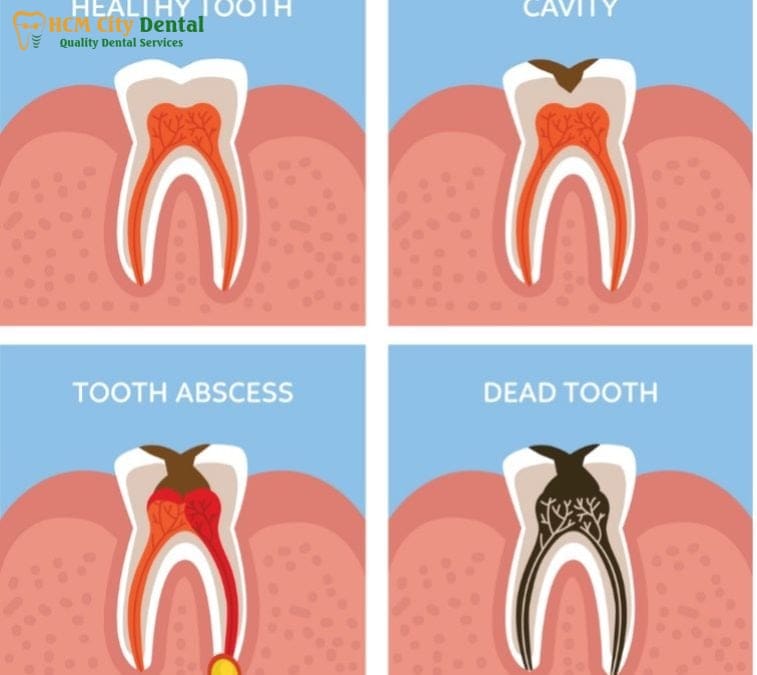
The intense, often throbbing pain that leads you to seek a root canal is not from the treatment itself, but from the underlying problem: an infected or inflamed dental pulp. The pulp is the living tissue inside your tooth, containing nerves and blood vessels. When deep decay, a crack, or trauma allows bacteria to invade this sterile space, the following occurs:
- Inflammation and Pressure: The infection causes inflammation. Unlike skin, which can swell outwards, the pulp is encased in hard enamel and dentin. This confinement leads to a significant build-up of pressure on the nerve endings, causing severe and persistent pain.
- Nerve Hypersensitivity: The inflamed nerves become highly sensitive to stimuli like hot or cold temperatures and chewing pressure. This is why a simple sip of coffee or a bite of food can trigger a sharp, lingering ache.
- Abscess Formation: If left untreated, the infection can spread beyond the tooth’s root tip, forming a pocket of pus called an abscess. This can cause localized swelling in the gums and a constant, dull, throbbing pain.
During the Procedure: Debunking the Myths of Root Canal Procedure Pain
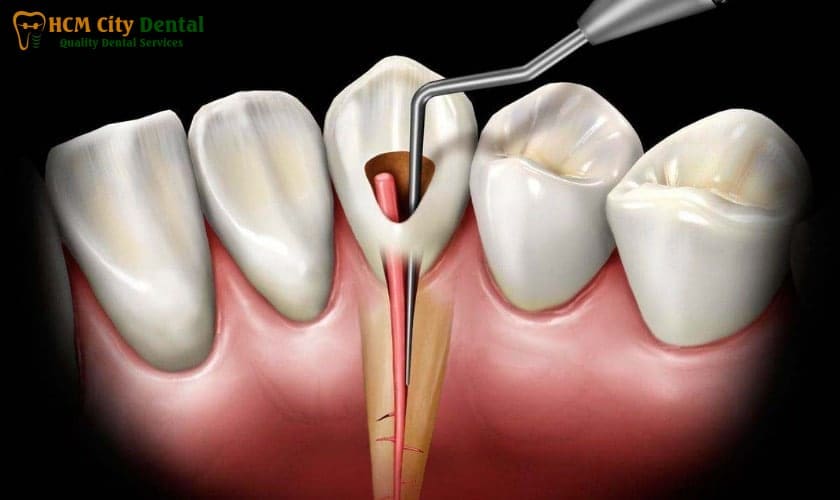
Let me be very clear: with modern techniques and anesthesia, the goal is for the root canal procedure itself to be virtually painless. The widespread fear of root canal procedure pain is largely based on outdated practices from decades ago. Today, the experience is typically no more uncomfortable than getting a standard filling. We ensure your comfort by using a local anesthetic to completely numb the tooth and surrounding tissues. You might feel some pressure as we work, but you should not feel pain. The relief patients feel after we remove the source of the infection is almost always immediate and profound.
In my experience treating thousands of patients, the most significant pain they feel is the toothache before they come to the clinic. The root canal treatment is the solution that ends that pain. My primary focus during the procedure is ensuring the patient is completely comfortable and feels no pain.
After the Procedure: The Sources of Post-Treatment Discomfort
It is normal to experience some mild to moderate discomfort after the anesthetic wears off. This is not a sign of failure but a natural part of the body’s healing process. The primary reasons for pain after root canal treatment include:
- Inflammation of Surrounding Tissues: The ligaments and tissues holding your tooth in place can become inflamed from the pre-existing infection and the procedure itself. Even though the nerve inside the tooth is gone, these surrounding tissues have their own nerve endings that can register soreness.
- Instrumentation Sensitivity: The process involves cleaning the canals with specialized instruments. This can cause minor irritation to the sensitive tissue just beyond the root tip, which needs a few days to calm down.
- High Temporary Filling: The temporary filling placed after the root canal might be slightly too high, causing your bite to be off. This can make the tooth sore when you bite down. This is a simple issue to fix during a follow-up visit.
Understanding these causes is the first step. Now, let’s discuss what you should expect during the healing phase and how to manage it effectively.

root canal pain
Pain After Root Canal Treatment: What’s Normal and What’s Not?
A common question I get from patients is, “How long will a root canal hurt?” Knowing the difference between normal healing and a potential complication is crucial for your peace of mind and health. Most discomfort should be manageable and temporary.
A Timeline of Normal Healing: How Long Will a Root Canal Hurt?
While every patient’s healing journey is unique, clinical experience provides a general timeline for what to expect. Mild to moderate pain and sensitivity are normal for a few days following the procedure and should gradually improve each day.
| Timeframe | Expected Sensations | Recommended Actions |
|---|---|---|
| First 24-72 Hours | The most noticeable discomfort. A dull ache or tenderness, especially when biting. Mild swelling of the gums is possible. This is the peak of the inflammatory response. | Take over-the-counter pain relievers like ibuprofen as directed. Apply a cold compress to the cheek for 15-20 minutes at a time. Avoid chewing on the treated tooth. |
| Day 4 to Day 7 | Pain should significantly decrease. The area might still feel a bit “different” or be a sore root canal tooth when touched, but sharp pain should be gone. | Continue with gentle oral hygiene. You can start reintroducing softer foods, but still avoid the treated tooth. Most patients no longer need regular pain medication by this point. |
| Week 2 and Beyond | The tooth should feel largely normal. Minor sensitivity might linger but should not interfere with daily life. The tooth is ready for its permanent restoration (crown). | Keep your follow-up appointment to have the permanent crown placed. This is critical for protecting the tooth from future fracture. |
Warning Signs: When a Sore Root Canal Tooth Signals a Problem
While most root canals are successful, it’s important to be aware of signs that may indicate a complication or a failed root canal. Contact HCMCDental immediately if you experience any of the following:
- Severe, Throbbing Pain: Pain that is intense, doesn’t improve with medication, or gets worse after the first few days is not normal.
- Visible Swelling: Swelling inside your mouth or on your face that persists or increases after three days.
- A Pimple on the Gum: The return or new appearance of a small bump on the gum near the treated tooth, which may release pus.
- Allergic Reaction: Symptoms like a rash, hives, or breathing difficulties, although rare, require immediate medical attention.
- Sinus Issues: For upper teeth, persistent pressure or congestion in the sinuses could indicate the infection has spread.
- The Original Symptoms Return: If the severe pain or swelling you had before the treatment comes back, it’s a clear sign the infection was not fully resolved.
A common scenario at our clinic involves a patient calling a week after treatment, concerned about persistent pain. Often, an X-ray reveals an issue like a missed canal, which can happen in complex molar anatomy, or a crack in the tooth root. Early detection is key. Never hesitate to call if something feels wrong; it is always better to be safe and have it checked.
If you are experiencing any of these warning signs, don’t wait. Still have questions? Call our Hotline/WhatsApp now at +84853020003 for a direct, completely free consultation with me, Dr. Cuong!
root canal pain
Managing Discomfort at Home: Dr. Cuong’s Recommended Aftercare
Proper home care is essential for a smooth recovery and minimizing pain after root canal treatment. Following these guidelines will help manage discomfort and promote healing.
Immediate Post-Procedure Care
The first 24-48 hours are critical. Your main goals are to manage inflammation and protect the treated tooth.
- Rest and Elevate: Try to rest and avoid strenuous activity for the remainder of the day. When lying down, use an extra pillow to elevate your head, which can help reduce throbbing.
- Use a Cold Compress: Apply an ice pack wrapped in a towel to the outside of your cheek for 15-20 minute intervals. This is highly effective at reducing swelling and numbing the area.
- Avoid Chewing on the Tooth: The temporary filling is delicate. Chew on the opposite side of your mouth until your permanent crown is placed. Stick to soft foods like yogurt, soup, and smoothies.
Safe Pain Relief and Anti-Inflammatory Strategies
Managing the inflammatory pain is key to your comfort.
- Over-the-Counter Medications: For most patients, non-steroidal anti-inflammatory drugs (NSAIDs) like ibuprofen are very effective because they target both pain and inflammation. Acetaminophen can also be used. Always follow the dosage instructions on the package unless I have given you specific directions.
- Warm Saltwater Rinses: Starting the day after your procedure, gently rinse your mouth with a glass of warm water mixed with half a teaspoon of salt 2-3 times a day. This helps keep the area clean and soothes irritated tissues.
- Maintain Oral Hygiene: Continue to brush and floss as normal, but be very gentle around the treated tooth. Keeping your mouth clean is vital to prevent any new infections.
By following these steps, you can take control of your recovery. If your pain is not managed by these methods, it’s a sign you need to contact us. Take the next step towards a pain-free solution. Book an appointment online at HCMCDental.com and get a 10% discount on your first appointment!
root canal pain
The HCMCDental Approach: Ensuring a Smooth and Comfortable Experience
At HCMCDental, we understand that the patient experience is just as important as the clinical outcome. We are committed to not only saving your tooth but also ensuring your journey—from consultation to recovery—is as comfortable and stress-free as possible. My philosophy is built on precision, technology, and patient-centered care.
Advanced Technology for a Painless Procedure
We leverage modern dental technology to eliminate the myths surrounding root canal procedure pain. Our use of advanced imaging provides a detailed view of your tooth’s root structure, allowing for precise and thorough treatment. This minimizes the chances of missing hidden canals and reduces post-operative complications. Combined with effective local anesthetics, we ensure the procedure itself is comfortable and pain-free.
A Focus on Patient Education and Trust
Experience has shown that patient anxiety often stems from the unknown. That’s why I take the time to walk each patient through the process. I explain what the problem is, how the root canal will solve it, and exactly what to expect during recovery. By building this foundation of trust and providing clear instructions, we empower you to be an active participant in your own healing.
Over many years of practice, I’ve learned that a well-informed patient is a more comfortable patient. When you understand that mild soreness after treatment is a normal part of healing, you feel reassured. When you know exactly which warning signs to look for, you feel empowered. My commitment is to provide not just expert dental care, but also the clarity and confidence you deserve.
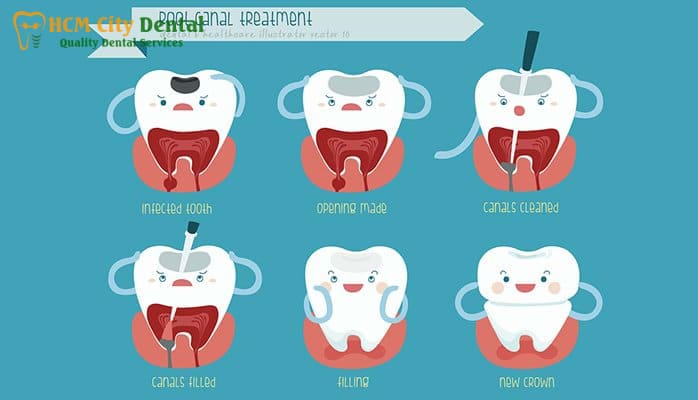
root canal pain
Frequently Asked Questions (FAQ) about Root Canal Pain
Why does my tooth still hurt after a root canal if the nerve is gone?
This is a very common and logical question. While the nerve inside the tooth is removed, the surrounding tissues, including the periodontal ligament, still have nerve endings. Inflammation in these tissues from the pre-existing infection or the procedure itself is what causes the temporary discomfort you feel. This pain should subside as the area heals.
How long will a root canal hurt if it was very infected?
If there was a significant infection or abscess before treatment, you might experience a slightly longer period of discomfort, as your body has more inflammation to resolve. However, the timeline should be similar: the most noticeable pain in the first 2-3 days, with steady improvement over the following week. The root canal itself is the first step in resolving that deep infection pain.
Is throbbing pain after root canal treatment normal?
A mild, dull throbbing can be normal in the first 24-48 hours as part of the inflammatory response. However, if the throbbing is severe, persistent, or gets worse instead of better, it is a warning sign. Severe throbbing could indicate elevated pressure or a persistent infection and you should contact your dentist immediately.
Can I go to work the day after a root canal?
Most people can return to work or their normal activities the day after a root canal. You shouldn’t have debilitating pain. However, you will likely have some tenderness in the area, so it’s wise to plan on a soft lunch and avoid any activities that could risk impact to your mouth.
What does it mean if my sore root canal tooth only hurts when I bite down?
Pain specifically on biting is often related to two things. First, it can be due to inflammation of the ligament surrounding the tooth, which is normal and temporary. Second, it could mean your temporary filling or crown is slightly too high, creating excessive pressure when you bite. If this persists beyond a few days, a simple adjustment by your dentist can resolve it.
Is it normal to have pain after root canal treatment months later?
No, it is not normal to develop new pain months or years after a successful root canal. Pain that appears long after treatment could be a sign of a failed root canal, often due to a new infection, a crack in the tooth, or leakage from the filling or crown. This requires immediate evaluation by your dentist.
What are the risks of ignoring pain after a root canal?
Ignoring persistent or severe pain is dangerous. It almost always indicates an unresolved issue, such as a lingering infection. This infection can lead to bone loss around the tooth, the formation of a painful abscess, and could ultimately result in the loss of the tooth that the root canal was meant to save.

root canal pain
Your Health and Comfort Are Our Priority
Navigating the experience of root canal pain is about understanding the process and trusting in expert care. The initial pain from an infected tooth is a signal that something is wrong, and a root canal is the definitive solution to relieve that pain and save your natural tooth. While some post-procedure tenderness is a normal part of healing, it should be temporary and manageable.
Remember the key takeaways: modern root canals are not the painful procedures of the past, recovery should show steady improvement within a few days, and you should never hesitate to contact your dentist if you experience severe pain or other warning signs. At HCMCDental, we are dedicated to providing you with the highest standard of care in a comfortable and trustworthy environment.
Don’t let pain or uncertainty dictate your oral health. Take the final step towards lasting relief. Book your appointment online at HCMCDental.com to receive a 10% discount, or for immediate advice, call our Hotline/WhatsApp at +84853020003 for a free, direct consultation with me.
This article was medically reviewed and written by Dr. Cuong.
Important Disclaimer
The information provided in this article is for educational and informational purposes only and is not intended as a substitute for professional medical advice, diagnosis, or treatment. Always seek the advice of your dentist or another qualified health provider with any questions you may have regarding a medical condition. Never disregard professional medical advice or delay in seeking it because of something you have read on this website.
Written and Medically Reviewed By
Dr. Cuong is a leading Specialist in Odontostomatology with extensive experience in endodontics and restorative dentistry. Practicing at HCMCDental.com, he is dedicated to utilizing the latest technology and techniques to provide patients with painless, effective, and long-lasting dental solutions. Dr. Cuong is passionate about patient education and is committed to building trust by delivering clear, honest, and empathetic care.