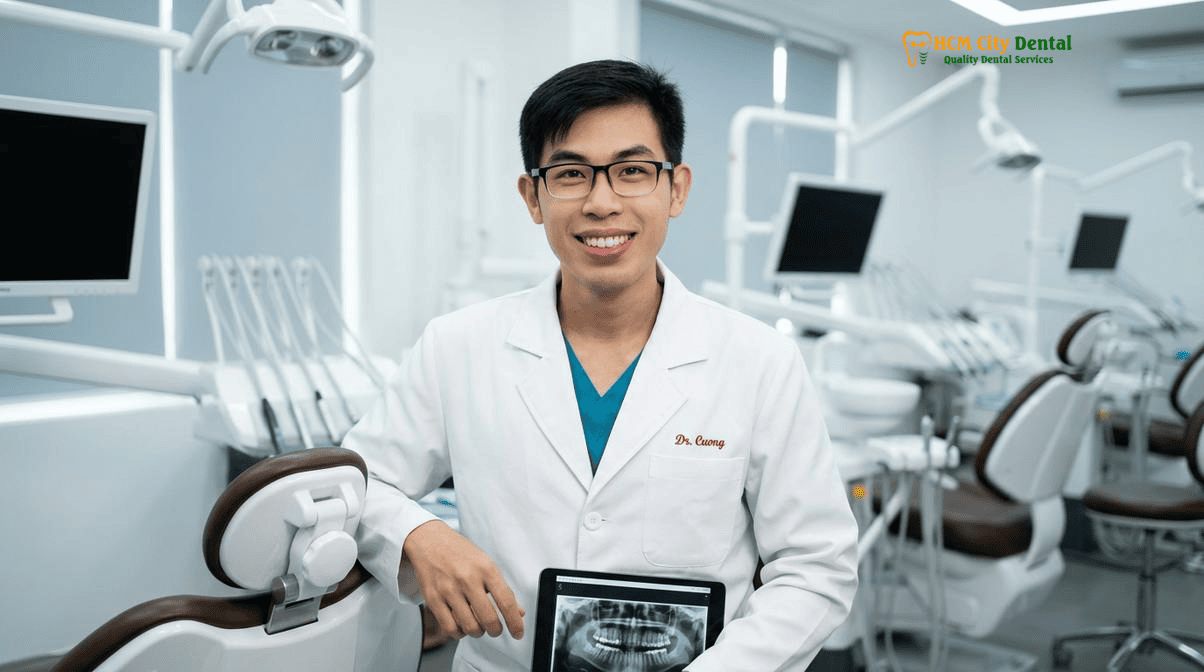
Navigating oral surgery and complex dental restorations requires an elevated standard of medical vigilance, particularly for patients managing systemic health conditions. For individuals undergoing hemodialysis, managing Chronic Kidney Disease (CKD), or living with a renal transplant, standard dental procedures carry unique physiological risks. From the systemic effects of heparin administration during dialysis to the complexities of uremic platelet dysfunction, altered bone metabolism, and lifelong immunosuppression, the margin for clinical error is virtually nonexistent. At HCMC Dental Clinic in District 1, Ho Chi Minh City, our surgical protocols are engineered to mitigate these exact risks. Under the clinical direction of Dr. Nguyen Van Cuong (Dr. Cuong), DDS, we have developed a hospital-grade, evidence-based framework that ensures the highest echelon of safety for international patients, expats, and dental travelers seeking a safe dental implant protocol for kidney dialysis and renal transplant patients.
Clinical Summary:
Providing safe dental implants and oral surgery for patients with Chronic Kidney Disease (CKD), end-stage renal disease (ESRD) on hemodialysis, or functioning kidney transplants requires strict adherence to specialized medical protocols. Key safety pillars include scheduling surgical interventions exclusively on the first non-dialysis day to avoid heparin-induced hemorrhage, utilizing advanced local hemostatic agents (L-PRF and tranexamic acid) to counteract uremic thrombopathy, and strictly avoiding nephrotoxic NSAIDs in favor of renal-adjusted pharmacology. Furthermore, 3D CBCT imaging is mandatory to assess jawbone density affected by renal osteodystrophy, while transplant recipients require meticulous antibiotic prophylaxis and management of immunosuppressant-induced gingival changes. HCMC Dental Clinic delivers these specialized protocols at transparent, globally competitive 2026 fee schedules.
Key Takeaways:
- The 24-Hour Heparin Rule: Oral surgery and implant placement for hemodialysis patients must strictly occur on the first non-dialysis day, ensuring systemic heparin has cleared to prevent severe postoperative bleeding.
- Absolute NSAID Contraindication: Patients with CKD Stages 3–5 must never use Ibuprofen, Naproxen, or Diclofenac for dental pain, as these medications constrict renal blood flow; Paracetamol is the safe alternative.
- Advanced Hemostasis: To combat uremic platelet dysfunction, our protocol utilizes Leukocyte-Platelet Rich Fibrin (L-PRF) autologous plugs, oxidized regenerated cellulose, and 5% tranexamic acid mouthrinses.
- AV Fistula Protection: Blood pressure cuffs and IV sedation lines are strictly prohibited on the arm containing the patient’s dialysis arteriovenous (AV) fistula to prevent irreversible thrombosis.
- Transplant Immunosuppression: Renal transplant patients on Tacrolimus or Cyclosporine require tailored antibiotic prophylaxis and specialized periodontal management to prevent opportunistic infections and gingival hyperplasia.
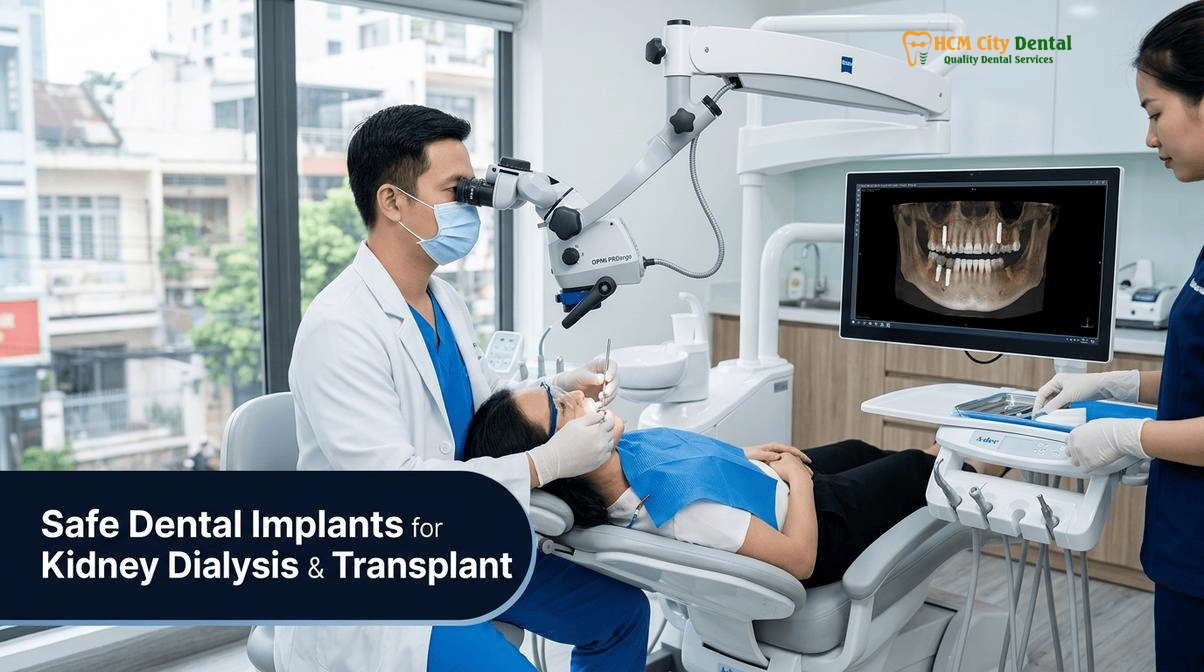
The Golden Rule of Hemodialysis Dental Timing: Why Surgery Is Strictly Scheduled on the First Non-Dialysis Day (24 Hours Post-Heparin)
For patients with end-stage renal disease (ESRD) relying on hemodialysis, the timing of oral surgery is the most critical variable in preventing life-threatening complications. During a standard hemodialysis session, patients are administered systemic anticoagulants—typically unfractionated heparin or low-molecular-weight heparin—to prevent their blood from clotting as it cycles through the extracorporeal dialyzer circuit. Because heparin significantly prolongs bleeding time, performing a tooth extraction or placing a dental implant on the same day as a dialysis session exposes the patient to an unacceptable risk of severe, uncontrollable postoperative hemorrhage.
To ensure absolute safety, HCMC Dental Clinic strictly enforces the “Golden Rule” of hemodialysis dental timing: all invasive procedures must be scheduled on the first non-dialysis day, exactly 24 hours post-heparin administration. By this 24-hour mark, the anticoagulant effects of the heparin have fully dissipated from the patient’s systemic circulation. Furthermore, the dialysis process itself induces profound physiological stress, including rapid fluid shifts, electrolyte fluctuations (particularly potassium and urea), and post-dialysis fatigue syndrome. Operating on the non-dialysis day ensures that the patient’s intravascular volume has stabilized, their blood pressure is normalized, and they are physically rested enough to tolerate the surgical intervention.
“When treating hemodialysis patients, the calendar is just as important as the scalpel. We never compromise on the 24-hour post-heparin window. By scheduling a tooth extraction on a non-dialysis day using a heparin bleeding protocol, we eliminate the risk of anticoagulant-induced hemorrhage while ensuring the patient’s fluid and electrolyte balances are optimally stabilized for surgery.”
— Dr. Nguyen Van Cuong (Dr. Cuong), DDS (Vietnam MOH License 0003265/BL-CCHN)
Beyond surgical timing, physical protection of the patient’s vascular access is paramount. The arteriovenous (AV) fistula—usually located in the forearm or upper arm—is the patient’s lifeline for dialysis. Applying external pressure to this arm can impede blood flow, leading to irreversible thrombosis (clotting) or structural collapse of the fistula. Therefore, our clinical team is trained to place visual alerts in the patient’s digital chart, ensuring that blood pressure cuffs, tourniquets, and intravenous (IV) sedation lines are strictly applied only to the non-fistula arm. For international patients seeking comprehensive care, we detail these exact hospital-grade precautions in our International Patient Medical Safety & Post-Op Recovery Guides.
Uremic Platelet Dysfunction & Local Hemostasis: Using L-PRF Autologous Fibrin Plugs, Oxidized Cellulose, and Tranexamic Acid Mouthrinse
Even when surgery is correctly timed on a non-dialysis day to avoid heparin, renal patients still face a secondary bleeding challenge known as uremic thrombopathy. In patients with advanced CKD, the accumulation of uremic toxins (such as guanidinosuccinic acid and phenolic compounds) in the bloodstream impairs the intrinsic function of platelets. While the absolute platelet count may be normal, these toxins prevent the platelets from adhering to the injured vascular endothelium and aggregating properly to form a stable primary blood clot. This qualitative platelet defect means that standard gauze pressure is often insufficient to achieve reliable hemostasis following an extraction or implant osteotomy.
To counteract uremic platelet dysfunction, Dr. Nguyen Van Cuong, DDS employs a multi-tiered, active hemostatic protocol. The cornerstone of this approach is the use of Leukocyte-Platelet Rich Fibrin (L-PRF). Prior to the procedure, a small sample of the patient’s blood is drawn and centrifuged at specific parameters without anticoagulants. This process isolates a dense, autologous fibrin matrix rich in leukocytes, concentrated platelets, and growth factors. When this L-PRF plug is compacted into the extraction socket or implant site, it acts as a robust biological scaffold that mechanically seals the wound, accelerates angiogenesis, and bypasses the delayed primary clotting cascade caused by uremia [1].
In addition to L-PRF, our surgical protocol utilizes oxidized regenerated cellulose (Surgicel) placed deep within the socket to provide an artificial matrix for clot formation. Finally, the surgical site is secured with tension-free primary closure using non-resorbable PTFE or resorbable Vicryl sutures. Postoperatively, patients are prescribed a 5% tranexamic acid mouthrinse. Tranexamic acid is a potent antifibrinolytic agent that prevents the premature breakdown of the newly formed blood clot by inhibiting plasminogen activation. This localized approach ensures profound hemostasis without altering the patient’s systemic coagulation profile. To further protect the fragile surgical site from waterborne pathogens during the critical initial healing phase, we strongly advise patients to follow our guidelines on Tap Water vs. Bottled Water After Oral Surgery in Vietnam: Why International Patients Must Brush & Rinse with Bottled Water.
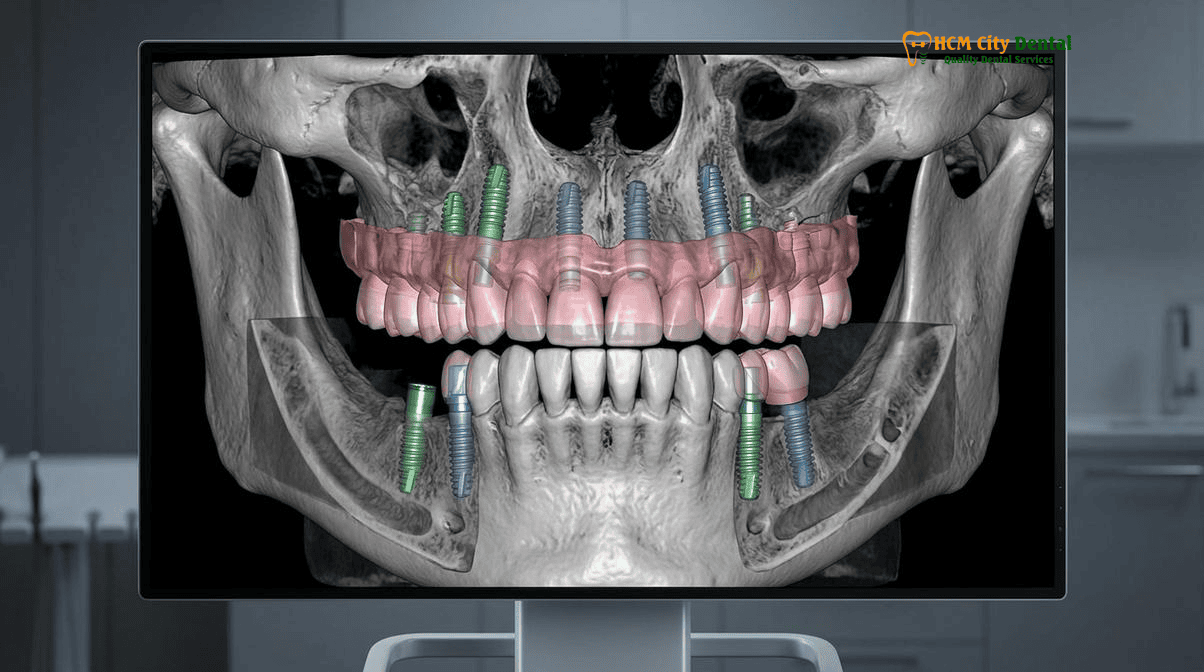
Nephro-Safe Pharmacology & GFR Dose Adjustment: Strict Avoidance of NSAIDs (Ibuprofen/Naproxen/Celecoxib) in Favor of Paracetamol & Renal-Adjusted Amoxicillin
Pharmacological management in renal patients requires a profound understanding of drug metabolism, renal clearance, and nephrotoxicity. The most critical pharmacological rule in our clinic is the absolute contraindication of Non-Steroidal Anti-Inflammatory Drugs (NSAIDs) for patients with CKD Stages 3–5, hemodialysis patients, and renal transplant recipients. Medications such as Ibuprofen, Naproxen, Diclofenac, Celecoxib, and Mefenamic Acid function by inhibiting the cyclooxygenase (COX) enzymes, thereby reducing the synthesis of prostaglandins.
In a healthy individual, this effectively manages dental pain and swelling. However, in a patient with compromised kidney function, renal prostaglandins are vital for maintaining the dilation of the afferent arterioles—the blood vessels that supply the glomeruli. Inhibiting these prostaglandins causes severe vasoconstriction, drastically reducing renal blood flow and glomerular filtration rate (GFR). Even a short course of NSAIDs prescribed for post-implant pain can precipitate acute kidney injury (AKI) or accelerate the patient’s trajectory toward end-stage renal failure. Therefore, nephrotoxic NSAIDs avoidance and dental pain management in CKD must rely exclusively on hepatically metabolized analgesics, primarily Paracetamol (Acetaminophen), which provides safe and effective pain relief without compromising renal hemodynamics [2].
CRITICAL PHARMACOLOGY WARNING FOR RENAL PATIENTS:
If you have Chronic Kidney Disease (CKD), are on hemodialysis, or have a kidney transplant, you must NEVER take Ibuprofen (Advil/Motrin), Naproxen (Aleve), Diclofenac (Voltaren), or Celecoxib (Celebrex) for dental pain. These medications can cause immediate and irreversible damage to your remaining kidney function or your transplanted organ. Always inform Dr. Nguyen Van Cuong, DDS of your exact eGFR so that safe alternatives, such as Paracetamol, can be prescribed.
Antibiotic prophylaxis and postoperative infection management also require strict renal dose adjustments. Many broad-spectrum antibiotics commonly used in dentistry, such as Amoxicillin and Cephalexin, are primarily excreted by the kidneys. If a standard dose is given to a patient with a low eGFR, the drug will accumulate in the bloodstream, potentially leading to systemic toxicity, neurotoxicity, or severe gastrointestinal disturbances. At HCMC Dental Clinic, we calculate the precise dosage and extend the dosing intervals (e.g., every 12 or 24 hours instead of every 8 hours) based on the patient’s most recent eGFR and creatinine clearance laboratory results, ensuring maximum antimicrobial efficacy with zero nephrotoxic risk.
Renal Osteodystrophy & Secondary Hyperparathyroidism: 3D CBCT Hounsfield Bone Density Verification and Extended Osseointegration Timelines
Successful dental implant placement relies entirely on the volume and density of the patient’s maxillary and mandibular bone. For patients with chronic kidney disease, bone metabolism is fundamentally altered by a condition known as Chronic Kidney Disease-Mineral and Bone Disorder (CKD-MBD), commonly referred to as renal osteodystrophy. As kidney function declines, the kidneys lose their ability to excrete dietary phosphorus and activate Vitamin D into its functional form (calcitriol). This leads to hyperphosphatemia and hypocalcemia (low blood calcium levels).
In response to low serum calcium, the parathyroid glands become hyperactive (secondary hyperparathyroidism), continuously secreting Parathyroid Hormone (PTH). PTH acts to normalize blood calcium levels by aggressively leaching calcium from the skeletal system, including the jawbones. Over time, this continuous demineralization results in severe cortical thinning, widened trabecular spaces, decreased jawbone density, and occasionally the formation of giant cell granulomas (brown tumors). Placing a dental implant into bone compromised by renal osteodystrophy without proper diagnostic imaging is a recipe for primary stability failure and early implant loss.
“We cannot treat a renal patient’s jawbone as if it were healthy, dense bone. Renal osteodystrophy fundamentally changes the trabecular architecture. By utilizing 3D CBCT imaging to map Hounsfield Units, we can objectively quantify the bone density before surgery, allowing us to select specialized implant thread designs and adjust our osseointegration timelines to ensure absolute predictability.”
— Dr. Nguyen Van Cuong (Dr. Cuong), DDS (Vietnam MOH License 0003265/BL-CCHN)
To mitigate this risk, HCMC Dental Clinic mandates a high-resolution 3D Cone Beam Computed Tomography (CBCT) scan for all renal patients prior to implant surgery. Our digital software analyzes the Hounsfield Units (HU) of the proposed implant site to objectively quantify bone density. If renal osteodystrophy and jawbone density in dental implants present a challenge, Dr. Nguyen Van Cuong, DDS will modify the surgical protocol. This may involve using wider-diameter implants, utilizing osseodensification burs to compact rather than remove the trabecular bone, and utilizing premium hydrophilic implant surfaces (such as Straumann SLActive) to accelerate bone healing [3]. Furthermore, the osseointegration timeline is deliberately extended; rather than loading the implant with a crown at 2–3 months, we allow 4–6 months of undisturbed healing to ensure a rigid, ankylotic bone-to-implant interface. Patients traveling from abroad can review how our advanced protocols compare globally in our guide on Vietnam vs. Hungary & Poland for Dental Implants: 2026 Clinical & Cost Comparison for UK/European Patients.
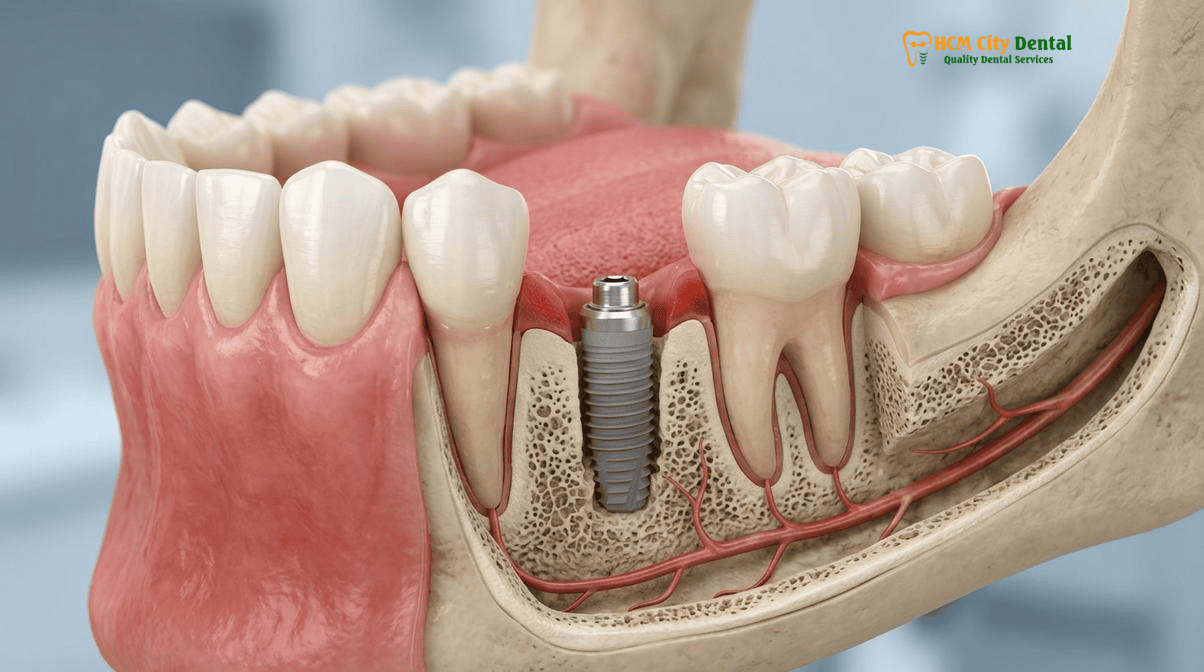
Renal Transplant Patients on Immunosuppressants (Tacrolimus, Cyclosporine, Prednisone): Managing Gingival Overgrowth, Adrenal Stress & Prophylaxis
Patients who have successfully received a kidney transplant represent a distinct clinical demographic. While their renal function (eGFR) and uremic status are typically stabilized by the transplanted organ, they are committed to a lifelong regimen of immunosuppressive pharmacotherapy to prevent allograft rejection. The most common maintenance regimens include calcineurin inhibitors (Tacrolimus or Cyclosporine), antiproliferative agents (Mycophenolate Mofetil), and corticosteroids (Prednisone). These medications introduce three specific challenges to oral surgery: increased susceptibility to opportunistic infections, drug-induced gingival hyperplasia, and adrenal suppression.
Because the patient’s immune system is artificially suppressed, the oral cavity—which harbors billions of bacteria—becomes a high-risk vector for systemic bacteremia during invasive dental procedures. To protect the transplanted kidney and prevent implant site infections, strict adherence to prophylactic antibiotic protocols is mandatory. Furthermore, the use of Cyclosporine is notoriously associated with severe gingival overgrowth (hyperplasia), where the gum tissue proliferates aggressively, creating deep pseudopockets that trap plaque and trigger peri-implantitis. Managing kidney transplant immunosuppression, cyclosporine, and gingival hyperplasia requires meticulous periodontal maintenance, rigorous plaque control, and occasionally, surgical gingivectomy using a soft-tissue diode laser to reshape the tissue around the implant abutments [4].
Clinical Case Study: Safe Implant Rehabilitation for a Renal Transplant Recipient
Patient Profile: A 58-year-old Australian expat residing in Ho Chi Minh City, 4 years post-kidney transplant, presenting with two fractured mandibular molars requiring extraction and implant replacement. The patient was on a stable maintenance dose of Tacrolimus and low-dose Prednisone.
Clinical Protocol: After interdisciplinary consultation with the patient’s nephrologist to confirm stable graft function (eGFR > 60), Dr. Nguyen Van Cuong, DDS (Clinical Director — MOH License 0003265/BL-CCHN) initiated the protocol. Prophylactic Amoxicillin was administered 1 hour prior to surgery. The fractured roots were extracted atraumatically using Piezosurgery to preserve the buccal bone plate. Two premium Straumann BLT implants were placed immediately, utilizing L-PRF plugs to optimize soft tissue healing and seal the surgical site against oral pathogens. Because the patient was on chronic corticosteroids, a stress-dose protocol was evaluated to prevent adrenal crisis, though deemed unnecessary for this minimally invasive approach. The implants integrated flawlessly over 4 months, and custom Zirconia crowns were delivered with highly polished emergence profiles to prevent plaque accumulation and protect the peri-implant mucosa from immunosuppressant-induced inflammation.
2026 Medically Compromised Renal & Transplant Dental Care Fee Schedule at HCMC Dental Clinic (District 1)
Providing hospital-grade oral surgery for medically compromised patients requires advanced biomaterials (L-PRF, oxidized cellulose), 3D CBCT diagnostics, and highly specialized surgical expertise. In Western nations like the US, UK, and Australia, the cost of treating high-risk renal patients in a specialized setting is often prohibitively expensive. At HCMC Dental Clinic, we believe that finding a safe dentist for renal patients in Ho Chi Minh City should not require compromising on clinical safety or financial transparency.
We utilize the exact same premium implant fixtures (Straumann, Dentium, Osstem), Carl Zeiss surgical microscopes, and strict EN 13060 Class B sterilization protocols as top-tier clinics in Sydney or London, but at a fraction of the cost. Below is our official 2026 fee schedule, featuring our exclusive -40% Online Booking Pricing for international patients [5]. For a complete breakdown of all restorative and surgical fees, please visit our Official 2026 Dental Price List & -40% Online Booking Fee Schedule.
| Specialized Surgical & Implant Procedure | 2026 Online Booking Price (USD) | Walk-In / Standard Price (USD) |
|---|---|---|
| 3D CBCT Scan (Mandatory for Renal Osteodystrophy Assessment) | $18 USD (480,000 VND) | $30 USD |
| Surgical Wisdom Tooth Extraction (Piezotome + L-PRF Hemostasis) | $58 – $115 USD / tooth | $96 – $192 USD |
| Single Korean Implant (Dentis / Neo Biotech / Dentium + Abutment) | $462 – $654 USD | $769 – $1,090 USD |
| Single European / Swiss Implant (Straumann BLT-SLA / BLA-Active) | $962 – $1,346 USD | $1,603 – $2,244 USD |
| All-on-4 Full-Arch Implants (Complete package with Zirconia bridge) | From $6,346 USD / arch | From $10,576 USD |
| Full Zirconia Crown (Cercon Standard / HT Multilayer) | $154 – $192 USD / tooth | $256 – $321 USD |
| Implant Zirconia HT Crown + Custom Abutment | $154 USD (4,000,000 VND) | $256 USD |
Following successful implant placement, proper nutritional intake is vital for wound healing, especially for renal patients who may already have dietary restrictions regarding potassium, phosphorus, and protein. We provide comprehensive postoperative dietary counseling tailored to the local cuisine. Patients can explore safe, kidney-friendly soft food options in our detailed guide: The 14-Day Saigon Soft-Food Recovery Guide After Dental Implants: Safe Vietnamese Dishes & Exact GrabFood Keywords.
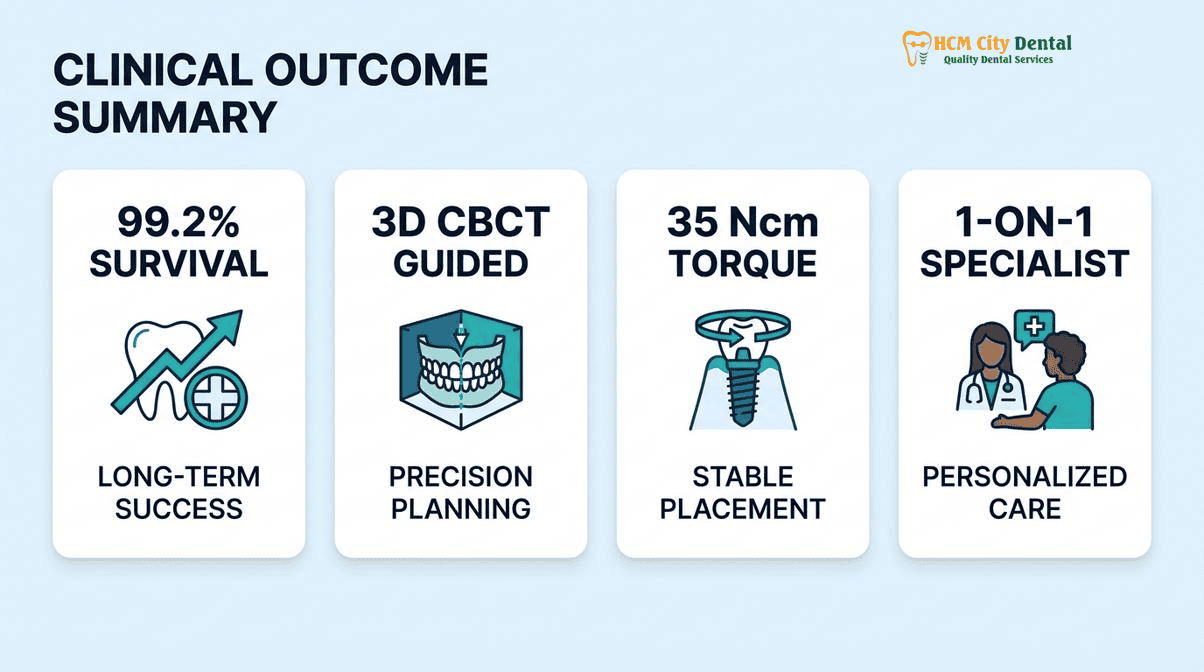
Frequently Asked Questions
Why should tooth extractions or dental implant placement never be performed on the same day right after hemodialysis?
Performing oral surgery immediately after hemodialysis is strictly contraindicated due to the systemic presence of systemic heparin, which is administered to prevent blood from clotting in the dialyzer. Heparin has a half-life that leaves patients highly susceptible to severe, uncontrollable postoperative hemorrhage. Furthermore, the dialysis process causes significant fluid shifts, electrolyte imbalances, and profound physical exhaustion. By scheduling surgery on the first non-dialysis day (exactly 24 hours post-heparin), the anticoagulant has cleared the patient’s system, and their intravascular volume and electrolytes have stabilized, ensuring a safe surgical environment.
Why must patients with Chronic Kidney Disease Stage 3–5 never take Ibuprofen, Diclofenac, or Mefenamic Acid for dental pain?
Non-Steroidal Anti-Inflammatory Drugs (NSAIDs) like Ibuprofen, Diclofenac, Naproxen, and Mefenamic Acid work by inhibiting prostaglandins. In a healthy individual, this reduces pain and inflammation. However, in patients with Chronic Kidney Disease (CKD), renal prostaglandins are crucial for keeping the afferent arterioles of the kidneys dilated to maintain glomerular filtration rate (GFR). Taking NSAIDs causes these arterioles to constrict, drastically reducing blood flow to the kidneys and potentially triggering acute kidney injury (AKI) or accelerating the progression to end-stage renal disease. Paracetamol (Acetaminophen) is the safe, hepatically metabolized alternative.
Why do we never measure blood pressure or place an IV sedation line on the arm with a dialysis arteriovenous (AV) fistula?
An arteriovenous (AV) fistula is a surgically created connection between an artery and a vein, serving as the patient’s critical lifeline for hemodialysis access. Applying a blood pressure cuff, tourniquet, or placing an intravenous (IV) line on the fistula arm creates external compression that can impede blood flow, leading to irreversible thrombosis (clotting) or structural damage to the fistula. At HCMC Dental Clinic, our clinical protocol strictly mandates that all vital sign monitoring, blood pressure readings, and IV sedation lines be placed exclusively on the non-fistula arm to protect this vital vascular access.
Can patients with a functioning kidney transplant safely get Straumann or Osstem dental implants in Vietnam?
Yes, patients with a stable, functioning kidney transplant can safely receive premium dental implants, such as Straumann or Osstem, provided strict medical protocols are followed. Because transplant recipients are on lifelong immunosuppressive medications (like Tacrolimus, Cyclosporine, or Mycophenolate) to prevent organ rejection, they are at a higher risk for opportunistic infections. Successful implant placement requires meticulous aseptic technique, prophylactic antibiotics adjusted for renal clearance, and close monitoring of gingival health, as some immunosuppressants can cause gingival hyperplasia. Interdisciplinary coordination with the patient’s nephrologist is standard practice.
What recent blood test results (eGFR, INR/PTT, CBC, PTH) should renal patients bring to HCMC Dental Clinic in District 1?
To ensure maximum surgical safety, renal patients should provide recent laboratory results (ideally within the last 30 days). Essential tests include the estimated Glomerular Filtration Rate (eGFR) and serum creatinine to assess current kidney function and guide medication dosing; a Complete Blood Count (CBC) to check for uremia-induced anemia and platelet count; coagulation profiles (PT/INR and aPTT) to verify hemostasis capability; and Parathyroid Hormone (PTH), Calcium, and Phosphorus levels to evaluate the presence of renal osteodystrophy, which directly impacts jawbone density and implant osseointegration timelines.
References
- International Journal of Oral & Maxillofacial Implants. Clinical Guidelines for Dental Implant Therapy in Patients with End-Stage Renal Disease and Hemodialysis. (2022).
- Journal of the American Dental Association (JADA). Pharmacological Management of Dental Pain and Infection in Patients with Chronic Kidney Disease: Avoiding Nephrotoxicity. (2021).
- Clinical Oral Implants Research. The Impact of Renal Osteodystrophy and Secondary Hyperparathyroidism on Jawbone Density and Implant Osseointegration. (2023).
- Journal of Periodontology. Management of Cyclosporine-Induced Gingival Overgrowth and Implant Prophylaxis in Renal Transplant Recipients. (2020).
- Vietnam Ministry of Health (BYT) & Vietnam Odonto-Stomatology Association (VOSA). National Clinical Guidelines on Specialist Dental Care, Biomaterial Traceability & EN 13060 Class B Infection Control. (2024).